
Cultural Exchanges: How Artisan Techniques Spread Across Japan


Welcome to Feudal Japan History, where we invite you to embark on a fascinating journey through the intricate tapestry of Japan's feudal era. In our latest article, “Cultural Exchanges: How Artisan Techniques Spread Across Japan,” we delve into the rich history of Japanese artisan techniques, revealing how these time-honored skills fostered connections and shaped the very fabric of society. What secrets lie within the craft of ancient artisans? Discover the answers as you explore the layers of history, culture, and creativity that influenced this remarkable period. Your adventure awaits—dive deeper into the captivating world of feudal Japan!
Introduction to Japanese Artisan Techniques History
The history of Japanese artisan techniques is a rich tapestry woven through centuries of cultural exchanges, geographic influences, and the evolution of craftsmanship. During the feudal era, Japan experienced significant transformation as artisans honed their skills, leading to a variety of specialized crafts that became integral to Japanese society.
This article delves into the comprehensive exploration of how these artisan techniques spread across Japan, examining the historical, cultural, and societal aspects that contributed to their development and dissemination. By understanding the interplay between artisans and merchants, we can appreciate the intricate dynamics that shaped the artistic landscape of feudal Japan and the lasting legacies of these practices.
Overview of Artisan Techniques in Feudal Japan
Artisan techniques in feudal Japan encompassed a wide range of crafts, from textile production and pottery to metalworking and woodworking. Each region of Japan developed its own distinct styles and methods, influenced by local resources and cultural traditions. Some notable artisan techniques include:
- Kimono Weaving: The intricate weaving of kimonos using silk and other materials, with regional variations such as Nishijin-ori from Kyoto.
- Ceramics: The development of various pottery styles, including Imari and Bizen ware, reflecting both aesthetic values and practical uses.
- Swordsmithing: The renowned craftsmanship of katana-making, with techniques passed down through generations, particularly in regions like Seki and Bizen.
- Lacquerware: The art of applying layers of lacquer to wood, creating beautiful and durable items, often embellished with intricate designs.
These techniques not only served functional purposes but also embodied the artistic expressions and societal values of their time.
Importance of Cultural Exchanges in Artisan Craftsmanship
Cultural exchanges played a crucial role in the evolution of artisan techniques in Japan. As trade routes expanded and interactions with neighboring countries increased, artisans were exposed to new materials, tools, and styles. This exchange of knowledge fostered innovation and refinement in their crafts. Key factors influencing cultural exchanges included:
- Trade with China and Korea: The importation of techniques and materials significantly impacted Japanese artisans, introducing new methods in pottery and textile production.
- Travel and Pilgrimages: Artisans often traveled across regions for religious pilgrimages or trade, facilitating the sharing of techniques and ideas.
- Martial and Cultural Events: Festivals and tournaments provided venues for artisans to showcase their work, leading to the spread of techniques through competition and collaboration.
Through these interactions, artisans not only enhanced their skills but also contributed to a collective identity that celebrated craftsmanship across Japan.
Historical Context of Artisan Techniques in Japan
Understanding the historical context of artisan techniques requires examining the socio-political landscape of feudal Japan. The era was characterized by the establishment of a hierarchical society, where artisans held a unique position. The following subtopics explore the development of artisan guilds and the geographical influences on techniques.
Development of Artisan Guilds in Feudal Japan
Artisan guilds emerged as essential organizations that governed the practices and standards of various crafts. These guilds:
- Regulated Craftsmanship: Guilds set quality standards, ensuring that artisans adhered to specific techniques and practices.
- Provided Training: They offered apprenticeship programs, allowing novices to learn from experienced craftsmen, thus preserving traditional techniques.
- Facilitated Economic Stability: By controlling production and pricing, guilds helped artisans maintain a steady income and secure their social standing within communities.
The formation of these guilds significantly impacted the dissemination of artisan techniques, creating a network through which skills were shared and refined.
Influence of Geography on Artisan Techniques
Geography played a pivotal role in shaping artisan techniques across Japan. The diverse landscapes and climates influenced the availability of resources and the development of regional specialties. For instance:
- Natural Resources: Regions rich in clay produced distinctive ceramic styles, while those with abundant timber developed advanced woodworking techniques.
- Isolation vs. Connectivity: Coastal regions often had more trade interactions, leading to a blend of techniques, whereas mountainous areas might have preserved more traditional methods due to isolation.
This geographical diversity contributed to the unique characteristics of artisan techniques, making them a vital part of Japan's cultural heritage.
Through this exploration of cultural exchanges and the historical context of artisan techniques in feudal Japan, we gain insight into the intricate connections between craftsmanship and society, revealing the depth and richness of Japan's artisan history.
Key Artisan Techniques and Their Regional Variations
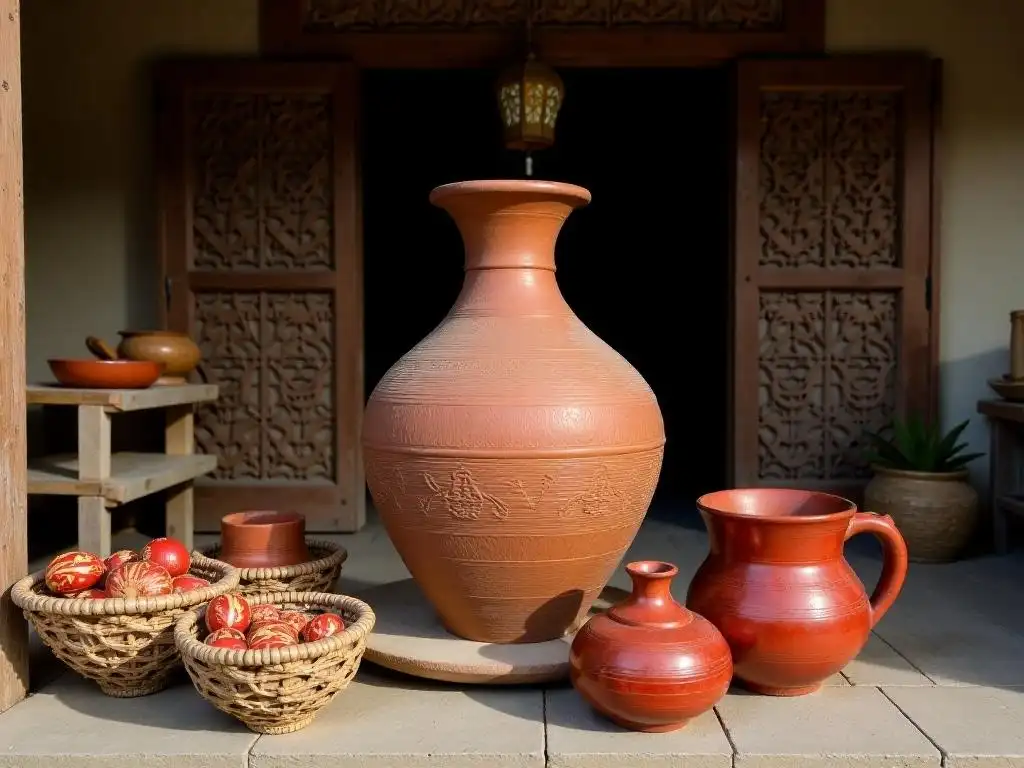
Japan's feudal era was marked by a rich tapestry of artisan techniques that not only defined regional identities but also reflected the intricate cultural exchanges occurring across the archipelago. Each region developed its own distinctive styles, influenced by local resources, climate, and social needs. These artisan techniques range from textiles and pottery to woodworking, each reflecting the heritage and artistry of its locale.
Textile Techniques: From Nishijin to Kanto
Textile production in Japan showcases a remarkable evolution of techniques, particularly epitomized by the Nishijin and Kanto styles.
- Nishijin Textile: Originating from Kyoto, Nishijin textiles are renowned for their intricate weaving patterns and vibrant colors. The use of silk and the application of gold and silver threads make Nishijin fabrics highly coveted. The technique involves a complex process of weaving, employing looms that allow for elaborate designs, often inspired by nature and traditional motifs.
- Kanto Textile: In contrast, the Kanto region, which includes Tokyo and its surrounding areas, developed its own distinctive textile techniques. Kanto textiles are characterized by their practicality and durability, often using cotton rather than silk. The patterns tend to be simpler, focusing on functionality while still incorporating elements of beauty, often reflecting the urban lifestyle of the time.
These regional distinctions not only highlight the diversity in textile production but also demonstrate how cultural exchanges influenced the evolution of these techniques, leading to a richer textile tradition across Japan.
Pottery Techniques: Bizen vs. Imari Ware
Japanese pottery is another area where regional variations are significant, particularly when contrasting Bizen and Imari ware.
- Bizen Ware: Hailing from the Okayama Prefecture, Bizen pottery is known for its rustic aesthetic and unglazed surface. The natural clay used in Bizen, combined with the unique firing techniques, produces a distinctive reddish-brown hue. This pottery is often used for functional items, such as tea ware, reflecting the simplicity and beauty of everyday life.
- Imari Ware: In contrast, Imari ware from the Arita region is famous for its elaborate designs and vibrant colors. It is typically glazed and decorated with intricate patterns, often featuring floral and landscape motifs. Imari pottery gained international fame during the Edo period, particularly in Europe, where it was highly sought after by collectors.
The differences between Bizen and Imari ware illustrate how local resources and aesthetic values shaped pottery techniques, while also revealing the influence of trade and cultural exchanges that facilitated the dissemination of these unique styles.
Woodworking Techniques: The Art of Joinery
Woodworking in Japan is celebrated for its precision and artistry, particularly the traditional techniques of joinery. Unlike Western woodworking, which often relies on nails and screws, Japanese woodworking emphasizes the use of intricate joinery methods.
- Kigumi: This is a traditional Japanese joinery technique that involves interlocking wooden pieces without the use of metal fasteners. The craftsmanship involved in Kigumi allows for flexibility and durability, making structures more resilient to earthquakes.
- Shakudo: Another notable technique is Shakudo, which involves the use of contrasting wood types to create aesthetically pleasing designs. This method not only enhances the visual appeal of wooden structures but also showcases the artisan's skill in selecting and manipulating different materials.
The focus on joinery reflects a deep cultural respect for craftsmanship and nature, with artisans passing down their techniques through generations, often participating in guilds that promote the sharing of knowledge and skills.
Mechanisms of Cultural Exchange Among Artisans
The dissemination of artisan techniques throughout Japan was facilitated by various mechanisms, including trade routes, festivals, and religious practices. These factors played a crucial role in shaping the cultural landscape of the feudal era.
Trade Routes and Their Impact on Artisan Techniques
Trade routes, such as the Tōkaidō and Nakasendō, were vital arteries of cultural exchange in feudal Japan. These routes connected major cities and regions, allowing artisans to travel, share techniques, and trade goods.
- Impact on Techniques: As artisans moved along these routes, they exchanged knowledge about different styles and methods. For example, a potter from Bizen who traveled to the Kanto region might have learned about new glazing techniques and brought them back to enhance his craft.
- Market Access: The trade routes also provided artisans with access to larger markets, where their goods could be sold to a wider audience. This exposure encouraged innovation and adaptation, as artisans sought to meet the varying tastes and demands of consumers from different regions.
Role of Festivals and Marketplaces in Technique Dissemination
Festivals and marketplaces served as vibrant hubs for artisans to showcase their skills and techniques.
- Cultural Festivals: Many local festivals featured artisan crafts, where artisans displayed their work and engaged with the community. These events often included workshops and demonstrations, allowing for hands-on learning and the exchange of techniques among artisans and the populace.
- Marketplaces: The bustling marketplaces were melting pots of culture, where artisans from different regions could come together. This interaction fostered a sense of community and collaboration, leading to the blending of techniques and the birth of new styles that incorporated elements from various traditions.
Influence of Buddhist and Shinto Practices on Artisan Crafts
Religious practices, particularly Buddhism and Shinto, greatly influenced artisan crafts in Japan.
- Buddhism: The arrival of Buddhism introduced new artistic sensibilities that permeated various crafts, particularly in the creation of temple artifacts and ritual objects. Artisans adopted Buddhist themes, leading to the development of intricate sculptures, textiles, and ceramics that reflected spiritual beliefs and practices.
- Shinto: Shintoism, with its focus on nature and the divine, inspired artisans to create works that honored the natural world. The use of natural materials and the emphasis on harmony in design can be traced back to Shinto practices, influencing everything from woodworking to textile designs.
These religious influences not only enriched the techniques themselves but also provided artisans with a deeper cultural context in which to operate, fostering a sense of purpose and connection to their craft.
Case Studies of Artisan Technique Diffusion
The diffusion of artisan techniques across Japan is a rich tapestry woven through centuries of cultural exchange, trade, and migration. Various crafts not only evolved but also showcased how artisans adapted techniques to local resources and consumer preferences. This section presents case studies that highlight significant artisan techniques and their journeys across regions, reflecting the interconnectedness of Japanese culture.
The Spread of Indigo Dyeing Techniques Across Regions
Indigo dyeing, known as "aizome," has a long-standing tradition in Japan, particularly in regions like Tokushima and Gifu. The technique originally arrived from the Asian mainland, with its deep blue hues becoming emblematic of Japanese textiles.
- Regional Variations:
- Tokushima became famous for its unique aizome, utilizing local indigo plants that produced a vibrant and long-lasting color.
- Gifu artisans developed a method for dyeing cotton fabrics, which led to the creation of the iconic "Gifu indigo" patterned textiles.
- Cultural Exchange: Through the Edo period (1603-1868), the rise of merchant classes facilitated the sharing of dyeing techniques. Traveling artisans would exchange knowledge, leading to innovations in dyeing methods and designs.
- Modern Relevance: Today, the revival of indigo dyeing in various regions demonstrates how traditional techniques continue to influence contemporary fashion, with artisans experimenting with modern designs while respecting historical methods.
How Lacquerware Techniques Evolved Through Cultural Exchange
Lacquerware, or "urushi," is one of Japan's most revered crafts, characterized by its glossy finish and intricate designs. The technique, which originated in China, underwent significant transformations as it spread throughout Japan.
- Adoption and Adaptation:
- Kyoto became a center for high-quality lacquerware, where artisans incorporated local motifs and styles, such as maki-e (sprinkled picture) techniques.
- Echizen and Wajima regions developed their unique styles, emphasizing durability and aesthetic appeal, which catered to both local and international markets.
- Cultural Interactions: The influx of trade during the Edo period saw the integration of techniques from other East Asian countries, enriching the craft. Artisans adapted Chinese methods, like the use of gold and silver leaf, to create distinctly Japanese artworks.
- Contemporary Revival: Today, lacquerware is experiencing a renaissance, with artisans blending traditional methods with modern aesthetics, appealing to both domestic and global audiences.
The Journey of Pottery Techniques from Kyushu to Honshu
Pottery is one of the oldest forms of art in Japan, with distinct styles emerging across different regions. The journey of pottery techniques from Kyushu to Honshu illustrates the dynamic nature of this craft.
- Kyushu's Influence: Known for its diverse clay sources, Kyushu's potters, particularly in the Arita and Imari regions, pioneered techniques that produced exquisite porcelain. The introduction of these techniques to Honshu significantly impacted local pottery.
- Trade Routes: The flourishing trade during the Edo period enabled the movement of artisans and ideas. As techniques traveled northward, they merged with local traditions, resulting in unique styles such as Seto and Bizen ware.
- Cultural Significance: Pottery became more than functional items; they were cultural symbols, often reflecting the aesthetics of the period. Today, the legacy of these techniques is preserved through craft workshops and exhibitions, promoting awareness of Japanese ceramic arts.
Challenges Faced by Artisans in Preserving Techniques
Despite the rich history of artisan techniques in Japan, artisans face a myriad of challenges in preserving these invaluable practices. As modernization and globalization continue to influence Japanese society, traditional crafts are at risk.
Impact of Western Influence on Traditional Crafts
The influx of Western culture during the Meiji Restoration (1868) marked a significant turning point for Japanese artisans. Western techniques and materials began to reshape traditional crafts, presenting both challenges and opportunities.
- Material Changes: Many artisans adopted Western materials and production methods, which sometimes undermined the authenticity of traditional crafts. For example, the introduction of synthetic dyes began to replace natural dyes in textile production.
- Market Pressures: The demand for cheaper and faster production methods led to a decline in artisanal craftsmanship. Mass-produced items gained popularity, putting pressure on traditional artisans to adapt or risk obsolescence.
- Cultural Identity: The blending of Western and Japanese techniques has sparked debates within artisan communities about the preservation of cultural identity. While some embrace innovation, others strive to maintain the integrity of traditional practices.
The Decline of Artisan Guilds and Its Consequences
Historically, artisan guilds played a crucial role in the transmission of skills and the preservation of techniques. However, the decline of these organizations poses significant risks to the future of Japanese artisan crafts.
- Loss of Mentorship: With guilds diminishing, the traditional apprenticeship model is fading. Young artisans often lack access to seasoned mentors who can impart valuable knowledge and techniques.
- Economic Viability: Many artisans struggle to sustain their businesses without the support of guild structures. The absence of collective bargaining power can lead to financial instability, making it difficult for artisans to continue their craft.
- Cultural Heritage at Risk: The decline in guilds threatens the preservation of unique techniques that have been passed down through generations. As fewer artisans remain active in their crafts, there is an urgent need for initiatives that support and promote traditional artisan techniques.
While the history of Japanese artisan techniques is marked by a rich tradition of cultural exchange and innovation, contemporary challenges necessitate concerted efforts to preserve these invaluable crafts for future generations.
Revitalization Efforts for Japanese Artisan Techniques

The rich tapestry of Japanese artisan techniques has seen a resurgence in recent years, with dedicated efforts aimed at revitalizing traditional crafts that have been threatened by modernization and globalization. These revitalization initiatives encompass a variety of strategies, from government support to grassroots movements, all aimed at preserving the essence of Japan's cultural heritage.
Artisans and communities are increasingly recognizing the importance of keeping traditional crafts alive, not just for their economic value but also for the cultural identity they embody. As younger generations show interest in learning these skills, various organizations are stepping in to provide resources and support. Collaborative projects between artisans and designers have also surfaced, leading to innovative interpretations of classic techniques that appeal to contemporary markets.
Modern Movements to Preserve Traditional Crafts
In recent years, several modern movements have emerged to support the preservation of traditional Japanese crafts. Organizations such as the Japan Traditional Crafts Association have been pivotal in promoting artisans and their work, providing platforms for exhibitions and sales that connect traditional crafts with modern consumers.
Additionally, the "Mingei" movement, which celebrates folk crafts and their beauty, has inspired a resurgence of interest in techniques that were once on the brink of extinction. This movement emphasizes not only the aesthetic value of crafts but also their cultural significance, encouraging a deeper appreciation among both artisans and consumers.
Social media has also played a crucial role in this movement, allowing artisans to showcase their work to a global audience. Platforms like Instagram and Etsy have become vital tools for artisans to reach consumers who value authenticity and craftsmanship, and this has spurred renewed interest and economic viability for many traditional techniques.
Role of Education and Workshops in Artisan Technique Revival
Education plays a fundamental role in the revival of Japanese artisan techniques. Workshops and training programs are being established across the country, bringing together master artisans and aspiring craftsmen. These programs often focus on hands-on learning, allowing participants to engage directly with traditional methods and materials.
Moreover, educational institutions are increasingly incorporating artisanal skills into their curricula. Universities and vocational schools are offering courses that focus on the history and practice of traditional crafts, ensuring that the knowledge is passed down to future generations. This formal recognition of artisan skills helps to elevate their status and encourages more young people to pursue careers in these fields.
Community workshops are also flourishing, where local artisans teach their techniques to interested individuals. These workshops not only serve to educate but also foster a sense of community and shared cultural identity, reinforcing the importance of artisan traditions in modern society.
Conclusion: The Legacy of Japanese Artisan Techniques
The legacy of Japanese artisan techniques is one of resilience and adaptability. Despite facing numerous challenges over the centuries, these techniques have survived through cultural exchanges and the dedication of artisans committed to preserving their craft. The ongoing revitalization efforts highlight the importance of these traditions not just as historical artifacts but as living practices that continue to evolve.
Reflection on the Importance of Cultural Exchanges in Craftsmanship
Cultural exchanges have played a significant role in shaping the landscape of Japanese artisan techniques. Throughout history, the interaction between different regions and cultures has led to the sharing and blending of skills, materials, and aesthetics. This exchange has enriched Japanese craftsmanship, allowing it to adapt while maintaining its core values.
The importance of cultural exchanges extends beyond mere technique; they foster understanding and appreciation of different artistic expressions. This interconnectedness emphasizes that craftsmanship is not confined to borders but is a shared human experience, contributing to the richness of global culture.
Future Prospects for Artisan Techniques in Japan
Looking ahead, the prospects for Japanese artisan techniques appear promising, fueled by a growing appreciation for authenticity and craftsmanship in an increasingly disposable world. As consumers become more conscious of their purchasing decisions, there is a burgeoning market for handmade goods that reflect cultural heritage and individual artistry.
Furthermore, the continued efforts of organizations, educators, and artisans will play a crucial role in ensuring that these traditions remain vibrant. By fostering innovation while honoring tradition, Japanese artisan techniques can thrive, enriching both local communities and global markets. The legacy of these techniques will undoubtedly continue to inspire future generations, maintaining their relevance in an ever-changing world.
References
The history of Japanese artisan techniques is deeply intertwined with the cultural exchanges that occurred throughout the feudal era. Understanding these exchanges requires a review of various scholarly works, articles, and resources that delve into the nuances of artisan practices across different regions of Japan. Below are some key references that provide valuable insights into this rich historical tapestry.
-
Adachi, M. (2010). The Artisans of Japan: A Historical Overview. Tokyo: Japan Publishing Industry Foundation for Culture.
This book explores the evolution of artisan techniques in Japan, focusing on regional variations and the impact of cultural exchanges.
-
Kawamura, Y. (2015). Craft and Community in Early Modern Japan. University of California Press.
Kawamura offers an in-depth analysis of how artisan communities formed and the collaborative practices that facilitated the spread of techniques.
-
Tanaka, H. (2018). Cultural Exchange and the Development of Traditional Arts in Japan. Journal of Japanese Studies, 44(2), 205-230.
This academic article discusses the dynamics of cultural exchange among artisans and how these interactions influenced traditional arts.
-
Yamamoto, S. (2012). Silk and Spices: The Trade Routes of Feudal Japan. Kyoto: Zen Publications.
Yamamoto examines the commercial networks that not only influenced trade but also the exchange of artisan techniques and craftsmanship.
-
Watanabe, R. (2017). The Influence of Chinese Artisans on Japanese Craftsmanship. Asian Arts Journal, 35(1), 11-28.
This paper investigates the significant impact of Chinese artisans on the development of Japanese techniques through trade and cultural exchanges.
Further Reading on Japanese Artisan Techniques History
For those interested in a deeper understanding of the history of Japanese artisan techniques, the following resources provide comprehensive insights:
-
Shimizu, T. (2019). Masterpieces of Japanese Craftsmanship: A Historical Perspective.
This book highlights notable artisans and their contributions, showcasing how their techniques evolved over time.
-
Ito, Y. (2021). The Role of Artisans in Japanese Society: Historical and Cultural Contexts.
Ito's work emphasizes the societal roles that artisans played and the significance of their techniques in daily life.
-
Nakamura, K. (2020). Japanese Pottery: Traditions and Techniques.
This resource focuses specifically on pottery, exploring how techniques were transmitted through generations and across regions.
-
Fujimoto, A. (2022). The Art of Weaving: Japanese Textile Techniques Through the Ages.
Fujimoto delves into the history of textile arts, examining how cultural exchanges enriched weaving practices in Japan.
Suggested Resources for Understanding Cultural Exchanges in Japan
To enhance your understanding of cultural exchanges in Japan, consider exploring the following resources:
-
Kuroda, Y. (2016). Cultural Interactions in Early Modern Japan: A Comprehensive Study.
This book provides a broad overview of the cultural interactions that shaped Japanese society during the feudal period.
-
Hoshino, K. (2014). Japan's Artisan Economy: The Impact of Global Trade on Local Crafts.
Hoshino discusses how global trade influenced local artisan practices and facilitated cultural exchanges.
-
Saito, N. (2013). Cultural Exchanges along the Silk Road: Japan's Role in the Network.
This resource examines the historical context of exchanges between Japan and other cultures, particularly through trade routes.
-
Miyazaki, H. (2018). The Influence of Buddhism on Japanese Crafts: A Historical Analysis.
Miyazaki explores how Buddhism shaped various artisan techniques and the cultural exchanges that emerged from this influence.
These references and suggested readings offer a robust foundation for exploring the intricate history of Japanese artisan techniques and the cultural exchanges that facilitated their evolution across Japan.
- Introduction to Japanese Artisan Techniques History
- Overview of Artisan Techniques in Feudal Japan
- Importance of Cultural Exchanges in Artisan Craftsmanship
- Historical Context of Artisan Techniques in Japan
- Key Artisan Techniques and Their Regional Variations
- Mechanisms of Cultural Exchange Among Artisans
- Case Studies of Artisan Technique Diffusion
- Challenges Faced by Artisans in Preserving Techniques
- Revitalization Efforts for Japanese Artisan Techniques
- Conclusion: The Legacy of Japanese Artisan Techniques
- References
- What are artisan techniques in the context of feudal Japan?
- How did cultural exchanges impact artisan techniques in Japan?
- What role did trade play in the spread of these techniques?
- Can you provide examples of specific artisan techniques that evolved during this period?
- How do modern Japanese artisans connect to their historical roots?
Frequently Asked Questions
What are artisan techniques in the context of feudal Japan?
Artisan techniques refer to specialized skills and craftsmanship used by artisans to create goods such as textiles, ceramics, and metalwork, which significantly contributed to Japan's cultural identity.
How did cultural exchanges impact artisan techniques in Japan?
Cultural exchanges facilitated the sharing and adaptation of artisan techniques across regions, leading to the development of unique styles and innovations that enriched the overall craftsmanship in Japan.
What role did trade play in the spread of these techniques?
Trade served as a crucial link between different regions, allowing artisans to exchange ideas and materials, which enhanced the diversity and quality of artisan techniques throughout the country.
Can you provide examples of specific artisan techniques that evolved during this period?
Examples include kimono weaving, pottery styles like Raku, and sword-making techniques that were refined over time, showcasing the evolution and regional variations in craftsmanship.
How do modern Japanese artisans connect to their historical roots?
Modern artisans often draw inspiration from traditional techniques, preserving the heritage while also incorporating contemporary elements, ensuring that the legacy of feudal craftsmanship continues to thrive.
Final Reflection: The Enduring Legacy of Japanese Artisan Techniques
Cultural exchanges have always been the lifeblood of artistic expression, and the history of Japanese artisan techniques is a testament to this dynamic interplay. Today, as we navigate a globalized world, the relevance of these techniques becomes even more pronounced. They not only represent a rich heritage but also serve as a bridge connecting diverse cultures, showcasing the beauty of shared knowledge and creativity. The intricate craftsmanship of Japan, from pottery to textiles, continues to inspire artisans and enthusiasts alike, reminding us that art transcends borders and time.
The influence of Japanese artisan techniques is palpable in contemporary art and design, shaping trends and fostering appreciation for craftsmanship across the globe. As we witness a resurgence of interest in handmade goods and sustainable practices, the historical significance of these techniques resonates deeply within our cultural landscape. Craftsmanship is the soul of the community; it tells the story of our past while shaping our future.
This quote encapsulates the essence of how these artisan practices not only preserve history but also inspire future generations to innovate while honoring tradition.
As you reflect on the journey of Japanese artisan techniques, consider how you can incorporate the lessons of craftsmanship and cultural appreciation into your own life. Embrace the beauty of handmade artistry, support local artisans, and explore the stories behind the techniques that have traveled through time. Let the legacy of these artisans inspire you to create, connect, and cultivate a deeper understanding of the world around you. Together, we can honor the past while crafting a more interconnected future.
Embrace the Art of Cultural Exchange Today!
Thank you for taking the time to explore the fascinating world of Japan's artisan techniques and their impact on various cultures. You have discovered the beauty of cultural exchanges that have shaped our history – now it’s time to put that inspiration into action!
Here are a few steps you can take to dive deeper into these rich traditions and share your passion with others:
- Join a local workshop to learn a traditional Japanese craft, such as pottery or textile weaving, and experience the techniques firsthand.
- Share your newfound knowledge: Engage in conversations with friends or family about what you've learned and the importance of preserving these artisan methods.
- Explore further: Visit a nearby museum or cultural center that showcases Japanese art and crafts to see these techniques up close.
What artisan technique from your own culture can you connect to the traditions found in Japan? **We invite you to share your thoughts below! **