
From Pottery to Textiles: The Diverse Craftsmanship of Feudal Japan

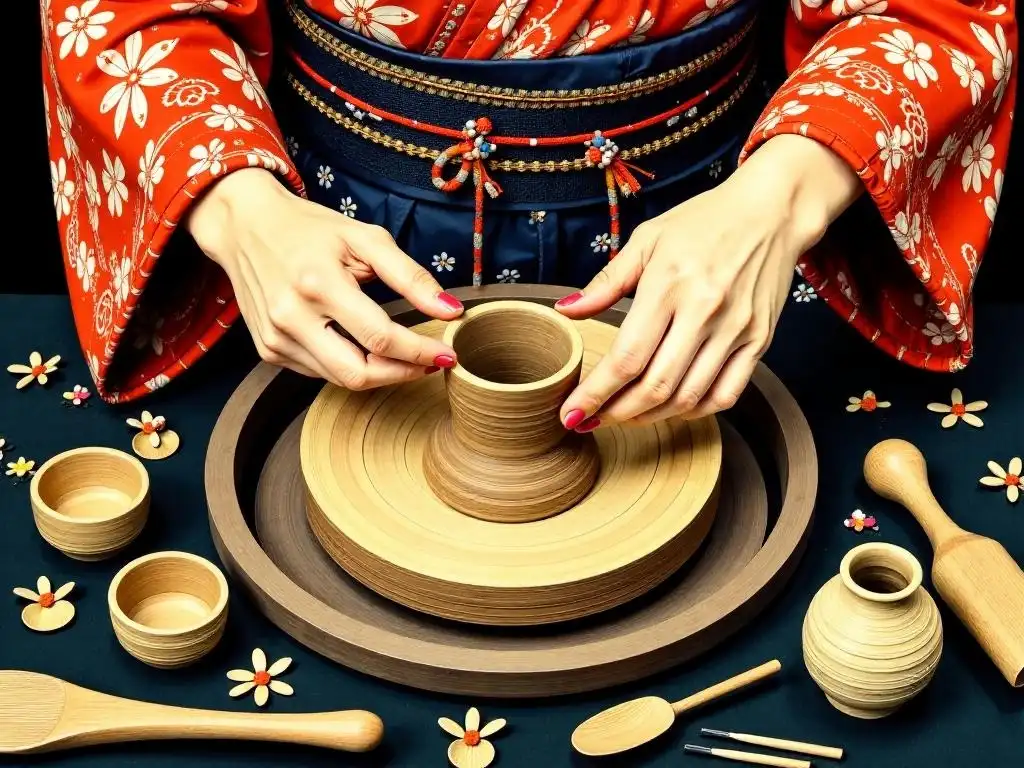
Welcome to Feudal Japan History, where we embark on a captivating journey through the intricate tapestry of Japan's feudal era. Here, you'll discover the rich craftsmanship in feudal Japan—from the delicate artistry of pottery to the vibrant elegance of textiles. Each article invites you to delve deeper into the historical, cultural, and societal nuances that shaped this fascinating period. Are you ready to uncover the stories behind the crafts that defined an era? Your exploration begins now!
- Introduction to Craftsmanship in Feudal Japan
- Historical Context of Craftsmanship in Feudal Japan
- Key Art Forms of Feudal Japan
- The Role of Artisans in Feudal Society
- Economic Impact of Craftsmanship in Feudal Japan
- Challenges Faced by Artisans in Feudal Japan
- Preservation of Craftsmanship in Modern Japan
- Conclusion: The Legacy of Craftsmanship in Feudal Japan
-
Frequently Asked Questions
- What types of craftsmanship were prominent in feudal Japan?
- How did craftsmanship influence Japanese society during feudal times?
- Were there specific regions known for particular crafts?
- What materials were commonly used in feudal Japanese crafts?
- How has the craftsmanship of feudal Japan influenced modern Japanese art?
- Final Reflection: Embracing the Legacy of Craftsmanship in Feudal Japan
- Unveil Your Inner Artisan: Dive into Feudal Japan's Craftsmanship!
Introduction to Craftsmanship in Feudal Japan
The craftsmanship in feudal Japan is a vivid tapestry woven from the threads of cultural heritage, social structure, and the natural environment of the time. From the intricate pottery of the Jomon period to the delicate textiles that adorned the aristocracy, artisans played a pivotal role in shaping the aesthetic and functional aspects of daily life.
This exploration delves into the diverse forms of craftsmanship that flourished during this era, revealing how these skilled individuals not only contributed to the economy but also fostered a unique cultural identity that resonated through centuries. Understanding the craftsmanship in feudal Japan allows us to appreciate the artistry, tradition, and innovation that defined this historical period, setting the stage for Japan's modern artistic expressions.
Feudal Japan, which spanned from the 12th to the 19th century, was characterized by a hierarchical social structure that significantly influenced the roles of artisans and merchants. At the top of this hierarchy were the daimyōs, powerful landowners who controlled vast regions and employed samurai for protection. Beneath them were the samurai, who not only served as warriors but also held administrative roles within their domains.
The artisan class, often placed just below the samurai in social status, was essential to the economy. Craftsmen specialized in various trades, including pottery, textiles, metalwork, and woodworking. This class contributed not only through their skills but also by fostering local economies and trade networks. The artisans were often organized into guilds, which regulated quality and prices, ensuring that their crafts maintained a high standard.
In contrast, merchants occupied a lower status in the social hierarchy despite their growing influence and wealth. They played a crucial role in the distribution of goods produced by artisans, connecting rural craftsmanship with urban markets. This complex social structure created a dynamic interplay between artisans, merchants, and the ruling classes, shaping the cultural landscapes of feudal Japan.
Significance of Artisans in Japanese Society
Artisans in feudal Japan were not merely laborers; they were the custodians of cultural practices and innovations that reflected the values and aesthetics of their time. Their work was deeply intertwined with local customs, spiritual beliefs, and the environment. For instance, the production of ceramics often involved the use of local clay and traditional firing techniques, resulting in unique styles that echoed the natural surroundings.
Moreover, artisans contributed to the cultural identity of Japan through their craftsmanship. Many crafts, such as kimono weaving, were associated with specific regions, embodying local patterns and colors that told stories of their heritage. The meticulous nature of their work also underscored the Japanese appreciation for wabi-sabi, a philosophy that celebrates beauty in imperfection and transience.
Artisans were revered for their skill and creativity, and their contributions extended beyond the production of goods. They often participated in community festivals and rituals, showcasing their crafts and reinforcing social bonds. This intricate relationship between artisans and society highlights their significance not just as creators, but as vital participants in the cultural and social fabric of feudal Japan.
Historical Context of Craftsmanship in Feudal Japan
Craftsmanship in feudal Japan was not merely a means of production; it was deeply intertwined with the social, economic, and cultural fabric of the era. From the Heian period (794–1185) through the Edo period (1603–1868), various artisan practices flourished and evolved, reflecting the needs and values of society. The rise of a merchant class, alongside the patronage of the samurai and nobility, propelled the development of specialized crafts, from pottery to textiles.
The feudal system established a hierarchical society where artisans occupied a significant yet often overlooked role. They were classified into guilds known as za, which were crucial for regulating quality, training apprentices, and maintaining trade standards. This structure not only facilitated the transmission of skills but also fostered a sense of community among artisans. The craftsmanship exhibited in this era was both functional and aesthetic, demonstrating the artisans’ dedication to their craft and the cultural values of beauty and harmony.
Evolution of Craft Traditions
The evolution of craft traditions in feudal Japan can be traced through several key phases, each marked by unique influences and innovations.
- Early Developments: The Jomon period (14,000–300 BCE) laid the groundwork for Japanese pottery, noted for its intricate designs and use of natural materials. This period's emphasis on utilitarian objects paved the way for more refined techniques in the following eras.
- Heian Period: As the imperial court flourished, so did the arts. The introduction of Chinese aesthetics influenced pottery, textiles, and lacquerware. The creation of beautifully crafted items became a symbol of status among the aristocracy.
- Kamakura and Muromachi Periods: With the rise of the samurai class, craftsmanship began to reflect martial values. Armor-making and weapon-smithing became prominent, showcasing a blend of functionality and artistry. The tea ceremony also emerged, further elevating the status of craftsmen involved in producing tea utensils.
- Edo Period: This was a golden age for craftsmanship in feudal Japan. The peace brought by Tokugawa rule allowed artisans to thrive. Diverse crafts such as kimono making, woodblock printing, and pottery reached new heights. The emergence of merchant towns facilitated trade and cultural exchange, contributing to the proliferation of local styles and techniques.
Influence of Geography on Craftsmanship
Geography played a pivotal role in shaping the craftsmanship in feudal Japan. The diverse landscapes of the archipelago influenced the materials available for various crafts, leading to regional specializations:
- Climate and Resources: Different regions of Japan offered distinct raw materials suitable for specific crafts. For example, the abundance of clay in the Seto region led to the development of high-quality pottery, while the forests of the north provided ample timber for woodworking crafts.
- Cultural Exchange: Proximity to trade routes facilitated cultural exchange with neighboring countries, enriching Japanese craftsmanship. For instance, the influence of Korean pottery techniques is evident in ancient Japanese ceramics, showcasing how geography fostered innovation.
- Regional Styles: Geographic isolation also allowed for the development of unique regional styles. The Kyo-yaki pottery of Kyoto, known for its elegant forms and glazes, contrasts sharply with the rustic charm of Bizen pottery from Okayama. These regional differences underscore how local conditions shaped the identity of craftsmanship in feudal Japan.
The historical context of craftsmanship in feudal Japan reveals a complex interplay of social hierarchies, evolving traditions, and geographical influences. Understanding these elements provides deeper insight into the rich artistic heritage that characterizes this fascinating period in Japanese history.
Key Art Forms of Feudal Japan
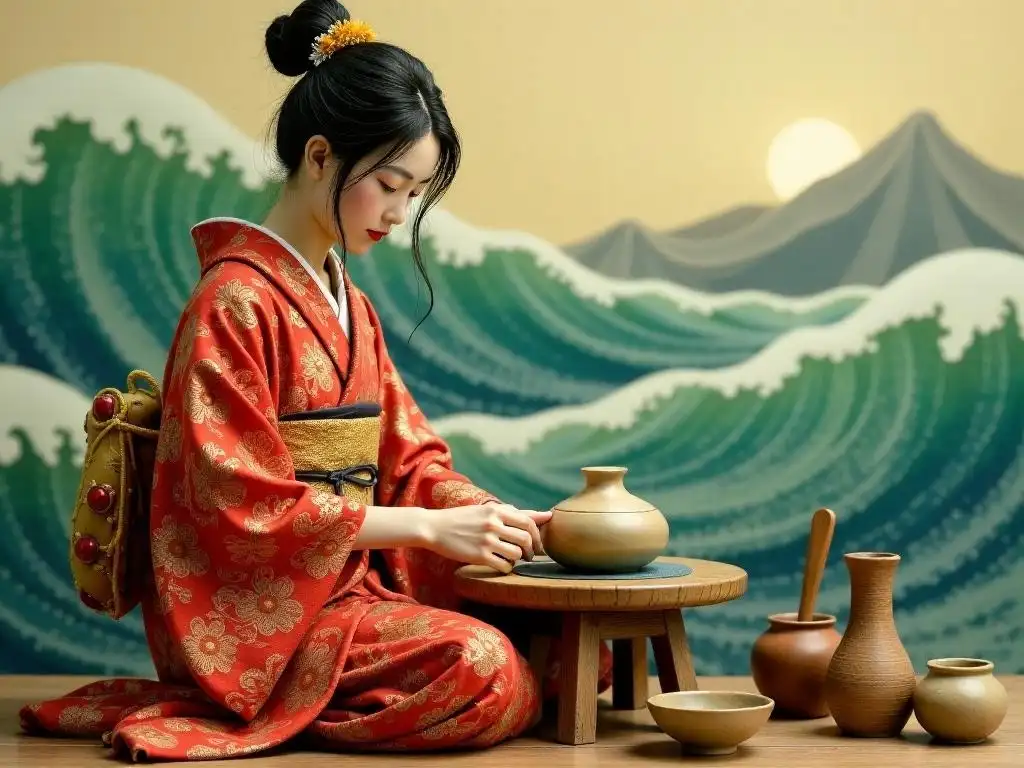
Feudal Japan was a period rich in artistic expression, characterized by various forms of craftsmanship that reflected the cultural values and social hierarchies of the time. Among these, pottery and textiles emerged as two of the most significant art forms, each showcasing unique techniques, styles, and meanings. This section delves into the craftsmanship in feudal Japan, highlighting the essential roles these art forms played in society.
Pottery as an Essential Craft
Pottery in feudal Japan was not merely functional; it was a profound expression of the aesthetic and spiritual values of the culture. The craft of pottery involved various techniques and styles that evolved through the centuries, influenced by regional resources and the social context of the artisans.
Techniques Used in Japanese Pottery
Japanese pottery techniques varied by region, but several core methods were prevalent across the country:
- Hand-Building: This ancient method involved shaping clay by hand, allowing for unique, one-of-a-kind pieces. Potters would coil, pinch, or slab-build their creations, which often reflected individual craftsmanship.
- Wheel Throwing: The introduction of the potter's wheel allowed for greater precision and uniformity in shapes. This technique became popular during the Heian period and enabled artisans to create intricate designs and forms.
- Glazing: Different types of glazes were developed, often containing ash from local plants. The glazing process not only enhanced the aesthetic appeal but also improved the durability of the pottery. Techniques like Raku glazing produced distinctive finishes that were highly valued for their beauty.
- Firing Techniques: Firing methods varied, including anagama (wood-fired kilns) and noborigama (multi-chambered kilns). Each method contributed to the final appearance and texture of the pottery, often resulting in unique color palettes and surface effects.
Notable Pottery Styles and Their Significance
Several pottery styles emerged throughout feudal Japan, each with its unique characteristics and cultural significance:
- Jomon Pottery: Dating back to the Jomon period (14,000 - 300 BCE), this style is known for its cord-marked patterns. Jomon pottery represents some of the oldest examples of Japanese ceramics and reflects the hunter-gatherer lifestyle of early inhabitants.
- Haniwa: These cylindrical figures were used as funerary objects during the Kofun period. Crafted from clay, Haniwa served both as grave markers and as offerings to the spirits, showcasing the spiritual beliefs of the time.
- Raku Ware: Originating in the 16th century, Raku ware is characterized by its hand-made, low-fired pottery. Often used in tea ceremonies, Raku reflects the Zen Buddhist values of simplicity and natural beauty, focusing on the connection between the artisan and the piece.
- Bizen Ware: Known for its unglazed, earthy appearance, Bizen ware is produced in Okayama Prefecture. This style highlights the natural qualities of the clay and the effects of the firing process, emphasizing the beauty of imperfection.
Textiles and Weaving in Feudal Japan
Textiles in feudal Japan represented not only practical clothing but also a means of artistic expression. The craftsmanship involved in weaving and dyeing was intricate and steeped in cultural significance, with each technique telling a story of the era.
Traditional Weaving Techniques
Several traditional weaving techniques defined the textile craftsmanship of feudal Japan:
- Kumihimo: This technique involves braiding strands of silk or other fibers to create decorative cords. Used in clothing and armor, Kumihimo showcased the artisan's skill and the intricate beauty of Japanese textiles.
- Tsuzure-ori: A form of tapestry weaving, Tsuzure-ori creates complex patterns using a supplementary weft technique. This method allowed artisans to produce richly textured fabrics that often depicted nature or mythological themes.
- Sashiko: Originating as a practical technique for mending clothing, Sashiko evolved into a decorative stitching method. The repetitive patterns not only reinforced fabric but also became a significant art form, emphasizing the beauty in utility.
Patterns and Their Cultural Meanings
The patterns created in feudal Japanese textiles were deeply symbolic, often reflecting the cultural and spiritual beliefs of the time:
- Asanoha: This hemp leaf pattern is commonly associated with growth and resilience. It symbolizes prosperity and is often found in children's clothing to wish for their healthy development.
- Seigaiha: Representing waves, this pattern is linked to good fortune and tranquility. The repeating waves symbolize the ebb and flow of life, reflecting the connection between nature and humanity.
- Kikkō: The tortoiseshell pattern signifies longevity and good luck. Its geometric design is not only visually striking but also represents the hope for long life and stability.
Craftsmanship in feudal Japan was diverse and multifaceted, with pottery and textiles playing crucial roles in cultural expression and societal values. Through various techniques and symbolic patterns, artisans conveyed the rich heritage of their time, leaving a lasting impact on Japanese art and culture.
Woodworking and Furniture Making
Woodworking in feudal Japan was a highly regarded craft, essential not only for practical purposes but also for aesthetic expression. Artisans dedicated to woodworking, known as "daiku," were responsible for creating a wide range of objects, from simple household items to elaborate architectural features. The craftsmanship in feudal Japan emphasized a deep respect for nature and materials, often using local woods such as cedar, cypress, and pine.
The production of furniture during this period reflected the socio-economic status of its owners, as well as the cultural values of simplicity and functionality. Traditional Japanese furniture, such as the tatami mat and low tables known as "chabudai," was designed for comfort and minimalism, allowing for flexible use of space in homes. The woodworking techniques employed were characterized by precision joinery, often eschewing nails in favor of interlocking joints, which not only enhanced durability but also showcased the artisan's skill.
Tools and Methods in Woodcraft
The tools used by woodworkers in feudal Japan were primarily hand tools, reflecting the meticulous nature of the craft. Essential tools included:
- Saws (nokogiri): Hand saws were used for cutting timber with precision.
- Chisels (nomi): Different types of chisels allowed artisans to carve intricate designs and join pieces together seamlessly.
- Planes (kanna): Used to smooth surfaces and achieve a refined finish, planes were crucial for ensuring that wood pieces fit together well.
- Hammers (bō): Often used in conjunction with chisels, hammers helped shape and refine wooden elements.
The methods employed in woodworking were steeped in tradition, with apprentices learning the craft through rigorous training under skilled masters. Techniques like "shaku" (measuring) and "sumi" (marking) were fundamental in ensuring accuracy in dimensions and alignment. An emphasis on aesthetics led to the incorporation of natural forms and motifs into the designs, resulting in pieces that were both functional and visually appealing.
The Role of Woodcraft in Daily Life
Woodcraft played a vital role in the daily lives of people in feudal Japan, shaping both domestic and public spaces. Essential items such as cooking utensils, furniture, and storage solutions were all crafted from wood, making the material indispensable in everyday life. In addition to practical applications, woodcraft also filled spiritual and ceremonial roles.
For instance, the creation of religious objects, such as altars and statues, demonstrated the intersection of functionality and spirituality. Furthermore, architectural elements like temple structures and shrines highlighted the importance of woodcraft in cultural practices, as these buildings were often designed to harmonize with nature.
The artistry and craftsmanship in woodwork not only contributed to the beauty of everyday life but also fostered a sense of identity and continuity in Japanese culture, as these handcrafted items were often passed down through generations.
Metalwork and Armor Crafting
Metalwork in feudal Japan was a highly specialized craft, with artisans known as "tōkō" focusing on the production of weapons, tools, and armor. The development of sophisticated techniques allowed for the creation of high-quality metal items that were both functional and artistically significant. Metalworkers utilized iron and steel, often combining them with intricate designs and patterns, showcasing their skill and enhancing the aesthetic appeal of their creations.
The craft of armor making, in particular, held a critical place in Japanese society, especially during the samurai era. The armor crafted by skilled artisans was not only protective gear but also a symbol of status and identity. Each piece of armor was meticulously designed to reflect the wearer’s clan and values, often adorned with intricate embellishments.
Techniques in Japanese Metalwork
Japanese metalwork techniques were advanced and varied, with several key processes integral to the craft:
- Tamahagane production: This traditional steel-making method involved smelting iron sand to produce high-quality steel, which was then used to forge blades and armor.
- Forging: Metalworkers employed techniques like folding and hammering to create strong and flexible steel, enhancing the performance of weapons.
- Inlay and engraving: Artisans often adorned metal items with intricate inlays of gold or silver, alongside detailed engravings that depicted natural motifs or clan symbols.
- Lacquering: The application of lacquer not only added a decorative finish to metal items but also provided additional protection against rust and wear.
These techniques required extensive training and knowledge passed through generations, resulting in a rich tradition of craftsmanship that defined Japanese metalwork.
The Importance of Armor in Samurai Culture
Armor in samurai culture transcended mere functionality; it was a vital aspect of identity and pride. Each piece of armor was custom-crafted to fit the individual warrior, highlighting their status and lineage. The design often included symbolic elements, such as clan crests and colors, that conveyed loyalty and honor.
The significance of armor extended beyond the battlefield. It played a central role in ceremonial events, where samurai would don their finest armor during festivals or parades, showcasing their heritage and martial prowess. This display of craftsmanship demonstrated the importance of both artistry and utility in feudal Japan, as the beauty of the armor was as much a part of its value as its protective capabilities.
In essence, the craftsmanship of armor not only served practical purposes but also reinforced the values of loyalty, honor, and social status, making it a cornerstone of samurai culture during the feudal era.
The Role of Artisans in Feudal Society
Artisans played a pivotal role in the social and economic fabric of feudal Japan. Their craftsmanship not only contributed to the material culture of the time but also influenced the social hierarchy and relationships within the community. Unlike their counterparts in other societies, artisans in feudal Japan enjoyed a unique status that was shaped by their skills and the demand for their products.
In feudal Japan, the social hierarchy was predominantly structured around the four main classes: the samurai, farmers, artisans, and merchants. While artisans were positioned below the samurai and farmers in this hierarchy, their status was more nuanced than often portrayed.
- Skill and Expertise: Artisans were highly respected for their specialized skills. Master craftsmen, such as potters, weavers, and metalworkers, were often seen as vital contributors to society. Their ability to create functional and aesthetically pleasing objects earned them recognition, elevating their status within local communities.
- Cultural Influence: The craftsmanship in feudal Japan was deeply intertwined with cultural practices. For instance, the creation of tea ceremony utensils not only involved technical skill but also a profound understanding of aesthetics and philosophy. This connection to cultural rituals further enhanced the esteem in which artisans were held.
- Economic Impact: Artisans were crucial to the economy of feudal Japan, providing goods that were essential for daily life and trade. Their work stimulated local economies and contributed to the wealth of their regions. In many cases, skilled artisans could command higher prices for their products, allowing them to achieve a degree of financial stability that was not common among other lower classes.
Artisans often engaged in practices that reflected their social status, such as participating in local festivals and ceremonies, which reinforced their community standing. However, despite their significant contributions, they were still subject to the overarching authority of the samurai class, which dictated the socio-political landscape of the time.
Guilds and Their Functions
The establishment of guilds in feudal Japan was a significant development in the organization and regulation of artisans. These guilds, known as za, served several essential functions that shaped the landscape of craftsmanship.
- Regulation of Practices: Guilds set standards for quality and craftsmanship, ensuring that products met specific criteria. This regulation was vital in maintaining the reputation of various crafts, particularly in competitive markets.
- Training and Apprenticeship: Guilds provided a structured environment for training apprentices. Young artisans learned their craft under the guidance of master craftsmen, which ensured the transmission of skills and techniques across generations.
- Collective Bargaining: By forming guilds, artisans could negotiate better wages and working conditions. This collective power was critical in safeguarding their interests against the pressures exerted by wealthier merchants or the samurai class.
- Cultural Preservation: Guilds played a role in preserving traditional techniques and styles of craftsmanship. For example, the preservation of techniques in pottery and textile production was often maintained by guilds that emphasized historical methods and materials.
- Networking and Collaboration: Guilds fostered relationships among artisans, allowing for collaborations that could enhance creativity and innovation in craftsmanship. This networking was essential for sharing knowledge and expanding artistic horizons.
The interconnectedness of artisans through guilds contributed to a vibrant culture of craftsmanship in feudal Japan, fostering not only economic growth but also a rich tapestry of artistic expression that continues to influence Japanese culture today.
Economic Impact of Craftsmanship in Feudal Japan

The craftsmanship in feudal Japan had a profound economic impact, shaping not only local economies but also influencing trade relationships both within and beyond the archipelago. Artisans, skilled in various crafts, played a pivotal role in the production of goods that were not only functional but also held significant aesthetic value. This craftsmanship directly contributed to the wealth of feudal lords, as well as the flourishing of towns and cities.
The economic landscape of feudal Japan was characterized by a system of barter and trade, where crafted goods such as textiles, ceramics, and metalworks became essential commodities. As artisans honed their skills and developed unique styles, their products attracted attention beyond local markets, leading to the establishment of trade routes that facilitated the exchange of goods, ideas, and cultural practices.
In addition, the rise of the merchant class during the Edo period (1603-1868) marked a significant shift in the economic dynamics of feudal Japan, with merchants becoming influential patrons of artisans. This relationship spurred innovation and diversification in craftsmanship, as artisans sought to meet the growing demands of a more affluent society.
Trade Routes and Craftsmanship
The development of trade routes during feudal Japan significantly enhanced the distribution of crafted goods throughout the country and beyond. Major routes, such as the Tōkaidō and Nakasendō, connected key cities like Edo (modern Tokyo), Osaka, and Kyoto. These routes facilitated not only the movement of goods but also the exchange of cultural practices among artisans residing in different regions.
- Regional Specialization: Different regions became known for specific crafts, leading to specialization that elevated the quality and uniqueness of products. For example:
- Kyoto: Renowned for its textiles, particularly silk kimonos.
- Echizen: Famous for its pottery, particularly in the production of tea ceramics.
- Osaka: A hub for metalworking and the production of intricate tools and weapons.
- Cultural Exchange: As artisans traveled along these routes, they shared techniques and styles, contributing to a rich tapestry of craftsmanship. The influence of Chinese and Korean techniques on Japanese artisans is a notable example, resulting in unique fusion styles that characterized many crafts.
- Market Expansion: With the establishment of trade networks, not only did local products reach broader markets, but foreign goods also began to enter Japan, creating a dynamic exchange. This encouraged artisans to innovate and adapt their crafts to meet the tastes and preferences of a diverse clientele.
The economic significance of these trade routes cannot be overstated, as they were instrumental in the prosperity of both artisans and merchants, fostering an environment where craftsmanship could thrive.
The Relationship Between Artisans and Merchants
The relationship between artisans and merchants in feudal Japan was symbiotic, marked by mutual dependence and collaboration. As artisans produced high-quality goods, merchants played a crucial role in bringing these products to market, ensuring that they reached consumers both locally and across the archipelago.
- Patronage and Support:
- Merchants often served as patrons for artisans, providing them with the necessary financial support to undertake larger projects or to invest in better tools and materials. This patronage helped artisans to refine their craft and innovate.
- Examples include wealthy merchant families commissioning custom works, such as elaborate kimono designs or intricate pottery sets for ceremonies.
- Market Dynamics:
- Merchants acted as intermediaries, understanding market demands and tailoring their purchases accordingly. They influenced the types of crafts that flourished based on consumer preferences, leading artisans to adapt their techniques and designs for greater appeal.
- The rise of seasonal festivals and fairs also created opportunities for artisans to showcase their craftsmanship, further enhancing their visibility and market reach.
- Social Status:
- While artisans were often viewed as lower in the social hierarchy compared to samurai, their association with wealthy merchants began to elevate their status. Successful artisans who produced popular goods could gain recognition and respect within their communities, sometimes even achieving wealth comparable to that of some samurai.
The intricate relationship between artisans and merchants in feudal Japan not only facilitated the economic viability of craftsmanship but also fostered a cultural exchange that enriched Japanese society. Through their collaboration, they created a vibrant marketplace that celebrated the diverse craftsmanship in feudal Japan, leaving a legacy that continues to influence Japanese culture today.
Challenges Faced by Artisans in Feudal Japan
Artisans in feudal Japan were not only skilled craftsmen but also faced a myriad of challenges that affected their work and livelihoods. These challenges stemmed from social hierarchies, economic pressures, and the political landscape of the era. Understanding these obstacles is crucial to appreciate the resilience and adaptability of artisans during this time.
Restrictions and Regulations
The craftsmanship in feudal Japan was deeply intertwined with the rigid class system and the regulations imposed by the ruling samurai class. Artisans often operated within strict guild systems that dictated their operations, including:
- Licensing and Guild Membership:
- Artisans were required to be part of a guild that regulated their craft. This membership was often tied to family lineage, making it difficult for new artisans to enter the profession.
- Licenses were granted based on specific skills, which limited artisans to narrow fields of work.
- Regulated Pricing and Quality:
- Many guilds implemented fixed pricing for goods, which restricted artisans' ability to set prices based on demand or quality of their craftsmanship.
- Quality control was enforced by guilds, ensuring that all produced goods met the standards set by the community, which could stifle creativity.
- Restrictions on Materials:
- Artisans often faced limitations on the types of materials they could use. For instance, certain textiles were reserved for the upper classes, which limited the color and fabric choices available to lower-tier artisans.
- The samurai class controlled the supply of precious materials, such as metals and dyes, which were essential for high-quality craftsmanship.
These restrictions not only impacted the artisans' economic stability but also influenced the evolution of techniques and styles within their crafts, as they navigated the constraints imposed by the feudal system.
The Impact of War on Craft Traditions
War and conflict significantly shaped the landscape of craftsmanship in feudal Japan. The constant strife between rival warlords and the overarching influence of the samurai affected artisanal practices in several ways:
- Displacement of Artisans:
- Wars often led to the destruction of villages and towns, displacing artisans and disrupting their traditional ways of life. This displacement forced many artisans to adapt quickly by either relocating or diversifying their skill sets.
- As artisans moved to safer regions, they brought their techniques and styles with them, leading to the fusion of different craft traditions.
- Focus on Military Needs:
- During times of war, there was a heightened demand for military equipment, such as armor and weapons. This shift in focus often meant that traditional crafts, such as pottery and textiles, were deprioritized in favor of producing goods necessary for warfare.
- Artisans who specialized in military goods often gained prominence and financial stability, while those in other crafts faced economic hardships.
- Cultural Exchange Through Conflict:
- War also facilitated cultural exchange between different regions and clans. Artisans had the opportunity to learn new techniques and styles from their encounters with displaced communities or through trade with other regions that were less affected by conflict.
- The introduction of foreign materials and ideas, often as a result of warfare, enriched the craftsmanship in feudal Japan, leading to innovative products that reflected diverse influences.
While artisans in feudal Japan were skilled in their crafts, they faced significant challenges from societal regulations and the impacts of war. These factors not only shaped their livelihoods but also influenced the development of craftsmanship in feudal Japan, resulting in a rich and varied artistic heritage that continues to be appreciated today.
Preservation of Craftsmanship in Modern Japan
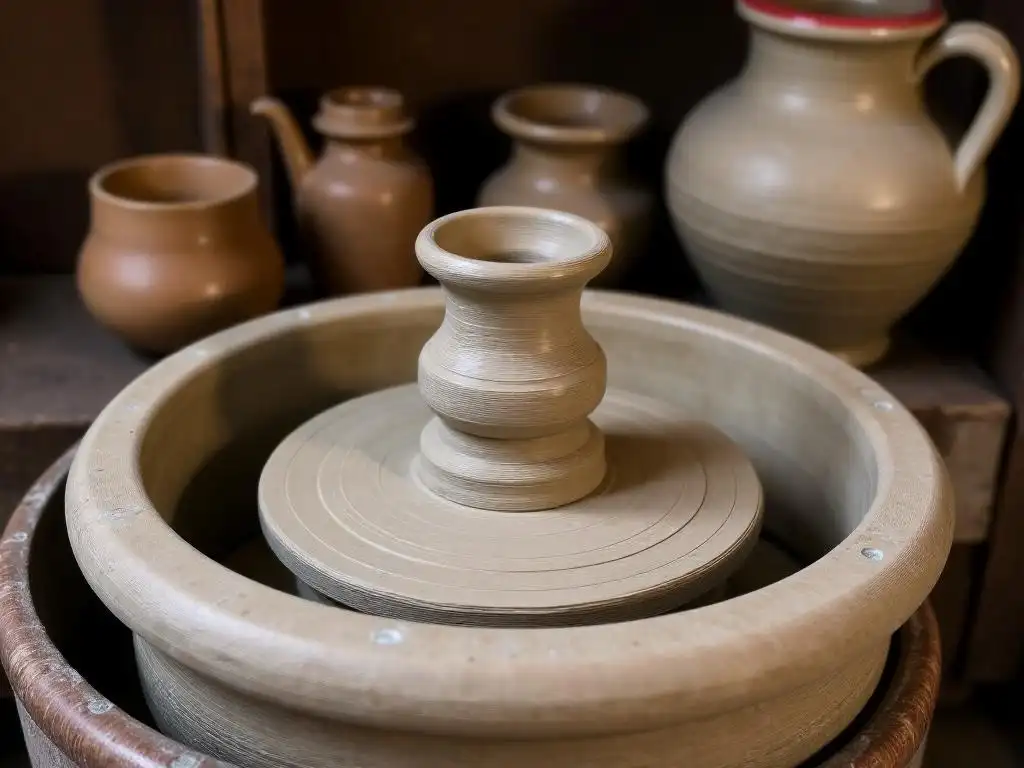
In modern Japan, the preservation of craftsmanship from the feudal era is a vital endeavor that underscores the country's rich cultural heritage. Artisans today continue to uphold traditional techniques, integrating them into contemporary practices while ensuring that age-old skills are not lost to time. This commitment to preserving craftsmanship in feudal Japan is evident in various fields, including pottery, textiles, and woodworking.
Continuation of Traditional Techniques
The continuation of traditional techniques is paramount in maintaining the authenticity of craftsmanship. Many artisans participate in guilds or organizations that focus on the revival and teaching of ancient skills passed down through generations. For instance:
- Pottery: Potters in regions like Kutani and Imari still use methods that date back to the Edo period. These artisans meticulously follow age-old processes, such as hand-throwing and glazing, ensuring that their creations reflect the historical significance and aesthetic of feudal Japan.
- Textiles: The art of weaving, particularly in silk textiles, has seen a resurgence. Techniques like kasuri (a resist-dyeing method) and shibori (tie-dyeing) are revived by contemporary artisans who honor the intricate patterns and methods of their ancestors.
- Woodworking: Craftsmen specializing in kumiko (joinery) and tatami (straw mat) construction continue to apply traditional techniques that emphasize precision and the use of natural materials, ensuring that spaces echo the serene beauty of feudal architecture.
This commitment to traditional techniques not only preserves the craftsmanship but also enhances the cultural identity of Japan, making it a living testament to its history.
Influence of Feudal Craftsmanship on Contemporary Artisans
The influence of feudal craftsmanship on contemporary artisans is profound, shaping not only the techniques they employ but also the thematic elements of their work. Many modern artists draw inspiration from historical motifs, integrating them into their designs to create pieces that resonate with both tradition and modernity.
- Artistic Expression: Contemporary artists often incorporate feudal aesthetics—such as the use of natural dyes and patterns inspired by traditional Japanese art—into their work, creating a dialogue between the past and present.
- Sustainability: There is a growing trend among modern artisans to embrace sustainable practices reminiscent of feudal craftsmanship, where resourcefulness was essential. Many now utilize locally sourced materials and time-honored techniques that minimize waste and promote environmental stewardship.
- Cultural Revival: Festivals and exhibitions celebrating traditional crafts have become increasingly popular, allowing artisans to showcase their skills and educate the public about the historical significance of their work. This not only fosters appreciation for craftsmanship in feudal Japan but also encourages new generations to engage with these practices.
The preservation of craftsmanship in modern Japan is a testament to the enduring legacy of feudal artisans. By continuing traditional techniques and allowing the influence of historical craftsmanship to permeate contemporary art, Japan honors its past while paving the way for future generations to appreciate and engage with its rich cultural tapestry.
Conclusion: The Legacy of Craftsmanship in Feudal Japan
The craftsmanship in feudal Japan represents a profound legacy that has shaped not only the aesthetic landscape of Japan but also its cultural identity. The intricate techniques and skills developed during this period have transcended time, influencing modern practices and preserving traditions that are still celebrated today. From the delicate pottery of the Jomon period to the sophisticated textiles produced by skilled artisans, each craft tells a story of innovation, adaptation, and resilience.
Lasting Impact on Japanese Culture
The impact of craftsmanship in feudal Japan is evident in various aspects of contemporary Japanese culture. Many traditional crafts, such as ceramics, textiles, and lacquerware, have evolved but remain rooted in the techniques perfected during the feudal era. For instance, the Bizen pottery, known for its rustic beauty, continues to be produced following methods that date back centuries. This connection to history fosters a sense of pride and continuity among artisans and consumers alike.
Moreover, craftsmanship has played a crucial role in cultural expressions, including the performing arts, tea ceremonies, and architecture. The aesthetic principles that guided feudal craftsmen—such as simplicity, natural beauty, and attention to detail—are still prevalent in modern Japanese art and design. The philosophy of wabi-sabi, which embraces imperfection and transience, can be traced back to the artisanal practices of this period, influencing not just crafts but also lifestyle and aesthetics in contemporary Japan.
| Craft Type | Notable Features | Influence Today |
|---|---|---|
| Pottery | Rustic, functional | Bizen, Shigaraki ceramics |
| Textiles | Intricate patterns | Kimonos, Nishijin textiles |
| Lacquerware | Glossy, layered finish | Modern furniture, decor |
| Woodworking | Detailed carvings | Traditional architecture |
Reflections on Artisanship and Society Today
Today, the reflections on artisanship in feudal Japan prompt a reevaluation of our societal values. As mass production dominates the market, the unique skills of artisans are often overshadowed. However, there is a growing movement advocating for the recognition and preservation of traditional crafts. Artisans in contemporary Japan are reviving ancient techniques, often merging them with modern design to appeal to a new generation of consumers who appreciate authenticity and craftsmanship.
The community aspect of artisanship, evident during the feudal era when craftsmen worked closely with their guilds and local patrons, has also seen a resurgence. Modern artisans often collaborate, share knowledge, and promote their crafts through local markets and festivals, echoing the communal spirit of feudal Japan. This revival emphasizes the importance of craftsmanship not just as a means of production but as a vital part of cultural heritage and identity.
The legacy of craftsmanship in feudal Japan is a testament to the enduring power of human creativity and skill. It reminds us of the intricate connections between art, culture, and society, encouraging us to appreciate and support the artisans who continue to carry these traditions forward. The journey from the past to the present is not just a reflection of history but a living narrative that shapes our understanding of craftsmanship today.
Frequently Asked Questions
What types of craftsmanship were prominent in feudal Japan?
Feudal Japan showcased a diverse range of craftsmanship, including pottery, textiles, and metalwork, each reflecting the cultural significance and regional styles of the era.
How did craftsmanship influence Japanese society during feudal times?
Craftsmanship played a crucial role in societal structure, as skilled artisans were often respected members of their communities, contributing to both economic stability and cultural identity.
Were there specific regions known for particular crafts?
Yes, various regions in feudal Japan were renowned for their specialized crafts. For example, Kyoto was famous for its textiles, while Arita was known for its exquisite porcelain.
What materials were commonly used in feudal Japanese crafts?
Craftsmen in feudal Japan used natural materials such as clay for pottery, silk for textiles, and bamboo for various items, emphasizing a close relationship with nature.
How has the craftsmanship of feudal Japan influenced modern Japanese art?
The techniques and aesthetic principles developed during the feudal era continue to inspire contemporary Japanese art, ensuring that the legacy of craftsmanship remains an integral part of Japan’s cultural heritage.
Final Reflection: Embracing the Legacy of Craftsmanship in Feudal Japan
The craftsmanship of feudal Japan remains a profound testament to human creativity and resilience, intertwining tradition with innovation. Today, as we navigate a world increasingly driven by technology, the artistry and meticulous attention to detail found in Japanese pottery and textiles remind us of the importance of preserving cultural heritage. The intricate techniques and stories behind these crafts are not just relics of the past; they resonate deeply in our contemporary society, urging us to appreciate the beauty in craftsmanship and the narratives they convey.
Craftsmanship in feudal Japan has left an indelible mark on our cultural and social landscape, influencing not only artisans but also the way we perceive art and utility. The dedication to mastery and the philosophy of "wabi-sabi," which finds beauty in imperfection, continue to inspire modern creators and consumers alike. Art is not what you see, but what you make others see.
– Edgar Degas. This quote encapsulates the essence of craftsmanship; it is not merely about the finished product but the emotions and connections it fosters within communities.
As we reflect on the lessons from feudal Japan, let us embrace the call to honor and cultivate our own craftsmanship, whether through art, cooking, or any other form of creation. Take a moment to explore your own skills and passions, and consider how you can weave the spirit of craftsmanship into your daily life. By doing so, we not only pay homage to the artisans of the past but also contribute to a future where creativity and cultural appreciation thrive.
Unveil Your Inner Artisan: Dive into Feudal Japan's Craftsmanship!
Thank you for exploring the rich tapestry of craftsmanship in Feudal Japan with us! We hope you’ve gained a deeper appreciation for the intricate art of pottery and textiles that flourished during this fascinating period. Now, it’s time to take your interest further and engage with these timeless traditions.
Here are some exciting actions you can take today:
- Try your hand at pottery: Gather some clay and create your own piece inspired by the techniques used by artisans in Feudal Japan.
- Join a local workshop to learn more about traditional textile making or other artisan skills.
- Share your newfound knowledge by discussing the article with friends or posting on social media about your favorite craftsmanship styles from this era.
What aspect of Feudal Japan's artistry resonates with you the most, and how will you express it in your own creative journey?