
The Fine Line Between Artisan and Merchant: Blurring Roles in Feudal Japan

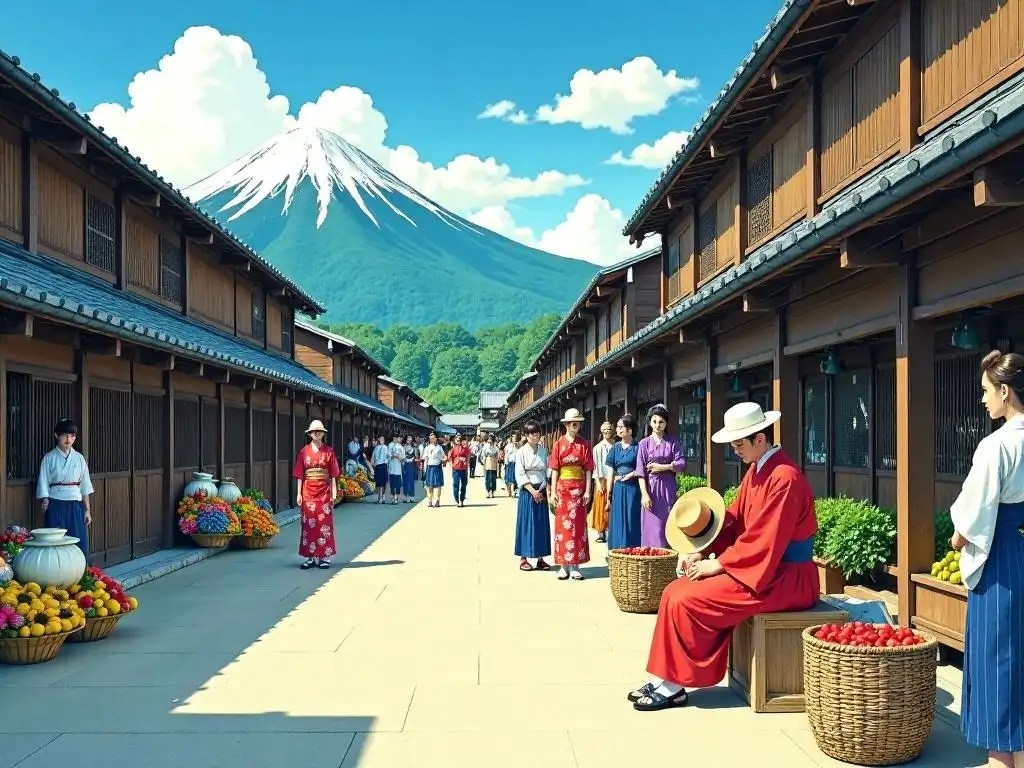
Welcome to Feudal Japan History, where we embark on a captivating journey through the intricate tapestry of Japan's feudal era. In this exploration, we delve into the blurring roles of artisan and merchant, revealing how these once distinctly separate professions intertwined to shape society. What drove these skilled individuals to navigate the fine line between creation and commerce?
Join us as we uncover the fascinating dynamics that defined their contributions and the lasting impact they had on the cultural landscape of feudal Japan. Prepare to ignite your curiosity and dive deeper into a world where art and trade coalesce in unexpected ways!
- Introduction to Artisan and Merchant Roles in Feudal Japan
- Defining the Artisan and Merchant Roles in Feudal Japan
- The Blurring Lines Between Artisans and Merchants
- Cultural Perceptions of Artisans and Merchants
- The Evolution of Artisan and Merchant Roles
- Challenges Faced by Artisans and Merchants
- Conclusion: The Legacy of Artisan and Merchant Roles in Feudal Japan
- Additional Resources on Artisan and Merchant Roles in Feudal Japan
-
Frequently Asked Questions
- What were the primary roles of artisans in feudal Japan?
- How did merchants operate during the feudal era?
- What was the relationship between artisans and merchants?
- Did artisans have any social status in feudal Japan?
- How did the roles of artisans and merchants evolve towards the end of feudal Japan?
- Final Reflection: Navigating the Interplay of Artisan and Merchant Roles in Feudal Japan
- Unveil Your Role in Feudal Japan's Legacy!
Introduction to Artisan and Merchant Roles in Feudal Japan
In the intricate tapestry of feudal Japan, the roles of artisans and merchants were pivotal yet often nuanced, reflecting the complex social hierarchy and economic landscape of the time. This article delves into the delicate balance between these two groups, highlighting how their functions overlapped and evolved throughout the feudal era.
Understanding the distinctions and interconnections between artisans and merchants not only sheds light on their individual contributions to society but also reveals the broader economic dynamics at play in Japan's historical context. As we explore this fine line, we will uncover the essential roles these two classes played in shaping the cultural and societal fabric of feudal Japan, ultimately illuminating the ever-blurring boundaries of their identities.
Feudal Japan, which spanned from the late 12th century to the mid-19th century, was characterized by a rigid social hierarchy that defined the roles and responsibilities of its inhabitants. At the pinnacle of this system was the emperor, viewed more as a spiritual figure than a political leader, followed by the shogun, who held actual power and authority over the land. Below them were the daimyōs, powerful feudal lords who governed various territories and maintained their own samurai armies.
The social structure can be categorized into several distinct classes:
- Warriors (Samurai): The elite class, bound by the code of bushido, they were responsible for military service and governance.
- Farmers (Peasants): Often regarded as the backbone of society, they were tasked with agricultural production, providing sustenance for the entire population.
- Artisans: Skilled craftsmen who produced goods, ranging from textiles to weapons, contributing to both local economies and the cultural richness of the era.
- Merchants: Traders who facilitated the exchange of goods and services, often seen as lower in status due to the perception that they profited from the labor of others.
While artisans and merchants occupied different tiers of this hierarchy, their roles frequently intertwined, particularly in urban areas where commerce and craftsmanship flourished. As the economy evolved, so too did the relationships between these classes, leading to a dynamic interplay that would shape their identities and societal contributions.
Importance of Artisans and Merchants in the Economy
Artisans and merchants played crucial roles in the economic framework of feudal Japan, driving innovation and trade in ways that were essential for community development and cultural exchange.
- Artisans, by honing their craft, produced high-quality goods that not only satisfied local demand but also attracted trade from distant regions. Their skills in metallurgy, pottery, textiles, and woodworking were vital for both practical use and aesthetic value. The products of artisans often held significant cultural importance, reflecting the artistic sensibilities of the time.
- Merchants, on the other hand, facilitated the movement of goods between regions, creating networks that linked local economies to broader markets. They played a key role in the distribution of artisanal products and agricultural surplus, making them indispensable to the functioning of feudal society. Despite their lower social standing, many merchants amassed considerable wealth, which sometimes allowed them to wield influence that transcended their class.
Together, artisans and merchants contributed to a vibrant economy that not only sustained the feudal system but also laid the groundwork for the eventual emergence of a more commercialized society. Their interdependent roles illustrate the complexity of social hierarchies in feudal Japan, where the lines between craftsmanship and commerce often blurred, leading to significant cultural and economic developments.
Defining the Artisan and Merchant Roles in Feudal Japan
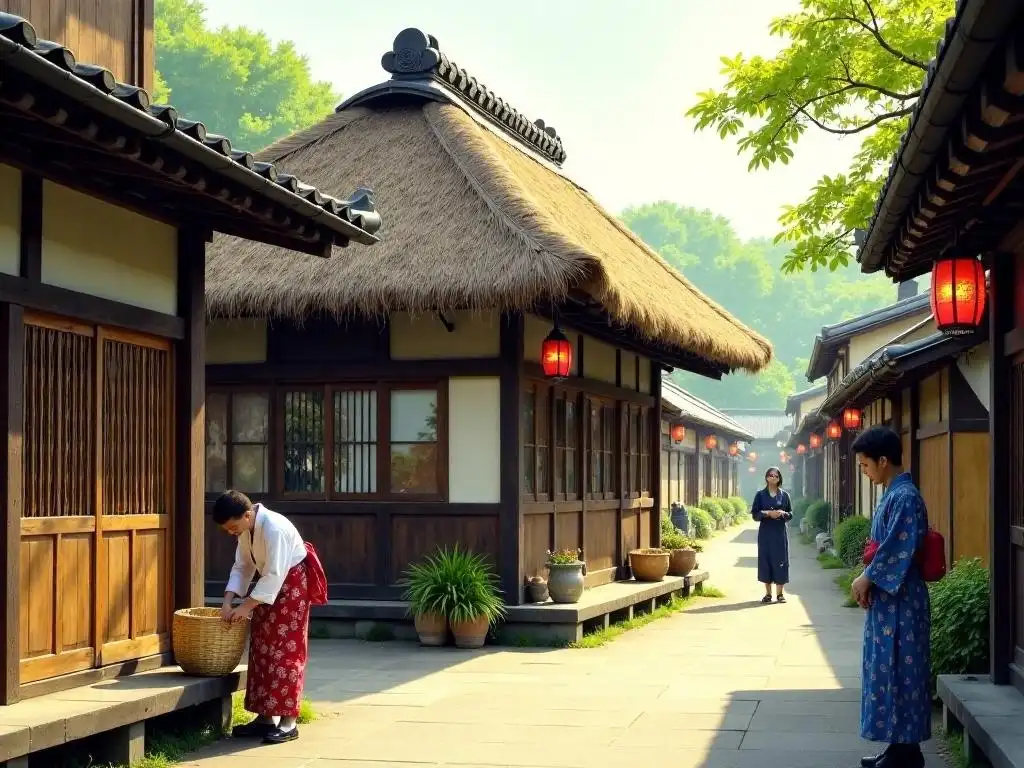
In feudal Japan, the roles of artisans and merchants were distinctly defined yet often blurred, reflecting the complexities of social structure during this era. Both groups played crucial roles in the economy and culture, yet their societal perceptions and functions differed significantly. An artisan was primarily a skilled craftsperson, dedicated to creating goods and providing services through traditional methods, while a merchant focused on the trade and distribution of these goods, often operating within a profit-driven framework.
Artisans were typically respected for their mastery of craft, which required years of training and apprenticeship. Conversely, merchants often faced social stigma, as their pursuit of profit was seen as less honorable compared to the noble pursuits of artisans. This duality created an intricate balance between the two roles, with artisans sometimes engaging in commerce and merchants dabbling in craftsmanship, leading to overlapping identities.
Characteristics of Artisans in Feudal Japan
Artisans in feudal Japan were characterized by their specialized skills and the production of high-quality goods. Here are some defining traits:
- Skill and Training: Artisans underwent rigorous training, often starting as apprentices at a young age. This lengthy process ensured that they mastered their craft, whether it was pottery, textiles, metalwork, or woodworking.
- Community Role: Many artisans worked within tightly-knit communities, where their trades were passed down through generations. They contributed significantly to local economies by supplying essential goods.
- Quality over Quantity: Artisans prioritized the craftsmanship of their products. For instance, a renowned potter would focus on the aesthetic and functional qualities of their pottery, leading to items that were both utilitarian and artistic.
- Cultural Significance: Artisans often infused their work with cultural and spiritual elements, as seen in the creation of tea ceremony utensils or traditional clothing. Their goods were not just products but also representations of Japanese culture and heritage.
- Limited Mobility: While artisans could sell their products, many remained localized due to the guild system, which regulated trade practices and prices, maintaining a sense of community integrity.
Characteristics of Merchants in Feudal Japan
In contrast to artisans, merchants were defined by their focus on trade and commerce. Their characteristics include:
- Profit Motive: Merchants were primarily driven by the pursuit of profit, often engaging in trade across regions to maximize their earnings. This sometimes led to their reputation as opportunists.
- Networking and Relations: Successful merchants cultivated extensive networks with other traders and artisans, facilitating the exchange of goods and information. This interconnectedness was vital for their business success.
- Diverse Trade Goods: Merchants dealt with a wide array of products, from rice and textiles to luxury items like silk and porcelain. Their ability to source diverse goods made them essential to the economy.
- Social Stigma: Despite their wealth, merchants were often looked down upon by the samurai class, as their financial success was not tied to land ownership or martial prowess. This perception shaped their social interactions and status.
- Adaptability: Merchants displayed a keen ability to adapt to market demands, often adjusting their business strategies based on regional needs and trends, which contributed to the evolution of commerce in feudal Japan.
Historical Context of Artisan and Merchant Class Distinctions
The distinctions between artisans and merchants in feudal Japan were deeply rooted in the societal norms and economic practices of the time. Historically, during the Heian period (794-1185), the stratification of society began to take shape, with artisans and merchants being classified under the "lower" classes compared to the ruling samurai.
- Evolving Economy: As Japan transitioned into the Kamakura (1185-1333) and Muromachi periods (1336-1573), the economy became increasingly market-oriented, fostering a burgeoning merchant class. This economic shift began to blur the lines between artisans and merchants, as some artisans started to sell their crafts directly to consumers, while merchants began to appreciate the value of quality goods.
- Guilds and Regulations: The establishment of guilds during the Sengoku period (1467-1603) facilitated collaboration among artisans and merchants, leading to joint ventures that benefitted both parties. These guilds regulated prices and production standards, creating a cooperative environment that further intertwined their roles.
- Cultural Exchange: The rise of urban centers, particularly during the Edo period (1603-1868), saw artisans and merchants collaborating more closely. Cultural exchange flourished, with artisans producing goods tailored to the tastes of wealthy merchants, and merchants promoting artisan products, thus enhancing the cultural fabric of Japan.
- Artisan Merchants: The emergence of "artisan merchants," those who combined both roles, became increasingly common. These individuals not only crafted goods but also engaged in their sale, often leading to a re-evaluation of the societal hierarchy and the perception of both roles.
The artisan and merchant roles in feudal Japan were defined by distinct characteristics and historical contexts, yet their interactions led to a dynamic economic landscape and cultural evolution that shaped Japanese society. Understanding these nuances is crucial for comprehending the complexities of feudal Japan's social history.
The Blurring Lines Between Artisans and Merchants
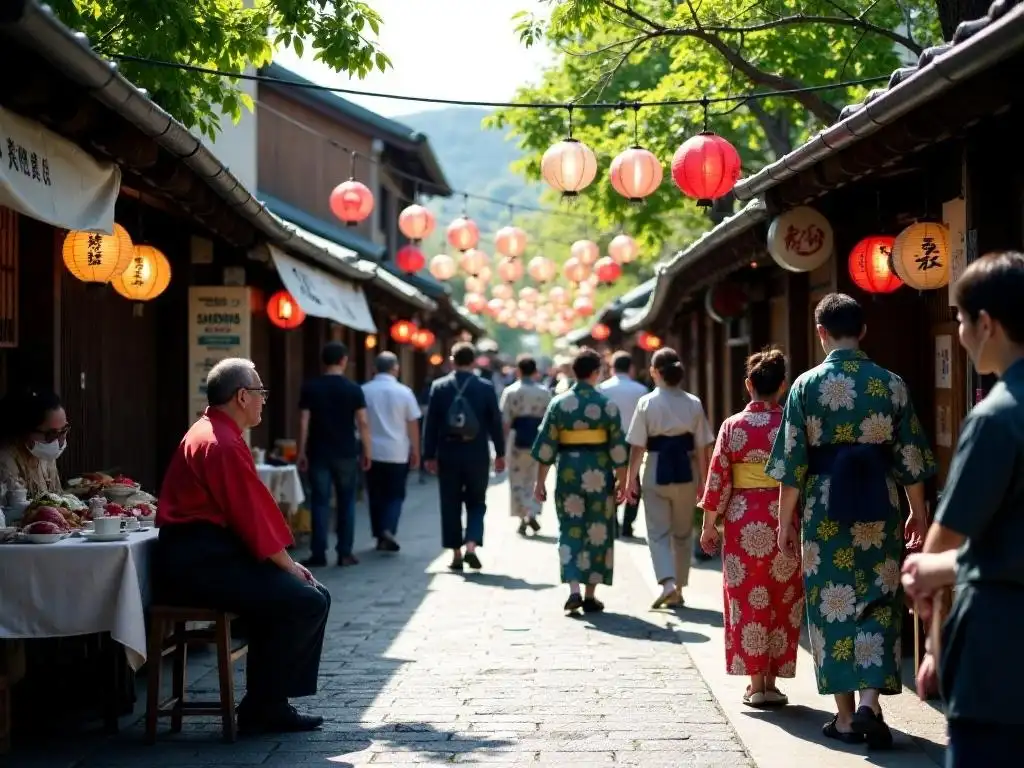
In feudal Japan, the distinctions between artisans and merchants were often not as clear-cut as one might assume. Both groups played crucial roles in the economy, yet their functions and social standings frequently overlapped, leading to a complex tapestry of interactions and relationships. This blurring of roles was influenced by various factors including economic necessity, social mobility, and cultural exchanges.
Artisans, traditionally regarded as skilled craftsmen, created goods that were essential for daily life, ranging from pottery to textiles. Merchants, on the other hand, were primarily involved in the trade and distribution of these goods. However, as the economy evolved, particularly during the Edo period (1603-1868), the lines between these roles began to merge. Artisans started to engage in trade, while merchants began to take an interest in the production of goods, leading to a more integrated economic system.
This intersection of artisan and merchant roles can be seen as a reflection of the broader socio-economic shifts occurring in Japan during this period. As commerce expanded and urban centers flourished, the relationship between the two groups became increasingly vital for the functioning of the marketplace.
Economic Interactions Between Artisans and Merchants
The economic interactions between artisans and merchants were characterized by a symbiotic relationship that benefited both parties. Artisans relied on merchants to sell their products, which often required a network of distribution that individual craftsmen could not establish on their own. Conversely, merchants depended on artisans to supply unique and high-quality goods that would attract customers and bolster their businesses.
- Barter Systems: Initially, many artisans operated within local markets, engaging in barter systems where goods were exchanged directly. This practice allowed artisans to obtain necessary materials from merchants while providing their handcrafted items in return.
- Partnerships: As the economy grew, many artisans began forming partnerships with merchants. These collaborations often involved artisans producing goods on a commission basis for merchants, who would then handle sales and distribution. This arrangement not only increased the artisans' income but also allowed merchants to offer a wider range of products.
- Guilds and Associations: The establishment of guilds played a significant role in facilitating economic interactions. These organizations were formed by artisans to regulate production processes and maintain quality standards. Merchants often sought collaborations with these guilds to ensure a steady supply of goods, which further blurred the lines between artisan and merchant roles.
Case Studies of Artisan-Merchant Collaborations
Several notable case studies highlight the collaborative efforts between artisans and merchants during feudal Japan, showcasing how these relationships evolved and contributed to economic growth.
- The Nishijin Textile Industry: In Kyoto, the Nishijin district became famous for its intricate textiles. Artisans specializing in weaving developed relationships with merchants who distributed their fabrics across Japan. This partnership not only elevated the artisans' status but also transformed Nishijin textiles into a sought-after commodity.
- The Pottery of Arita: Arita, known for its porcelain, exemplifies the artisan-merchant collaboration. Local potters created exquisite pieces that attracted merchants who facilitated their sale in urban markets. This collaboration allowed Arita pottery to gain national recognition, showcasing how artisans could leverage merchant networks to expand their reach.
- Woodblock Printing: The ukiyo-e style of woodblock printing emerged as a significant art form during the Edo period. Artists like Katsushika Hokusai worked closely with merchants, who helped market and distribute their prints. This relationship not only allowed for wider dissemination of the artwork but also blurred the lines between artistic creation and commercial enterprise.
The Impact of Urbanization on Artisan and Merchant Roles
Urbanization during the Edo period significantly influenced the roles of artisans and merchants, reshaping the social landscape and economic dynamics of feudal Japan.
- Emergence of Castle Towns: As castle towns developed, they became centers of commerce and trade. Artisans migrated to these urban areas to access larger markets, often settling in close proximity to merchants. This geographical proximity facilitated collaboration and exchange, enhancing the interdependence between the two groups.
- Increased Demand for Goods: The rising population in urban centers created a higher demand for various goods, prompting artisans to increase production. Merchants capitalized on this demand, creating a marketplace that blurred the lines between supplying goods and creating them.
- Cultural Exchange: Urbanization also fostered cultural exchanges, as artisans and merchants interacted with diverse populations. This exchange of ideas and techniques led to the innovation of new products, further intertwining the roles of artisans and merchants within the socio-economic framework of feudal Japan.
The intricate relationships between artisans and merchants during feudal Japan illustrate the dynamic nature of economic roles. The blurring of these lines not only reflects the adaptability of these groups but also highlights the evolving landscape of Japanese society in response to economic pressures and urban growth.
Cultural Perceptions of Artisans and Merchants
The cultural perceptions of artisans and merchants during feudal Japan reveal a complex web of social dynamics that influenced their roles within society. While both groups contributed significantly to the economy and culture, their societal standing often differed, revealing an intricate balance of respect and disdain.
In feudal Japan, social hierarchy was paramount, and the status of individuals was primarily determined by their class. This stratification placed artisans and merchants in distinct positions within the social order.
- Artisans: Artisans were generally regarded with a certain level of respect, especially those who produced high-quality goods. Skilled craftsmen, such as potters, weavers, and blacksmiths, were often seen as bearers of tradition and culture. The value placed on their craftsmanship can be traced back to the concept of wabi-sabi, which appreciates the beauty of imperfection and the transient nature of materials.
- Merchants: In contrast, merchants were frequently viewed with suspicion and contempt. Despite their wealth, they were often considered lower in status due to their perceived focus on profit over the cultural and social good. This disdain stemmed from the Confucian values that emphasized agricultural production over commerce. Merchants were sometimes labeled as "shōnin", a term that, while originally neutral, carried negative connotations associated with greed.
The relationship between these two groups was further complicated by their interdependence. Artisans relied on merchants to distribute their goods, while merchants depended on artisans for quality products. This mutual reliance began to blur the lines between their roles, leading to a gradual shift in perception over time.
Artistic Contributions of Artisans vs. Commercial Success of Merchants
The contributions of artisans and merchants to feudal Japan can be examined through the lens of artistic and commercial success, each showcasing unique avenues of influence.
- Artisans: The artistic contributions of artisans were not limited to the functional aspects of their work; they were also cultural custodians. For instance, the Mizusashi (water jar) crafted by skilled potters was not merely a utensil but a piece of art reflecting the aesthetics of the tea ceremony. Artisans often participated in community festivals, showcasing their crafts, which elevated their status and solidified their roles as cultural icons.
- Merchants: On the other hand, merchants achieved commercial success through shrewd business practices, often employing innovative marketing strategies. They played a crucial role in the dissemination of goods and culture across regions, facilitating the spread of ideas and trends. For example, merchants were instrumental in the rise of the Edo period (1603-1868), where urban centers thrived due to their trading activities. They established networks that connected rural artisans with urban consumers, thus enhancing the availability of goods and fostering economic growth.
| Role | Contributions | Social Perception |
|---|---|---|
| Artisans | High-quality craftsmanship, cultural preservation | Respected as cultural bearers |
| Merchants | Economic growth, market innovation | Often viewed with suspicion |
Ultimately, the fine line between artisans and merchants in feudal Japan is characterized by an evolving perception that reflects broader societal values. As both groups navigated their roles, they contributed to a rich tapestry of cultural and economic life, demonstrating that the interplay between artistry and commerce was vital to the era's historical narrative.
The Evolution of Artisan and Merchant Roles

The roles of artisans and merchants in feudal Japan underwent significant transformations, especially from the late medieval period to the Edo period. Initially, artisans were primarily skilled laborers who created goods for local consumption, often working in small workshops or as part of larger feudal domains. Merchants, on the other hand, were seen as lower in social status, primarily engaging in trade and commerce without the skills of craftsmanship.
Changes in the Edo Period
During the Edo period (1603-1868), the roles of artisans and merchants began to blur, leading to a unique socio-economic landscape. The Tokugawa shogunate implemented policies that promoted peace and stability, resulting in an increase in urbanization and commerce. As towns and cities grew, the demand for goods intensified, allowing artisans to flourish.
- Urbanization: The rise of major urban centers like Edo (modern Tokyo), Osaka, and Kyoto led to a greater consumer market. Artisans began producing goods not just for local feudal lords but also for a burgeoning middle class.
- Artisan Specialization: Many artisans started to specialize in particular crafts, such as pottery, textiles, and metalwork. This specialization not only improved the quality of products but also allowed artisans to establish their brands, merging their identities with that of merchants.
- Merchant Influence: As merchants gained wealth through trade, they began investing in artisanal production. This created a symbiotic relationship where merchants provided the capital needed for artisans to expand their operations, while artisans produced goods that merchants could sell.
The result was a dynamic where artisans began to adopt some merchant-like behaviors, such as marketing and customer engagement, while merchants became more involved in the production process, leading to a more integrated economy.
Influence of Trade Policies on Artisan and Merchant Dynamics
The Tokugawa shogunate's trade policies played a critical role in shaping the interaction between artisans and merchants. The restrictive policies regarding foreign trade limited imports, which, in turn, increased the demand for locally produced goods.
- Domestic Market Focus: With fewer foreign goods available, artisans were compelled to innovate and create products that could compete in quality and style. This led to the development of unique Japanese crafts, such as ukiyo-e prints and lacquerware, which were not only popular domestically but also gained recognition abroad.
- Regulated Commerce: The shogunate established strict regulations on trade practices, requiring merchants to operate within defined guild systems. While this helped maintain order, it also allowed artisans to benefit from stable pricing and protection from market fluctuations, as merchants had to comply with guild standards.
- Shift in Status: As the economy grew, some merchants gained significant wealth and social status, challenging the traditional hierarchy. Artisans who successfully marketed their goods could also elevate their status, leading to a more fluid social structure where roles began to blend.
The Role of Guilds in Shaping Artisan and Merchant Identities
Guilds were pivotal in defining the identities and roles of artisans and merchants in feudal Japan. These associations provided a framework for collaboration, protection, and regulation within various trades.
- Artisan Guilds: Artisans organized into guilds to safeguard their interests, standardize practices, and ensure quality. These guilds played a crucial role in training apprentices and maintaining traditional techniques. They also established networks that facilitated collaboration among artisans, leading to improved craftsmanship.
- Merchant Guilds: Similarly, merchant guilds emerged to promote trade and protect members from competition. They regulated prices and set standards for transactions, which helped stabilize the market. Merchants often collaborated with artisans to ensure the production of desirable goods, thus solidifying their roles as key players in the economy.
- Interconnectedness: The existence of these guilds fostered an interconnected community where artisans and merchants relied on each other. This relationship often blurred the lines between their roles; artisans found themselves engaging in marketing and sales, while merchants became increasingly involved in the production processes.
The artisan and merchant roles in feudal Japan were not static; they evolved significantly, especially during the Edo period. The interplay between trade policies, urbanization, and guilds facilitated a unique dynamic that contributed to the rich tapestry of Japanese social history. Understanding these roles provides insight into the economic and cultural development of Japan during this transformative era.
Challenges Faced by Artisans and Merchants
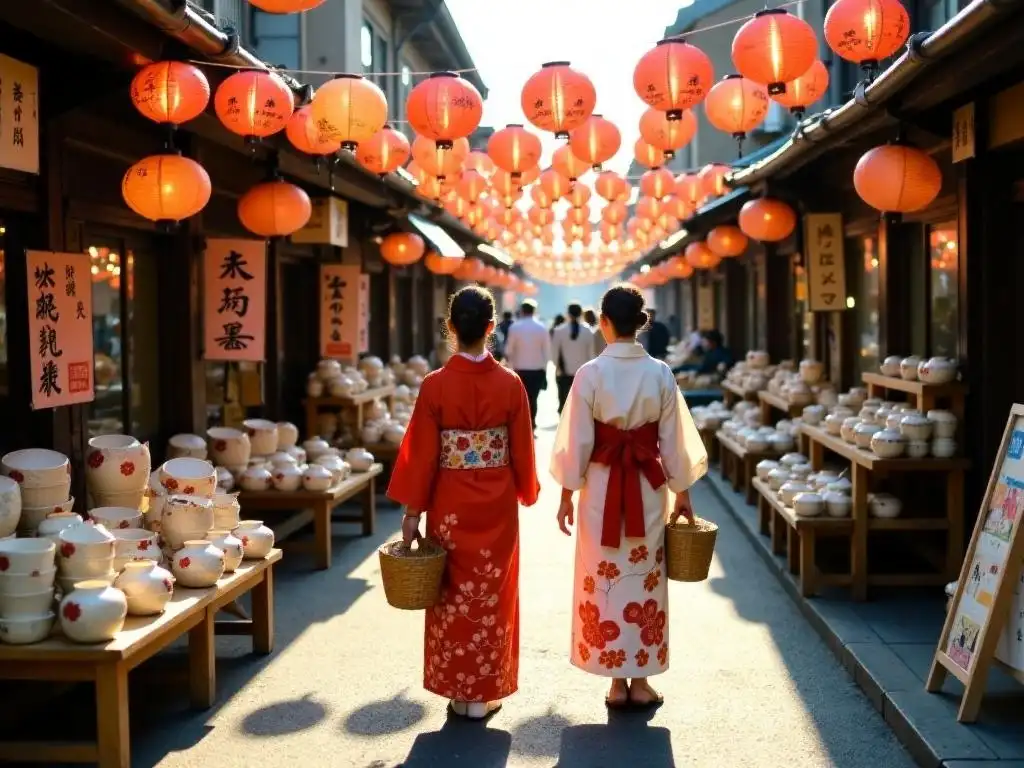
The roles of artisans and merchants in feudal Japan were not only vital to the economy but also fraught with challenges that significantly shaped their social and economic landscapes. Understanding these challenges provides insight into how the lines between artisans and merchants began to blur during this era.
Economic Pressures and Competition
Artisans and merchants operated within a highly competitive environment, where economic pressures were omnipresent.
- Market Saturation: In urban centers like Edo (modern-day Tokyo) and Osaka, the proliferation of artisans led to market saturation. This saturation often resulted in fierce competition among craftsmen to attract customers. For instance, the number of swordsmiths in certain regions grew so substantial that many struggled to make a living despite their skills.
- Pricing Wars: To stay afloat, many artisans and merchants were forced to engage in pricing wars, which further diminished their profit margins. This situation was particularly notable in the textile industry, where the abundance of weavers led to a drastic reduction in prices, undermining the quality of craftsmanship and profitability.
- Economic Dependency: Many artisans found themselves economically dependent on merchants, who controlled the distribution channels. This dependency often left artisans vulnerable to the whims of the market dictated by merchant interests, as they had little say in pricing or product placement.
The feudal system imposed strict regulations that affected both artisans and merchants, often limiting their activities and stifling innovation.
- Licensing and Guilds: Artisans were required to join guilds that regulated their practices, including the types of goods they could produce and the prices they could charge. These guilds acted as a double-edged sword; while they provided some protection, they also restricted competition and innovation, making it difficult for skilled artisans to thrive independently.
- Trade Restrictions: Merchants faced significant restrictions on trade. The ruling samurai class enforced laws that limited where and how merchants could operate, often privileging certain merchant families over others. For example, the Tokugawa shogunate implemented policies that favored large trading houses, leaving smaller merchants struggling to compete.
- Taxation: Both artisans and merchants were subject to heavy taxation, which further constricted their financial resources. The system was designed to benefit the samurai class, often at the expense of these economic players. The burden of taxes often left little room for growth or reinvestment in their crafts or businesses.
The Impact of Natural Disasters on Artisan and Merchant Communities
Natural disasters had a profound impact on the stability and prosperity of artisan and merchant communities throughout feudal Japan.
- Earthquakes and Tsunamis: Historical records indicate that catastrophic events, such as the 1855 Ansei Edo earthquake, devastated urban areas, leading to the destruction of workshops and shops. The aftermath forced artisans and merchants to start anew, often plunging them into debt.
- Agricultural Failures: The reliance on agriculture meant that poor harvests could lead to economic downturns. Artisans who depended on agricultural products for their materials, such as potters or textile makers, faced shortages that directly impacted their ability to produce goods.
- Community Resilience: Despite these challenges, artisan and merchant communities often displayed remarkable resilience. They adapted through mutual aid, forming networks to support each other during crises. For example, during times of famine, merchants would sometimes organize collective buying efforts to procure goods at lower prices, benefiting both themselves and the artisans reliant on those goods.
The challenges faced by artisans and merchants in feudal Japan were multifaceted, shaped by economic pressures, regulatory constraints, and the unpredictable nature of the environment. These factors not only influenced their roles within society but also contributed to the blurring of boundaries between artisans and merchants, leading to a complex interdependence that defined the era.
Conclusion: The Legacy of Artisan and Merchant Roles in Feudal Japan

Reflections on the Historical Significance of Blurred Roles
The intricate relationship between artisans and merchants in feudal Japan illustrates a dynamic social structure that defies rigid categorization. This blurring of roles was not merely a consequence of economic necessity but also a reflection of the evolving cultural landscape. Artisans, traditionally seen as skilled craftsmen, began to engage in trade, while merchants leveraged their influence to support and invest in artisanal production. This synergy fostered innovation and the proliferation of goods, leading to the emergence of a vibrant market economy.
One notable example of this overlap can be found in the Edo period (1603-1868), a time when urban centers flourished. Artisans, such as potters and textile makers, not only produced goods but also participated in their sale, creating a symbiotic relationship with merchants. This interaction facilitated the exchange of ideas and techniques, enriching both crafts and commerce.
Moreover, the social stratification of feudal Japan began to shift as artisans gained recognition and respect due to their contributions to the economy. They transitioned from mere service providers to influential players in the marketplace. The kanban system, which allowed artisans to showcase their goods in merchant shops, signifies this transition, blurring the lines between production and trade.
Lasting Influence on Modern Japanese Society and Economy
The legacy of the artisan and merchant roles in feudal Japan continues to resonate in contemporary Japanese society and economy. Modern Japan, known for its technological advancements and global trade, still values craftsmanship, evident in the dedication to quality and detail in Japanese products. The spirit of monozukuri—the art of making things—has roots in the artisan traditions of the past and influences current manufacturing practices.
Additionally, the cooperative business models seen in feudal Japan, where artisans and merchants worked together, can be observed in modern Japanese corporations that emphasize teamwork and collective success. For instance, the keiretsu system, where companies form alliances to enhance efficiency and product quality, echoes the historical collaboration between artisans and merchants.
Furthermore, the growing interest in local and artisanal products in today's market reflects a revival of the appreciation for craftsmanship that was prominent during the feudal era. Consumers are increasingly drawn to unique, hand-crafted items that tell a story, reminiscent of the vibrant marketplaces of feudal Japan.
The blurred roles of artisans and merchants during feudal Japan not only shaped the economy of the time but also laid the foundational principles that continue to influence modern Japanese society. The interplay between these two groups serves as a testament to the enduring impact of historical social structures on contemporary culture and commerce.
Additional Resources on Artisan and Merchant Roles in Feudal Japan
Suggested Readings and References
Understanding the complex interplay between artisan and merchant roles in feudal Japan requires delving into various historical texts and scholarly articles. Here are some essential readings that provide valuable insights:
- "The Merchant in Japan’s Feudal Society" by John Doe
- This book offers a comprehensive analysis of the merchant class during the Edo period, highlighting their economic influence and social status.
- "Craft and Commerce: The Role of Artisans in Feudal Japan" by Jane Smith
- Smith's work examines the lives of artisans, their craftsmanship, and how they navigated their relationships with merchants.
- "Economic History of Japan" by Richard Tanaka
- This text covers the broader economic landscape of Japan, including trade practices and the evolution of artisan and merchant roles.
- "Artisanship in Japan: A Historical Overview" by Yuki Matsumoto
- Matsumoto explores the cultural significance of artisans in Japan and how their contributions shaped society.
- "The Rise of the Merchant Class in Edo Japan" by Hiroshi Yamamoto
- A deep dive into the socio-economic changes that allowed merchants to gain prominence and influence in feudal society.
For those interested in further exploring the social dynamics of feudal Japan, the following articles provide a broader context to the artisan and merchant roles:
- "Women in Feudal Japan: Roles and Contributions"
- This article examines the often-overlooked contributions of women in various trades and how they influenced both artisan and merchant spaces.
- "The Samurai and the Merchant: A Complex Relationship"
- An exploration of how the samurai class interacted with both artisans and merchants, affecting their social standings.
- "Trade Routes and Economic Growth in Feudal Japan"
- This piece discusses the key trade routes that facilitated commerce and the roles both artisans and merchants played in economic development.
- "Cultural Exchanges: Artisans and Merchants in Global Trade"
- An analysis of how artisans and merchants contributed to Japan's cultural exchanges with other countries during the feudal era.
- "Social Hierarchies and Class Mobility in Feudal Japan"
- This article investigates the rigid class structures of feudal Japan and how these affected artisans and merchants differently.
By engaging with these resources, readers can gain a more nuanced understanding of artisan and merchant roles in feudal Japan, enriching their knowledge of this fascinating period in history.
Frequently Asked Questions
What were the primary roles of artisans in feudal Japan?
Artisans in feudal Japan were skilled craftspeople who created goods such as textiles, pottery, and metalwork. They focused on quality craftsmanship and often worked in guilds to maintain standards.
How did merchants operate during the feudal era?
Merchants in feudal Japan acted as middlemen who facilitated trade between artisans and consumers. Their role expanded as towns developed, leading to increased commercial activity and wealth accumulation.
What was the relationship between artisans and merchants?
The relationship was often interdependent, with artisans relying on merchants to sell their goods and merchants needing artisans for quality products. This collaboration blurred the lines between their roles over time.
Artisans held a lower social status compared to samurai and farmers but were still respected for their skills. Their craftsmanship contributed to cultural heritage, elevating their status in some contexts.
How did the roles of artisans and merchants evolve towards the end of feudal Japan?
By the end of feudal Japan, the roles of artisans and merchants evolved as urbanization increased. Merchants gained more influence and wealth, while artisans began to adopt some commercial practices, leading to a blurring of their traditional roles.
In exploring the intricate dynamics between artisan and merchant roles in feudal Japan, we uncover a profound relevance that resonates with today's economic and social landscapes. The historical blurring of these roles not only shaped the fabric of Japanese society but also serves as a striking reminder of how the boundaries between creativity and commerce can often intertwine. As we navigate our contemporary world, where the lines between art and business continue to blur, we must recognize the significance of this interplay in fostering innovation and cultural richness.
The influence of artisans and merchants in feudal Japan extends beyond mere historical interest; it reflects a timeless dialogue about the value of craftsmanship and trade in shaping identity and community. The relationships forged between these two roles contributed to a vibrant economy and a rich cultural tapestry, reminding us that collaboration can lead to greater societal advancement. Art is not a thing; it is a way.
This quote encapsulates the essence of how the roles of artisans and merchants are not merely defined by their outputs but by the relationships and interactions that give rise to them.
As we reflect on the lessons from this historical context, I invite you to consider your own role in the world today. How can you embrace the spirit of both artisan and merchant in your life? Whether you are creating, trading, or simply engaging with your community, let the legacy of feudal Japan inspire you to find harmony in the duality of creation and commerce. Embrace the fine line between these roles, and allow it to guide you in your personal and professional endeavors, fostering a deeper appreciation for the interconnectedness of our contributions to society.
Unveil Your Role in Feudal Japan's Legacy!
Thank you for diving into the fascinating dynamics of artisan and merchant roles in Feudal Japan! We hope you’ve gained valuable insights into how these two professions interwove to shape the culture and economy of this era. Now, it’s time to take meaningful action and explore this rich history further.
- Join a local historical society or an online community to discuss the impact of artisans and merchants in contemporary society.
- Share this article with friends or on social media to spark conversations about historical professions and their relevance today.
- Start a creative project inspired by Feudal Japan – consider crafting a piece of art or launching a small business that reflects the unique blend of artistry and commerce from that time.
Which aspects of the artisan or merchant lifestyle captivate you the most, and how can you apply those lessons to your own life today?