
The Artisan's Legacy: How Feudal Craftsmanship Influences Modern Japan

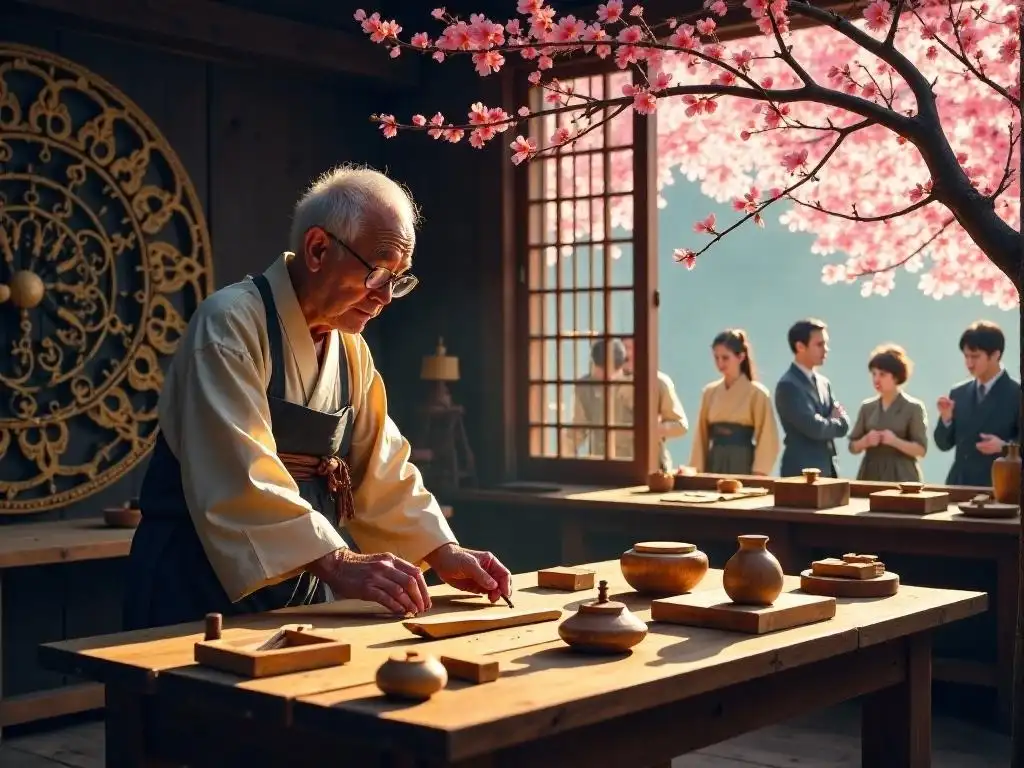
Welcome to Feudal Japan History, where we embark on a captivating journey through the intricate tapestry of Japan's feudal era. Discover how the art of craftsmanship from centuries past continues to shape the vibrant cultural landscape of modern Japan. In our featured article, "The Artisan's Legacy: How Feudal Craftsmanship Influences Modern Japan," we delve deep into the enduring impact of these age-old techniques and traditions.
Prepare to be intrigued as we unveil the connections between the past and present, inviting you to explore the rich historical narratives that have forged the identity of a nation. Your adventure into the heart of Japan's social history begins now!
Introduction to Feudal Craftsmanship in Modern Japan
The intricate tapestry of Japan's history is deeply woven with the threads of craftsmanship that flourished during the feudal era. This period, characterized by the rise of artisans and merchants, laid the foundational principles of artistry, skill, and trade that continue to resonate in modern Japan. Feudal craftsmanship not only enriched the cultural landscape of its time but also established standards and techniques that artisans today strive to uphold. As we explore the legacy of these skilled individuals, we uncover how their influence permeates contemporary practices, shaping both aesthetic preferences and societal values in Japan.
The Historical Context of Feudal Craftsmanship
To fully appreciate the impact of feudal craftsmanship on modern society, one must first understand its historical backdrop. During the feudal era (approximately 1185 to 1868), Japan was characterized by a decentralized political structure, where power was held by local lords, or daimyōs. This environment fostered a unique relationship between artisans and their patrons, leading to the development of specialized crafts such as pottery, textiles, and metalwork.
- Key Features of Feudal Craftsmanship:
- Guild Systems: Artisans often organized into guilds, promoting skill development and preserving techniques.
- Patronage: Wealthy samurai and merchants commissioned works, providing financial support and influencing artistic direction.
- Regional Styles: Different regions cultivated distinct styles, allowing for a rich diversity of craftsmanship across the nation.
The legacy of these practices is evident in the meticulous attention to detail and the deep respect for tradition that modern Japanese artisans maintain.
Significance of Artisans in Feudal Japan
Artisans played a pivotal role in the feudal society, serving not only as creators of beautiful objects but also as custodians of cultural heritage. They were often regarded with high esteem, reflecting their contributions to both the economy and the arts.
- Roles of Artisans:
- Cultural Preservation: Artisans preserved traditional crafts, ensuring that knowledge and skills were passed down through generations.
- Economic Contribution: They fueled local economies, engaging in trade that connected various regions.
- Social Status: Master artisans often enjoyed elevated social status, akin to that of samurai, highlighting their importance in society.
These artisans established a legacy of excellence that continues to inspire modern craftsmanship.
Overview of Modern Japanese Craftsmanship
In contemporary Japan, the influence of feudal craftsmanship is evident in various aspects of life. Modern artisans often draw upon traditional techniques while integrating contemporary aesthetics. The resurgence of interest in handmade goods reflects a societal shift towards valuing quality, sustainability, and authenticity. This movement is characterized by:
- Craftsmanship Trends:
- Revival of Traditional Techniques: Many artisans are reinterpreting age-old methods to create innovative works.
- Cultural Festivals: Events celebrating traditional crafts foster community engagement and appreciation for heritage.
- Global Influence: Japanese craftsmanship has garnered international recognition, influencing global design trends.
This blend of tradition and innovation highlights the enduring legacy of feudal craftsmanship in contemporary society.
The Evolution of Craftsmanship from Feudal Japan to Modern Times
The journey from feudal craftsmanship to modern techniques is marked by a series of transformations that reflect changes in society, technology, and artistic expression. Understanding this evolution provides insight into how modern artisans continue to honor their predecessors while adapting to new contexts.
Key Changes in Techniques and Materials
As Japan transitioned from a feudal society to a modern nation, significant shifts in craftsmanship techniques and materials emerged. The introduction of new technologies and global trade routes expanded the scope of available resources, leading to innovations in various crafts.
- Examples of Changes:
- Material Diversification: The use of synthetic materials in textiles has allowed for greater experimentation, while traditional materials like silk remain revered for their cultural significance.
- Technique Adaptation: Traditional methods, such as indigo dyeing or woodblock printing, have been adapted to incorporate modern design principles.
These transformations reveal the dynamic nature of craftsmanship and its ability to evolve while retaining core values.
Preservation of Traditional Craftsmanship
Despite the evolution of techniques, there remains a strong commitment to preserving traditional craftsmanship in Japan. Various initiatives aim to safeguard these skills, ensuring they are not lost to modernization.
- Preservation Efforts Include:
- Cultural Heritage Programs: Government and non-profit organizations support workshops and training programs for young artisans.
- Community Engagement: Local festivals and markets promote traditional crafts, encouraging public appreciation and participation.
- Certification Systems: Recognizing master artisans through certifications helps to elevate the status of traditional crafts.
These endeavors reflect a collective effort to honor and sustain the craftsmanship that has shaped Japanese culture for centuries.
Influence of Technology on Modern Artisanship
Technology has dramatically influenced modern artisanship, providing new tools and mediums that can enhance creative expression. The integration of digital technology and traditional craftsmanship has led to exciting developments in the field.
- Innovations in Artisanship:
- Digital Design Tools: Software for design allows artisans to visualize and prototype their work before production.
- E-commerce Platforms: Artisans can now reach global markets, increasing visibility and sales opportunities.
- 3D Printing: This technology is being explored as a means to complement traditional methods, creating hybrid forms of artistry.
While technology presents challenges, it also opens doors for artisans to innovate and redefine their craft in meaningful ways.
The exploration of feudal craftsmanship and its lasting impact on modern Japan reveals a rich narrative of continuity and change. As we delve deeper into this topic, we will uncover specific examples and case studies that illustrate the profound connection between the craftsmanship of the past and the artisanal practices of today.
The Role of Artisans in Feudal Society
In feudal Japan, artisans occupied a unique and vital position within the social hierarchy. Unlike the samurai class, who were warriors, or the peasants, who cultivated the land, artisans were the skilled laborers responsible for creating and producing goods essential to daily life. Their work ranged from the production of everyday items like pottery and textiles to exquisite tools, weapons, and architectural components. This specialization allowed for a rich tapestry of craftsmanship that contributed significantly to both local economies and cultural heritage.
Artisans often operated within guilds, which provided a structured environment for training, collaboration, and the preservation of techniques. These guilds not only facilitated the transfer of knowledge from master to apprentice but also enforced quality standards and regulated trade practices. By fostering a sense of community, artisans were able to maintain their craft's integrity while innovating within their specialized fields. Thus, artisans played a crucial role in the economic stability and cultural development of feudal Japan, impacting everything from warfare to everyday domestic life.
Types of Crafts and Artisan Specializations
The diversity of crafts in feudal Japan was remarkable, reflecting the country's rich cultural landscape. Here are some of the most prominent types of craftsmanship and artisan specializations:
- Textiles: Weavers and dyers produced silk, cotton, and hemp fabrics, creating garments for both the elite and common people. Techniques such as indigo dyeing and intricate weaving patterns were highly regarded.
- Pottery: Ceramic artisans crafted utilitarian and decorative pottery, with styles varying from region to region. Notable types include Raku ware, known for its unique firing process, and Arita porcelain, celebrated for its beauty.
- Metalwork: Blacksmiths and metal artisans forged tools, weapons, and intricate decorative items. The production of katana swords exemplifies the high level of skill and artistry involved in metalworking.
- Woodworking: Carpenters and joiners built everything from simple furniture to elaborate temple structures. Traditional methods, such as joinery, allowed for strong, aesthetically pleasing constructions without the use of nails.
- Lacquering: Lacquer artisans applied layers of urushi (a natural lacquer) to wood and other materials, creating durable and beautifully finished items. This method was often used in the production of furniture and decorative boxes.
The variety of artisan crafts not only illustrates the technical skills of these individuals but also highlights the cultural significance of their work within feudal society.
The Societal Status of Artisans in Feudal Japan
Artisans held a complex status in the feudal hierarchy. Generally positioned below the samurai and above the peasants, artisans were respected for their skills but often faced social limitations. Their work was essential to daily life, yet they were not seen as part of the ruling elite. This duality created a unique social identity, where artisans were valued for their contributions while also facing the stigma associated with their labor.
The Tokugawa period (1603-1868) saw a greater appreciation for craftsmanship, with many artisans achieving recognition for their talents. Some even gained patronage from samurai and wealthy merchants, allowing them to elevate their status. However, despite these advancements, artisans were often bound to their trades and faced challenges in social mobility. Their children were frequently expected to follow in their footsteps, perpetuating the cycle of artisan labor.
Feudal Craftsmanship and Its Legacy in Contemporary Japan
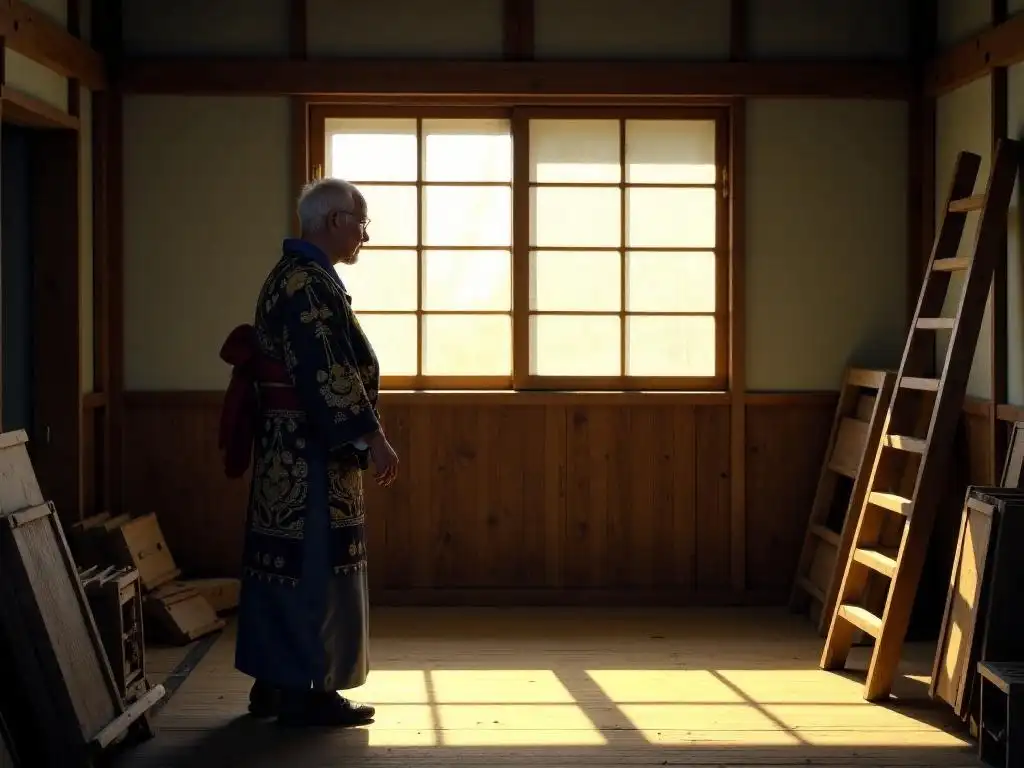
Feudal craftsmanship has left an indelible mark on modern Japan, influencing various aspects of culture, industry, and aesthetics. The techniques, materials, and philosophies developed during the feudal era continue to resonate with contemporary artisans and craftspeople, ensuring that the legacy of their predecessors remains alive and well.
How Feudal Techniques Shape Modern Craft Practices
Modern Japanese artisans frequently draw upon traditional techniques developed during the feudal era. For instance, many ceramicists still utilize ancient firing methods, such as wood firing, which imbue their pottery with unique textures and colors reminiscent of historical styles. Similarly, textile artists often employ time-honored dyeing and weaving techniques, ensuring that the craftsmanship of the past informs their contemporary creations.
Additionally, the emphasis on quality and attention to detail, hallmarks of feudal craftsmanship, remain central tenets within modern artisan practices. Many contemporary artisans adopt the concept of "monozukuri," which translates to "the art of making things," embodying a philosophy that values mastery, craftsmanship, and a deep connection to materials.
The Impact of Feudal Craftsmanship on Japanese Aesthetics
The aesthetic principles established during feudal Japan, such as simplicity, natural beauty, and asymmetry, continue to inform modern design across various fields, including architecture, fashion, and product design. The minimalist aesthetic found in contemporary Japanese interiors, for example, reflects the influence of traditional craftsmanship, emphasizing clean lines and harmonious balance.
Moreover, the appreciation for handmade items, a legacy of feudal craftsmanship, is evident in the contemporary embrace of artisanal goods. Consumers increasingly seek out products that showcase the skill and artistry of individual craftsmen, highlighting a growing appreciation for heritage and authenticity.
Examples of Modern Artisans Inspired by Feudal Traditions
Numerous modern artisans embody the spirit of feudal craftsmanship, creating works that pay homage to traditional techniques while innovating within their fields. Noteworthy examples include:
- Kintsugi Artists: Practitioners of kintsugi repair broken pottery with lacquer mixed with powdered gold, silver, or platinum, celebrating imperfections and the history of the object.
- Swordsmiths: Modern swordsmiths continue the ancient practice of forging katana, employing traditional techniques passed down through generations, often creating pieces that are both functional and artistically significant.
- Textile Artists: Many contemporary textile artisans draw inspiration from historical patterns and weaving techniques, creating garments that reflect the beauty of their feudal counterparts while incorporating modern sensibilities.
These artisans not only preserve the techniques and aesthetics of feudal craftsmanship but also innovate upon them, ensuring that the legacy of their predecessors continues to thrive in modern Japan.
The Cultural Significance of Feudal Craftsmanship Today
Feudal craftsmanship holds immense cultural significance in modern Japan, serving as a bridge between the past and present. The skills and techniques developed during the feudal era are not merely relics of history; they continue to thrive, influencing contemporary art forms, design, and manufacturing. Traditional crafts such as pottery, textiles, and woodworking are celebrated not only for their aesthetic value but also for the cultural narratives they embody.
Craftsmanship in feudal Japan was often tied to specific regions, each developing unique styles and methods that reflect local resources and traditions. This regional diversity contributes to a rich tapestry of cultural heritage that is recognized and preserved today. Modern artisans draw inspiration from these historical techniques, often infusing them with contemporary sensibilities, leading to a fascinating dialogue between the old and the new.
Moreover, craftsmanship is increasingly seen as a means of fostering community and identity. In a rapidly globalizing world, the revival and appreciation of traditional crafts serve as a counterbalance, reinforcing local pride and cultural continuity. This cultural significance is evident in festivals, exhibitions, and educational programs that celebrate feudal craftsmanship and its ongoing relevance.
Preservation Efforts for Traditional Crafts
Preservation efforts for traditional crafts in Japan are multifaceted, involving government initiatives, non-profit organizations, and community-driven projects. The Japanese government recognizes the importance of these crafts and has established programs such as the "Important Intangible Cultural Properties" designation to protect specific skills and practices. This designation not only acknowledges the artisans but also provides them with financial support and resources for training the next generation.
Local organizations and guilds play a crucial role in promoting traditional craftsmanship. They offer workshops, apprenticeships, and public demonstrations, ensuring that these skills are passed down. For instance, the "Kintsugi" technique, which involves repairing broken pottery with lacquer mixed with powdered gold, has seen a resurgence due to the efforts of artisans dedicated to educating the public about this ancient practice.
Furthermore, modern technology is being leveraged to aid preservation. Online platforms allow artisans to showcase their work globally, attracting interest and customers who appreciate the intricacy and history of traditional crafts. This not only helps sustain the artisans' livelihoods but also raises awareness of the craftsmanship's cultural significance.
The Role of Artisans in Japanese Cultural Identity
Artisans are pivotal to the preservation and evolution of Japanese cultural identity. They embody the values and aesthetics of craftsmanship that have been cultivated over centuries. In a society where mass production often overshadows individuality, artisans represent a commitment to quality, tradition, and a deep connection to one's heritage.
The work of artisans often tells a story, reflecting historical events, local culture, and personal experiences. For example, the intricate designs of Bonsai and Ikebana (flower arranging) are not just artistic expressions but also convey philosophical concepts like harmony and balance. Artisans' dedication to their craft fosters a sense of belonging and pride within communities, reinforcing cultural ties.
Moreover, contemporary artisans are increasingly engaged in dialogues about sustainability and ethics, drawing from the feudal era’s principles of resourcefulness and respect for nature. This alignment with modern values enhances their role as cultural ambassadors, making their work relevant in today’s society.
Challenges Faced by Modern Artisans
Despite their significance, modern artisans face numerous challenges that threaten the continuation of traditional craftsmanship. One of the primary challenges is the declining number of skilled artisans as younger generations gravitate towards urbanization and technology-driven careers. This shift leads to a loss of traditional knowledge and expertise, creating a gap that is difficult to fill.
Additionally, the commercial pressures of mass production make it challenging for artisans to compete. High-quality, handmade goods often come at a premium, making them less accessible in a market dominated by cheaper, mass-produced alternatives. This economic reality can discourage new artisans from entering the field, fearing they cannot sustain a viable business.
Furthermore, the recent global pandemic has impacted artisan communities significantly. Restrictions on gatherings and international trade disrupted traditional markets and sales channels, forcing many to adapt quickly to online platforms. While some have successfully transitioned, others have struggled to maintain their craft amidst these changes.
Conclusion: The Lasting Impact of Feudal Craftsmanship
The legacy of feudal craftsmanship continues to resonate in modern Japan, shaping both cultural identity and artistic expression. Understanding this impact requires a recognition of the historical roots from which contemporary practices emerge. The techniques and philosophies of craftsmanship developed during the feudal era have laid a foundation for modern artisans, who blend tradition with innovation to create works that reflect both their heritage and contemporary life.
Reflecting on the Future of Craftsmanship in Japan
As Japan navigates the complexities of modernity, the future of craftsmanship is both promising and precarious. There is a growing movement towards sustainability and ethical production, which aligns with the values of traditional craftsmanship. This shift presents an opportunity for artisans to reclaim their place in the market by emphasizing the longevity and quality of handmade goods.
Moreover, educational initiatives aimed at younger generations are vital for ensuring the transmission of skills. By integrating traditional crafts into school curriculums and community programs, there is hope for a revival of interest in these practices. Young artisans are beginning to explore and reinterpret traditional techniques, ensuring that craftsmanship evolves while respecting its origins.
The Importance of Understanding Historical Roots in Modern Craft
Understanding the historical roots of craftsmanship is crucial for appreciating its value in modern Japan. It fosters a deeper connection to cultural identity and encourages respect for the artisans' work. By recognizing the significance of feudal craftsmanship, society can cultivate a greater appreciation for the artistry, dedication, and heritage that modern artisans bring to their craft.
The legacy of feudal craftsmanship is not merely a nostalgic remembrance of the past; it is a living, evolving practice that continues to shape and enrich contemporary Japanese culture. By supporting and preserving these traditions, we ensure that the artistry and cultural narratives of feudal Japan endure for future generations.
Call to Action: Exploring Feudal Craftsmanship

Feudal craftsmanship represents a crucial element of Japan's cultural heritage, deeply rooted in the nation's history and identity. As we delve into this fascinating subject, we encourage readers to appreciate the intricate skills and techniques that artisans developed over centuries. These crafts, ranging from pottery and textiles to metalwork and woodworking, not only reflect the aesthetic values of their time but also serve as a testament to the perseverance and innovation of the Japanese people.
To truly grasp the significance of feudal craftsmanship in modern Japan, we invite you to explore local artisans' workshops, attend craft fairs, and participate in hands-on experiences. By engaging directly with these time-honored traditions, you can foster a deeper understanding of their ongoing influence on contemporary Japanese society. Whether it’s visiting a traditional pottery studio in Seto or learning about the meticulous art of kintsugi, your journey into the world of feudal craftsmanship will unveil the enduring legacy that shapes modern Japan.
Recommendations for Further Reading on Feudal Craftsmanship in Modern Japan
To expand your understanding of feudal craftsmanship and its impact on modern Japan, consider the following resources:
- Books:
- Crafting a Legacy: The Influence of Traditional Artisans on Modern Japan by Hiroshi Takahashi
- The Art of Japanese Craftsmanship by Yuki Tanaka
- From Edo to Modernity: The Evolution of Japanese Artisanship by Kenji Yamamoto
- Articles and Journals:
- "Preserving Tradition: The Role of Artisans in Contemporary Japan," published in the Journal of Japanese Cultural Studies.
- "The Intersection of Art and Craft: How Historical Techniques Shape Modern Design," featured in Asian Art Review.
- Documentaries:
- The Craftsmen of Japan: A Journey Through Time - A visual exploration of traditional crafts and their modern iterations.
- Artisan's Heart: The Legacy of Japanese Craftsmanship - A documentary that highlights the stories of contemporary artisans keeping traditions alive.
These materials will provide valuable insights and broaden your appreciation of how feudal craftsmanship continues to influence various aspects of modern Japanese life.
Opportunities to Experience Traditional Craftsmanship Today
Experiencing traditional craftsmanship firsthand is an enriching way to connect with Japan's cultural heritage. Here are some opportunities to immerse yourself in this world:
- Workshops:
- Many local artisans offer workshops where you can learn traditional skills such as pottery, textile weaving, or lacquerware. Look for classes in regions known for specific crafts, such as Arita for ceramics or Kyoto for textiles.
- Craft Fairs and Festivals:
- Attend local craft fairs, such as the Tokyo Handmade Market or the Kanazawa Craft Festival, where artisans showcase their work and demonstrate their techniques. These events often feature opportunities to purchase handmade items directly from the makers.
- Artisan Residencies and Tours:
- Some organizations provide residency programs or guided tours that focus on traditional crafts. These experiences allow you to meet artisans, observe their work processes, and even participate in creating your own piece.
- Museums and Exhibitions:
- Visit museums like the National Museum of Modern Art in Tokyo, which often feature exhibitions dedicated to traditional crafts and their evolution.
Engaging with these activities will not only enhance your understanding of feudal craftsmanship but also support the artisans who strive to keep these traditions alive in modern Japan.
- Introduction to Feudal Craftsmanship in Modern Japan
- The Evolution of Craftsmanship from Feudal Japan to Modern Times
- The Role of Artisans in Feudal Society
- Feudal Craftsmanship and Its Legacy in Contemporary Japan
- The Cultural Significance of Feudal Craftsmanship Today
- Conclusion: The Lasting Impact of Feudal Craftsmanship
- Call to Action: Exploring Feudal Craftsmanship
- Recommendations for Further Reading on Feudal Craftsmanship in Modern Japan
- Opportunities to Experience Traditional Craftsmanship Today
Frequently Asked Questions
What is feudal craftsmanship?
Feudal craftsmanship refers to the traditional skills and techniques developed during Japan's feudal era. These practices include artisanal trades such as sword making, woodworking, and textile production that have been passed down through generations.
How does feudal craftsmanship influence modern Japan?
The influence of feudal craftsmanship in modern Japan can be seen in various industries, where traditional methods are integrated into contemporary designs and production, preserving cultural heritage while meeting modern standards.
Are there any modern artisans who specialize in feudal techniques?
Yes, there are numerous modern artisans in Japan who specialize in reviving and maintaining traditional feudal techniques. These craftsmen often blend ancient skills with innovative approaches to create unique products that reflect their historical roots.
What role do artisans play in preserving Japanese culture?
Artisans play a crucial role in preserving Japanese culture by keeping traditional craftsmanship alive. They ensure that historic techniques are not lost by actively teaching and practicing these skills in today's society.
Where can I learn more about feudal craftsmanship in modern Japan?
You can learn more about feudal craftsmanship in modern Japan through specialized workshops, cultural festivals, and museums dedicated to Japanese arts. Online resources and expert-driven articles also provide valuable insights into this rich cultural legacy.
Final Reflection: The Enduring Echo of Feudal Craftsmanship in Modern Japan
The legacy of feudal craftsmanship continues to resonate profoundly in contemporary Japan, reminding us that the past is not merely a series of events but a living influence that shapes our present. Today, as we navigate a rapidly changing world, the meticulous artistry and dedication of artisans from centuries ago serve as a beacon of cultural identity and craftsmanship that enriches modern society. This connection to history is not just a nostalgic look back; it is a vital thread that weaves through the fabric of Japanese culture, inspiring innovation while honoring tradition.
The impact of feudal craftsmanship extends beyond mere aesthetics; it is a testament to the values of patience, precision, and respect for materials that have been passed down through generations. In a world increasingly dominated by mass production and digital interfaces, the appreciation for handcrafted goods has surged, fostering a renewed interest in artisanal practices. This cultural renaissance is encapsulated in the words of renowned Japanese designer Issey Miyake: Design is not for philosophy—it’s for life.
This sentiment underscores the idea that the principles of feudal craftsmanship are not relics of the past but vital components of our daily lives, influencing everything from fashion to architecture.
As we reflect on the lessons of feudal craftsmanship, let us embrace the call to honor our heritage while forging our own paths. Consider how you can incorporate the values of craftsmanship into your daily life, whether through supporting local artisans, learning a traditional skill, or simply appreciating the beauty of handmade creations. By doing so, you not only celebrate the legacy of those who came before us but also contribute to a future where craftsmanship thrives, ensuring that the spirit of the artisan continues to inspire generations to come.
Embrace the Spirit of Craftsmanship Today!
Thank you for taking the time to explore the rich tapestry of feudal craftsmanship and its lasting influence on modern Japan. You've uncovered the profound connection between the past and present, and now it's time to put that inspiration into action!
Here are a few steps you can take to dive deeper into the artisan legacy:
- Explore a local craft: Visit workshops or markets in your area where artisans showcase traditional skills. Engage with them and learn about their craft firsthand.
- Share your knowledge! Discuss this article with friends or family and spark a conversation about the impact of craftsmanship in today's world.
- Join a community workshop or online course to experience a craft such as pottery, textiles, or calligraphy, and discover how ancient methods can enrich your life today.
How can embracing the traditions of craftsmanship inspire your own creative journey? Share your thoughts in the comments!