
Guilds of Feudal Japan: How Craftsmanship Became a Communal Effort


Welcome to Feudal Japan History, where we embark on a fascinating journey through the rich tapestry of Japan’s feudal era. Here, we delve into the intricate world of craftsmanship in feudal Japan, revealing how guilds transformed individual artistry into a vibrant communal effort. What drove these artisans to collaborate, and how did their collective skills shape society?
Join us as we explore the profound impact of craftsmanship on culture and community in our featured article, "Guilds of Feudal Japan: How Craftsmanship Became a Communal Effort." Get ready to uncover stories that are as captivating as they are enlightening—your adventure into the heart of feudal Japan starts now!
- Introduction to Craftsmanship in Feudal Japan
- The Role of Guilds in Feudal Japan
- Craftsmanship in Feudal Japan: Techniques and Traditions
- The Communal Nature of Craftsmanship
- The Influence of Samurai and Feudal Lords on Craftsmanship
- Challenges Faced by Guilds and Artisans
- The Legacy of Craftsmanship in Feudal Japan
- How Historical Craftsmanship Influences Modern Japanese Artisans
- The Cultural Preservation of Traditional Crafts Today
- Conclusion: The Lasting Impact of Guilds on Japanese Craftsmanship
- References and Further Reading
- Frequently Asked Questions
- Final Reflection: The Enduring Legacy of Craftsmanship in Feudal Japan
- Unleash Your Inner Craftsman!
Introduction to Craftsmanship in Feudal Japan
The feudal era of Japan, spanning from the late 12th century to the mid-19th century, is a captivating period marked by the rise of samurai culture, intricate social hierarchies, and profound economic transformations. Among the notable developments during this time was the emergence of guilds, which played a pivotal role in shaping the landscape of craftsmanship in feudal Japan. These guilds, known as za, were not only centers of trade and commerce but also hubs of innovation and collaboration among artisans.
As we delve into the intricacies of craftsmanship in this historical context, we uncover how communal efforts among skilled workers not only fostered artistic excellence but also contributed to the broader socio-economic fabric of the time. This exploration will highlight the vital connection between craftsmanship and cultural identity, revealing why it remains an enduring legacy of feudal Japan.
Feudal Japan was characterized by a highly stratified social structure, fundamentally divided into distinct classes that influenced every aspect of life. At the pinnacle of this hierarchy was the emperor, regarded as a divine figure but often without actual political power. Below him were the shoguns, military leaders who wielded real control over the land and its people. The daimyos, or feudal lords, governed vast territories and maintained their own armies of samurai warriors, who were bound by a code of honor known as bushido.
The artisan class, which included craftsmen and women, occupied a crucial position within this hierarchy. They were essential to both the economy and culture, providing the goods necessary for daily life and enhancing the aesthetic values of society. As members of the chōnin (townspeople) class, artisans often lived alongside merchants and laborers in urban areas, contributing to a vibrant cultural milieu. The guilds formed by these artisans created networks of collaboration, allowing for the sharing of techniques, resources, and knowledge, which significantly advanced craftsmanship in feudal Japan.
Importance of Craftsmanship in Japanese Culture
Craftsmanship in feudal Japan transcended mere production; it was an art form that reflected the values and beliefs of the society. Skilled artisans dedicated their lives to perfecting their trade, whether it was in textiles, pottery, metalwork, or woodworking. Each craft carried its own cultural significance, often rooted in centuries of tradition. For instance, the art of kimono-making was not solely about fabric and fashion but encapsulated the aesthetics and social status of the wearer.
The concept of mono no aware, or the "pathos of things," permeated Japanese craftsmanship, emphasizing the beauty of impermanence and the emotional resonance of objects. This philosophy inspired artisans to create works that were not only functional but also imbued with meaning and beauty. Moreover, the guild system facilitated apprenticeships, allowing younger generations to learn from masters, thus ensuring the transmission of these cultural values through craftsmanship.
Craftsmanship in feudal Japan was more than a trade; it was a communal effort that forged bonds among artisans, enriched the cultural landscape, and provided a sense of identity and continuity in a rapidly changing world. Understanding this intricate tapestry of social dynamics and cultural importance is essential to appreciating the legacy of craftsmanship in Japan's feudal history.
The Role of Guilds in Feudal Japan
Definition and Purpose of Craft Guilds
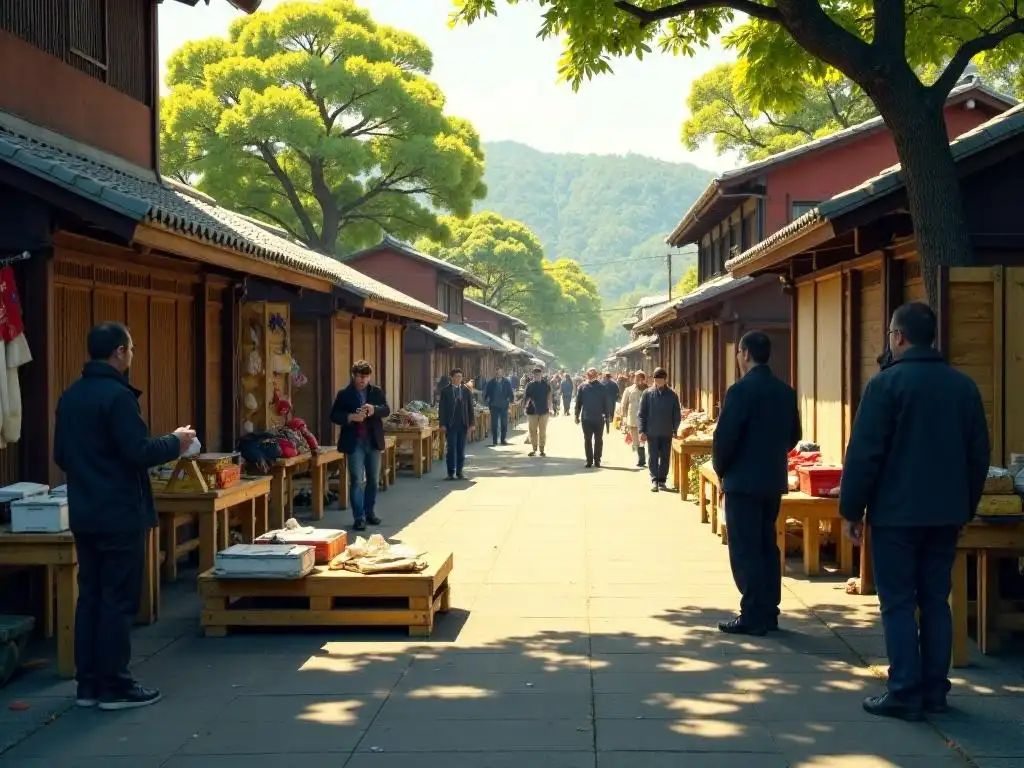
Craft guilds, or za, played a pivotal role in the societal structure of feudal Japan, particularly during the Edo period (1603-1868). These organizations were formed by artisans and craftsmen who shared a common trade or craft, aiming to protect their interests and enhance their professional standards.
The primary purposes of craft guilds included:
- Regulating Quality: Guilds established standards for craftsmanship, ensuring that products met specific quality benchmarks. This was crucial in a time when reputation was tied closely to the quality of goods produced.
- Providing Training: They served as educational institutions, where masters could train apprentices, passing down techniques and knowledge. This mentorship was essential for maintaining the skill level within the craft.
- Economic Support: Guilds provided economic security through collective bargaining. Members could negotiate better prices for materials and shared resources, which helped stabilize their livelihoods.
- Social Networking: These groups fostered community among craftsmen, facilitating social ties and mutual support. This network was vital for sharing information about market demands and innovations in techniques.
Historical Development of Craft Guilds
The emergence of craft guilds in Japan can be traced back to the Heian period (794-1185), but they became particularly significant during the Kamakura (1185-1333) and Muromachi periods (1336-1573). Initially, guilds were informal associations, but as commerce and urbanization expanded, they evolved into more structured organizations.
- Kamakura Period: The rise of a warrior class and the establishment of trade routes facilitated the growth of urban centers, leading to the formation of guilds for various crafts, including textiles, ceramics, and metalwork.
- Muromachi Period: With increased trade, particularly with the introduction of foreign goods, craft guilds started to formalize. They began to lobby for rights and privileges from local lords, who recognized their economic importance.
- Edo Period: The flourishing of cities such as Edo (modern Tokyo) saw guilds reach their peak. The Tokugawa shogunate established regulations governing guild operations, which included licensing and taxation, further embedding them in the economic framework of society.
This historical progression highlights how craftsmanship in feudal Japan evolved from individual artisans to a communal effort, supported by guild structures that ensured quality and economic viability.
Key Types of Guilds in Feudal Japan
In feudal Japan, various types of guilds existed, each dedicated to specific crafts and trades. Some of the key types included:
- Textile Guilds:
- Silk Weavers: Specialized in high-quality silk production, essential for the clothing industry.
- Dyers: Focused on creating vivid colors through natural dyes, crucial for textiles.
- Pottery and Ceramics Guilds:
- Stoneware and Porcelain: These guilds were responsible for producing everyday pottery and fine ceramics, which reflected regional styles and techniques.
- Metalworking Guilds:
- Blacksmiths: They created tools, weapons, and household items, playing a crucial role in both agriculture and warfare.
- Goldsmiths: Specialized in creating jewelry and decorative items, often associated with wealth and status.
- Woodworking Guilds:
- Carpenters: Responsible for constructing buildings and temples, their work encompassed both functional and aesthetic considerations.
- Joiners: Focused on furniture making, contributing to the domestic sphere of feudal life.
- Food Production Guilds:
- Bakers and Brewers: These guilds ensured the supply of staple goods, vital for daily sustenance in feudal communities.
These guilds were instrumental in shaping the landscape of craftsmanship in feudal Japan, enabling artisans to collaborate, innovate, and maintain high standards of quality in their trades.
Craftsmanship in Feudal Japan: Techniques and Traditions
Craftsmanship in feudal Japan was not merely a means of production; it was a way of life that reflected the social hierarchies, cultural values, and communal efforts of the time. This period, spanning from the 12th to the 19th centuries, saw artisans develop a variety of techniques and traditions that were passed down through generations. The emphasis on quality, aesthetics, and functionality distinguished Japanese craftsmanship, making it renowned worldwide.
Artisans often worked within guilds, which were tightly-knit communities that fostered collaboration and innovation. These guilds established standards for quality and techniques, ensuring that craftsmanship in feudal Japan not only met the needs of the society but also adhered to the rich cultural heritage of the nation.
Traditional Craftsmanship Techniques
The traditional craftsmanship techniques of feudal Japan were characterized by meticulous attention to detail and a deep respect for materials. Artisans employed various methods that were often unique to specific regions or guilds, reflecting local resources and cultural influences. Some of the predominant techniques included:
- Hand-Throwing: Used primarily in pottery, artisans would shape clay on a potter's wheel, creating vessels that were both functional and artistic.
- Natural Dyeing: In textile weaving, artisans utilized natural materials such as plants and minerals to produce vibrant dyes, ensuring that the colors were both beautiful and sustainable.
- Damascus Steel Forging: In metalwork, particularly swordsmithing, the technique of folding steel multiple times created blades that were not only strong but also aesthetically striking.
These techniques were often closely guarded secrets within guilds, with knowledge passed down through apprenticeships.
Notable Crafts and Their Cultural Significance
Throughout feudal Japan, various crafts emerged that held not only economic importance but also cultural significance. Each craft was a reflection of the society's values and traditions, with specific crafts gaining esteem due to their historical backgrounds and contributions to Japanese culture.
Pottery and Ceramics
Pottery and ceramics in feudal Japan evolved into an art form that combined functionality with beauty. Styles such as Raku, which originated in the 16th century, were characterized by their unique glazing techniques and organic forms. The tea ceremony, a vital cultural practice, relied heavily on handcrafted ceramic tea bowls, known as chawan. Thus, pottery was not merely a craft but a vessel for cultural expression and social interaction.
| Type of Pottery | Features | Cultural Context |
|---|---|---|
| Raku | Handcrafted, often asymmetrical | Used in tea ceremonies |
| Imari | Vibrant colors and intricate designs | Exported to Europe, influencing Western ceramics |
| Hagi | Soft clay, with subtle glazes | Associated with tea culture and simplicity |
Textile Weaving
Textile weaving was another crucial aspect of craftsmanship in feudal Japan, producing fabrics that were both practical and luxurious. Techniques such as kasuri (a resist-dyeing method) and shibori (tie-dyeing) showcased artisans' skills and creativity. The production of silk textiles, especially in regions like Kanto, not only met local demands but also became a significant export, influencing global fashion trends.
- Fabrics Used: Cotton, silk, hemp
- Cultural Impact: Textiles played a role in social status, with certain fabrics reserved for the samurai class.
Metalwork and Swordsmithing
Metalwork, particularly swordsmithing, was held in high regard in feudal Japan. The process of creating a katana involved multiple steps, including forging, tempering, and polishing. The craftsmanship of a swordsmith was often viewed as a spiritual endeavor, producing not just a weapon but also a work of art. The legendary Masamune and Muramasa are examples of swordsmiths whose creations are still revered today.
| Aspect | Description |
|---|---|
| Forging Techniques | Multiple folding for strength and flexibility |
| Cultural Significance | Swords symbolized honor and status |
| Preservation | Swords are often treated as heirlooms, passed down through generations |
Craftsmanship in feudal Japan was a communal effort that reflected the intricate relationship between artisans, their techniques, and the cultural significance of their work. Each craft served not only a practical purpose but also contributed to the rich tapestry of Japanese history and society.
The Communal Nature of Craftsmanship
How Guilds Fostered Community and Collaboration
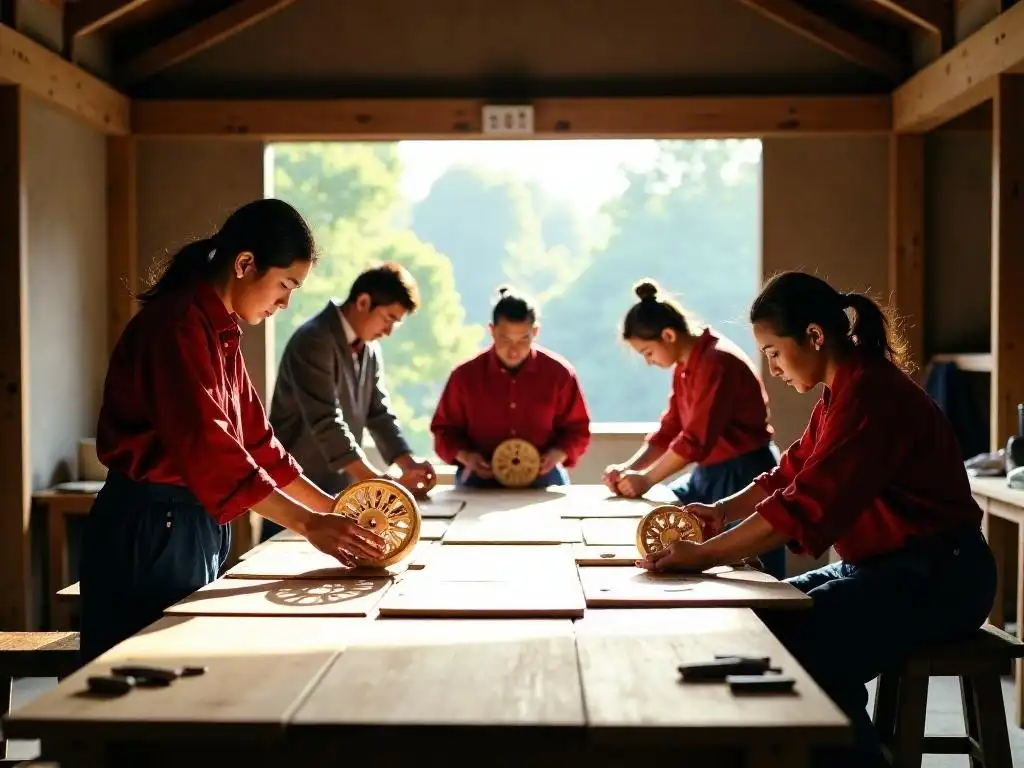
In feudal Japan, craftsmanship was not merely an individual pursuit; it was deeply embedded in the fabric of community life. Guilds, known as "za", emerged as essential structures that facilitated collaboration among artisans. These organizations provided a framework for mutual support, training, and sharing of techniques, ensuring that skills were passed down through generations.
Guilds operated under a collective ideology where members prioritized the welfare of the group over individual gain. This communal approach was exemplified in the following ways:
- Training and Apprenticeship: Young artisans were often brought into guilds as apprentices, where they learned not only the technical skills of their craft but also the values of cooperation and loyalty. This mentorship fostered a strong sense of community, as experienced craftsmen nurtured the next generation.
- Shared Resources: Members commonly pooled resources for tools, materials, and workspace. By sharing these essential elements, costs were minimized, allowing artisans to focus on refining their craft rather than solely on economic survival.
- Collaborative Projects: Guilds frequently undertook large projects that required the combined efforts of various craftsmen. This collaboration not only enhanced the quality of the output but also strengthened social bonds within the community.
Through these practices, craftsmanship in feudal Japan transcended individual skill, becoming a shared communal endeavor that enriched both the artisans and their communities.
The Impact of Guilds on Local Economies
The economic landscape of feudal Japan was significantly influenced by the presence of guilds. These organizations played a crucial role in stabilizing local economies and fostering trade. Their impact can be examined through various dimensions:
- Standardization of Quality: Guilds established standards for craftsmanship, ensuring that products met certain quality benchmarks. This standardization helped build trust among consumers and facilitated trade, as buyers could rely on the consistency of goods from guild members.
- Market Control: Many guilds controlled access to specific markets, determining pricing and distribution channels. By regulating these aspects, they could effectively manage supply and demand, which contributed to economic stability within their regions.
- Economic Resilience: During times of economic hardship, guilds provided a safety net for their members. By offering financial support or shared resources, they helped artisans navigate difficult periods, thus sustaining local economies.
- Promotion of Local Crafts: Guilds often organized festivals and events to promote their crafts, drawing in customers and boosting local tourism. These activities not only provided a platform for artisans to showcase their work but also revitalized local economies by encouraging spending.
The synergy created by guilds allowed craftsmanship in feudal Japan to thrive economically, making them vital contributors to the prosperity of local communities.
The intricate social networks formed by guilds extended beyond the artisans themselves, encompassing merchants and other community members. These networks played a pivotal role in the exchange of ideas, resources, and goods, further enhancing the communal nature of craftsmanship. Key aspects of these social networks included:
- Cross-Pollination of Ideas: Interactions between artisans and merchants facilitated the exchange of innovative techniques and materials. Merchants often played a critical role in introducing new ideas from other regions, enriching local craftsmanship.
- Mutual Support Systems: Artisans relied on merchants for the sale of their goods, while merchants depended on artisans for quality products. This interdependence fostered a sense of camaraderie, where both parties worked together to achieve mutual success.
- Networking Opportunities: Guild events and gatherings provided artisans with opportunities to connect with merchants and other craftsmen. These interactions were often pivotal for business development, leading to collaborations that benefited the entire community.
- Cultural Exchange: The guilds also served as centers for cultural exchange, where artisans could share not only their skills but also traditions, stories, and practices. This cultural richness enhanced the social fabric of the community, making craftsmanship a vital part of local identity.
The social networks established through guilds significantly contributed to the richness of craftsmanship in feudal Japan, illustrating how these communal ties were integral to both personal and economic success.
The Influence of Samurai and Feudal Lords on Craftsmanship
In feudal Japan, the intricate relationship between craftsmanship and the samurai class significantly shaped the development of various trades and guilds. This influence manifested through patronage, cultural values, and the socio-economic structure of the time, leading to a distinct environment for artisans to thrive while adhering to the expectations of their samurai patrons.
Patronage and its Role in Craft Guilds
Patronage played a crucial role in the evolution of craft guilds during the feudal era. Samurai lords, known as daimyō, often commissioned artisans to create weapons, armor, and other goods essential for warfare and daily life. This relationship not only ensured financial stability for artisans but also elevated the status of their crafts.
- Financial Support: Many artisans relied on the patronage of samurai for financial backing. In exchange for exclusive rights to provide specific goods, artisans received protection and stability, which was critical in a period marked by constant warfare.
- Quality Standards: The demands of samurai for high-quality goods led to the establishment of rigorous standards within craft guilds. As a result, artisans were motivated to refine their skills and techniques, fostering an environment of innovation and excellence.
- Guild Structure: Craft guilds were often organized hierarchically, with master craftsmen at the top overseeing apprentices and journeymen. This structure ensured that the knowledge and skills required for high-quality craftsmanship in feudal Japan were passed down through generations.
- Networking Opportunities: Guilds facilitated networking among artisans, allowing them to share techniques, resources, and market insights. This collaboration often led to the establishment of trade routes and connections that were vital for the dissemination of craftsmanship across regions.
The Relationship Between Samurai Culture and Artisan Work
The samurai culture profoundly influenced artisan work, creating a unique synergy between martial and artistic pursuits. Samurai not only valued craftsmanship but also saw it as a reflection of their own ideals of discipline, honor, and mastery.
- The Aesthetic Values of Samurai: Samurai were known for their appreciation of aesthetics, which extended to the craftsmanship of everyday items. The philosophy of wabi-sabi, which values imperfection and transience, resonated with both samurai and artisans, leading to a mutual respect for the craftsmanship that embodied these ideals.
- Cultural Exchange: The interaction between samurai and artisans fostered a rich cultural exchange. Samurai often participated in artistic pursuits, such as calligraphy and tea ceremonies, which provided artisans with insight into the cultural significance of their work. This exchange not only enhanced the quality of craftsmanship in feudal Japan but also contributed to the cultural identity of the period.
- Symbolism in Craftsmanship: Artisans often imbued their creations with symbolic meaning, reflecting the values and ideals of the samurai. For example, the designs on a sword or the intricate patterns on armor could signify loyalty, bravery, and the owner's status, thus intertwining the identities of the warrior and the craftsman.
- Legacy of Craftsmanship: The relationship between samurai and artisans established a legacy that would endure beyond the feudal era. The techniques and values developed during this time continue to influence Japanese craftsmanship today, as artisans strive to honor the traditions of their ancestors while adapting to modern contexts.
The influence of samurai and feudal lords on craftsmanship in feudal Japan was profound and multifaceted. Patronage and cultural values created an environment where artisans could thrive, leading to the development of guilds that not only preserved skills but also enriched Japanese society as a whole.
Challenges Faced by Guilds and Artisans
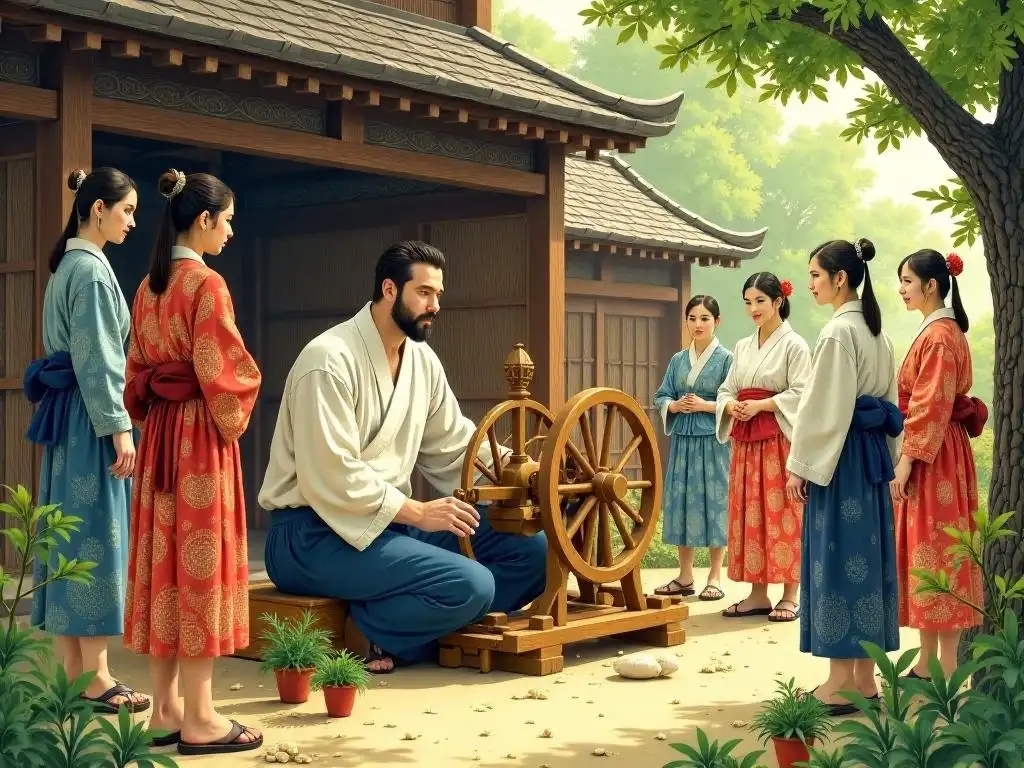
The guilds of feudal Japan, while instrumental in fostering craftsmanship and community, faced numerous challenges that impacted their operations and the artisans within them. These challenges stemmed from economic pressures, government regulations, and external factors such as natural disasters. Understanding these obstacles provides a deeper insight into the resilience and adaptability of craftsmanship in feudal Japan.
Economic Pressures and Competition
The economic landscape of feudal Japan presented significant pressures for artisans and their guilds. The following factors played a pivotal role:
- Market Fluctuations: Demand for certain crafts could vary greatly based on regional needs, seasonal changes, and societal trends. For instance, during times of peace, there was often a surge in demand for luxury goods, while periods of conflict could diminish consumer spending.
- Competition Among Guilds: Artisan guilds often competed fiercely with one another, leading to price wars that could undermine the profitability of individual craftsmen. This competition was particularly intense in urban centers, where multiple guilds might operate in close proximity.
- Shifts in Craftsmanship: The rise of new technologies and imported goods, especially during the late Edo period, introduced competition from foreign artisans, which further pressured local craftsmen to innovate or lower their prices to remain viable.
To illustrate the impact of these economic pressures, consider the case of the Kintsugi artisans, who faced competition not only from other traditional methods of pottery repair but also from cheaper, mass-produced alternatives that emerged as Japan modernized.
Government Regulations and Control
The feudal government imposed various regulations that shaped the operation of guilds and the practices of artisans. Some key aspects included:
- Licensing and Membership Restrictions: Artisans often required licenses to operate, and membership in a guild was typically regulated by the local daimyō (feudal lord). This created barriers for new artisans trying to enter the market, limiting opportunities for innovation and expansion.
- Taxation and Tribute: Guilds were subject to heavy taxes and tribute payments to the ruling class, which could significantly impact their financial viability. This financial burden often forced guilds to increase prices or reduce wages for their members.
- Quality Control Measures: While government oversight aimed to maintain standards within crafts, it could also stifle creativity. Regulations on materials and techniques meant that artisans had to adhere strictly to traditional practices, potentially hindering innovation in craftsmanship.
The restrictions imposed by the government often meant that while some artisans thrived under the protection of their guilds, others struggled to maintain their livelihoods amidst the bureaucratic demands.
The Impact of Natural Disasters on Craft Production
Natural disasters posed a constant threat to the stability of guilds and artisans in feudal Japan, affecting both production capabilities and economic stability. Key impacts included:
- Destruction of Infrastructure: Earthquakes, floods, and fires could devastate workshops and marketplaces. For example, the Great Ansei Earthquake of 1855 resulted in widespread destruction in Edo, leading to a significant loss of skilled artisans and disruption of craft production.
- Supply Chain Disruptions: Natural disasters could interrupt the supply of raw materials essential for craft production. When transportation routes were damaged, artisans faced difficulties in sourcing materials, which in turn limited their ability to fulfill orders.
- Economic Recovery Challenges: Following a disaster, the recovery process could be lengthy and arduous. Many guilds struggled to rebuild and re-establish their market presence, leading to a decline in craftsmanship and regional specialties.
The challenges faced by guilds and artisans in feudal Japan were multifaceted. Economic pressures, stringent government regulations, and the unpredictable nature of natural disasters shaped the landscape of craftsmanship, influencing not only the survival of individual artisans but also the evolution of various crafts throughout the era. Understanding these challenges highlights the resilience and adaptability of craftsmanship in feudal Japan.
The Legacy of Craftsmanship in Feudal Japan
The legacy of craftsmanship in feudal Japan is a testament to the rich tapestry of skills, traditions, and communal practices that defined this era. During the feudal period, which spanned from the 12th to the 19th century, craftsmanship was not merely a trade; it was a vital aspect of society that shaped the cultural identity of the Japanese people. Artisans, organized into guilds known as za, played a crucial role in maintaining and evolving various crafts, from textiles to ceramics.
One of the most significant contributions of these guilds was the establishment of standardized methods and quality control. Each guild specialized in its craft, ensuring that high standards were maintained across products. This not only fostered a sense of pride among artisans but also built trust with consumers, who came to expect a certain level of quality associated with specific guilds. For instance, the Kyo-yaki pottery guild in Kyoto became renowned for its exquisite tea ware, which was essential in the ceremonial tea practices that flourished during this time.
Moreover, craftsmanship in feudal Japan was deeply intertwined with the concept of master-apprentice relationships. Young apprentices learned under the watchful eyes of seasoned masters, absorbing techniques that had often been passed down through generations. This not only preserved traditional skills but also fostered innovation as apprentices brought fresh perspectives to established practices. The intricate woodblock printing techniques developed during this era, for example, laid the groundwork for modern Japanese printmaking.
The communal aspect of craftsmanship also played a vital role in societal stability. Guilds often functioned as support networks for their members, providing not just economic benefits but also social cohesion. They organized festivals, shared resources, and even engaged in charitable activities, which helped to strengthen community ties.
How Historical Craftsmanship Influences Modern Japanese Artisans
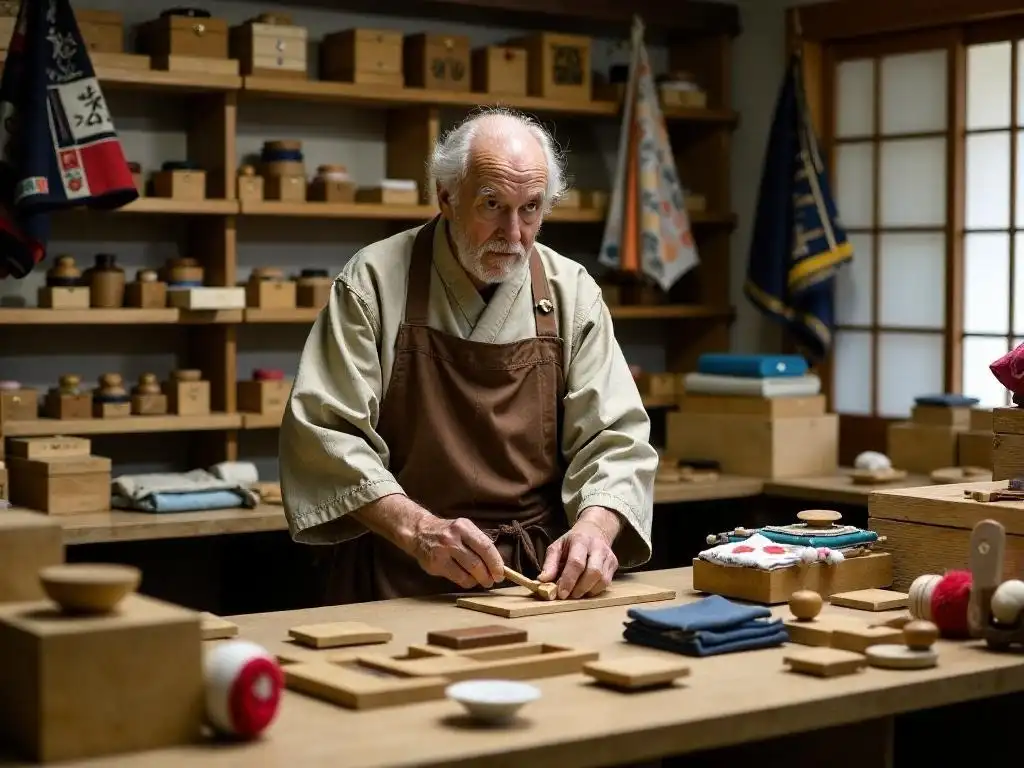
The influence of historical craftsmanship is profoundly felt in the practices of modern Japanese artisans. Many contemporary craftsmen draw inspiration from the techniques and philosophies of their ancestors, blending traditional methods with modern aesthetics. This synthesis has led to a resurgence of interest in traditional crafts, as artisans strive to preserve their cultural heritage while innovating for today's market.
For example, the art of kintsugi, which involves repairing broken pottery with gold lacquer, is gaining renewed popularity. This practice, rooted in the feudal era, symbolizes the beauty of imperfection and the idea that broken objects can still hold value. Modern artisans have expanded upon this concept, integrating it into contemporary art and design, thus bridging the gap between past and present.
Additionally, the revival of traditional crafts has been supported by government initiatives and cultural organizations that recognize the importance of preserving these skills. Programs that encourage young artisans to learn from masters are helping to ensure that these techniques are not lost to time. This commitment to craftsmanship in feudal Japan continues to resonate, as many artisans today are not only focused on creating beautiful objects but also on telling a story through their work.
The impact of globalization has also transformed the landscape of craftsmanship. While traditional methods remain essential, many artisans are now incorporating international influences into their work. This blend of old and new is a testament to the adaptability of Japanese craftsmanship, which has always thrived on collaboration and exchange.
The Cultural Preservation of Traditional Crafts Today
The cultural preservation of traditional crafts in Japan today is a multifaceted effort that highlights the importance of heritage in a rapidly changing world. Various organizations, both governmental and non-governmental, actively promote the importance of these crafts, recognizing their value not only as artistic expressions but also as embodiments of cultural identity.
One significant initiative is the designation of Important Intangible Cultural Properties by the Japanese government, which aims to protect traditional craftsmanship by recognizing and supporting skilled artisans. This program helps ensure that unique techniques and knowledge are preserved for future generations. For instance, the art of Nihon Moku Hanga (Japanese woodblock printing) is among those efforts, with artisans being supported to continue their craft through workshops and educational programs.
Furthermore, cultural festivals celebrating traditional crafts have become increasingly popular, drawing both locals and tourists. Events such as the Kanazawa Craft Festival showcase a variety of crafts, from lacquerware to textiles, allowing artisans to demonstrate their skills while engaging with the community. These festivals not only promote awareness of traditional crafts but also foster a sense of pride and ownership within the community.
In addition to formal initiatives, the rise of social media and e-commerce platforms has provided modern artisans with new avenues to showcase their work. By sharing their skills and stories online, they can reach a global audience, thus promoting traditional Japanese craftsmanship on an international stage. This visibility is crucial for sustaining interest in traditional crafts, encouraging younger generations to explore these art forms and potentially pursue careers in craftsmanship.
The cultural preservation of traditional crafts today is a dynamic process that blends historical significance with contemporary relevance. It ensures that the legacy of craftsmanship in feudal Japan continues to thrive, enriching the cultural landscape of modern Japan and inspiring future artisans to carry the torch forward.
Conclusion: The Lasting Impact of Guilds on Japanese Craftsmanship
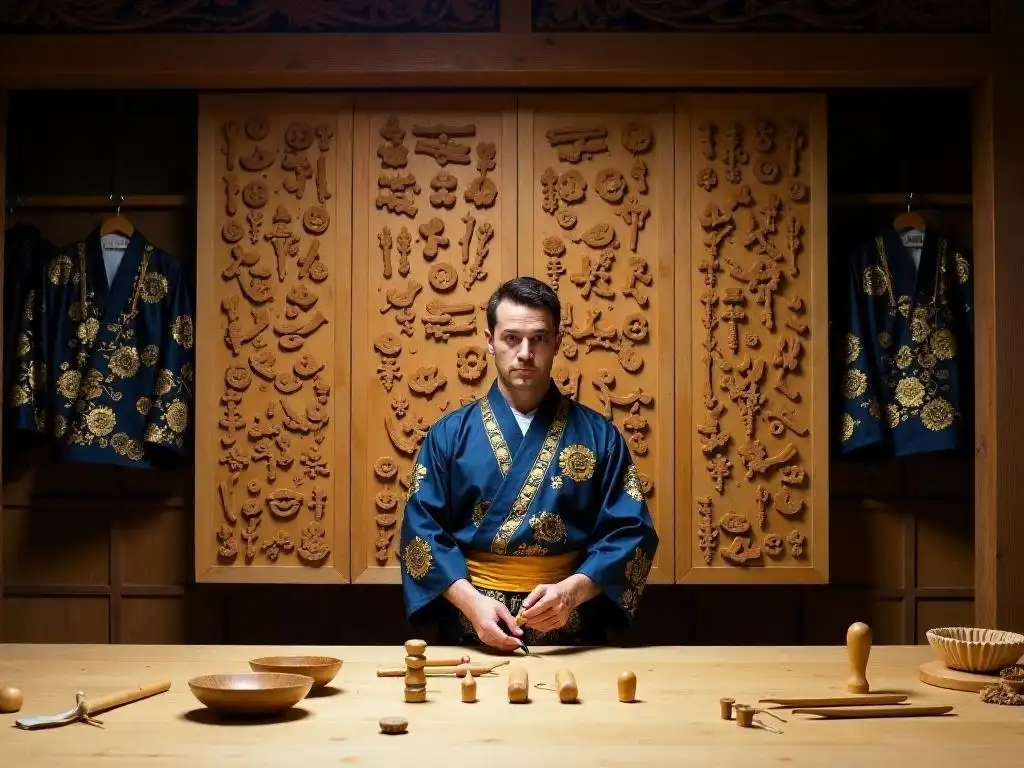
Summary of Key Points
The guilds of feudal Japan, known as za, played a pivotal role in shaping the landscape of craftsmanship during this era. These organizations not only facilitated the production of high-quality goods, but also fostered a sense of community among artisans. Key points to consider include:
- Collaboration and Skill Development: Guilds encouraged collaboration among artisans, allowing for the sharing of techniques and innovations in craftsmanship. This communal effort led to the refinement of various arts, from textile production to metalworking.
- Market Regulation: By establishing standards for quality and pricing, guilds regulated the market, ensuring fair competition and protecting consumers from inferior products. This regulation helped maintain the reputation of Japanese craftsmanship.
- Cultural Transmission: Guilds served as custodians of traditional techniques, passing down knowledge from one generation to the next. This transmission ensured that the unique aspects of craftsmanship in feudal Japan were preserved and celebrated.
- Economic Influence: The economic power of guilds contributed significantly to the local economies, enabling artisans to thrive and communities to flourish. The wealth generated through craftsmanship helped sustain many regions during the feudal period.
Final Thoughts on Craftsmanship in Feudal Japan
The craftsmanship in feudal Japan, shaped by the collaborative nature of guilds, represents a unique intersection of art, culture, and community. The legacy of these guilds is evident not only in the objects they produced but also in the societal structures they fostered.
As we reflect on the contributions of these artisans, it's clear that their dedication to quality and communal effort laid the groundwork for Japan's rich artistic heritage. The impact of these guilds transcends the feudal era, influencing modern perceptions of craftsmanship and the importance of community in creative endeavors.
In essence, the craftsmanship of feudal Japan exemplifies how communal efforts can elevate art and trade, creating a lasting cultural legacy that continues to inspire artisans today. The intricate relationship between guilds and craftsmanship highlights an essential chapter in Japan's social history, one that deserves continued exploration and appreciation.
References and Further Reading
Suggested Books on Feudal Japan Craftsmanship
-
"The Craft of the Japanese Sword" by Yoshindo Yoshihara and the Japanese Sword Museum
This book provides an in-depth look into the craftsmanship behind Japanese swords, detailing the artisanship and techniques used throughout the centuries. It is a must-read for understanding the significance of craftsmanship in feudal Japan.
-
"The Art of Japanese Joinery" by Kiyosi Seike
Exploring traditional woodworking techniques, this book delves into the craftsmanship that has been passed down through generations. It highlights the communal efforts involved in constructing wooden structures and the cultural importance of these skills.
-
"Crafting a Culture: The Art of Japanese Ceramics" by Robert Yellin
This work focuses on the craftsmanship of ceramics in Japan, illustrating how communal practices among artisans have shaped the art form. The book discusses techniques, styles, and the historical context of ceramics in feudal society.
-
"Japanese Woodblock Prints" by James T. Araki
This comprehensive exploration of ukiyo-e prints delves into the collaborative craftsmanship involved in their creation. It provides insights into the roles of artists, carvers, and printers in the production process, emphasizing the communal aspects of craftsmanship.
-
"The History of Japanese Architecture" by A. J. McCawley
This book offers a historical overview of Japanese architectural practices, showcasing how craftsmanship has evolved over time. It discusses the communal efforts of artisans in the construction of significant structures throughout the feudal era.
Articles and Journals for In-Depth Exploration
-
"Guilds and the Development of Craftsmanship in Feudal Japan"
This scholarly article examines the role of guilds in promoting craftsmanship during the feudal era, detailing how these organizations fostered collaboration among artisans.
-
"The Role of Artisans in Feudal Japanese Society"
Published in the Journal of Asian Studies, this article explores the social status and influence of artisans in feudal Japan, highlighting the communal nature of their work and its impact on society.
-
"Craftsmanship and Identity in Medieval Japan"
This research paper discusses how craftsmanship contributed to the identity of various social groups in feudal Japan, emphasizing the importance of artisanal skills in cultural expression.
-
"Communal Craftsmanship in the Edo Period"
An insightful exploration of the Edo period's craftsmanship practices, this article highlights the cooperative nature of guilds and the social dynamics among artisans.
-
"The Evolution of Japanese Craft Techniques"
This article reviews the historical development of various craft techniques in Japan, providing context for how communal efforts have shaped these practices over time.
Frequently Asked Questions
What were the main guilds during feudal Japan?
The main guilds in feudal Japan included the Kumiai and za, which were established for various crafts like weaving, pottery, and metalwork. These guilds played a crucial role in organizing craftsmanship and trade.
How did craftsmanship influence society in feudal Japan?
Craftsmanship in feudal Japan fostered a sense of community and collaboration among artisans. It not only provided livelihoods but also contributed to the cultural identity and economic stability of the era.
What role did artisans play in feudal Japan?
Artisans were highly valued in feudal Japan, as their skills were essential for producing quality goods. They often belonged to guilds, which allowed them to share techniques and resources, enhancing their craftsmanship.
How did guilds impact the economy of feudal Japan?
Guilds regulated production and trade, ensuring that craftsmanship met the demands of society. They helped maintain quality standards and controlled pricing, which stabilized the local economy.
What are some examples of craftsmanship in feudal Japan?
Examples include samurai armor making, ceramic pottery, and kimono weaving. Each craft showcased the artisans' skills and contributed to the rich cultural heritage of feudal Japan.
Final Reflection: The Enduring Legacy of Craftsmanship in Feudal Japan
The intricate tapestry of craftsmanship in feudal Japan remains profoundly relevant today, as it highlights the importance of community and collaboration in the creation of art and utility. In a world increasingly driven by individualism and rapid technological advancement, the lessons learned from the guilds of feudal Japan remind us that true mastery is often a collective endeavor. The artisans of the past understood that their skills were not merely personal achievements but contributions to a larger cultural heritage, fostering a sense of unity and shared purpose.
Craftsmanship in feudal Japan has left an indelible mark on our cultural and social landscape, influencing modern perceptions of artistry and community engagement. The guilds not only produced exquisite works but also nurtured relationships that transcended generations, establishing a legacy of collaboration that still resonates today. Art is not a solitary pursuit; it is a dance between the artist and the community.
This observation underscores the ongoing influence of these historical practices, reminding us that the spirit of craftsmanship thrives when we come together, sharing knowledge and skills for the greater good.
As we reflect on the lessons of craftsmanship in feudal Japan, let us embrace the idea that our individual talents can flourish within a community context. I invite you to consider how you can contribute to your own community, whether through sharing your skills, collaborating with others, or supporting local artisans. By fostering connections and valuing the collective effort, we can honor the legacy of those who came before us and inspire future generations to appreciate the beauty of craftsmanship as a communal art form.
Unleash Your Inner Craftsman!
Thank you for diving into the fascinating world of craftsmanship in feudal Japan with us! We hope you’ve gained valuable insights into how guilds transformed artistry into a communal effort. Now, let's take this knowledge further and discover ways to connect with this rich history!
Here are some actionable steps you can take right now:
- Research a specific craft from feudal Japan that intrigues you and delve deeper into its techniques and tools.
- Join an online community or forum focused on traditional crafts to share your discoveries and learn from fellow enthusiasts.
- Visit a local artisan or workshop to experience craftsmanship firsthand and support the preservation of traditional skills.
Which craft or guild would you love to explore further, and how could you integrate its principles into your own creative journey?