
The Intricate World of Ukiyoe: Woodblock Printing in Feudal Japan

Welcome to Feudal Japan History, where we embark on a captivating journey through the intricate tapestry of Japan's feudal era. Here, history comes alive as we delve into the rich cultural and societal aspects that shaped this fascinating period.
In our featured article, "The Intricate World of Ukiyoe: Woodblock Printing in Feudal Japan," we invite you to explore the mesmerizing history of Ukiyoe woodblock printing—an art form that not only illustrates the beauty of the time but also reflects the very essence of society during those transformative years. Prepare to uncover the stories behind the prints and the artists who breathed life into this exquisite craft, igniting your curiosity to delve deeper into the world of feudal Japan.
Introduction to Ukiyoe Woodblock Printing
Ukiyoe, often translated as "pictures of the floating world," represents a significant artistic movement during Japan's feudal era, particularly flourishing in the Edo period (1603-1868). This captivating form of woodblock printing not only reflects the aesthetics of the time but also serves as a lens through which we can explore the intricate social, cultural, and economic landscapes of feudal Japan. It encapsulates scenes of everyday life, landscapes, kabuki theater, and even the graceful beauty of women, making it a vital component of Japanese heritage.
The art of Ukiyoe played a crucial role in the development of Japanese printmaking, influencing both local and international art scenes. As we delve into its rich history, we will uncover how Ukiyoe woodblock printing evolved and its lasting impact on Japanese culture.
Definition and Significance of Ukiyoe in Japanese Culture
Ukiyoe is defined as a genre of Japanese art that flourished from the 17th to the 19th centuries, specifically characterized by its method of woodblock printing. The term "Ukiyo" refers to the transient world of pleasure and beauty, emphasizing the fleeting nature of life. In this context, Ukiyoe artworks often depicted scenes from the "floating world"—the vibrant urban culture of Edo, including entertainment districts, beautiful courtesans, and scenic landscapes.
The significance of Ukiyoe in Japanese culture extends beyond mere aesthetics; it reflects the values, beliefs, and daily lives of the people during the feudal era. Furthermore, Ukiyoe prints were not only popular among the elite but also accessible to the common populace, democratizing art in a way that had not been seen before.
Overview of the Ukiyoe Woodblock Printing History
The history of Ukiyoe woodblock printing is a fascinating journey that intertwines art, technology, and culture. Originating in the early 17th century, Ukiyoe evolved from the use of simple woodblock techniques to sophisticated multi-colored prints known as "nishiki-e."
Key figures in this evolution include artists like Hokusai and Hiroshige, whose innovative styles and techniques pushed the boundaries of traditional printmaking. Additionally, the introduction of new ink and paper materials significantly contributed to the quality and variety of Ukiyoe prints.
As the popularity of Ukiyoe spread, it began to influence Western art movements, particularly Impressionism, showcasing the global impact of this uniquely Japanese art form.
Historical Context of Ukiyoe in Feudal Japan
The historical context surrounding Ukiyoe is crucial for understanding its development and significance in feudal Japan. This section will explore the socio-economic factors that contributed to the rise of Ukiyoe, as well as its role in the broader art market of the time.
The Emergence of Ukiyoe in the Edo Period
Ukiyoe emerged during the Edo period, a time marked by relative peace, stability, and economic growth under the Tokugawa shogunate. The urbanization of cities like Edo (modern-day Tokyo) and the rise of a merchant class created a burgeoning market for art. With increased leisure time, the populace sought entertainment and visual enjoyment, leading to a demand for Ukiyoe prints that captured the vibrancy of everyday life.
Artists began to specialize in various genres of Ukiyoe, including landscapes, kabuki actors, and beautiful women, each reflecting different facets of Edo society and culture.
Influences of Social and Economic Changes on Ukiyoe
The socio-economic changes during the Edo period had a profound impact on Ukiyoe production. The rise of the merchant class brought about significant shifts in societal structure, allowing for greater patronage of the arts. This shift not only expanded the audience for Ukiyoe but also encouraged artists to explore themes that resonated with the emerging bourgeoisie.
Moreover, the establishment of print shops and collaborations between artists and publishers streamlined the production process, making Ukiyoe more accessible to the general public. This accessibility led to a flourishing market, where prints became a form of affordable art for many.
The Role of Ukiyoe in the Art Market of Feudal Japan
Ukiyoe played a pivotal role in the art market of feudal Japan, functioning as both a commodity and a cultural expression. The prints were widely circulated, often sold in shops and street stalls, making them an integral part of daily life.
Notably, Ukiyoe also served as a means of social commentary, reflecting the tastes and desires of the era. Artists not only catered to the demands of the market but also influenced public sentiment through their works, establishing Ukiyoe as both an artistic and commercial powerhouse in feudal Japan.
Techniques and Processes of Ukiyoe Woodblock Printing
Ukiyoe woodblock printing, a quintessential art form of feudal Japan, is characterized by its intricate techniques and processes that have evolved over centuries. The production of ukiyoe involves several meticulous steps, each requiring a high degree of skill and artistry. The process begins with the creation of original designs, typically drawn by artists known as ukiyoe painters. These designs are then transferred onto woodblocks, which will be used for printing.
The printing process itself involves the careful alignment of multiple woodblocks, each representing different colors and details in the final print. This multi-block technique allows for a rich layering of color, giving ukiyoe prints their dynamic and vibrant appearance. The artist and the craftsmen work closely to ensure that each layer aligns perfectly, a process that often requires precise adjustments and a keen eye for detail.
Essentially, the ukiyoe printing process can be broken down into several key stages:
- Design Creation: Artists create detailed drawings on paper.
- Woodblock Carving: Skilled craftsmen carve the designs into cherry wood blocks, one block for each color.
- Inking: The carved blocks are then inked using a special brush.
- Printing: The inked blocks are pressed onto paper, often using a baren (a round tool used for rubbing).
- Drying: The prints are carefully dried to preserve the colors and details.
This culmination of artistry and craftsmanship results in the stunning ukiyoe prints that capture the essence of Japanese culture and society during the feudal era.
Traditional Methods of Ukiyoe Woodblock Printing
Traditional methods of ukiyoe woodblock printing are rooted in techniques that have been perfected over generations. The craftsmanship involved in ukiyoe printing is a labor-intensive process that showcases the dedication and skill of the artisans.
- Design Transfer: Initially, the artist's design is transferred onto a thin paper. This is done by tracing the design with a brush and using a special ink, which allows for the transfer of the image onto the woodblock.
- Carving: Once the design is on the block, artisans carve away the areas that will not be printed, leaving the raised surfaces that will transfer ink onto the paper. The precision required in this stage is critical, as any mistakes can ruin the entire print.
- Inking and Pressing: The craftsmen use natural pigments mixed with a binding agent to ink the blocks. The inked block is then carefully pressed onto the paper, often using a baren to ensure even pressure and transfer of the image.
These traditional methods not only reflect the technical prowess of the artisans but also embody the cultural values and aesthetics of the time. Each print is a unique collaboration between artist and craftsman, a testament to their collective artistic vision.
Materials Used in Ukiyoe Production
The materials used in ukiyoe production are integral to the quality and durability of the prints. Each component is carefully selected to ensure that the final product is both beautiful and long-lasting.
- Wood: The primary material for carving is cherry wood, valued for its fine grain and ability to retain sharp details. Other woods, like magnolia or paulownia, are also used, depending on the print's requirements.
- Paper: The paper used in ukiyoe is traditionally made from mulberry bark, known as washi. This type of paper is highly absorbent, allowing for vibrant colors and clear impressions.
- Inks: Natural pigments derived from minerals and plants are mixed with a binding agent, typically made from rice paste. This ensures that the colors remain vibrant and do not fade over time.
The choice of materials directly affects the aesthetic quality of the prints, influencing everything from color vibrancy to the texture of the final product. The artisans’ knowledge of these materials and their properties plays a significant role in the success of the ukiyoe prints.
The Collaboration of Artists and Craftsmen in Ukiyoe
The creation of ukiyoe prints is a collaborative effort that brings together the talents of artists and craftsmen. This partnership is essential for producing high-quality prints, as each party contributes specialized skills that complement one another.
- Artists: The artists, often referred to as ukiyoe painters, are responsible for the initial design and conceptualization of the print. Their role is crucial as they set the vision for the print, incorporating elements of storytelling, emotion, and cultural significance.
- Craftsmen: After the design is finalized, skilled craftsmen take over the process of carving and printing. Their expertise in manipulating wood and ink is vital for accurately translating the artist's vision onto paper.
- Communication and Coordination: The success of a ukiyoe print hinges on effective communication between artists and craftsmen. This collaboration often involves numerous revisions and discussions to achieve the desired outcome.
This intricate teamwork not only enhances the quality of the prints but also reflects the broader social and cultural dynamics of feudal Japan, where various artisans and merchants contributed to the richness of the era's artistic legacy.
Key Figures in Ukiyoe Woodblock Printing History
The history of ukiyoe woodblock printing is marked by the contributions of several key figures who have left an indelible mark on the art form. These individuals, through their innovative techniques and distinctive styles, have shaped the trajectory of ukiyoe and influenced generations of artists.
Renowned Ukiyoe Artists and Their Contributions
Among the most celebrated ukiyoe artists, names such as Katsushika Hokusai and Utagawa Hiroshige stand out.
- Katsushika Hokusai: Known for his iconic works, such as "The Great Wave off Kanagawa," Hokusai's mastery of color and composition significantly advanced the ukiyoe tradition. His innovative use of perspective and detailed depictions of landscapes and everyday life have made his works timeless.
- Utagawa Hiroshige: Renowned for his landscapes, Hiroshige's series "The Fifty-Three Stations of the Tōkaidō" showcases his ability to capture the beauty of nature and the changing seasons. His prints often evoke a sense of tranquility and intimacy with the natural world.
These artists not only contributed to the aesthetic development of ukiyoe but also played a pivotal role in its popularity, both domestically and internationally, during and after the feudal era.
The Influence of Ukiyoe Masters on Later Art Movements
The impact of ukiyoe masters extends far beyond their own time, influencing various art movements in Japan and around the world.
- Western Art: The introduction of ukiyoe to Western artists in the 19th century, particularly through exhibitions in France, inspired the Impressionist movement. Artists like Vincent van Gogh and Claude Monet drew inspiration from the vibrant colors and innovative compositions of ukiyoe prints.
- Modern Japanese Art: The techniques and aesthetics of ukiyoe have continued to resonate within modern Japanese art, informing styles that blend traditional methods with contemporary themes.
The legacy of ukiyoe masters is evident in the continued appreciation and adaptation of their art, showcasing the timelessness of their contributions to the world of art and culture.
Themes and Subjects in Ukiyoe Woodblock Prints
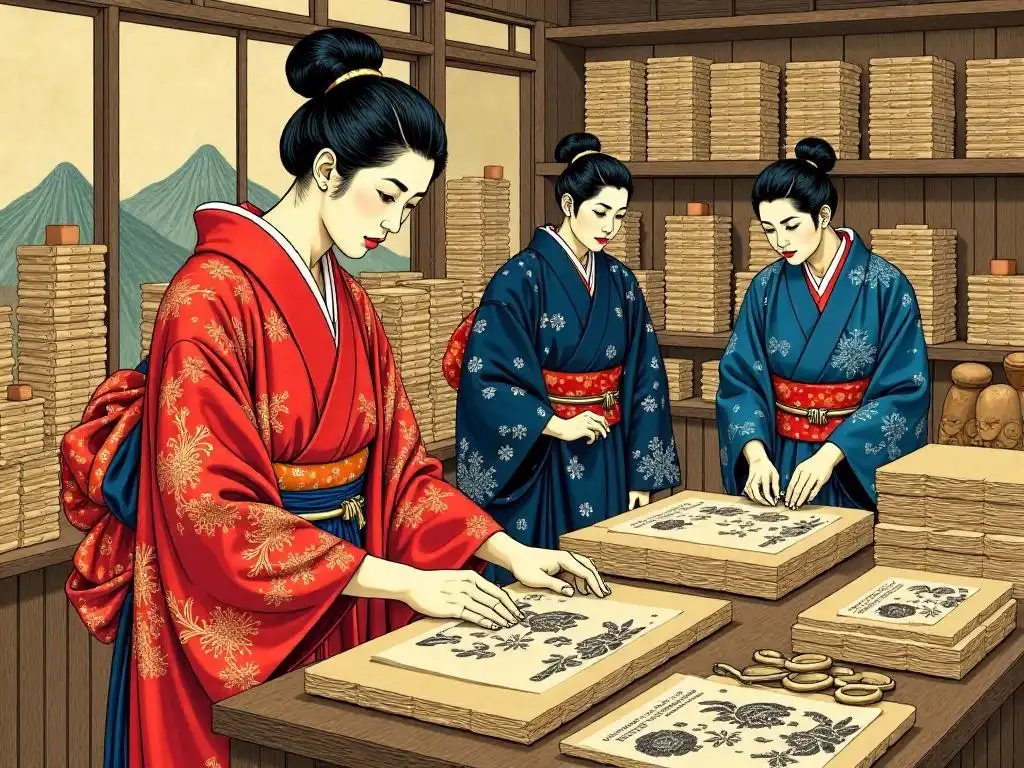
Ukiyoe woodblock printing serves as a rich tapestry of themes and subjects that reflect the societal values and interests of feudal Japan. The term "Ukiyoe" itself translates to "pictures of the floating world," indicating a focus on the ephemeral pleasures of life. This art form primarily flourished during the Edo period (1603-1868) and became a significant medium for expressing the cultural zeitgeist of the time.
Ukiyoe prints often depicted a variety of themes, including portraits of kabuki actors, beautiful women (bijin), and scenes from folklore. More than mere representations, these subjects were imbued with societal commentary, illustrating the complexities of urban life, leisure, and aspirations in a rapidly changing society. This genre not only documented the aesthetics of the time but also served as a visual narrative that captured the essence of the Edo period's culture.
Common Motifs in Ukiyoe Art
Ukiyoe art is characterized by several common motifs that recur throughout its history. One notable motif is the portrayal of beautiful women (bijin), often depicted in elegant kimonos, showcasing the latest fashion trends of the time. These representations celebrated feminine beauty and sophistication, reflecting the cultural appreciation for grace and poise.
Another prevalent motif is that of kabuki actors, whose dynamic poses and expressions captured the vibrancy of the theatrical performances that captivated audiences. The prints often included elaborate costumes and dramatic settings, highlighting the importance of performance arts in Edo society.
Additionally, mythological figures and folklore play a significant role in Ukiyoe, with many prints drawing from traditional stories and legends. These motifs not only entertained but also conveyed moral lessons and cultural values, making them an integral part of the societal fabric.
The Representation of Everyday Life in Ukiyoe
Beyond the celebrated figures of beauty and theater, Ukiyoe prints provide a captivating glimpse into the everyday life of the Edo period. Scenes of common people engaging in daily activities—such as shopping at bustling markets, participating in festivals, or enjoying leisure time in teahouses—are prevalent. These depictions offer insight into the social structure, class distinctions, and communal interactions of the time.
The portrayal of everyday life in Ukiyoe captures the essence of the "floating world," emphasizing the balance between the mundane and the extraordinary. The artisans skillfully illustrated not just the activities but also the emotions and relationships of the subjects, making these prints relatable and poignant. As a result, they serve as historical documents that allow modern viewers to connect with the lives of those in feudal Japan.
Nature and Landscapes in Ukiyoe Prints
Nature and landscapes hold a significant place in Ukiyoe woodblock prints, showcasing the beauty and variety of Japan's natural environment. Artists like Hokusai and Hiroshige became renowned for their landscape prints, which often depicted famous places, seasonal changes, and serene natural scenes.
These prints are characterized by their use of vibrant colors and intricate details, capturing the essence of mountains, rivers, and flora. For instance, Hokusai’s iconic "The Great Wave off Kanagawa" exemplifies the dramatic interplay between nature and humanity, highlighting both beauty and the power of the natural world.
Moreover, Ukiyoe artists often infused their landscapes with cultural significance, linking specific locations to historical narratives or poetic references. This connection between nature and human experience made the prints not only visually stunning but also deeply meaningful, allowing viewers to appreciate the harmony between people and their environment.
The Cultural Impact of Ukiyoe Beyond Feudal Japan
The influence of Ukiyoe woodblock printing extends far beyond the borders of Japan, leaving an indelible mark on various artistic movements and cultures worldwide. This art form not only served as a reflection of Japanese society during the Edo period but also acted as a bridge connecting Japan to the global art scene.
The Influence of Ukiyoe on Western Art
In the late 19th century, Ukiyoe prints gained significant attention in Western art circles, particularly during the Impressionist movement. Artists such as Vincent van Gogh, Claude Monet, and Edgar Degas were profoundly inspired by the vibrant colors, unique compositions, and innovative techniques of Ukiyoe.
The fascination with Japanese aesthetics led to the phenomenon known as Japonisme, where Western artists incorporated elements of Ukiyoe into their works. This cross-cultural exchange enriched the Western art landscape, influencing styles and approaches to composition, color, and subject matter. The distinct characteristics of Ukiyoe, such as asymmetry and flat color application, challenged traditional Western artistic conventions, paving the way for new artistic expressions.
Modern Interpretations and Revivals of Ukiyoe Techniques
Today, Ukiyoe continues to be a source of inspiration and innovation. Contemporary artists are revisiting traditional Ukiyoe techniques, merging them with modern themes and technology. This revival not only honors the historical significance of Ukiyoe but also allows for new interpretations that resonate with today's audiences.
Modern interpretations often explore themes such as globalization, environmental issues, and social dynamics, reflecting contemporary concerns through the lens of traditional techniques. Artists may employ digital technology alongside traditional woodblock printing methods, creating unique hybrids that respect the past while engaging with the present.
In addition, exhibitions and educational initiatives worldwide work to promote the understanding and appreciation of Ukiyoe, ensuring its legacy endures in both historical scholarship and contemporary art practices. The enduring allure of Ukiyoe signifies its vital role in the broader narrative of art history, celebrating the brilliance of this uniquely Japanese art form.
Conclusion: The Legacy of Ukiyoe Woodblock Printing
Ukiyoe, the captivating art of woodblock printing that flourished during Japan's Edo period, has left a profound legacy that continues to resonate across cultures and time periods. This intricate art form not only reflects the aesthetic sensibilities of its era but also serves as a valuable historical record of Japanese life, landscapes, and folklore. The legacy of Ukiyoe can be seen in various facets including its influence on Western art movements, its role in shaping Japanese identity, and its significance in the global appreciation of traditional craftsmanship.
Through the work of renowned ukiyoe artists like Hokusai and Hiroshige, the intricate techniques and vibrant imagery of Ukiyoe have transcended geographical boundaries. Their prints have inspired countless artists, including Vincent van Gogh and Claude Monet, who were captivated by the unique perspectives and composition styles found in these works. This cross-cultural exchange highlights the universal appeal of Ukiyoe, showcasing how art can bridge gaps between different societies and inspire new creative expressions.
Moreover, the continued interest in Ukiyoe within both academic and artistic communities underscores its importance as a cultural artifact. Scholars study these prints not only for their artistic merit but also for the insights they provide into the social and economic conditions of feudal Japan. Thus, the legacy of Ukiyoe is not merely an echo of the past; it is a vibrant thread woven into the tapestry of global art history.
The Enduring Appeal of Ukiyoe in Contemporary Art
In contemporary art, Ukiyoe continues to exert a powerful influence, with many modern artists drawing inspiration from its themes, techniques, and aesthetics. The bold colors, dynamic compositions, and innovative use of perspective characteristic of Ukiyoe can be seen in various contemporary art forms ranging from painting and graphic design to fashion and digital art. Artists often remix traditional Ukiyoe motifs to reflect modern narratives, bridging historical context with personal expression.
Ukiyoe's appeal lies in its ability to evoke emotion and tell stories through visual imagery. This aspect resonates with contemporary audiences, who appreciate the depth and cultural significance embedded in these artworks. Exhibitions showcasing Ukiyoe prints often attract large audiences, indicating a robust interest in this unique art form. Furthermore, the accessibility of Ukiyoe reproductions through various media has allowed for a resurgence of interest, making its beauty available to a broader audience.
Additionally, the revival of traditional crafts in Japan has led to a renewed appreciation for Ukiyoe woodblock printing techniques. Workshops and classes dedicated to teaching these methods are becoming increasingly popular, allowing a new generation to engage with this historic art form. This hands-on experience not only preserves the techniques but also fosters a deeper understanding of the cultural heritage associated with Ukiyoe.
Reflections on the Importance of Preserving Ukiyoe Heritage
Preserving the heritage of Ukiyoe is of paramount importance, not only for its historical value but also for its cultural significance. As a reflection of a bygone era, Ukiyoe provides insights into the social, economic, and artistic landscape of feudal Japan. The preservation of original prints, as well as the techniques used to create them, ensures that future generations can appreciate and learn from this rich heritage.
In recent years, efforts have been made to protect and restore Ukiyoe prints that have suffered from the ravages of time. Institutions and museums play a crucial role in this endeavor, often collaborating with artisans to maintain the quality and authenticity of these works. Digital archiving initiatives have also emerged, allowing for the preservation of Ukiyoe prints in high-resolution formats, making them accessible to a global audience.
Moreover, the importance of educating the public about Ukiyoe cannot be overstated. By promoting awareness of this art form through exhibitions, lectures, and educational programs, we can foster a greater appreciation for its cultural significance. Engaging with Ukiyoe helps to sustain its legacy and supports the artisans and craftsmen who continue to practice this traditional art.
The preservation of Ukiyoe woodblock printing is not merely about maintaining the past; it is about celebrating cultural identity, fostering creativity, and ensuring that future generations can connect with the artistry and history of feudal Japan.
- Introduction to Ukiyoe Woodblock Printing
- Historical Context of Ukiyoe in Feudal Japan
- Techniques and Processes of Ukiyoe Woodblock Printing
- Key Figures in Ukiyoe Woodblock Printing History
- Themes and Subjects in Ukiyoe Woodblock Prints
- The Cultural Impact of Ukiyoe Beyond Feudal Japan
- Conclusion: The Legacy of Ukiyoe Woodblock Printing
Frequently Asked Questions
What is Ukiyoe woodblock printing?
Ukiyoe woodblock printing is a traditional Japanese art form that flourished during the Edo period (1603-1868). It involves carving designs into wooden blocks, inking them, and pressing them onto paper to create vivid images.
How did Ukiyoe reflect the culture of Feudal Japan?
Ukiyoe served as a visual representation of the urban culture and daily life in Feudal Japan, showcasing themes like landscapes, kabuki actors, and beautiful women, thus capturing the essence of the era.
Who were the prominent Ukiyoe artists?
Some of the most notable Ukiyoe artists include Hokusai, known for "The Great Wave off Kanagawa," and Hiroshige, famous for his landscape series. Their works contributed significantly to the development of the art form.
What materials were used in Ukiyoe printing?
Ukiyoe artists utilized handmade paper, natural pigments, and wooden blocks carved by skilled artisans. The printing process required meticulous attention to detail and craftsmanship to achieve vibrant colors and intricate designs.
How has Ukiyoe influenced modern art?
Ukiyoe has had a profound impact on various art movements, particularly Impressionism in the West. Artists like Van Gogh and Monet were inspired by its composition and color palettes, integrating these elements into their own works.
Final Reflection: The Enduring Legacy of Ukiyoe Woodblock Printing
The intricate world of Ukiyoe woodblock printing is not just a historical artifact; it is a vibrant testament to the artistic and cultural expressions of feudal Japan that resonate profoundly in today's global art scene. As we explore the rich history of Ukiyoe, we realize that its influence extends far beyond the confines of its time, shaping modern aesthetics and inspiring countless artists around the world. The beauty and craftsmanship of these prints remind us of the power of art to transcend boundaries and connect us across cultures.
Ukiyoe has left an indelible mark on both the art world and our collective consciousness, serving as a bridge between the past and the present. The themes captured in these woodblock prints—nature, beauty, and the fleeting moments of life—continue to inspire contemporary artists and art lovers alike. As the renowned artist Katsushika Hokusai once said, “From the most ancient times, the world has been filled with beauty.” > This quote encapsulates the essence of Ukiyoe, reminding us that beauty is timeless and universal, a sentiment that remains relevant in our fast-paced, modern lives.
As we reflect on the lessons embedded in the history of Ukiyoe woodblock printing, I invite you to consider how you can incorporate the appreciation of art and culture into your own life. Take a moment to explore the beauty around you, whether through art, nature, or human connections. Let the stories of the past inspire your creativity and encourage you to share your unique perspective with the world. In doing so, we not only honor the legacy of Ukiyoe but also contribute to the ongoing narrative of art that binds us all together.
Unveil the Beauty of Ukiyoe: Take Action Today!
Thank you for diving into the captivating world of Ukiyoe and woodblock printing in Feudal Japan! We hope this exploration has ignited your passion for this exquisite art form. Now, it’s your turn to bring the magic of Ukiyoe into your life.
Here are some inspiring steps you can take right now:
- Explore local galleries or online exhibitions dedicated to Ukiyoe to witness the beauty of these prints firsthand.
- Join or create a community group focused on traditional art forms—share your discoveries and connect with fellow enthusiasts.
- Try your hand at woodblock printing by attending a workshop or following online tutorials to experience the process that brings these artworks to life.
What unique story or imagery would you like to express through your own art? **We encourage you to share your thoughts and inspirations below! **