
Samurai Adventures: Explore Japan’s Most Iconic Feudal Locations


Welcome to Feudal Japan History, where we invite you to embark on an extraordinary journey through the rich tapestry of Japan's feudal era. In our featured article, "Samurai Adventures: Explore Japan’s Most Iconic Feudal Locations," you'll uncover the secrets of legendary sites that shaped a nation and its culture. From the majestic castles that echo with tales of honor to the serene temples whispering the wisdom of the past, each location offers a glimpse into a world of valor and tradition.
Prepare to be captivated as you delve deeper into the heart of feudal Japan, and discover what makes these iconic destinations truly unforgettable. Your adventure awaits!
- Introduction to Iconic Feudal Locations in Japan
- Top Iconic Feudal Locations in Japan
- Cultural Experiences at Feudal Locations
- Travel Tips for Visiting Iconic Feudal Locations in Japan
- Conclusion: Embracing Japan's Rich Feudal Heritage
- Additional Resources for Travelers
- Frequently Asked Questions
- Final Reflection: Embracing the Legacy of Japan's Iconic Feudal Locations
- Embark on Your Own Samurai Journey!
Introduction to Iconic Feudal Locations in Japan
Japan's feudal era, a period spanning from the late 12th century to the mid-19th century, is rich with history, culture, and adventure. This era was characterized by the rise of powerful samurai clans, intricate social hierarchies, and significant political shifts. As we embark on a journey to explore the iconic feudal locations in Japan, we will uncover the remnants of a time when honor, loyalty, and martial skill defined the lives of the samurai.
From ancient castles to sacred temples, these locations not only tell the stories of legendary warriors but also reflect the intricate tapestry of Japanese society during this transformative period. Our exploration will guide you through the most significant sites that shaped the feudal landscape of Japan, providing insights into their historical and cultural relevance.
Overview of Japan’s Feudal Era
The feudal era of Japan, often referred to as the samurai era, witnessed the establishment of a distinct social order. At the top of this hierarchy were the daimyōs, powerful feudal lords who controlled vast territories. Below them were the samurai, the warrior class, who served as both soldiers and retainers. This period was marked by:
- Military Conflicts: Frequent battles between rival clans, notably during the Sengoku period (1467-1603), characterized by civil wars and the quest for dominance.
- Cultural Flourishing: The era saw the emergence of unique art forms, such as ink painting, tea ceremonies, and Noh theater, which were heavily influenced by samurai culture.
- Political Power Shifts: The transition from the Heian period to the Tokugawa shogunate established a centralized military government, leading to relative peace and stability by the early 17th century.
This intricate web of social, political, and cultural dynamics not only shaped Japan's history but also influenced its modern identity.
Importance of Samurai in Japanese History
The samurai were not just warriors; they were the embodiment of Bushido, the "way of the warrior." This code emphasized virtues such as:
- Loyalty
- Honor
- Courage
- Respect
Samurai played crucial roles in the governance and military defense of their territories. Their influence extended beyond the battlefield, impacting:
- Political Structures: Samurai served as administrators, ensuring the effective management of the daimyōs' lands.
- Cultural Development: Many samurai were patrons of the arts, contributing to the cultural heritage of Japan through their support of literature, poetry, and the visual arts.
The legacy of the samurai continues to resonate in modern Japan, where their ideals and traditions are celebrated and remembered.
Purpose of Exploring Feudal Locations
Visiting iconic feudal locations in Japan allows travelers to step back in time and experience the rich history that shaped the nation. The exploration serves several purposes:
- Cultural Understanding: Engaging with the physical remnants of the feudal era provides insights into the values and lifestyles of the samurai and their society.
- Historical Reflection: Each location, from ancient castles like Himeji to the sacred grounds of Nikko, tells a unique story of Japan’s past, allowing visitors to reflect on the complexities of its history.
- Adventure and Discovery: For many, these sites offer an adventurous escape, filled with the promise of discovering hidden gems and experiencing the breathtaking landscapes that once served as battlegrounds and strongholds.
By embarking on this journey through Japan’s iconic feudal locations, you not only revisit history but also connect with the enduring spirit of the samurai that continues to inspire generations.
Top Iconic Feudal Locations in Japan

Exploring Japan’s feudal era involves visiting locations rich in history, culture, and the legacy of the samurai. Here, we delve into two of the most iconic feudal locations in Japan: Kyoto and Kamakura. Each city offers a unique glimpse into the past and an opportunity to experience the essence of samurai culture.
1. Kyoto: The Heart of Feudal Japan
Historical Significance of Kyoto
Kyoto, once the imperial capital of Japan, played a crucial role during the feudal era. Established in 794 AD, it became the center of political power and culture, serving as the residence for emperors and shoguns alike. The city is renowned for its traditional wooden houses, temples, and gardens, many of which are preserved from the feudal period. Kyoto’s significance is also highlighted by its position as a hub for the samurai, who were influenced by the cultural and political changes of the time.
- Cultural Influence: The development of the arts, such as tea ceremonies and traditional theater, flourished in this environment.
- Political Center: The city hosted various shogunates, making it a battleground for power struggles throughout the centuries.
Key Attractions: Kinkaku-ji and Nijo Castle
Two of the most significant sites that embody Kyoto’s feudal history are Kinkaku-ji (the Golden Pavilion) and Nijo Castle.
- Kinkaku-ji: Originally built as a retirement villa for shogun Ashikaga Yoshimitsu in the 14th century, this stunning temple is covered in gold leaf and surrounded by beautiful gardens. It reflects the zenith of Japanese architecture and design.
- Nijo Castle: Constructed in the early 17th century as the residence of Tokugawa Ieyasu, the founder of the Tokugawa shogunate, Nijo Castle showcases the grandeur of feudal Japan. Visitors can explore the ornate interiors and the famous "nightingale floors," designed to chirp when walked upon, serving as a security measure against intruders.
Recommended Tours and Experiences in Kyoto
For those eager to immerse themselves in the feudal history of Kyoto, several tours cater to different interests:
- Cultural Walking Tours: Guided walks through the historic districts of Gion and Higashiyama, where traditional architecture can still be seen.
- Temple Tours: Specialized tours that include visits to significant temples such as Kinkaku-ji and Ryoan-ji, focusing on their historical context.
- Samurai Experiences: Participate in samurai-themed activities, such as sword fighting lessons or wearing traditional armor.
2. Kamakura: The Birthplace of the Samurai
Kamakura’s Role in Samurai Culture
Kamakura emerged as a significant samurai capital in the late 12th century, following the Genpei War, which established the Kamakura shogunate. This era marked the beginning of samurai governance in Japan, and the city became a symbol of military power and culture. Kamakura’s landscape is dotted with temples and monuments that reflect its martial heritage.
- Political Hub: Kamakura was home to the first shogunate, where military leaders governed over the emperor, shifting the power dynamics of Japan.
- Cultural Developments: The city is also noted for the development of Zen Buddhism, which influenced samurai ethics and aesthetics.
Must-See Sites: Hase-dera Temple and Great Buddha
When visiting Kamakura, two sites stand out for their historical significance and beauty:
- Hase-dera Temple: Founded in the 8th century, this temple is famous for its wooden statue of Kannon, the goddess of mercy. The temple grounds offer stunning views of the city and the coastline, allowing visitors to connect with the spiritual heritage of the samurai.
- Great Buddha (Daibutsu): This monumental bronze statue, standing at 13.35 meters tall, represents Amida Buddha and is one of Japan’s most iconic symbols. Constructed in 1252, it reflects the artistic achievements of the Kamakura period and serves as a reminder of the era's spiritual focus.
Tour Packages for Kamakura Exploration
Kamakura offers various tour packages that facilitate exploration of its rich history:
- Guided Historical Tours: These tours provide insights into the life of samurai during the Kamakura period, highlighting key events and locations.
- Cultural Workshops: Engage in unique experiences such as Zen meditation sessions or calligraphy classes, which were integral to samurai training.
- Nature and History Packages: Combine visits to temples with hikes along the scenic trails that surround Kamakura, allowing for a deeper understanding of the landscape that shaped samurai culture.
By visiting these iconic feudal locations in Japan, travelers can gain a profound appreciation for the historical legacy of the samurai and the cultural evolution of the country during its feudal era.
3. Himeji: The Castle Town
Himeji, often referred to as the "White Heron Castle," is a quintessential representation of Japan's feudal era and a must-visit for anyone interested in exploring iconic feudal locations in Japan. Nestled in the Hyōgo Prefecture, Himeji is renowned for its stunning castle, which stands as a testament to the architectural prowess and strategic importance of feudal Japan. The town's rich history, coupled with its picturesque scenery, makes it a popular destination for samurai-themed tours.
Why Himeji Castle is a UNESCO World Heritage Site
Himeji Castle was designated a UNESCO World Heritage Site in 1993, recognized for its exceptional architectural beauty and historical significance. The castle, constructed in the early 17th century, exemplifies the classic style of Japanese castle architecture, characterized by its elegant white exterior and intricate wooden structures.
- Preservation of Authenticity: Unlike many other castles in Japan, Himeji Castle has largely retained its original form and materials, showcasing the traditional construction techniques of the time.
- Historical Significance: The castle played a crucial role during the feudal period, serving as a stronghold for various samurai clans and a symbol of power and prestige.
- Architectural Marvel: The intricate design includes a complex network of defensive walls, moats, and watchtowers, demonstrating advanced military engineering.
The blend of aesthetic beauty and historical context makes Himeji Castle a vital part of Japan's cultural heritage.
Exploring the Grounds: Gardens and Historical Reenactments
The grounds of Himeji Castle are as captivating as the structure itself. Visitors can immerse themselves in the serene beauty of the surrounding gardens, which reflect the elegance of Japanese landscaping.
- Kokoen Garden: Located adjacent to the castle, Kokoen is a traditional Japanese garden that features nine distinct sections, each offering a unique experience through ponds, tea houses, and seasonal flowers. This garden provides a peaceful retreat, allowing visitors to appreciate the natural beauty that complements the castle.
- Historical Reenactments: Throughout the year, Himeji hosts various events that bring the feudal past to life. These reenactments include samurai performances, traditional tea ceremonies, and festivals that celebrate the region's rich history. Witnessing these events offers a unique glimpse into the lives of samurai and the culture of feudal Japan.
These experiences enhance the visit, allowing tourists to connect with the historical significance of Himeji Castle and its surroundings.
Best Guided Tours for Himeji Castle
For those looking to gain a deeper understanding of Himeji Castle and its history, several guided tours cater to different interests and preferences:
- Himeji Castle Guided Tour: This tour provides an in-depth exploration of the castle's architecture and history, led by knowledgeable local guides who share fascinating stories and facts about the site.
- Cultural Experience Tour: This option combines a visit to Himeji Castle with a traditional tea ceremony, offering participants a chance to engage with Japanese culture while enjoying the stunning views of the castle grounds.
- Photography Tour: Ideal for photography enthusiasts, this tour focuses on capturing the beauty of Himeji Castle and its surroundings, with guidance on the best angles and times for stunning photographs.
- Full-Day Historical Tour: This comprehensive tour includes Himeji Castle and other nearby historical sites, providing a broader context of the region's feudal history.
These guided tours enhance the experience of visiting Himeji, ensuring that guests leave with a deeper appreciation of this iconic feudal location in Japan.
Cultural Experiences at Feudal Locations

Exploring the iconic feudal locations in Japan offers more than just a glimpse into the past; it provides a unique opportunity to immerse oneself in the rich cultural heritage of the samurai era. Visitors can engage in traditional activities that not only honor the legacy of the samurai but also enhance their understanding of Japan's historical narrative. This section delves into some of the most captivating cultural experiences available at these historic sites.
Traditional Samurai Experiences
For those eager to connect with the samurai spirit, several traditional experiences are offered at various feudal locations across Japan. These activities allow visitors to step into the shoes of a samurai, if only for a moment, and appreciate the skills and artistry that defined this remarkable class.
Samurai Sword Fighting Classes
One of the most exhilarating ways to experience the samurai culture is through sword fighting classes. Many historical sites, such as the Kamakura and Himeji Castle, offer lessons in kendo (the way of the sword), where participants can learn the fundamentals of this ancient martial art.
- Benefits of Samurai Sword Fighting Classes:
- Physical Fitness: Engaging in sword fighting enhances physical strength, agility, and coordination.
- Cultural Insight: Classes often include historical context about the samurai way of life, etiquette, and philosophy.
- Skill Development: Participants develop focus, discipline, and respect through rigorous training.
Classes typically cater to all skill levels, from beginners to advanced practitioners. Some locations even offer the chance to wield authentic samurai swords, providing an unparalleled experience.
Kimono Rental Services
Another way to deepen one's connection to feudal Japan is by donning a kimono, the traditional attire of the samurai and nobility. Many iconic feudal locations in Japan, particularly in Kyoto and Kamakura, provide kimono rental services that allow visitors to dress in these beautiful garments.
- Highlights of Kimono Rental Services:
- Authenticity: Visitors can choose from a variety of kimonos that reflect different periods and styles.
- Photo Opportunities: Wearing a kimono enhances the aesthetic of exploring historic sites, making for stunning photographs.
- Guided Experiences: Some rental services offer guided tours where visitors can stroll through ancient streets in their kimonos, learning about the history and significance of the locations.
Local Festivals Celebrating Feudal History
Festivals play a vital role in preserving and celebrating Japan's feudal heritage. Many local festivals highlight the customs, traditions, and historical significance of the samurai era, making them an essential part of exploring iconic feudal locations.
The Gion Matsuri in Kyoto
The Gion Matsuri, held annually in Kyoto during July, is one of Japan's most famous festivals, deeply rooted in the traditions of the Heian period. Although its origins are linked to a purification ritual, it has evolved into a vibrant celebration of Kyoto's culture and history.
- Key Features:
- Yamaboko Junko: This grand procession features elaborately decorated floats that echo the artistry of the samurai era.
- Cultural Performances: Traditional dances and music performances provide insight into the artistic expressions of the time.
- Community Involvement: Local residents participate in maintaining the festival's traditions, fostering a sense of community and shared history.
The Kamakura Matsuri
Another notable celebration is the Kamakura Matsuri, held in the winter months, showcasing the region's connection to the samurai. This festival celebrates the local history and the enduring legacy of the samurai warriors who once roamed the area.
- Event Highlights:
- Snow Lanterns: The festival features beautiful snow lanterns that illuminate the landscape, creating a magical atmosphere.
- Historical Reenactments: Attendees can witness reenactments of significant events from the samurai era, bringing history to life.
- Culinary Delights: Traditional food stalls offer samurai-inspired dishes, allowing visitors to taste the flavors of the past.
By engaging in these cultural experiences and participating in local festivals, visitors can forge a deeper appreciation for the iconic feudal locations in Japan, enriching their understanding of the samurai's enduring legacy.
Travel Tips for Visiting Iconic Feudal Locations in Japan
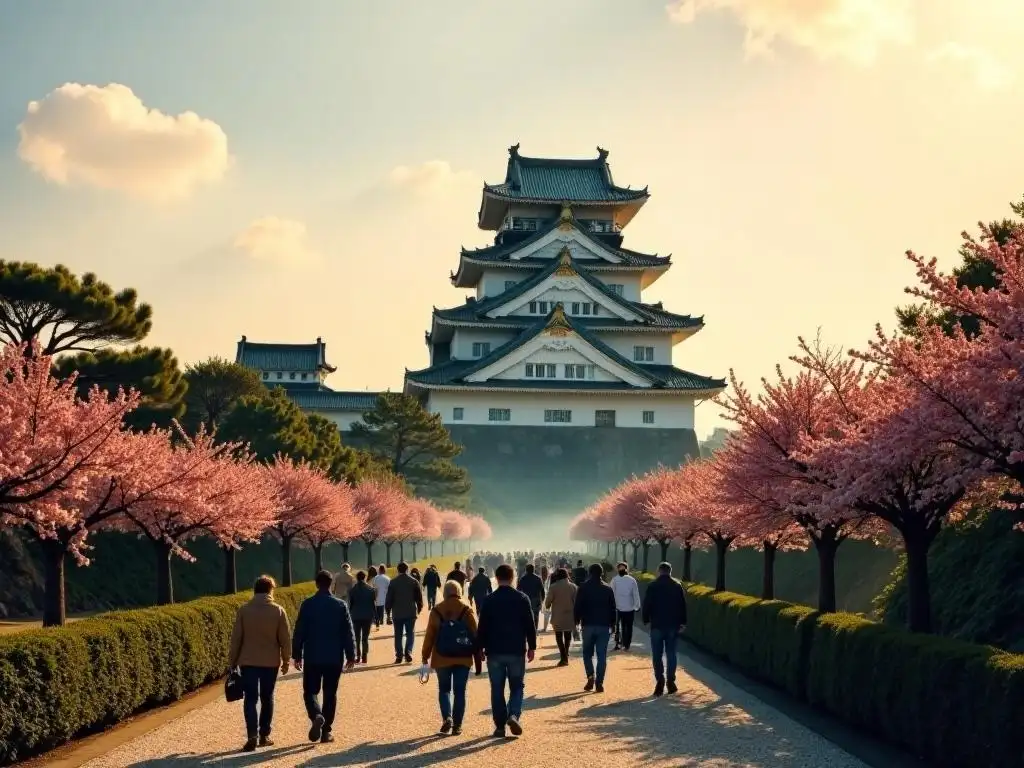
Visiting iconic feudal locations in Japan is an enriching experience that transports travelers back to the time of samurai, shoguns, and ancient traditions. To make the most out of your journey, consider the following travel tips that will enhance your exploration of these historical sites.
Best Time to Visit Japan's Feudal Sites
Japan's feudal locations are best experienced during specific seasons, each offering a unique charm:
- Spring (March to May):
- The cherry blossoms (sakura) bloom, creating picturesque scenes around temples and castles.
- Festivals, such as Hanami, celebrate the beauty of nature, attracting locals and tourists alike.
- Autumn (September to November):
- The foliage transforms, with vibrant reds and oranges enveloping historical sites.
- Many events and celebrations occur during this season, offering cultural insights.
- Summer (June to August):
- While it can be hot and humid, summer festivals (matsuri) provide a lively atmosphere with traditional performances.
- Early mornings or late afternoons are ideal for exploring to avoid the midday heat.
- Winter (December to February):
- Some locations may be less crowded, offering a serene experience.
- Snow-covered castles, like Hirosaki Castle, create stunning visuals but check accessibility as some sites may close.
Transportation Options for Feudal Location Tours
Exploring Japan's feudal sites requires efficient transportation. Here are some options to consider for an enjoyable journey:
Trains and Buses for Easy Access
Japan boasts an extensive and efficient public transportation system, making it easy to access iconic feudal locations:
- Shinkansen (Bullet Train):
- The shinkansen is a fast and comfortable way to travel between major cities. For example, the Tōkaidō Shinkansen connects Tokyo and Kyoto, providing access to many feudal sites.
- Local Trains:
- Local trains serve areas around feudal locations, such as the Nara Line to Nara and the Fukuyama Line to Fukuyama Castle.
- Buses:
- City buses and long-distance highway buses provide access to regions not served by trains. For instance, the bus from Takayama to Shirakawa-go offers breathtaking views.
- Guided Tours:
- Many companies offer guided bus tours that include multiple feudal locations, providing insights and historical context.
Recommended Travel Passes for Tourists
To maximize your travel experience and save on costs, consider these recommended travel passes:
| Pass Name | Description | Valid Areas |
|---|---|---|
| Japan Rail Pass | Unlimited travel on JR trains, including shinkansen | Nationwide |
| Kansai Thru Pass | Unlimited travel on trains and buses in the Kansai region | Osaka, Kyoto, Nara |
| Takayama-Hokuriku Area Pass | Travel between Takayama and various feudal locations | Takayama, Shirakawa-go, Kanazawa |
| All-Nippon Air Pass | Discounted air travel for international visitors | Various domestic flights |
These passes not only simplify your travel but also enhance your experience by allowing access to a broader range of iconic feudal locations, making your samurai-themed tour truly unforgettable.
Accommodation Near Feudal Sites
When planning your visit to iconic feudal locations in Japan, selecting the right accommodation can significantly enhance your experience. Staying near historical sites allows you to immerse yourself in the rich culture and history of the samurai era. Here are some excellent options that provide both comfort and a taste of Japan's feudal past.
- Traditional Ryokan: These Japanese inns often feature tatami mat flooring, futon bedding, and communal hot springs (onsen). Staying in a ryokan not only offers a unique lodging experience but also opportunities to enjoy authentic Japanese meals (kaiseki) prepared with locally sourced ingredients.
- Modern Hotels with Historical Themes: Some contemporary hotels incorporate elements of traditional Japanese design, offering modern amenities while respecting the cultural heritage. They often provide easy access to nearby feudal sites and can enhance your stay with guided tours or cultural workshops.
- Guesthouses and Minpaku: For a more budget-friendly option, consider staying in guesthouses or minpaku (private lodging). These accommodations often provide a more personal experience and can offer insights from local hosts about the history and culture of the area.
Top Hotels and Ryokans for Authentic Experiences
- Hoshinoya Kyoto
- Location: Near the historic Arashiyama district
- Experience: Blends luxury with tradition, featuring riverside views and access to local cultural activities. Guests can enjoy kaiseki meals and traditional tea ceremonies.
- Gora Kadan
- Location: Hakone, close to samurai-era hot springs
- Experience: A former retreat for the imperial family, this ryokan offers beautifully appointed rooms, on-site hot springs, and exquisite dining options highlighting seasonal ingredients.
- Hotel Nikko Kanazawa
- Location: Near the Kanazawa Castle
- Experience: Combines modern luxury with elements of Kanazawa's samurai history, offering easy access to the castle and surrounding gardens.
- Yoshida Sanso
- Location: Close to the historic town of Takayama
- Experience: A traditional ryokan set in a serene environment, it provides an authentic Japanese experience with tatami rooms and beautiful gardens, along with exquisite local cuisine.
- Shirakawa-go Gassho Farmhouse
- Location: Shirakawa-go, a UNESCO World Heritage Site
- Experience: Stay in a traditional thatched-roof farmhouse, offering a glimpse into the past with the comfort of modern amenities. Guests can participate in local cultural experiences, such as rice planting or sake brewing.
- Kinosaki Onsen Ryokan
- Location: Kinosaki, famous for its hot springs
- Experience: Known for its seven public baths, this area offers numerous ryokans that allow guests to relax in communal onsen while experiencing the charm of a traditional Japanese town.
By choosing accommodations that reflect Japan's rich feudal history, you not only ensure a comfortable stay but also deepen your connection to the legendary tales of the samurai and the cultural heritage of the country.
Conclusion: Embracing Japan's Rich Feudal Heritage
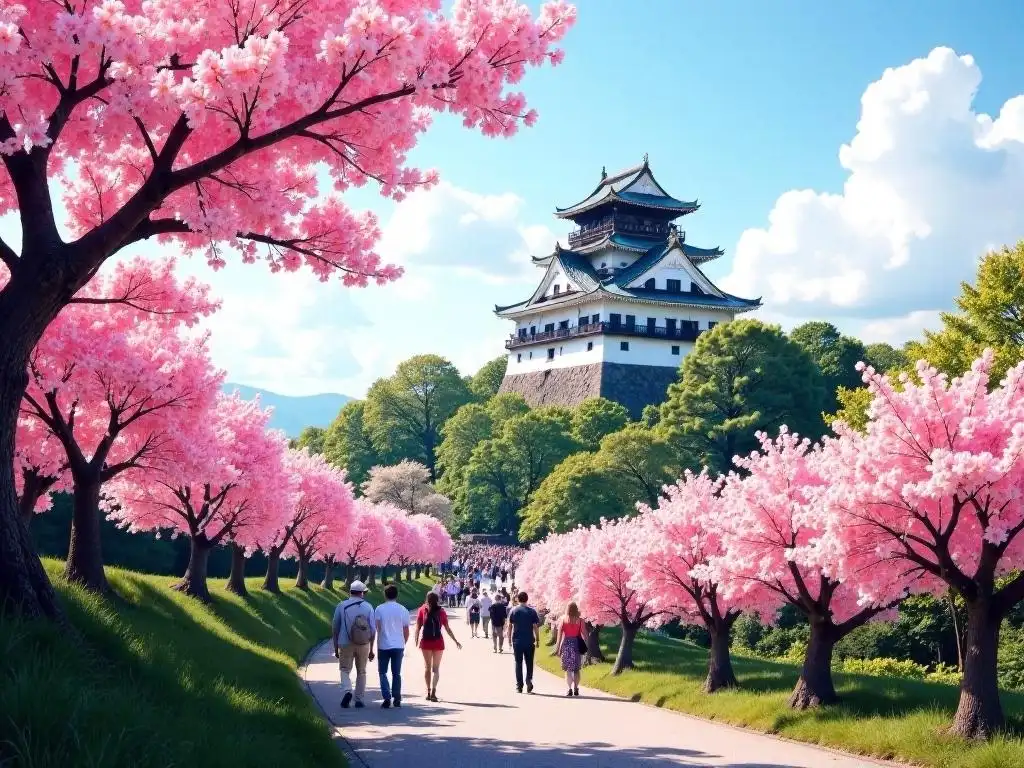
Japan's feudal era, characterized by the samurai's rise and the intricate social hierarchy, has left an indelible mark on the nation's cultural landscape. From the majestic castles that dot the countryside to the serene temples echoing ancient philosophies, the remnants of this period offer a unique glimpse into a world shaped by honor, loyalty, and artistry. Understanding these iconic feudal locations not only enriches our knowledge of Japan's history but also enhances our appreciation for the cultural practices that continue to influence modern Japan.
The Lasting Impact of Feudal Japan on Modern Culture
The influence of feudal Japan extends far beyond historical interest; it is deeply woven into the fabric of contemporary Japanese society. The samurai ethos, emphasizing values such as bushido (the way of the warrior), continues to inspire various aspects of Japanese culture today, from literature and film to martial arts and business ethics.
- Cultural Expressions:
- Literature: Modern Japanese literature often reflects themes of honor, sacrifice, and the complexities of human relationships, reminiscent of samurai tales. Authors like Yukio Mishima have drawn heavily on samurai ideals in their works.
- Cinema: Films such as Akira Kurosawa's Seven Samurai provide not only entertainment but also a lens through which to view the moral conflicts and societal structures of the feudal era.
- Martial Arts:
- Traditional martial arts, such as kendo and iaido, are direct descendants of samurai training methods. These disciplines not only teach self-defense but also embody the philosophical underpinnings of discipline, respect, and personal development.
- Festivals and Traditions:
- Many festivals in Japan celebrate feudal history, featuring reenactments of samurai battles, parades with traditional costumes, and demonstrations of ancient crafts. These events serve to keep the spirit of the samurai alive, educating younger generations about their heritage.
By exploring these connections, visitors can gain a deeper understanding of how the legacies of feudal Japan continue to shape modern life in Japan.
Encouragement to Explore and Discover
For those intrigued by Japan's rich feudal heritage, embarking on a journey to explore its iconic feudal locations is a thrilling opportunity. Each site tells a story, and by visiting, one can experience firsthand the landscapes and structures that once played significant roles in the lives of samurai and the broader society.
- Recommended Locations:
- Himeji Castle: Often considered Japan's most beautiful castle, it remains a symbol of the feudal era's architectural prowess.
- Nara and Kyoto: These cities are treasure troves of temples and shrines that date back to feudal times, showcasing the spiritual dimensions of samurai culture.
- Miyamoto Musashi's Cave: A pilgrimage site for martial arts enthusiasts, this location offers a glimpse into the life of one of Japan's most legendary swordsmen.
Travel Tips:
- Plan Your Itinerary: Take the time to research and plan your route to include a variety of iconic feudal locations.
- Engage with Local Guides: Consider hiring local guides who specialize in feudal history to enrich your experience with stories and insights.
- Participate in Cultural Activities: Look for opportunities to participate in traditional crafts or martial arts classes, offering a hands-on connection to Japan's feudal past.
The iconic feudal locations in Japan are not just remnants of history; they are gateways to understanding the values and traditions that continue to resonate in modern society. By exploring these sites, you will not only witness the beauty of Japan's historical landscape but also engage with the enduring legacy of the samurai spirit.
Additional Resources for Travelers
Recommended Reading on Feudal Japan
Exploring the iconic feudal locations in Japan is not just about visiting these sites; it’s also about understanding the rich history and culture that shaped them. To deepen your knowledge and enhance your travel experience, consider diving into these recommended readings:
-
"The Samurai: A Military History" by Stephen Turnbull
This book provides an in-depth look at the samurai, their role in Japanese history, and how they influenced the feudal system. Turnbull's engaging narrative and detailed illustrations make it a must-read for history enthusiasts.
-
"The Tale of the Heike" (Translated by Helen Craig McCullough)
A classic work of Japanese literature, this epic chronicles the rise and fall of the Taira clan during the Genpei War. It offers insights into the values and struggles of samurai during the feudal era.
-
"Hagakure: The Book of the Samurai" by Yamamoto Tsunetomo
This text is a collection of thoughts on the samurai way of life and philosophy. It serves as a guide to understanding the ethical and spiritual framework that guided samurai behavior.
-
"Samurai and the Sacred" by John M. McLaren
This book explores the relationship between samurai and spirituality, delving into the Shinto and Buddhist influences on samurai culture.
-
"The Last Samurai: The Life and Battles of Saigo Takamori" by Mark Ravina
A captivating biography that not only tells the story of Saigo Takamori but also provides a broader context of the samurai’s role during the transition from feudal Japan to modernity.
These readings will enrich your understanding of the historical significance of the locations you visit, making your journey through feudal Japan even more rewarding.
Useful Travel Apps for Planning Your Feudal Adventure
In the digital age, planning your trip to explore iconic feudal locations in Japan can be greatly simplified with the right travel apps. Here’s a list of useful applications that can enhance your travel experience:
-
Google Maps
Essential for navigation, Google Maps allows you to find directions to various feudal sites, read reviews, and see photos shared by other travelers.
-
Japan Travel by NAVITIME
This app is specifically designed for tourists in Japan, offering route planning for public transportation, walking, and driving. It provides detailed information on train schedules and estimated travel times.
-
TripIt
Perfect for organizing your travel itinerary, TripIt allows you to keep all your travel plans in one place. You can forward confirmation emails for accommodations, tours, and activities, and the app will create a master itinerary for you.
-
Klook
Klook is an excellent app for booking tours and experiences, including samurai-themed activities. You can find unique offerings that allow you to immerse yourself in the culture of feudal Japan.
-
HyperDia
This app helps you navigate Japan's extensive railway system. It allows you to search for train schedules, routes, and prices, making it easier to plan day trips to various feudal locations.
-
Google Translate
While many Japanese people speak English, having Google Translate on hand can assist with reading signs, menus, and communicating with locals, especially in more rural areas where English is less commonly spoken.
By utilizing these apps, you can ensure that your exploration of Japan’s iconic feudal locations is both enjoyable and hassle-free. Happy travels!
Frequently Asked Questions
What are the iconic feudal locations in Japan featured in the article?
The article highlights several iconic feudal locations in Japan, including Himeji Castle, Nijo Castle, and the Historic Villages of Shirakawa-go, showcasing their architectural beauty and historical significance.
How did feudalism shape Japanese society during this era?
Feudalism established a hierarchical structure in Japanese society, with samurai serving as the warrior class and lords controlling lands, which influenced politics, economics, and culture.
What role did samurai play in the feudal era?
The samurai were not just warriors; they were also administrators and cultural patrons, embodying the Bushido code, which emphasized honor, loyalty, and discipline in their lives.
Are there any cultural aspects associated with these locations?
Yes, many iconic feudal locations feature unique cultural practices, such as tea ceremonies and festivals, that offer insight into the traditions and values of feudal Japan.
How can one explore these feudal locations today?
Visitors can explore these iconic feudal locations through guided tours, historical reenactments, and local museums, which provide an immersive experience of Japan's rich feudal history.
Final Reflection: Embracing the Legacy of Japan's Iconic Feudal Locations
The allure of Japan's iconic feudal locations is not merely a relic of the past; it is a vibrant tapestry that continues to shape our understanding of culture and history today. As we navigate a world increasingly disconnected from its roots, these sites serve as poignant reminders of the values, struggles, and triumphs that have defined Japanese society. The stories woven into the fabric of these locations inspire us to appreciate the depth of our own histories and the legacies we inherit.
The influence of feudal Japan extends beyond historical interest; it permeates contemporary culture, art, and even philosophy. From the samurai code of honor to the architectural marvels that have stood the test of time, these locations invite us to reflect on the principles that guide our lives today. As the renowned author and historian, John W. Dower, once said, History is not just about the past; it is a lens through which we understand our present and shape our future.
This enduring connection emphasizes the importance of preserving and exploring these sites, as they continue to resonate with our collective identity.
As you embark on your own journey to explore these iconic feudal locations, I encourage you to take a moment to reflect on what these experiences mean for you personally. Consider how the lessons of honor, resilience, and cultural pride embodied by the samurai can inspire your own life. Let the stories of the past guide you in your present endeavors, and may your adventures in Japan ignite a passion for understanding and preserving the rich tapestry of history that surrounds us all.
Embark on Your Own Samurai Journey!
Thank you for diving into the fascinating world of feudal Japan with us! Your curiosity about these iconic locations is the first step toward an unforgettable adventure. Now it’s time to take action and truly connect with this rich history.
Here are some exciting ways to continue your exploration:
- Visit a historical site: Plan a trip to one of Japan’s celebrated samurai castles or temples, where you can immerse yourself in the captivating stories of the past!
- Join a local cultural workshop: Participate in activities such as swordsmanship or traditional tea ceremonies to experience the essence of samurai culture firsthand.
- Connect with fellow history enthusiasts: Share your journey and learn from others in communities or forums dedicated to exploring feudal Japan.
Which aspect of samurai culture are you most eager to explore further?