
Samurai Festivals and Events: Timed Tours to Experience Japan's Warrior Culture

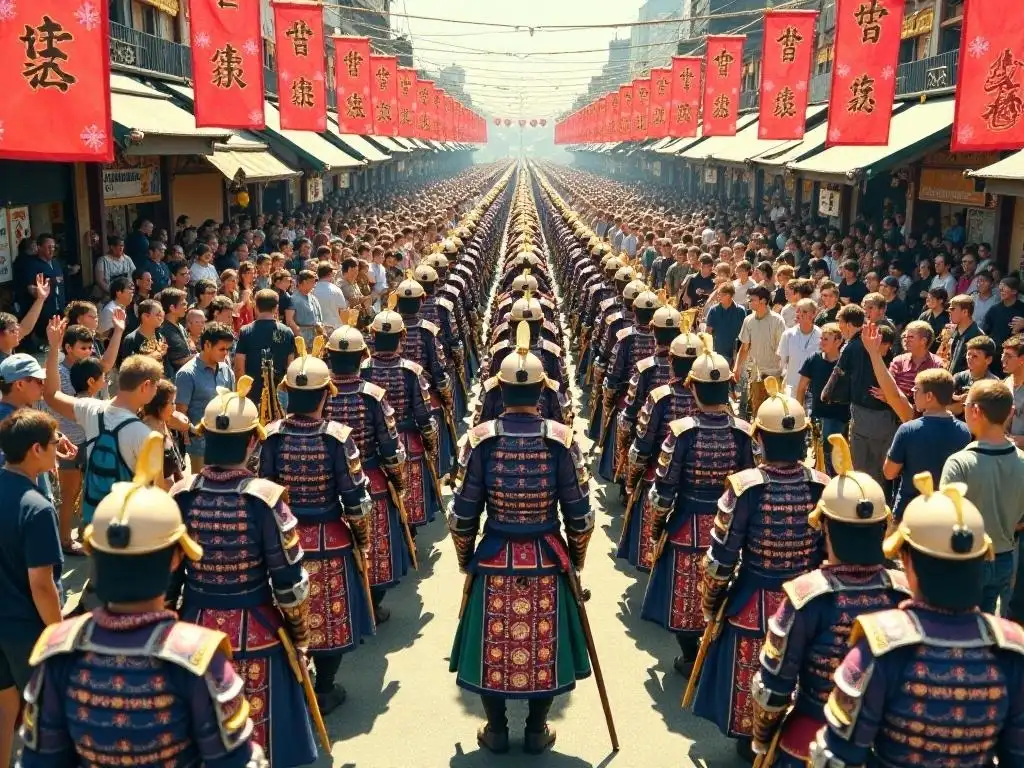
Welcome to Feudal Japan History, where we invite you to embark on an extraordinary journey through the captivating world of Japan's feudal era. Here, you'll uncover the rich tapestry of historical, cultural, and societal aspects that shaped this fascinating period. Dive into our featured article on "Japan Samurai Festivals Events," and discover the vibrant celebrations that bring the spirit of the samurai to life.
From traditional rituals to lively reenactments, these events promise an immersive experience that connects you to the warrior culture of ancient Japan. Are you ready to step back in time and explore the heart of feudal Japan? Let the adventure begin!
- Introduction to Japan Samurai Festivals and Events
- Top Japan Samurai Festivals and Events to Experience
- Planning Your Samurai-Themed Tour in Japan
- Exploring Samurai Culture Beyond Festivals
- Museums and Historical Sites to Visit
- Conclusion: Immerse Yourself in Japan's Warrior Culture
- Additional Resources
- Frequently Asked Questions
- Final Reflection: Embracing the Spirit of Japan's Samurai Festivals
- Experience the Spirit of the Samurai Today!
Introduction to Japan Samurai Festivals and Events
Exploring the vibrant and dynamic world of Japan's samurai culture offers a unique lens through which to appreciate the country's rich history and traditions. Samurai festivals and events serve as a bridge connecting modern-day Japan to its feudal past, allowing visitors to immerse themselves in the warrior culture that shaped the nation.
These celebrations are not merely historical reenactments; they are living traditions that encapsulate the spirit, values, and artistry of the samurai era. From ornate armor displays to spirited parades, each festival provides a captivating glimpse into the heritage of the samurai, inviting both locals and travelers to participate in the festivities that honor this iconic aspect of Japanese history.
As we delve deeper into the significance of samurai culture, we will uncover how these festivals play a crucial role in preserving the stories and customs of a bygone era, while also fostering community pride and engagement. This article will guide you through the various samurai festivals across Japan, offering a comprehensive overview of their cultural importance and the experiences they provide to those eager to explore the warrior legacy.
The Significance of Samurai Culture in Japanese History
The samurai, Japan's warrior class, emerged during the Heian period (794-1185) and played a pivotal role in shaping the nation's political, social, and cultural landscape. Their code of conduct, known as Bushido, emphasized virtues such as loyalty, honor, and martial prowess, which continue to influence Japanese society today. The significance of samurai culture can be observed in various aspects of Japanese life:
- Political Influence: Samurai warriors were instrumental in establishing feudalism in Japan. Their loyalty to feudal lords shaped the political hierarchy and governance of the time.
- Cultural Development: The samurai were not only warriors but also patrons of the arts. They contributed to the development of traditional Japanese arts, including calligraphy, tea ceremonies, and landscape gardening.
- Legacy in Modern Japan: The ideals of the samurai, such as discipline and respect, resonate within contemporary Japanese culture, impacting everything from martial arts to corporate ethics.
The festivals dedicated to samurai culture serve as a reminder of this enduring legacy, allowing participants to engage with the history and values that the samurai embodied.
Overview of Samurai Festivals and Their Cultural Importance
Samurai festivals, held throughout Japan, are vibrant celebrations that often feature parades, performances, and traditional ceremonies. These events not only showcase the rich history of the samurai but also foster a sense of community and continuity among the people. Key features of samurai festivals include:
- Historical Reenactments: Many festivals include reenactments of historical events, showcasing battles, rituals, and ceremonial practices that highlight the samurai's role in shaping Japan's history.
- Traditional Costumes: Participants often don elaborate samurai armor and attire, reflecting the craftsmanship and artistry of the period. This visual spectacle captivates attendees and enhances the immersive experience.
- Cultural Activities: Festivals may feature various cultural activities such as archery demonstrations, sword performances, and traditional music, allowing visitors to engage with samurai traditions in meaningful ways.
The cultural importance of these festivals lies in their ability to educate and engage both locals and tourists, fostering appreciation for Japan's rich heritage. By participating in these events, visitors can not only witness but also experience the spirit of the samurai, making for a truly unforgettable journey into Japan's warrior culture.
Top Japan Samurai Festivals and Events to Experience
1. The Aoi Matsuri Festival
Historical Background and Significance
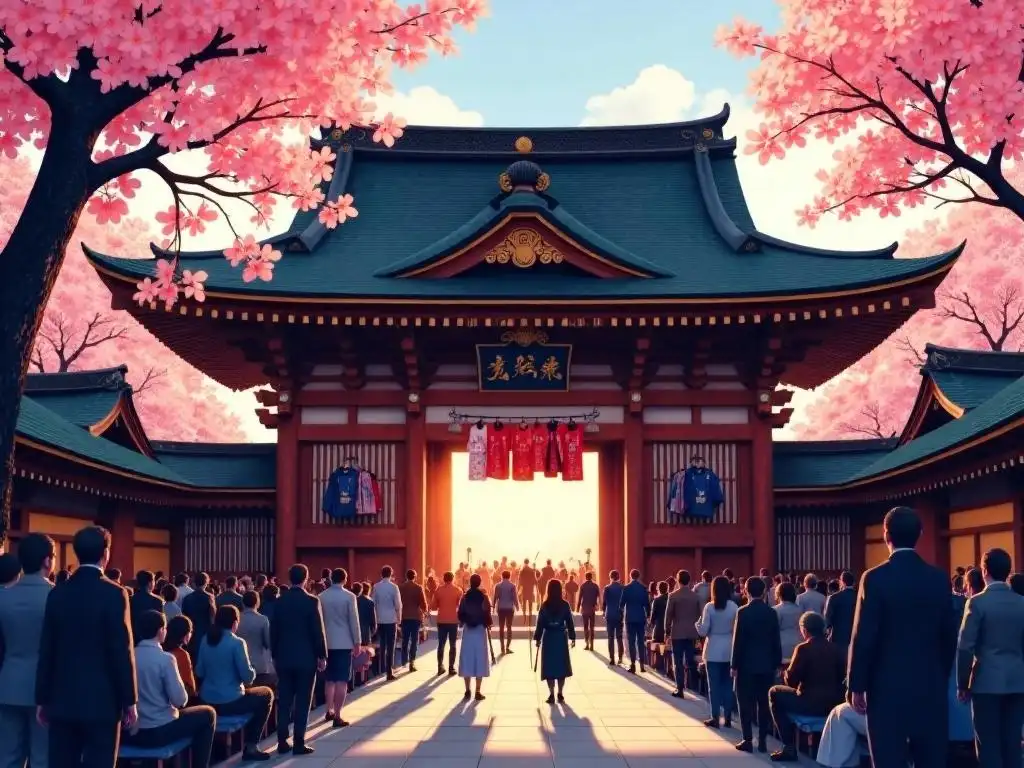
The Aoi Matsuri, celebrated annually on May 15th, is one of Kyoto's three major festivals and has roots tracing back to the Heian period (794-1185). This festival is named after the hollyhock plant, or "aoi," which is used as a symbol in the event.
The origins of the Aoi Matsuri can be linked to ancient purification rituals and agricultural prayers for a bountiful harvest, reflecting the deep connection between the samurai class and the agricultural society of the time. The festival showcases the grandeur of the Heian period, making it a vital cultural event that highlights the aesthetics and traditions of samurai culture.
Key Features of the Festival
The Aoi Matsuri is renowned for its elegant procession, which features participants dressed in sumptuous Heian-era costumes. Key elements include:
- Procession from the Imperial Palace: The event starts with a ceremonial procession that travels from the Kyoto Imperial Palace to the Kamo Shrines, covering a distance of approximately 8 kilometers (5 miles).
- Traditional Music and Dance: Accompanied by traditional music, the procession is a feast for the senses, with dancers performing age-old rituals.
- Symbolic Offerings: Participants carry offerings of hollyhock leaves, which are believed to ward off evil spirits and invite blessings.
This vibrant spectacle not only pays homage to samurai heritage but also draws thousands of visitors eager to witness its historical significance.
Timed Tours and Events During Aoi Matsuri
Visitors looking to immerse themselves in the Aoi Matsuri can take advantage of timed tours that coincide with the festival. These tours often include:
- Guided Walks: Knowledgeable guides offer insights into the festival's history and significance, enhancing the overall experience.
- VIP Viewing Areas: Some tours provide access to exclusive viewing spots along the procession route, ensuring a prime view of the festivities.
- Cultural Workshops: Participants can engage in activities such as kimono dressing or calligraphy, further deepening their connection to samurai culture.
Engaging in these tours not only allows for a closer look at the traditions but also provides a unique opportunity to experience the vibrant atmosphere of this historical celebration.
2. The Jidai Matsuri Festival
Journey Through Time: The Historical Parade
The Jidai Matsuri, held on October 22nd each year, is another of Kyoto's prominent festivals, celebrating the city’s rich historical legacy. This festival is characterized by a grand parade that showcases various periods of Japanese history, with a particular emphasis on the samurai era. Participants don costumes representing different epochs, from the ancient Heian period to the turbulent Sengoku period, creating a living history lesson.
The parade features over 2,000 participants, including samurai warriors, court nobles, and commoners, all representing their respective time periods. This historical journey serves as both a celebration of Kyoto's past and an educational experience for festival-goers.
Experience Samurai Culture at Jidai Matsuri
The Jidai Matsuri offers visitors a profound insight into samurai culture through various activities and displays:
- Samurai Processions: Witness the elaborately adorned samurai on horseback, showcasing the martial prowess and noble aesthetics of these iconic warriors.
- Cultural Exhibitions: Various displays and performances during the festival highlight samurai arts, including swordsmanship and traditional martial arts.
- Interactive Experiences: Attendees can participate in workshops that teach ancient crafts and skills associated with the samurai, such as archery or traditional tea ceremonies.
These interactions provide a unique opportunity to connect with Japan's warrior heritage on a deeper level.
Recommended Tours and Travel Packages
For those wishing to experience the Jidai Matsuri, various travel packages and tours are available, including:
- Full-Day Cultural Tours: These tours often include guided visits to historical sites in Kyoto, culminating in experiencing the Jidai Matsuri parade.
- Photography Tours: Photography enthusiasts can join specialized tours that focus on capturing the vibrant colors and intricate details of the festival.
- Culinary Experiences: Some packages incorporate traditional Japanese meals, allowing visitors to savor local cuisine while enjoying the festivities.
By participating in these tours, travelers can engage fully with the cultural and historical richness of the Jidai Matsuri, making for an unforgettable experience centered around Japan's samurai heritage.
3. The Kanazawa Hyakumangoku Matsuri
The Kanazawa Hyakumangoku Matsuri is a vibrant celebration that takes place annually in June, commemorating the arrival of Lord Maeda Toshiie to Kanazawa in 1583. This festival not only honors the samurai heritage of the region but also showcases the rich cultural tapestry of Kanazawa, combining traditional performances, parades, and local crafts. The atmosphere during this festival is filled with excitement, as locals and visitors alike don traditional attire and engage in various cultural activities, making it a must-see event for anyone interested in samurai history.
Celebrating Samurai Heritage in Kanazawa
The festival serves as a significant reminder of the samurai's role in shaping Kanazawa's history. Lord Maeda Toshiie, a prominent samurai and one of the founding figures of the city, is celebrated through reenactments and processions that reflect the values and lifestyle of the samurai class. Participants in the festival often wear elaborate costumes reminiscent of the Edo period, allowing attendees to step back in time and appreciate the aesthetics of samurai culture.
Additionally, the festival promotes local heritage by featuring traditional music, dance, and culinary offerings, creating a comprehensive experience that immerses visitors in the essence of Kanazawa's past. The blending of samurai traditions with local customs highlights the deep-rooted connections between the samurai class and the community.
Highlights and Activities at the Festival
The Kanazawa Hyakumangoku Matsuri features a variety of engaging activities, making it appealing to all ages. Key highlights include:
- Main Parade: The lively procession showcases participants dressed as samurai, geisha, and townsfolk, parading through the streets of Kanazawa.
- Cultural Performances: Traditional music and dance performances reflect the artistic heritage of the region, including taiko drumming and folk dances.
- Food Stalls: A range of local delicacies is available, providing a taste of Kanazawa’s culinary scene, including seafood and traditional sweets.
- Craft Exhibitions: Artisans display traditional crafts, allowing visitors to appreciate and purchase unique handmade items, from pottery to textiles.
This combination of activities ensures that the festival remains a dynamic celebration of both the samurai legacy and the contemporary culture of Kanazawa.
Best Tour Options for Attending Kanazawa Hyakumangoku Matsuri
For those looking to immerse themselves fully in the Kanazawa Hyakumangoku Matsuri, several tour options are available. These tours often include:
- Guided Festival Tours: Expert guides provide insights into the history and significance of the festival, enriching the experience with storytelling and context.
- Cultural Workshops: Some tours offer workshops where participants can learn traditional crafts or even samurai skills, such as calligraphy or sword handling.
- Culinary Experiences: Food-oriented tours allow guests to sample local cuisine, often including guided tastings at various stalls throughout the festival.
Booking in advance is recommended, especially during peak tourist seasons, to secure spots in popular tours.
4. The Takayama Matsuri
The Takayama Matsuri is renowned as one of Japan's most beautiful and visually stunning festivals, held twice a year in spring and autumn. This festival celebrates the local gods and showcases the rich cultural heritage of Takayama, a city nestled in the mountainous Hida region. With its striking floats and intricate craftsmanship, the Takayama Matsuri draws visitors from around the world, providing an unforgettable glimpse into Japan’s historical traditions.
Overview of One of Japan's Most Beautiful Festivals
The Takayama Matsuri features two main events: the Sanno Matsuri in spring and the Yatai Matsuri in autumn. Both celebrations are characterized by large, ornate floats known as "yatai," which are beautifully decorated and often carry samurai figures or local deities. The festival dates back to the 16th century, reflecting the deep historical roots of the samurai culture in the region.
The festival is not just a visual spectacle; it includes various rituals and ceremonies aimed at honoring the local gods, showcasing the community's devotion and cultural pride. The atmosphere is festive, with locals and tourists mingling amidst stalls offering traditional foods, crafts, and activities.
Samurai Processions and Cultural Displays
One of the standout features of the Takayama Matsuri is the samurai processions, where participants dress in period-appropriate costumes that pay homage to the samurai era. These processions are accompanied by traditional music and performances, creating an immersive experience for spectators. The floats themselves are a highlight, often featuring intricate carvings, puppetry, and elaborate decorations that tell stories from Japan's history.
In addition to the floats, the festival includes various cultural displays, such as:
- Traditional Music Performances: Local musicians perform on traditional instruments, adding to the festive atmosphere.
- Artisan Demonstrations: Craftsmen showcase skills such as wood carving and textile weaving, connecting visitors to the region's artisanal heritage.
- Local Cuisine: Food stalls offer a variety of local delicacies, including Hida beef and sake, allowing attendees to savor the flavors of Takayama.
Tour Packages for Takayama Matsuri
Travelers interested in experiencing the Takayama Matsuri can choose from a range of tour packages tailored to enhance their festival experience. Popular options typically include:
- Cultural Tours: These tours often provide guided experiences that include visits to key festival sites, ensuring a comprehensive understanding of the festival's significance.
- Photography Tours: For photography enthusiasts, specialized tours focus on capturing the beauty of the floats and the vibrant atmosphere of the festival.
- Accommodation Packages: Many tour operators offer packages that include lodging, ensuring that visitors have a comfortable base from which to explore the festival.
As with the Kanazawa Hyakumangoku Matsuri, early booking is advisable, especially during festival dates, to ensure availability and a richer experience.
Planning Your Samurai-Themed Tour in Japan
Essential Tips for Attending Samurai Festivals
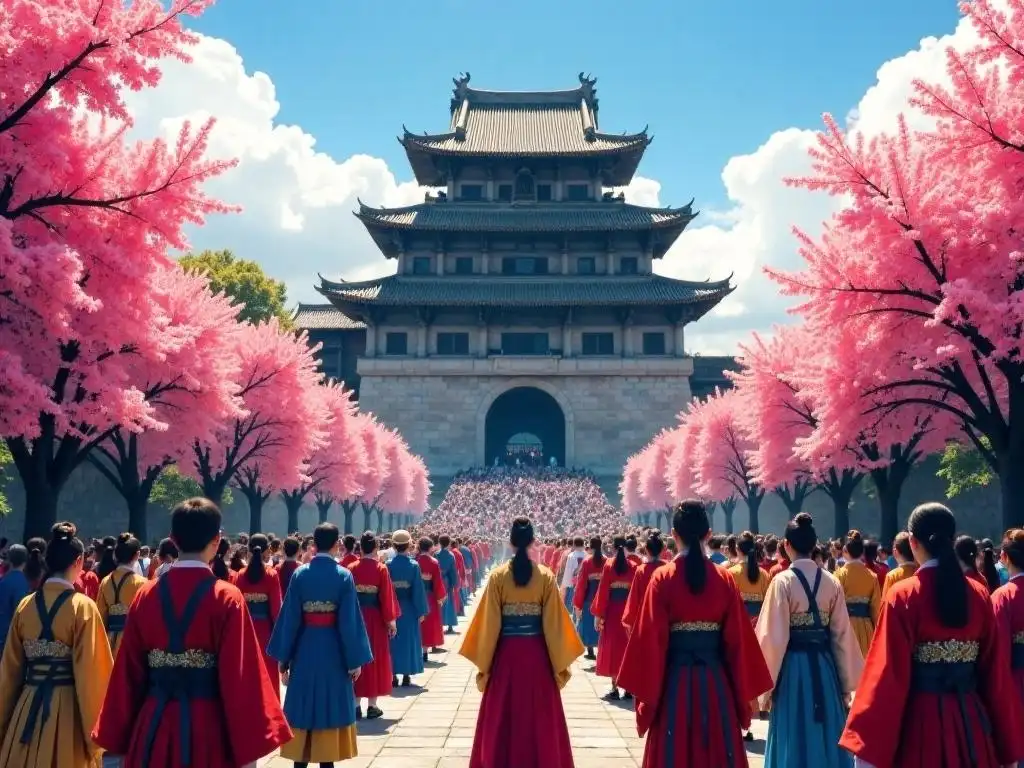
Attending a samurai festival in Japan offers a unique opportunity to immerse yourself in the rich cultural heritage of the samurai era. To make the most of your experience, consider the following essential tips:
- Research the Festivals: Familiarize yourself with different samurai festivals across Japan, such as the Kamakura Matsuri in Kanagawa or the Oni Matsuri in Matsumoto. Each festival showcases unique traditions, performances, and samurai-related events.
- Book in Advance: Popular festivals can attract large crowds, so securing your accommodations and tour reservations well in advance is advisable. This ensures you have a spot in guided tours and can access special events.
- Check the Schedule: Festivals often include a variety of performances, parades, and exhibitions. Review the festival schedule ahead of time to plan which events you want to attend and avoid missing out on key highlights.
- Engage with Local Guides: Many festivals offer guided tours led by knowledgeable locals. Engaging with these guides not only enriches your understanding of the samurai culture but also provides insights into lesser-known aspects of the events.
- Participate in Activities: Many festivals offer interactive experiences, such as archery or sword demonstrations. Participating in these activities allows you to experience the samurai spirit firsthand.
Best Times of Year to Experience Samurai Events
The timing of your visit can significantly impact your experience of samurai festivals in Japan. Here are some of the best times of year to plan your visit:
- Spring (March to May):
- Sakura Matsuri (Cherry Blossom Festivals): Celebrate the arrival of spring with beautiful cherry blossoms. Many samurai festivals coincide with these blooms, enhancing the beauty of the events.
- Summer (June to August):
- Gion Matsuri: This famous festival in Kyoto features samurai parades and traditional performances, making it a must-see during the summer months.
- Autumn (September to November):
- Takayama Matsuri: Held in October, this festival showcases stunning floats and samurai-themed events, set against the backdrop of autumn foliage.
- Winter (December to February):
- Kamakura Matsuri: Experience the unique winter festival in Kamakura, where snow huts and lanterns create a magical atmosphere, often featuring samurai reenactments.
What to Wear: Traditional Attire and Comfort
Choosing the right attire for attending samurai festivals enhances your experience and respect for the culture. Here are some recommendations:
- Traditional Kimono: Wearing a kimono allows you to fully immerse yourself in the cultural atmosphere. Opt for lightweight fabrics during warmer months and heavier fabrics during cooler months.
- Comfortable Footwear: Festivals often involve walking and standing for extended periods. Consider wearing traditional sandals or comfortable shoes that are easy to remove if you plan to enter temples or homes.
- Layering: Weather in Japan can be unpredictable. Layer your clothing to adapt to changing temperatures, especially during spring and autumn.
- Accessories: Consider carrying a hand fan or a small bag that complements your attire, keeping in mind functionality and comfort.
Choosing the Right Tour Company
Selecting the right tour company is crucial for a fulfilling samurai-themed experience. Here are key factors to consider:
- Reputation and Reviews: Look for companies with positive reviews and testimonials from previous travelers. Websites like TripAdvisor can provide insights into the quality of tours offered.
- Local Expertise: Choose a tour company with guides who have a deep understanding of samurai history and culture. Local guides can share stories and traditions that enhance your experience.
- Customized Itineraries: Some companies offer customizable tours that allow you to tailor your experience. This is especially beneficial if you have specific interests or time constraints.
Top Recommendations for Guided Samurai Tours
Here are some highly recommended tour companies specializing in samurai experiences:
| Tour Company | Overview | Highlights |
|---|---|---|
| Samurai Tours Japan | Specializes in immersive samurai experiences | Guided reenactments, sword training |
| Bushi Tours | Focus on samurai culture and history | Private tours, authentic experiences |
| Japan Samurai Experience | Offers workshops and tours throughout Japan | Samurai armor rental, photo sessions |
Comparing Prices and Inclusions of Tour Packages
When planning your samurai-themed tour, it's essential to compare prices and inclusions to ensure you get the best value. Here are some factors to consider:
- Package Inclusions:
- Check what is included in the package, such as meals, entrance fees, and transportation.
- Some packages may include unique experiences like sword fighting lessons or traditional tea ceremonies.
- Duration and Itinerary:
- Compare the duration of tours. Some companies offer half-day tours, while others provide full-day experiences with extensive itineraries.
- Pricing:
- Prices can vary significantly based on the tour company's reputation, included amenities, and experience level. Ensure you understand the pricing structure and any additional fees.
- Cancellation Policies:
- Review the cancellation policies before booking. Flexible options may provide peace of mind, especially if travel plans change.
By considering these factors, you can select a tour package that aligns with your interests and budget, ensuring a memorable journey through Japan's samurai heritage.
Exploring Samurai Culture Beyond Festivals
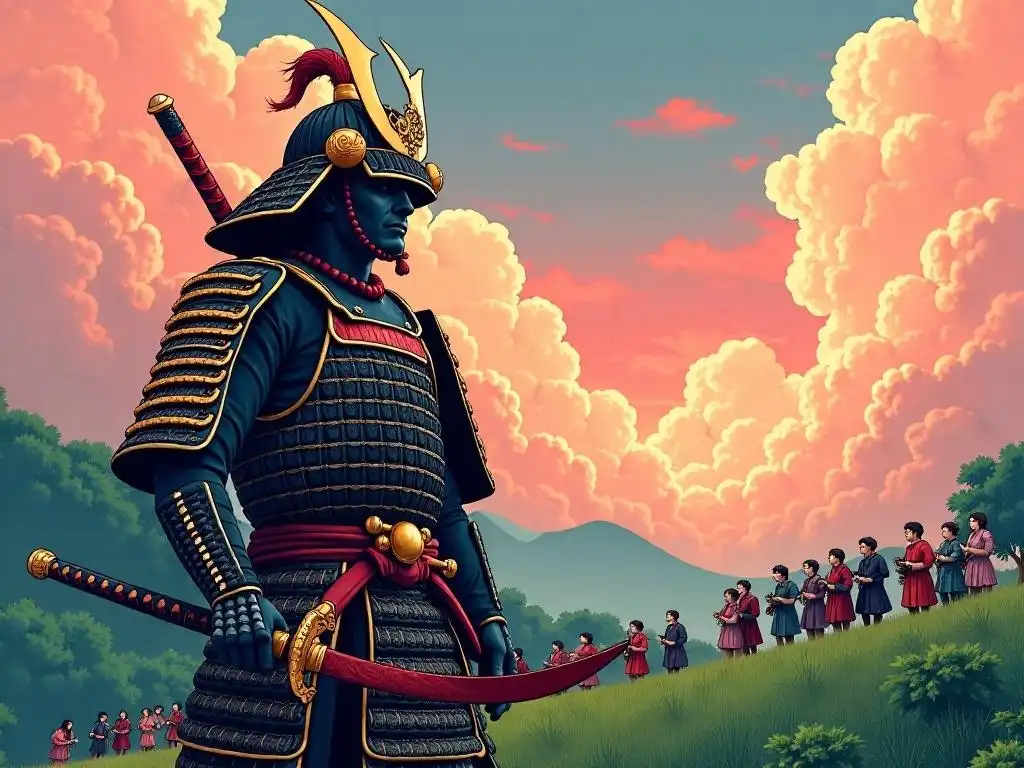
The samurai culture is deeply woven into the fabric of Japan's history, extending far beyond the vibrant festivals that celebrate these legendary warriors. Understanding the role of the samurai in Japanese society involves delving into their social structure, military significance, and cultural contributions, which continue to influence contemporary Japan.
The Role of Samurai in Japanese Society
The samurai were not merely warriors but pivotal figures in shaping Japan’s political and cultural landscape. Emerging during the Heian period (794-1185), they became the military elite, serving feudal lords known as daimyō. Their roles evolved throughout the centuries, particularly during the Kamakura (1185-1333) and Muromachi periods (1336-1573), when they held significant power and influence. Samurai practiced bushido, the "way of the warrior," which emphasized loyalty, honor, and discipline, guiding their conduct both in battle and in civilian life.
The samurai's influence extended beyond warfare; they were also patrons of the arts, contributing to the development of traditional Japanese culture, including tea ceremonies, poetry, and Noh theater. This duality of function—both as fierce warriors and cultured individuals—underscores their complexity and importance in Japanese society.
Understanding Samurai Values and Ethics
The ethical framework of the samurai was primarily shaped by Confucianism, Zen Buddhism, and the indigenous Shinto beliefs. Central to their values were principles such as loyalty, courage, and honor. The concept of seppuku, or ritual suicide, exemplified the samurai's commitment to honor; facing disgrace or defeat, a samurai would choose death over the loss of esteem.
Samurai ethics also emphasized self-discipline and personal responsibility, which governed their daily lives and interactions with others. This moral code still resonates in modern Japan, reflecting a legacy that influences contemporary societal norms and values.
Museums and Historical Sites to Visit
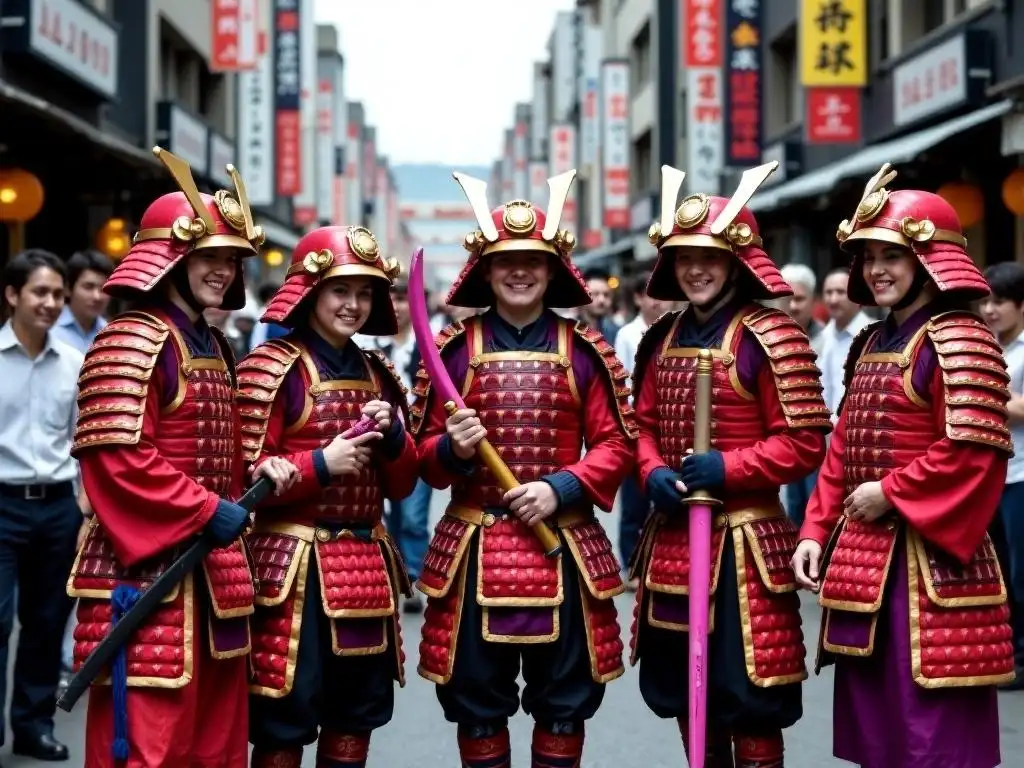
For those interested in immersing themselves in samurai culture, Japan is home to numerous museums and historical sites that commemorate this remarkable era. These locations offer a unique glimpse into the lives, values, and artistry of the samurai.
Recommended Museums: The Samurai and Their Legacy
- The Samurai and Japanese Sword Museum (Tokyo)
- This museum showcases the history of samurai swords and the craftsmanship involved in their creation. Visitors can explore various exhibits on sword-making techniques and the significance of swords in samurai culture.
- The Kyoto National Museum
- Features extensive collections of samurai armor, weapons, and artifacts. Special exhibitions often focus on the samurai's role in Japanese history, making it a must-visit for enthusiasts.
- The Edo-Tokyo Museum
- While primarily focused on the history of Tokyo, this museum includes exhibits on the samurai, showcasing their lifestyle and the transformations of the city during the samurai era.
Notable Historical Sites for Samurai Enthusiasts
-
Himeji Castle
A UNESCO World Heritage site, Himeji Castle is one of Japan’s most iconic castles, representing the peak of samurai architecture. Its imposing structure and intricate design provide insight into the defenses and lifestyles of the samurai.
-
Kamakura
Once the political center of the samurai government, Kamakura is home to numerous temples and shrines, including the famous Great Buddha (Daibutsu). This location is steeped in samurai history and offers a serene environment to explore.
-
Nara Park
Although primarily known for its deer and temples, Nara Park hosts historical sites relevant to the samurai, including Todai-ji Temple, which has connections to the samurai class and their patrons.
By visiting these museums and historical sites, travelers can gain a deeper understanding of the samurai culture and its lasting impact on Japanese society. Whether through exhibitions or the physical remnants of samurai architecture, each location offers a unique opportunity to connect with Japan's warrior heritage.
Conclusion: Immerse Yourself in Japan's Warrior Culture
Final Thoughts on the Impact of Samurai Festivals
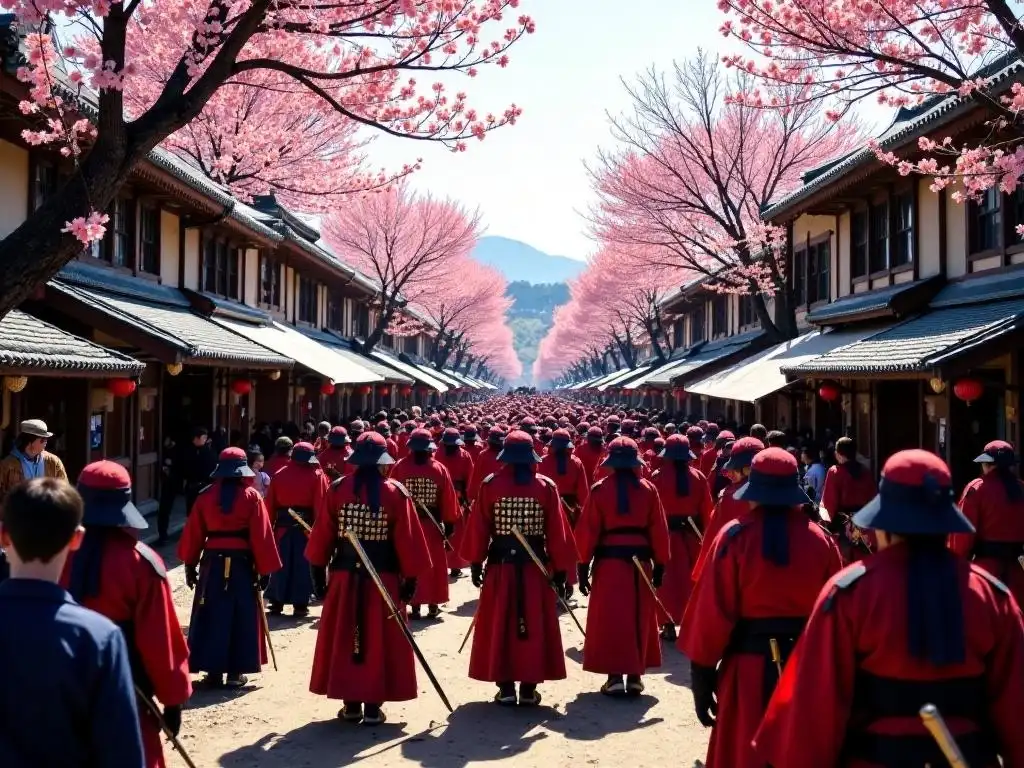
Samurai festivals are not merely events; they represent a vibrant tapestry of Japan's rich history and cultural heritage. These festivals allow participants and spectators alike to step back in time, immersing themselves in the traditions and values that shaped the samurai ethos. Throughout the year, various regions in Japan host festivals that commemorate the achievements and legacies of these formidable warriors. The parades featuring participants dressed in intricate armor, the reenactments of battles, and the performances of traditional music and dance all serve to educate and entertain.
The impact of these festivals extends beyond mere entertainment; they foster a sense of community and pride among the locals. Each festival is a celebration of regional history, often tied to specific samurai clans or local legends. For instance, the Kamakura Matsuri showcases the storied past of the Kamakura period, while the Oni Matsuri in Kofu highlights the bravery of the local samurai. These events are crucial for maintaining cultural identity and passing down traditions to future generations.
In addition to their historical significance, samurai festivals contribute to the local economy. They attract tourists from both Japan and abroad, boosting local businesses in hospitality, food, and crafts. The economic benefits, combined with cultural preservation, make these festivals an essential part of Japan's tourism landscape.
Ultimately, participating in a samurai festival is an unparalleled opportunity to engage with Japan's warrior culture. It’s a chance to witness firsthand the reverence for history, the celebration of martial tradition, and the deep-seated values that continue to resonate in modern Japanese society.
Call to Action: Book Your Timed Tour Today
Ready to experience the thrill and grandeur of Japan's samurai festivals? Don’t miss out on the opportunity to immerse yourself in this unique aspect of Japanese culture. Book your timed tour today and witness the spectacular displays, traditional reenactments, and vibrant atmosphere that these events offer.
- Choose Your Festival: Decide which festival aligns with your interests and travel schedule.
- Plan Ahead: Many festivals require advance booking, so make sure to secure your spot to avoid disappointment.
- Engage with Experts: On guided tours, you'll gain insights from knowledgeable guides who can share the historical significance of each event.
Join the ranks of those who have stepped into Japan's feudal past and explore the legacy of the samurai through these unforgettable festivals. Embrace the culture, honor the warriors, and create memories that will last a lifetime!
Additional Resources
Recommended Books on Samurai History and Culture
Exploring the rich tapestry of samurai history and culture can be greatly enhanced by diving into literature that provides in-depth insights and compelling narratives. Here are several recommended books that offer a comprehensive understanding of the samurai era:
-
"Hagakure: The Book of the Samurai" by Yamamoto Tsunetomo
A classic text that delves into the philosophy and ethics of the samurai, providing timeless wisdom and insights into the warrior's mindset.
-
"The Book of Five Rings" by Miyamoto Musashi
Written by one of Japan's most famous swordsmen, this book covers Musashi's philosophy on strategy, tactics, and combat, making it essential reading for understanding samurai principles.
-
"Samurai: The Last Warrior" by John Man
This engaging narrative chronicles the life of Saigo Takamori, the last samurai, and examines the transition of Japan from feudalism to modernity, making it an intriguing read for history buffs.
-
"A History of the Samurai" by Jonathan Clements
An accessible overview that outlines the evolution of the samurai class, their societal roles, and their impact on Japanese history.
-
"The Samurai: A Military History" by Stephen Turnbull
This book provides detailed accounts of samurai battles, military strategies, and the overall evolution of military practices in feudal Japan.
-
"The Essential Bushido: The Spirit of the Samurai" by Dave Lowry
A modern interpretation of the samurai code, this book explores the ethical and spiritual foundations that guided the samurai way of life.
These resources not only enhance your understanding of the samurai but also provide context to the various festivals and events celebrated across Japan today.
Links to Reliable Tour Operators and Travel Resources
When planning to experience Japan's samurai festivals and events, it's essential to choose reliable tour operators and resources that can enhance your journey. Here are some trustworthy options:
-
Japanican
Offers a variety of tours focused on cultural experiences, including samurai-themed itineraries that allow travelers to immerse themselves in Japan's warrior heritage.
-
Viator
A well-known platform that features numerous guided tours and experiences centered around samurai culture, including attendance at local festivals.
-
Klook
Provides options for booking tickets and tours that cater to those interested in samurai history, including unique experiences like sword fighting classes and visits to historical sites.
-
Japan Travel
An excellent resource for planning your trip, this site offers detailed information about samurai festivals, events, and local attractions that celebrate Japan's rich martial heritage.
-
InsideJapan Tours
Specializes in tailor-made tours that highlight Japan's culture, including bespoke itineraries featuring samurai experiences and local festivals.
By utilizing these resources, travelers can ensure a well-rounded experience that captures the essence of Japan’s samurai festivals and events, making for unforgettable memories steeped in history and culture.
Frequently Asked Questions
What are the main types of samurai festivals in Japan?
Samurai festivals often include parades, reenactments, and ceremonies that celebrate the history and culture of the samurai. These events provide insight into traditional practices and warrior values.
When do the most popular samurai events take place?
Many of the most popular samurai events are held during the spring and autumn months, coinciding with specific historical anniversaries or local festivals that honor the samurai heritage.
How can I participate in a samurai festival?
Visitors can participate in samurai festivals by joining guided tours, attending public events, or even dressing in traditional samurai attire during certain celebrations that welcome tourists.
Are there any cultural activities associated with samurai festivals?
Yes, cultural activities at samurai festivals often include martial arts demonstrations, tea ceremonies, and craft workshops that highlight the skills and traditions of the samurai era.
What is the significance of samurai festivals in modern Japan?
Samurai festivals serve as a way to preserve and celebrate Japan’s rich history, allowing people to connect with their cultural roots while promoting tourism and local heritage.
Final Reflection: Embracing the Spirit of Japan's Samurai Festivals
Japan's samurai festivals and events are not just historical reenactments; they are vibrant celebrations that connect us to the rich tapestry of Japan's warrior culture. In a world increasingly driven by technology and globalization, these festivals serve as a powerful reminder of the values of honor, courage, and tradition that the samurai embodied. They invite us to step back in time and immerse ourselves in a culture that has shaped Japan's identity for centuries, making them more relevant today than ever before.
Cultural heritage is a living entity, constantly evolving yet rooted in the past. The samurai festivals not only preserve the history of these noble warriors but also foster a sense of community and belonging among participants and spectators alike. As we engage with these events, we are reminded of the importance of understanding our roots and the stories that have shaped our societies. Tradition is not the worship of ashes, but the preservation of fire.
This quote encapsulates the essence of these festivals, as they ignite a passion for history and culture that can inspire future generations.
As you reflect on the significance of Japan's samurai festivals, consider how you can incorporate the spirit of these events into your own life. Take a moment to honor the traditions that have shaped your identity and seek out experiences that connect you to your heritage. Whether through travel, storytelling, or community engagement, let the lessons of the samurai guide you in your journey.
Embrace the courage to explore, the honor to respect your past, and the wisdom to share these experiences with others. The legacy of the samurai lives on, and it is up to us to keep that fire burning bright.
Experience the Spirit of the Samurai Today!
Thank you for diving into the fascinating world of Samurai festivals and events! You’ve uncovered the rich tapestry of Japan's warrior culture, and now it’s time to embrace it fully. Here’s how you can take your newfound knowledge and turn it into unforgettable experiences.
- Join a Local Samurai Cultural Event: Find a nearby festival or reenactment to connect with history firsthand.
- Share Your Journey: Discuss your favorite aspects of Samurai culture with friends and encourage them to explore it too.
- Engage Online: Participate in forums or social media groups dedicated to Japanese history to exchange insights and share personal experiences.
What aspect of Samurai culture are you most excited to explore in your next adventure?