
From Castles to Temples: Discover Japan’s Samurai Legacy on a Tour


Welcome to Feudal Japan History, where the echoes of the past resonate through the tales of warriors and traditions that shaped a nation. Prepare to embark on an exhilarating journey as we delve into the rich tapestry of Japan’s feudal era. Our latest article, "From Castles to Temples: Discover Japan’s Samurai Legacy on a Tour," invites you to explore the profound impact of the samurai on Japanese culture and society.
What secrets do the ancient castles hold? How do the temples whisper tales of honor and valor? Join us as we uncover the fascinating stories that await you in this captivating legacy, encouraging you to dive deeper into the heart of feudal Japan.
Introduction to Japan’s Samurai Legacy Tour
Embarking on a Japan samurai legacy tour offers a unique opportunity to step back in time and immerse oneself in the rich tapestry of Japan’s feudal era. This period, characterized by the rise of the samurai class, is a fascinating chapter in Japanese history that shaped the nation’s culture, societal structure, and artistic expressions. From the imposing castles that served as strongholds to the serene temples that housed philosophical teachings, each location tells a story steeped in tradition and valor.
As travelers journey through these historical landscapes, they not only witness remarkable architecture and natural beauty but also gain insight into the ethos of the samurai—loyalty, honor, and discipline. This tour invites participants to explore significant sites that embody the essence of the samurai legacy, thereby deepening their understanding of Japan’s cultural heritage and the values that continue to resonate in contemporary society.
Understanding the Samurai Heritage
The samurai were more than just warriors; they were the custodians of a unique way of life that intertwined martial skills with spiritual and philosophical pursuits. This section delves into the foundational aspects of samurai culture, illustrating their importance in shaping Japan's history.
The Role of Samurai in Feudal Japan
During the feudal period, which spanned from the late 12th century to the mid-19th century, samurai held a pivotal role in maintaining the social order. They were not only military leaders but also landowners, bureaucrats, and cultural patrons. The samurai adhered to a strict code known as Bushido, emphasizing virtues such as bravery, honor, and loyalty. This code shaped their behavior in warfare as well as interactions with the peasantry and ruling classes.
Key responsibilities of the samurai included:
- Military Service: Engaging in battles to defend their lord's territory.
- Governance: Managing lands and enforcing laws within their domains.
- Cultural Patronage: Supporting the arts, including poetry, tea ceremonies, and martial arts.
Key Historical Sites Reflecting Samurai Legacy
A samurai legacy tour would be incomplete without visiting the historical sites that embody the spirit of the samurai. Here are some of the most significant locations:
| Site | Description |
|---|---|
| Himeji Castle | A UNESCO World Heritage site, known for its elegant architecture and strategic design. |
| Nijo Castle | Located in Kyoto, it served as a residence for shoguns and showcases stunning gardens and interiors. |
| Aizuwakamatsu Castle | A symbol of the samurai’s resistance during the Boshin War, with a rich history of battles. |
| Kinkaku-ji (Golden Pavilion) | A temple in Kyoto that reflects the aesthetic values of the samurai and Zen Buddhism. |
These sites not only highlight the architectural prowess of the samurai but also serve as reminders of their enduring legacy in Japanese culture. Visitors can explore the beauty and history encapsulated within these walls, gaining a deeper appreciation for the samurai's role in shaping Japan's past.
By embarking on this journey, travelers can connect with the essence of the samurai, enjoying a multifaceted experience that goes beyond mere sightseeing to touch upon the very heart of Japan’s historical and cultural identity.
Planning Your Japan Samurai Legacy Tour
Embarking on a Japan Samurai Legacy Tour is an exhilarating journey that intertwines history, culture, and adventure. To make the most of your exploration, careful planning is essential. Begin by determining the specific regions you wish to visit, as different areas in Japan have unique historical significance related to the samurai. Notable destinations include Kyoto, Kamakura, and the various castles in the Tohoku region.
When planning your itinerary, consider the length of your tour. A week-long trip allows for a thorough exploration of key sites, whereas a shorter trip may require focused selections. Additionally, research guided tours that align with your interests, whether they emphasize historical narratives, martial traditions, or local cuisine.
Key considerations for planning:
- Travel Dates: Align your visit with local festivals or events that celebrate samurai culture.
- Accommodations: Choose traditional ryokans or modern hotels that offer insights into local customs.
- Transportation: Familiarize yourself with Japan's public transport system, particularly the Shinkansen (bullet trains) for efficient travel between cities.
Best Times to Experience Samurai-Themed Tours
To fully immerse yourself in the samurai legacy, timing your visit is crucial. The best times for a Samurai Legacy Tour are during spring (March to May) and autumn (September to November).
- Spring: The cherry blossoms create a picturesque backdrop as you explore castles and temples. Special events related to the samurai, such as festivals, often occur during this season.
- Autumn: The vibrant fall foliage enhances the beauty of historical sites, providing a stunning visual experience. Many towns host cultural events celebrating samurai traditions during this time.
Visiting during these peak seasons not only offers pleasant weather but also allows you to partake in local festivities, enriching your understanding of Japan's feudal history.
Essential Tips for Booking a Samurai Tour
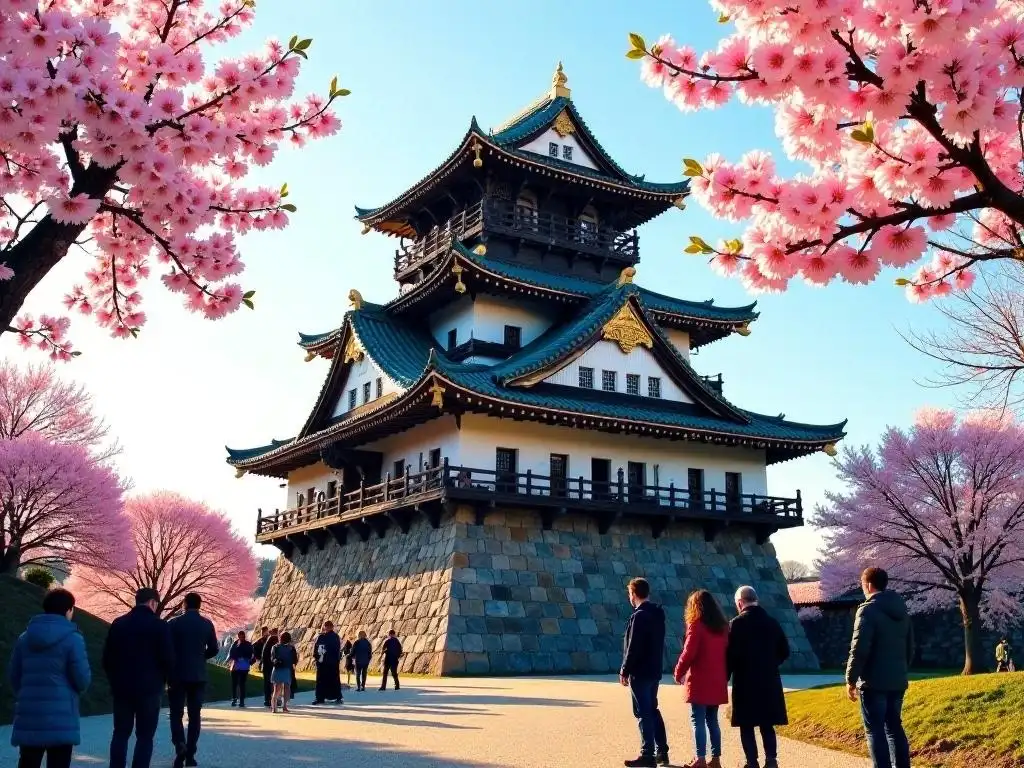
When booking a samurai-themed tour, keep the following tips in mind to ensure a seamless experience:
- Research Tour Operators: Look for established operators that specialize in historical tours. Read reviews and check their itineraries to find one that matches your interests.
- Customization Options: Some tours may offer customizable packages. Consider selecting experiences like swordsmanship classes or guided visits to lesser-known samurai residences.
- Group Size: Smaller groups often provide a more intimate experience and allow for personalized attention from knowledgeable guides.
- Inclusions: Verify what is included in the tour package, such as meals, entrance fees, and transportation. This can greatly affect your overall experience and budget.
- Language Proficiency: Ensure your guide speaks fluent English or your preferred language to fully appreciate the historical context and cultural nuances.
Highlights of a Japan Samurai Legacy Tour
A Japan Samurai Legacy Tour is rich with highlights that offer deep insights into the samurai culture and its historical impact on Japan. Key experiences include visiting ancient castles, exploring temples, and engaging in traditional practices.
Must-Visit Historical Castles
Japan is home to numerous castles that were once strongholds of powerful samurai clans. Here are some must-visit castles on your tour:
- Himeji Castle: Often referred to as the "White Heron Castle," Himeji is a UNESCO World Heritage site known for its stunning architecture and strategic design. The castle’s complex includes defensive walls and a series of gates, making it a prime example of samurai fortifications.
- Matsumoto Castle: Nestled in the Japanese Alps, Matsumoto Castle is famous for its elegant black exterior. It features a unique five-story structure and offers a glimpse into the lifestyle of samurai warriors.
- Nagoya Castle: With its distinctive golden shachihoko (mythical tiger-headed carp) ornaments, Nagoya Castle showcases the opulence of the samurai era. The castle grounds host beautiful gardens and historical exhibitions.
Visiting these castles not only highlights architectural prowess but also provides an understanding of the samurai's role in shaping Japan’s political landscape.
Exploring Ancient Temples Steeped in Samurai History
In addition to castles, ancient temples play a significant role in understanding the samurai legacy. Many temples were built by or for samurai and served as places of worship and reflection.
- Kinkaku-ji (Golden Pavilion): Located in Kyoto, this Zen temple is enveloped in lush gardens and reflects the opulence of the samurai elite. The stunning structure, adorned in gold leaf, exemplifies the aesthetic values of the time.
- Hōryū-ji: This temple in Nara is one of the oldest wooden structures in the world and holds significant historical value. It provides insight into the spiritual beliefs of the samurai and their connection to Buddhism.
- Tōdaiji: Famous for housing the Great Buddha, this temple illustrates the influence of Buddhism on samurai culture. The grand architecture and historical artifacts tell the story of the samurai's spiritual journey.
Exploring these ancient temples allows visitors to appreciate the serenity and philosophical depth that characterized the samurai way of life.
Unique Experiences on a Samurai Legacy Tour

Embarking on a Japan samurai legacy tour offers travelers an opportunity to step back in time and immerse themselves in the rich history of the samurai era. Unique experiences abound, allowing participants to engage with the culture in a way that transcends mere sightseeing. From exploring ancient castles to participating in hands-on activities, these tours provide an authentic glimpse into the life and values of the samurai.
Throughout the journey, visitors can discover the intricate art of samurai architecture, the philosophical underpinnings of bushido (the way of the warrior), and the pivotal role that samurai played in shaping Japan's societal structure. Whether you're a history buff, a culture enthusiast, or simply in search of adventure, a samurai legacy tour promises memorable encounters that celebrate this iconic period.
Participating in a Samurai Dress-Up Experience
One of the most exciting aspects of a samurai legacy tour is the chance to don traditional samurai attire. Participants can wear authentic armor and garments that reflect the craftsmanship of the period. This immersive experience not only allows tourists to appreciate the intricate designs and materials used but also brings an understanding of the weight and mobility of the armor, enhancing respect for the warriors who wore it.
Most dress-up experiences are conducted in stunning historical settings, such as reconstructed castles or traditional Japanese gardens, providing the perfect backdrop for memorable photographs. Some venues even offer guided tours while dressed, allowing participants to learn about the significance of each piece of armor and clothing, from the katana (sword) to the distinctive kabuto (helmet).
Engaging in Traditional Martial Arts
Another highlight of a samurai legacy tour is the opportunity to engage in traditional martial arts, such as kendo, iaido, or naginata. These practices are not merely physical activities; they embody the discipline, focus, and mental fortitude that samurai were known for.
Participants often start with a brief history of the martial art they will practice, learning about its origins and its connection to the samurai way of life. Instruction typically includes basic techniques and forms, allowing individuals to experience the ethos of the samurai firsthand. Whether wielding a bamboo sword in kendo or mastering the art of drawing a katana in iaido, these sessions provide a unique chance to connect with the samurai spirit while developing newfound skills and appreciation for this martial heritage.
Conclusion: Embracing the Spirit of the Samurai
A Japan samurai legacy tour is more than just a travel experience; it is an exploration of a profound cultural heritage that still resonates in modern Japan. By participating in unique activities like dress-up experiences and traditional martial arts, travelers not only gain insights into the samurai's life and values but also embrace the discipline and honor they embodied.
These tours offer a meaningful way to connect with the past, ensuring that the legacy of the samurai continues to inspire and educate future generations. Whether through the elegance of ancient castles or the strength of martial arts, the journey through Japan’s samurai history leaves an indelible mark on all who partake in it. Embrace the spirit of the samurai and discover the enduring legacy that shapes Japan today.
Additional Resources for Samurai Legacy Tours
When planning your journey through Japan’s rich samurai heritage, it’s essential to equip yourself with various resources that can enhance your experience. Understanding the historical context and cultural significance of the places you visit will deepen your appreciation for the samurai legacy. Here are some valuable resources to consider:
- Guidebooks and Travel Literature:
- Look for specialized guidebooks that focus on samurai history and culture. Titles like “Samurai: The Last Warrior” and “The Samurai: A Military History” provide insights into the lives of samurai and the historical events that shaped their era.
- Documentaries and Films:
- Watching documentaries such as “The Samurai” series or classic films like “Seven Samurai” by Akira Kurosawa can provide a visual understanding of samurai culture and its portrayal in popular media.
- Local Museums and Exhibitions:
- Many cities in Japan have museums dedicated to samurai history, such as the Samurai and Ninja Museum with Experience in Kyoto. These resources offer artifacts, weaponry, and immersive experiences that bring the samurai legacy to life.
- Guided Tours:
- Consider joining a guided tour that specializes in samurai history, which often includes visits to historic castles, battle sites, and traditional villages. Knowledgeable guides can provide in-depth narratives that enhance your understanding.
Recommended Reading on Samurai History
A well-rounded understanding of samurai history can significantly enrich your tour experience. Here are some recommended readings that delve into various aspects of samurai life, philosophy, and warfare:
-
“Bushido: The Soul of Japan” by Inazo Nitobe
This classic text explores the moral code of the samurai and its relevance in modern Japan, offering insights into their values and ethics.
-
“Samurai: The Story of a Warrior Tradition” by John Man
This book provides a comprehensive overview of the samurai class, from their origins to their decline, highlighting key figures and events.
-
“Hagakure: The Book of the Samurai” by Yamamoto Tsunetomo
A foundational text for understanding the samurai's worldview, Hagakure presents the philosophy and principles that guided these warriors.
-
“The Book of Five Rings” by Miyamoto Musashi
Written by one of Japan's most famed swordsmen, this book encapsulates Musashi's insights on strategy and combat, as well as his broader philosophy on life.
Online Communities and Forums for Samurai Enthusiasts
Engaging with online communities can enhance your knowledge and provide support as you prepare for your samurai legacy tour. Here are some platforms where you can connect with fellow enthusiasts:
-
Reddit – r/Samurai:
This subreddit is dedicated to discussions about samurai culture, history, and related topics. You can ask questions, share experiences, and get recommendations for your tour.
-
Samurai Archives:
An online forum that serves as a hub for samurai history enthusiasts. It features discussions, articles, and resources related to samurai culture and history, making it a great platform for learning and sharing.
-
Facebook Groups:
Look for groups such as “Samurai History and Culture” where members share articles, photos, and insights about samurai traditions and places to visit in Japan.
-
Discord Servers:
Many gaming and history-related Discord communities have channels dedicated to samurai discussions. Engaging in these communities can lead to valuable recommendations and insights.
Final Thoughts on Your Japan Samurai Legacy Tour
Embarking on a Japan samurai legacy tour is not just a journey through beautiful landscapes and historical sites; it’s an exploration of a culture that has significantly influenced Japan’s identity. As you visit ancient castles, temples, and battlefields, you’ll uncover stories of honor, loyalty, and the warrior spirit that defined the samurai.
Planning your tour with the resources and readings mentioned will empower you to engage more deeply with the history and significance of the samurai. Whether you are an avid history buff or a curious traveler, this adventure promises to be both enlightening and transformative.
As you prepare for your journey, remember to embrace the spirit of the samurai by approaching your travels with respect, curiosity, and an open heart. With every step taken on this historical path, you’ll gain a richer appreciation for the legacy of the samurai that continues to resonate in modern Japan. Enjoy your exploration!
- Introduction to Japan’s Samurai Legacy Tour
- Understanding the Samurai Heritage
- Planning Your Japan Samurai Legacy Tour
- Best Times to Experience Samurai-Themed Tours
- Essential Tips for Booking a Samurai Tour
- Highlights of a Japan Samurai Legacy Tour
- Must-Visit Historical Castles
- Exploring Ancient Temples Steeped in Samurai History
- Unique Experiences on a Samurai Legacy Tour
- Conclusion: Embracing the Spirit of the Samurai
- Additional Resources for Samurai Legacy Tours
- Final Thoughts on Your Japan Samurai Legacy Tour
Frequently Asked Questions
What is the Samurai Legacy Tour in Japan?
The Samurai Legacy Tour is an immersive experience that allows visitors to explore historical sites, including castles and temples, significant to Japan's feudal era and the samurai culture.
What can I expect to see on the Samurai Legacy Tour?
Participants can expect to see iconic castles, ancient temples, and historical landmarks that showcase the rich history and cultural heritage of the samurai and their impact on Japanese society.
How long does the Samurai Legacy Tour typically last?
Most Samurai Legacy Tours last between 3 to 7 days, depending on the specific itinerary and the number of locations included in the tour, allowing for a thorough exploration of Japan's feudal history.
Is the Samurai Legacy Tour suitable for families?
Yes, the Samurai Legacy Tour is designed to be family-friendly, with activities and educational insights that appeal to both children and adults, making it a great learning experience for all ages.
What should I wear during the Samurai Legacy Tour?
Comfortable clothing and walking shoes are recommended, as the tour may involve walking through historical sites and natural landscapes, ensuring you can fully enjoy the rich cultural experiences without discomfort.
Final Reflection: Embracing the Spirit of Japan's Samurai Legacy
The journey through Japan's rich samurai legacy is not just a historical exploration; it is a profound reminder of the values that shaped a culture and continue to resonate today. As we traverse the majestic castles and serene temples, we uncover the essence of honor, discipline, and resilience that the samurai embodied. In a world that often feels chaotic and disconnected, these timeless principles offer a guiding light, urging us to reflect on our own lives and the legacies we wish to leave behind.
Cultural heritage is a living tapestry, woven with the threads of past and present. The samurai legacy is not merely a relic of history; it is a source of inspiration that influences contemporary Japanese society and beyond. The dedication to craftsmanship, the pursuit of excellence, and the emphasis on community are values that transcend time. As the renowned author Yoshikawa Eiji once said, The true samurai is not one who fights, but one who serves.
This perspective invites us to consider how we can embody the spirit of the samurai in our daily interactions and contributions to society.
As you reflect on your own journey through Japan's samurai legacy, I encourage you to embrace the lessons learned and apply them to your life. Consider how you can honor the values of courage, loyalty, and integrity in your own actions. Whether it’s through personal growth, community service, or simply being a source of support for those around you, the spirit of the samurai can guide us all. Let this exploration be a catalyst for change, inspiring you to forge your own legacy, one that resonates with the timeless virtues of the samurai.
Unveil Your Samurai Spirit: Take Action Today!
Thank you for diving into the captivating world of Japan’s samurai legacy with us! We hope you’ve gained valuable insights and are inspired to explore this rich history further. Now, let’s take the next steps on your journey to connect with the profound heritage of the samurai.
Here’s how you can immerse yourself in the legacy of Japan’s warriors:
- Boldly plan your next adventure by booking a guided tour that focuses on samurai castles and temples—experience history firsthand!
- Dive deeper into samurai culture by reading an engaging novel or watching a documentary that explores their fascinating lives.
- Share your newfound knowledge with friends and family—start a discussion on social media about your favorite samurai stories or historical sites!
What aspect of samurai culture resonates with you the most, and how will you honor their legacy in your own life?