
The Art of the Samurai: Cultural Tours That Bring History to Life

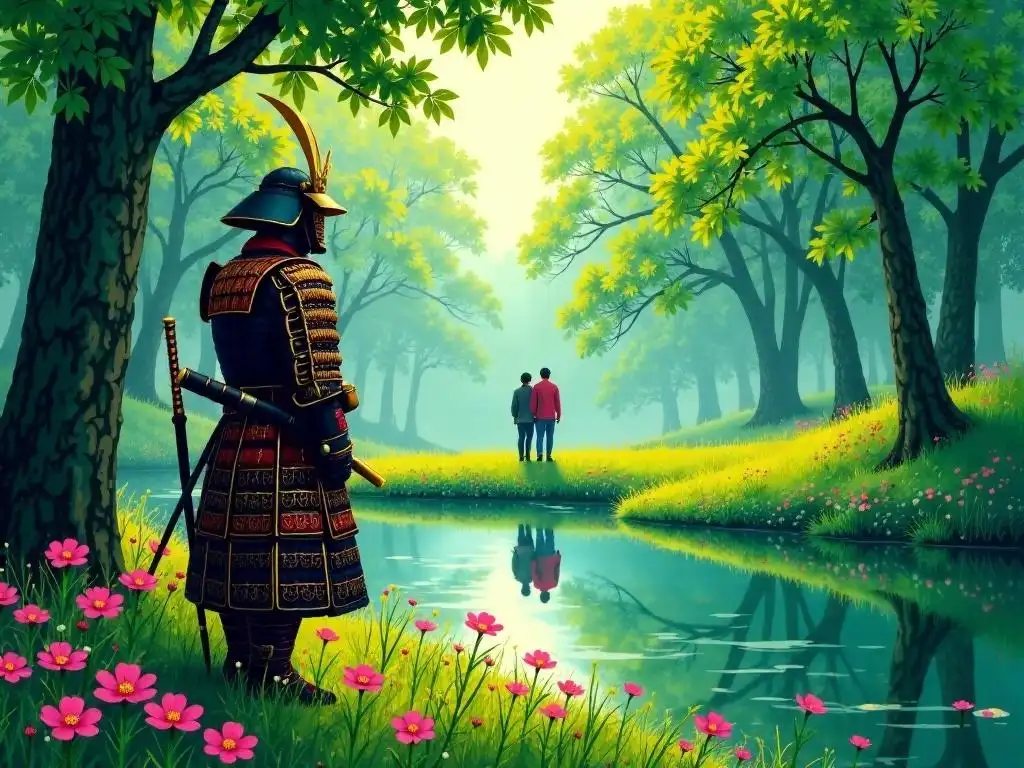
Welcome to Feudal Japan History, where we invite you to embark on an extraordinary journey back in time. Discover the captivating world of the Samurai, where honor, tradition, and artistry intertwine in a rich tapestry of culture. In our featured article, "The Art of the Samurai: Cultural Tours That Bring History to Life," we delve into the immersive experiences awaiting you in Japan—experiences that allow you to walk the same paths as these legendary warriors.
Curious how you can connect with the echoes of the past? Join us as we explore the fascinating realm of Samurai cultural tours and unlock the secrets of a bygone era. Your adventure begins here!
Introduction to Samurai Cultural Tours in Japan
Embarking on a journey through Japan's feudal past offers a unique opportunity to immerse oneself in the rich tapestry of samurai culture. Samurai cultural tours in Japan are not merely travel experiences; they are profound explorations that breathe life into the legends of the samurai—those iconic warriors who shaped the country's history and values. These tours offer an engaging blend of historical insight, cultural appreciation, and interactive experiences that connect modern travelers with the traditions and lifestyles of the samurai era.
Through carefully curated itineraries, enthusiasts can traverse the landscapes that once echoed with the sounds of sword clashing and armor clinking. From ancient castles to traditional tea ceremonies, each stop on these tours serves as a portal to understanding the principles of bushido, or the way of the warrior, which emphasized honor, discipline, and loyalty.
Key Highlights of Samurai Cultural Tours
- Historical Sites: Visit significant locations such as the iconic Himeji Castle and the samurai districts of Kanazawa.
- Interactive Experiences: Participate in swordsmanship classes and archery sessions led by skilled practitioners.
- Cultural Immersion: Engage in traditional practices like tea ceremonies and calligraphy, learning the arts that samurai cherished.
- Expert Guides: Benefit from knowledgeable guides who share captivating stories and insights into samurai life.
In this article, we will delve deeper into the various facets of samurai cultural tours available in Japan, exploring how they offer a unique lens through which to view the history, culture, and societal norms of the samurai. Whether you are a history buff, a cultural enthusiast, or simply seeking an unforgettable travel experience, these tours provide an enriching opportunity to connect with the spirit of the samurai.
Understanding the Samurai Legacy

The legacy of the samurai is intricate and deeply woven into the fabric of Japan's history. Emerging during the late Heian period (794-1185), samurai were originally a class of warriors who served the nobility. Over time, they evolved into a distinct social class with unique cultural practices, philosophies, and codes of conduct. Understanding this legacy is crucial for anyone interested in exploring the rich tapestry of Japan's feudal past, particularly through cultural tours that celebrate the samurai's enduring influence.
The Role of Samurai in Feudal Japan
The samurai were not just warriors; they played multifaceted roles throughout feudal Japan. Their influence extended beyond the battlefield into political, social, and cultural realms. Here are some key aspects of their role:
- Military Service: Samurai were primarily known for their military prowess. They served as protectors of their lords' territories, engaging in battles that shaped Japan's political landscape. The loyalty of a samurai to his lord was absolute, often encapsulated in the concept of bushido, or "the way of the warrior," which emphasized loyalty, honor, and courage.
- Political Influence: As the feudal system developed, samurai gained significant political power. Many samurai became daimyōs (feudal lords) who governed vast lands. They held authority over peasants and managed local economies, balancing the needs of their lord with those of their subjects.
- Cultural Patrons: Samurai were also patrons of the arts and culture. They encouraged the development of traditional Japanese arts such as tea ceremonies, calligraphy, and poetry. The aesthetic values of the samurai influenced the cultural landscape, leading to the establishment of unique styles and forms that are still celebrated today.
- Philosophy and Ethics: The samurai's adherence to bushido not only governed their conduct in battle but also shaped their moral framework. This code emphasized virtues such as rectitude, courage, benevolence, respect, honesty, honor, and loyalty, which are still revered in modern Japanese culture.
Through these roles, samurai left an indelible mark on Japan's historical narrative, making their legacy a focal point for cultural tours that seek to illuminate this fascinating chapter in Japanese history.
Key Characteristics of Samurai Culture
Samurai culture is rich with distinctive characteristics that provide insight into the lives and values of these legendary warriors. Here are some of the most significant aspects:
- Bushido: As mentioned earlier, bushido is the ethical code that guided samurai behavior. It encompassed ideals of loyalty, honor, and martial skill, shaping the identity of samurai and their interactions with society.
- Martial Arts: Samurai were trained in various martial arts, with kenjutsu (swordsmanship) being paramount. This training was not just about combat but also about discipline and self-control, reflecting the samurai's commitment to personal growth.
- Weaponry and Armor: The iconic katana symbolizes the samurai's status and skill. Each sword was a work of art, crafted with precision and imbued with spiritual significance. Samurai armor, designed for both functionality and aesthetics, served as a testament to their warrior identity.
- Cultural Practices: The samurai's appreciation for beauty and art is evident in their patronage of traditional practices. Activities such as the tea ceremony ( chanoyu), flower arranging ( ikebana), and Noh theater were not only leisure pursuits but also expressions of their values and aesthetics.
- Spirituality: Many samurai were influenced by Zen Buddhism, which emphasized meditation and mindfulness. This spiritual practice contributed to their mental discipline and resilience, traits that were essential on and off the battlefield.
Understanding these key characteristics enriches the experience of cultural tours focused on the samurai, allowing visitors to appreciate the depth and complexity of this unique warrior class in Japanese history. By engaging with these elements, participants can gain a profound understanding of the samurai's enduring influence on modern Japanese culture.
Types of Samurai Cultural Tours in Japan
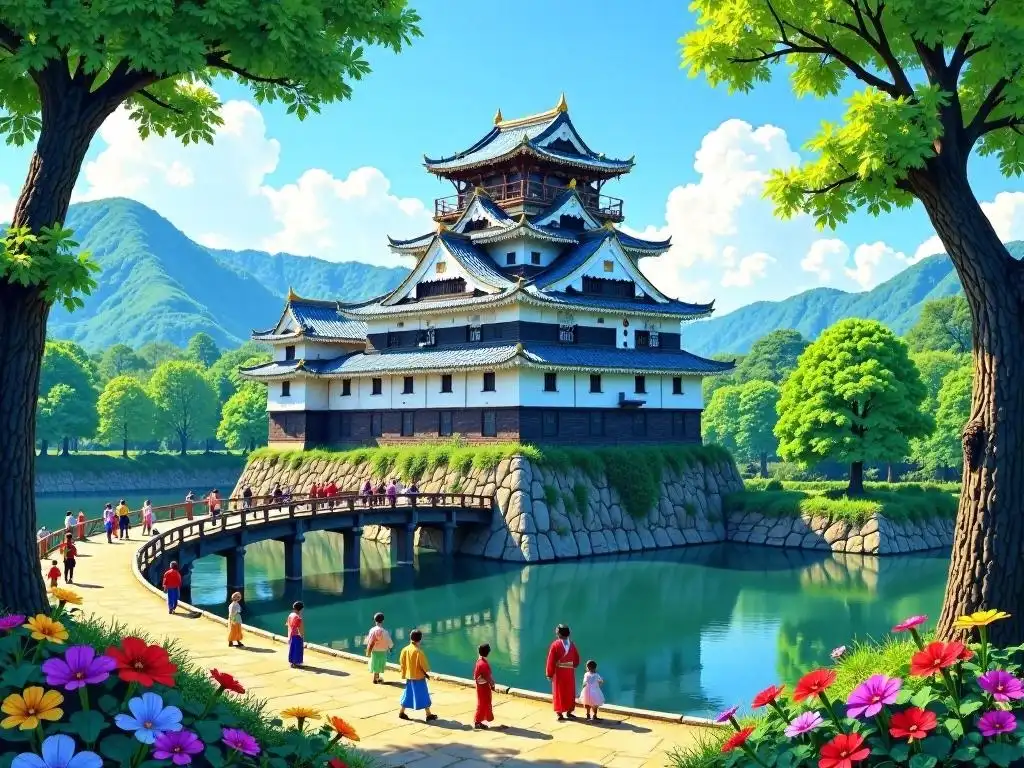
Japan’s feudal era, particularly the age of the samurai, has left an indelible mark on the nation’s cultural heritage. As travelers seek immersive experiences that connect them to this rich history, various types of samurai cultural tours have emerged. Here, we explore three prominent types of tours that bring the samurai legacy to life.
Traditional Samurai Experiences
Traditional Samurai Experiences offer participants a chance to step into the shoes of a samurai, engaging in activities that highlight the skills and lifestyle of these esteemed warriors. Some key features of these tours include:
- Kendo and Iaido Training: Participants can learn the art of swordsmanship through structured lessons in kendo (a modern Japanese martial art) or iaido (the art of drawing the sword). Instructors often share stories about the historical significance of these practices.
- Samurai Costume Experiences: Many tours allow guests to wear authentic samurai armor or costumes, providing an opportunity for photographs and a deeper connection to the samurai identity.
- Tea Ceremony Participation: The samurai culture is intricately linked to the Japanese tea ceremony, symbolizing peace and mindfulness. Tours may include a session where participants can observe or engage in this tranquil ritual.
- Calligraphy Workshops: Guests can learn the art of Japanese calligraphy, often using traditional samurai characters and phrases, which adds a personal touch to their experience.
These experiences not only educate participants about samurai techniques and philosophies but also foster a greater appreciation for Japanese culture.
Historical Tours of Samurai Castles
Japan is dotted with historical castles that served as strongholds during the samurai era. Tours centered around these castles offer a comprehensive look at the architecture, battles, and politics of the time. Key elements of these tours include:
- Guided Tours of Famous Castles: Sites such as Himeji Castle, Matsumoto Castle, and Nagoya Castle are often included in itineraries. Guides typically recount the history of each castle, including anecdotes about the samurai who resided there.
- Exploration of Castle Grounds: Visitors can explore the expansive grounds, including gardens and moats, while learning about the strategic importance of each feature in samurai warfare.
- Special Exhibitions: Some tours may include visits to exhibitions showcasing samurai artifacts, such as weapons, armor, and family crests, allowing participants to appreciate the craftsmanship and significance of these items.
- Cultural Performances: Certain tours offer the chance to witness reenactments of samurai battles or traditional music, providing a vivid sense of the era's atmosphere.
These historical tours are a gateway to understanding the samurai's role in shaping Japan’s political landscape and cultural identity.
Guided Cultural Tours Focusing on Samurai History
Guided cultural tours focusing on samurai history are designed for those who seek a deeper intellectual engagement with the samurai ethos. These tours often include:
- Visits to Historical Sites: Participants may visit significant locations such as battlefields, shrines, and temples that played pivotal roles in samurai history, such as the famous Sanjusangendo Temple in Kyoto, known for its 1001 statues of Kannon.
- Lectures and Discussions: Many tours feature expert-led lectures that delve into various aspects of samurai life, including their code of conduct (Bushido), social hierarchy, and influence on modern Japanese society.
- Local Insights: Engaging with local historians or cultural practitioners offers participants unique perspectives on how the samurai legacy continues to influence contemporary Japan.
- Interactive Experiences: Some tours include hands-on activities such as crafting samurai-inspired art or participating in local festivals that celebrate samurai culture.
These guided tours not only educate but also inspire participants to reflect on the enduring impact of samurai values in today's world, making them a rich educational experience.
By participating in these diverse samurai cultural tours in Japan, travelers can gain a profound understanding of the samurai's historical significance while enjoying the beauty and culture of this fascinating nation.
Benefits of Participating in Samurai Cultural Tours
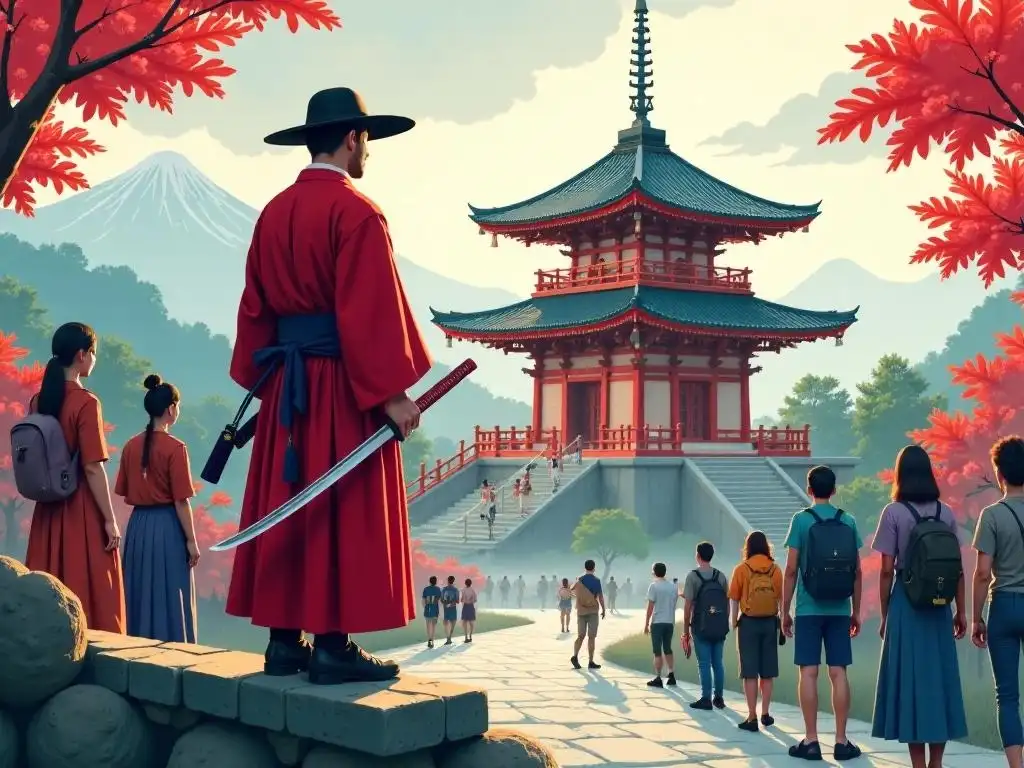
Participating in Samurai cultural tours in Japan offers a multitude of benefits that extend beyond mere sightseeing. These tours are designed to immerse visitors in the rich history and heritage of the Samurai, providing an unparalleled opportunity to understand the complexities of feudal Japan. Here, we delve into the specific advantages of engaging in these culturally enriching experiences.
Educational Insights into Feudal Japan
One of the most significant benefits of Samurai cultural tours is the educational insights they provide into Japan’s feudal era. Tour guides, often experts in Japanese history, share in-depth knowledge about the Samurai's role in society, their code of conduct known as Bushido, and the impact of their legacy on modern Japan.
- Historical Context: Participants learn about the period from the 12th to the 19th centuries when the Samurai were the ruling military class. The tours often include visits to:
- Castles: Such as Himeji Castle, a UNESCO World Heritage Site, where one can explore defensive architectures and understand their strategic significance.
- Battlefields: Sites like the Sekigahara, the location of a decisive battle that shaped the course of Japanese history.
- Cultural Significance: The tours often highlight the philosophical and artistic contributions of the Samurai, including:
- Martial Arts: Demonstrations of traditional martial arts, such as Kendo and Iaido, provide hands-on learning experiences.
- Tea Ceremony: Engaging in a traditional tea ceremony allows visitors to appreciate the Samurai's refined aesthetic and their cultural practices.
- Local Legends and Folklore: Guides often share fascinating tales of legendary Samurai, providing a narrative that brings history to life. This storytelling aspect can deepen the understanding of the implications of Samurai culture in contemporary Japanese society.
Unique Cultural Immersion
Samurai cultural tours offer a unique cultural immersion that transcends typical travel experiences. Participants are not only observers but active learners who engage with the local traditions and practices that have shaped Japan’s identity.
- Interactive Experiences: Many tours include hands-on activities that allow travelers to experience Samurai culture firsthand:
- Costume Experiences: Visitors can dress in traditional Samurai armor and learn about its design and purpose, providing a tangible connection to the past.
- Archery and Sword Techniques: Engaging in Kyudo (Japanese archery) or practicing basic sword techniques can be thrilling ways to connect with Samurai heritage.
- Culinary Adventures: Japanese cuisine has deep ties to its historical context. Many tours incorporate meals that reflect the era's dietary practices, including:
- Kaiseki: A traditional multi-course meal that emphasizes seasonality and presentation, allowing participants to savor dishes inspired by Samurai history.
- Sake Tasting: Learning about the brewing process of sake provides insights into its importance in Samurai culture and social rituals.
- Authentic Accommodations: Some tours offer overnight stays in ryokans (traditional Japanese inns) or temples, enhancing the cultural experience. Guests can enjoy:
- Tatami Mats: Sleeping on tatami mats and enjoying the tranquility of a traditional setting.
- Zen Gardens: Meditative walks through Zen gardens, reflecting the Samurai’s connection to nature and spirituality.
Participating in Samurai cultural tours in Japan presents a unique opportunity to explore the historical, cultural, and societal aspects of the Samurai era. These immersive experiences not only enrich one's understanding of feudal Japan but also foster a deep appreciation for its enduring legacy in modern Japanese culture.
Planning Your Samurai Cultural Tour in Japan
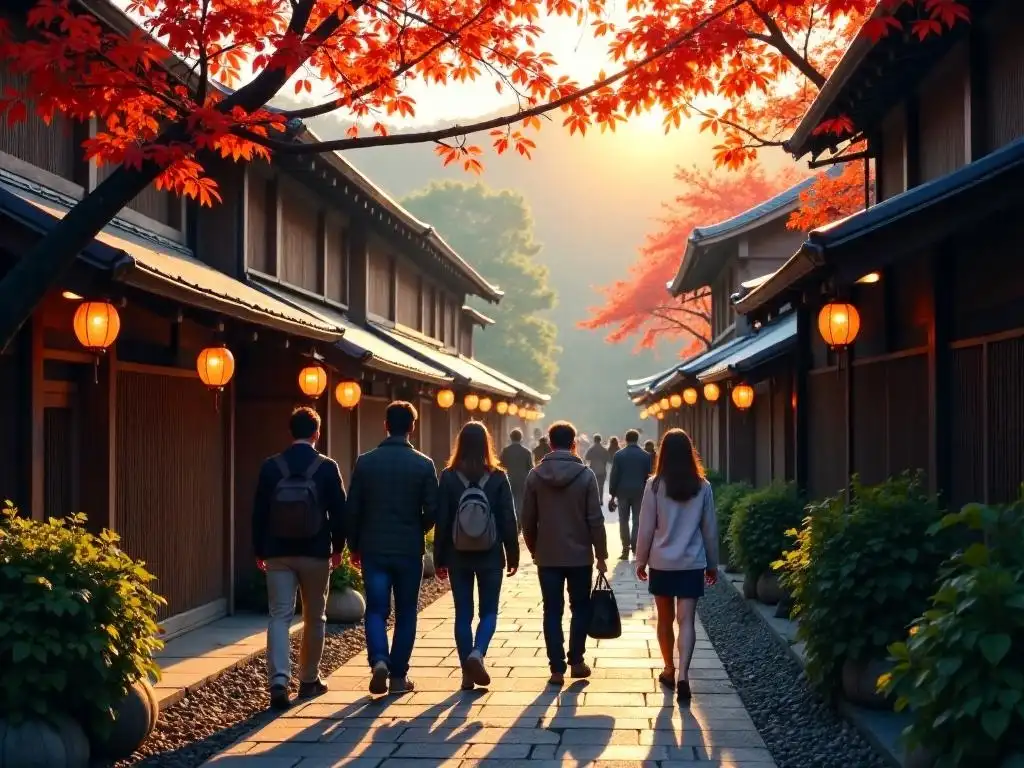
As you embark on planning your Samurai cultural tour in Japan, it’s essential to consider various factors that can enhance your experience. Samurai tours not only provide insights into the lives of these iconic warriors but also immerse you in the rich cultural heritage of Japan. Here are key elements to keep in mind when planning your journey:
- Research Destinations: Focus on locations known for their samurai history, such as Kyoto, Kanazawa, and Edo (now Tokyo). Each city offers unique attractions, including historical castles, museums, and preserved samurai districts.
- Identify Your Interests: Determine whether you are more interested in the historical, martial, or cultural aspects of the samurai. This will help tailor your tour to include activities like sword fighting demonstrations, traditional tea ceremonies, or visits to ancient temples.
- Consider Tour Length: Samurai tours can range from half-day experiences to multi-day excursions. Decide how much time you want to devote to exploring samurai culture and choose a tour that fits your schedule.
- Budgeting: Samurai cultural tours can vary significantly in price. Assess your budget and look for tours that offer the best value for the experiences they provide. Don't forget to factor in additional costs such as meals, souvenirs, and entrance fees.
Best Time to Experience Samurai Tours
When planning your visit to experience Samurai cultural tours in Japan, timing can significantly enhance your experience. Here are the best periods to consider:
- Spring (March to May):
- Cherry Blossom Season: One of the most beautiful times to visit Japan, cherry blossoms bloom across the country, offering a scenic backdrop for samurai-themed activities.
- Festivals: Many regions host festivals during this period, where you can witness samurai reenactments and traditional performances.
- Autumn (September to November):
- Fall Foliage: The vibrant autumn colors create stunning landscapes that complement samurai sites.
- Cultural Events: Autumn is rich with cultural festivals celebrating samurai heritage, including martial arts demonstrations.
- Avoiding the Crowds:
- While spring and autumn are popular, consider visiting during the shoulder seasons (late winter or early summer). These times may offer fewer crowds while still allowing access to significant samurai sites and experiences.
How to Choose the Right Samurai Cultural Tour
Selecting the ideal Samurai cultural tour in Japan involves careful consideration of several factors to ensure a fulfilling experience. Here’s a guide to help you make the right choice:
- Tour Type:
- Guided Tours: Opt for tours led by knowledgeable guides who can offer in-depth historical context and engage with participants.
- Self-Guided Options: If you prefer exploring at your own pace, consider self-guided tours that provide flexibility and personal discovery.
- Activities Included:
- Look for tours that offer a mix of activities, such as:
- Kendo Classes: Participate in martial arts sessions to learn about the samurai's combat skills.
- Cultural Workshops: Engage in traditional crafts or tea ceremonies that provide a deeper understanding of samurai culture.
- Look for tours that offer a mix of activities, such as:
- Group Size:
- Smaller groups often allow for a more personalized experience and better interaction with guides. Check the group size limit before booking.
- Reviews and Recommendations:
- Research online reviews and seek recommendations from previous participants. Platforms like travel blogs and forums can provide insights into the most reputable tour providers.
- Accessibility and Comfort:
- Ensure the tour accommodates any specific needs you may have, including mobility issues or dietary restrictions.
By carefully considering these elements, you can curate a memorable experience that truly brings the art of the samurai to life.
Conclusion: Embrace the Samurai Spirit through Cultural Tours
The allure of the samurai extends far beyond their legendary prowess in battle; it embodies a rich tapestry of cultural heritage, philosophy, and artistry that has shaped Japan's identity. Engaging in samurai cultural tours in Japan allows travelers to immerse themselves in this fascinating world, experiencing firsthand the traditions and principles that guided these noble warriors. From exploring ancient castles to participating in traditional martial arts, these tours provide a unique opportunity to connect with Japan's history on a deeper level.
The intricate details of samurai life—such as the significance of the katana, the art of tea ceremonies, and the aesthetic of Zen gardens—are not merely artifacts of the past; they continue to influence modern Japanese culture. By participating in these tours, visitors can gain insights into the samurai's code of honor, known as Bushido, which emphasizes loyalty, courage, and respect. This philosophical framework is not only a historical footnote but also a guiding principle that resonates in contemporary Japan.
Additionally, these cultural experiences often include interactions with skilled artisans and practitioners who uphold samurai traditions. Engaging with experts provides a richer understanding of the craftsmanship involved in sword-making, armor design, and even traditional Japanese theater, such as Noh and Kabuki, which are deeply intertwined with samurai culture.
Embracing the samurai spirit through cultural tours offers a multifaceted exploration of Japan’s feudal era, making the history of the samurai accessible and alive for all. Whether you're a history enthusiast, a martial arts practitioner, or simply a curious traveler, these tours promise an unforgettable journey into the heart of Japan's past.
Call to Action: Book Your Samurai Cultural Tour Today
Are you ready to step into the world of the samurai? Book your samurai cultural tour today and experience the rich heritage of Japan's feudal era firsthand! With a variety of options available, from guided tours of historic sites to immersive workshops that let you try your hand at traditional arts, there's something for everyone.
- Choose your adventure: Select from a range of itineraries that focus on different aspects of samurai culture, such as:
- Historical Tours: Explore ancient castles and battlefields.
- Martial Arts Experiences: Engage in training sessions with skilled instructors.
- Cultural Workshops: Participate in tea ceremonies and calligraphy classes.
Don't miss out on this unique opportunity to connect with Japan's rich history. Embrace the samurai spirit and create memories that will last a lifetime. Get started on your journey by visiting our booking page today!
🔗 Explore our options and secure your spot now!
Frequently Asked Questions
What are Samurai cultural tours in Japan?
Samurai cultural tours in Japan are immersive experiences that allow visitors to explore the history and traditions of the samurai era, often including visits to historical sites, museums, and demonstrations of martial arts.
How can I book a Samurai cultural tour?
You can book a Samurai cultural tour through various travel agencies, online platforms, or directly with local tour operators in regions known for their samurai heritage, such as Kyoto and Kamakura.
What can I expect to learn on a Samurai cultural tour?
During a Samurai cultural tour, participants can expect to learn about samurai history, their code of ethics (Bushido), and their influence on Japanese culture, along with unique insights into traditional practices such as swordsmanship.
Are these tours suitable for families?
Yes, many Samurai cultural tours are designed to be family-friendly, offering engaging activities for all ages, including interactive demonstrations and educational workshops that make history accessible and fun.
What is the best time to take a Samurai cultural tour in Japan?
The best time for Samurai cultural tours is during the spring and autumn, when the weather is pleasant, and you can enjoy beautiful seasonal scenery, such as cherry blossoms or colorful fall foliage, enhancing your overall experience.
Final Reflection: Embracing the Legacy of the Samurai Through Cultural Tours
The exploration of Samurai cultural tours in Japan is not just a journey through history; it is a profound connection to the values and artistry that shaped a nation. In today’s fast-paced world, where the past often feels distant, these tours serve as a bridge, allowing us to engage with the rich tapestry of Japanese culture. The art of the Samurai is more than mere swordsmanship; it embodies discipline, honor, and the pursuit of perfection.
Cultural tours that focus on the Samurai offer an immersive experience that resonates deeply with our contemporary lives. They remind us of the importance of heritage and the lessons that can be gleaned from the past. As we witness the dedication to craftsmanship in traditional arts, we are inspired to cultivate our own passions with the same fervor. The true warrior is not the one who conquers others, but the one who conquers himself.
This quote encapsulates the essence of the Samurai spirit, urging us to reflect on our own journeys of self-mastery and personal growth.
As you consider the insights gained from the art of the Samurai, I invite you to embark on your own journey of exploration. Reflect on how the principles of honor, discipline, and artistry can influence your life. Whether through travel, study, or personal practice, let the legacy of the Samurai inspire you to forge a path that honors your own history while embracing the future. Take the lessons of the past and apply them to your present, creating a life that is not only rich in culture but also deeply fulfilling.
Experience the Spirit of the Samurai Today!
Thank you for diving into the rich tapestry of Samurai culture with us! We hope you've gained valuable insights into their artistry and legacy. Now it’s time to take the next step and immerse yourself in this incredible history.
Here’s how you can connect with the vibrant world of the Samurai:
- Join a cultural tour to witness traditional Samurai practices firsthand and feel the energy of the past.
- Explore local museums or online exhibitions to dive deeper into the artifacts and stories that shaped this remarkable era.
- Share this article with friends or create a discussion group to ignite conversations about Samurai culture in your community.
What captivating Samurai story or tradition would you love to explore further?