
Traditional Crafts and Samurai Art: Tours That Showcase Japan's Heritage

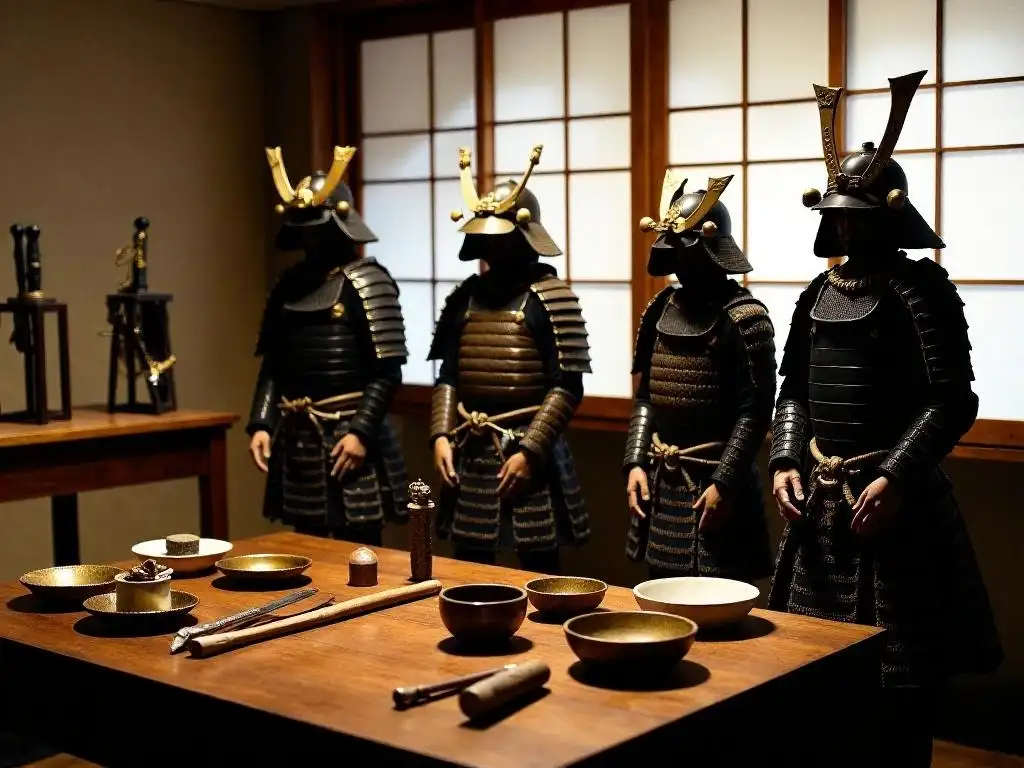
Welcome to Feudal Japan History, where we invite you to embark on a captivating journey through the intricate tapestry of Japan's feudal era. In our featured article, "Traditional Crafts and Samurai Art: Tours That Showcase Japan's Heritage," we delve into the mesmerizing world of Japan samurai art tours—a unique opportunity to experience the artistry and culture that defined a nation.
Curious about how centuries-old traditions continue to inspire modern travelers? Join us as we uncover the stories behind these remarkable crafts and the warriors who once wielded them, igniting your passion for exploration and understanding of this fascinating period in history.
- Introduction to Japan's Samurai Art Tours
- Exploring the Best Japan Samurai Art Tours
- The Role of Traditional Crafts in Samurai Art
- Cultural Insights Gained from Samurai Art Tours
- Tips for Choosing the Right Japan Samurai Art Tour
- Conclusion: Embracing Japan’s Heritage Through Samurai Art Tours
- Frequently Asked Questions
- Final Reflection: Embracing Japan's Heritage Through Samurai Art Tours
- Unveil Japan's Timeless Heritage Through Craft Tours!
Introduction to Japan's Samurai Art Tours
Japan's rich historical tapestry is intricately woven with the valor and artistry of the samurai, whose legacy continues to captivate enthusiasts and travelers alike. In the realm of samurai art tours, visitors embark on a remarkable journey that delves deep into the cultural heritage of feudal Japan. These tours not only highlight the aesthetic prowess of samurai artifacts but also provide a profound understanding of the values and traditions that shaped this iconic warrior class.
From the intricate craftsmanship of armor and weapons to the elegance of traditional crafts, these experiences offer a unique lens through which to appreciate Japan's feudal era. As we explore the significance of samurai art in Japanese culture and the role of traditional crafts, we uncover the enduring impact of these elements on contemporary Japanese identity and tourism.
Understanding the Importance of Samurai Art in Japanese Culture
The samurai were more than just warriors; they were also esteemed artisans whose contributions to art and culture have left an indelible mark on Japan's heritage. The importance of samurai art cannot be overstated, as it reflects the values of honor, discipline, and aesthetic beauty that the samurai embodied. Key aspects include:
- Armor and Weaponry: Samurai armor, known as yoroi, and weapons like the katana are not only functional but also masterpieces of craftsmanship. Intricate designs and materials used in their creation signify the samurai's status and individuality.
- Calligraphy and Painting: Many samurai were skilled in the arts of calligraphy and painting, which were considered essential skills alongside martial prowess. These artistic expressions conveyed philosophical ideas and aesthetics central to the samurai ethos.
- Tea Ceremony and Zen Practices: The samurai also played a pivotal role in the development of the Japanese tea ceremony, a practice steeped in Zen philosophy. This cultural ritual emphasizes mindfulness and simplicity, reflecting the samurai's pursuit of inner peace.
Through dedicated tours, participants gain insight into these artistic traditions, allowing them to appreciate the profound influence of samurai culture on Japan's broader artistic landscape.
Overview of Traditional Crafts in Feudal Japan
During the feudal era, Japan saw the flourishing of various traditional crafts that were often intertwined with samurai culture. These crafts not only served practical purposes but also carried deep cultural significance. Key traditional crafts include:
- Textiles: The production of silk and cotton textiles was highly regarded. Samurai families often commissioned beautiful garments that reflected their status and wealth.
- Metalwork: Artisans specializing in metalwork created exquisite swords, armor, and ornamental objects. The craftsmanship involved in forging a katana is particularly revered, with techniques passed down through generations.
- Pottery and Ceramics: Unique pottery styles emerged, often used in the tea ceremony. These ceramics reflect the aesthetic values of simplicity and natural beauty cherished by the samurai.
- Woodworking: The craft of woodworking produced not only functional objects but also intricate sculptures and furniture that adorned samurai homes.
These traditional crafts are celebrated in Japan today, and tours often include visits to workshops where artisans continue to practice these time-honored techniques, providing a living connection to the past.
Significance of Japan Samurai Art Tours in Preserving Heritage
Japan samurai art tours play a crucial role in preserving the rich heritage of feudal Japan. By engaging with history through immersive experiences, these tours contribute to cultural preservation in several ways:
- Education and Awareness: Participants learn about the historical context and significance of samurai art and crafts, fostering a deeper appreciation for Japan's cultural heritage.
- Support for Artisans: Many tours include visits to local artisans, providing them with economic support and helping to keep traditional crafts alive in a rapidly modernizing society.
- Cultural Exchange: These tours promote cultural exchange between Japanese artisans and international travelers, allowing for a shared appreciation of the unique aspects of samurai culture and its artistic expressions.
Japan samurai art tours offer a compelling opportunity to explore the intersection of history, culture, and artistry. They not only enrich the travel experience but also play a vital role in ensuring that the legacy of the samurai continues to inspire future generations.
Exploring the Best Japan Samurai Art Tours

Top-Rated Tours for Authentic Samurai Experiences
Japan's samurai art tours offer an unparalleled opportunity to delve into the rich heritage of the samurai class, showcasing the craftsmanship and cultural significance that defined this era. These tours not only highlight the martial prowess of the samurai but also provide insight into their artistic contributions.
Here are some top-rated tours that stand out for their authenticity and immersive experiences:
- Samurai Experience in Kyoto: This tour combines a visit to historic sites with hands-on activities, allowing participants to don traditional armor and engage in swordsmanship.
- Edo Period Craftsmanship Tour in Tokyo: Focused on the craftsmanship of the Edo period, this tour includes visits to artisan workshops where visitors can see the creation of samurai swords and other traditional crafts.
- Nara Samurai Culture Tour: This tour explores the roots of samurai culture in Nara, providing a historical context while engaging in interactive experiences like archery.
Samurai and Craftsmanship Tour: A Deep Dive into Samurai History
The Samurai and Craftsmanship Tour provides a comprehensive exploration of the samurai's legacy. Participants begin their journey at historic castles and battlefields, where guides share captivating stories about famous samurai and their contributions to Japanese history.
Highlights of the tour include:
- Visits to Important Historical Sites: Tour stops may include the Nijo Castle, where visitors can learn about the shogunate's role in governance during the samurai era.
- Workshops with Local Artisans: Participants have the chance to engage with skilled artisans who specialize in samurai crafts, such as sword making and armor crafting, reinforcing the connection between history and craftsmanship.
- Cultural Demonstrations: The tour often features traditional martial arts demonstrations, offering insight into the techniques and philosophies that guided samurai warriors.
Armor Crafting Workshop: Crafting Traditional Japanese Armor
One of the most unique experiences available on samurai art tours is the armor crafting workshop. This hands-on activity allows participants to immerse themselves in the art of constructing traditional Japanese armor, known as yoroi.
Workshop Details:
- Expert Guidance: Skilled craftsmen lead the workshops, sharing their extensive knowledge of materials, techniques, and historical significance.
- Materials Used: Participants work with authentic materials like lacquered leather, silk, and metal, gaining an appreciation for the intricacy of samurai armor design.
- Take-Home Souvenirs: Many workshops offer participants the opportunity to create a small piece of armor to take home, ensuring a lasting memory of their experience.
Unique Features of Each Tour
Each samurai art tour offers distinct features that enhance the experience for participants. Here are some unique aspects to consider:
Hands-On Experiences with Artisans
A hallmark of these tours is the opportunity for hands-on experiences with local artisans. Participants can engage in various traditional crafts, including:
- Sword Forging: Learning the intricate process behind creating katana blades.
- Doll Making: Crafting traditional samurai dolls that represent historical figures.
- Textile Weaving: Understanding the art of creating garments with patterns inspired by samurai aesthetics.
This direct interaction fosters a deep appreciation for the skills and dedication required to uphold these ancient crafts.
Guided Tours Through Historic Samurai Districts
Another remarkable feature of samurai art tours is the guided exploration of historic samurai districts. These areas are rich in cultural heritage and offer a glimpse into daily life during the feudal era. Key elements include:
- Preserved Architecture: Visitors can admire traditional buildings and streets that have remained unchanged for centuries.
- Local Museums: Many tours include visits to museums dedicated to samurai history, showcasing armor, weapons, and artworks.
- Stories from the Past: Guides often share anecdotes about famous samurai and their influence on Japanese culture, enhancing the overall experience.
Immersive Cultural Activities: Calligraphy and Sword Making
In addition to exploring physical artifacts, samurai art tours incorporate immersive cultural activities that allow participants to engage with the arts deeply. Notable activities include:
- Calligraphy Classes: Participants can learn the art of Japanese calligraphy, understanding its significance to samurai culture and philosophy.
- Sword Making Workshops: These workshops provide a comprehensive overview of the sword-making process, allowing participants to create their own practice swords.
- Tea Ceremony Participation: Some tours offer the chance to partake in traditional tea ceremonies, connecting participants to the meditative practices valued by samurai.
Through these multifaceted experiences, travelers gain a profound understanding of Japan's samurai heritage, making their journey truly unforgettable.
The Role of Traditional Crafts in Samurai Art
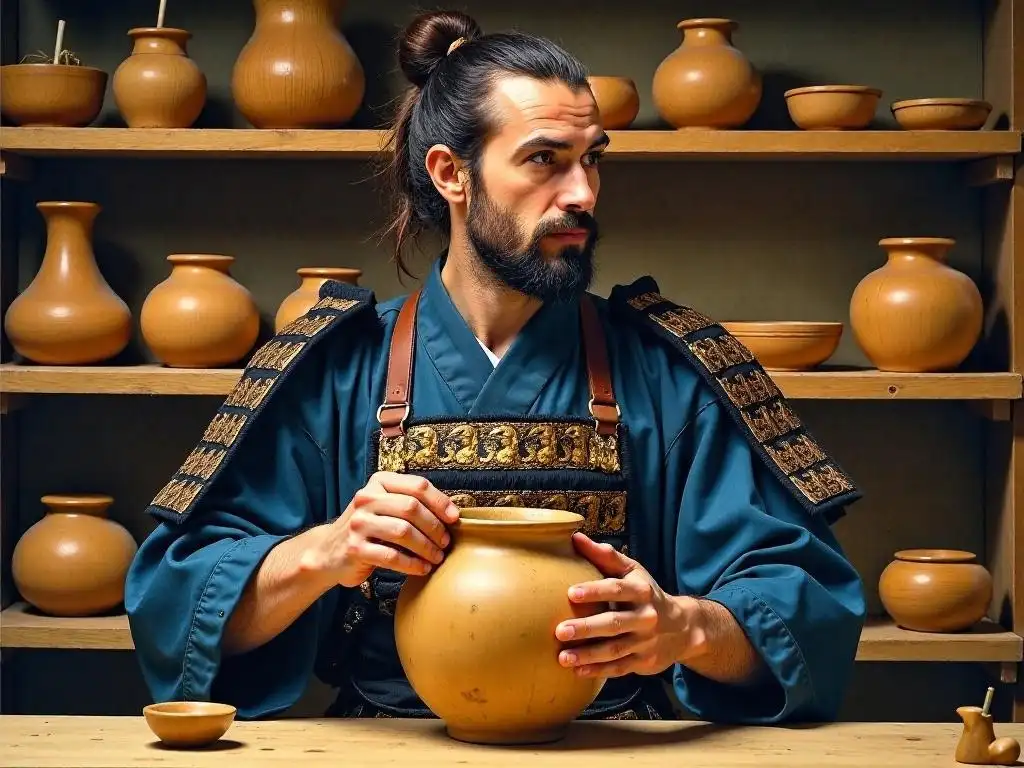
Traditional crafts hold a significant place in the rich tapestry of Japan's samurai culture, embodying the principles of beauty, honor, and dedication. These crafts not only serve as a testament to the skills of artisans but also enhance the overall experience of Japan samurai art tours. Each craft reflects a unique aspect of samurai life, reflecting their values, aesthetics, and the deep connection between art and functionality.
Craftsmanship in feudal Japan was not merely about creating objects; it was an expression of the samurai spirit. Artisans dedicated their lives to mastering their craft, often passing down techniques and philosophies through generations. Therefore, understanding these traditional crafts is crucial for anyone looking to delve into the samurai heritage during their travels.
Key Traditional Crafts Associated with Samurai Culture
The Art of Kintsugi: Repairing with Gold
Kintsugi, the art of repairing broken pottery with lacquer dusted or mixed with powdered gold, silver, or platinum, is a profound metaphor for samurai philosophy. This craft emphasizes the beauty of imperfection and the value of history, resonating deeply with the samurai's acceptance of life’s transience and the scars that come from battle.
- Philosophical Significance: Kintsugi aligns with the Japanese concept of wabi-sabi, which finds beauty in imperfection and transience. For the samurai, this reflected their understanding of honor and the acceptance of one's flaws.
- Cultural Relevance: Artisans practice Kintsugi in workshops that often accompany samurai art tours, allowing participants to engage with this craft. Here, visitors can learn how to transform broken pieces into beautiful art, experiencing firsthand the patience and skill involved.
The Craft of Katana Making: A Symbol of Samurai Honor
The katana, known for its distinctive curved, single-edged blade, is not just a weapon but a symbol of the samurai's honor, discipline, and artistic expression. The craft of katana making, or tōkō, dates back centuries and involves meticulous processes that highlight the samurai's connection to their swords.
- Artisanal Process: Creating a katana involves several stages, including forging, tempering, and polishing. Each step requires precision and expertise, often taking months to complete a single blade. The skill involved is a reflection of the samurai's own training and dedication.
- Experiential Learning: Many Japan samurai art tours offer the opportunity to visit workshops where master swordsmiths demonstrate their techniques. Tourists can observe the intricate process and even participate in crafting their own small pieces, gaining appreciation for this revered art form.
How These Crafts Enhance the Japan Samurai Art Tours Experience
Incorporating traditional crafts into Japan samurai art tours significantly enriches the visitor experience. Tourists are not merely spectators; they become participants in a cultural narrative that spans centuries.
- Hands-On Workshops: Many tours include hands-on experiences where participants can try their hand at Kintsugi or katana making. This interactive approach fosters a deeper understanding of the samurai ethos and the craftsmanship behind these art forms.
- Cultural Immersion: By engaging with these crafts, participants gain insight into the values that shaped samurai culture, such as perseverance, respect for materials, and the beauty of transformation. This cultural immersion is essential for a holistic experience in Japan.
- Connection to Heritage: Each craft serves as a bridge to the past, allowing tourists to connect with the traditions that define Japan's feudal era. The stories behind the crafts, combined with the hands-on experiences, create lasting memories and foster a greater appreciation for Japan's rich heritage.
Traditional crafts are not just artistic expressions but vital components of the samurai narrative. By participating in Japan samurai art tours that emphasize these crafts, travelers can explore the profound connections between art, culture, and history that define Japan's feudal era.
Cultural Insights Gained from Samurai Art Tours
Learning the Historical Context of Samurai Art
Samurai art is deeply intertwined with Japan's feudal history, offering a unique glimpse into the values, beliefs, and aesthetics of the samurai class. Participating in Japan samurai art tours allows visitors to immerse themselves in the historical context of this art form, revealing how it reflects the societal structures and philosophies of the time.
Key Historical Aspects:
- Bushido Code: This code of conduct emphasized virtues such as loyalty, honor, and discipline, influencing the themes and subjects of samurai art.
- Feudal Hierarchies: The samurai were not just warriors; they were also patrons of the arts, commissioning works that depicted their status and achievements.
- Cultural Exchanges: The interaction between samurai and various cultures—including Chinese and Korean—enriched the artistic expressions seen in traditional crafts and artworks.
Through guided visits to historical sites, museums, and artisan workshops, tour participants gain insights into how these elements shaped the distinctive characteristics of samurai art. For instance, the intricate designs of katana (swords) not only serve a functional purpose but also display the craftsmanship and artistic ideals of the samurai era.
The Influence of Samurai Aesthetics on Modern Japanese Culture
The legacy of samurai aesthetics extends far beyond the feudal era, permeating various aspects of modern Japanese culture. Understanding this influence is a significant part of Japan samurai art tours, where participants can explore how traditional samurai values and artistic expressions continue to resonate today.
Areas of Influence:
- Design and Architecture: Elements of samurai aesthetics are evident in contemporary Japanese architecture, such as the use of natural materials and minimalist design principles.
- Fashion: Modern fashion often draws inspiration from samurai attire, incorporating motifs and fabrics that reflect the elegance of historical garments.
- Pop Culture: Anime, manga, and video games frequently reference samurai themes, showcasing the enduring fascination with this warrior class.
The tours often include interactive experiences, such as workshops on kimono-making or calligraphy, allowing participants to engage with these cultural elements firsthand. Such activities highlight the continuity of samurai artistry in contemporary practices, bridging the gap between past and present.
Personal Stories: Testimonials from Tour Participants
Hearing personal testimonials from individuals who have taken Japan samurai art tours provides a rich perspective on the cultural insights gained from these experiences. Participants often share transformative stories that illustrate the profound impact of immersing themselves in the world of samurai art.
Common Themes in Testimonials:
- Connection to Heritage: Many participants express a newfound appreciation for their cultural roots, often discovering familial ties to samurai history.
- Artistic Inspiration: Attendees frequently report feeling inspired by the craftsmanship and creativity displayed in samurai arts, motivating them to explore their own artistic pursuits.
- Cultural Exchange: Participants highlight the value of engaging with local artisans and historians, enriching their understanding of the cultural significance behind the art forms.
One participant noted, "The samurai art tour not only taught me about the techniques used in sword making but also opened my eyes to the philosophy behind each piece. It was a journey through history that I will cherish forever." Such reflections underscore the depth of knowledge and personal growth that can arise from exploring Japan's samurai heritage through these specialized tours.
Tips for Choosing the Right Japan Samurai Art Tour
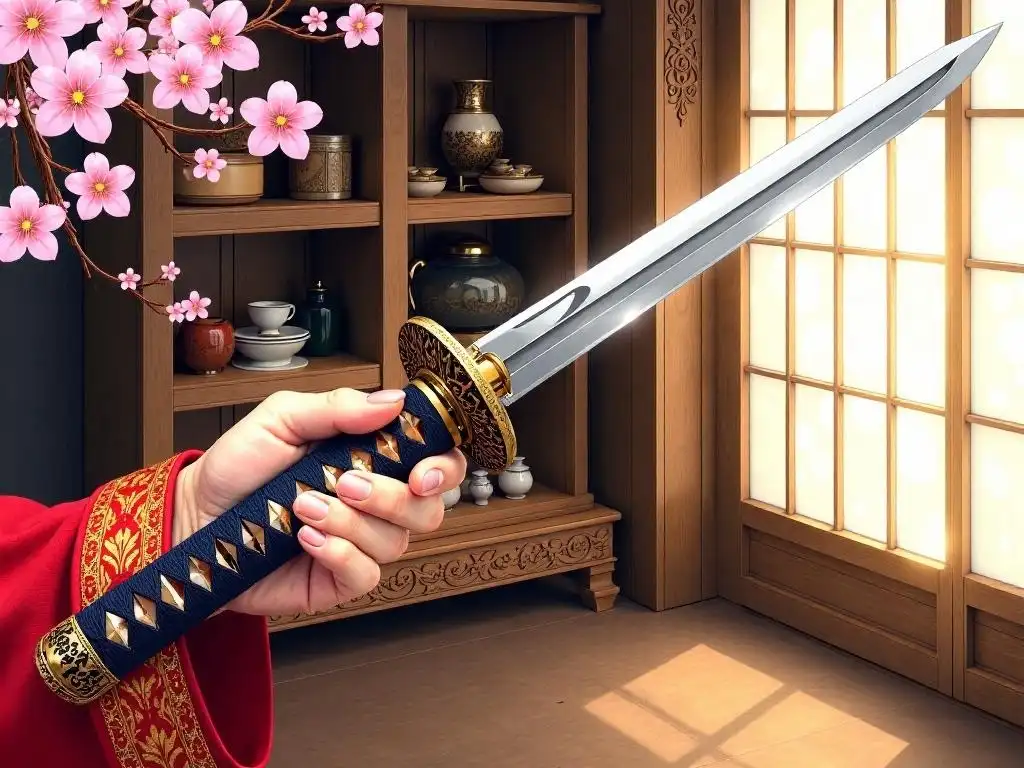
When planning your journey through the rich heritage of Japan, particularly in the realm of samurai art and traditional crafts, selecting the right tour can significantly enhance your experience. Here are some essential tips to help you make the best choice for your Japan samurai art tour.
Factors to Consider When Selecting a Tour
Choosing a tour involves several critical factors that can influence your overall experience. By paying attention to the following aspects, you can ensure that your tour aligns with your interests and expectations.
Duration and Itinerary of the Tours
The duration of a tour plays a crucial role in what you can experience. Tours can vary from half-day excursions to week-long immersions. When evaluating duration, consider the following:
- Half-Day Tours: Ideal for those with limited time, offering brief introductions to samurai art through workshops or museum visits.
- Full-Day Tours: Provide a more comprehensive experience, including visits to multiple sites and possibly a hands-on craft session.
- Multi-Day Tours: For the dedicated traveler, these tours often include in-depth explorations of various samurai castles, temples, and artisan workshops across regions.
Itinerary is equally important; ensure that the tour includes key destinations relevant to samurai history, such as:
- Historic sites like Himeji Castle or Nijo Castle.
- Workshops with local artisans specializing in traditional crafts such as sword making or lacquerware.
A well-structured itinerary that balances historical education with cultural immersion will provide a richer experience.
Expertise of the Guides in Samurai History
The expertise of the guides can significantly impact your understanding and appreciation of samurai art. Look for tours led by professionals who possess:
- Educational Background: Guides with degrees in history or cultural studies related to Japan can offer deeper insights.
- Experience: Consider guides who have worked in the field for several years or have specific training in traditional arts.
- Language Skills: Ensure that the guide can communicate effectively in your language, enhancing your engagement with the material.
A knowledgeable guide will not only share facts but also narrate compelling stories about samurai culture, making the tour memorable.
Availability of Hands-On Craft Experiences
One of the most enriching aspects of a samurai art tour is the opportunity for hands-on experiences. Look for tours that offer interactive elements such as:
- Workshops: Participate in crafting sessions where you can learn traditional techniques, such as:
- Sumi-e (ink painting).
- Origami.
- Kimono dyeing.
- Demonstrations: Many tours include live demonstrations from artisans, providing a unique glimpse into the craftsmanship behind samurai art.
- Cultural Immersion: Some tours might allow you to wear a kimono or practice calligraphy, further enriching your understanding of the samurai way of life.
Choosing a tour that incorporates hands-on experiences not only makes the journey more engaging but also allows for a personal connection to Japan's artistic heritage.
By considering these factors, you can select a Japan samurai art tour that aligns with your interests and offers a comprehensive, immersive experience in Japan's rich cultural tapestry. Whether you're an avid history buff or simply curious about the samurai legacy, the right tour can illuminate the path of Japan's feudal era through its art and crafts.
Conclusion: Embracing Japan’s Heritage Through Samurai Art Tours
Encouragement to Explore the Richness of Samurai Culture
Japan's feudal era is a treasure trove of cultural heritage, with samurai art at its heart. From intricately designed armor to stunning calligraphy and elegant tea ceremonies, the craftsmanship of this period reflects the values and aesthetics of samurai culture. Engaging in Japan samurai art tours offers travelers a unique opportunity to immerse themselves in this rich historical tapestry.
These tours often include hands-on experiences, allowing participants to create their own pieces inspired by traditional techniques. Whether it’s learning the art of katana forging or participating in an authentic Noh theater performance, these activities foster a deeper appreciation for the skills and dedication that define samurai artistry.
Moreover, visiting historical sites, such as ancient castles and temples, enhances the experience. Travelers can walk the same paths as legendary samurai, gaining insights into their lives and the societal structures of the time. This interactive exploration not only enriches one’s understanding but also creates lasting memories of Japan’s profound heritage.
Final Thoughts on the Value of Japan Samurai Art Tours for Travelers
The significance of Japan samurai art tours extends beyond mere sightseeing; they provide a gateway to understanding the intricate relationship between art, culture, and history. These tours allow travelers to connect with the past in meaningful ways, fostering a sense of respect for the traditions that have shaped modern Japan.
Participating in these tours can lead to personal growth and enrichment. As visitors engage with artisans and cultural historians, they can reflect on the philosophies behind samurai art, such as honor, discipline, and aesthetic beauty. This connection to the past can inspire a new appreciation for art and craftsmanship in everyday life.
Samurai art tours are more than just travel experiences; they are a celebration of Japan’s cultural identity. They invite travelers to actively participate in the preservation of heritage while nurturing a sense of global understanding and respect for diverse histories. Embrace the journey and let the spirit of the samurai guide you through Japan’s remarkable past.
Frequently Asked Questions
What are Japan samurai art tours?
Japan samurai art tours are guided experiences that allow visitors to explore the historical and cultural significance of samurai art, including traditional crafts, weapons, and armor.
What can I expect to see on a samurai art tour?
On a samurai art tour, you can expect to see exquisite craftsmanship in items like swords, armor, and textiles, as well as learn about samurai history and the role of these warriors in Japanese culture.
Are these tours suitable for families?
Yes, many Japan samurai art tours are designed to be family-friendly, offering engaging activities that cater to both adults and children, making it a great educational experience for all ages.
How long do samurai art tours typically last?
Most samurai art tours last between half a day to a full day, allowing ample time to visit various historic sites and workshops that showcase samurai arts and crafts.
How can I book a samurai art tour in Japan?
You can book a samurai art tour through various travel agencies, online platforms, or directly with local museums and cultural centers that offer these unique experiences.
Final Reflection: Embracing Japan's Heritage Through Samurai Art Tours
The exploration of traditional crafts and samurai art is not just a journey into Japan's past; it is a vital connection to its present and future. As we navigate a world increasingly dominated by technology and rapid change, these art forms remind us of the beauty and significance of craftsmanship, discipline, and cultural identity. The resurgence of interest in Japan samurai art tours highlights a collective yearning to understand and appreciate the intricate narratives woven into each piece of art, making it more relevant than ever.
The influence of samurai art and traditional crafts extends beyond mere aesthetics; it shapes our cultural consciousness and fosters a deeper appreciation for history. From the meticulous techniques of sword-making to the delicate brush strokes of calligraphy, these crafts embody a philosophy that values patience, precision, and respect for materials. As the renowned artist Katsushika Hokusai once said, "> The only thing that is constant is change." This quote resonates deeply as we witness the revival of these ancient practices, reminding us that while the world evolves, the essence of Japan's heritage remains a guiding force.
As you reflect on the significance of Japan's samurai art tours, consider how you can incorporate the lessons of tradition and craftsmanship into your own life. Take a moment to appreciate the artistry that surrounds you, whether through travel, local crafts, or personal hobbies. Embrace the spirit of the samurai—dedication, honor, and a commitment to excellence—and let it inspire your journey. By engaging with these timeless traditions, you not only enrich your own life but also contribute to the preservation of a culture that deserves to be celebrated for generations to come.
Unveil Japan's Timeless Heritage Through Craft Tours!
Thank you for diving into the rich world of traditional crafts and samurai art. We hope you gained valuable insights into Japan's unique heritage. Now, let’s take that curiosity to the next level! Here are some exciting ways you can connect with this vibrant culture:
- Book a tour that highlights traditional craftsmanship—you'll meet skilled artisans and discover their techniques firsthand!
- Share your favorite crafts on social media using our hashtag #FeudalJapanCrafts to connect with a community of enthusiasts.
- Consider starting your own craft project inspired by your experiences; it’s a meaningful way to engage with the art forms.
Which traditional craft or art form are you most eager to explore further, and how will you incorporate it into your life?