
The World of the Samurai: Educational Tours for Students and Scholars


Welcome to Feudal Japan History, where the echoes of the past come alive through the stories of honor, discipline, and artistry that defined a nation. Dive into our featured article, “The World of the Samurai: Educational Tours for Students and Scholars,” and discover how educational tours in Japan offer a unique lens into the lives of these legendary warriors. Uncover the rich tapestry of samurai culture and see how these immersive experiences can ignite a passion for history in students and scholars alike.
Are you ready to embark on a journey through time? Let's explore the untold stories that await!
Introduction to Samurai Educational Tours in Japan
Embarking on a Samurai educational tour in Japan offers a unique opportunity to delve into the rich history and profound cultural significance of the samurai during Japan's feudal era. These tours are meticulously crafted for students and scholars alike, providing immersive experiences that go beyond traditional classroom learning. Participants can explore ancient castles, visit historical battlefields, and engage with skilled artisans who preserve the samurai's legacy through traditional crafts and martial arts.
During these tours, visitors gain an understanding of the samurai's role not only as warriors but also as influential figures in shaping Japan's societal structures, ethics, and artistry. The educational aspect is further enhanced by knowledgeable guides who share captivating stories, historical context, and detailed insights into the samurai's code of conduct, known as Bushido. As the interest in Japan's feudal history continues to grow, these specialized tours serve as a bridge connecting the past with the present, fostering a deeper appreciation for the cultural heritage of this remarkable period.
The Significance of Samurai in Feudal Japan
The samurai were more than mere soldiers; they were a social class that played a pivotal role in the governance and culture of feudal Japan. Emerging during the late 12th century, the samurai upheld values such as loyalty, honor, and discipline, which were essential to maintaining order in a society characterized by constant warfare and political intrigue. Their influence extended beyond the battlefield, impacting various aspects of Japanese life including art, philosophy, and governance.
- Warriors and Protectors: Samurai were the elite warriors who served feudal lords, known as daimyōs. Their training in martial arts and strategy made them formidable opponents, and they were often called upon to defend their lord's territory.
- Cultural Icons: The samurai also patronized the arts, contributing to the development of various cultural practices such as tea ceremonies, calligraphy, and poetry. Their appreciation for beauty and aesthetics is reflected in the elegant simplicity of sumi-e (ink painting) and ikebana (flower arranging).
- Bushido Code: Central to the samurai's identity was the Bushido code, which emphasized virtues like honor, courage, and benevolence. This ethical framework not only guided their actions in battle but also influenced societal norms and values in Japan.
Understanding the significance of samurai in feudal Japan is crucial for any educational tour, as it provides context to the sites and stories explored. These tours illuminate the complex interplay between the samurai's martial prowess and their contributions to Japan's cultural legacy, making them an enriching experience for students and scholars alike.
Types of Samurai Educational Tours Available in Japan
Japan offers a diverse range of educational tours focused on the samurai culture, providing students and scholars with immersive experiences that highlight the rich history and traditions of this iconic warrior class. These tours can be categorized into three main types:
Traditional Samurai Experience Tours
Traditional Samurai Experience Tours allow participants to step back in time and engage with the samurai lifestyle. These tours typically include hands-on activities such as:
- Kimono Wearing: Guests can don traditional samurai attire, allowing them to experience the clothing that was once worn by these warriors.
- Martial Arts Demonstrations: Participants often have the opportunity to witness or even take part in demonstrations of martial arts such as Kendo or Iaido, learning about the techniques and philosophies that underpinned samurai combat.
- Sword Handling Workshops: Some tours offer workshops where participants can learn about the craftsmanship of samurai swords, including handling techniques and the historical significance of these weapons.
These experiences are often guided by experts in samurai history and martial arts, providing a deep understanding of the cultural context behind each activity.
Historical Site Tours
Historical Site Tours focus on visiting significant locations related to samurai history, including castles, temples, and battlefields. Highlights of these tours may include:
- Castles: Visiting famous feudal castles like Himeji Castle or Kumamoto Castle, where participants can explore the architecture and learn about the strategic importance of these fortifications.
- Temples and Shrines: Tours often include visits to shrines dedicated to samurai, allowing participants to understand the spiritual aspects that influenced samurai culture.
- Battlefields: Some itineraries take scholars to historic battlefields where pivotal conflicts occurred, offering insights into the tactics and events that shaped Japan’s feudal history.
These tours are typically enriched with storytelling and historical context, making them invaluable for those looking to gain a deeper appreciation of the samurai’s role in Japanese society.
Thematic Workshops and Seminars
Thematic Workshops and Seminars offer a more academic approach to understanding samurai culture. These programs often engage participants through lectures, discussions, and practical activities. Key elements include:
- Seminars on Samurai Philosophy: Delving into the ethical and philosophical frameworks that guided samurai behavior, such as Bushido, the way of the warrior.
- Cultural Workshops: Engaging in traditional crafts like calligraphy, tea ceremonies, or flower arranging, which were often associated with samurai culture.
- Historical Lectures: Led by historians or cultural experts, these lectures provide detailed insights into specific topics such as the samurai’s influence on modern Japan or the evolution of their role throughout history.
These workshops cater to educators and scholars seeking a comprehensive understanding of samurai culture beyond mere observation.
Planning Your Samurai Educational Tour in Japan
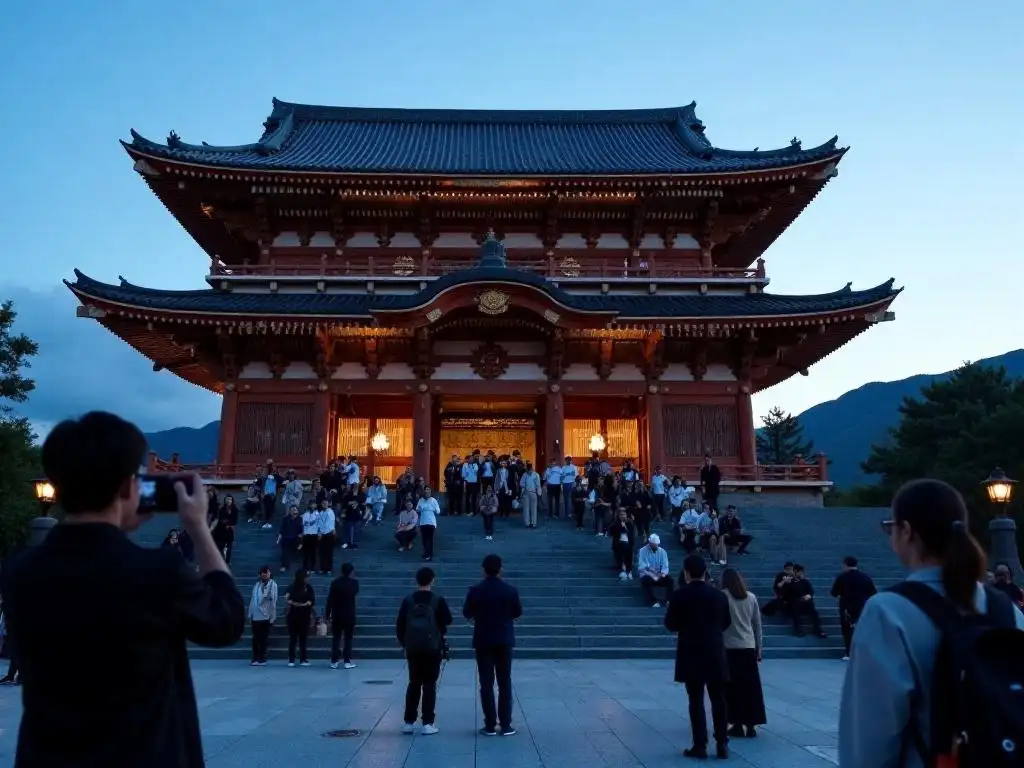
Planning a samurai educational tour in Japan involves careful consideration of various factors to ensure an enriching experience. Here are some key aspects to keep in mind:
Choosing the Right Tour Package
When selecting a tour package, it’s essential to consider the following:
- Focus Area: Determine whether you want a hands-on experience, historical exploration, or an academic approach. Each tour type caters to different interests.
- Duration: Tours can range from a single day to several weeks. Choose one that fits your schedule and learning objectives.
- Group Size: Smaller groups often provide more personalized experiences, while larger groups might offer a broader range of activities.
- Guides: Look for tours that feature knowledgeable guides with expertise in samurai history and culture for an enriched learning experience.
By aligning your interests with the right package, you can maximize the benefits of your educational tour.
Best Times to Visit for Samurai Tours
The timing of your visit can greatly affect the quality of your samurai educational tour. Consider the following:
- Seasonal Events: Spring and autumn are ideal for witnessing cultural festivals and events that celebrate samurai heritage, such as the Takayama Matsuri or various reenactments.
- Weather Conditions: Japan’s weather can be quite variable. Spring (March to May) and autumn (September to November) typically offer pleasant temperatures for outdoor activities and site visits.
- Tour Availability: Certain tours may have limited availability, especially around major holidays or during peak tourist seasons. It’s advisable to book in advance to secure your spot.
By planning your visit around these factors, you can enhance your educational experience and fully immerse yourself in the world of the samurai.
Benefits of Participating in Samurai Educational Tours
Participating in samurai educational tours in Japan offers a multitude of benefits that extend beyond mere sightseeing. These tours provide an immersive experience into the rich tapestry of Japan's feudal history, giving students and scholars a unique opportunity to understand the cultural significance of the samurai.
- In-Depth Historical Understanding: Participants gain insight into the historical context surrounding the samurai, including their roles in society, governance, and warfare. The tours often include visits to historic castles, battlefields, and temples, allowing for a tangible connection to the past.
- Cultural Appreciation: Through engaging with samurai traditions, such as martial arts demonstrations, tea ceremonies, and traditional arts, participants develop a deeper appreciation for Japanese culture. This hands-on approach fosters a greater respect for the customs and practices that have shaped modern Japan.
- Networking Opportunities: Educational tours often bring together like-minded individuals, creating a network of students and scholars who share a passion for history and culture. This can lead to potential collaborations and friendships that extend beyond the tour itself.
- Expert Guidance: Many tours are led by knowledgeable guides who specialize in samurai history, providing participants with expert insights and answering questions. This access to expertise enriches the learning experience and ensures that participants leave with a comprehensive understanding of the subject matter.
Tips for Students and Scholars on Samurai Tours
When embarking on a samurai educational tour, students and scholars can enhance their experience by following a few practical tips. These suggestions aim to maximize learning and engagement throughout the journey.
Preparing for Your Samurai Educational Tour
- Research Ahead of Time: Familiarize yourself with the history of the samurai and significant events of the feudal era in Japan. Understanding key figures, battles, and cultural practices will enrich your experience and allow for more meaningful discussions during the tour.
- Pack Accordingly: Dress comfortably and appropriately for the activities planned. Many tours may involve walking or outdoor activities, so wearing suitable footwear is essential. Additionally, consider bringing a notebook for jotting down interesting facts and personal reflections.
- Learn Basic Japanese Phrases: While many guides speak English, learning a few basic Japanese phrases can enhance your interactions with locals and show respect for the culture. Simple greetings or expressions of gratitude can go a long way.
Engaging with Local Guides and Experts
- Ask Questions: Local guides and experts are a wealth of knowledge. Don’t hesitate to ask questions about samurai history, cultural practices, or specific sites you visit. Engaging actively will help deepen your understanding and make the experience more memorable.
- Participate in Activities: Many tours offer interactive experiences, such as sword fighting demonstrations or traditional crafts. Engaging in these activities not only makes the tour more enjoyable but also allows you to appreciate the skills and dedication required to master samurai traditions.
- Share Your Insights: If you're part of a group, share your thoughts and insights during discussions. This collaborative learning environment can lead to rich conversations and a broader understanding of the samurai's impact on Japanese society.
By embracing these tips and fully engaging with the educational aspects of samurai tours, students and scholars can truly immerse themselves in the fascinating world of the samurai, gaining lessons that resonate long after the tour concludes.
Real-Life Examples of Successful Samurai Educational Tours

Samurai educational tours in Japan have gained immense popularity among students and scholars alike, offering a unique lens through which to explore the rich heritage of the samurai. Several organizations and institutions have successfully crafted engaging itineraries that immerse participants in the world of the samurai. Here are some noteworthy examples:
-
Kansai Yamamoto's Samurai Experience:
This tour takes participants to Kyoto and Osaka, highlighting historical landmarks such as Nijo Castle and the Kyoto Samurai and Ninja Museum. Participants engage in hands-on activities like sword fighting demonstrations and wearing traditional samurai armor, providing a tangible connection to the past.
-
Samurai and Ninja Experience in Nagano:
This program offers students the chance to visit the historic Matsumoto Castle and learn about the samurai’s tactical skills. The tour includes a workshop where participants can practice archery and participate in a “ninja challenge,” making it both educational and entertaining.
-
The Samurai of Aizu Tour:
Focused on the Aizu region in Fukushima, this tour delves into the history of the Aizu samurai during the Boshin War. Participants explore the Tsuruga Castle, interact with local historians, and partake in traditional tea ceremonies, understanding the cultural significance of these practices in samurai society.
-
Educational Tours by Japan National Tourism Organization (JNTO):
JNTO offers tailored programs for educational institutions, allowing students to visit various historical sites across Japan, including Edo-period towns like Kanazawa and Kamakura. These tours emphasize the samurai's role in shaping Japanese history and culture while providing a comprehensive overview of feudal Japan.
These examples illustrate how educational tours can effectively bridge the gap between past and present, allowing participants to gain insights into the lives of samurai while fostering a deeper appreciation for Japan's rich historical tapestry.
Conclusion: Embrace the World of Samurai Through Educational Tours
Exploring the world of the samurai through educational tours offers a remarkable opportunity for students and scholars to step back in time and experience Japan's feudal era first-hand. Through interactive workshops, visits to historical sites, and engagement with local experts, participants can learn about the samurai's code of honor, their martial skills, and their significant impact on Japanese society and culture.
Educational tours not only enrich understanding but also inspire a sense of respect for the traditions and values that shaped Japan. By embracing the world of the samurai, participants can develop a nuanced perspective on the historical context of feudal Japan, fostering a deeper connection to the cultural identity of the nation.
Call to Action
Are you ready to embark on an unforgettable journey into the world of the samurai? Whether you are a student eager to learn or a scholar seeking in-depth knowledge, consider booking a samurai educational tour in Japan today! Explore the rich history, partake in unique experiences, and gain insights that will enrich your understanding of this fascinating era. Start planning your adventure now and immerse yourself in the captivating legacy of the samurai!
- Introduction to Samurai Educational Tours in Japan
- The Significance of Samurai in Feudal Japan
- Types of Samurai Educational Tours Available in Japan
- Planning Your Samurai Educational Tour in Japan
- Benefits of Participating in Samurai Educational Tours
- Tips for Students and Scholars on Samurai Tours
- Real-Life Examples of Successful Samurai Educational Tours
- Conclusion: Embrace the World of Samurai Through Educational Tours
- Call to Action
Frequently Asked Questions
What are Samurai educational tours in Japan?
Samurai educational tours in Japan are immersive experiences designed for students and scholars to explore the history and culture of the Samurai era through visits to significant sites, museums, and workshops.
Who can benefit from Samurai educational tours?
These tours are beneficial for students, educators, and scholars interested in Japanese history, culture, and the socio-political dynamics of the feudal era, providing a hands-on learning experience.
What topics are covered during these tours?
The tours cover various topics, including the life of the Samurai, bushido (the Samurai code), and the impact of the feudal system on Japanese society, providing a comprehensive understanding of the era.
How are the tours structured?
Tours often include guided visits to historical sites, participation in cultural workshops, and expert-led discussions, ensuring a well-rounded educational experience that caters to different learning styles.
Are these tours suitable for all age groups?
Yes, Samurai educational tours can be tailored to suit various age groups, making them accessible and engaging for both younger students and adult scholars, enhancing their understanding of Japan's feudal past.
Final Reflection: Embracing the Legacy of the Samurai
The exploration of samurai educational tours in Japan is not just about understanding a historical warrior class; it is about connecting with a profound cultural legacy that continues to shape Japan today. As we delve into the intricacies of samurai history, we uncover values such as honor, discipline, and respect that resonate deeply in contemporary society. This exploration is not merely an academic exercise; it is a journey that invites us to reflect on our own values and the impact of history on our present lives.
Cultural and social landscapes are continually influenced by the stories we tell and the histories we preserve. The samurai, once seen as mere warriors, are now recognized as symbols of resilience and ethical conduct. Their legacy inspires countless individuals, from students to scholars, to engage with Japan's rich heritage. As noted by historian John W. Hall, The samurai are not just figures of the past; they embody ideals that challenge us to think about our own lives and choices.
This ongoing dialogue between past and present highlights the importance of educational tours that foster a deeper understanding of these ideals.
As you reflect on the lessons learned from the world of the samurai, consider how you can incorporate these values into your own life. Take the opportunity to engage with history, whether through educational tours or personal study, and allow the wisdom of the samurai to guide your actions and decisions. Embrace the challenge to live with honor and purpose, and let the legacy of the samurai inspire you to create a meaningful impact in your community and beyond.
Unveil the Journey into Samurai History!
Thank you for diving into the fascinating world of the Samurai with us! We hope you felt the pulse of Feudal Japan and discovered the rich history that shapes our understanding of these legendary warriors. Now, it’s time to take the next step on this exciting learning adventure.
Here are a few actions you can take to further explore the world of the Samurai:
- Book an educational tour designed to provide immersive experiences in authentic historical settings.
- Join our online community to share insights and engage in discussions about Samurai history with fellow enthusiasts.
- Explore lesser-known Samurai stories by accessing our unique resources and articles available on our website.
What aspect of Samurai culture are you most eager to delve into as you continue your journey?