
A Feast for the Senses: Culinary Tours Inspired by the Samurai Tradition


Welcome to Feudal Japan History, where we invite you to embark on a captivating journey through the rich tapestry of Japan's feudal era. Here, you will uncover the intriguing blend of history, culture, and society that shaped this remarkable period.
Dive into our latest exploration, “A Feast for the Senses: Culinary Tours Inspired by the Samurai Tradition,” and discover how the legacy of the samurai influences modern culinary experiences in Japan. Prepare to awaken your senses and satisfy your curiosity as you explore the fascinating world of samurai culinary tours—a delightful intersection of gastronomy and heritage that promises to transport you to a time of honor and exquisite flavors.
Introduction to Samurai Culinary Tours in Japan
Japan's feudal era, marked by the valor of samurai warriors, has left an indelible mark on the nation's cultural tapestry. Among the many legacies of this period, the culinary traditions inspired by the samurai stand out as a unique and flavorful experience for contemporary travelers. Samurai culinary tours in Japan offer a fascinating opportunity to explore not only the historical significance of food but also the intricate rituals and artistry that have evolved over centuries.
These tours are designed to immerse participants in the rich heritage of samurai cuisine, which is deeply rooted in the values of discipline, honor, and respect for nature. Guests can expect to experience a variety of traditional dishes that reflect the samurai's lifestyle, including the use of seasonal ingredients, meticulous preparation techniques, and an emphasis on presentation. The experience often extends beyond the dining table, incorporating visits to historic sites, tea ceremonies, and interactions with local chefs who share their expertise in Japanese culinary arts.
Engaging in a samurai culinary tour is not just about tasting exquisite food; it is an exploration of Japan's past, a journey through the landscapes that shaped the samurai way of life, and a celebration of the flavors that evoke the spirit of a bygone era. From the elegant simplicity of kaiseki to the robust flavors of izakaya fare, these tours provide a feast for the senses that invites travelers to appreciate the depth and complexity of Japan's culinary landscape.
The Legacy of Samurai and Japanese Gastronomy
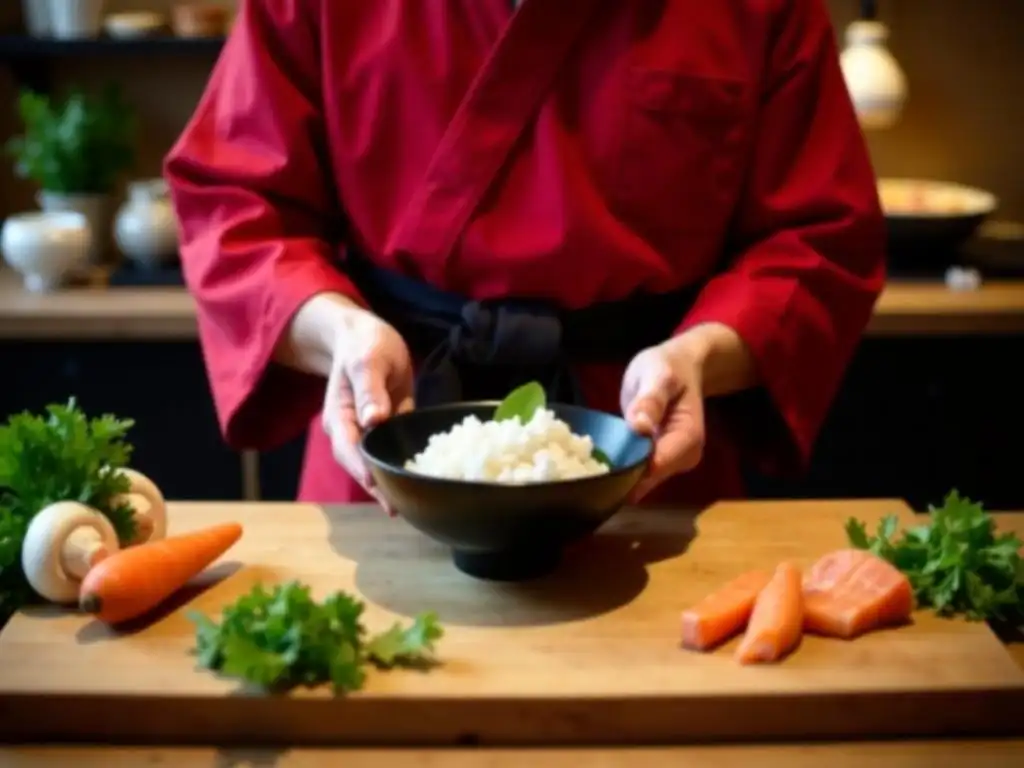
The samurai, revered as the warrior class of feudal Japan, not only wielded swords but also cultivated a profound relationship with food and dining. This legacy has transcended centuries, influencing contemporary culinary practices and experiences, particularly in the realm of samurai culinary tours Japan. These tours offer travelers a unique opportunity to immerse themselves in the culinary traditions that were once cherished by these noble warriors.
The intersection of samurai culture and gastronomy is significant. Food was not merely sustenance; it was an art form that reflected the samurai's values of discipline, aesthetics, and respect for nature. The preparation and consumption of meals were imbued with rituals that echoed the samurai's commitment to honor and tradition.
Historical Context of Samurai and Food in Feudal Japan
The historical context of samurai and food in feudal Japan is deeply intertwined with the socio-political climate of the time. During the Edo period (1603-1868), Japan experienced a long era of peace, allowing samurai to focus on cultural pursuits, including culinary arts. The samurai class began to shift from a purely martial role to one that embraced the aesthetics of life, leading to the development of refined dining practices.
- Culinary Evolution: The samurai diet was heavily influenced by the availability of local ingredients. Rice became the staple food, symbolizing wealth and prosperity. Seasonal vegetables, fish, and game complemented the rice, reflecting the samurai's connection to nature.
- Tea Ceremony: The practice of the tea ceremony, or chanoyu, emerged during this period as a form of artistry that emphasized simplicity and tranquility. This ritual was not only about the beverage but also about appreciating the moment, showcasing the samurai's philosophical outlook towards life.
- Influence of Zen Buddhism: Zen philosophy significantly shaped samurai cuisine, promoting mindfulness and respect for ingredients. The concept of ichiju-sansai (one soup and three sides) became a standard meal, emphasizing balance and harmony on the plate.
- Culinary Techniques: Techniques such as pickling, drying, and fermenting were developed to preserve food, showcasing the samurai's resourcefulness. These methods have persisted, influencing modern Japanese cuisine.
Key Elements of Samurai Cuisine
Samurai cuisine is characterized by several key elements that highlight the fusion of simplicity, elegance, and nutrition. Understanding these components is essential for anyone interested in samurai culinary tours Japan.
- Seasonality: Seasonal ingredients are paramount in samurai cuisine. The samurai emphasized the importance of fresh, local produce, which not only enhanced flavors but also honored the changing seasons.
- Presentation: Aesthetics play a crucial role in samurai dining. Meals were meticulously arranged to create a visual feast, reflecting the samurai's appreciation for beauty. Dishes were often served in lacquerware, which added to the overall experience.
- Umami Flavor: The concept of umami, the fifth taste, was integral to samurai cuisine. Ingredients such as miso, soy sauce, and seaweed were used to enhance depth and richness, making meals satisfying and flavorful.
- Simplicity and Balance: Samurai meals were designed to be simple yet balanced, embodying the philosophy of moderation. The typical meal consisted of rice, a protein source (such as fish or meat), and seasonal vegetables, ensuring a wholesome diet.
- Culinary Rituals: The act of preparing and consuming food was treated as a ritual, emphasizing mindfulness and respect for the ingredients. This practice is reflected in modern culinary tours that seek to replicate the samurai dining experience.
The legacy of the samurai extends beyond the battlefield and into the kitchen, where their culinary traditions continue to inspire and influence modern Japanese cuisine. Culinary tours inspired by these traditions allow travelers to engage with Japan's rich history in a tangible way, making each meal a journey through time.
Exploring Samurai Culinary Tours in Japan

Culinary tours inspired by the samurai tradition offer travelers a unique opportunity to engage with Japan’s rich heritage while savoring exquisite flavors. These tours are designed to immerse participants not only in the culinary arts but also in the cultural and historical contexts that shaped the samurai lifestyle. Typically, such experiences blend traditional cooking methods, local ingredients, and samurai history, creating a feast for both the palate and the mind.
The samurai, known for their strict codes of conduct and appreciation for the arts, also had a significant influence on Japan’s culinary practices. Their meals were often simple yet elegantly presented, emphasizing seasonal ingredients and balance in flavors. Samurai culinary tours often include hands-on activities like sushi-making, sake tasting, and even feasting in traditional ryokans (Japanese inns), which offer a glimpse into the life of the samurai.
Additionally, these tours cater to various interests—from those looking to explore the historical context behind samurai cuisine to food enthusiasts eager to learn about ancient cooking techniques. As such, they serve as a bridge connecting the past with the present, showcasing how samurai traditions continue to influence modern Japanese cuisine.
Top Locations for Samurai-Inspired Culinary Experiences
When considering a samurai culinary tour in Japan, several locations stand out for their rich historical contexts and culinary offerings:
- Kyoto: Known for its traditional kaiseki cuisine, Kyoto offers an array of cooking classes and dining experiences in historic settings. Visitors can learn about the seasonal ingredients favored by samurai and enjoy meals in beautifully preserved machiya (townhouses).
- Kamakura: This ancient samurai capital is home to numerous temples and shrines, where culinary tours often include traditional vegetarian meals known as shojin ryori, which were historically consumed by samurai monks.
- Nagoya: Renowned for its unique take on Japanese cuisine, Nagoya is famous for dishes like hitsumabushi (grilled eel) and miso katsu (pork cutlet with miso sauce). Culinary tours here often combine food tasting with historical site visits linked to the samurai era.
- Hiroshima: Known for its rich culinary offerings, including okonomiyaki, tours in Hiroshima often explore the region's samurai heritage while indulging in local specialties.
- Nara: As one of Japan's ancient capitals, Nara provides a historical backdrop for culinary tours that focus on the traditions of the samurai period, including meals that reflect the simplicity and elegance of samurai dining.
Recommended Samurai Culinary Tour Packages
Several tour operators specialize in samurai culinary experiences, offering packages that cater to different tastes and interests. Here are some highly recommended options:
- Kyoto Samurai Cooking Class and Dinner Experience
- Duration: 4 hours
- Highlights: Hands-on cooking class featuring traditional samurai recipes, followed by a multi-course kaiseki dinner.
- Includes: All ingredients, a guided tour of a local market, and a samurai history presentation.
- Kamakura Zen Cuisine and Temple Tour
- Duration: 3 hours
- Highlights: Visit to historic temples, followed by a shojin ryori meal prepared by a local chef.
- Includes: Guided tour, meal, and a brief history of Zen Buddhism and its influence on samurai culture.
- Nagoya Culinary Adventure: Samurai Edition
- Duration: Full day
- Highlights: Explore Nagoya's culinary scene with tastings of local dishes and a visit to the Nagoya Castle.
- Includes: All meals, local transportation, and a samurai-themed guide.
- Hiroshima Historical Feast
- Duration: 5 hours
- Highlights: A guided tour of Hiroshima's samurai history followed by a cooking session focusing on local specialties.
- Includes: All ingredients and a meal enjoyed at a traditional ryokan.
- Nara Samurai Dining Experience
- Duration: 3 hours
- Highlights: Enjoy a meal prepared in the style of samurai dining while learning about Nara's historical significance.
- Includes: A guided tour of a local historical site and an interactive cooking session.
These samurai culinary tours not only provide a taste of Japan's culinary delights but also connect participants with the rich history and culture that shaped the samurai way of life. By experiencing these tours, travelers can gain a deeper understanding of Japan's feudal past while indulging in its delicious present.
Unique Experiences on Samurai Culinary Tours
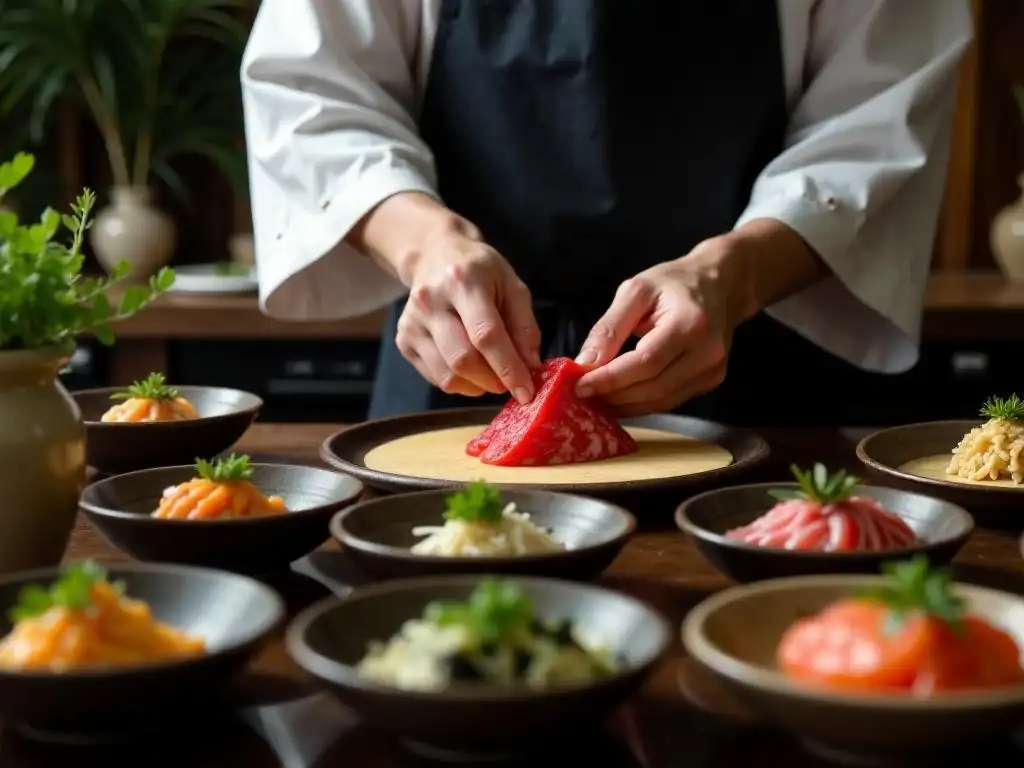
Embarking on samurai culinary tours in Japan offers travelers a chance to immerse themselves not only in the exquisite flavors of traditional Japanese cuisine but also in the rich history and culture of the samurai. These tours provide unique experiences that combine hands-on culinary activities with the storied legacy of the samurai, allowing participants to connect with Japan's past in a deeply engaging way.
Hands-On Cooking Classes with Samurai Legacy
One of the standout features of samurai culinary tours is the opportunity to participate in hands-on cooking classes that are steeped in samurai tradition. These classes typically take place in historic settings, such as traditional tea houses or ancient castles, where participants can feel the ambiance of the samurai era.
- Chef-Led Instruction: Classes are often led by renowned chefs who specialize in kaiseki, the multi-course meal that exemplifies Japanese haute cuisine. These chefs not only teach cooking techniques but also share stories of how samurai would prepare and enjoy their meals, emphasizing the importance of seasonality and presentation.
- Traditional Ingredients: Participants learn to use ingredients that were staples in samurai kitchens. This might include locally sourced vegetables, freshly caught fish, and artisanal soy sauce, all of which reflect the samurai's connection to nature and the land.
- Culinary Techniques: Attendees practice time-honored techniques such as dashi preparation, sushi rolling, and the art of slicing fish. These skills were crucial for samurai, who valued precision and mastery in all aspects of life, including their food.
- Cultural Insights: Throughout the class, insights into the samurai’s dietary customs are shared, such as the significance of harmony in flavors and the aesthetic presentation of dishes, which mirror the samurai's code of honor and discipline.
This immersive experience not only enhances culinary skills but also deepens the understanding of the cultural significance behind each dish.
Tasting Authentic Samurai Dishes
A key highlight of samurai culinary tours is the tasting of authentic samurai dishes, which provide a direct link to Japan's feudal past. These meals are not merely food; they are a celebration of history, craftsmanship, and tradition.
- Kaiseki Dining: Many tours feature kaiseki meals that are meticulously crafted to reflect the seasons. Each dish is presented beautifully, telling a story through its colors, textures, and flavors. This dining style originated from the samurai's tea ceremonies, where the meal is as important as the tea itself.
- Yudofu and Soba: Participants often get to taste yudofu (tofu hot pot) and soba (buckwheat noodles), both of which were favored by samurai for their nutritional value and simplicity. These dishes highlight the samurai's appreciation for wholesome, hearty meals that fuel their rigorous lifestyles.
- Seasonal Ingredients: Tours frequently emphasize the use of seasonal ingredients, allowing participants to experience the freshness that samurai would have enjoyed. This connection to nature reinforces the samurai’s respect for the environment and sustainability.
- Ceremonial Meals: Some tours even recreate ceremonial meals that samurai would have partaken in during significant events, such as victories in battle or the New Year. These meals are often accompanied by traditional sake, adding to the authenticity of the experience.
- Tasting Events: Additionally, many samurai culinary tours include tastings at local markets or farms, where participants can sample various traditional foods and learn about the agricultural practices that sustain them.
Samurai culinary tours in Japan offer a unique blend of history, culture, and gastronomy, inviting travelers to not only taste but also understand the profound connection between the samurai tradition and the culinary arts. Whether through hands-on cooking classes or authentic samurai meals, these experiences enrich the travel experience and provide a memorable exploration of Japan's feudal heritage.
Combining Culinary Tours with Cultural Insights
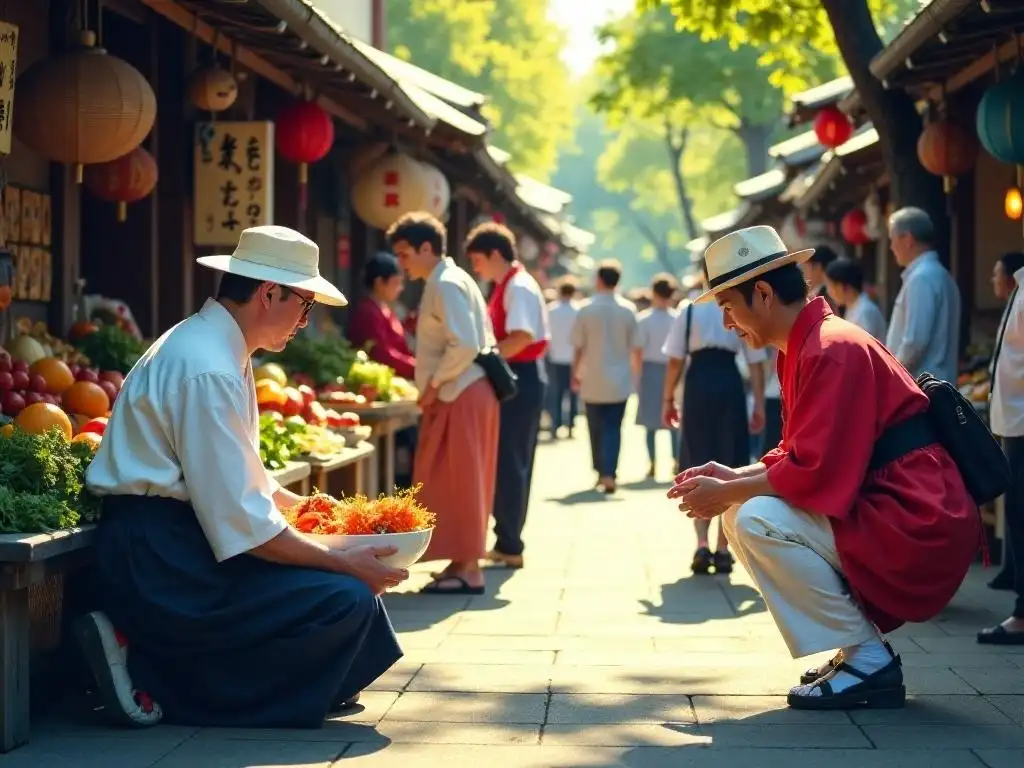
The Intersection of Samurai History and Culinary Arts
The samurai, often romanticized as noble warriors, played a pivotal role in shaping Japan’s culinary landscape. Their influence extends beyond the battlefield into the kitchens of Japan, where their values of discipline, honor, and respect for nature are reflected in the country's traditional cuisine. Understanding this intersection of samurai history and culinary arts enriches the experience of samurai culinary tours in Japan.
Historical Context
The samurai were not only warriors but also custodians of culture and tradition. During the feudal era, they adhered to a code of conduct known as Bushido, which emphasized virtues such as loyalty, bravery, and, importantly, respect for craftsmanship. This respect extended to the culinary arts, as samurai hosted elaborate banquets—known as kaiseki—which showcased seasonal ingredients and meticulous preparation techniques.
- Kaiseki: A multi-course meal that reflects Japanese aesthetics and seasonal ingredients.
- Sake: Brewed rice wine, often enjoyed during samurai gatherings, underscores the importance of fermentation and local resources.
The samurai's appreciation for quality and presentation significantly influenced the development of Japanese cuisine, making it an integral part of samurai culinary tours. Tourists can explore historical sites where samurai feasted and learn about the dishes that were beloved by these noble warriors.
Culinary Techniques and Ingredients
Samurai culinary tours often emphasize traditional cooking techniques that have been preserved through generations. Key aspects include:
- Seasonality: The samurai believed in using fresh, seasonal ingredients, which is a fundamental principle in Japanese cuisine today.
- Presentation: The artful presentation of dishes reflects the samurai's appreciation for aesthetics, a trait that remains evident in modern Japanese dining.
Visitors can participate in cooking classes that focus on these techniques, offering a hands-on experience that connects them with the samurai legacy.
Engaging with Local Artisans and Farmers
A crucial component of samurai culinary tours is the opportunity to engage with local artisans and farmers who continue the traditions that were once cherished by the samurai. This engagement provides a deeper understanding of the cultural and historical significance behind the food.
Artisan Craftsmanship
Many samurai culinary tours include visits to local artisans who specialize in traditional crafts such as:
- Sushi Making: Learning from skilled sushi chefs about the delicate balance of flavors and techniques that have been refined over centuries.
- Pottery: Exploring the art of making washi (Japanese paper) or yakimono (ceramics) that often accompany traditional meals.
These experiences highlight the craftsmanship that goes into preparing and serving food, reminiscent of the samurai’s dedication to their skills.
Sustainable Farming Practices
Engaging with local farmers enables participants to appreciate the importance of sustainable practices that align with the samurai's respect for nature. Tours may include:
- Farm Visits: Exploring rice paddies or vegetable farms to understand the origins of ingredients.
- Harvesting Experiences: Participating in seasonal harvests, which not only supports local agriculture but also connects tourists with the land and its history.
By immersing themselves in these practices, participants gain a holistic view of Japanese culinary traditions rooted in samurai history, enhancing their overall experience of samurai culinary tours in Japan.
Combining culinary tours with cultural insights offers a rich exploration of Japan’s feudal past, allowing visitors to appreciate the profound connection between samurai history and the culinary arts. Through engaging with local artisans and farmers, tourists can partake in a truly immersive experience that celebrates both the flavors and the cultural heritage of Japan.
Tips for Planning Your Samurai Culinary Tour in Japan
Planning a samurai culinary tour in Japan can be an exhilarating experience, combining the rich history of the samurai with the exquisite flavors of Japanese cuisine. Here are some essential tips to ensure your journey is both memorable and fulfilling.
Essential Considerations for Travelers
-
Research Historical Context
Understanding the samurai's role in Japanese history will enrich your culinary experience. The samurai were not just warriors; they were also influential in the development of Japan’s culture, including its culinary traditions. Familiarize yourself with key periods, such as the Edo period, when many culinary practices were solidified.
-
Dietary Preferences and Restrictions
Japanese cuisine offers a variety of flavors, but it can be seafood-heavy. Be sure to communicate any dietary restrictions or preferences to your tour operator in advance. Many tours can accommodate vegetarian, vegan, or gluten-free diets, but it’s best to confirm this beforehand.
-
Seasonal Ingredients
Japanese cuisine is deeply connected to the seasons. Research which ingredients are in season during your visit for an authentic culinary experience. For example, cherry blossom season (sakura) in spring offers unique dishes that celebrate this fleeting beauty, while autumn introduces flavors like mushrooms and sweet potatoes.
-
Cultural Etiquette
Familiarize yourself with Japanese dining etiquette. Knowing how to properly use chopsticks, the significance of bowing before meals, or even how to express gratitude (itadakimasu) can enhance your experience and show respect to your hosts.
-
Local Markets and Ingredients
A great way to immerse yourself in the culinary world is by visiting local markets. Many samurai culinary tours include visits to these markets, where you can see fresh ingredients and possibly even participate in a cooking demonstration. This hands-on experience often provides insight into the samurai’s influence on local dining practices.
How to Choose the Right Tour for You
Choosing the right samurai culinary tour requires careful consideration of your interests and preferences. Here are some factors to guide your decision:
-
Tour Length and Itinerary
Determine how much time you have for your tour. Some tours may last a few hours, while others might span several days. Review the itinerary to ensure it aligns with your culinary interests, such as whether you want to focus on sushi, traditional kaiseki, or street food inspired by samurai traditions.
-
Group Size
Consider whether you prefer a more intimate experience with a small group or a larger tour. Smaller groups often allow for a more personalized experience, enabling you to engage more with the guide and fellow participants.
-
Culinary Focus
Different tours may emphasize varying aspects of samurai cuisine. Some might focus on historical dining experiences, while others may include hands-on cooking classes or tastings of specific regional specialties. Decide what culinary elements excite you the most.
-
Expert Guides
Look for tours led by guides who have a deep understanding of both samurai history and Japanese cuisine. Having an expert who can share insights and stories about the samurai's culinary influence can greatly enrich your experience.
-
Reviews and Recommendations
Before booking, read reviews from previous travelers. Websites and forums dedicated to travel can provide firsthand accounts of the tours’ quality and the authenticity of the experiences offered.
By taking these tips into account, you can ensure that your samurai culinary tour in Japan is not only a feast for the senses but also a journey through the rich tapestry of Japan's feudal history. 🍣🥢
Frequently Asked Questions
What are samurai culinary tours in Japan?
Samurai culinary tours are immersive experiences that combine historical insights into the samurai era with culinary delights, allowing participants to explore traditional dishes that were enjoyed by samurai warriors.
How do samurai culinary tours enhance the understanding of Japanese culture?
These tours provide a unique way to experience Japanese culture by connecting food with the historical context of the samurai, showcasing how their values and traditions influenced gastronomic practices.
What types of dishes can one expect on a samurai culinary tour?
Participants can expect to try traditional samurai meals, such as sushi, soba, and kaiseki, often accompanied by tales of their historical significance and the techniques used in their preparation.
Are these tours suitable for those with dietary restrictions?
Many samurai culinary tours offer customizable options to accommodate dietary restrictions, ensuring that everyone can enjoy a taste of samurai heritage without compromising their needs.
How can I book a samurai culinary tour in Japan?
Booking a samurai culinary tour can typically be done online through various travel agencies or specialized tour companies that focus on cultural experiences in Japan.
Final Reflection: Embracing the Legacy of Samurai Culinary Tours
The rich tapestry of Japan's culinary heritage is intricately woven with the traditions of the samurai, making it a vibrant and relevant topic today. As we explore the depths of samurai culinary tours in Japan, we uncover not just a feast for the senses, but a profound connection to history, culture, and the artistry of food. The resurgence of interest in these tours speaks volumes about our desire to engage with the past while savoring the present.
Culinary experiences inspired by the samurai tradition are not merely about taste; they are about understanding the philosophy and discipline that shaped Japanese cuisine. The meticulous attention to detail, the seasonal ingredients, and the reverence for nature reflect a cultural ethos that continues to resonate in contemporary society. Food is not just what we eat; it is a reflection of our culture and identity.
This ongoing influence invites us to appreciate the layers of meaning behind each dish, encouraging a deeper connection to the food we consume and the stories it tells.
As you reflect on the insights gained from exploring samurai culinary tours, consider how you can incorporate these lessons into your own life. Embrace the art of mindful eating, seek out culinary experiences that honor tradition, and allow yourself to be inspired by the samurai's dedication to excellence. By doing so, you not only enrich your palate but also cultivate a greater appreciation for the cultural narratives that shape our world. Let the journey of discovery continue, as each meal becomes an opportunity to connect with history and celebrate the enduring legacy of the samurai.
Savor the Journey: Experience Culinary Heritage Today!
Thank you for joining us on this flavorful exploration of culinary tours inspired by the magnificent samurai tradition. You've discovered how food intertwines with history and culture, enriching your understanding of feudal Japan. Now, it's time to bring that inspiration into your own life!
Here’s how you can take action and deepen your connection to these culinary roots:
- Embark on a Culinary Tour: Sign up for a local or virtual culinary experience that highlights traditional Japanese cuisine. Experience the flavors and techniques that samurai enjoyed firsthand!
- Experiment at Home: Try your hand at making a dish inspired by samurai traditions. Gather your friends or family, and host a themed dinner night where everyone contributes a dish.
- Share Your Journey: Post your culinary creations or experiences on social media using the hashtag #SamuraiSavors to spread the joy of Japanese cuisine and connect with fellow food enthusiasts.
What samurai-inspired dish are you excited to create or try on your culinary adventure? Share your thoughts below!