
A Warrior's Journey: The Ultimate Guide to SamuraiThemed Travel in Japan


Welcome to Feudal Japan History, where the echoes of the past resonate through the vibrant tapestry of Japan's feudal era. Dive into a world where the legendary samurai once roamed, and discover how their storied legacy influences samurai themed travel in Japan today. Our ultimate guide, "A Warrior's Journey," invites you on an unforgettable escapade, blending historical intrigue with modern exploration. Are you ready to uncover hidden gems and experience the allure of a bygone age? Keep reading to embark on a journey that transcends time!
Introduction to Samurai-Themed Travel Japan
Embarking on a journey through Japan is not merely a vacation; it is an invitation to step back in time and immerse oneself in the captivating world of the samurai. The feudal era, marked by the rise of the samurai class, is a pivotal chapter in Japan's history, rich with stories of honor, valor, and tradition. Samurai-themed travel in Japan offers a unique lens through which to explore this intriguing period, allowing travelers to experience the culture, architecture, and landscapes that shaped the lives of these legendary warriors.
From the majestic castles that once served as strongholds to the serene temples where samurai practiced their spiritual beliefs, every destination tells a story. Tourists can engage in activities like swordsmanship lessons, stay in traditional ryokan inns, and participate in tea ceremonies that echo the customs of the samurai. Each experience is designed not only to educate but also to evoke the spirit of the samurai, fostering a deep connection to Japan’s rich heritage.
The growing interest in samurai-themed travel highlights a broader desire to understand Japan's historical context and cultural nuances. As we delve deeper into this guide, we will explore various locations, experiences, and tips to help you plan your own samurai-inspired adventure, making it a journey worth undertaking for history enthusiasts, culture seekers, and adventure lovers alike.
Prepare to don your metaphorical armor, as we navigate through the fascinating world of samurai-themed travel in Japan, where every step you take is rooted in centuries of tradition and history.
Exploring the Historical Roots of Samurai Culture
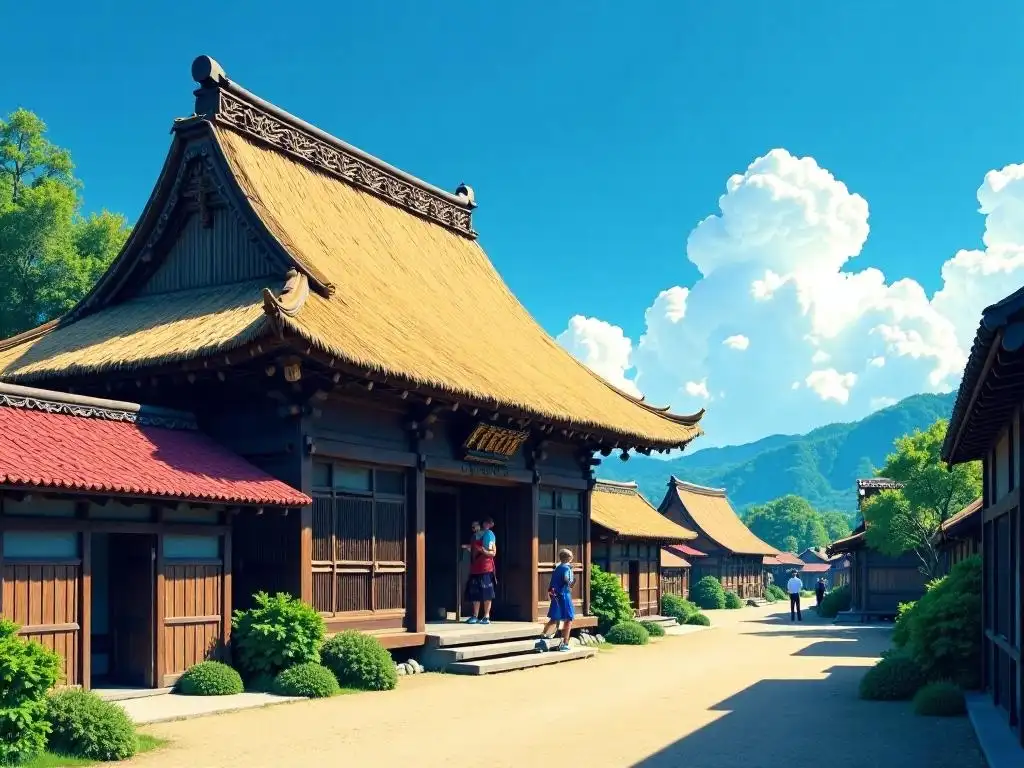
The Rise and Fall of the Samurai in Feudal Japan
The samurai, a class of elite warriors, emerged during the late 12th century and played a pivotal role in shaping Japan's feudal society. Their rise can be traced back to the Kamakura Period (1185-1333), marked by the establishment of the Kamakura shogunate. This era saw the samurai transform from provincial warriors into the ruling class, as they were granted land and privileges in exchange for military service. The samurai's code of conduct, known as Bushido, emphasized virtues such as loyalty, honor, and discipline, which became the cornerstone of their identity.
As the feudal system solidified, the samurai's influence expanded. They became not only warriors but also administrators, playing key roles in governance and land management. During the Muromachi Period (1336-1573), samurai culture flourished, with the establishment of various schools of martial arts and the patronage of the arts, including tea ceremonies and Noh theater. The Onin War (1467-1477) marked a significant turning point, leading to the Sengoku Period (1467-1603), a time of chaos where samurai clans fought for power and territory.
However, the unification of Japan under Tokugawa Ieyasu in the early 17th century heralded the decline of the samurai's military role. The Tokugawa shogunate (1603-1868) instituted a long period of peace known as the Edo Period, which diminished the need for continual warfare. Consequently, many samurai transitioned to bureaucratic positions, while others faced financial hardships as their stipends were reduced.
The end of the samurai era came with the Meiji Restoration in 1868, which abolished the feudal system and officially disbanded the samurai class. This transformation paved the way for the modernization of Japan, but the legacy of the samurai endures, influencing contemporary culture, values, and even tourism.
Cultural Impact of Samurai on Modern Japan
The samurai's legacy continues to permeate various aspects of modern Japanese culture, from literature and film to martial arts and tourism. The romanticized image of the samurai as noble warriors has captured the imagination of both Japanese citizens and international visitors alike.
Literature and Film
Samurai themes are prevalent in countless works of literature and cinema. Classic tales, such as The Tale of the Heike and The Book of Five Rings by Miyamoto Musashi, explore the philosophy and ethics of the samurai way. In contemporary media, films like Akira Kurosawa's Seven Samurai and modern anime series often depict samurai in stories that emphasize honor and sacrifice. This artistic representation contributes to the allure of samurai-themed travel in Japan, drawing enthusiasts to historical sites and cultural experiences.
Martial Arts
The samurai's influence is also evident in Japan's martial arts, particularly in disciplines such as kendo, iaido, and judo. These practices not only preserve the techniques of the samurai but also instill their values of respect, discipline, and perseverance. Many tourists engage in martial arts workshops as part of their samurai-themed travel, providing an immersive experience into this aspect of Japanese culture.
Tourism and Cultural Heritage
Today, samurai-themed travel in Japan is a booming industry. Visitors seek authentic experiences that allow them to step back in time and explore the rich heritage of the samurai. Popular destinations include:
- Hokkaido: Known for its historical sites like the Kushiro Shitsugen National Park, where visitors can learn about the Ainu culture, which coexisted with the samurai.
- Kyoto: Home to numerous temples and shrines, such as Nijo Castle, which showcases the architectural prowess of the samurai era.
- Kamakura: The birthplace of the samurai class, featuring sites like the Great Buddha and ancient temples.
These experiences often include guided tours that delve into the historical significance of samurai culture, offering a unique window into Japan's feudal past. By engaging with local traditions, tourists not only gain a deeper understanding of the samurai but also contribute to the preservation of this vital aspect of Japan's identity.
The samurai's historical roots and cultural impact continue to resonate in modern Japan, making samurai-themed travel a compelling experience for those wishing to connect with the nation's rich heritage.
Planning Your Samurai-Themed Travel Experience

Planning a trip centered around samurai-themed travel in Japan requires thoughtful consideration and research. This unique travel experience immerses you in the rich history, culture, and traditions of the samurai era, providing an opportunity to explore historical sites, participate in themed activities, and engage with knowledgeable guides. Below are essential considerations to ensure your journey is memorable and enriching.
Essential Considerations for Your Samurai Journey
-
Timing Your Visit:
- Seasonal Events: Consider visiting during festivals or events that celebrate samurai culture, such as the Gion Matsuri in Kyoto or special exhibitions at historical sites.
- Weather Considerations: Spring (March to May) and autumn (September to November) are ideal times for travel, with mild weather enhancing your experience.
-
Choosing Destinations:
Focus on cities with significant samurai history, such as:
- Kyoto: The heart of samurai culture with numerous temples and the historic Gion District.
- Kamakura: Known for its ancient samurai temples and the Great Buddha statue.
- Nagoya: Home to Nagoya Castle, a symbol of samurai heritage.
-
Engaging Local Guides:
- Hiring local guides can provide in-depth insights into samurai history and culture. Look for guides specializing in historical tours to enhance your understanding of the samurai's role in Japan's feudal society.
-
Budgeting for Experiences:
- Costs can vary significantly based on the type of experiences you choose. Allocate funds for guided tours, samurai workshops, and entrance fees to historical sites.
- Consider investing in a Japan Rail Pass to travel conveniently between major cities.
-
Cultural Etiquette:
- Familiarize yourself with Japanese customs and etiquette, especially regarding respect for historical sites and local traditions. Learning a few basic Japanese phrases can enhance your interactions.
Recommended Samurai-Themed Tours and Experiences
Japan offers a variety of samurai-themed tours and experiences designed to immerse travelers in the culture and history of these legendary warriors. Below are some highly recommended options:
Guided Samurai Tours in Kyoto
Kyoto is a treasure trove of samurai history, and guided tours can provide a deep dive into this fascinating era. Here are some highlights:
-
Kyoto Samurai and Ninja Museum:
This interactive museum offers guided tours where you can learn about samurai weapons, armor, and tactics. The tour often includes:
- Demonstrations of traditional samurai techniques.
- Opportunities to wear samurai armor and take photos.
-
Historical Walking Tours:
Many companies offer walking tours through Kyoto’s historical districts, such as the Higashiyama area. These tours typically cover:
- Visits to significant sites like Nijo Castle and the Shoren-in Temple.
- Insights into the lives and codes of the samurai.
Interactive Samurai Experiences in Tokyo
Tokyo, as a modern metropolis with a rich history, provides unique interactive experiences for those interested in samurai culture:
-
Samurai Sword Experience:
Join a workshop where you can learn the art of swordsmanship from experienced instructors. Participants often:
- Practice basic katana techniques.
- Gain insights into the philosophy behind bushido, the samurai code of honor.
-
Samurai Photo Sessions:
Experience dressing in traditional samurai attire and pose for professional photographs. These sessions generally include:
- A selection of authentic samurai costumes.
- Scenic backdrops, such as historic temples or gardens.
Through these carefully curated experiences, travelers can gain a profound appreciation for the samurai legacy while creating lasting memories of their journey in Japan. Whether exploring ancient castles or participating in hands-on activities, the essence of samurai-themed travel in Japan offers a unique blend of education and excitement.
Must-See Historical Sites for Samurai Enthusiasts
When embarking on a samurai themed travel journey in Japan, there are numerous historical sites that offer a glimpse into the life and legacy of these iconic warriors. From magnificent castles to well-preserved districts, each location tells a unique story of the samurai era. Here, we delve into some of the must-see sites that every samurai enthusiast should consider visiting.
Visiting Iconic Samurai Castles
Japan's castles are not merely architectural wonders; they are testaments to the power and influence of the samurai. Here are two of the most iconic castles that provide a profound insight into samurai history:
Himeji Castle: A UNESCO World Heritage Site
Himeji Castle, often referred to as the "White Heron Castle" because of its stunning white exterior, is a magnificent example of Japanese castle architecture.
- History: Constructed in the 14th century, it has survived numerous conflicts and natural disasters, standing as a symbol of resilience.
- Architecture: The castle features a complex design with 83 buildings, intricate defensive systems, and beautiful gardens. Its strategic location on a hill provides breathtaking views of the surrounding landscape.
- Cultural Significance: Himeji Castle is not only a UNESCO World Heritage Site but also a designated National Treasure of Japan, showcasing the excellence of samurai fortifications.
Visiting Himeji Castle allows travelers to step back in time and experience the grandeur of samurai life, as guided tours often include stories of the samurai who once inhabited this fortress.
Matsumoto Castle: The Black Crow Castle
Matsumoto Castle, known as "Crow Castle" for its dark exterior, is another stunning example of feudal architecture.
- History: Built in the late 16th century, Matsumoto Castle is one of Japan's most complete and beautiful original castles.
- Architecture: The castle features a unique multi-storied structure with a distinctive black and white color scheme. The inner keep offers a glimpse into the living conditions of samurai during the Edo period.
- Cultural Significance: As an important military stronghold, Matsumoto Castle played a vital role in the defense strategies of samurai clans. It is now a designated Important Cultural Property.
Exploring Matsumoto Castle not only reveals the strategic importance of samurai strongholds but also provides insights into the daily lives and customs of these warriors.
Exploring Samurai Districts and Villages
In addition to castles, Japan is home to several districts and villages that have preserved the essence of samurai culture. These areas provide a unique opportunity to explore traditional architecture and the lifestyle of the samurai class.
The Samurai District of Kanazawa
Kanazawa boasts one of the best-preserved samurai districts in Japan, known as Nagamachi.
- History: This district was home to the powerful Maeda clan during the Edo period, with many of its structures dating back to the 17th century.
- Features: Visitors can explore traditional samurai houses, such as the Nomura Clan House, which showcases the lifestyle, artifacts, and architecture of samurai families. The narrow, winding streets lined with earthen walls provide a picturesque setting reminiscent of the era.
- Cultural Significance: Kanazawa's commitment to preserving its samurai heritage offers travelers a rare glimpse into the world of the samurai, complete with demonstrations of traditional crafts and martial arts.
A visit to the Nagamachi district allows travelers to walk in the footsteps of samurai and experience the cultural richness of this historical area.
Historic Town of Takayama
Takayama, located in the mountainous Hida region, is renowned for its well-preserved Edo-period streets.
- History: Once a thriving center for the timber and sake industries, Takayama has retained much of its historical charm, with buildings dating back to the 17th century.
- Features: The Sanmachi Suji district is particularly noteworthy, showcasing traditional wooden houses that once belonged to wealthy merchants and samurai. Visitors can explore sake breweries and artisan shops that reflect the craftsmanship of the time.
- Cultural Significance: The annual Takayama Matsuri (Festival) celebrates the town's rich cultural heritage, featuring elaborate floats and traditional performances that hark back to the samurai era.
Exploring Takayama provides a unique opportunity to understand the interplay between commerce and samurai culture in a historical setting, making it a key destination for anyone interested in samurai themed travel in Japan.
These historical sites not only illustrate the architectural brilliance of the samurai era but also offer a captivating insight into the lives of these legendary warriors. Each visit enhances the understanding of Japan's feudal past, making every journey a step back in time.
Engaging with Samurai Culture: Activities and Workshops
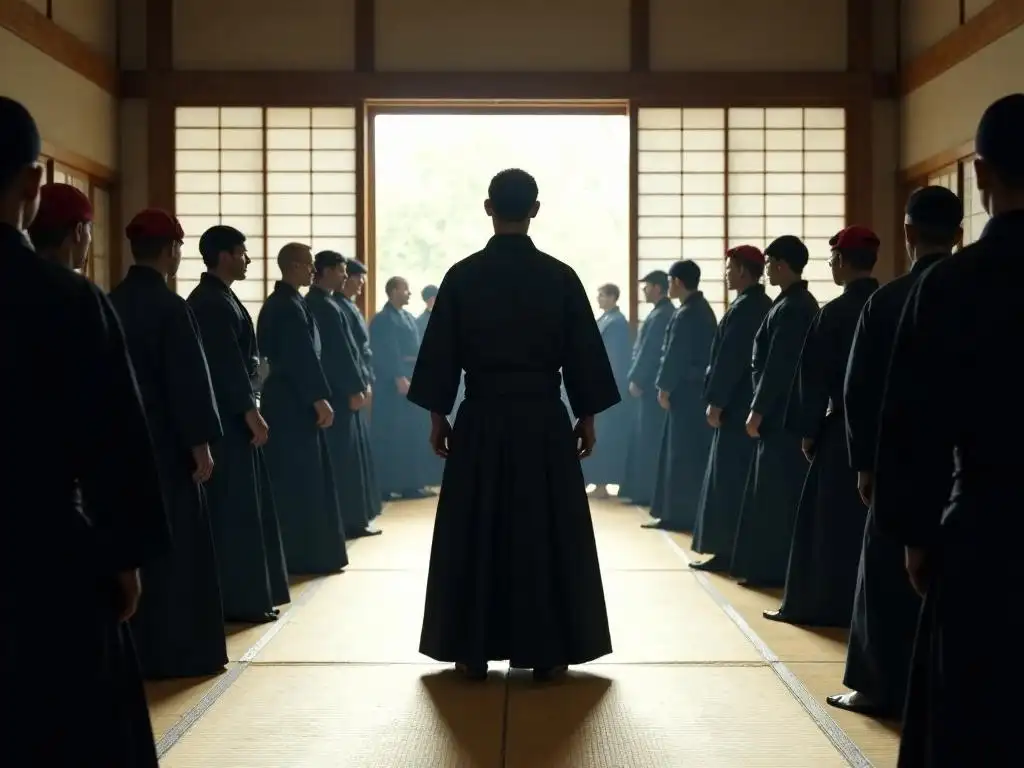
Engaging with samurai culture offers travelers a unique glimpse into the rich heritage of Japan's feudal era. Through various activities and workshops, visitors can immerse themselves in the traditions and practices that defined the samurai way of life. From martial arts to traditional clothing, these experiences not only educate but also provide an opportunity to connect with the spirit of the samurai.
Samurai Sword Experience: Learning the Art of Kendo
One of the most popular activities for those interested in samurai-themed travel in Japan is the Samurai Sword Experience, particularly through Kendo, the modern martial art that embodies the principles of the samurai. Kendo, which translates to "the way of the sword," is not just about physical prowess; it also emphasizes discipline, respect, and mindfulness.
Participants can join Kendo classes in various dojos across Japan, such as:
- Tokyo: The heart of Kendo training, where many historical dojos are located.
- Kyoto: Known for its traditional settings, offering a picturesque backdrop for learning.
- Osaka: Another vibrant city with numerous Kendo schools welcoming beginners.
In these classes, you can expect to:
- Learn Basic Techniques: Instructors will teach fundamental stances and strikes, allowing participants to grasp the essentials of swordsmanship.
- Practice Sparring: Engage in controlled sparring sessions with fellow students, which enhances both skill and confidence.
- Understand the Philosophy: Classes often include discussions on the samurai code (Bushido) and how it applies to modern life.
For those looking to deepen their experience, some dojos offer weekend retreats, where participants can train intensively while also enjoying traditional Japanese meals and cultural activities.
Traditional Samurai Clothing Experiences
Dressing in traditional samurai clothing is another fascinating aspect of samurai-themed travel in Japan. Travelers can don the iconic kimono or the more elaborate samurai armor, immersing themselves in the visual and tactile elements of samurai culture.
Here’s how you can engage in this unique experience:
- Kimono Rental Shops: Available in cities like Kyoto and Tokyo, these shops allow visitors to wear traditional attire for a day. Many shops provide a full dressing service, ensuring that you are adorned correctly with all the accessories.
- Samurai Armor Experiences: Certain cultural centers and museums offer the chance to wear actual samurai armor. This experience often includes:
- Guided Tours: Learn about the history and significance of each piece of armor.
- Photography Sessions: Capture the moment with professional photos taken in scenic locations, resembling the samurai's historic environments.
- Workshops on Kimono Wearing: In addition to merely wearing the attire, participating in workshops that teach the proper way to wear a kimono can enrich your understanding of this cultural garment.
By partaking in these traditional clothing experiences, travelers not only gain insight into the aesthetics of samurai culture but also appreciate the craftsmanship and history behind these garments.
Engaging with samurai culture through these activities and workshops creates lasting memories and a deeper connection to Japan’s feudal past. Whether through the disciplined practice of Kendo or the elegant experience of wearing traditional clothing, samurai-themed travel in Japan offers a profound exploration of a fascinating era.
Culinary Discoveries: Dining Like a Samurai

Traditional Japanese Cuisine Influenced by Samurai Culture
The culinary landscape of Japan has long been shaped by its rich history, particularly during the feudal era when the samurai class played a crucial role in both governance and culture. Traditional Japanese cuisine, or washoku, reflects the values and practices of this warrior class, emphasizing seasonal ingredients, presentation, and harmony with nature.
Key Elements of Samurai-Inspired Cuisine:
- Simplicity and Elegance: Samurai meals often featured simple yet elegant presentations, with an emphasis on natural flavors. Dishes were prepared using techniques that preserved the integrity of the ingredients.
- Rice as a Staple: Rice ( gohan) was central to the samurai diet, symbolizing sustenance and prosperity. It was often served with a variety of side dishes, including pickles and grilled fish.
- Fermented Foods: Fermentation was a common preservation method, resulting in staples like miso and soy sauce that not only added flavor but also contributed to the nutritional value of meals.
- Seasonal and Regional Ingredients: The samurai were known to appreciate the changing seasons, which influenced their diets. Dishes would vary according to what was fresh and available, aligning with the concept of shun (seasonality).
This culinary heritage remains influential today, particularly in restaurants that aim to recreate the flavors and experiences of the samurai era for travelers seeking authentic samurai-themed dining.
Recommended Restaurants for Authentic Samurai Dining
When exploring samurai-themed travel in Japan, several restaurants stand out for their dedication to preserving the culinary traditions of the samurai. Below are two distinguished establishments that offer a taste of feudal Japan.
Yoshinoya: A Taste of Feudal Japan
Yoshinoya, although modern in its fast-food approach, has roots that trace back to the Edo period. Originally a humble beef bowl shop, it has evolved into an iconic representation of Japanese comfort food. The restaurant's signature dish, gyudon (beef bowl), features thinly sliced beef simmered in a savory broth of soy sauce, mirin, and dashi, served over a bed of rice.
Key Features:
- Historical Significance: The establishment's long history connects it to the samurai era, making it a unique spot for visitors interested in the evolution of Japanese cuisine.
- Affordable and Accessible: While it retains historical roots, Yoshinoya offers modern convenience, making it an excellent stop for travelers looking for an authentic yet quick dining experience.
- Culinary Simplicity: The straightforward approach to ingredients mirrors the samurai philosophy of appreciating simplicity and quality.
Yoshinoya provides a delicious glimpse into the past while being easily accessible for those embarking on a samurai-themed journey.
Matsusakagyu Yakiniku M: A Warrior's Feast
For those seeking an indulgent dining experience reminiscent of the feasts enjoyed by samurai, Matsusakagyu Yakiniku M is a must-visit. Specializing in Matsusaka beef, one of Japan's top three wagyu brands, this restaurant offers a luxurious dining experience, elevating the concept of samurai meals to a grand level.
Key Features:
- Exquisite Ingredients: Matsusaka beef is renowned for its marbling, tenderness, and rich flavor, making it a fitting choice for a warrior's feast.
- Interactive Dining Experience: Guests can grill their own meat at the table, creating a communal atmosphere reminiscent of the shared meals among samurai.
- Cultural Ambiance: The restaurant's decor often reflects traditional Japanese aesthetics, further enhancing the immersive experience of dining like a samurai.
Matsusakagyu Yakiniku M not only provides a taste of Japan's culinary excellence but also transports diners back to an era where feasting was an essential part of samurai culture.
By exploring these culinary destinations, travelers can savor the flavors of feudal Japan while enriching their understanding of the samurai's cultural legacy. Whether enjoying a quick meal at Yoshinoya or indulging in a lavish feast at Matsusakagyu Yakiniku M, visitors will find that dining like a samurai is an integral part of experiencing the rich tapestry of Japan's history and culture.
Souvenirs and Keepsakes from Your Samurai Journey
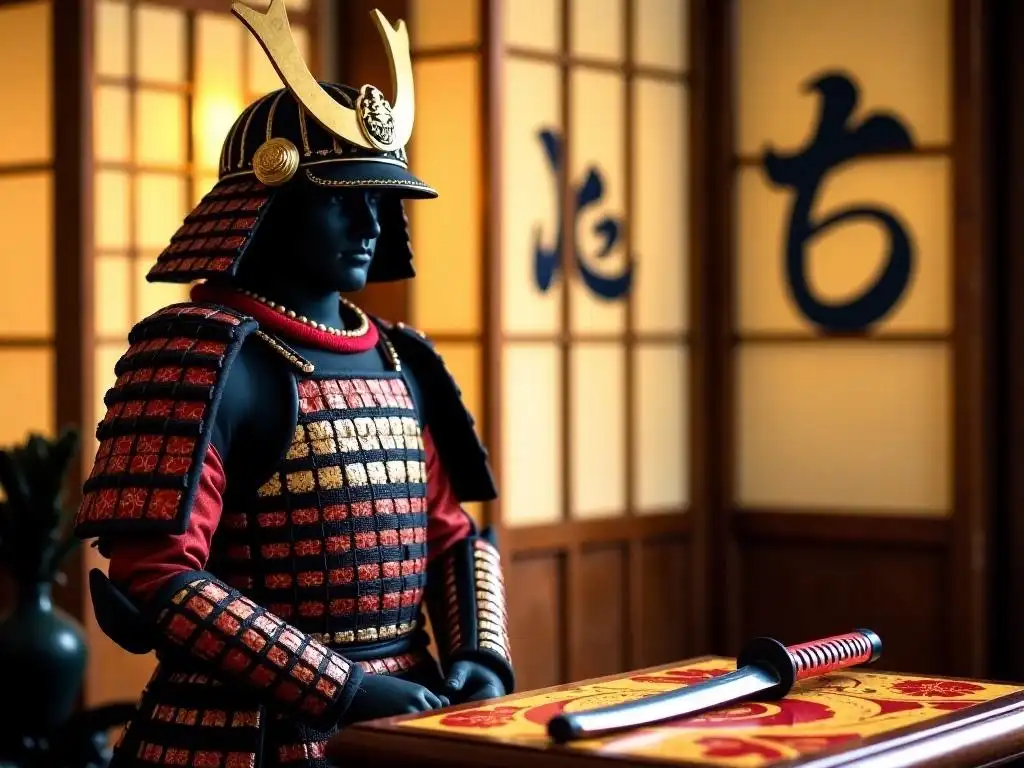
Best Samurai-Themed Souvenirs to Bring Home
When embarking on your samurai themed travel in Japan, bringing home a piece of the experience is essential. Here are some of the best samurai-themed souvenirs that capture the spirit of Japan's feudal era:
- Katana Replicas: A beautifully crafted katana can be an exceptional addition to your collection. Look for replicas made with traditional techniques, often sold in specialty shops in areas like Kyoto and Kamakura.
- Samurai Armor Models: Miniature models of samurai armor provide a glimpse into the intricate designs and craftsmanship of the time. These can be found in various sizes and materials, from metal to plastic.
- Bonsai Trees: While not exclusively samurai-related, bonsai trees symbolize patience and artistry, values held dear by samurai warriors. A carefully tended bonsai can serve as a lasting reminder of your journey.
- Noren (Fabric Dividers): These traditional fabric banners often depict samurai scenes or motifs. They can be used to decorate your home, evoking the ambiance of a Japanese inn.
- Furoshiki (Wrapping Cloth): A versatile and beautiful piece of cloth often adorned with samurai designs, furoshiki can be used for wrapping gifts or as an eco-friendly shopping bag.
- Japanese Calligraphy Sets: Engage with the art of writing as samurai did by purchasing a calligraphy set. Look for brushes, ink, and paper featuring traditional designs.
- Samurai-Themed Art Prints: Local artists often create stunning prints showcasing historical samurai battles or serene landscapes associated with samurai culture. These prints make for excellent wall decor.
Online Shops for Samurai Memorabilia
In the digital age, purchasing unique samurai themed travel Japan memorabilia has become more accessible. Here are some reputable online shops where you can find authentic samurai-themed items:
- Japan Objects Store
- This store offers a wide array of samurai-related merchandise, including art prints, books about samurai history, and collectible figurines. They focus on quality and authenticity, making it a prime destination for enthusiasts.
- Samurai Buyer
- An online marketplace specializing in samurai memorabilia, Samurai Buyer features everything from replica swords to traditional clothing. They also provide international shipping, making it easy to acquire items from anywhere in the world.
- Etsy
- A treasure trove for handmade and vintage items, Etsy boasts numerous sellers offering unique samurai-themed products. From custom artwork to handcrafted jewelry, you can find one-of-a-kind pieces that reflect your journey.
- JAPAN-RARE
- This shop specializes in rare and unique items from Japan, including samurai swords and historical artifacts. Their collection is curated for authenticity, appealing to serious collectors.
- Amazon Japan
- With a vast selection of samurai-themed products, Amazon Japan can be a convenient option for shoppers. Consider using their international shipping service for a hassle-free experience.
By choosing these souvenirs and memorabilia, you can carry a piece of Japan's rich samurai history back home, ensuring that the memories of your journey last a lifetime.
Conclusion: Embrace the Spirit of the Samurai in Your Travels
Embarking on a journey through Japan with a focus on samurai-themed travel allows you to immerse yourself in the rich tapestry of history, culture, and tradition that defined the feudal era. The legacy of the samurai is not just about the warriors; it encompasses an entire way of life that includes art, philosophy, and social structure. By visiting historical sites, participating in themed tours, and engaging with local traditions, travelers can connect with the spirit of the samurai in a profound way.
Additional Resources for Samurai-Themed Travel in Japan
To enhance your samurai-themed travel experience in Japan, consider exploring these resources:
- Books and Literature:
- Hagakure: The Book of the Samurai by Yamamoto Tsunetomo
- The Book of Five Rings by Miyamoto Musashi
- Documentaries and Films:
- Seven Samurai directed by Akira Kurosawa
- The Last Samurai featuring Tom Cruise
- Online Guides and Blogs:
- Travel blogs focusing on samurai history and culture
- Forums and communities dedicated to Japanese history enthusiasts
- Cultural Experiences:
- Samurai armor fitting experiences
- Traditional tea ceremonies that reflect samurai values
- Martial arts classes, such as Kendo or Iaido
- Travel Agencies Specializing in Samurai Tours:
- Agencies offering guided tours to historical sites, such as:
- Himeji Castle
- The Samurai and Ninja Museum with Experience in Kyoto
- The Edo-Tokyo Museum
- Agencies offering guided tours to historical sites, such as:
By leveraging these resources, you can plan a more enriching itinerary that not only highlights the samurai's historical significance but also allows for a deeper understanding of their enduring legacy in modern Japan. Embrace the adventure and let the spirit of the samurai guide your travels!
Frequently Asked Questions
What is samurai themed travel in Japan?
Samurai themed travel in Japan focuses on exploring historical sites, cultural experiences, and activities related to the samurai era, allowing visitors to immerse themselves in the rich heritage of the samurai warriors.
What locations are recommended for samurai themed travel?
Recommended locations include Kamakura, home to historic temples and the Great Buddha, and Kiso Valley, known for its preserved samurai post towns like Magome and Tsumago, showcasing the traditional architecture of the period.
Are there any experiences specifically tailored for samurai enthusiasts?
Yes, many places offer experiential activities such as sword fighting classes, tea ceremonies, and the chance to wear samurai armor, providing an interactive way to connect with Japan's feudal past.
How can travelers ensure an authentic samurai experience?
To ensure authenticity, travelers should seek out expert-guided tours, visit historical sites, and engage with local artisans who specialize in samurai crafts, enriching their understanding of the culture.
What historical events shaped the samurai culture in Japan?
Key events include the Genpei War (1180-1185), which led to the rise of the samurai class, and the Meiji Restoration (1868), which marked the decline of the samurai era, influencing the cultural landscape of modern Japan.
Final Reflection: Embracing the Spirit of the Samurai in Travel
The journey through samurai-themed travel in Japan is not just about visiting historical sites; it is a profound exploration of honor, discipline, and the rich cultural tapestry that defines the samurai legacy. In today's fast-paced world, where many seek meaning and connection, immersing oneself in the traditions and stories of the samurai offers a unique opportunity to reflect on our own values and aspirations. The allure of the samurai transcends time, reminding us that the pursuit of excellence and integrity is as relevant now as it was centuries ago.
Cultural experiences rooted in the samurai ethos continue to shape our understanding of Japan's identity and heritage. The rituals, art forms, and philosophies associated with the samurai not only enrich our travel experiences but also foster a deeper appreciation for the resilience and artistry of Japanese culture. As the renowned author and philosopher, Joseph Campbell, once said, "> The cave you fear to enter holds the treasure you seek." This sentiment resonates profoundly within the context of samurai-themed travel, encouraging us to confront our fears and embrace the transformative power of exploration.
As you embark on your own warrior's journey through Japan, I invite you to reflect on the lessons of the samurai and how they can inspire your own path. Consider how the principles of honor, courage, and respect can guide your travels and interactions with others. Let the spirit of the samurai infuse your adventures with purpose and meaning, reminding you that every step you take is an opportunity to connect with the past and shape your future. Embrace the journey, and may it lead you to your own treasures of insight and growth.
Embark on Your Samurai Adventure Today!
Thank you for immersing yourself in the rich and fascinating world of samurai-themed travel in Japan! With the insights you've gained, you’re now equipped to embark on a journey that honors the spirit and history of these legendary warriors.
Now, it's time to take action and transform your travel dreams into reality. Here’s how you can start:
- Plan your samurai experience: Research historical sites, participate in a samurai workshop, or book themed accommodations that resonate with the warrior spirit. Take the first step in crafting your unique itinerary!
- Share your newfound knowledge: Connect with fellow travelers on social media or travel forums to share your favorite tips and inspire others on their journeys.
- Join a local community or organization: Seek out samurai reenactment groups or cultural workshops in your area to deepen your understanding and appreciation of this incredible heritage.
What unique samurai experience are you most excited to explore on your journey? Share your thoughts below and join the conversation!