
The Connection Between Zen Buddhism and Nature: Finding Divinity in the Natural World


Welcome to Feudal Japan History, where we delve deep into the captivating tapestry of Japan’s feudal era. Here, you’ll uncover the intricate relationships between history, culture, and society that shaped this remarkable period.
In our featured article, “The Connection Between Zen Buddhism and Nature: Finding Divinity in the Natural World,” we invite you to explore how the serene philosophies of Zen intertwine with the beauty of nature, revealing profound insights that resonate through the ages. Prepare to embark on a journey that not only enlightens your mind but also stirs your spirit—dare to discover the divine in the world around you!
Introduction to Zen Buddhism and Nature Connection
The relationship between Zen Buddhism and nature is deeply rooted in the philosophical and spiritual practices that emerged during Japan's feudal era. At its core, Zen Buddhism emphasizes direct experience and intuition over theoretical knowledge, creating a profound connection between the individual and the natural world.
This connection is not merely aesthetic; it embodies a way of perceiving the universe, where nature becomes a reflection of divine principles and inner peace. As we delve into this intricate relationship, we will explore how Zen teachings advocate for harmony with nature, encouraging practitioners to find clarity, tranquility, and enlightenment within the natural world.
Understanding Zen Buddhism
Zen Buddhism, a school of Mahayana Buddhism, focuses on meditation (zazen) and the cultivation of insight. It originated in China as Chan Buddhism and later flourished in Japan, where it became integral to Japanese culture. The practice emphasizes the importance of mindfulness and being present in the moment, allowing individuals to transcend the distractions of everyday life. Key concepts include:
- Satori: A moment of sudden enlightenment.
- Zazen: Sitting meditation, the core practice of Zen.
- Koans: Paradoxical questions or statements used to provoke deep thought and insight.
Through these practices, Zen teaches that understanding oneself leads to a greater understanding of the world, fostering a deep appreciation for the environment that surrounds us.
The Importance of Nature in Zen Philosophy
Nature plays a crucial role in Zen philosophy, serving as a canvas for spiritual reflection and personal growth. The natural world is seen as a manifestation of the interconnectedness of all life, where every element, from the smallest pebble to the tallest tree, holds significance. Key aspects of this connection include:
- Simplicity: Zen aesthetics celebrate simplicity, often reflected in traditional Japanese gardens that embody the essence of nature.
- Impermanence: The changing seasons remind practitioners of the transient nature of life, aligning with the Buddhist concept of impermanence (anicca).
- Mindfulness: Engaging with nature encourages mindfulness, allowing individuals to appreciate the present moment and find peace amidst chaos.
Through these principles, Zen Buddhism encourages a holistic view of the world, inviting practitioners to connect with nature on a deeper level.
Historical Context of Zen Buddhism and Nature
Understanding the historical context of Zen Buddhism in Japan provides insight into its profound connection with nature. The evolution of Zen thought and practice was influenced by various cultural and societal factors during Japan's feudal era.
Origins of Zen Buddhism in Japan
Zen Buddhism was introduced to Japan in the late 12th century, primarily through the efforts of monks who traveled from China. Its establishment gained momentum during the Kamakura period (1185-1333), when the samurai class embraced Zen as a means to cultivate discipline and focus. The integration of Zen into Japanese society marked a significant shift in cultural practices, including:
- Tea Ceremony: The Zen-influenced tea ceremony emphasizes harmony with nature and mindfulness.
- Garden Design: Zen gardens reflect the philosophy of simplicity and natural beauty, often used for meditation.
This period laid the groundwork for a cultural appreciation of the natural world, intertwining Zen practices with Japan's artistic and spiritual expression.
Nature's Role in Feudal Japanese Society
During the feudal era, nature was not merely a backdrop for human activity; it was revered as a source of inspiration and spiritual significance. The connection between Zen Buddhism and nature informed various aspects of life in feudal Japan, including:
- Art and Literature: Nature themes permeated poetry, painting, and literature, reflecting the Zen appreciation for beauty in simplicity.
- Spiritual Practices: Many Zen temples were constructed in natural settings, enhancing the meditative experience and reinforcing the belief in nature as a path to enlightenment.
This symbiotic relationship between Zen Buddhism and the natural world continues to influence contemporary practices, highlighting the enduring legacy of this connection within Japanese culture.
Key Principles of Zen Buddhism and Nature Connection
The connection between Zen Buddhism and nature is deeply rooted in the tradition's core principles. Central to this relationship is the idea that nature provides a pathway to spiritual enlightenment and understanding. Zen teaches that the universe is interconnected, and through observing nature, practitioners can gain insights into their own existence. The following sections delve into specific principles that illustrate this profound relationship.
Simplicity and Minimalism in Nature
Simplicity and minimalism are foundational aspects of Zen philosophy, emphasizing the beauty found in unembellished forms. In nature, this is reflected in the stark elegance of a single tree or the quiet stillness of a pond. Zen practitioners often embrace kanso, the Japanese concept of simplicity, which advocates for the removal of unnecessary elements in both life and art.
In nature, minimalism encourages individuals to appreciate the essence of what they observe without distractions. This appreciation fosters a deeper connection with the environment, allowing one to experience moments of clarity and insight. The notion of simplicity extends to Zen gardens, where carefully arranged stones, gravel, and plants evoke tranquility and contemplation, demonstrating how minimalism can lead to profound spiritual experiences.
Mindfulness and Presence in Natural Settings
Mindfulness, a key practice in Zen Buddhism, is the art of being fully present in the moment. When applied to natural settings, mindfulness allows practitioners to engage with their surroundings in a deeply immersive way. By focusing on the sights, sounds, and sensations of nature, individuals cultivate a heightened awareness that fosters a sense of peace and connection.
Practicing mindfulness in nature can be as simple as observing the rustling of leaves, the flow of a river, or the patterns of clouds. This practice not only enhances one's appreciation of the natural world but also promotes mental clarity and emotional balance. Engaging with nature mindfully allows practitioners to transcend the chaos of everyday life, finding solace and grounding in the beauty of the environment.
Impermanence and Change in Nature
Impermanence, or anicca, is a fundamental concept in Zen Buddhism that underscores the transient nature of existence. Nature is a constant reminder of this principle, as it is in a state of perpetual change—seasons shift, flowers bloom and wither, and landscapes evolve over time.
By observing these natural cycles, Zen practitioners can gain a deeper understanding of life's fleeting moments. This awareness of impermanence encourages acceptance and a greater appreciation for the present. Rather than clinging to life’s transient moments, Zen teaches individuals to embrace change, finding beauty in the temporal nature of existence and fostering a deeper connection with the world around them.
Natural Elements in Zen Practices
Natural elements play a crucial role in Zen practices, serving as sources of inspiration and meditation. These elements not only enhance spiritual experiences but also symbolize deeper philosophical concepts within Zen Buddhism. The following sections explore the significance of various natural components in Zen traditions.
The Significance of Gardens in Zen Buddhism
Zen gardens, or karesansui, are meticulously designed landscapes that embody the principles of simplicity, tranquility, and harmony with nature. These gardens often feature elements such as rocks, gravel, and carefully placed plants, reflecting the Zen ideals of minimalism and balance.
The act of creating and tending to a Zen garden is a meditative practice in itself, promoting mindfulness and presence. The raked gravel symbolizes water, while the rocks represent islands or mountains, illustrating the relationship between nature and spirituality. These gardens serve as contemplative spaces where practitioners can reflect on the interconnectedness of all things, fostering a deeper understanding of both nature and themselves.
Meditation in Natural Environments
Meditation in natural environments allows Zen practitioners to deepen their spiritual practice by integrating the calming aspects of nature into their routines. Natural settings—such as forests, mountains, and rivers—provide a serene backdrop for meditation, enhancing the experience through the soothing sounds and sights of the environment.
Practicing meditation outdoors encourages individuals to connect with the elements around them, fostering a sense of unity with the universe. This connection can lead to profound experiences of insight and tranquility, reinforcing the idea that nature is not separate from the self, but rather an integral part of the spiritual journey.
Symbolism of Natural Elements in Zen Art
Natural elements are frequently depicted in Zen art, serving as symbols that convey deeper philosophical meanings. For example, cherry blossoms represent the beauty and fragility of life, while bamboo symbolizes resilience and flexibility.
Zen art often employs these natural symbols to evoke emotional responses and provoke contemplation. Through the use of simple brush strokes and minimalist compositions, artists capture the essence of nature, inviting viewers to reflect on their own experiences and the impermanence of existence. This artistic expression highlights the profound connection between Zen Buddhism and the natural world, illustrating how nature serves as both inspiration and a canvas for spiritual exploration.
The Influence of Nature on Zen Aesthetics
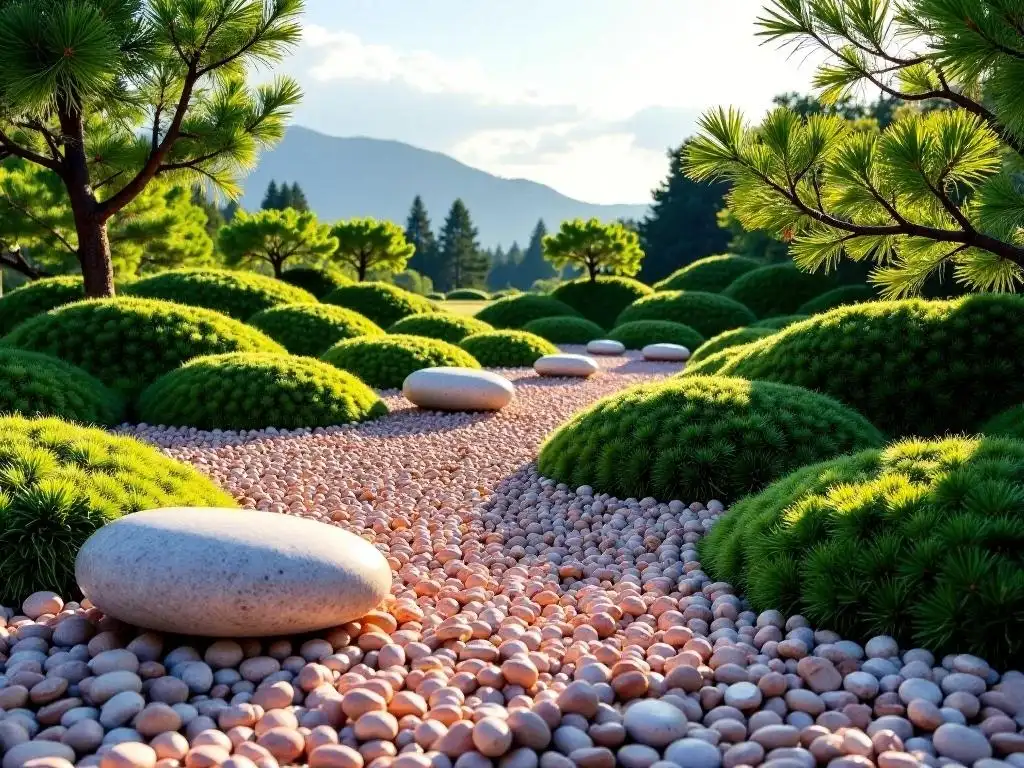
Zen Buddhism has a profound connection with nature that significantly shapes its aesthetic principles. This relationship is rooted in the belief that nature is a manifestation of the divine, representing a harmonious balance that reflects the Zen ideal of simplicity and tranquility. The natural world serves as a source of inspiration for artists, poets, and philosophers within the Zen tradition, encouraging a deep appreciation for the beauty of impermanence and the interconnectedness of all things.
The aesthetic values derived from nature are evident in various forms of art and design, particularly in Japanese culture. The goal is not merely to replicate nature but to embody its essence and evoke a sense of peace and mindfulness in the observer. Simple, uncluttered designs emphasize natural materials, organic forms, and a palette that reflects the surrounding environment. This aesthetic philosophy encourages individuals to experience the world with heightened awareness, fostering a connection to the present moment.
Aesthetic Principles in Zen Gardens
Zen gardens, or karesansui, serve as a quintessential representation of the connection between Zen Buddhism and nature. These dry landscape gardens utilize gravel, rocks, and minimal plant life to create a serene environment that invites contemplation. The arrangement of elements in a Zen garden is steeped in symbolism, with each stone and raked pattern reflecting the natural world.
Key aesthetic principles in Zen gardens include:
- Simplicity: The design is stripped of unnecessary elements, creating a tranquil space that promotes meditation.
- Asymmetry: Unlike Western garden designs that favor symmetry, Zen gardens embrace asymmetry to mimic the organic forms found in nature.
- Symbolism: Every aspect of the garden is carefully chosen to symbolize elements of nature, such as mountains, rivers, and islands, fostering a deeper understanding of the natural world.
The act of raking the gravel in these gardens is not just a physical task but a meditative practice that connects the gardener with the rhythms of nature, reinforcing the bond between Zen practice and the environment.
Nature-Inspired Zen Architecture
Zen architecture embodies the principles of harmony, simplicity, and natural integration. Traditional Zen temples and teahouses are designed to blend seamlessly with their surroundings, using materials such as wood, paper, and stone that reflect the natural landscape. The architecture emphasizes open spaces and natural light, creating an atmosphere conducive to meditation and reflection.
Key elements of nature-inspired Zen architecture include:
- Natural Materials: Wood and stone are preferred for their organic qualities, evoking a sense of warmth and connection to the earth.
- Integration with Landscape: Buildings are often positioned to frame views of nature, allowing occupants to experience the changing environment from within.
- Minimalism: The design philosophy prioritizes simplicity, removing superfluous ornamentation to focus on the beauty of form and function.
This architectural approach not only enhances spiritual practice but also encourages a sustainable relationship with the natural world, reflecting the core tenets of Zen Buddhism.
The Role of Seasons in Zen Philosophy
Seasons play a pivotal role in Zen philosophy, illustrating the cyclical nature of life and the importance of living in harmony with the environment. Each season brings unique beauty and lessons, emphasizing the transient nature of existence—a central theme in Zen thought.
- Spring: Represents renewal and rebirth, symbolizing new beginnings and the beauty of blossoming life.
- Summer: Embodies vitality and growth, inviting individuals to engage fully with the present moment.
- Autumn: Reflects change and impermanence, reminding practitioners to appreciate the fleeting nature of beauty as leaves turn colors and fall.
- Winter: Signifies rest and introspection, encouraging a period of reflection and preparation for new growth.
By observing and embracing the changing seasons, Zen practitioners cultivate a deeper awareness of the natural world, fostering a sense of gratitude and mindfulness in their daily lives.
Zen Buddhism and Environmental Awareness
The principles of Zen Buddhism inherently promote environmental awareness, encouraging followers to recognize their interconnectedness with nature. This connection fosters a sense of responsibility towards the environment, leading to practices that honor and protect the natural world.
The Zen Approach to Nature Conservation
Zen Buddhism advocates for a harmonious relationship with nature, emphasizing the importance of conservation and sustainability. This approach is rooted in the understanding that harming the environment ultimately harms oneself, as all beings are interconnected.
Zen teachings encourage:
- Mindful Consumption: Practitioners are urged to live simply and consume mindfully, reducing waste and promoting sustainable practices.
- Respect for All Beings: The belief in the interconnectedness of life fosters compassion for all living beings, encouraging actions that protect biodiversity.
- Engagement with Nature: Zen practitioners often engage in activities such as gardening and nature walks, cultivating a direct relationship with the earth and its ecosystems.
Through these practices, Zen Buddhism advocates for a lifestyle that respects and nurtures the environment, promoting a sustainable future.
Modern Implications of Zen Philosophy on Environmentalism
In today's world, the teachings of Zen Buddhism have significant implications for contemporary environmental movements. As concerns about climate change and ecological degradation grow, the Zen perspective offers valuable insights into fostering a more sustainable relationship with the earth.
- Mindfulness in Environmental Action: Zen principles encourage a mindful approach to environmental activism, emphasizing the importance of presence and awareness in addressing ecological issues.
- Community Engagement: Zen communities often engage in environmental initiatives, promoting collective action to combat climate change and protect natural habitats.
- Holistic Perspectives: The Zen view of interconnectedness invites a holistic understanding of environmental challenges, encouraging solutions that consider the well-being of all living beings.
By integrating Zen philosophy into modern environmentalism, practitioners aim to create a more compassionate, sustainable world that honors the delicate balance between humanity and nature.
Personal Experiences and Reflections
Zen Buddhism emphasizes the profound connection between human beings and the natural world, often encouraging practitioners to seek solace and enlightenment within nature. Many individuals who practice Zen find that their personal experiences in natural settings offer unique insights into their spiritual journeys. This relationship fosters a deep appreciation for the simplicity and beauty of the world around them, allowing for moments of reflection and clarity.
Practitioners often share how encounters with nature—whether through a quiet forest walk, the sound of a flowing stream, or the sight of a tranquil garden—can evoke feelings of peace and centeredness. These experiences highlight the integral role nature plays in their meditation and mindfulness practices, reinforcing the belief that nature is a teacher in the path of Zen.
Practicing Zen in Nature: Personal Stories
Individuals practicing Zen often recount transformative experiences that occur in natural environments. For instance, one practitioner describes how sitting under a cherry blossom tree during sakura season became a ritual of meditation. The ephemeral beauty of the blossoms served as a poignant reminder of impermanence, a core tenet of Zen philosophy. This experience deepened their understanding of life's fleeting moments and reinforced the practice of mindfulness.
Another story involves a Zen retreat held in a remote mountain setting. Participants engaged in daily meditation sessions surrounded by towering trees and the sounds of wildlife. Many found that the serene atmosphere facilitated a heightened sense of awareness and connection to their inner selves. The natural world became not just a backdrop for meditation but an active participant in their spiritual exploration.
Finding Peace and Divinity in Natural Surroundings
Nature serves as a sanctuary for many seeking peace and divinity. The gentle rustling of leaves, the fragrance of blooming flowers, and the warmth of sunlight can evoke a sense of tranquility that is often hard to find in urban environments. Zen practitioners report that these elements foster a deeper connection to the divine, allowing them to experience the sacredness in everyday moments.
Meditation in nature can amplify feelings of oneness and unity with the universe. When one sits quietly in a natural setting, the distractions of daily life fade away, making room for spiritual insights and revelations. This profound sense of peace often leads to a greater appreciation for the interconnectedness of all living things—a fundamental aspect of Zen teachings.
Conclusion: Embracing the Zen Buddhism and Nature Connection
The connection between Zen Buddhism and nature is both profound and transformative. It encourages practitioners to embrace the natural world as a vital component of their spiritual journey. By immersing themselves in nature, individuals can cultivate mindfulness, gain insights into the impermanence of life, and find peace amidst chaos.
The Lasting Impact of Nature on Zen Practice
The impact of nature on Zen practice is enduring and multifaceted. As practitioners continue to engage with the natural world, they often find that it enhances their ability to remain present and aware. Regular interactions with nature can also inspire creativity and foster a sense of gratitude, reinforcing the notion that every moment holds potential for spiritual growth.
Moreover, the lessons learned in nature often transcend the act of meditation. They permeate daily life, helping practitioners navigate challenges with greater resilience and clarity. This lasting impact underscores the importance of integrating natural experiences into one's Zen practice.
Inviting Nature into Daily Life for Spiritual Growth
Incorporating nature into daily life is essential for those seeking spiritual growth through Zen Buddhism. Simple practices, such as taking mindful walks, gardening, or observing wildlife, can deepen one’s connection to the environment and enhance spiritual awareness.
Creating a daily routine that includes time spent outdoors can cultivate a greater sense of harmony and balance. Practitioners are encouraged to utilize nature as a source of inspiration, allowing its beauty and tranquility to inform their meditation and mindfulness practices. By inviting nature into their lives, individuals can foster a lasting connection that nurtures their spiritual journey and enriches their understanding of Zen.
- Introduction to Zen Buddhism and Nature Connection
- Historical Context of Zen Buddhism and Nature
- Key Principles of Zen Buddhism and Nature Connection
- Natural Elements in Zen Practices
- The Influence of Nature on Zen Aesthetics
- Zen Buddhism and Environmental Awareness
- Personal Experiences and Reflections
- Conclusion: Embracing the Zen Buddhism and Nature Connection
- What is the significance of Zen Buddhism in Japanese culture?
- How does Zen Buddhism influence the perception of nature?
- What are some key practices in Zen Buddhism related to nature?
- How did historical events shape the relationship between Zen Buddhism and nature in feudal Japan?
- Can Zen gardens be considered a reflection of the Zen nature connection?
Frequently Asked Questions
What is the significance of Zen Buddhism in Japanese culture?
Zen Buddhism has played a crucial role in shaping Japanese culture, emphasizing simplicity, mindfulness, and a deep connection with nature, which reflects the aesthetic values of the time.
How does Zen Buddhism influence the perception of nature?
Zen Buddhism teaches that nature is a reflection of the divine, encouraging practitioners to find spiritual enlightenment through the appreciation and connection with the natural world.
Practices such as zazen (sitting meditation) and walking meditation often take place in natural settings, allowing practitioners to experience a profound sense of connection and tranquility in nature.
How did historical events shape the relationship between Zen Buddhism and nature in feudal Japan?
During feudal Japan, various historical events, including the rise of samurai culture, led to the integration of Zen principles into daily life, fostering an appreciation for nature's beauty and tranquility.
Can Zen gardens be considered a reflection of the Zen nature connection?
Yes, Zen gardens are designed to symbolize the harmony between nature and spirituality, using rocks, gravel, and plants to create a meditative space that embodies Zen principles.
Final Reflection: Embracing the Zen Buddhism and Nature Connection
In an age where the hustle and bustle of modern life often overshadows our connection to the natural world, the insights gleaned from Zen Buddhism and its profound relationship with nature resonate more than ever. This ancient philosophy invites us to pause, breathe, and immerse ourselves in the beauty that surrounds us, reminding us that the divine is not just found in sacred texts but also in the rustling leaves and flowing streams of our environment. The urgency to reconnect with nature is not merely a trend; it is a vital necessity for our well-being and spiritual growth.
The teachings of Zen Buddhism have significantly shaped our cultural and social landscape, fostering a deeper appreciation for the environment and our place within it. As we navigate the complexities of contemporary life, the principles of mindfulness and simplicity championed by Zen remind us to cultivate a sense of presence and gratitude. The mind is everything. What you think you become.
- Buddha. This perspective encourages us to recognize the sacredness of every moment and every element of nature, urging us to honor the interconnectedness of all living things and to find peace in the chaos of our daily lives.
As we reflect on the teachings of Zen Buddhism and their connection to nature, I invite you to take a moment to step outside and truly observe your surroundings. Consider how you can integrate these lessons into your daily routine—whether through mindful walks, meditation in a garden, or simply appreciating the beauty of a sunset.
Let this be a call to action: embrace the Zen Buddhism and nature connection, and allow it to transform your life. By doing so, you not only enrich your own existence but also contribute to the healing of our planet, fostering a deeper sense of harmony and balance for generations to come.
Embrace Nature's Zen: Take Your Journey Further!
Thank you for immersing yourself in the beautiful connection between Zen Buddhism and the natural world. By exploring this topic, you've gained insights into how nature fosters tranquility and divinity in our lives. Now, it's time to deepen that understanding and take action!
Here are a few ways you can harmonize your life with nature and Zen principles:
- Reconnect with nature: Spend time outdoors—whether it’s a walk in the park, hiking in the woods, or simply enjoying your garden. Reflect on your observations and allow the tranquility of nature to envelop you.
- Practice mindfulness: Dedicate a few minutes each day to meditate in a natural setting. Concentrate on your breath and the surroundings to nurture a deeper connection with the world.
- Share your journey: Connect with others who are passionate about Zen and nature. Engage in discussions about your experiences on social media, or start a blog to inspire others to appreciate the serenity of the great outdoors.
What insights have you gained from nature that resonate with Zen teachings? Join the conversation and share your thoughts!