
The Spiritual Journey of Zen Monks: Life in a Monastery and Beyond


Welcome to Feudal Japan History, where we invite you to embark on an enlightening journey through the intriguing tapestry of Japan's feudal era. Here, you will uncover the profound influence of Zen monks in Japan, whose spiritual practices and philosophies shaped not only religious thought but also the very fabric of society. In our featured article, "The Spiritual Journey of Zen Monks: Life in a Monastery and Beyond," we delve deep into the serene yet vibrant world of these ascetic practitioners.
Are you ready to explore the tranquility and wisdom that emerged from the monasteries, and discover how their teachings ripple through time? Join us as we unravel the mysteries of this fascinating period in history!
Introduction to Zen Monks in Japan
The spiritual journey of Zen monks in Japan offers a profound insight into the intersection of devotion, discipline, and enlightenment within the context of Japanese culture and history. Zen Buddhism, a school of Mahayana Buddhism, emphasizes meditation as a means to attain a deeper understanding of oneself and the nature of existence.
This article delves into the lives of Zen monks, exploring their rigorous training, the architecture and environment of monasteries, and their significant contributions to Japanese society and culture. By examining these aspects, we will uncover the enduring legacy of Zen monks in Japan, providing a comprehensive understanding of their spiritual practices and the philosophies that shape their lives.
Overview of Zen Buddhism in Japan
Zen Buddhism was introduced to Japan from China in the 12th century, and it quickly gained popularity among the samurai class and aristocracy. Characterized by its focus on zazen (seated meditation) and the concept of satori (sudden enlightenment), Zen challenges practitioners to experience reality directly, rather than through the lens of intellectual understanding.
- Key Features of Zen Buddhism:
- Meditation: Central to Zen practice, meditation fosters a direct experience of reality.
- Koans: Paradoxical anecdotes or riddles used to provoke enlightenment.
- Simplicity and Minimalism: Reflecting Zen aesthetics in art, gardens, and architecture.
The fusion of Zen philosophy with traditional Japanese arts, such as tea ceremony, calligraphy, and ink painting, underscores its profound impact on Japanese culture.
Importance of Zen Monks in Japanese Culture
Zen monks have played a pivotal role in shaping the spiritual landscape of Japan. Their influence extends beyond religious practices to the realms of art, philosophy, and even politics.
- Cultural Contributions:
- Artistic Inspiration: Zen principles have influenced various art forms, leading to the creation of minimalist and nature-inspired works.
- Education: Monasteries served as centers of learning, where teachings on ethics, philosophy, and the arts were imparted.
- Social Stability: Zen monks often acted as mediators in times of conflict, promoting peace and harmony within communities.
The legacy of Zen monks is evident in many aspects of Japanese life, where their teachings continue to resonate and inspire contemporary practices.
Historical Context of Zen Monastic Life
To fully appreciate the role of Zen monks in Japan, it is essential to understand the historical backdrop against which they developed their practices.
The Origins of Zen Monasticism in Japan
Zen monasticism traces its roots back to the introduction of the Rinzai and Soto schools in the Kamakura period (1185-1333). These schools emphasized rigorous training, communal living, and the pursuit of enlightenment through meditation.
- Rinzai School: Focused on sudden enlightenment through intensive meditation and the use of koans.
- Soto School: Emphasized sitting meditation ( shikantaza) as a path to awakening.
The establishment of temples and monasteries across Japan facilitated the growth of Zen, attracting followers from diverse backgrounds.
Key Historical Figures in Zen Buddhism
Several influential figures have shaped the course of Zen Buddhism in Japan. Among them are:
- Dogen Zenji: Founder of the Soto school, known for his writings on the nature of practice and enlightenment.
- Hakuin Ekaku: A prominent figure in the Rinzai school who revitalized Zen practice during the 18th century.
These figures not only contributed to the philosophical foundations of Zen but also played crucial roles in its dissemination and acceptance in broader Japanese society.
Evolution of Zen Monasteries Over Time
Zen monasteries have undergone significant transformations throughout their history. Initially, these institutions were primarily places of meditation and retreat. However, over time, they evolved into centers of education, cultural exchange, and community service.
- Architectural Styles: The design of Zen monasteries reflects their spiritual purpose, featuring simple yet elegant structures that blend harmoniously with nature.
- Modern Adaptations: Contemporary Zen monasteries continue to adapt to the changing social landscape, offering programs that attract both traditional practitioners and modern seekers.
Through these evolutions, Zen monasteries remain vital spaces for spiritual exploration and community building within Japan.
Daily Life of Zen Monks in a Monastery
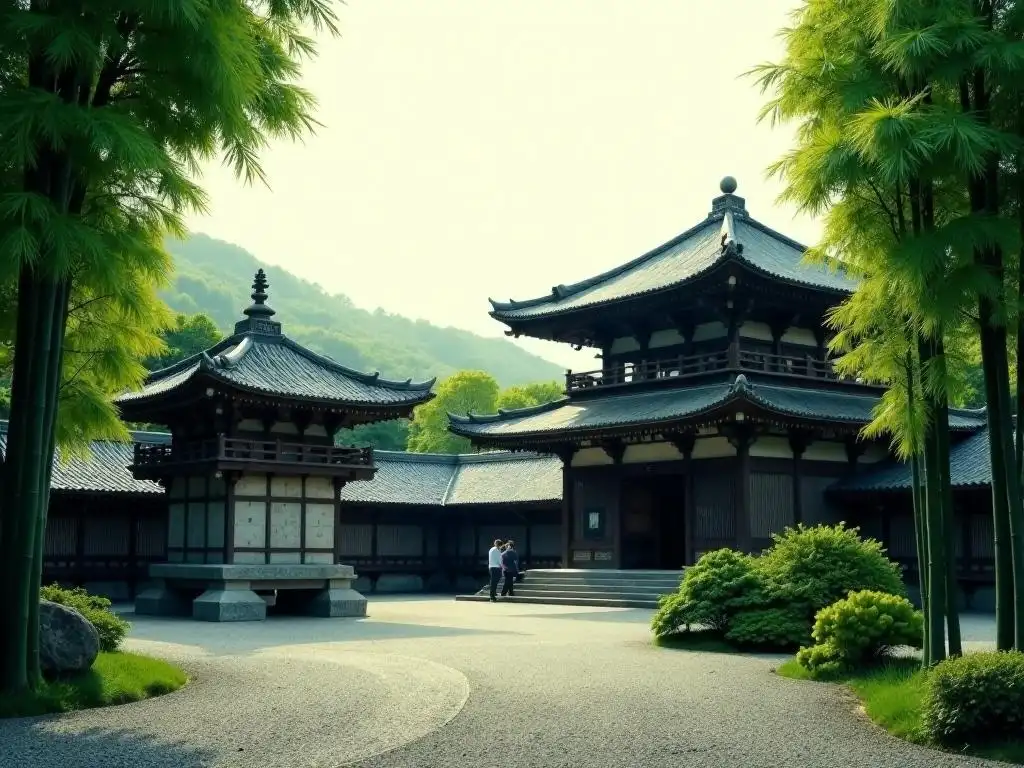
The daily life of Zen monks in a monastery is characterized by a structured routine that emphasizes discipline, meditation, and communal living. Each day begins early, often before dawn, and is marked by a series of rituals that serve to ground the monks in their spiritual practice. The atmosphere in the monastery is one of tranquility, where silence is valued, allowing the monks to cultivate inner peace and mindfulness.
Monks engage in a variety of activities throughout the day, including meditation, work, study, and communal meals. The simplicity of their lifestyle is intentional, as it removes distractions and fosters a deeper connection to their spiritual journey. Each monk plays a role in the community, contributing to the maintenance of the monastery and the well-being of their fellow practitioners.
Morning Rituals and Meditation Practices
Morning rituals in Zen monasteries are vital to establishing a focused mindset for the day. These rituals typically begin with the ringing of a bell, signaling the start of the day. Monks rise early to engage in zazen, or seated meditation, which forms the cornerstone of Zen practice.
During zazen, practitioners sit in silence, focusing on their breath and allowing thoughts to pass without attachment. This practice cultivates a deep sense of awareness and presence. Following zazen, monks may participate in chanting sutras, which further deepens their spiritual commitment and connection to the teachings of Zen Buddhism.
The Role of Work in Monastic Life
In Zen monasteries, work is considered an integral part of spiritual practice. This concept, known as "samu," emphasizes that each task—whether it be sweeping the temple grounds, gardening, or preparing meals—is an opportunity for mindfulness and meditation.
Work is performed with intention and attention, allowing monks to practice being present in every moment. This approach to labor instills a sense of responsibility and community, as every monk contributes to the maintenance of the monastery and the collective wellbeing of the community. It reinforces the idea that all actions can be a form of meditation, blurring the lines between work and spiritual practice.
Study and Learning in Zen Monasteries
Study and learning are essential components of life in a Zen monastery. Monks dedicate time to the study of Buddhist texts, philosophy, and teachings of previous Zen masters. This intellectual engagement complements their meditative practice and is crucial for deepening their understanding of Zen Buddhism.
Monastic education often includes the exploration of koans, which are paradoxical anecdotes or riddles used in Zen practice to provoke deep thought and insight. By grappling with koans, monks learn to transcend conventional thinking and deepen their experiential understanding of reality. The study is often collaborative, with monks engaging in discussions and teachings led by senior monks, fostering a rich learning environment.
Spiritual Practices and Philosophy of Zen Monks

Zen monks engage in a variety of spiritual practices that reflect the core principles of Zen Buddhism. Central to these practices is the pursuit of enlightenment, which is understood as a profound realization of one’s true nature and the nature of reality.
The philosophy of Zen emphasizes direct experience over theoretical knowledge. This is often expressed through the practice of meditation, mindfulness, and the cultivation of compassion. Zen monks strive to embody these principles in their daily lives, seeking to integrate their spiritual insights into every action.
Meditation Techniques Used by Zen Monks
Zen monks utilize various meditation techniques to enhance their spiritual practice. The most prominent method is zazen, where practitioners sit in silence and focus on their breath. This practice can take different forms, including:
- Shikantaza: The practice of "just sitting," where the individual remains fully present without focusing on any particular object.
- Kinhin: Walking meditation that involves slow, deliberate movements, allowing practitioners to maintain mindfulness while in motion.
- Koan practice: Contemplating paradoxical questions or statements to break through conventional thinking and spark insight.
These techniques are not just for personal development; they also serve to cultivate a deeper connection with the community and the broader teachings of Zen Buddhism.
The Concept of Mindfulness in Zen Buddhism
Mindfulness is a fundamental concept in Zen Buddhism, emphasizing the importance of being fully present in each moment. Zen monks practice mindfulness not only during meditation but throughout their daily activities, including eating, working, and interacting with others.
This practice encourages an awareness of thoughts, emotions, and sensations without judgment. By cultivating mindfulness, monks aim to reduce suffering and enhance their understanding of the interconnectedness of all beings. The discipline of mindfulness fosters a sense of peace and clarity, which is essential for their spiritual growth and development.
Zen Teachings and Their Relevance Today
The teachings of Zen Buddhism remain profoundly relevant in contemporary society, offering insights into personal well-being and community living. Zen emphasizes simplicity, presence, and compassion, values that resonate with the challenges of modern life.
Many individuals today explore Zen practices to cope with stress, anxiety, and the fast pace of life. The principles of mindfulness and meditation are widely adopted, transcending cultural boundaries and integrating into various aspects of wellness and mental health. As a result, the teachings of Zen monks continue to inspire and guide people in their spiritual journeys, promoting a harmonious existence in an increasingly complex world.
The Role of Zen Monks in Society
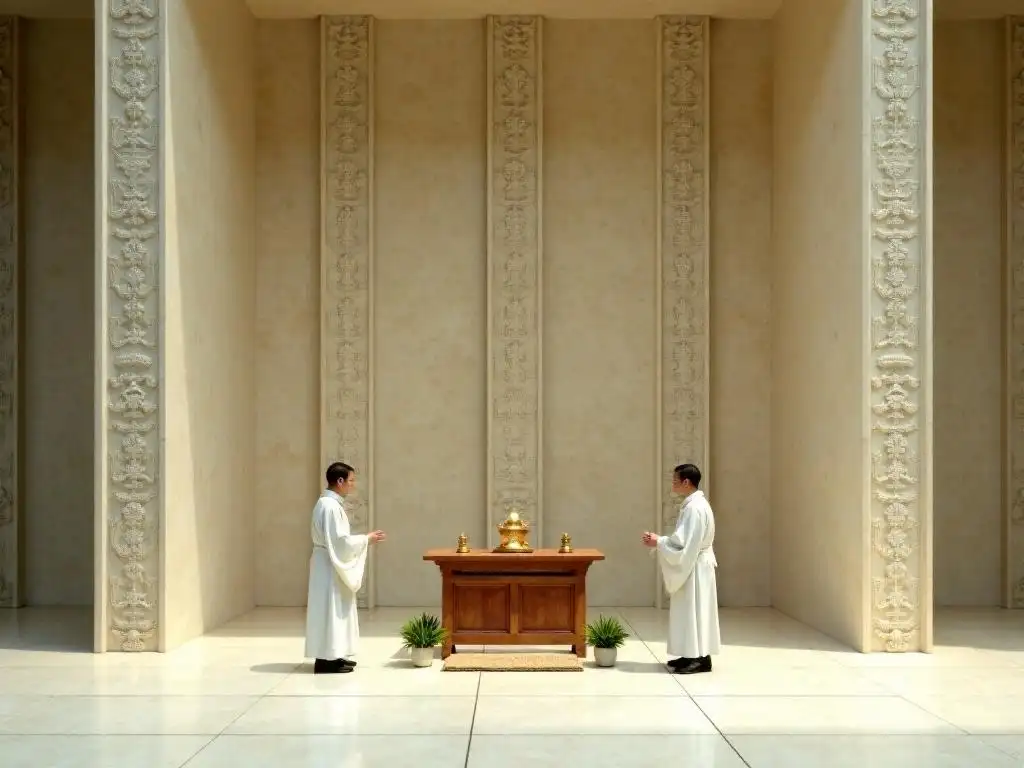
Zen monks have played a crucial role in shaping the cultural, spiritual, and social fabric of Japan throughout its feudal era and beyond. Their influence extends beyond the confines of the monastery, permeating various aspects of Japanese life. Zen Buddhism, with its emphasis on meditation, mindfulness, and direct experience, has provided spiritual guidance to many, fostering a deeper understanding of existence and the nature of reality.
In communities, Zen monks often served as advisors and mediators, helping to resolve conflicts and offering counsel based on their profound spiritual insights. They were seen as embodiments of peace and wisdom, earning respect from both the common folk and the ruling classes. This respect allowed them to act as intermediaries between the secular and the divine, promoting harmony within diverse societal structures.
Moreover, Zen monks contributed significantly to the agricultural productivity of their regions. Many monasteries managed vast tracts of land, and the monks employed innovative farming techniques, which not only sustained their communities but also set examples for local farmers.
Zen Monks as Spiritual Guides
Zen monks occupy a pivotal position as spiritual guides in Japanese society. Through their rigorous training and commitment to meditation, they attain a level of insight that enables them to lead others on their spiritual paths. Monastic teachings often emphasize the importance of zazen (seated meditation), which is viewed as a means of transcending ordinary consciousness and experiencing enlightenment.
In their role as guides, Zen monks lead meditation sessions and retreats, helping individuals cultivate mindfulness and inner peace. They encourage practitioners to develop a personal relationship with Zen, inspiring them to explore their own experiences rather than merely adhering to dogma. This approach fosters a sense of personal agency and encourages practitioners to delve deeper into their understanding of existence.
Furthermore, Zen monks often engage in community outreach, offering teachings and workshops that bring Zen principles to everyday life. This outreach not only spreads the philosophy of Zen but also reinforces the monks' role as vital spiritual leaders within society.
Contributions of Zen Monks to Japanese Arts and Culture
The influence of Zen monks on Japanese arts and culture is profound and multifaceted. Their teachings have inspired various art forms, including tea ceremonies, flower arrangement (ikebana), calligraphy, and garden design. Each of these practices reflects the Zen principles of simplicity, mindfulness, and a deep appreciation for nature.
One of the most notable contributions is in the realm of the tea ceremony, known as chanoyu. This ritual, which embodies the essence of Zen philosophy, emphasizes the importance of presence and the beauty of simplicity. Zen monks often led these ceremonies, using the process to teach mindfulness and the art of living in the moment.
In literature, Zen aesthetics have influenced poetry and prose, with many Zen monks composing haikus and other forms of verse that capture fleeting moments of beauty and insight. The works of poets such as Matsuo Bashō exemplify this connection between Zen thought and literary expression.
Additionally, Zen gardens, characterized by their minimalist design and contemplative spaces, serve as physical representations of Zen principles. These gardens have become symbols of tranquility and reflection, attracting visitors seeking peace and spiritual rejuvenation.
The Influence of Zen Monks on Japanese Philosophy
Zen monks have significantly shaped Japanese philosophy, particularly through the integration of Buddhist thought with indigenous Shinto beliefs. This synthesis has led to a unique philosophical landscape that values direct experience over theoretical constructs. Zen emphasizes understanding through personal insight and meditation rather than reliance on scripture or doctrine.
Monks like Dōgen, the founder of the Sōtō school of Zen, introduced concepts such as shikantaza (just sitting), which encourages practitioners to engage deeply with the present moment. This philosophy has influenced not only religious practices but also various aspects of Japanese culture, including ethics, aesthetics, and interpersonal relationships.
The emphasis on non-duality in Zen teachings has led to a philosophical outlook that transcends binary thinking, promoting a holistic understanding of life. This perspective has permeated Japanese art, literature, and even martial arts, fostering a culture of mindfulness and presence that is deeply rooted in Zen philosophy.
Challenges Faced by Zen Monks
Despite their revered status, Zen monks face several challenges that threaten the preservation and practice of their traditions. In an ever-evolving society, the relevance of monastic life and its teachings is continually tested, requiring adaptation and resilience.
Modernization and Its Impact on Monastic Life
The rapid modernization of Japan has significantly impacted the traditional lifestyle of Zen monks. As urbanization and technological advancements reshape society, many monasteries struggle to maintain their relevance. The influx of modern values often conflicts with the timeless teachings of Zen, leading to a potential disconnect between the monks and the younger generation.
Moreover, the traditional structures that supported monastic life, such as agricultural communities, have diminished. This decline poses economic challenges for many temples, forcing them to seek alternative sources of income while maintaining their spiritual mission. As a result, some monasteries are adapting by offering programs and workshops to attract visitors, thereby balancing spiritual integrity with economic sustainability.
Balancing Tradition and Contemporary Issues
Zen monks are also tasked with the challenge of balancing their age-old traditions with contemporary societal issues. Modern concerns, such as environmental sustainability, social justice, and mental health, require a response from Zen communities. Monks are increasingly called upon to address these pressing matters, often integrating Zen principles into contemporary discourse.
This balancing act necessitates a re-examination of traditional practices and teachings to ensure they remain relevant and accessible to a modern audience. Many monks are engaging in dialogues that connect Zen with contemporary challenges, offering insights that resonate with people facing the complexities of modern life.
The Future of Zen Monasticism in Japan
The future of Zen monasticism in Japan presents a complex landscape of opportunities and challenges. As society continues to evolve, there is potential for Zen teachings to adapt and flourish in new forms. The increasing interest in mindfulness and meditation practices in the West has sparked a renewed curiosity about Zen, encouraging a global exchange of ideas and practices.
However, this globalization also poses the risk of misinterpretation and dilution of authentic Zen teachings. It is crucial for Zen monks to preserve their traditions while engaging with wider audiences, ensuring that the core principles of Zen remain intact.
Looking ahead, the survival of Zen monasticism will depend on its ability to resonate with contemporary society while remaining true to its roots. By fostering a deeper understanding of Zen's philosophy and practices, monks can continue to play a vital role in guiding individuals on their spiritual journeys, ensuring that the essence of Zen Buddhism endures in the face of modernity.
Conclusion: The Lasting Legacy of Zen Monks in Japan
The legacy of Zen monks in Japan extends far beyond their monastic practices and religious teachings. They have profoundly influenced various aspects of Japanese culture, including art, literature, and philosophy. The principles of Zen, emphasizing simplicity, mindfulness, and a deep connection with nature, are embedded in the fabric of Japanese society. From the serene gardens of Kyoto to the minimalist aesthetics of traditional tea ceremonies, the impact of Zen is evident.
Furthermore, the teachings of Zen monks have transcended religious boundaries, inspiring individuals across the world to incorporate mindfulness and meditation into their daily lives. Their emphasis on direct experience and personal insight resonates with modern seekers of spiritual and psychological well-being. As we reflect on the evolution of Zen Buddhism in Japan, it becomes clear that the contributions of Zen monks are not merely historical but continue to shape contemporary thought and practice.
Reflection on the Spiritual Journey of Zen Monks
The spiritual journey of Zen monks is characterized by rigorous discipline and profound introspection. Each monk embarks on a path that requires them to confront their inner selves, often through meditation practices such as zazen (sitting meditation). This journey fosters a deep awareness of the present moment, allowing practitioners to transcend the distractions of the material world.
Moreover, the communal aspect of monastic life encourages monks to support one another in their spiritual endeavors. Through shared rituals, work, and study, they cultivate a sense of belonging and collective growth. This journey is not just an individual pursuit of enlightenment; it is also about contributing to the harmony of the community. The teachings passed down through generations emphasize the importance of compassion and service, both within the monastery and in the broader world.
The Importance of Zen Monastic Values Today
Zen monastic values remain relevant in today's fast-paced and often chaotic world. Principles such as mindfulness, simplicity, and discipline offer practical guidance for navigating modern challenges. As people seek refuge from the stresses of contemporary life, the teachings of Zen monks provide tools for fostering inner peace and resilience.
Additionally, the Zen emphasis on living in harmony with nature resonates with current environmental concerns. Many individuals are inspired to adopt sustainable practices that reflect the Zen belief in interconnectedness. By integrating these values into daily life, people can cultivate a deeper appreciation for their surroundings and a more compassionate approach to their interactions with others.
Additional Resources on Zen Monks in Japan
For those interested in delving deeper into the world of Zen monks in Japan, a variety of resources are available. From literature to visual media, these resources provide insights into the practices, philosophies, and historical significance of Zen Buddhism.
Recommended Books on Zen Buddhism
-
"Zen Mind, Beginner's Mind" by Shunryu Suzuki
This classic text offers an accessible introduction to Zen principles and meditation practices.
-
"The Three Pillars of Zen" by Philip Kapleau
This book combines personal anecdotes with practical guidance on Zen meditation.
-
"Zen and the Art of Motorcycle Maintenance" by Robert M. Pirsig
A philosophical exploration that intertwines Zen principles with a road trip narrative.
Documentaries and Films About Zen Monasteries
-
"The Zen Mind"
This documentary explores the daily lives of Zen monks in Japan, showcasing their practices and philosophies.
-
"Walk with the Wind"
A film that captures the essence of Zen meditation and the beauty of monastic life.
Online Courses and Workshops on Zen Practices
-
Zen Meditation Workshops
Many organizations offer online workshops focusing on zazen and mindfulness practices.
-
Zen Philosophy Courses
Several platforms provide courses that explore the philosophical underpinnings of Zen Buddhism, ideal for those seeking a deeper understanding of its teachings.
By engaging with these resources, individuals can enrich their understanding of Zen monks in Japan and the spiritual journey they represent.
- Introduction to Zen Monks in Japan
- Overview of Zen Buddhism in Japan
- Importance of Zen Monks in Japanese Culture
- Historical Context of Zen Monastic Life
- Daily Life of Zen Monks in a Monastery
- Morning Rituals and Meditation Practices
- The Role of Work in Monastic Life
- Study and Learning in Zen Monasteries
- Spiritual Practices and Philosophy of Zen Monks
- Meditation Techniques Used by Zen Monks
- The Concept of Mindfulness in Zen Buddhism
- Zen Teachings and Their Relevance Today
- The Role of Zen Monks in Society
- Challenges Faced by Zen Monks
- Conclusion: The Lasting Legacy of Zen Monks in Japan
- Additional Resources on Zen Monks in Japan
Frequently Asked Questions
What was the role of Zen monks in feudal Japan?
Zen monks played a crucial role in spiritual development and cultural practices during feudal Japan, influencing art, philosophy, and education through their teachings.
How did Zen Buddhism impact Japanese society?
Zen Buddhism significantly shaped Japanese culture, promoting values like simplicity, mindfulness, and discipline, which were reflected in tea ceremonies, gardening, and martial arts.
What was daily life like for a Zen monk in a monastery?
Daily life for a Zen monk involved rigorous routines of meditation, manual labor, and study, fostering a sense of community and spiritual growth within the monastery.
How did Zen monks influence Japanese arts and aesthetics?
Zen monks had a profound influence on Japanese arts, particularly in ink painting, calligraphy, and architecture, emphasizing minimalism and the beauty of natural elements.
Are there modern descendants of Zen practices in Japan today?
Yes, many modern Japanese still practice Zen principles, evident in meditation groups, temples, and various cultural practices that reflect Zen philosophy in everyday life.
Final Reflection: Embracing the Wisdom of Zen Monks
The spiritual journey of Zen monks in Japan is not just a historical account; it is a profound exploration of mindfulness and inner peace that resonates deeply in our fast-paced modern world. As we navigate the complexities of contemporary life, the teachings and practices of Zen monks offer us invaluable insights into cultivating tranquility amidst chaos. The quest for enlightenment and self-discovery that these monks undertake serves as a powerful reminder of the importance of slowing down and being present in our daily lives.
The influence of Zen monks extends far beyond the serene walls of their monasteries; it permeates our cultural and social landscapes, inspiring countless individuals to seek balance and harmony. The principles of Zen, such as simplicity, meditation, and compassion, have found their way into various aspects of modern life, from wellness practices to mindfulness movements. The mind is everything. What you think you become.
This quote encapsulates the essence of Zen philosophy, urging us to reflect on our thoughts and their impact on our reality. As we embrace these teachings, we can foster a deeper connection with ourselves and the world around us.
As you reflect on the journey of Zen monks, consider how their wisdom can be integrated into your own life. Take a moment to pause, breathe, and embrace the present. Whether through meditation, mindful practices, or simply appreciating the beauty of the moment, let the teachings of Zen inspire you to cultivate a life filled with peace and purpose. The path to enlightenment is not solely for monks; it is a journey available to each of us, inviting us to explore the depths of our own spirituality and find solace in the simplicity of being.
Embrace Your Spiritual Path Today!
Thank you for taking the time to explore the profound spiritual journey of Zen monks. We hope this article has illuminated the wisdom and tranquility that a monastic life embodies. It's time to draw inspiration from their teachings and integrate mindfulness into your daily routine. Here are some impactful actions you can start today:
- Begin a Daily Meditation Practice: Dedicate just 10 minutes each day to sit in silence, breathe deeply, and cultivate awareness. Experience the transformation that unfolds!
- Explore Zen Practices: Consider joining a local Zen center or participating in an online course to deepen your understanding of meditation and mindfulness.
- Share Your Journey: Engage with others by sharing your experiences on social media. You might inspire someone else to embark on their own path!
What steps will you take to incorporate Zen principles into your life today? We invite you to share your thoughts below!