
Discovering the Five Elements in Shinto Beliefs and Practices

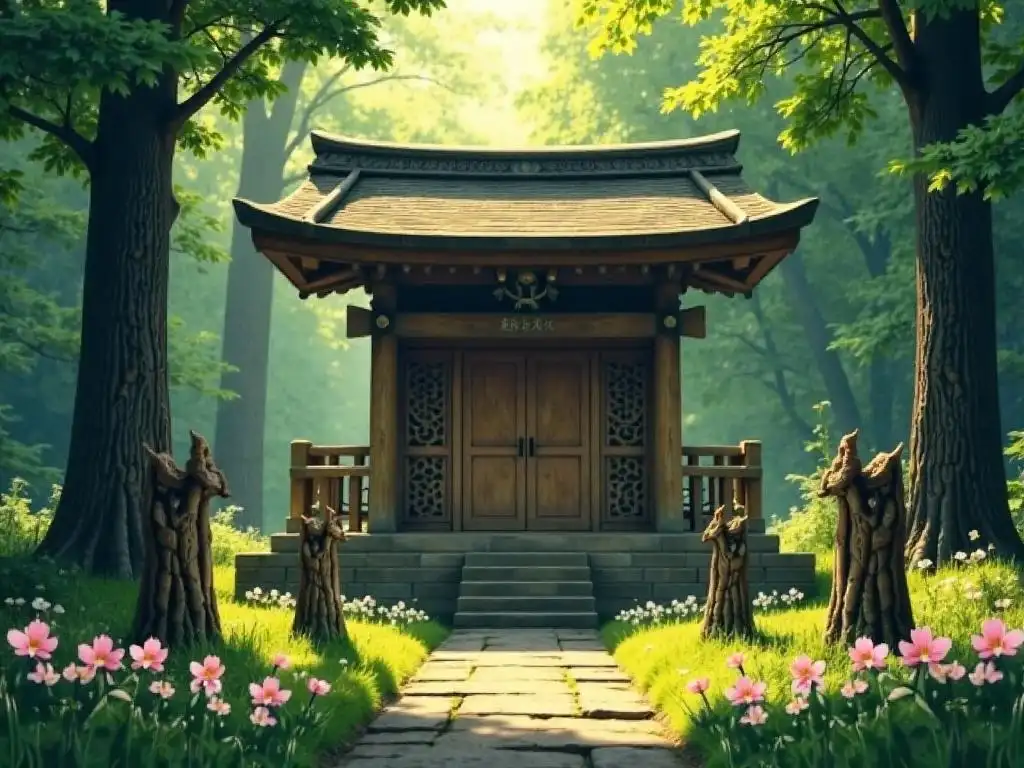
Welcome to Feudal Japan History, where we invite you to embark on an enlightening journey through the intricate tapestry of Japan's feudal era. Here, history meets spirituality as we delve into Shinto beliefs and the five elements, illuminating the profound connections that shaped ancient Japanese culture. Have you ever wondered how these elemental forces influenced daily life and rituals? Join us as we unravel the threads of tradition and uncover the secrets behind Shinto practices that continue to resonate today. Your exploration begins now—dive deeper into the world of feudal Japan!
Introduction to Shinto Beliefs and the Five Elements
Shinto, Japan's indigenous spirituality, is deeply intertwined with the natural world and its elements. At its core, Shinto beliefs focus on the veneration of kami—spirits that inhabit natural features such as mountains, rivers, and trees. Within this rich tapestry of beliefs, the concept of the five elements plays a significant role, influencing rituals, practices, and the overall understanding of the universe. This article delves into the intricate relationship between Shinto beliefs and the five elements, offering a comprehensive exploration of how these elements are perceived, celebrated, and integrated into daily life and religious practices.
Overview of Shinto as a Religion
Shinto, or "the way of the gods," is a religion that emphasizes living in harmony with nature and acknowledging the spiritual essence of all things. Unlike many organized religions, Shinto does not have a central scripture; instead, its teachings are passed down through rituals, practices, and oral traditions. The core tenets of Shinto include:
- Kami Worship: The belief in kami as divine spirits residing in natural elements.
- Purity and Harmony: The importance of maintaining purity in both body and spirit, reflecting a deep respect for nature.
- Community and Festivals: Regular celebrations and rituals that strengthen community bonds and honor the kami.
These elements create a foundation for understanding how the five elements are woven into the Shinto belief system, affecting everything from architecture to agricultural practices.
Importance of Natural Elements in Shinto Practices
In Shinto, nature is not just a backdrop but a vital participant in spiritual life. The natural world is seen as a living entity, where each element has its own significance and power. This reverence for nature manifests in various ways, including:
- Ritual Offerings: Seasonal festivals celebrate the harvest and honor the spirits of the land.
- Sacred Spaces: Shrines are often located in areas of natural beauty, such as forests, mountains, or near bodies of water, reinforcing the connection between kami and the environment.
- Symbolism in Art and Architecture: Many Shinto shrines incorporate natural materials and designs that reflect the surrounding landscape, embodying the harmony between man-made structures and nature.
By acknowledging the importance of these natural elements, Shinto practitioners create a spiritual framework that emphasizes balance, respect, and interconnectedness.
The Concept of the Five Elements in Shinto
Definition of the Five Elements in Shinto Beliefs
The five elements—earth, water, fire, wind, and void—are fundamental to understanding Shinto cosmology. Each element represents different aspects of existence and is associated with various kami. Here’s a brief overview of the five elements in Shinto beliefs:
- Earth (Chi): Represents stability and nourishment; often associated with kami that reside in mountains and soil.
- Water (Sui): Symbolizes purity and life; linked to rivers, lakes, and the cleansing rituals prevalent in Shinto practices.
- Fire (Ka): Embodies transformation and energy; associated with kami of fire and is integral in many purification rituals.
- Wind (Fū): Represents movement and change; the kami of wind are often invoked for protection and guidance.
- Void (Kū): Symbolizes the spiritual realm and the unknown; reflects the essence of creation and the source of all elements.
These elements not only serve as a framework for understanding the physical world but also guide spiritual practices and rituals in Shinto.
Historical Context of the Five Elements in Japanese Culture
The concept of the five elements has deep historical roots in Japanese culture, influenced by various philosophical doctrines, including Buddhism and Taoism. The integration of these elemental beliefs into Shinto can be traced back to ancient times, where they were employed to explain natural phenomena and human experiences.
- Cultural Syncretism: The blending of Shinto with other philosophies led to a more nuanced understanding of the elements, allowing practitioners to draw from a rich pool of traditions.
- Ritual Practices: Historical records indicate that rituals invoking the five elements were common in ancient Japan, with evidence found in archaeological sites and ancient texts.
- Literature and Art: The five elements have also influenced Japanese literature and art, symbolizing the balance between nature and humanity in various forms of expression.
Understanding the historical context of the five elements within Shinto beliefs provides a deeper appreciation of their significance in contemporary practices and cultural expressions. Through this exploration, we can see how the five elements remain a vital part of Japan's spiritual landscape, shaping the beliefs and lives of its people today.
Element 1: Wood in Shinto Beliefs and Practices
Wood holds a significant place in Shinto beliefs and practices, symbolizing growth, strength, and the connection to nature. In Shinto, which emphasizes harmony with the natural world, wood is not merely a material but a living element that embodies the spirit of the kami (deities or spirits). Trees are often seen as sacred beings that serve as homes for kami, thus highlighting the reverence for nature inherent in Shinto practice.
Symbolism of Wood in Shinto
In Shinto, wood represents vitality and renewal. The life cycle of trees—growing, shedding leaves, and regenerating—mirrors the cycles of life, death, and rebirth. Specific trees, such as the sakaki (Cleyera japonica), are particularly revered and often used in rituals and offerings. The sakaki tree is believed to have the ability to attract kami, making it an essential element in Shinto shrines and ceremonies. Additionally, the use of wooden objects and structures in sacred spaces reinforces the idea that wood is a bridge between the physical and spiritual realms.
Rituals and Offerings Involving Wood
Rituals involving wood are prevalent in Shinto practices. One common practice is the use of wooden offerings called "tamagushi," which consist of a branch of sakaki adorned with strips of white paper (shide). These offerings are presented to kami during rituals, symbolizing purity and the desire for divine favor. Furthermore, wooden structures, such as torii gates and shrines, are integral to Shinto worship, marking sacred spaces where humans and kami can interact. The act of crafting these wooden structures is itself a form of reverence, as artisans imbue their work with intentions and prayers.
Element 2: Fire in Shinto Beliefs and Practices
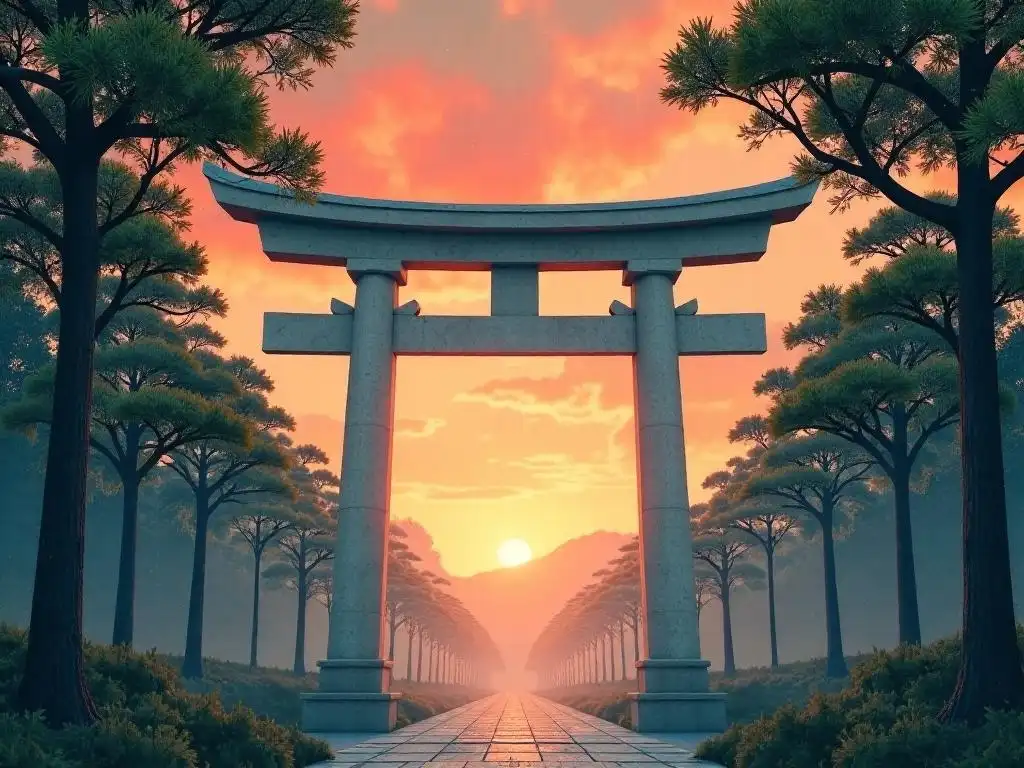
Fire is another fundamental element in Shinto beliefs, representing divine energy and transformation. It is considered a purifying force that cleanses both the physical and spiritual realms. The significance of fire in Shinto is deeply rooted in its dual nature as both a creative and destructive force, reflecting the balance of life.
Significance of Fire in Shinto Rituals
In Shinto rituals, fire is often used in various forms, such as bonfires and hearth fires, to invoke kami and facilitate communication with the divine. One of the most important rituals involving fire is the "Hōkō," where participants light a sacred fire to symbolize the presence of kami. This act not only serves as a means of purification but also creates a communal atmosphere, bringing participants together in shared devotion. The flames are seen as a conduit for prayers and wishes, connecting the earthly realm with the divine.
Fire's Role in Purification and Offerings
Fire plays a critical role in the purification process within Shinto practices. Rituals often include the burning of offerings, such as food or symbolic items, as a way to transfer one’s intentions and desires to the kami. The smoke from these offerings is believed to carry prayers to the heavens.
Additionally, fire is used in ceremonies like the "Oni-gumi," where participants purify themselves by walking through flames or passing through a fire-lit area, symbolizing the removal of impurities and the renewal of spirit. This transformative aspect of fire underscores its importance in maintaining the balance between the physical and spiritual worlds in Shinto beliefs.
Element 3: Earth in Shinto Beliefs and Practices
In Shinto beliefs, the Earth is revered as a vital element that sustains life and is intimately connected to the divine. It embodies stability, nourishment, and the physical realm, which are essential for both the spiritual and material aspects of existence. The Earth is often personified through deities known as kami, particularly the goddess Kunitokotachi, who represents the earth itself. These deities are believed to reside within the natural world, highlighting the interconnectedness of humans and nature.
The Earth’s significance goes beyond mere sustenance; it is seen as a nurturing mother that provides everything necessary for life. This maternal view fosters a deep respect for the environment, encouraging Shinto practitioners to engage in practices that protect and honor the land. The Earth in Shinto also symbolizes the foundation of community and culture, as it is where people settle, build homes, and cultivate their livelihoods.
Earth as a Source of Life in Shinto
The Earth is considered a sacred entity, recognized as the source of all living things in Shinto beliefs. It is foundational to the concept of kami, which are the spirits or gods that inhabit various natural elements. In this context, the Earth is not just a physical space; it is imbued with spiritual significance. The rhythms of nature, such as the changing seasons, are regarded as manifestations of divine will, reflecting the cycle of life, death, and rebirth.
Shinto rituals often involve offerings to the Earth, expressing gratitude for its bounty. These offerings may include rice, which symbolizes sustenance, and other natural products, highlighting the importance of agriculture and natural cycles in Japanese culture. The belief in the Earth as a nurturing entity emphasizes sustainability and harmony with nature, encouraging practices that promote ecological balance.
Practices that Honor the Earth Element
Various Shinto practices are dedicated to honoring the Earth and acknowledging its vital role in sustaining life. One common ritual involves tataki, where practitioners invite kami into the physical space of their homes or shrines by making offerings and performing purification rites. This act reinforces the connection between the human and natural worlds.
Additionally, festivals such as Inaho Matsuri, or rice planting festivals, celebrate the agricultural cycle, paying homage to the Earth’s fertility. Participants engage in traditional planting techniques, accompanied by prayers for a good harvest. Such practices not only honor the Earth but also strengthen community bonds and cultural identity.
Element 4: Metal in Shinto Beliefs and Practices
Metal plays a significant role in Shinto beliefs, particularly in the creation of artifacts and tools used in rituals. It symbolizes strength, clarity, and purity, reflecting the transformative power of nature. The presence of metal in Shinto practices underscores the importance of craftsmanship and the reverence for materials that are believed to have been gifted by the kami.
Tools and instruments made of metal, such as ceremonial knives ( tachi) and bells ( suzu), are integral to many Shinto rituals. These items are not only practical but are also imbued with spiritual significance, often believed to carry the essence of the kami. The careful crafting of these metal items reflects a deep respect for the materials and the spiritual world.
The Role of Metal in Shinto Artifacts and Rituals
In Shinto, metal is used in various artifacts that facilitate worship and enhance the spiritual experience. For instance, the suzu, a small bell often used in ceremonies, is believed to summon the kami and purify the environment. The sound of the bell is thought to resonate with the divine, creating a harmonious connection between the earthly and spiritual realms.
Additionally, many shrines incorporate metal elements in their architecture, such as bronze statues and offerings made of precious metals. These artifacts serve not only as decorative elements but also as conduits for spiritual energy. The careful selection of metals, such as bronze and copper, is crucial, as they are believed to possess unique properties that enhance their spiritual efficacy.
Symbolic Meaning of Metal in Shinto
Metal in Shinto beliefs symbolizes transformation and resilience. It represents the ability to withstand challenges and the potential for renewal, much like the processes of forging and shaping metal into useful tools. This transformative aspect is echoed in the cycles of nature, where decay leads to regeneration.
Moreover, metals such as gold and silver are often associated with purity and divine presence. They are used in rituals to signify wealth and abundance, reflecting the blessings of the kami. The symbolic meaning of metal encourages Shinto practitioners to acknowledge both the material and spiritual dimensions of life, fostering a holistic approach to existence that values both nature and craftsmanship.
Element 5: Water in Shinto Beliefs and Practices

Water holds a significant place in Shinto beliefs and practices, symbolizing purity, cleansing, and renewal. It is often considered one of the most essential elements within the Shinto framework, representing life and the continuous flow of nature. The spiritual significance of water is deeply embedded in rituals and traditions, reflecting its importance in both the physical and metaphysical realms.
In Shinto, water is not merely a natural resource; it is revered as a sacred entity that connects the earthly realm to the divine. This reverence is evident in various practices, such as purification rituals, where water is used to cleanse both the body and spirit, allowing practitioners to approach the kami (deities) with a pure heart.
Water's Purification Role in Shinto
Purification, or harae, is a vital aspect of Shinto practices, with water serving as the primary medium. This ritual cleansing is believed to remove impurities and sins, both physically and spiritually, before engaging in worship or approaching a shrine.
The process of purification can take various forms:
- Temizu: At many shrines, visitors partake in a ritual washing at a water basin, called temizuya, before entering the sacred space. This involves rinsing the hands and mouth to symbolize the cleansing of the body and spirit.
- Mizugori: Certain festivals involve immersing oneself in water, which is thought to wash away misfortune and bring about renewal.
These practices are reflective of the belief that water possesses the power to not only cleanse but also to rejuvenate the spirit, making it a fundamental element in Shinto rituals.
Sacred Water Sources and Shrines in Shinto
In Shinto, specific water sources are considered sacred and are often associated with particular kami. These locations, such as springs, rivers, and lakes, are believed to be imbued with divine energy, making them important pilgrimage sites for practitioners.
Notable examples include:
- Kamo River: Located in Kyoto, this river is sacred to the Kamo deities, and its waters are used in purification rituals during various Shinto ceremonies.
- Ise Grand Shrine: Home to the sacred Mikimoto spring, where water is used in rituals to purify offerings to the kami.
These sacred water sources embody the spiritual essence of the land, reinforcing the connection between nature and divine power in Shinto beliefs.
Interconnections of the Five Elements in Shinto Beliefs
The five elements—earth, water, fire, wind, and metal—are interconnected in Shinto beliefs, creating a holistic framework that shapes the spiritual landscape of the religion. Each element plays a unique role, but together they contribute to the balance and harmony necessary for a thriving spiritual practice.
Understanding these interconnections allows practitioners to appreciate the intricate relationship between the physical world and the divine, as well as the importance of maintaining equilibrium among the elements in their lives.
How the Five Elements Influence Shinto Practices
The five elements influence various Shinto practices, rituals, and festivals, each representing different aspects of life and spiritual significance. For example:
- Earth: Symbolizes stability and agriculture, influencing rites related to harvest and land fertility.
- Water: As discussed, embodies purification and renewal.
- Fire: Represents transformation and energy, often used in rituals to invoke warmth and protection.
- Wind: Symbolizes movement and communication with the kami, often associated with prayer and offerings.
- Metal: Represents strength and resilience, influencing the crafting of tools and offerings.
These elements are not isolated; rather, they interact and rely on one another, reflecting the complexity of life and spirituality in Shinto.
The Balance of Elements in Shinto Philosophy
The philosophy of Shinto emphasizes the importance of balance among the five elements, mirroring the natural world’s harmony. This balance is vital for maintaining spiritual health and well-being.
Practitioners believe that neglecting one element can lead to disharmony, affecting their connection to the kami and overall spiritual fulfillment. Thus, rituals and practices often seek to restore balance, whether through seasonal festivals that celebrate each element or through personal practices that honor the interconnectedness of nature.
In essence, the balance of elements in Shinto philosophy serves as a guide for practitioners, encouraging them to live in harmony with the world around them and to nurture their spiritual connections with the kami.
Conclusion: The Significance of the Five Elements in Understanding Shinto
The five elements—earth, water, fire, wind, and void—play a crucial role in understanding Shinto beliefs and practices. These elements are not merely physical representations; they embody deeper spiritual meanings that influence various aspects of life and the natural world in Shinto thought. Each element is associated with specific kami (deities) and rituals, providing a framework through which practitioners interact with the divine and the environment.
In Shinto, the five elements reflect the interconnectedness of nature and humanity, emphasizing harmony and balance. This perspective encourages adherents to respect and protect the environment, as everything is seen as part of a greater whole. The significance of the five elements extends beyond ancient rituals; they remain a vital aspect of contemporary Shinto practices and beliefs, showcasing their enduring relevance.
Summary of Shinto Beliefs and the Importance of the Five Elements
Shinto beliefs center around the worship of kami, spirits associated with natural phenomena and ancestral deities. The five elements serve as foundational components of these beliefs, representing the essential forces that shape the world. Each element is imbued with symbolic meanings:
- Earth: Represents stability and grounding, often associated with agriculture and fertility.
- Water: Symbolizes purity and life, crucial for rituals of cleansing and rejuvenation.
- Fire: Reflects transformation and energy, linked to rituals that seek purification and renewal.
- Wind: Denotes movement and change, embodying the power of nature and the unseen.
- Void: Represents the spiritual realm, the source from which all elements arise, emphasizing the importance of emptiness in creation.
Understanding these elements is vital for grasping the holistic nature of Shinto. They foster a sense of unity between humanity and nature, guiding worshippers in their daily lives and spiritual practices.
Final Thoughts on the Influence of the Five Elements in Modern Shinto Practices
The five elements continue to influence modern Shinto practices, adapting to contemporary contexts while retaining their traditional significance. Many shrines incorporate elements of nature in their architecture and rituals, reinforcing the connection between the physical and spiritual worlds. For instance, water purification rituals (misogi) remain essential, emphasizing the element of water as a means of cleansing the spirit.
Moreover, the concept of balance among the five elements is increasingly relevant in today’s environmental discourse. Shinto practitioners advocate for ecological preservation, reflecting the belief that harmony with nature is integral to spiritual well-being. This approach not only honors traditional practices but also addresses modern challenges, illustrating the dynamic nature of Shinto beliefs and their capacity to evolve.
The five elements serve as a profound lens through which to explore Shinto beliefs, highlighting the interplay between humanity and the natural world. As Shinto continues to adapt, the significance of these elements remains a cornerstone of its practice, reinforcing the enduring connection to nature that defines this ancient faith.
- Introduction to Shinto Beliefs and the Five Elements
- The Concept of the Five Elements in Shinto
- Element 1: Wood in Shinto Beliefs and Practices
- Element 2: Fire in Shinto Beliefs and Practices
- Element 3: Earth in Shinto Beliefs and Practices
- Element 4: Metal in Shinto Beliefs and Practices
- Element 5: Water in Shinto Beliefs and Practices
- Interconnections of the Five Elements in Shinto Beliefs
- Conclusion: The Significance of the Five Elements in Understanding Shinto
Frequently Asked Questions
What are the five elements in Shinto beliefs?
The five elements in Shinto beliefs are wood, fire, earth, metal, and water. These elements are considered fundamental in understanding the natural world and its relationship with spiritual practices.
How do Shinto beliefs influence Japanese culture?
Shinto beliefs significantly shape Japanese culture, emphasizing harmony with nature, rituals, and festivals that celebrate seasonal changes and the spiritual essence of the environment.
What role do rituals play in Shinto practices?
Rituals in Shinto serve to honor Kami (spirits), express gratitude, and maintain a harmonious relationship with the natural world. They often involve offerings and purification rites to align with the five elements.
Can you explain the connection between Shinto and nature?
Shinto places a strong emphasis on nature, viewing it as sacred. The five elements are seen as manifestations of the divine, guiding practitioners to respect and live in harmony with their surroundings.
How can one learn more about Shinto beliefs and the five elements?
To delve deeper into Shinto beliefs and the five elements, exploring academic literature, visiting Shinto shrines, or engaging with experienced practitioners can provide valuable insights and a richer understanding.
Final Reflection: Embracing the Harmony of Shinto Beliefs and the Five Elements
The exploration of Shinto beliefs and the five elements is not just an academic pursuit; it is a journey into understanding the interconnectedness of nature and spirituality. In today’s fast-paced world, where many feel detached from the environment, these ancient practices remind us of the importance of harmony with the natural world. The essence of Shinto teachings encourages us to recognize the sacredness of all elements—earth, water, fire, wind, and void—inviting us to cultivate a deeper relationship with our surroundings.
Culture and society are continuously shaped by the beliefs we hold, and Shinto's reverence for the five elements plays a pivotal role in this dynamic. The teachings of Shinto resonate through various aspects of Japanese life, from art and architecture to festivals and daily rituals. As we embrace these elements, we find ourselves reflecting on our own lives and the balance we seek. Nature is not a place to visit. It is home.
– Gary Snyder. This quote encapsulates the essence of Shinto beliefs, urging us to recognize that our existence is intricately woven into the fabric of the natural world.
As we conclude this exploration, I invite you to reflect on how the principles of Shinto and the five elements can inspire your own life. Consider how you can integrate these teachings into your daily practices, fostering a deeper connection with nature and a sense of peace within yourself. Let the wisdom of Shinto guide you toward a more harmonious existence, where every element around you is cherished and respected, leading to a more fulfilling and balanced life.
Unleash the Power of the Five Elements!
Thank you for exploring the fascinating world of Shinto beliefs and practices with us! You've uncovered the profound significance of the five elements in shaping this rich spiritual tradition. Now, it's time to take your newfound knowledge and experience the beauty of Shinto firsthand.
Here are some empowering actions to deepen your connection:
- Visit a local shrine: Embrace the elements around you and feel the spiritual energy. Observe how nature plays a role in these sacred spaces.
- Create a personal ritual: Incorporate aspects of Shinto into your daily life—perhaps by including natural elements in your meditation or reflection.
- Share your journey: Connect with others who are passionate about Shinto by starting a conversation in the comments below or sharing your insights on social media.
What unique ways will you explore the harmony of the five elements in your daily life? Let's inspire each other!