
Zen vs. Shinto: Spiritual Rivalries in the Heart of Feudal Japan


Welcome to Feudal Japan History, where we embark on a captivating journey through the intricate tapestry of Japan's feudal era. In our featured article, "Zen vs. Shinto: Spiritual Rivalries in the Heart of Feudal Japan," we delve into the compelling dynamics between two of the era's most influential belief systems. What drove these spiritual traditions apart, and how did they shape the cultural and societal landscape of the time?
Prepare to uncover the layers of history and philosophy that continue to resonate today. Join us as we explore the depths of Zen and Shinto and invite you to discover the profound impact they had on feudal Japan. Your adventure into the past starts here!
-
Zen and Shinto in Feudal Japan: An Overview of Spiritual Rivalries
- Historical Context of Feudal Japan
- Core Differences Between Zen and Shinto
- The Influence of Zen and Shinto on Japanese Culture
- Zen and the Arts: Calligraphy, Tea Ceremony, and Garden Design
- Shinto in Daily Life: Festivals, Shrines, and Nature Worship
- Conflicts and Collaborations: Zen and Shinto during Feudal Japan
- Case Studies: Key Figures in Zen and Shinto
- The Legacy of Zen and Shinto in Modern Japan
- Conclusion: Understanding Zen and Shinto in the Context of Feudal Japan
-
Frequently Asked Questions
- What was the main difference between Zen and Shinto in Feudal Japan?
- How did Zen Buddhism influence Japanese culture during the feudal era?
- What role did Shinto play in the lives of feudal Japanese people?
- Were Zen and Shinto practices ever combined in Feudal Japan?
- How did the samurai view Zen and Shinto beliefs?
- Final Reflection: The Enduring Legacy of Zen and Shinto in Feudal Japan
- Dive Deeper into the Spirit of Feudal Japan!
Zen and Shinto in Feudal Japan: An Overview of Spiritual Rivalries
The spiritual landscape of Feudal Japan was a rich tapestry woven with various beliefs, practices, and rituals, among which Zen Buddhism and Shinto emerged as prominent forces. This article delves into the intricate relationship between these two spiritual traditions, exploring their historical contexts, core differences, and the dynamic interactions that shaped the religious identity of Japan during this era.
With a focus on the keyword "Zen and Shinto in Feudal Japan," we will uncover not only the philosophical and ritualistic distinctions between these two paths but also how they influenced the societal structures and cultural expressions of the time. Understanding these rivalries offers valuable insights into how spirituality functioned within the broader context of feudal society, setting the stage for a deeper appreciation of Japan's historical narrative.
Historical Context of Feudal Japan
The feudal era of Japan, spanning from the 12th to the 19th century, was characterized by a rigid social hierarchy and a decentralized political structure. This period saw the rise of samurai culture, with loyalty to feudal lords (daimyō) as a central tenet. In this turbulent socio-political landscape, spiritual beliefs played a critical role in shaping the values and ideologies of the populace. Zen Buddhism, which came to Japan from China in the late 12th century, found a fertile ground in this environment, particularly among the samurai class, who were drawn to its emphasis on discipline, meditation, and self-cultivation.
In contrast, Shinto, the indigenous faith of Japan, remained deeply rooted in the country's cultural practices and societal norms. Its pantheon of kami (deities) and emphasis on rituals related to agriculture, nature, and community provided a sense of continuity and identity for the Japanese people. As Zen Buddhism began to take hold, the interplay between these two spiritual traditions created a unique dynamic that would influence various aspects of life during the feudal period.
The Emergence of Zen Buddhism
Zen Buddhism emerged as a distinct school of thought in Japan during the Kamakura period (1185-1333). It emphasized direct experience and meditation (zazen) over scriptural study, appealing to warriors seeking clarity and focus amidst the chaos of feudal conflicts. The teachings of Zen masters, such as Dōgen and Hakuin, stressed the importance of mindfulness and living in the present moment. This approach resonated deeply with the samurai ethos, leading to the integration of Zen principles into their code of conduct, known as bushidō.
The Roots of Shinto Beliefs
Shinto, with its origins tracing back to ancient Japan, is characterized by its veneration of kami, the deities and spirits associated with natural elements and ancestral figures. Shinto practices are inherently communal, focusing on rituals that promote harmony and gratitude towards these kami. The belief in a spiritual connection to the land and ancestors provided a strong foundation for Japanese identity, which was especially significant during the feudal period when loyalty to one's clan and territory was paramount.
The Interaction of Zen and Shinto Practices
As Zen Buddhism took root in Japan, it began to interact with Shinto practices, leading to a unique syncretism. Many Zen temples incorporated Shinto rituals, and the two traditions often coexisted harmoniously. For example, Zen gardens and tea ceremonies reflected Shinto aesthetics, emphasizing simplicity and a deep appreciation for nature. This blending of practices created a spiritual environment where followers could engage deeply with both paths, allowing for a richer understanding of their spiritual and cultural identity.
Core Differences Between Zen and Shinto
Despite their interactions, Zen Buddhism and Shinto possess fundamental differences that define their philosophical outlooks and practices. Understanding these distinctions is essential for comprehending the spiritual rivalries that existed during Feudal Japan.
Philosophical Foundations of Zen and Shinto
Zen Buddhism is grounded in the concepts of emptiness, impermanence, and the pursuit of enlightenment through meditation. The emphasis on personal experience and introspection sets it apart from Shinto, which is more focused on ritualistic practices and communal worship. Shinto's worldview is animistic, seeing divinity inherent in all aspects of the natural world, whereas Zen encourages a transcendence of the self to achieve a direct experience of reality.
Ritual Practices in Zen and Shinto
The ritual practices of Zen and Shinto also differ significantly. Zen rituals often center around meditation, koans (paradoxical anecdotes), and the study of Zen texts, aiming to achieve a state of mindfulness and insight. In contrast, Shinto rituals are communal and involve offerings, purification rites, and festivals to honor the kami. These practices reflect Shinto's focus on community and the natural world, highlighting the divergent paths of both traditions.
Concept of Deity in Zen Buddhism vs. Shinto
In Zen Buddhism, the concept of deity is less prominent. While Zen acknowledges the existence of enlightened beings, the focus remains on the individual's journey towards enlightenment. Shinto, on the other hand, revolves around a rich pantheon of kami, each with distinct characteristics and roles. This difference in understanding divinity underscores the contrasting spiritual frameworks of Zen and Shinto, further illustrating the complexities of their relationship during Feudal Japan.
Exploring the spiritual rivalries between Zen Buddhism and Shinto during Feudal Japan reveals a profound interplay of beliefs and practices that shaped the cultural and societal landscape of the time. This article aims to provide a comprehensive understanding of these dynamics, shedding light on the historical significance of these traditions in shaping Japan's rich spiritual heritage.
The Influence of Zen and Shinto on Japanese Culture
The feudal era in Japan was marked by a rich tapestry of cultural and spiritual influences, with Zen Buddhism and Shinto playing pivotal roles in shaping Japanese society. Zen, introduced from China in the 12th century, emphasized meditation, simplicity, and direct experience, which significantly influenced artistic expression and philosophical thought. Conversely, Shinto, rooted in ancient Japanese spirituality, focused on kami (gods or spirits) and the veneration of nature, contributing to a sense of national identity and communal harmony.
The interaction between Zen and Shinto fostered a unique cultural landscape where art, architecture, and daily practices reflected a blend of these spiritual traditions. Temples and shrines often coexisted, symbolizing a duality that was both competitive and complementary. This dynamic led to the development of distinctly Japanese aesthetics, evident in the arts, where Zen's influence can be seen in the simplicity and minimalism of traditional crafts, while Shinto's impact manifests in vibrant festivals and rituals that celebrate the natural world.
Zen and the Arts: Calligraphy, Tea Ceremony, and Garden Design
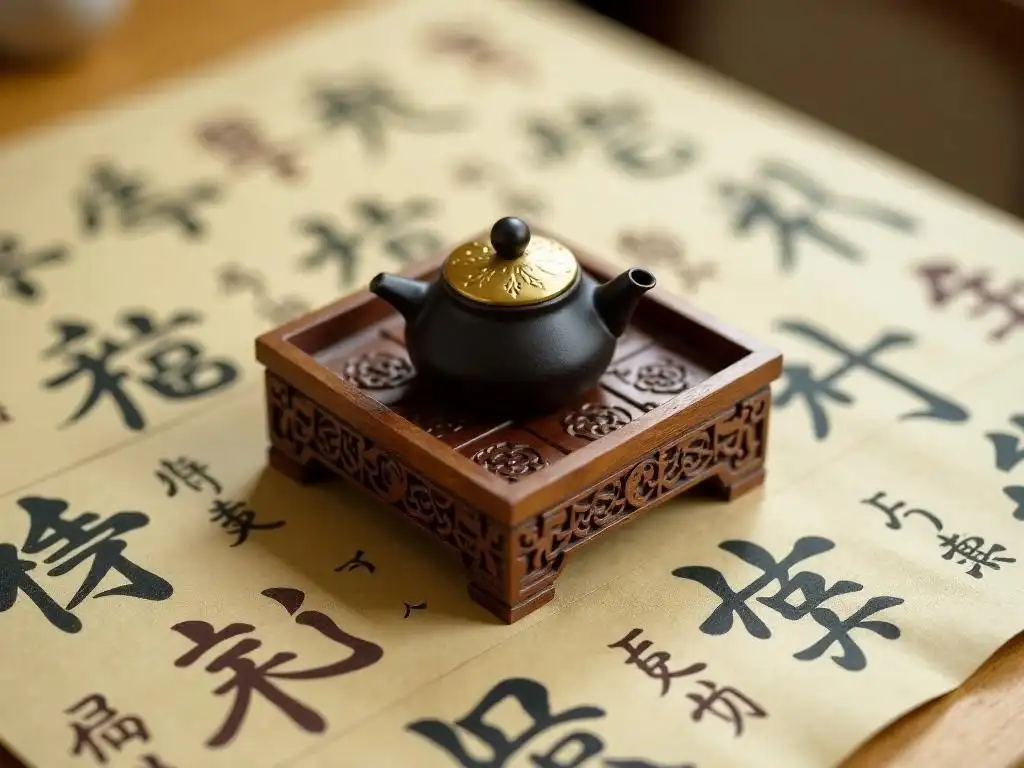
Zen Buddhism profoundly influenced various art forms during the feudal period, particularly in calligraphy, the tea ceremony, and garden design. Zen calligraphy, known as "shodō," emphasizes fluidity and spontaneity, allowing the artist to express their inner state through brush strokes. This art form is not just about the written word; it embodies a meditative practice that reflects Zen principles of mindfulness and presence.
The tea ceremony, or "chanoyu," is another quintessential expression of Zen aesthetics. Rooted in simplicity and ritual, the ceremony serves as a spiritual practice that emphasizes harmony, respect, purity, and tranquility. Every element, from the utensils to the setting, is meticulously chosen to create a serene atmosphere conducive to reflection and appreciation of the moment.
Garden design in the Zen tradition also showcases the interplay between nature and spirituality. Zen gardens, characterized by their raked gravel, strategically placed rocks, and minimalistic vegetation, are designed to evoke a sense of peace and contemplation. These gardens serve not only as physical spaces but as metaphors for the inner journey of the individual, fostering a direct connection with nature and the divine.
Shinto in Daily Life: Festivals, Shrines, and Nature Worship
Shinto permeated everyday life in feudal Japan, shaping social customs and community interactions. Festivals, or "matsuri," played a vital role in celebrating the kami and fostering a sense of community. These events often involved music, dance, and offerings, reinforcing social bonds and cultural identity. Each local shrine would hold its unique festivals, reflecting the particular kami revered in that area.
Shrines, the physical embodiments of Shinto beliefs, were central to community life. They served as places of worship, social gatherings, and cultural expression. The architecture of Shinto shrines, with its natural materials and harmonious designs, reflects the belief in the sacredness of nature. Rituals performed at these sites, such as purification rites and offerings, reinforced the connection between the people and the kami, highlighting the importance of nature worship in Shinto.
Nature itself was revered in Shinto, considered sacred and inhabited by kami. Mountains, rivers, and trees were venerated as manifestations of divine presence. This deep-rooted appreciation for the natural world fostered a harmonious relationship between the Japanese people and their environment, influencing agricultural practices, art, and daily activities.
Conflicts and Collaborations: Zen and Shinto during Feudal Japan
The relationship between Zen and Shinto during the feudal era was complex, marked by both competition and collaboration. While each tradition maintained distinct beliefs and practices, their interactions led to rich cultural exchanges that shaped Japanese spirituality.
Historical Rivalries Between Zen and Shinto
Historically, Zen and Shinto were often seen as rival spiritual paths. Zen's foreign origins and emphasis on enlightenment through meditation sometimes clashed with Shinto's indigenous practices and focus on kami worship. During certain periods, political power dynamics, such as the influence of Buddhist temples over the Shinto shrines, exacerbated these rivalries. However, these tensions also spurred dialogues that led to a deeper understanding of each tradition’s contributions to Japanese culture.
Instances of Syncretism: How Zen and Shinto Influenced Each Other
Despite their rivalries, instances of syncretism emerged as Zen and Shinto influenced each other throughout the feudal era. Many Zen practitioners adopted Shinto rituals, integrating kami worship into their spiritual practices. Conversely, Shinto shrines began to incorporate Zen aesthetics, evident in the serene garden landscapes surrounding many shrines. This blending created a unique spiritual environment where practitioners could explore both paths, reflecting the fluidity of belief in Japan.
The Role of the State in Zen and Shinto Relations
The Japanese state played a significant role in shaping the relationship between Zen and Shinto. During the Kamakura period, the shogunate endorsed Zen as a way to fortify the ruling class's spiritual and cultural identity. This support often came at the expense of Shinto, which saw its influence wane during certain periods. However, in the Edo period, the government sought to unify the two traditions, promoting the idea of "Shinto as the way of the kami" and Zen as a complementary spiritual path. This official stance facilitated a collaborative environment where both traditions could coexist and enrich Japanese culture.
Case Studies: Key Figures in Zen and Shinto

The spiritual landscape of Feudal Japan was shaped significantly by the teachings and actions of influential figures within both Zen Buddhism and Shinto. These key personalities not only embodied the principles of their respective traditions but also played crucial roles in the interactions and sometimes rivalries between the two.
Prominent Zen Masters and Their Teachings
Zen Buddhism flourished in Japan during the Kamakura period (1185–1333), introducing a unique blend of Chinese Chan teachings with indigenous Japanese practices. Prominent figures such as Dōgen Zenji and Hakuin Ekaku made substantial contributions to the development of Zen philosophy and practice.
- Dōgen Zenji (1200-1253): Founder of the Sōtō school of Zen, Dōgen emphasized the practice of zazen (seated meditation) as a means of attaining enlightenment. His writings, particularly the "Shōbōgenzō," explore the nature of reality and the importance of direct experience over intellectual understanding. Dōgen's teachings encouraged a harmonious relationship with nature, which resonated with Shinto beliefs.
- Hakuin Ekaku (1685-1768): A revitalizer of the Rinzai school of Zen, Hakuin is known for his dynamic approach to Zen practice, incorporating koan study and vigorous meditation. His emphasis on personal experience and immediate realization challenged the more ritualistic aspects of Shinto, urging followers to seek enlightenment through direct confrontation with their own minds.
These masters exemplified the spirit of Zen, promoting a path of self-discovery that sometimes intersected with Shinto practices, leading to a complex interplay between the two traditions.
Important Shinto Priests and Their Influence
Shinto, as the indigenous spirituality of Japan, has also produced prominent figures who shaped its practices and ideologies throughout the feudal era. Key Shinto priests like Kamo no Yasunori and Yoshida Kanetomo played vital roles in the evolution of Shinto thought and its engagement with Zen Buddhism.
- Kamo no Yasunori (circa 1100): A significant figure in the development of Shinto rituals, Yasunori is remembered for his work in codifying Shinto practices and establishing the Kamo Shrine as a center for Shinto worship. His efforts contributed to the integration of Shinto rituals with Zen practices, fostering a mutual respect between the two traditions.
- Yoshida Kanetomo (1435-1511): A Shinto priest whose teachings emphasized the connection between Shinto and Confucianism, Kanetomo sought to elevate Shinto's philosophical standing. His writings advocated for the unity of Shinto practices with Buddhist thought, particularly Zen, highlighting the shared values of harmony and nature.
Through their teachings, these Shinto priests helped to articulate a vision of spirituality that was increasingly inclusive, allowing for dialogue and coexistence with Zen Buddhism.
The Impact of Key Historical Events on Zen and Shinto Relations
The relationship between Zen and Shinto was significantly influenced by various historical events during the feudal era. Notable occurrences, such as the rise of the samurai class, the establishment of the Ashikaga shogunate, and the onset of the Sengoku period, played pivotal roles in shaping the dynamics between the two traditions.
- The Kamakura Shogunate (1185-1333): This period marked the rise of Zen as a favored spiritual path among the samurai. The shogunate's patronage of Zen temples facilitated the spread of Zen teachings, leading to a blending of Zen practices with Shinto rituals, as samurai sought spiritual grounding in both traditions.
- The Ashikaga Shogunate (1336-1573): During this era, Zen Buddhism was further institutionalized, with prominent figures like Ashikaga Yoshimitsu promoting Zen as a way to cultivate discipline and aesthetic appreciation. The flourishing of Zen gardens and tea ceremonies often incorporated Shinto elements, illustrating an evolving relationship between the two spiritual paths.
- The Sengoku Period (1467-1603): Amidst the chaos of civil war, both Zen and Shinto served as means of social stability. Temples and shrines became places of refuge and spiritual guidance, allowing for a pragmatic coexistence. This period highlighted the importance of both traditions in providing solace and meaning, despite their philosophical differences.
These historical moments underscored the necessity of mutual respect and adaptation between Zen and Shinto, fostering a spiritual landscape rich in diversity.
The Legacy of Zen and Shinto in Modern Japan
The interplay between Zen and Shinto during the feudal era has left an enduring legacy in contemporary Japan. The shared history of these two traditions continues to inform Japanese culture, spirituality, and social practices.
Continuing Influence of Zen and Shinto Practices Today
Zen and Shinto practices remain integral to Japanese society, with many individuals participating in rituals and ceremonies that reflect the values of both traditions.
- Meditation and Mindfulness: Zen meditation practices have gained global recognition for their benefits in promoting mental health and well-being. Many modern practitioners incorporate Zen mindfulness techniques into their daily lives, reflecting the enduring impact of Zen teachings.
- Shinto Festivals: Traditional Shinto festivals, or matsuri, continue to celebrate seasonal changes, agricultural cycles, and community spirit. These events often include rituals that honor both Shinto deities and Buddhist figures, showcasing the intertwined nature of these spiritual paths.
Modern Interpretations of Zen and Shinto Beliefs
In contemporary Japan, Zen and Shinto beliefs have evolved, often blending with modern philosophies and practices. This fusion has led to new interpretations that resonate with today’s society.
- Environmentalism: The Shinto reverence for nature has found a renewed expression in contemporary environmental movements, promoting sustainability and harmony with the natural world. Zen teachings also support this perspective, emphasizing the interconnectedness of all life.
- Cultural Expressions: Artistic practices, such as Ikebana (flower arranging), tea ceremonies, and calligraphy, continue to draw from both Zen and Shinto aesthetics. These art forms reflect the principles of simplicity, beauty, and mindfulness, illustrating the ongoing relevance of these spiritual traditions.
The Role of Zen and Shinto in Contemporary Japanese Society
Today, Zen and Shinto persist as vital components of Japanese identity, influencing various aspects of life, from personal spirituality to national culture.
- Cultural Heritage: Both Zen and Shinto contribute significantly to Japan’s cultural heritage, with temples and shrines serving as historical landmarks that attract both domestic and international visitors. This cultural significance reinforces the importance of preserving these traditions for future generations.
- Social Cohesion: The dual existence of Zen and Shinto fosters a sense of social cohesion, as these traditions encourage values such as respect, harmony, and community. In a rapidly changing world, the teachings of both paths provide a grounding framework for individuals navigating modern challenges.
The legacy of Zen and Shinto in modern Japan is characterized by a dynamic interplay of beliefs and practices that continue to shape the spiritual and cultural landscape of the nation.
Conclusion: Understanding Zen and Shinto in the Context of Feudal Japan
The spiritual landscape of Feudal Japan was profoundly shaped by the interactions and rivalries between Zen Buddhism and Shinto. While both traditions offered unique pathways to understanding the divine and the nature of existence, their philosophical underpinnings and practices diverged significantly. Zen, with its emphasis on meditation and enlightenment, sought to transcend the physical world, whereas Shinto celebrated the beauty and sanctity of nature and the ancestral spirits that inhabit it. This interplay created a rich tapestry of belief that not only influenced religious practices but also permeated the cultural and societal structures of the time.
Throughout the feudal era, Zen and Shinto coexisted, sometimes in harmony and at other times in contention. The samurai class, in particular, adopted Zen as a means of cultivating discipline and mental clarity, while also maintaining a deep reverence for Shinto gods, reflecting a syncretic approach to spirituality. Understanding this complex relationship is essential for comprehending the broader historical narrative of Japan during this period.
Summary of Key Differences and Similarities
- Origins and Foundations:
- Zen: Originated from Chinese Chan Buddhism and emphasizes meditation (zazen) as a means to attain enlightenment. It focuses on direct experience and the realization of one's true nature.
- Shinto: Indigenous to Japan, Shinto is rooted in animistic beliefs and rituals centered around kami (spirits or gods) worship, with a strong connection to nature and ancestral veneration.
- Practices:
- Zen: Practices include meditation, koan study, and the pursuit of mindfulness. Zen gardens and tea ceremonies are also significant, reflecting the aesthetic principles of simplicity and tranquility.
- Shinto: Involves rituals and ceremonies at shrines, offerings to kami, and festivals (matsuri) that celebrate seasonal changes and agricultural cycles.
- Philosophical Outlook:
- Zen: Advocates for the impermanence of life, the illusion of the self, and the importance of living in the present moment.
- Shinto: Emphasizes harmony with nature, purity, and the importance of rituals in maintaining the balance between the spiritual and physical worlds.
- Mutual Influences:
- Despite their differences, Zen and Shinto influenced each other in various ways. For instance, the Zen aesthetic permeated Shinto rituals, while Shinto concepts of kami and purity were integrated into Zen practices and temples.
The Lasting Impact of Zen and Shinto on Japanese Spirituality and Culture
The interactions between Zen and Shinto during the feudal era laid the groundwork for contemporary Japanese spirituality and culture. The influence of Zen can be seen in various aspects of Japanese arts, including ink painting, poetry (such as haiku), and the tea ceremony, which reflect Zen principles of simplicity, mindfulness, and appreciation of the moment.
On the other hand, Shinto continues to play a vital role in Japanese life, with its festivals, rituals, and reverence for nature remaining integral to the cultural identity. The coexistence of Zen and Shinto has fostered a unique spiritual landscape in Japan, where practices from both traditions are often intertwined, allowing for a rich diversity of beliefs and customs.
The legacy of this spiritual rivalry and cooperation is evident in Japan's ongoing dialogue with its past, where both Zen and Shinto contribute to a deeper understanding of existence, community, and the natural world. As Japan navigates its modern identity, the historical roots of these two traditions remind us of the complexity and depth of human spirituality, echoing through the ages in the heart of Japanese culture.
Frequently Asked Questions
What was the main difference between Zen and Shinto in Feudal Japan?
Zen is a Buddhist practice focusing on meditation and enlightenment, while Shinto is the indigenous spirituality of Japan, emphasizing nature worship and kami (spirits).
How did Zen Buddhism influence Japanese culture during the feudal era?
Zen Buddhism contributed to Japan's art, architecture, and tea ceremonies, promoting simplicity and minimalism, which became integral to Japanese aesthetics.
What role did Shinto play in the lives of feudal Japanese people?
Shinto provided a spiritual framework for daily life, influencing rituals, festivals, and the relationship with nature, thereby fostering a sense of community and identity.
Were Zen and Shinto practices ever combined in Feudal Japan?
Yes, many Japanese people practiced both Zen and Shinto, merging meditation with ritual practices, reflecting a syncretic approach to spirituality that was common in the era.
How did the samurai view Zen and Shinto beliefs?
The samurai often embraced Zen for its emphasis on discipline and mental clarity, while Shinto rituals provided them with a sense of cultural identity and connection to their ancestral roots.
Final Reflection: The Enduring Legacy of Zen and Shinto in Feudal Japan
The spiritual rivalries between Zen and Shinto in Feudal Japan are not just historical footnotes; they resonate deeply with contemporary discussions about identity and belief. In a world that often seeks to categorize and compartmentalize faith, the dynamic interplay between these two traditions reminds us that spirituality is a living, evolving practice. The rich tapestry of Zen and Shinto philosophies continues to inspire individuals today, urging us to explore the depths of our own beliefs and the ways they shape our existence.
The influence of Zen and Shinto extends far beyond their historical contexts, permeating modern culture, art, and personal spirituality. As we navigate the complexities of our own lives, we can draw parallels to the harmonious yet competitive relationship between these two traditions. The essence of Zen is to realize that we are all part of a greater whole, just as Shinto teaches us to honor the spirits that dwell within nature.
This observation highlights the importance of understanding and integrating diverse spiritual perspectives, encouraging us to appreciate the beauty of coexistence rather than division.
As we reflect on the lessons from Zen and Shinto, let us embrace the invitation to cultivate a more profound connection with our own beliefs and the world around us. Consider how the principles of mindfulness, respect for nature, and the quest for inner peace can enrich your life. In doing so, we honor the legacy of these traditions while forging our own paths in the ever-evolving landscape of spirituality. The journey of exploration is not just about understanding the past; it is about shaping a future where diverse beliefs can coexist and thrive.
Dive Deeper into the Spirit of Feudal Japan!
Thank you for taking the time to explore the intricate spiritual dynamics of Zen and Shinto in feudal Japan! Your interest in these fascinating traditions is the first step toward a deeper understanding of their unique contributions to Japanese culture. Now, let's take your journey even further!
Here’s how you can enrich your exploration:
- Visit a Local Shrine or Temple: Find a nearby Shinto shrine or Zen temple to immerse yourself in the atmosphere. Spend time in reflection and enjoy the experience—it’s something you won’t forget!
- Join an Online Discussion Group: Connect with fellow history enthusiasts or spiritual seekers online. Sharing insights and learning from diverse perspectives can enhance your understanding of these faiths.
- Share Your Insights: Engage in discussions about the captivating themes of Zen and Shinto with friends or on social media. Your conversations may ignite curiosity in others!
What aspect of Zen or Shinto intrigues you the most, and how do you see its influence shaping modern culture?