
The Secret Lives of Feudal Japanese Artisans: Crafting Under Pressure

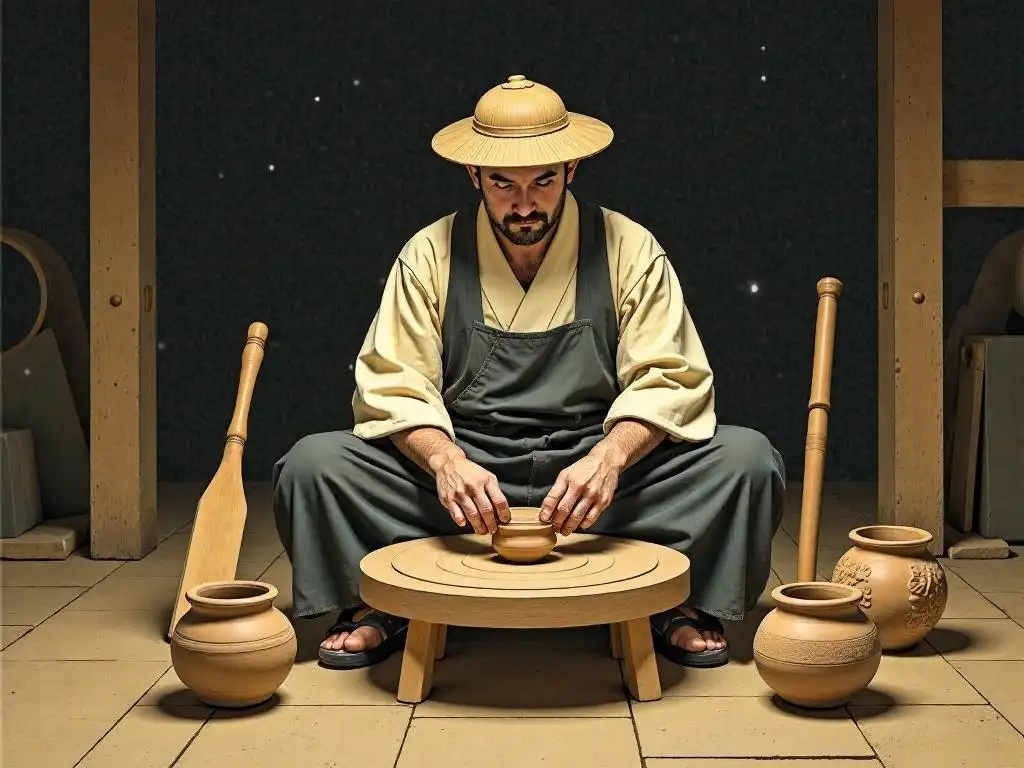
Welcome to Feudal Japan History, where we invite you to embark on a captivating journey through the intricate tapestry of Japan's feudal era. In our featured article, "The Secret Lives of Feudal Japanese Artisans: Crafting Under Pressure," we delve into the often-overlooked lives of skilled artisans who shaped the cultural landscape of their time. What drove these craftsmen amidst the constraints of social hierarchy and economic challenges?
Join us as we uncover the fascinating stories behind their artistry and resilience. Prepare to explore the rich fabric of social history that will leave you eager for more insights into this remarkable period!
Introduction to Feudal Japanese Artisans' Lives
The intricate tapestry of Japan's feudal era, spanning from the late 12th century to the mid-19th century, reveals a world where artisans played a pivotal role in shaping not only the economy but also the cultural identity of the nation. While the samurai class often takes center stage in historical narratives, the lives of Feudal Japanese artisans are equally compelling, characterized by creativity, resilience, and a unique social standing. This article delves into the secret lives of these skilled individuals who crafted under the pressures of societal expectations, economic demands, and the rigid class structures of their time.
Overview of the Feudal Era in Japan
The feudal era in Japan was marked by a decentralized political structure dominated by regional lords known as daimyōs, who wielded significant power over their territories. During this period, Japan saw the rise of a complex class system comprising the samurai, peasants, artisans, and merchants.
- Timeframe: The feudal system began with the Kamakura Period (1185-1333) and continued through the Muromachi (1336-1573) and Edo periods (1603-1868).
- Political Structure: Power was fragmented among various feudal lords, leading to a unique form of governance that allowed local economies and cultures to flourish.
- Societal Norms: The rigid caste system dictated the roles and responsibilities of each class, with artisans often positioned just below the samurai in terms of respect and societal contribution.
Importance of Artisans in Feudal Society
Artisans were the backbone of the feudal economy, providing essential goods and services that were crucial for daily life and cultural practices. Their contributions extended beyond mere craftsmanship; they were integral to the cultural and artistic heritage of Japan.
- Economic Contribution: Artisans produced a wide array of items, from everyday tools and household goods to exquisite art pieces, greatly influencing trade and commerce.
- Cultural Impact: Many artisans specialized in traditional crafts, such as pottery, textiles, and woodblock printing, preserving and innovating artistic techniques that defined Japanese culture.
- Community Role: Beyond their crafts, artisans often played a vital role in their communities, participating in festivals and religious ceremonies, thus intertwining their work with social and spiritual life.
The Role of Artisans in Feudal Japan
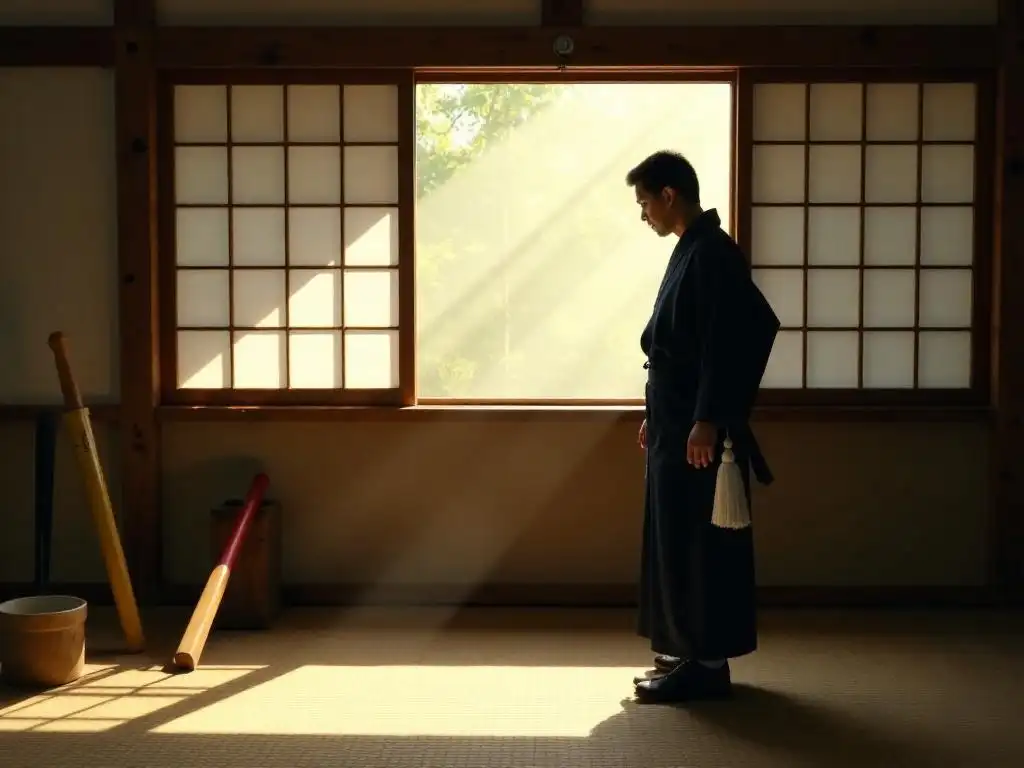
Artisans held a distinctive position within the feudal hierarchy, often enjoying a level of respect that was hard-won through their skills and contributions to society. However, their lives were not without challenges.
Types of Artisans in Feudal Japan
Feudal Japan was home to a diverse range of artisans, each specializing in different crafts. Some of the notable categories include:
- Potters: Renowned for their ceramic works, often celebrated in tea ceremonies.
- Blacksmiths: Essential for creating tools and weapons, their craftsmanship was crucial for samurai and agricultural needs.
- Textile Workers: They produced beautiful fabrics that were sought after by the elite.
- Woodblock Printers: Their art played a significant role in disseminating literature and visual art across Japan.
Social Status of Artisans Compared to Samurai and Peasants
While artisans were generally respected for their skills, their social status was complex and often varied depending on the region and the prevailing cultural attitudes.
- Comparison with Samurai: Unlike the samurai, who were warriors and upheld a strict code of honor, artisans were sometimes viewed as lower in the social hierarchy. However, their economic contributions afforded them a degree of autonomy.
- Comparison with Peasants: Artisans typically had a higher social standing than peasants, as their crafts were seen as valuable to society. However, they still faced societal pressures and expectations that shaped their lives and work environments.
The lives of Feudal Japanese artisans were shaped by a unique blend of creativity, cultural significance, and social challenges. Their stories reflect the broader narrative of feudal Japan, revealing a rich history that deserves exploration and recognition.
Daily Life of Feudal Japanese Artisans
The daily life of feudal Japanese artisans was a complex interplay of craftsmanship, social obligations, and economic challenges. Unlike the samurai class, artisans were often seen as part of the lower tier of society, yet their skills and creativity were critical to the cultural and economic fabric of Japan. Typically, an artisan's day would start early, often before sunrise, with individual routines varying based on their craft.
Artisans specialized in various trades, including pottery, textiles, metalwork, and woodworking, and their work was often tied to local customs and seasonal demands. Many artisans were part of families that had practiced their craft for generations, leading to a profound sense of tradition and responsibility to uphold their family's legacy. The work was labor-intensive, requiring not only skill but also a significant investment of time and effort, often extending from dawn until dusk.
Artisans lived in modest homes, often situated near their workshops. These spaces were typically small, with limited amenities, reflecting their economic status. However, the tight-knit community of artisans fostered a shared sense of support and camaraderie.
Work Environment and Conditions
The work environment for feudal Japanese artisans varied greatly depending on the type of craft, but it generally involved small workshops or even home-based settings. These spaces were often cramped and lacked proper ventilation, especially when working with materials that produced fumes or dust. For instance, potters and metalworkers faced hazardous conditions due to exposure to high temperatures and harmful substances.
Despite these challenges, many artisans took pride in their surroundings, often decorating their workshops with examples of their work. The atmosphere was usually lively, filled with the sounds of tools at work and the camaraderie of fellow craftsmen. In urban centers, artisans often collaborated in guilds, which provided a support network and facilitated the sharing of techniques and innovations.
Work conditions could be harsh, with long hours leading to physical strain. Many artisans suffered from ailments related to their crafts, such as respiratory issues from inhaling dust or injuries from tools. Yet, the dedication to their craft often outweighed these hardships, as artisans found joy and fulfillment in creating beautiful and functional items.
Tools and Techniques Used by Artisans
Artisans in feudal Japan utilized a range of specialized tools and techniques unique to their crafts. For instance, woodworkers employed chisels, saws, and mallets, while potters used wheels and various clay types to create their works. Each artisan developed a deep understanding of their materials, allowing them to innovate and refine their processes over time.
Many tools were handmade, passed down through generations, and often imbued with personal significance. Techniques varied widely; for example, textile artisans employed intricate weaving and dyeing methods, employing natural materials such as indigo and silk. The precision and attention to detail in these processes were remarkable, often requiring years of training to master.
Artisans also had to adapt their techniques to meet market demands and consumer preferences, often balancing traditional methods with innovative practices. This adaptability was crucial for their survival in a competitive economic landscape, allowing them to thrive despite the pressures they faced.
The Cultural Significance of Artisan Craftsmanship
Artisan craftsmanship in feudal Japan went beyond mere utility; it embodied cultural values and historical narratives. The skills of artisans were seen as vital to the preservation of Japan's cultural identity, with their work often reflecting regional customs and seasonal changes. The craftsmanship served as a visual representation of the aesthetic principles that defined Japanese culture, such as simplicity, naturalness, and harmony.
Traditional Crafts and Their Historical Importance
Traditional crafts, including pottery, textiles, and metalwork, held significant historical importance in feudal Japan. Each craft was not only a means of livelihood but also a way to convey stories, beliefs, and societal values through the medium of art. For instance, Kutani ceramics are known for their vibrant colors and intricate designs, often depicting scenes from Japanese folklore.
These crafts were heavily influenced by the socio-political landscape of feudal Japan, with artisans often adapting their styles to reflect the tastes of the ruling class or local patrons. As such, traditional crafts can be seen as a historical record, showcasing the evolution of Japanese aesthetic values and the influence of various societal changes over time.
Artisans as Cultural Custodians
Artisans played a vital role as cultural custodians, preserving techniques and traditions that might otherwise have been lost to time. Their craftsmanship was not only a form of economic contribution but also a means of safeguarding Japan's cultural heritage. Many artisans participated in local festivals and ceremonies, showcasing their work and teaching younger generations the significance of their crafts.
Through their dedication and skill, artisans ensured that traditional practices were passed down, blending them with contemporary styles and needs. This ongoing dialogue between tradition and innovation allowed for a dynamic cultural landscape, where the artistry of feudal Japan could thrive and evolve while retaining its roots. Consequently, the lives of feudal Japanese artisans were not merely about survival; they were about fostering a rich cultural legacy that continues to influence Japanese art and craft today.
Challenges Faced by Feudal Japanese Artisans

Feudal Japanese artisans navigated a complex world where their craftsmanship was often overshadowed by significant challenges. These challenges stemmed not only from the demands of their craft but also from the socioeconomic environment, intense competition, and strict government regulations. Understanding these obstacles provides insight into the lives of these skilled individuals who contributed significantly to Japan's cultural heritage.
Socioeconomic Pressures in Craftsmanship
Artisans during the feudal period were often part of a rigid social hierarchy. Many belonged to the lower classes, which meant they faced constant socioeconomic pressures. The need to support their families while adhering to the expectations of their craft could create immense stress. Artisans were typically bound by apprenticeships that lasted several years, and during this time, they received little to no pay. This situation forced many to live in poverty, relying on the meager earnings of their trade.
The social structure also influenced the types of crafts that artisans could pursue. Artisans were often categorized by their specific trades, such as potters, weavers, or blacksmiths, which limited their ability to diversify their skills or adapt to changing market demands. This specialization, while fostering expertise, also trapped artisans in a cycle where any economic downturn could lead to dire consequences.
Competition Among Artisans
Competition was fierce among artisans, as each sought to gain a foothold in a market that was both limited and demanding. The rise of merchant classes during the Edo period created new opportunities, but it also intensified rivalry. Artisans often had to differentiate their products through quality or innovation to attract customers. This pressure to constantly improve could lead to burnout and dissatisfaction.
Moreover, the success of an artisan frequently depended on their ability to cultivate relationships within the community. Those who failed to network effectively or who produced inferior work risked being overshadowed by more skilled competitors. As a result, many artisans engaged in intense labor, often working long hours to refine their craft and maintain their livelihoods.
Government Regulations and Their Impact
The Tokugawa shogunate imposed strict regulations on various trades, which significantly affected the lives of artisans. These regulations could dictate everything from the materials used in production to the pricing of goods. For instance, certain crafts were closely monitored to preserve quality and maintain market stability, leading to restrictions that limited artisans' creative freedom.
Licensing was another aspect of government control, as artisans often needed official approval to practice their craft. This bureaucratic oversight could stifle innovation and discourage aspiring artisans from entering the trade. Moreover, the fear of penalties for violating regulations added another layer of stress to the lives of these craftsmen, as they navigated both their creative pursuits and the demands of the state.
The Legacy of Feudal Japanese Artisans' Lives
Despite the myriad challenges faced by feudal Japanese artisans, their contributions left an enduring legacy that continues to influence contemporary craftsmanship in Japan. The skills, techniques, and traditions established during this period have permeated various aspects of Japanese culture and art.
Influence on Modern Japanese Craftsmanship
The legacy of feudal Japanese artisans is evident in modern craftsmanship, where traditional techniques are still celebrated and practiced. Many contemporary artisans draw inspiration from the meticulous methods and aesthetic principles of their predecessors. For example, the delicate art of kimono making or the intricate designs of pottery can be traced back to the skilled hands of artisans from the feudal era.
Craft fairs and exhibitions often showcase these traditional crafts, allowing modern consumers to appreciate the historical significance behind each piece. This revival of interest in artisanal work reflects a broader cultural movement toward valuing craftsmanship and authenticity in a fast-paced, industrialized world.
Preservation of Artisan Techniques Today
Today, preservation efforts are being made to ensure that the techniques and skills of feudal Japanese artisans are not lost to time. Various organizations and craftspeople are dedicated to teaching these methods to new generations, passing down knowledge that has been refined over centuries. Workshops, apprenticeships, and cultural exchanges play a vital role in this preservation.
Moreover, the rise of the global artisan movement has fostered a renewed appreciation for traditional craftsmanship. Artisans are now more connected than ever, sharing techniques and collaborating across borders. This synergy not only honors the legacy of feudal artisans but also ensures that their craft continues to evolve while staying rooted in its rich historical context.
The lives of feudal Japanese artisans were often shrouded in the shadows of history, overshadowed by the more prominent narratives of samurai and nobility. However, a closer examination reveals that these skilled craftsmen and women played a vital role in shaping the cultural and societal landscape of Japan during the feudal era. Their contributions extended beyond mere craftsmanship; they were the backbone of local economies and the custodians of cultural heritage. Through their artistry, artisans not only provided functional goods but also imbued everyday items with beauty and cultural significance.
Artisans faced immense pressures, from the rigid social hierarchy to the demands of their patrons. Despite these challenges, they managed to forge strong identities through their craft, often becoming revered figures within their communities. The stories of their lives—filled with dedication, innovation, and resilience—are crucial to understanding the full tapestry of feudal Japanese society. As we delve into the hidden stories of these artisans, we gain a richer perspective on their enduring legacy.
Reflection on Their Impact on Japanese Culture and Society
The impact of feudal Japanese artisans on culture and society cannot be overstated. Their work encompassed a broad range of crafts, including pottery, textiles, metalwork, and woodworking, each contributing uniquely to the aesthetic and functional dimensions of daily life in Japan. For instance, the intricate patterns of kimono fabrics not only showcased the artisan's skill but also conveyed social status and regional identity. Similarly, the design of tea utensils reflected the cultural significance of the tea ceremony, highlighting the deep connection between art and ritual in Japanese society.
Moreover, artisans often served as cultural transmitters, preserving traditional techniques and integrating them with new ideas. This blending of old and new not only enriched the crafts themselves but also fostered a sense of continuity and innovation within Japanese culture. The collaborative nature of artisanal work, often seen in guilds and communal workshops, further emphasized the importance of community and shared knowledge. Thus, the influence of these artisans extended far beyond their individual crafts, shaping societal norms, aesthetics, and cultural values.
The Importance of Recognizing Artisan Contributions in History
Recognizing the contributions of feudal Japanese artisans is crucial for a holistic understanding of Japan’s historical narrative. For too long, the focus has predominantly been on the elite classes, leaving the stories of common artisans untold. By acknowledging their work and influence, we not only honor their legacy but also highlight the democratic nature of cultural production in feudal Japan.
Artisans were often the unsung heroes of their times, navigating the complexities of social stratification while making significant contributions to the economy and culture. Understanding their struggles, innovations, and communal ties enriches our appreciation of historical developments in Japan. Furthermore, recognizing artisans’ contributions can inspire contemporary discussions about craftsmanship, sustainability, and the value of skilled labor in today’s society.
The hidden stories of feudal Japanese artisans deserve to be celebrated and remembered. Their resilience under pressure and commitment to their craft reflect a rich cultural heritage that continues to inspire artisans and craftsmen today. By shedding light on their lives, we can better appreciate the intricate tapestry of Japan’s feudal past and the enduring impact of its artisans on the present.
- Introduction to Feudal Japanese Artisans' Lives
- Overview of the Feudal Era in Japan
- Importance of Artisans in Feudal Society
- The Role of Artisans in Feudal Japan
- Daily Life of Feudal Japanese Artisans
- The Cultural Significance of Artisan Craftsmanship
- Challenges Faced by Feudal Japanese Artisans
- The Legacy of Feudal Japanese Artisans' Lives
- Conclusion: The Hidden Stories of Feudal Japanese Artisans
Frequently Asked Questions
What were the primary roles of artisans in feudal Japan?
Artisans in feudal Japan played crucial roles in craftsmanship, producing essential goods such as textiles, pottery, and tools, which were vital for societal functioning and cultural expression.
Though artisans were respected for their skills, they generally occupied a lower social status than samurai and landowners, yet they were still essential for the economy and daily life in feudal society.
What challenges did artisans face during the feudal era?
Artisans navigated strict regulations, limited economic freedom, and pressure to produce high-quality work, often leading to stress and a demanding lifestyle.
How did artisans contribute to Japanese culture?
Artisans significantly shaped Japanese culture through their craftsmanship, influencing aesthetic values and traditions that are still celebrated today, such as tea ceremonies and traditional festivals.
What impact did the Edo period have on artisans?
The Edo period brought increased urbanization and demand for artisanal goods, leading to a flourishing of crafts but also imposing further restrictions and expectations on artisans to conform to standards of quality.
Final Reflection: The Enduring Legacy of Feudal Japanese Artisans
The lives of feudal Japanese artisans reveal a profound narrative of resilience and creativity that resonates powerfully in today's world. In an era where the pressures of modern life often overshadow the beauty of craftsmanship, the stories of these artisans remind us of the importance of dedication and the artistry that can emerge even under the most challenging circumstances. Their legacy is not merely historical; it serves as a beacon for contemporary creators navigating the complexities of their own environments.
Cultural heritage is not just a relic of the past; it is a living, breathing entity that shapes our present and future. The influence of feudal Japanese artisans extends beyond their time, impacting modern art, design, and craftsmanship. Their meticulous attention to detail and commitment to their craft inspire countless individuals today.
As the renowned artist Yoshitomo Nara once said, "> Art is a way of seeing the world, and it can transform the mundane into the extraordinary." This sentiment encapsulates the essence of what these artisans achieved, turning everyday materials into masterpieces that continue to inspire and provoke thought.
As we reflect on the lives and legacies of feudal Japanese artisans, let us challenge ourselves to embrace the lessons they impart. Consider how you can cultivate your own craft, whether through art, work, or personal passions. The pressures we face today can be transformed into opportunities for creativity and growth. Take a moment to reflect on your own journey and ask yourself: How can I channel my experiences into something meaningful? In doing so, we honor the spirit of those artisans who, despite the odds, crafted beauty that transcends time.
Unveil the Craftsmanship: Take Action Today!
Thank you for diving into the fascinating world of feudal Japanese artisans with us! You've gained insights into their dedication, skill, and the rich tapestry of culture they wove under immense pressure. Now, let's channel that inspiration into action!
Here are a few steps you can take to continue exploring and engaging with this wondrous history:
- Dive Deeper: Research a specific artisan or craft that captured your interest and uncover their unique story—share your findings with friends or fellow enthusiasts!
- Connect With Others: Join a local history group or an online community to discuss what you've learned about feudal Japanese craftsmanship and share ideas on preserving traditional arts.
- Create Your Own Art: Try your hand at a craft inspired by feudal Japan, whether it's pottery, calligraphy, or textiles; document your journey and share it with others online!
What aspect of feudal Japanese craftsmanship inspires you the most, and how do you plan to explore it further?