
The Connection Between Nature and Shinto: A Spiritual Journey

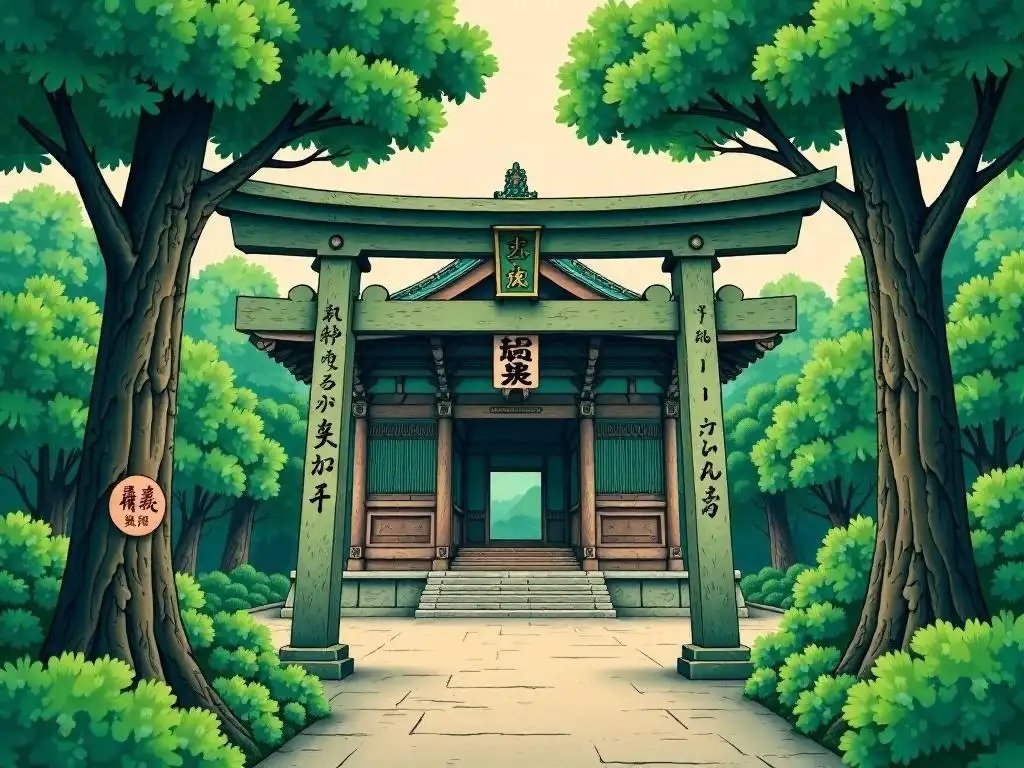
Welcome to Feudal Japan History, where we invite you to embark on a fascinating journey through the intricate tapestry of Japan’s feudal era. In our featured article, “The Connection Between Nature and Shinto: A Spiritual Journey,” we delve into the profound relationship between Shinto nature spirituality and the natural world, revealing how ancient beliefs shape contemporary practices.
As you explore the depths of this rich spiritual heritage, you’ll uncover the secrets that bind nature and the divine, inviting you to reflect on your own connection to the environment. Get ready to be inspired and enlightened as you navigate through our expert-driven insights!
Introduction to Shinto Nature Spirituality in Japan
Shinto, the indigenous spirituality of Japan, is deeply intertwined with the natural world. This connection between nature and Shinto is not merely a backdrop but a central theme that permeates its practices, rituals, and beliefs. As we embark on this spiritual journey, we will explore how Shinto perceives nature as a manifestation of the divine, encompassing everything from towering mountains to tranquil rivers.
This exploration aims to illuminate the profound relationship that the Japanese people have cultivated with their environment, and how these beliefs have shaped their cultural identity throughout history. In this article, we will delve into the core beliefs of Shinto, the significance of nature within its philosophy, and the historical context that has influenced Shinto nature spirituality during the feudal era.
Defining Shinto and Its Core Beliefs
Shinto, which translates to "the way of the kami," is characterized by its reverence for kami—spirits or gods that inhabit various natural elements and phenomena. Unlike organized religions with a single doctrine, Shinto is an amalgamation of beliefs and practices that emphasize harmony with nature, purity, and ritual cleanliness. Key tenets include:
- Kami Worship: The veneration of kami, which can be ancestors, sacred places, or natural elements.
- Ritual Practices: Engaging in rituals such as purification, offerings, and festivals that honor the kami.
- Connection to Nature: Recognizing the divine presence in mountains, trees, rivers, and other natural elements.
These beliefs foster a spiritual connection that encourages adherents to respect and protect the environment, reflecting a holistic worldview that sees humanity as part of a larger ecosystem.
The Significance of Nature in Shinto Philosophy
Nature holds a sacred status within Shinto philosophy, serving as both a source of inspiration and a conduit for spiritual experiences. This connection manifests in several ways:
- Symbolism: Natural elements often symbolize various kami and are integrated into rituals and festivals. For example, sakura (cherry blossoms) represent the transient beauty of life, while mountains are seen as abodes of powerful kami.
- Pilgrimages: Many Shinto shrines are located in areas of natural beauty, prompting followers to embark on pilgrimages that reinforce their bond with the land. These journeys are not just physical but are also understood as spiritual quests, deepening one's relationship with the kami.
- Rituals and Offerings: Nature is central to Shinto rituals, where offerings of rice, sake, and seasonal produce are presented to kami, highlighting the interdependence between humanity and the environment.
Through these aspects, nature becomes a vital component of Shinto spirituality, emphasizing respect, gratitude, and reverence for the world around us.
Historical Context of Shinto and Nature in Feudal Japan
To fully appreciate the connection between Shinto and nature, it is essential to examine its historical context, particularly during the feudal era when Japan experienced significant political and social transformations. The interplay between nature and Shinto evolved as various dynasties and clans rose and fell, shaping the practices and beliefs of the time.
The Evolution of Shinto Practices During the Feudal Era
During the feudal era, Shinto practices underwent significant changes driven by shifts in power dynamics and cultural exchanges. Key developments include:
- Integration with Buddhism: As Buddhism gained prominence, Shinto practices began to blend with Buddhist elements, yet the reverence for nature remained central to both traditions.
- Kamakura and Muromachi Periods: These periods saw the emergence of new Shinto sects that emphasized direct experience with kami and nature, leading to a more personal spirituality that resonated with the warrior class and common folk alike.
- Ritual Codification: The establishment of formal rituals and the construction of shrines in natural settings solidified the connection between Shinto and the landscape, reinforcing the belief that nature was imbued with spiritual significance.
As these practices evolved, the connection between nature and Shinto became more pronounced, influencing the lives and beliefs of the Japanese people.
Key Historical Figures Influencing Shinto Nature Spirituality
Throughout Japan's feudal history, several key figures played a pivotal role in shaping Shinto nature spirituality:
- Prince Shotoku (574-622): A significant proponent of Buddhism, he also emphasized the importance of kami and nature, fostering a dualistic approach that respected both faiths.
- Kamo no Chomei (1155-1216): A poet and philosopher whose work celebrated the beauty of nature and its spiritual essence, contributing to the understanding of nature as a source of inspiration in Shinto.
- Ise Grand Shrine's Priests: The priests of Ise, one of the most sacred Shinto shrines, upheld traditions that honored nature, reflecting the spiritual significance of the surrounding landscape and its kami.
These figures not only influenced religious practices but also helped to cement the idea that nature is an integral part of the Shinto faith, shaping the spiritual landscape of Japan for generations to come.
The Role of Natural Elements in Shinto
Nature holds a revered place within Shinto, the indigenous spirituality of Japan, intertwining the natural world with the worship of kami, or spirits. This relationship emphasizes a profound respect for natural elements, viewing them as manifestations of the divine. Shinto beliefs assert that kami inhabit various aspects of nature, including mountains, rivers, trees, and even rocks. This connection fosters a sense of harmony between humanity and the environment, encouraging practices that honor and preserve the natural world.
In Shinto, the belief that natural elements possess a spiritual essence fosters an appreciation for the beauty and sanctity of the environment. Sacred sites, often found in nature, serve as focal points for worship and community gatherings, reinforcing the idea that the divine is accessible through the natural world. This intrinsic bond between Shinto and nature is reflected in rituals, festivals, and everyday practices, highlighting the importance of environmental stewardship and reverence for the earth.
Sacred Mountains and Their Spiritual Importance
Mountains in Japan are not merely geographical features; they are considered sacred spaces inhabited by kami. For instance, Mount Fuji, an iconic symbol of Japan, is revered as a kami and a pilgrimage site, attracting thousands of worshippers each year. This mountain embodies the spiritual connection between the divine and the natural world, illustrating the Shinto belief that mountains serve as bridges to the kami.
Many sacred mountains, such as the Kumano Sanzan, are associated with specific deities and serve as pilgrimage routes for those seeking spiritual enlightenment. The act of climbing these mountains is seen as a form of worship, where individuals engage in self-reflection and renewal amidst the grandeur of nature. The spiritual importance of mountains is deeply ingrained in Shinto practices, reflecting the belief that proximity to these natural wonders brings one closer to the divine.
Rivers, Trees, and Shrines: Nature as a Divine Manifestation
Rivers and trees also occupy a crucial role in Shinto spirituality. Rivers are often regarded as the lifeblood of the land, symbolizing purification and renewal. Many shrines are built near rivers, where rituals involving water purification are performed, such as misogi, a cleansing ritual that involves washing away impurities. These practices highlight the sacredness of water as a medium through which the kami can be accessed.
Trees, particularly ancient ones, are seen as embodiments of kami, believed to house spirits. The act of venerating trees, known as kodama, is a practice that underscores the belief in the spiritual presence within nature. Shrines are often constructed around significant trees, creating sacred spaces that reinforce the connection between the physical and spiritual realms. This emphasis on natural elements underscores the Shinto worldview that nature is a living manifestation of the divine.
Seasonal Changes and Their Significance in Shinto Rituals
The changing seasons hold immense significance in Shinto, reflecting the cyclical nature of life and the connection between humanity and the environment. Each season is associated with specific rituals and festivals that celebrate the beauty and bounty of nature. For instance, the arrival of spring is marked by hanami, or cherry blossom viewing, where people gather to appreciate the fleeting beauty of the blossoms, symbolizing renewal and the transient nature of life.
Additionally, the seasonal festivals known as Matsuri often include rituals that honor the kami of agriculture, water, and other natural elements. These festivities serve to express gratitude for the changing seasons and the sustenance they provide, emphasizing the importance of living in harmony with nature. The seasonal shifts are seen as opportunities for spiritual reflection, celebrating the interconnectedness of all living beings and the divine.
Shinto Rituals and Nature Worship
Shinto rituals are deeply embedded in the natural world, reflecting the spirituality that arises from a profound respect for the environment. Nature-centric practices are integral to Shinto, reinforcing the belief that the divine is present in all aspects of life. This connection is expressed through various rituals that honor the kami residing within nature, fostering a sense of community and shared spirituality.
Overview of Nature-Centric Shinto Rituals
Nature-centric Shinto rituals encompass a variety of practices designed to honor the kami and express gratitude for the natural world. These rituals often involve offerings, prayers, and purification ceremonies that acknowledge the divine presence in natural elements. For example, the oharai purification ritual is performed to cleanse participants and spaces before engaging with the kami, emphasizing the importance of purity in Shinto practices.
Rituals are often conducted at shrines nestled within natural settings, reinforcing the belief that the divine is intimately connected to the landscape. These ceremonies serve to strengthen the bond between humans and nature, fostering a sense of responsibility towards the environment. Through these practices, participants are reminded of their role as stewards of the earth, encouraging a harmonious relationship with the natural world.
Festivals Celebrating Nature: Matsuri and Their Importance
Matsuri, or festivals, are vital expressions of Shinto nature spirituality, celebrating various aspects of the natural world. Each region in Japan has its own unique festivals, often aligned with the agricultural calendar, celebrating the changing seasons and the bounty of nature. For example, the Inaho Matsuri honors the rice harvest, involving rituals that express gratitude to the kami for providing sustenance.
These festivals foster community engagement and reconnect individuals with their cultural heritage and the natural environment. Participants engage in traditional music, dance, and food offerings, creating a vibrant atmosphere that emphasizes the importance of nature in daily life. Matsuri not only serve as spiritual gatherings but also strengthen community bonds, reinforcing the collective appreciation for the natural world.
Offerings to Kami: A Connection to Nature Spirits
Offerings to kami are a fundamental aspect of Shinto practice, reflecting the belief in the spiritual presence within nature. These offerings, known as shinsen, often include rice, sake, fruits, and vegetables, symbolizing respect and gratitude towards the kami. By providing offerings that originate from the earth, practitioners acknowledge the interconnectedness of all life forms and express their reverence for the natural world.
Additionally, specific offerings may be made at certain times of the year, aligning with seasonal changes and agricultural cycles. This practice highlights the importance of timing in Shinto rituals, as offerings are made to ensure harmony with the natural rhythms of the environment. Through these acts of devotion, practitioners reaffirm their connection to nature spirits and the divine, fostering a sense of unity with the world around them.
The Philosophy Behind Shinto Nature Spirituality
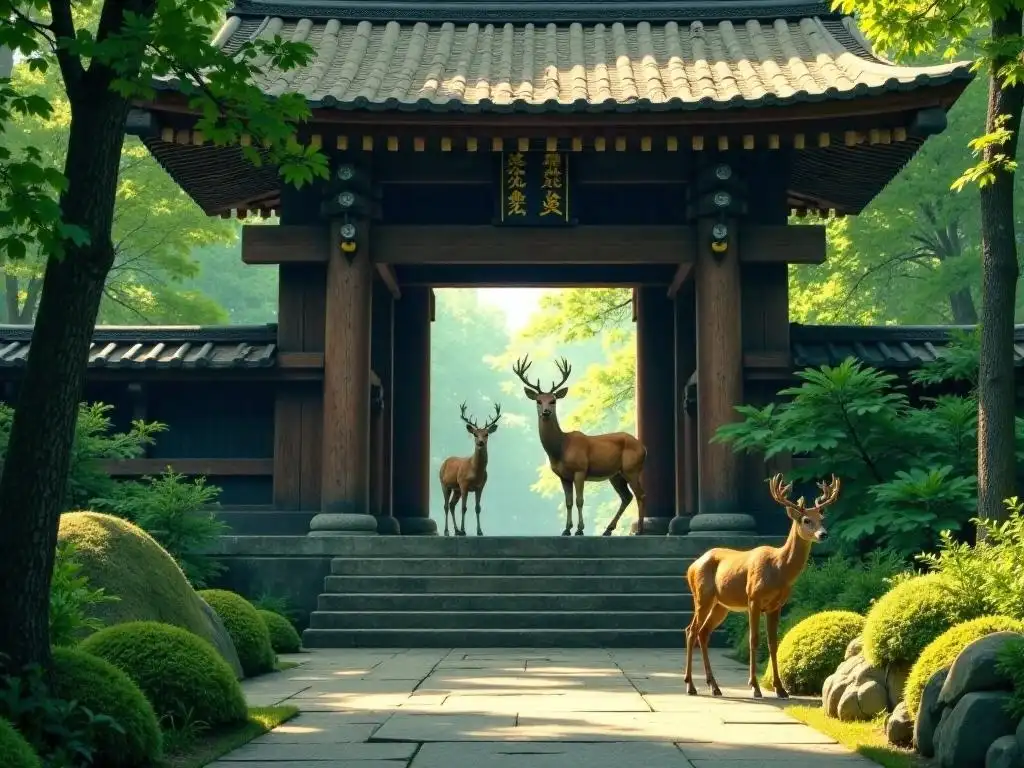
Shinto, often referred to as the indigenous spirituality of Japan, is deeply intertwined with nature. The philosophy behind Shinto nature spirituality emphasizes a profound reverence for the natural world, viewing it as a manifestation of the divine. In Shinto, the essence of spirituality is not confined to temples and rituals but is interwoven with the elements of nature—trees, rivers, mountains, and even stones are seen as sacred. This belief system promotes a harmonious relationship between humanity and the environment, where the natural world is not merely a backdrop for human activities but an integral part of spiritual life.
At the core of Shinto nature spirituality is the idea that nature is alive and imbued with spiritual significance. This philosophy encourages followers to foster a sense of gratitude and respect for the environment, recognizing that every element of nature has its own spirit, known as kami. Engaging with nature through practices such as pilgrimage to sacred sites, rituals to honor natural elements, and seasonal festivals reflects this deep connection. Thus, Shinto serves as a reminder of the need to maintain balance between human existence and the natural order.
Understanding Kami and Their Relationship with Nature
In Shinto, kami are the spirits or deities that inhabit various aspects of the natural world. These entities can be associated with specific natural phenomena, such as a mountain or a river, or with ancestral spirits of the family. The relationship between kami and nature is central to Shinto beliefs. Followers believe that kami reside within the natural elements, and by honoring these spirits, they can achieve harmony and balance in their lives.
The presence of kami in nature is often celebrated through rituals, offerings, and festivals. For instance, during the Shichi-Go-San festival, children visit shrines to receive blessings, which often include elements from nature. The belief that kami can influence daily life motivates practitioners to engage in acts of respect and reverence towards the environment. This relationship not only cultivates spiritual awareness but also highlights the importance of stewardship over nature as a way to honor the kami.
The Concept of 'Kami' in Natural Elements
The concept of kami extends beyond mere deities; it encompasses the spirits of natural elements that are revered in Shinto. Each aspect of nature, from towering mountains to flowing rivers, is believed to house its own kami. This belief fosters a sense of interconnectedness among all living things. For example, the ancient practice of sacred groves involves protecting certain trees and forests believed to be inhabited by kami, showcasing a commitment to preserving natural habitats.
In this context, kami serve as guardians of specific landscapes, emphasizing the need to respect and protect the environment. This relationship is evident during rituals where offerings are made to trees or rocks, symbolizing gratitude and the acknowledgment of their spiritual significance. The belief in kami in natural elements reinforces the idea that humans are part of a larger ecological system, urging followers to live in harmony with the world around them.
Nature as a Reflection of Spiritual Beliefs in Shinto
Nature in Shinto is not only a backdrop for rituals but also a mirror reflecting the spiritual beliefs of its practitioners. The changing seasons, for instance, are celebrated through various festivals that honor the cycle of life, death, and rebirth. These seasonal observances emphasize the transient beauty of nature and its connection to human experience. Festivals like Hanami (cherry blossom viewing) and Matsuri (traditional festivals) illustrate how Shinto practices are intertwined with natural phenomena.
Moreover, Shinto shrines are often located in picturesque natural settings, reinforcing the idea that sacred spaces are where the divine can be encountered in the world. The aesthetics of these sites reflect a deep appreciation for nature, with elements such as water, trees, and stones deliberately incorporated into shrine design. This connection illustrates that nature is not merely a theme in Shinto but is fundamental to understanding the religion itself, providing a living context for spiritual practices and beliefs.
Contemporary Perspectives on Shinto Nature Spirituality
Modern Interpretations of Shinto Practices Related to Nature
In contemporary Japan, Shinto nature spirituality continues to evolve, adapting to modern environmental challenges. Many practitioners are reinterpreting traditional rituals to incorporate messages of sustainability and conservation. For example, community events that focus on cleaning rivers or planting trees are becoming common as a way to honor kami while promoting environmental stewardship. These modern interpretations highlight the ongoing relevance of Shinto practices in addressing pressing ecological issues.
Additionally, urbanization and industrialization have led to a disconnection from nature for many individuals. In response, there is a growing movement to revive traditional Shinto practices that encourage a reconnection with the natural world. This includes organizing pilgrimages to sacred sites, preserving natural landscapes, and educating younger generations about the importance of nature in Shinto beliefs.
The Impact of Nature Conservation on Shinto Beliefs
The intersection of nature conservation and Shinto beliefs is increasingly significant in modern society. As environmental concerns rise globally, many Shinto practitioners view conservation efforts as a form of spiritual practice. By engaging in preservation activities, they honor the kami and demonstrate respect for the environment, aligning their actions with their spiritual beliefs.
Organizations and local communities are now working together to create initiatives that protect sacred sites and promote biodiversity. These efforts not only preserve the physical landscape but also reinforce the spiritual connection between kami and nature. Importantly, this movement encourages a collective responsibility towards the environment, fostering a sense of community among practitioners who share a commitment to both their spiritual and ecological heritage.
Nature and Spirituality: Reviving Ancient Practices in Modern Japan
The revival of ancient Shinto practices that celebrate nature is gaining momentum in modern Japan. Many people are seeking to reconnect with their cultural roots by participating in traditional ceremonies that honor the changing seasons and the spirits of nature. Events such as Kagura (sacred music and dance) are being performed in natural settings, allowing participants to experience the spiritual ambiance that nature provides.
Furthermore, educational programs have emerged that teach the principles of Shinto nature spirituality to younger generations. These programs emphasize the importance of respecting the environment and understanding the spiritual significance of natural elements. By revitalizing these practices, contemporary practitioners not only preserve their cultural heritage but also instill a sense of responsibility towards nature in future generations, ensuring that the connection between Shinto and the natural world remains vibrant and relevant.
Conclusion: The Enduring Connection Between Nature and Shinto
The relationship between nature and Shinto is not just a historical curiosity; it is a living testament to the spiritual fabric of Japan. The reverence for natural elements, such as mountains, rivers, and trees, permeates Shinto practices and beliefs. This connection shapes the way people interact with their environment, fostering a deep sense of respect and responsibility towards the natural world.
As Japan continues to modernize, the principles of Shinto nature spirituality serve as a reminder of the intrinsic value of nature in a rapidly changing society. The rituals, festivals, and practices rooted in the veneration of nature encourage individuals to pause and reflect upon their surroundings, leading to a greater appreciation of the beauty and sanctity of the world. This enduring connection is crucial, not only for preserving cultural heritage but also for fostering a sustainable future.
Reflections on the Spiritual Journey of Shinto Nature Worship
The spiritual journey of Shinto nature worship invites practitioners and observers alike to engage in a profound dialogue with the natural world. This journey is characterized by a series of practices and beliefs that emphasize harmony and balance. Whether through the act of visiting a shrine nestled in the woods or participating in seasonal festivals that celebrate the bounty of nature, individuals connect deeply with the rhythms of life.
Shinto rituals often involve offerings to kami, the spirits that inhabit natural phenomena, which reinforces the idea that humans are part of a larger ecological system. The spiritual journey is not just about worship; it is about experiencing nature in its myriad forms and recognizing the sacredness that exists within it. By engaging in these practices, individuals cultivate a sense of mindfulness, gratitude, and interconnectedness with all living beings.
The Future of Shinto Nature Spirituality in Japan
As Japan faces contemporary challenges such as urbanization and environmental degradation, the future of Shinto nature spirituality holds both promise and uncertainty. There is a growing awareness among younger generations of the importance of sustainability and environmental stewardship, which aligns closely with Shinto principles.
Efforts to integrate Shinto practices into modern environmental movements can foster a renewed appreciation for nature, promoting a culture that values ecological preservation as a spiritual imperative. However, balancing modernization with traditional practices will require thoughtful engagement from both religious leaders and community members.
The adaptability of Shinto allows it to evolve while maintaining its core tenets, suggesting that the spirituality tied to nature will continue to thrive in new forms. Education, dialogue, and community involvement will be essential in ensuring that Shinto's connection to nature remains vibrant and relevant.
Additional Resources for Exploring Shinto Nature Spirituality
To deepen your understanding of Shinto nature spirituality, a variety of resources are available that explore its principles, practices, and cultural significance. These resources can provide valuable insights into how Shinto interacts with the natural world and the enduring impact of this relationship on Japanese society.
Recommended Reading on Shinto Practices and Nature
-
"Shinto: The Kami Way" by Sokyo Ono
This foundational text delves into the core beliefs of Shinto, including the significance of nature within its practices.
-
"The Essence of Shinto: Japan's Spiritual Heart" by Nobutaka Inoue
Inoue offers a comprehensive overview of Shinto's philosophical underpinnings, highlighting the spiritual connections to nature.
-
"Shinto Shrines: A Guide to the Sacred Sites of Japan" by Joseph Cali
This guide explores various shrines throughout Japan, many of which are situated in natural settings, emphasizing the connection between spirituality and the environment.
Documentaries and Films on Shinto and Nature in Japan
-
"The Sacred Forests of Japan"
This documentary explores the sacred spaces in Japan where Shinto practices take place, showcasing the beautiful natural landscapes associated with these sites.
-
"Shinto: Nature and the Supernatural"
A film that investigates the relationship between Shinto beliefs and the natural world, featuring interviews with practitioners and scholars.
-
"Spiritual Japan: A Journey Through Shinto"
This documentary takes viewers on a journey through Japan, highlighting the interplay between Shinto rituals and the natural environment.
These resources will enhance your understanding of Shinto nature spirituality and its vital role in Japan’s cultural and spiritual landscape.
- Introduction to Shinto Nature Spirituality in Japan
- Historical Context of Shinto and Nature in Feudal Japan
- The Role of Natural Elements in Shinto
- Shinto Rituals and Nature Worship
- The Philosophy Behind Shinto Nature Spirituality
- Contemporary Perspectives on Shinto Nature Spirituality
- Conclusion: The Enduring Connection Between Nature and Shinto
- Additional Resources for Exploring Shinto Nature Spirituality
Frequently Asked Questions
What is the significance of nature in Shinto spirituality?
Nature is central to Shinto spirituality, as it is believed to embody Kami, the spiritual beings that are revered. This connection highlights the importance of nature in Japanese culture and religious practices.
How does Shinto influence Japanese culture?
Shinto influences Japanese culture through its rituals, festivals, and respect for nature, promoting harmony and balance within the environment and society. This is evident in various traditional practices that celebrate natural elements.
Yes, there are many rituals in Shinto that honor nature, such as harvesting festivals and ceremonies that express gratitude for the land. These rituals reinforce the spiritual connection between people and the natural world.
How does Shinto differ from other religions in its view of nature?
Unlike many religions that may view nature as separate from the divine, Shinto sees nature as inherently sacred. This perspective fosters a deep respect for the environment and encourages sustainable living.
What role do shrines play in the connection between Shinto and nature?
Shrines in Shinto are often situated in natural settings, emphasizing the bond between the divine and the environment. They serve as places for worship and reflection, allowing individuals to connect with the spiritual essence of nature.
Final Reflection: Embracing the Harmony of Shinto and Nature
The profound connection between Shinto and nature is not just a relic of Japan's past; it is a vital thread woven into the fabric of contemporary spiritual practice. As we navigate an increasingly urbanized world, the teachings of Shinto remind us of the importance of honoring the natural environment that sustains us. This spiritual journey invites us to recognize that our well-being is intricately linked to the health of the earth, urging us to cultivate a deeper appreciation for the beauty and sanctity of the natural world.
The influence of Shinto nature spirituality continues to resonate within Japanese culture and beyond, shaping our understanding of coexistence with the environment. The rituals, festivals, and reverence for kami—spirits that inhabit natural elements—serve as a poignant reminder that we are not separate from nature, but rather a part of its intricate web. In every blade of grass, in every drop of rain, there is a spirit that connects us all.
This perspective encourages us to foster a sense of stewardship and gratitude towards the earth, inspiring a collective movement towards sustainability and harmony.
As we reflect on the lessons of Shinto, let us embrace the call to reconnect with nature in our daily lives. Take a moment to step outside, breathe in the fresh air, and appreciate the beauty that surrounds you. Whether through mindfulness practices, engaging in environmental conservation, or simply spending time in natural settings, we can embody the spirit of Shinto and cultivate a deeper relationship with the world around us. Together, let us honor this spiritual journey and commit to nurturing the sacred bond between humanity and nature for generations to come.
Embrace Nature: Deepen Your Spiritual Connection Today!
Thank you for exploring the profound relationship between nature and Shinto with us. You've uncovered the beauty of how these elements intertwine, enriching both spiritual and everyday lives. Now, let’s turn that insight into action!
Here’s how you can deepen your connection with nature and enhance your spiritual journey:
- Embrace the Outdoors: **Plan a visit to a nearby shrine or a beautiful natural area this week to reflect on the tranquility you’ve discovered. **
- Start a Nature Journal: **Document your observations, thoughts, and feelings while engaging with the natural world around you. **
- Share Your Experience: **Connect with like-minded individuals in online forums or local groups that focus on Shinto and nature. **
What aspect of nature resonates most with your spiritual beliefs, and how do you plan to honor that connection?