
From Harmony to Hostility: The Evolution of Religious Practices in Japan

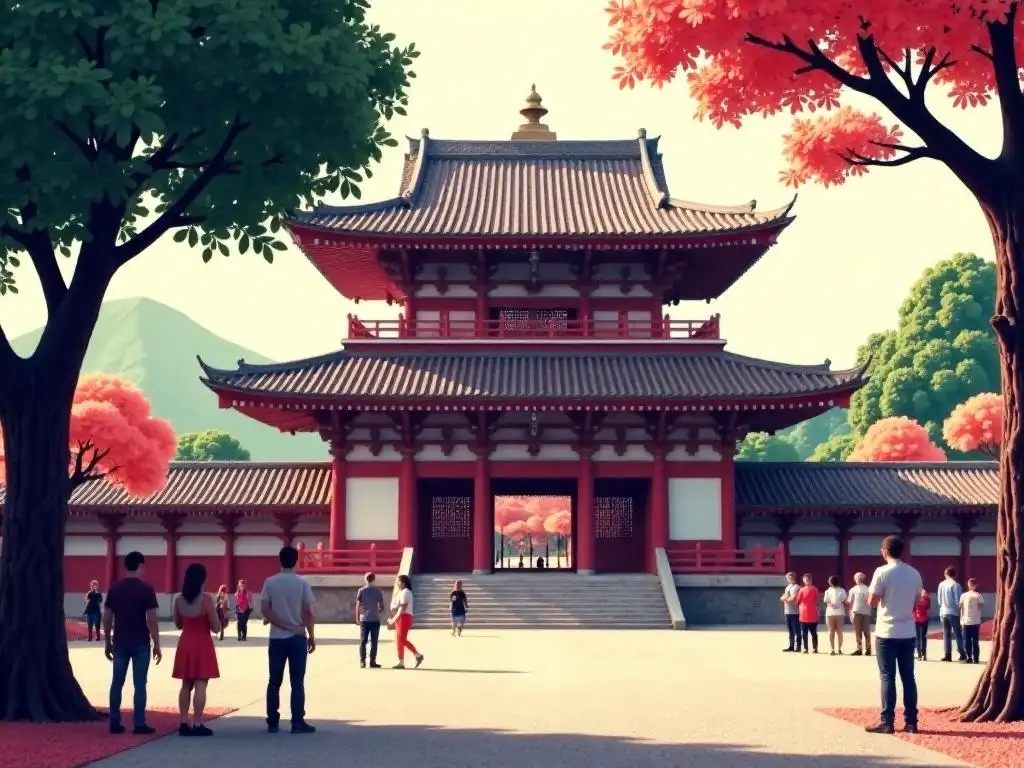
Welcome to Feudal Japan History, where we embark on a captivating journey through the intricate tapestry of Japan’s feudal era. Here, we delve into the profound evolution of Japanese religious practices—a transformation that mirrors the very soul of a nation, shifting from harmony to hostility. Are you ready to uncover how these spiritual beliefs shaped societal norms and cultural expressions? Join us as we explore the depths of this fascinating topic, inviting you to discover the unseen influences that continue to resonate through Japanese history. Dive in and let your curiosity guide you!
Introduction to the Evolution of Japanese Religious Practices
The evolution of Japanese religious practices is a profound journey that reflects the broader historical, cultural, and societal changes within Japan. This intricate tapestry includes the interplay between indigenous beliefs, the introduction of foreign religions, and the consequent conflicts that arose as these systems interacted. From the harmonious coexistence of Shinto and Buddhism to the hostilities that sometimes erupted, understanding this evolution is crucial for grasping the complexities of Japan's spiritual heritage. This article delves deep into the Evolution of Japanese religious practices, exploring the nuances that shaped the country's religious landscape throughout its feudal era.
Overview of Japanese Religious Landscape
Japan's religious landscape is notable for its diversity, characterized by a unique blend of indigenous beliefs and foreign influences. The primary components of this landscape include:
- Shinto: The native spirituality of Japan, rooted in the worship of kami (spirits).
- Buddhism: Introduced from the Asian continent, it brought new philosophical and spiritual perspectives.
- Confucianism: Influencing societal norms and ethics, particularly during the Tokugawa period.
- Christianity: Although introduced later, it played a role in the religious dynamics of the country.
As these religions interacted, they shaped not only individual beliefs but also societal structures, rituals, and conflicts that defined the feudal era.
Importance of Religion in Feudal Japan
Religion in feudal Japan was not merely a personal matter; it permeated every aspect of life, influencing governance, social hierarchies, and cultural practices. Key points include:
- Political Power: Many feudal lords used religious affiliation to legitimize their rule.
- Cultural Practices: Festivals, rituals, and art were deeply intertwined with religious observance.
- Community Cohesion: Shared beliefs fostered a sense of identity and unity among different social classes.
The significance of religion in this era cannot be overstated, as it was often the lens through which people understood their world and their place within it.
Historical Context of Religious Practices in Japan
To fully appreciate the evolution of Japanese religious practices, it is essential to explore the historical context in which these beliefs developed and transformed.
Indigenous Beliefs: Shinto and Its Significance
Shinto, as Japan's indigenous religion, revolves around the worship of kami, which are spirits associated with natural elements and ancestors. Its significance lies in:
- Cultural Identity: Shinto rituals and beliefs are integral to Japanese cultural identity.
- Connection to Nature: Emphasis on harmony with nature is a foundational aspect of Shinto practices.
- Rituals and Festivals: Seasonal festivals (matsuri) celebrate the kami, reinforcing community bonds.
Shinto’s enduring legacy can be seen in contemporary Japanese culture, where traditional practices still hold a vital place in society.
Introduction of Buddhism: A New Spiritual Dimension
Buddhism's introduction to Japan in the 6th century marked a transformative period in the religious landscape. This new spiritual dimension brought:
- Philosophical Depth: Concepts such as impermanence and enlightenment provided a contrasting perspective to Shinto.
- Monastic Influence: The establishment of monasteries created centers of learning and cultural exchange.
- Art and Architecture: Buddhist temples and sculptures profoundly influenced Japanese art and architecture.
The introduction of Buddhism not only diversified religious practices but also sparked new dialogues and tensions between different belief systems.
Syncretism: The Blending of Shinto and Buddhism
The interaction between Shinto and Buddhism led to a remarkable phenomenon known as syncretism, where elements of both religions merged. This blending resulted in:
- Shared Rituals: Many practices incorporated elements from both religions, leading to unique ceremonies.
- Religious Institutions: Some temples adopted Shinto kami into their practices, creating hybrid forms of worship.
- Cultural Symbolism: The amalgamation enriched Japanese culture, evident in literature, art, and philosophy.
This syncretic relationship illustrates the dynamic nature of religious practices in Japan, showcasing how beliefs adapt and evolve in response to historical events and cultural exchanges.
Key Periods in the Evolution of Japanese Religious Practices
The evolution of Japanese religious practices is marked by distinct periods that reflect the shifting dynamics of society, culture, and politics in Japan. Each period brought unique changes and adaptations in religious beliefs, practices, and institutions. Understanding these key periods provides insight into how religious practices transformed from harmonious coexistence to eventual conflicts.
Early Feudal Period: Religious Harmony and Cultural Exchange
During the Early Feudal Period (approximately 12th century), Japan experienced a unique blend of indigenous Shinto beliefs and imported Buddhist traditions. This era was characterized by a remarkable degree of religious harmony, where both Shinto and Buddhism coexisted and influenced each other.
- Cultural Exchange: The introduction of Buddhism from Korea and China facilitated a rich cultural exchange. The construction of temples, the establishment of new rituals, and the incorporation of Buddhist iconography into Shinto practices exemplified this fusion.
- Syncretism: The concept of Shinbutsu-shūgō (the amalgamation of kami worship and Buddhist practice) became prevalent. Many Japanese people worshipped both Shinto deities and Buddhist figures, believing that they could benefit from the powers of both religions.
- Ritual Practices: Festivals, ceremonies, and rituals often blended elements from both traditions. For example, temple festivals frequently included Shinto elements, fostering a sense of unity among practitioners.
This period laid the groundwork for the subsequent development of Japanese religious practices, nurturing an environment that valued coexistence and cultural interchange.
The Kamakura Period: Rise of Zen Buddhism and Its Influence
The Kamakura Period (1185-1333) marked a significant shift in the religious landscape of Japan, primarily due to the rise of Zen Buddhism. As the samurai class gained power, they began to embrace Zen as a means of cultivating discipline and mental clarity.
- Zen Buddhism’s Appeal: Zen emphasized direct experience and meditation ( zazen), appealing to the samurai ethos of discipline and self-control. This led to the establishment of numerous Zen temples and the patronage of the samurai class.
- Cultural Flourishing: The influence of Zen extended beyond religion into the arts, leading to the development of unique Japanese aesthetics in tea ceremonies, ink painting, and garden design. The minimalist approach of Zen fostered a new cultural identity that resonated with the broader population.
- Conflict and Competition: While Zen Buddhism flourished, it also sparked rivalries with other sects, such as Pure Land Buddhism, which attracted different social classes. The competition for followers and resources began to sow the seeds of religious conflict.
The Kamakura Period thus became a pivotal moment in the evolution of Japanese religious practices, where the rise of Zen Buddhism not only transformed spirituality but also shaped cultural and societal norms.
The Muromachi Period: The Impact of the Ashikaga Shogunate on Religion
The Muromachi Period (1336-1573) was marked by the consolidation of power by the Ashikaga Shogunate and its complex relationship with religious institutions. This period witnessed both the flourishing of various Buddhist sects and increasing tensions among them.
- Political Patronage: The Ashikaga Shogunate utilized Buddhism to legitimize their rule, often supporting specific sects such as Rinzai and Soto Zen. This patronage created a symbiotic relationship where religious leaders gained political power while the shogunate received spiritual legitimacy.
- Religious Rivalries: The competition for state support led to heightened rivalries between different Buddhist sects, particularly between the established sects and emerging new sects like the Ikko-ikki (Pure Land sects). These rivalries often escalated into violent confrontations, reflecting the growing tensions within the religious landscape.
- Cultural Developments: Despite the conflicts, the Muromachi Period also saw significant cultural developments influenced by Zen, such as Noh theater and the tea ceremony, which reflected the complex interplay between politics and religion during this era.
The impact of the Ashikaga Shogunate on religion during the Muromachi Period illustrates how political dynamics can shape religious practices and lead to both cultural advancements and conflicts.
Factors Leading to Religious Conflict
The evolution of religious practices in Japan did not occur in isolation; several factors contributed to the emergence of conflicts among various religious traditions. Understanding these factors is crucial for comprehending the complexities of Japanese religious history.
Political Power and Religious Authority
The intertwining of political power and religious authority has been a significant factor in the evolution of religious practices in Japan. As various political entities sought to consolidate power, they often turned to religious institutions for support.
- State Control: The shogunate's need for legitimacy led to the establishment of state-controlled religious institutions, which created a hierarchy that favored certain sects over others. This control often marginalized rival sects, leading to resentment and conflict.
- Religious Leaders as Political Figures: Prominent Buddhist leaders sometimes wielded considerable political influence, complicating the relationship between religion and state. Conflicts arose when religious leaders challenged the authority of political leaders or when political leaders attempted to manipulate religious institutions for their purposes.
- Regional Power Dynamics: Local lords (daimyō) often supported specific sects to strengthen their political control, leading to regional conflicts fueled by religious loyalties.
This interplay between political power and religious authority has been a persistent theme throughout Japanese history, shaping the evolution of religious practices and prompting conflicts.
The Influence of Foreign Religions and Their Adaptation
The introduction of foreign religions, particularly Christianity in the 16th century, significantly impacted the evolution of Japanese religious practices and contributed to conflicts.
- Christianity's Arrival: European missionaries, such as the Jesuits, introduced Christianity to Japan, leading to a rapid conversion among some Japanese, particularly among the samurai and merchant classes. This posed a direct challenge to the established religious order.
- Cultural Resistance: The response to Christianity was mixed, with some viewing it as a threat to traditional Japanese values and practices. This resistance often led to persecution and violent confrontations, exemplified by the Shimabara Rebellion (1637-1638), where Christian converts revolted against the Tokugawa regime.
- Adaptation and Syncretism: Despite the conflicts, elements of Christianity were adapted into Japanese culture, leading to unique expressions of faith. This blending of traditions further complicated the religious landscape.
The influence of foreign religions and their adaptation in Japan illustrates how external factors can lead to significant changes and conflicts within a society's religious practices.
Economic Interests and Religious Institutions
Economic considerations played a crucial role in the evolution of Japanese religious practices, often intertwining with religious authority and societal changes.
- Monastic Wealth: Buddhist temples amassed considerable wealth through land ownership and donations, leading to conflicts over economic resources. Rival sects often competed for financial support, exacerbating tensions.
- Economic Power of Religious Institutions: As religious institutions became powerful economic entities, they sometimes engaged in political maneuvering to protect their interests. This led to conflicts with local rulers and other religious groups who sought to undermine their influence.
- Community and Patronage: Many communities relied on religious institutions for economic support, such as festivals and rituals that stimulated local economies. Disputes over patronage and the control of these economic benefits often resulted in conflicts within and between communities.
The interplay of economic interests and religious institutions highlights how material concerns can significantly influence the evolution of religious practices, often leading to tensions and conflicts within the spiritual landscape of Japan.
Case Studies of Religious Conflicts in Feudal Japan

Feudal Japan witnessed several notable religious conflicts that shaped its spiritual landscape. These conflicts often arose from the interplay of political power, social change, and religious beliefs, leading to significant transformations in the evolution of Japanese religious practices. Understanding these case studies provides insights into how religion influenced societal dynamics and vice versa.
The Ikko-Ikki Movement: A Challenge to Established Religious Order
The Ikko-Ikki movement, which flourished during the late 15th to early 17th centuries, represented a significant challenge to the established Buddhist order in Japan. Rooted in the teachings of the Jōdo Shinshū sect, this grassroots movement was characterized by its emphasis on faith and communal living. The Ikko-Ikki followers, primarily composed of peasants and lower-class individuals, sought to create a society based on equality and shared spiritual beliefs.
This movement led to several armed uprisings against feudal lords and established Buddhist temples, which were seen as oppressive and corrupt. The most notable conflict occurred during the Siege of Ishiyama Hongan-ji (1570-1580), where the Ikko-Ikki forces, fortified in their temple, resisted Oda Nobunaga's military might for a decade. This resistance highlighted the tension between emerging social classes and traditional religious authorities, marking a pivotal moment in the evolution of Japanese religious practices.
The Role of the Samurai in Religious Warfare
The samurai class played a critical role in the religious warfare that characterized feudal Japan. As both warriors and vassals of regional lords, samurai were often called upon to protect or advance the interests of specific religious sects. They became instrumental in conflicts such as the Ikko-Ikki uprisings and the suppression of Christianity.
The samurai’s involvement was not merely martial; they often adopted the religious beliefs of their lords, leading to a complex relationship between faith and feudal loyalty. For instance, the samurai fought to defend the Buddhist establishment against the Ikko-Ikki, while also engaging in campaigns against Christian converts and missionaries. This duality of purpose emphasized the intertwining of martial duty and religious allegiance, influencing the broader religious landscape of Japan.
The Suppression of Christianity: Conflict and Resolution
Christianity’s introduction to Japan in the 16th century led to a series of conflicts that culminated in its suppression by the Tokugawa shogunate. Initially embraced by some daimyōs for its trade benefits and unique spiritual offerings, Christianity faced backlash from Buddhist authorities and traditionalist factions who viewed it as a threat to their power and cultural integrity.
The shogunate’s response was severe. In 1614, an edict was issued that banned Christianity and initiated a campaign to expel foreign missionaries. This suppression escalated into violent persecutions, including the martyrdom of thousands of Japanese Christians, notably during the Shimabara Rebellion (1637-1638). The resolution of these conflicts led to a period of isolation, where Christianity was forced underground, dramatically altering the religious practices within Japan.
The Transition from Harmony to Hostility
The transition from harmony to hostility in Japanese religious practices was marked by the decline of syncretism and the rise of sectarianism. As various religious groups sought to assert their dominance, the once-cohesive spiritual landscape fragmented into competing factions, leading to increased conflicts and tensions.
The Decline of Religious Syncretism
During the early feudal period, religious syncretism was prevalent in Japan, with Buddhism, Shinto, and local folk beliefs coexisting harmoniously. This coexistence fostered a culture of mutual respect and understanding, as adherents often participated in multiple religious practices.
However, as political factions emerged and the influence of particular sects grew, this syncretism began to decline. The rise of sectarianism, particularly among Buddhist schools and later Christian communities, spurred competition for followers and resources. The resulting polarization fostered an environment ripe for conflict, undermining the previously harmonious interactions between different religious groups.
The Rise of Sectarianism and Its Consequences
The emergence of sectarianism in feudal Japan led to significant consequences for religious practices. Various sects, such as the Nichiren and the Jōdo sects, began to assert their doctrines more aggressively, often denouncing rival beliefs. This heightened competition not only incited tensions among religious groups but also attracted the attention of political leaders who sought to manipulate these divisions for their own gain.
As sectarianism intensified, religious conflicts became increasingly violent, resulting in armed confrontations and persecutions. The result was a fractured religious community, where cooperation gave way to hostility, significantly altering the fabric of Japanese spirituality.
Modern Implications of Historical Religious Conflicts
The historical conflicts of feudal Japan have left enduring implications for modern Japanese society. The legacy of religious suppression and the rise of sectarian divisions can still be observed in contemporary religious practices.
For instance, while Japan is largely secular today, the remnants of past conflicts contribute to a cautious approach towards religious pluralism. The lingering distrust between different religious groups and the historical narrative surrounding Christianity and Buddhism continue to shape public perception and policy regarding religious affairs. Furthermore, the movement towards reconciliation and mutual respect among religious communities is often informed by the lessons learned from past hostilities.
The evolution of Japanese religious practices has been profoundly influenced by historical conflicts, which serve as a reminder of the complex interplay between faith, power, and society in shaping the spiritual landscape of Japan.
Conclusion: Understanding the Evolution of Japanese Religious Practices
The evolution of Japanese religious practices is a complex tapestry woven from centuries of history, culture, and societal change. From the harmonious coexistence of Shinto and Buddhism to the tensions and conflicts that arose in the later periods, the journey reflects broader shifts in Japanese society. Religious practices not only served as spiritual guidance but also played pivotal roles in shaping social structures, political dynamics, and cultural expressions. Understanding this evolution helps illuminate the intricate relationship between religion and daily life in Japan, highlighting how belief systems adapt and respond to the changing tides of history.
As Japan moved through different eras, the impact of various religious movements became evident, influencing everything from governance to art and literature. The interplay of indigenous Shinto beliefs with imported Buddhist traditions exemplifies how religions can merge and evolve, creating a unique spiritual landscape. This historical perspective allows us to appreciate the richness of Japan's religious heritage and recognize the ongoing dialogue between tradition and modernity in contemporary practices.
Reflections on the Impact of Religious Changes in Society
The shifts in religious practices throughout Japan's feudal era had profound effects on society. These changes reflected and shaped values, norms, and social hierarchies, influencing everything from governance to everyday life. For instance, the rise of Buddhism brought about the establishment of powerful temples that often acted as political entities, impacting local governance and land ownership.
Moreover, as new religious movements emerged, they often challenged the established order, leading to conflicts that could destabilize communities. The struggles between factions—such as the followers of different Buddhist sects—revealed deeper societal tensions and the need for political control. These religious conflicts often mirrored broader social issues, which included class struggles and regional disparities, ultimately reshaping the societal landscape.
In contemporary Japan, the legacy of these historical religious shifts remains visible. Many modern Japanese people engage with multiple religious practices, navigating the diverse beliefs that have emerged over time. The societal acceptance of various religions reflects a legacy of adaptability and resilience, showcasing how historical shifts continue to inform present-day spiritual identities.
The Legacy of Feudal Religious Practices in Contemporary Japan
The legacy of feudal religious practices is deeply embedded in contemporary Japanese culture, influencing various aspects of life. Traditional rituals and festivals, many of which date back to the feudal era, continue to be celebrated, blending Shinto and Buddhist elements. This synthesis of practices highlights the ongoing relevance of historical beliefs in modern society.
Additionally, the concept of ancestor worship, rooted in both Shinto and Buddhist traditions, remains a cornerstone of Japanese family life. The practices surrounding Obon, a festival honoring deceased ancestors, exemplify how these ancient beliefs continue to shape cultural values and familial ties today.
Furthermore, the influence of feudal religious practices is evident in the arts, literature, and philosophy of contemporary Japan. Many modern artists and writers draw inspiration from the spiritual themes and narratives of the past, creating works that resonate with both historical significance and present-day relevance. This continuity underscores the enduring impact of Japan's feudal religious landscape on its contemporary identity.
References for Further Reading on the Evolution of Japanese Religious Practices
Suggested Books and Articles
- "A History of Japanese Religion" by Nobutaka Inoue - This comprehensive book provides insights into the development of various religious practices in Japan, tracing their evolution through historical events.
- "Shinto: The Kami Way" by Sokyo Ono: - This work delves into the Shinto tradition, offering a detailed exploration of its beliefs, rituals, and role in Japanese society.
- "Buddhism in Japan" by Richard Bowring - This text outlines the introduction and integration of Buddhism in Japan, examining its impact on culture and society through the ages.
- "Religious Traditions in Japan" by John Breen and Mark Teeuwen - This anthology provides a diverse perspective on Japan's religious landscape, discussing the interactions between different faiths.
Historical Documents and Resources
- The "Engishiki" (920 AD) - A historical text that provides insight into the Shinto rituals and practices, reflecting the religious landscape of early Japan.
- "The Tale of the Heike" - A foundational work of Japanese literature that captures the social and religious conflicts during the feudal era, illustrating the interplay between religion and warfare.
- Temple Records and Artifacts - Many temples in Japan maintain archives that include records of religious practices, rituals, and community interactions, serving as valuable resources for understanding historical practices.
These resources provide a deeper understanding of the evolution of Japanese religious practices, offering insights into their historical context and contemporary significance.
- Introduction to the Evolution of Japanese Religious Practices
- Historical Context of Religious Practices in Japan
- Key Periods in the Evolution of Japanese Religious Practices
- Factors Leading to Religious Conflict
- Case Studies of Religious Conflicts in Feudal Japan
- The Transition from Harmony to Hostility
- Conclusion: Understanding the Evolution of Japanese Religious Practices
- References for Further Reading on the Evolution of Japanese Religious Practices
- What are the main periods of Japanese religious evolution discussed in the article?
- How did the introduction of Buddhism affect native Shinto beliefs?
- What role did political power play in shaping religious practices during the feudal era?
- Can you explain the concept of syncretism in Japanese religious practices?
- How do the historical changes in Japan's religious practices reflect broader societal shifts?
Frequently Asked Questions
What are the main periods of Japanese religious evolution discussed in the article?
The article discusses three main periods: the early Shinto practices, the influence of Buddhism, and the syncretism that emerged between these two religions.
How did the introduction of Buddhism affect native Shinto beliefs?
The introduction of Buddhism around the 6th century led to a fusion of practices, resulting in the coexistence and adaptation of Shinto rituals alongside Buddhist teachings.
What role did political power play in shaping religious practices during the feudal era?
Political power significantly influenced religious practices, as leaders often promoted specific religions to legitimize their rule and unify their followers under a common belief system.
Can you explain the concept of syncretism in Japanese religious practices?
Syncretism refers to the blending of Shinto and Buddhist elements, creating a unique religious landscape where rituals and beliefs from both traditions coexist and enrich each other.
How do the historical changes in Japan's religious practices reflect broader societal shifts?
The historical changes in religious practices mirror societal transformations, such as shifts from agrarian to urban lifestyles, which influenced spiritual beliefs and communal rituals throughout the feudal era.
Final Reflection: The Ever-Changing Landscape of Japanese Religious Practices
The evolution of Japanese religious practices is not just a historical narrative; it is a living testament to the dynamic interplay between tradition and modernity. Today, as we witness a resurgence of interest in spirituality amidst a rapidly changing world, the shifts in religious practices in Japan serve as a poignant reminder of how belief systems adapt to societal needs. The journey from harmony to hostility reflects not only the complexities of faith but also the resilience of cultural identity in the face of globalization and social upheaval.
Cultural and social landscapes are continuously shaped by the beliefs and practices that define them. The evolution of Japanese religious practices has influenced not only the spiritual lives of individuals but also the broader societal fabric. As we navigate through the intricacies of these changes, we are reminded of the words of philosopher Daisaku Ikeda: A culture of peace is not merely the absence of war; it is the presence of justice, of respect for human dignity, and of the ability to resolve conflicts through dialogue.
This quote encapsulates the essence of how religious practices can foster understanding and connection, even amidst periods of tension and division.
As we reflect on the evolution of Japanese religious practices, let us consider how these lessons resonate in our own lives. Take a moment to explore your beliefs and the traditions that shape your identity. How can you engage with the complexities of faith and spirituality in a way that promotes harmony and understanding? By embracing the lessons from Japan's religious evolution, we can cultivate a more inclusive and compassionate world, one where dialogue and respect transcend hostility.
Unveil the Layers of Japan's Religious Journey!
Thank you for taking the time to explore the evolution of religious practices in Japan with us. You've delved into how beliefs have transformed from harmony to hostility, gaining insights that can deepen your understanding of culture and history. Now, let's take that knowledge a step further and engage actively with this rich topic!
Here are a few ways you can connect more deeply with the world of Japanese religious practices:
- Dive Deeper: Read books or watch documentaries about Shintoism and Buddhism to enrich your understanding. Feel free to recommend a title in the comments!
- Share Knowledge: Discuss this article with friends or join a local history group. Expanding perspectives can lead to fascinating insights!
- Explore Local Temples: Visit a nearby Buddhist or Shinto shrine to observe how these practices continue to influence modern life. Take pictures and share your experiences with us!
What aspect of Japan's religious evolution intrigues you the most, and why do you think understanding this history is essential in today's world?