
Shinto and Personal Transformation: Spiritual Growth Through Rituals

Welcome to Feudal Japan History, your gateway into the captivating world of Japan's feudal era! Here, we delve into the rich tapestry of historical, cultural, and societal aspects that shaped a nation. In our featured article, "Shinto and Personal Transformation: Spiritual Growth Through Rituals," we invite you to uncover the profound Shinto rituals for personal growth that have transcended time, offering insights into spiritual development and transformation. Prepare to embark on a journey that intertwines ancient practices with modern personal evolution—read on to discover how these rituals can illuminate your path to self-discovery!
- Introduction to Shinto and Personal Transformation
- Understanding Shinto Rituals
- The Role of Shinto in Spiritual Growth
- Key Shinto Rituals for Personal Growth
- Personal Transformation Through Shinto Practices
- Integrating Shinto Rituals into Daily Life
- Conclusion: The Lasting Impact of Shinto Rituals on Personal Transformation
- Frequently Asked Questions
- Final Reflection: Embracing Transformation Through Shinto Rituals
- Embrace Your Journey of Transformation!
Introduction to Shinto and Personal Transformation
Shinto, the indigenous spirituality of Japan, is deeply intertwined with the cultural and historical fabric of the country. As a rich tradition that emphasizes the connection with kami (spirits or deities), Shinto offers a unique framework for personal transformation and spiritual growth. This article will delve into the concept of Shinto rituals for personal growth, exploring how these sacred practices facilitate self-discovery, emotional healing, and a deeper connection to one's inner self and the surrounding world. By understanding the significance of rituals within Shinto, we can appreciate their role in fostering a transformative journey for practitioners.
Overview of Shinto as a Spiritual Practice
Shinto is not merely a religion but a way of life that encapsulates various beliefs, rituals, and traditions. Rooted in the reverence for nature and the spirits that inhabit it, Shinto encourages followers to live in harmony with their environment. Key aspects of Shinto include:
- Kami Worship: Central to Shinto is the veneration of kami, which can be natural elements, ancestors, or deified historical figures. This relationship fosters a sense of gratitude and respect for the forces that shape our lives.
- Purification Practices: Ritual purification, known as harae, is fundamental in Shinto. It symbolizes the removal of impurities and negative influences, allowing individuals to approach the sacred with a clear mind and spirit.
- Community and Festivals: Shinto is also a communal practice, with numerous festivals ( matsuri) that celebrate seasonal changes, agricultural cycles, and significant life events. These gatherings strengthen bonds among participants and create a collective sense of identity.
Through these elements, Shinto provides a comprehensive spiritual framework that nurtures personal growth and transformation.
Importance of Rituals in Shinto for Personal Growth
Rituals in Shinto hold profound significance for those seeking personal transformation. These practices are designed to facilitate a deeper connection with oneself and the universe, promoting various aspects of personal growth:
- Mindfulness and Reflection: Engaging in rituals encourages mindfulness, allowing practitioners to reflect on their thoughts and emotions. This introspection can lead to greater self-awareness and clarity.
- Emotional Healing: Many Shinto rituals are designed to alleviate emotional burdens. Through offerings, prayers, and purification rites, individuals can release negative emotions and cultivate a sense of peace.
- Community Support: Participating in communal rituals fosters a sense of belonging, providing emotional support and shared experiences that enhance personal growth journeys.
- Connection to Nature: Shinto rituals often involve nature, helping individuals reconnect with the natural world. This connection can inspire a sense of gratitude and alignment with life's rhythms.
By immersing in Shinto rituals, individuals can embark on a transformative journey that nurtures their spiritual growth and enriches their everyday lives.
Understanding Shinto Rituals

Definition of Shinto Rituals
Shinto rituals, known as shinji (神事), are ceremonial practices that embody the beliefs and traditions of Shinto, Japan's indigenous spirituality. These rituals serve as a means of connecting with the kami (gods or spirits) and are integral to personal and communal expressions of faith. The essence of Shinto rituals lies in their focus on purity, harmony, and the cyclical nature of life, which reflect the core tenets of Shinto philosophy.
Rituals can vary widely, but they often include offerings, prayers, and purification rites. The purification process is particularly significant, as it symbolizes the removal of impurities and spiritual contaminants, allowing individuals to approach the kami with a clean heart and mind. Common elements of Shinto rituals include:
- Norito: These are sacred prayers recited during rituals to invoke the kami.
- Tamaya: Ritual offerings, such as rice, sake, and vegetables, presented to the kami to express gratitude and seek blessings.
- Mikoshi: Portable shrines used in festivals to carry the kami among the people, reinforcing community bonds and shared spirituality.
Through these rituals, practitioners experience a profound sense of personal growth, aligning their inner selves with the spiritual realm.
Historical Context of Shinto Rituals in Feudal Japan
The historical roots of Shinto rituals can be traced back to ancient Japan, flourishing during the feudal era (1185-1603). This period was marked by the rise of the samurai class and the establishment of powerful feudal lords, or daimyo. Shinto practices evolved alongside the societal changes of the time, adapting to the cultural and political landscape.
During the Heian period (794-1185), Shinto underwent significant transformations, influenced by Buddhism and Confucianism. This syncretism led to the incorporation of Buddhist elements into Shinto rituals, enriching their complexity and depth.
In the context of feudal Japan, Shinto rituals played a crucial role in legitimizing the authority of the samurai and the ruling elite. The kami were believed to protect the land and its people, and rituals often served to invoke divine favor in battles and governance. Notable practices included:
- Kagura: Sacred dance rituals performed to entertain the kami and ensure peace and prosperity.
- Jinjai: Festivals held at shrines to celebrate the kami and promote community cohesion.
These rituals not only reinforced social hierarchies but also provided a framework for personal transformation, enabling individuals to seek spiritual growth amidst the turbulence of feudal society.
Types of Shinto Rituals for Personal Growth
Shinto rituals for personal growth encompass a variety of practices designed to foster spiritual development and self-awareness. Here are some key types:
- Purification Rites (Misogi)
- These are cleansing ceremonies that involve water or salt, aimed at purifying the body and spirit.
- Practitioners often engage in misogi before significant events or decisions, enhancing clarity and focus.
- Ritual Offerings (Shinsen)
- Offering food, sake, or symbolic items to the kami is a common practice that fosters gratitude and humility.
- This act encourages individuals to reflect on their blessings and cultivate a sense of appreciation for life.
- Meditative Practices (Zazen)
- Although primarily associated with Zen Buddhism, many Shinto practitioners engage in quiet meditation at shrines.
- This practice allows for introspection and connection with the divine, facilitating personal insights and growth.
- Seasonal Festivals (Matsuri)
- Participating in local festivals not only honors the kami but also strengthens community ties.
- Engaging in communal rituals can provide a sense of belonging and support personal transformation through shared experiences.
- Personal Prayers (Norito)
- Reciting personalized prayers or affirmations during rituals can help individuals articulate their intentions and desires.
- This practice encourages mindfulness and focus on personal goals, fostering a deeper connection to one's spiritual journey.
Through these diverse rituals, practitioners of Shinto can embark on meaningful paths of personal transformation, enhancing their spiritual lives while navigating the complexities of modern existence.
The Role of Shinto in Spiritual Growth

Shinto, the indigenous spirituality of Japan, plays a vital role in personal transformation and spiritual growth. Rooted in the reverence for kami (deities or spirits), Shinto emphasizes the connection between humans, nature, and the divine. This relationship fosters not only a sense of belonging but also a pathway for individuals to explore their inner selves and achieve personal growth.
At the core of Shinto practices is the belief that engaging with kami through rituals and ceremonies can lead to purification and renewal. This process is essential for spiritual growth, as it encourages individuals to reflect on their actions, intentions, and overall life path. Rituals serve as a means of connecting with the spiritual world, offering a structured approach to self-exploration and transformation.
Connection Between Shinto and Personal Transformation
The connection between Shinto and personal transformation is deeply embedded in the rituals that define the practice. These rituals are designed to promote self-awareness, reflection, and a deeper understanding of one’s place in the world. Key aspects include:
- Purification Rituals: Central to Shinto practice, purification rituals such as misogi (water purification) and harai (spiritual cleansing) remove impurities and negative energies. This cleansing process allows individuals to start anew, fostering a mindset conducive to growth.
- Offering and Gratitude: Engaging with kami through offerings—such as rice, salt, or sake—cultivates a sense of gratitude and respect. This practice not only strengthens the bond with the divine but also encourages introspection and acknowledgment of one’s blessings and challenges.
- Seasonal Festivals: Shinto festivals, or matsuri, celebrate the changing seasons and the cycle of life. Participating in these communal events helps individuals to connect with their community and nature, reinforcing the idea of interconnectedness and shared experiences, which are essential for personal transformation.
By engaging in these practices, individuals can facilitate personal growth and cultivate a deeper understanding of themselves and their spiritual journeys.
How Shinto Practices Foster Spiritual Awareness
Shinto practices are designed to enhance spiritual awareness through intentional rituals that engage the mind, body, and spirit. Key elements include:
- Mindfulness in Rituals: The act of participating in Shinto rituals requires mindfulness and presence. This focus allows individuals to quiet their minds and create space for introspection, fostering deeper spiritual awareness.
- Nature Connection: Shinto emphasizes the importance of nature as a source of spiritual insight. Activities such as visiting shrines, walking in forests, or observing seasonal changes encourage individuals to appreciate the beauty of the natural world, leading to a greater understanding of their own existence.
- Community Involvement: Many Shinto practices are communal, emphasizing connections with others. This sense of belonging and shared spiritual experience can enhance individual awareness and promote personal growth.
- Ritual Repetition: The repetitive nature of Shinto rituals, whether daily prayers or annual festivals, creates a rhythm that can ground individuals in their spiritual practice. This repetition helps to reinforce spiritual values and encourages ongoing personal development.
Through these practices, individuals can cultivate a heightened awareness of their spiritual selves, leading to transformative experiences that contribute to personal growth.
The Psychological Benefits of Engaging in Shinto Rituals
Engaging in Shinto rituals not only nurtures spiritual growth but also offers significant psychological benefits. Research has shown that participation in spiritual practices can lead to:
- Reduced Stress and Anxiety: Rituals provide a structured way to cope with life’s challenges. Engaging in Shinto practices can help individuals manage stress and anxiety by promoting a sense of calm and stability.
- Increased Resilience: The process of purification and renewal inherent in Shinto rituals fosters resilience. By acknowledging struggles and actively seeking growth, individuals can develop a stronger sense of self and adaptability.
- Enhanced Well-Being: The sense of community fostered through Shinto practices contributes to overall well-being. Positive social interactions and shared experiences can lead to improved mental health and emotional support.
- Heightened Mindfulness: The intentional nature of Shinto rituals encourages mindfulness, which has been linked to numerous psychological benefits, including improved focus, emotional regulation, and increased overall life satisfaction.
Shinto rituals for personal growth provide not only a pathway for spiritual development but also essential psychological benefits that can enhance an individual’s quality of life. Engaging in these practices allows for a holistic approach to personal transformation, encompassing both spiritual awareness and psychological resilience.
Key Shinto Rituals for Personal Growth
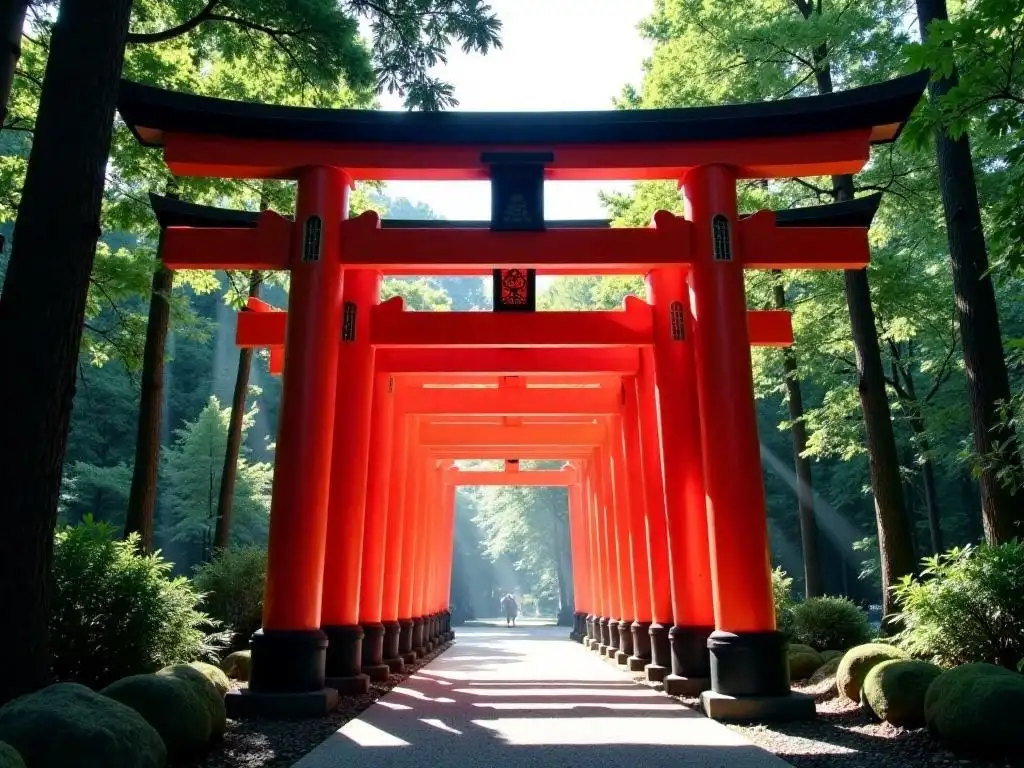
Shinto, the indigenous spirituality of Japan, emphasizes the importance of rituals in fostering personal growth and spiritual transformation. These rituals provide practitioners with a means to connect with the divine, cleanse their spirits, and cultivate a deeper understanding of themselves and their place in the universe. Below are some key Shinto rituals that are particularly beneficial for personal growth.
Misogi: Purification Rituals for Clarity
Misogi is a fundamental purification ritual in Shinto that aims to cleanse both the body and mind. This practice is often performed using water, symbolizing the removal of impurities. The act of purification is believed to clear one's spirit, making way for clarity and insight.
- Water Sources: Misogi can be performed using natural water sources such as rivers, seas, or waterfalls. The choice of water source emphasizes the connection to nature, which is a crucial aspect of Shinto belief.
- Ritual Steps: The process typically involves a series of steps:
- Preparation: Participants cleanse their hands and mouths at a temizuya (purification font) before entering a shrine.
- Recitation: Chanting specific prayers or incantations enhances the ritual's spiritual significance.
- Immersion or Sprinkling: Participants may either immerse themselves in water or sprinkle it over their bodies to symbolize purification.
The act of Misogi not only offers physical cleansing but also serves as a mental reset, allowing individuals to release negative thoughts and emotions, thereby fostering personal growth.
Harae: Rituals for Cleansing Negative Energies
Harae, another significant Shinto ritual, focuses on the expulsion of negative energies and influences. This ritual is often performed during times of transition or significant life changes, helping individuals to let go of past burdens and embrace new beginnings.
- Types of Harae: There are various forms of Harae, including:
- Harae-no-gi: A ceremonial act performed by a priest to cleanse individuals or objects.
- Harae-no-sake: The use of sacred sake in purification, believed to carry divine energy.
- Ritual Components:
- Offerings: Participants typically present offerings at a shrine, such as rice, salt, or sake, to express gratitude and invoke divine support.
- Incantations: Specific prayers are recited to ask for protection and removal of impurities.
By engaging in Harae, individuals can rid themselves of negativity, creating a space for new opportunities and personal growth.
Norito: The Power of Shinto Prayers in Personal Development
Norito refers to the formal Shinto prayers recited during rituals. These prayers serve as a means of communication with deities, expressing intentions, gratitude, and requests for personal development.
- Structure of Norito: Norito prayers often follow a structured format, including:
- Invocation: Addressing the deity and acknowledging their presence.
- Expression of Gratitude: Thanking the deity for blessings received.
- Requests for Guidance: Seeking assistance in personal matters, growth, and transformation.
- Significance of Intent: The power of Norito lies in the intention behind the words. When recited with sincerity, these prayers can help individuals focus their thoughts and aspirations, aligning their spiritual path with their personal goals.
By incorporating Norito into daily life, practitioners can enhance their personal growth, cultivating mindfulness and clarity in their spiritual journey.
Together, these Shinto rituals—Misogi, Harae, and Norito—offer profound pathways for personal transformation. By engaging in these practices, individuals can cultivate a deeper connection to themselves and the spiritual world, facilitating meaningful growth and development on their life journey.
O-sechi: Seasonal Rituals and Their Impact on Spiritual Growth
O-sechi is a traditional Japanese New Year celebration that involves the preparation and consumption of special dishes known as o-sechi ryori. These beautifully arranged meals are not only a feast for the senses but also hold deep spiritual significance, embodying various elements of Shinto beliefs and practices that foster personal growth and renewal.
The Significance of O-sechi in Shinto
O-sechi is rooted in the Shinto concept of kami (gods or spirits) and the importance of seasonal cycles. Each dish in the o-sechi assortment is carefully selected for its symbolic meaning, often representing prosperity, happiness, and longevity. For instance, black soybeans ( kuromame) symbolize diligence and hard work, while sweetened chestnuts ( kuri-kinton) represent wealth and happiness. By partaking in these dishes, individuals engage in a ritual that not only connects them to their cultural heritage but also reinforces their personal aspirations for the coming year.
Seasonal Reflection and Renewal
The timing of o-sechi aligns with the New Year, a period traditionally seen as a time for reflection and renewal. In Shinto practice, this is an opportune moment to reflect on the past year’s achievements and failures, set intentions for the new year, and seek spiritual guidance from the kami. The process of preparing and consuming o-sechi can act as a meditative practice, allowing individuals to slow down and consider their personal growth. This ritual encourages mindfulness and gratitude, helping practitioners to cultivate a deeper sense of purpose and clarity as they move forward.
Community and Connection
O-sechi is often enjoyed in the company of family and friends, emphasizing the importance of community in personal growth. Sharing these traditional meals fosters connection and strengthens bonds, creating a supportive environment for spiritual development. Engaging in these communal rituals not only enhances individual experiences but also reinforces collective cultural values, creating a sense of belonging and shared purpose within the community.
Integrating O-sechi Rituals into Personal Growth Practices
To harness the spiritual benefits of o-sechi as a personal growth tool, individuals can incorporate elements of this ritual into their own lives. Here are a few suggestions:
- Mindful Preparation: Take time to prepare o-sechi dishes, focusing on the symbolism of each ingredient. This practice can deepen your understanding of your intentions for the new year.
- Reflection Journals: After the New Year meal, consider writing down your reflections and aspirations. This act can solidify your intentions and provide a roadmap for personal development.
- Community Involvement: Participate in local o-sechi celebrations or host a gathering with friends and family. Sharing stories and experiences during these meals can enhance personal insights and foster growth.
By embracing the rituals and symbolism of o-sechi, individuals can align their spiritual practices with their personal growth journeys, making each New Year a transformative experience.
Personal Transformation Through Shinto Practices

Shinto, the indigenous spirituality of Japan, offers a rich tapestry of rituals and practices that facilitate personal transformation and spiritual growth. Central to Shinto are rituals that promote harmony between individuals and the divine, as well as with nature and community. Engaging in these rituals allows practitioners to reflect on their lives, cultivate mindfulness, and foster a deeper connection to their spiritual selves. This section delves into specific case studies and testimonials that illustrate how Shinto rituals can lead to profound personal growth.
Case Studies of Individuals Who Transformed Through Shinto Rituals
- Rei’s Journey of Healing
- Background: Rei, a middle-aged woman, struggled with anxiety and feelings of disconnection from her surroundings.
- Ritual Engagement: She began participating in weekly purification rituals at a local shrine, which included Harae (purification) and Tamataregu (offering of sacred rice).
- Transformation: Over time, Rei reported significant improvements in her mental clarity and emotional balance. The rituals helped her cultivate a sense of peace and belonging, allowing her to reconnect with her inner self and nature.
- Kenji’s Path to Leadership
- Background: Kenji was a young professional feeling lost in his career, lacking direction and confidence.
- Ritual Engagement: He engaged in Oharai (great purification) ceremonies and participated in community festivals, which emphasized teamwork and cultural heritage.
- Transformation: Through these experiences, Kenji developed a sense of purpose and leadership qualities. He learned to appreciate the importance of community, which inspired him to take on leadership roles in his workplace.
- Aiko’s Embrace of Forgiveness
- Background: Aiko faced resentment towards a family member due to past conflicts that impacted her relationships.
- Ritual Engagement: She attended Hōnō (offering of prayers) at a shrine dedicated to Kannon, the goddess of compassion and mercy.
- Transformation: Through prayer and reflection, Aiko found the strength to forgive, leading to healing in her family relationships. The experience not only transformed her emotional landscape but also opened her heart to new connections.
Testimonials: Experiences of Personal Growth in Shinto
- Yuki’s Reflection: "Participating in Shinto rituals has allowed me to reconnect with my roots and find peace in my daily life. The simple act of offering rice and saying prayers has become a grounding practice that centers me."
- Sato’s Insight: "After I began attending the seasonal festivals, I noticed a change in how I viewed my life. The community aspect of Shinto rituals gave me a support system and helped me realize the importance of gratitude."
- Haruto’s Shift: "The cleansing rituals not only purified my spirit but also gave me clarity in my professional decisions. I felt lighter and more focused after each ceremony, which translated into a positive impact on my work."
The testimonies and case studies highlight the transformative power of Shinto rituals for personal growth. Engaging in these practices allows individuals to cultivate a deeper understanding of themselves, their relationships, and their place within the world, illustrating the profound spiritual journey that Shinto offers.
Integrating Shinto Rituals into Daily Life
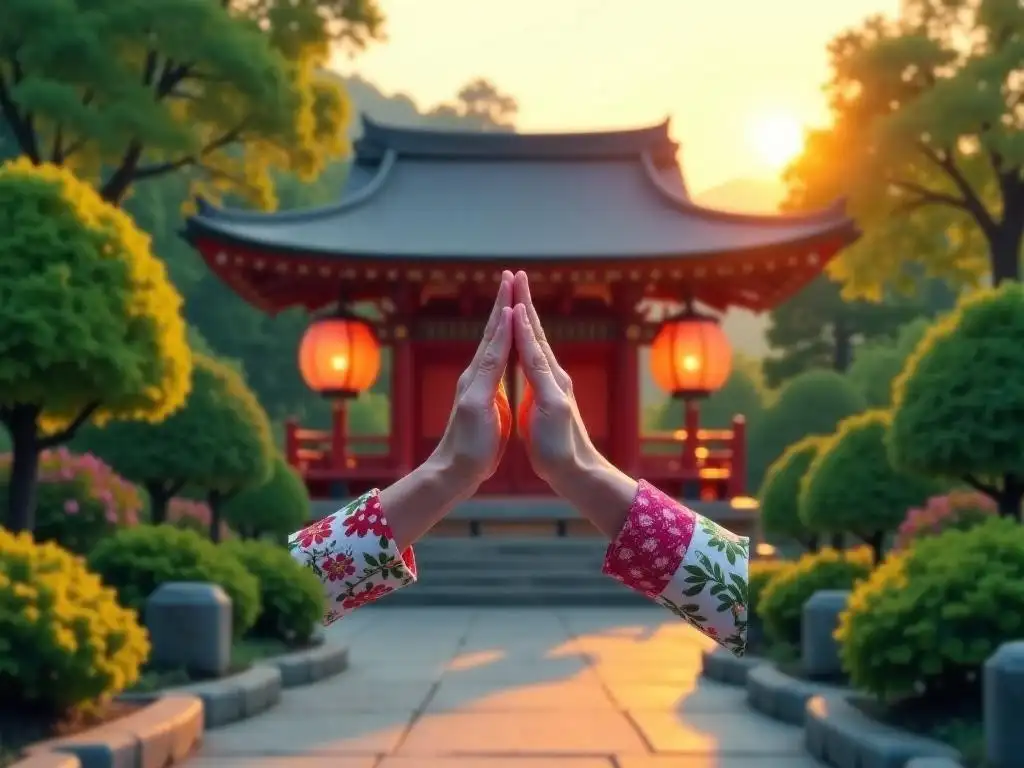
Shinto rituals for personal growth are not just confined to specific ceremonies or festivals; they can be seamlessly integrated into daily life. By adopting these practices, individuals can cultivate a deeper connection with both their environment and their inner selves. Here, we will delve into practical steps, personal routines, and community involvement that facilitate this integration.
Practical Steps to Incorporate Shinto Rituals
- Morning Purification
- Begin your day with a simple purification ritual. This can involve washing your hands and face with fresh water, symbolizing the cleansing of the mind and body. You can say a short prayer or set an intention for the day during this act.
- Creating a Household Altar (Kamidana)
- Set up a small altar in your home, known as a kamidana. This space can hold small offerings like rice, salt, or water, which are typically used in Shinto practices. Regularly tending to this altar can serve as a reminder of your spiritual commitments.
- Nature Walks
- Engage with nature through regular walks in parks or gardens. Reflect on the beauty of the natural world, which is a core component of Shinto beliefs. Use this time for meditation or contemplation, acknowledging the kami (spirits) present in your surroundings.
- Seasonal Celebrations
- Participate in seasonal festivals (matsuri) or create your own celebrations that align with the Shinto calendar. Acknowledge the changing seasons and their significance, fostering a sense of gratitude and connection to the cycles of life.
- Mindfulness and Meditation
- Incorporate mindfulness practices that focus on the present moment. Whether through meditative breathing or guided visualization, these practices can enhance your spiritual growth and align with the principles of Shinto.
Creating a Personal Ritual Routine for Growth
Establishing a personal ritual routine is essential for maximizing the benefits of Shinto practices. Here are key components to consider:
-
Setting Intentions
Before engaging in any ritual, take a moment to clarify your intentions. What aspects of personal growth are you focusing on? This could range from improving self-discipline to fostering compassion.
-
Daily Affirmations
Incorporate daily affirmations that resonate with Shinto beliefs. Phrases such as "I honor the spirits within and around me" can reinforce your connection to the divine and promote positive change.
-
Weekly Reflection
Dedicate time each week to reflect on your progress. This could involve journaling about your experiences with rituals, identifying areas of growth, and adjusting your practices as needed.
-
Ritual Variability
Introduce variability in your rituals to keep them fresh and engaging. Experiment with different offerings, prayers, or meditative practices to discover what resonates most with you.
Community Involvement: Engaging with Local Shinto Practices
Engaging with the community can significantly enhance your Shinto journey. Here are ways to become involved:
-
Join Local Shrines
Find a local Shinto shrine and participate in their activities. This could involve attending ceremonies, volunteering for shrine maintenance, or simply visiting to meditate and reflect.
-
Attend Workshops
Look for workshops or events focused on Shinto rituals and practices. These gatherings often provide valuable insights and foster connections with like-minded individuals.
-
Participate in Festivals
Engage in local Shinto festivals, which are vibrant expressions of culture and spirituality. Participating in these events allows you to connect with the community and deepen your understanding of Shinto traditions.
-
Engage in Discussions
Find forums or groups dedicated to discussions about Shinto practices. Engaging in dialogues can provide new perspectives and enhance your spiritual journey.
By integrating Shinto rituals into daily life, creating a personal routine, and participating in community practices, individuals can foster significant personal growth and spiritual transformation. Embracing these elements of Shinto can lead not only to individual enrichment but also to a deeper connection with the broader world.
Conclusion: The Lasting Impact of Shinto Rituals on Personal Transformation
Recap of Shinto Rituals for Personal Growth
Shinto rituals serve as powerful tools for personal growth, deeply rooted in Japan's cultural heritage. These practices foster a connection to the divine, nature, and the community, ultimately guiding individuals towards self-discovery and transformation. Some key Shinto rituals that contribute to personal growth include:
- Misogi (Purification Rituals): Misogi involves cleansing oneself through water or other methods, symbolizing the removal of impurities. This ritual not only purifies the body but also refreshes the mind, allowing practitioners to approach life with clarity and renewed purpose.
- Harae (Exorcism and Purification): Harae is a ritual aimed at expelling negative energies and influences. By participating in this practice, individuals can release emotional burdens, fostering a sense of peace and focus that supports their personal development journey.
- Offerings and Gratitude: Making offerings to kami (deities) is a common practice in Shinto. This act of gratitude encourages individuals to reflect on their lives, recognize their blessings, and set intentions for growth.
- Festivals (Matsuri): Participation in local festivals fosters community spirit and connection. Engaging in these events can inspire individuals to embrace their cultural identity and enhance their sense of belonging, which is essential for personal evolution.
Through these rituals, followers of Shinto can cultivate mindfulness, self-awareness, and resilience, all of which are critical components of personal growth. The repetitive nature of these practices instills discipline and provides a supportive framework for individuals to navigate their spiritual journey.
Encouragement to Explore Shinto Practices for Spiritual Development
Delving into Shinto practices can be a transformative experience for those seeking spiritual development. By participating in rituals, individuals not only connect with ancient traditions but also pave the way for personal insights and growth. Here are some ways to further explore Shinto practices:
- Attend Local Shrines: Visiting Shinto shrines offers opportunities to engage in rituals like purification, offerings, and prayers. Observing and participating in these practices can deepen your understanding of Shinto beliefs and their relevance to personal growth.
- Engage in Community Activities: Many shrines host community events and festivals. Getting involved can provide a sense of belonging and connection to others who share similar spiritual goals.
- Incorporate Rituals into Daily Life: Adopting elements of Shinto rituals into your daily routine can enhance mindfulness. Simple practices, such as expressing gratitude or spending time in nature, can foster a deeper connection to your spiritual self.
- Study Shinto Texts and Resources: Exploring literature on Shinto philosophy and rituals can provide valuable insights. This knowledge can inspire you to integrate Shinto practices into your personal growth journey.
Embrace the Journey of Personal Transformation
Shinto rituals for personal growth offer both spiritual nourishment and practical pathways to self-improvement. By embracing these practices, individuals can embark on a meaningful journey towards personal transformation, enriched by the wisdom of Japan's feudal past and the enduring legacy of Shinto beliefs. As you explore these rituals, remember that the journey is as important as the destination, and each step taken is a step towards greater self-awareness and fulfillment.
Frequently Asked Questions
What are Shinto rituals?
Shinto rituals are traditional practices in Japan that involve offerings, prayers, and ceremonies to honor kami (spirits) and connect with the spiritual world. They play a crucial role in personal transformation and community well-being.
How do Shinto rituals contribute to personal growth?
Through Shinto rituals, individuals engage in self-reflection, purification, and connection with nature, which can lead to spiritual awakening and personal insights that foster growth and development.
Are there specific Shinto rituals for spiritual growth?
Yes, several Shinto rituals such as misogi (purification), Hatsuhi no Kami (first fire festival), and Hatsumode (first shrine visit of the year) are designed to promote spiritual growth and renewal.
Can anyone participate in Shinto rituals?
Yes, Shinto rituals are generally open to everyone, regardless of background. Engaging in these rituals can be a meaningful way for anyone to seek personal transformation and connect with Japanese culture.
How can one get started with Shinto practices for personal transformation?
To begin, individuals can visit a Shinto shrine, participate in rituals, and incorporate daily prayers or offerings at home. Learning from Shinto texts and community events can also enhance understanding and practice.
Final Reflection: Embracing Transformation Through Shinto Rituals
In exploring the profound connection between Shinto rituals for personal growth and spiritual transformation, we uncover a timeless relevance that resonates deeply in today's fast-paced world. As individuals seek meaning and connection amidst chaos, the rituals of Shinto offer a pathway to introspection and renewal. These practices not only ground us in our heritage but also invite us to cultivate a deeper understanding of ourselves and our place in the universe.
The influence of Shinto on personal and cultural landscapes is undeniable and continues to inspire countless individuals on their journeys of self-discovery. The rituals serve as a bridge between the sacred and the everyday, reminding us of the beauty in simplicity and the power of intention. Rituals are the threads that weave the fabric of our spiritual lives, connecting us to the divine and to each other.
This ongoing impact encourages us to embrace our own rituals, however small, as vital components of our growth and transformation.
As we conclude this exploration, I invite you to reflect on how you can incorporate the essence of Shinto rituals into your daily life. Consider the small acts of mindfulness, gratitude, and connection that can foster your own spiritual growth. Let these practices guide you toward a deeper understanding of yourself and the world around you, inspiring you to embark on your own journey of transformation. Embrace the opportunity for personal evolution, and remember that every ritual, no matter how simple, can lead to profound change.
Embrace Your Journey of Transformation!
Thank you for taking the time to explore the profound relationship between Shinto practices and personal transformation. We hope you found valuable insights that inspire you on your own spiritual journey. Now, let's put that inspiration into action!
Here are some concrete steps you can take to deepen your connection with Shinto and encourage your personal growth:
- Start a Daily Ritual: Incorporate a simple daily practice, such as expressing gratitude or engaging in quiet reflection, to establish a sacred space for yourself.
- Join a Community: Seek out local or online groups that share an interest in Shinto or spiritual growth, allowing you to exchange experiences and insights.
- Explore Nature: Spend time outdoors and actively engage with the natural world; consider creating a personal ritual that honors these connections.
Which ritual will you embrace today to kickstart your transformation journey? Share your thoughts, and let’s inspire each other!