
The Influence of Shinto on Japanese Art and Literature

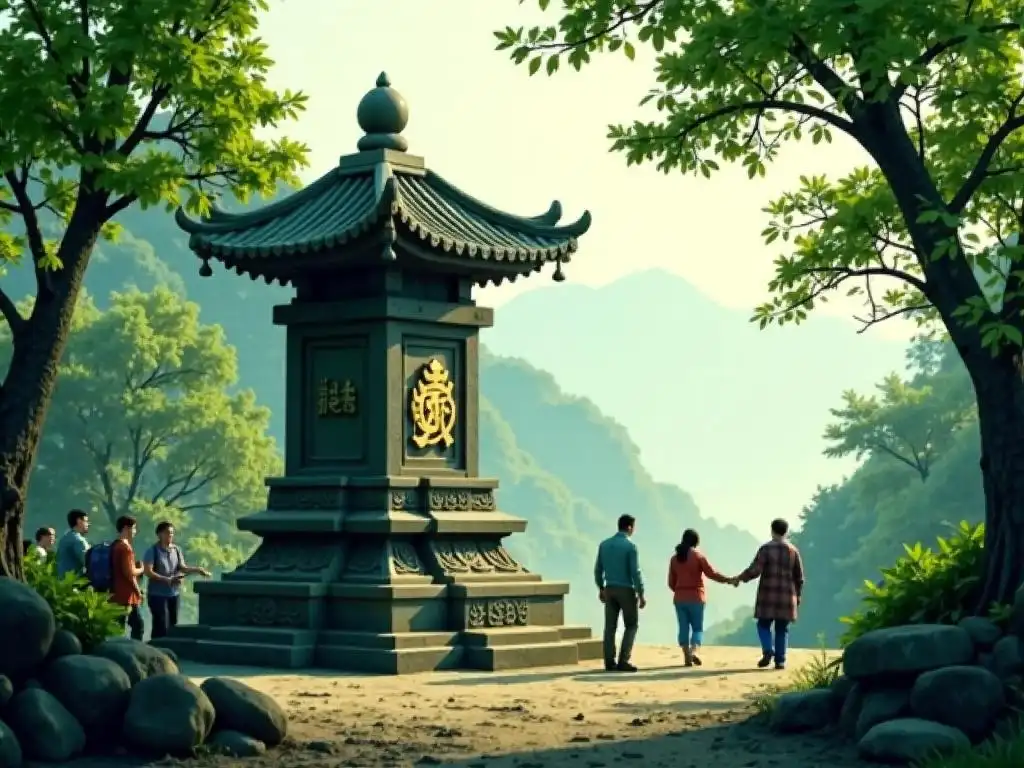
Welcome to Feudal Japan History, where we invite you to embark on a captivating journey through the intricate tapestry of Japan’s feudal era. In today’s exploration, we delve into the profound influence of Shinto on Japanese art and literature, revealing how this ancient belief system has shaped the very essence of cultural expression. Prepare to uncover the delicate threads that connect spirituality and creativity in a time when the divine was intricately woven into everyday life.
Join us as we unravel the mysteries of this enchanting relationship and discover how Shinto continues to inspire modern artistry. Your adventure into the heart of Japan’s past begins now!
The rich tapestry of Japanese art and literature cannot be fully appreciated without understanding the profound influence of Shinto, Japan's indigenous spirituality. Shinto, which translates to "the way of the gods," encompasses a diverse array of beliefs, rituals, and practices centered around the reverence of kami (spirits) and the natural world.
This article explores the intricate connections between Shinto practices and their impact on the artistic and literary expressions of Japan, particularly during the feudal era. By delving into the historical, cultural, and societal dimensions of Shinto, we can uncover how it shaped the creative landscape of Japan and continues to resonate in contemporary art and literature.
Introduction to Shinto and Its Cultural Significance
Shinto is not merely a religion but a fundamental aspect of Japanese identity, influencing various facets of daily life and creativity. Its emphasis on rituals, nature, and community has fostered a unique artistic heritage that reflects the spiritual and aesthetic values of Japanese society.
Definition of Shinto in Japanese Culture
Shinto is characterized by its polytheistic beliefs and practices that celebrate the kami, which include deities, spirits of ancestors, and elements of nature. Unlike many organized religions, Shinto lacks a central scripture or dogma, making it highly adaptable and deeply interwoven with the cultural fabric of Japan. Key elements of Shinto include:
- Rituals and Festivals: Important ceremonies such as Matsuri (festivals) showcase the relationship between humans and kami.
- Shrines: The architectural beauty of Shinto shrines, with their distinctive torii gates, reflects the spiritual essence of the kami they house.
- Purity and Harmony: Central to Shinto beliefs, the concepts of purity and harmony influence artistic expressions, emphasizing the beauty of nature and human existence.
Historical Context of Shinto Practices in Feudal Japan
During the feudal era, Shinto practices were intricately tied to the samurai class and the political structure of Japan. The rise of the samurai as a powerful social class in the 12th century saw a blending of Shinto with other religious influences, notably Buddhism. This period marked:
- The Integration of Shinto and Buddhism: The syncretism of these two religions led to a unique cultural milieu, enriching the artistic landscape.
- Emperor as a Divine Figure: The belief in the emperor's divine right, as a descendant of the kami, reinforced Shinto’s societal influence.
- Cultural Flourishing: The peace and stability during periods like the Edo period allowed art and literature to thrive, heavily drawing from Shinto themes.
The Role of Shinto in Shaping Japanese Art
Shinto's impact on Japanese art is multifaceted, inspiring various forms of artistic expression that resonate with spiritual and natural themes. This influence manifests in several ways:
Shinto Symbolism in Traditional Japanese Art
Traditional Japanese art is replete with Shinto symbolism, reflecting the deep connection between spirituality and creativity. Artists often incorporated natural elements, such as:
- Landscapes: Depictions of mountains, rivers, and forests symbolize the presence of kami.
- Seasonal Themes: Artworks often celebrate the changing seasons, emphasizing Shinto's reverence for nature.
- Abstract Representations: Patterns and motifs that evoke spiritual concepts rather than literal interpretations.
Iconography of Shinto Deities in Artworks
The representation of Shinto deities in art provides insight into the cultural significance of these figures. Notable aspects include:
- Depictions of Kami: Artists often portray kami in anthropomorphic forms, emphasizing their divine nature.
- Use of Color and Form: Bright colors and dynamic forms in paintings and sculptures symbolize the vitality and energy of the kami.
- Integration in Daily Life: Artworks frequently include kami in everyday scenes, highlighting their omnipresence in Japanese life.
Influence of Shinto Rituals on Artistic Expression
Shinto rituals have profoundly influenced artistic practices, shaping the way artists conceive and create their works. Key influences include:
- Ritualistic Art Forms: Certain art forms, such as ceremonial masks and dance, are directly tied to Shinto rituals and festivals.
- Collaborative Creativity: Many artists engage in communal practices that reflect Shinto values of harmony and connection.
- Spirituality in Creation: The act of creation itself is often viewed as a spiritual practice, embodying the relationship between the artist and the kami.
Through these explorations, we can appreciate the depth of Shinto's influence on Japanese art and literature, revealing a vibrant cultural legacy that continues to inspire and inform contemporary expressions.
Shinto Influence on Japanese Literature
Shinto, the indigenous spirituality of Japan, has significantly shaped the country's literature throughout history. This influence is evident in various forms of literary expression, from ancient texts to contemporary works. Central to Shinto beliefs is the reverence for nature, kami (spiritual beings), and the interconnectedness of life, which have all provided rich material for literary exploration. The impact of Shinto on literature can be seen through its themes, characters, and the overarching narrative structures that draw heavily from Shinto practices and beliefs.
Themes of Nature and Spirituality in Literature
One of the most prominent themes reflecting Shinto's influence in Japanese literature is the deep connection to nature. Shinto emphasizes the sanctity of the natural world, viewing mountains, rivers, and trees as sacred entities inhabited by kami. This reverence manifests in literary works that celebrate nature's beauty and its spiritual significance.
For instance, classical poetry, such as haiku, often captures fleeting moments of natural beauty, highlighting the transient nature of existence—a concept resonant with Shinto beliefs. Works like Matsuo Bashō’s poems illustrate the harmonious relationship between humans and nature, evoking a sense of spirituality that stems from this connection.
Moreover, spirituality in literature often reflects a sense of wonder and respect towards the kami, with authors using nature as a medium to explore themes of existence, identity, and humanity’s place within the cosmos. This thematic focus invites readers to consider their own relationship with the world around them.
Representation of Shinto Myths and Legends in Literary Works
Shinto myths and legends have served as a vital source of inspiration for many literary creations in Japan. These stories, rich with symbolism and moral lessons, frequently find their way into novels, plays, and poetry. The Kojiki and Nihon Shoki, two of the oldest chronicles of Japanese history, offer a plethora of myths that have been adapted and interpreted in various literary forms.
For example, the tale of Amaterasu, the sun goddess, who retreats into a cave, symbolizes themes of darkness and enlightenment. Authors have used this narrative to explore the dualities of life, such as despair and hope, within their works. Similarly, the story of the creation of Japan and its gods is often referenced in modern literature, reflecting the ongoing significance of these myths in shaping cultural identity.
These representations not only preserve the essence of Shinto tradition but also allow for a dialogue between past and present, where contemporary authors reinterpret ancient tales to address modern themes and societal issues.
Notable Authors and Their Connection to Shinto
Several notable Japanese authors have drawn upon Shinto beliefs in their literary works, intertwining their narratives with elements of spirituality and myth. Yukio Mishima, known for his exploration of beauty and death, often reflects on traditional Japanese values and Shinto concepts in his novels and plays. His works evoke a sense of longing for a past steeped in nature and spirituality.
Another key figure is Natsume Sōseki, whose novel Kumo no Ue ni (The Tower of London) delves into the complexities of existence while subtly weaving in Shinto beliefs. Sōseki’s writing showcases a rich tapestry of human emotions and a profound connection to the natural world, mirroring Shinto’s spiritual essence.
Additionally, contemporary authors like Banana Yoshimoto explore themes of life, death, and the natural world in ways that resonate with Shinto principles, illustrating its enduring influence on Japanese literature across generations.
Artistic Movements Influenced by Shinto Beliefs
Shinto's influence extends beyond literature into various artistic movements throughout Japanese history. The beliefs and practices rooted in Shinto have inspired artists and craftsmen, shaping their creations and the cultural landscape of Japan.
The Edo Period: A Flourishing of Shinto Influence
The Edo Period (1603-1868) marked a significant era for the flourishing of Shinto influence in Japanese art. During this time, there was a revival of interest in traditional beliefs and practices, leading to a renewed appreciation for Shinto themes in various art forms.
Artists began to incorporate Shinto motifs into their works, often reflecting the vibrant festivals and rituals associated with the religion. The creation of shrines and the portrayal of kami in art became increasingly popular, serving both religious and aesthetic purposes. This period also saw the emergence of ukiyo-e, or "pictures of the floating world," which depicted scenes of everyday life and nature, often infused with Shinto symbolism.
The Edo Period's artistic landscape was characterized by a strong connection to the divine, as artists sought to capture the beauty of the world while honoring the spiritual essence of Shinto.
The Relationship Between Shinto and Ukiyo-e Prints
Ukiyo-e prints, a prominent art form during the Edo Period, exemplify the symbiotic relationship between Shinto and visual arts. These woodblock prints depicted various aspects of life, including landscapes, kabuki actors, and beautiful women, often with spiritual undertones.
Many ukiyo-e artists, such as Hokusai and Hiroshige, drew upon Shinto themes in their works, incorporating elements of nature and kami into their imagery. For instance, Hokusai’s famous series Thirty-Six Views of Mount Fuji not only showcases the beauty of the iconic mountain but also reflects its sacred significance in Shinto belief.
These prints served not only as artistic expressions but also as a means of communicating the cultural values rooted in Shinto, allowing viewers to connect with the spiritual dimensions of the world depicted.
Contemporary Art and the Revitalization of Shinto Themes
In recent years, contemporary Japanese artists have begun to revisit and reinterpret Shinto themes within their works, creating a revitalization of interest in this ancient belief system. Artists like Yoshitomo Nara and Takashi Murakami incorporate elements of Shinto spirituality, often blending traditional motifs with modern sensibilities.
Through their art, these contemporary creators explore the relevance of Shinto in today’s society, addressing themes such as identity, nature, and the human experience. Their works invite viewers to engage with Shinto beliefs in new and innovative ways, bridging the gap between past traditions and contemporary expression.
Moreover, exhibitions and installations that celebrate Shinto practices and concepts have emerged, fostering a deeper understanding and appreciation of this rich cultural heritage. This renaissance of Shinto themes in contemporary art underscores their enduring significance and the dynamic nature of Japanese artistic expression.
Case Studies: Specific Works Reflecting Shinto Influence
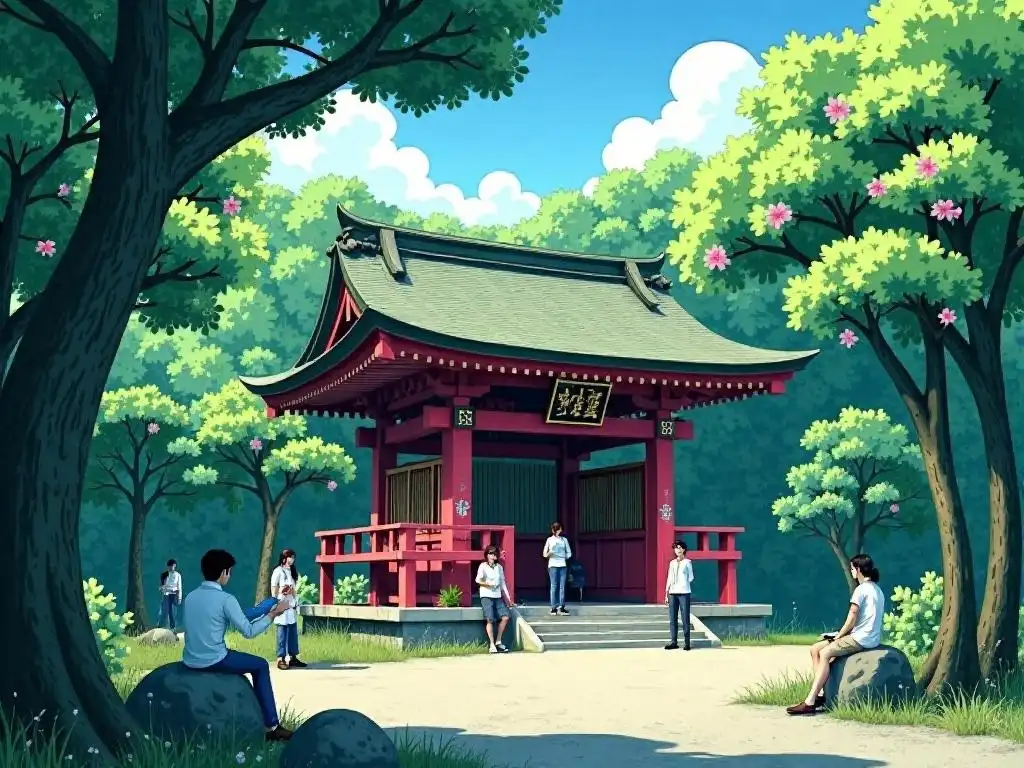
The influence of Shinto on Japanese art and literature can be seen vividly in various works throughout history. By analyzing specific examples, we can understand how Shinto beliefs and practices have shaped the creative expressions of different eras. This exploration includes iconic narratives and modern interpretations that highlight the enduring legacy of Shinto in Japanese culture.
Analysis of "The Tale of the Princess Kaguya" and Its Shinto Elements
"The Tale of the Princess Kaguya," a timeless folktale and a celebrated animated film directed by Isao Takahata, is steeped in Shinto symbolism and themes. The narrative revolves around a mysterious girl from the moon who transforms the lives of those around her. Several Shinto elements are woven throughout the story:
- Nature Reverence: The protagonist's connection with nature reflects Shinto's deep respect for the natural world. The lush landscapes and the moon's ethereal quality signify the Shinto belief in kami (spirits) residing in natural elements.
- Divine Origins: Kaguya’s otherworldly origin aligns with the Shinto perception of divine beings. Her eventual return to the moon symbolizes the transient nature of life—a core tenet of Shinto philosophy that emphasizes the importance of living harmoniously with the world.
- Rituals and Offerings: The story includes scenes of rituals and offerings to deities, which resonate with Shinto practices. These moments highlight the cultural importance of honoring kami and seeking their blessings.
Through these elements, "The Tale of the Princess Kaguya" serves as a powerful reflection of Shinto influence, encapsulating themes of beauty, nature, and spirituality.
Examination of "Kwaidan" and Shinto Themes
"Kwaidan," a collection of Japanese ghost stories adapted into a visually stunning film by Masaki Kobayashi, showcases various aspects of Shinto beliefs. The narratives in "Kwaidan" delve into the supernatural, where the boundaries between the living and the spirit world blur, resonating with Shinto themes:
- Spiritual Interactions: The stories often depict interactions between humans and yurei (ghosts), emphasizing the Shinto belief in the coexistence of the spiritual realm with the physical world. The deceased are honored, and their spirits are often integrated into community life, reflecting Shinto practices of ancestor veneration.
- Nature as a Living Entity: The film captures the essence of nature as a living force, a concept central to Shinto. The landscapes serve not only as a backdrop but as characters imbued with spiritual significance, reinforcing the idea that nature is inhabited by kami.
- Moral Lessons: Many stories convey moral lessons tied to respect for the natural world and the consequences of human actions, aligning with the Shinto view of harmony and balance in life.
"Kwaidan" stands as a poignant exploration of Shinto’s influence, using folklore to illustrate the deep-seated connection between humanity and the spiritual environment.
Impact of Yasunari Kawabata on the Perception of Shinto in Art and Literature
Yasunari Kawabata, the first Japanese Nobel Laureate in Literature, profoundly impacted how Shinto is perceived in modern art and literature. His works often reflect Shinto's aesthetic sensibilities, melding traditional themes with contemporary narratives:
- Nature and Aesthetics: Kawabata's writing style emphasizes simplicity and beauty, mirroring Shinto's appreciation for the natural world. His prose often draws on seasonal changes, showcasing how deeply rooted Shinto beliefs are in the Japanese worldview.
- Spirituality and Human Experience: In novels like "Snow Country" and "The Sound of the Mountain," Kawabata explores the interplay of human emotions with the spiritual world, illustrating Shinto concepts of impermanence and the interconnectedness of life.
- Cultural Identity: Kawabata’s works contribute to a broader understanding of Japanese cultural identity, where Shinto practices and philosophies are integral. His narratives highlight the significance of rituals, nature, and ancestral connections in shaping modern Japanese consciousness.
Through his literary contributions, Kawabata has enriched the dialogue surrounding Shinto, emphasizing its relevance in contemporary Japanese identity and artistic expression.
The Lasting Legacy of Shinto on Japanese Art and Literature
The legacy of Shinto on Japanese art and literature is profound and enduring. Its principles and practices continue to inspire artists and writers, shaping the cultural landscape of Japan. The synthesis of Shinto beliefs with artistic expression creates a unique narrative that resonates through time.
How Shinto Practices Continue to Influence Modern Artists and Writers
Modern artists and writers in Japan still draw inspiration from Shinto practices, reflecting its teachings in their work. This ongoing influence manifests in several ways:
- Themes of Nature: Contemporary artists often depict natural elements in their work, echoing the Shinto belief in kami residing in the environment. This connection fosters a sense of mindfulness and appreciation for the world around them.
- Rituals and Spirituality: Many modern literary works incorporate rituals and spiritual experiences, illustrating the continued relevance of Shinto practices in daily life. Writers explore themes of spirituality, ancestry, and the human experience in relation to nature.
- Cultural Reclamation: There is a growing movement among artists to reclaim and reinterpret Shinto traditions, blending them with modern techniques and narratives. This fusion creates innovative expressions that honor traditional beliefs while appealing to contemporary audiences.
The influence of Shinto remains a vital force in the creative landscape, demonstrating its ability to adapt and thrive in modern contexts.
The Role of Shinto in Contemporary Japanese Cultural Identity
Shinto plays a crucial role in shaping contemporary Japanese cultural identity. Its practices and beliefs provide a framework for understanding personal and collective experiences:
- Cultural Heritage: Shinto rituals, festivals, and traditions are integral to Japan's cultural heritage. They foster a sense of belonging and continuity, linking modern society with its historical roots.
- Identity and Community: Shinto practices encourage community engagement and participation, reinforcing bonds among individuals. Festivals often bring people together, fostering communal identity and shared values.
- Spiritual Framework: In a rapidly changing world, Shinto offers a spiritual framework for individuals seeking meaning and connection. Its teachings promote harmony, respect for nature, and mindfulness, resonating with contemporary societal needs.
As Japan continues to navigate modernization, Shinto remains a foundational element of cultural identity, influencing art, literature, and the collective consciousness of its people.
Conclusion: The Enduring Influence of Shinto on Japanese Art and Literature
The influence of Shinto on Japanese art and literature is profound and enduring, reflecting the intertwined nature of spirituality and creativity in Japan. From the serene landscapes captured in traditional ink paintings to the intricate narratives found in classic literature, Shinto beliefs and practices have provided a rich source of inspiration for artists and writers throughout the ages. The reverence for nature, the acknowledgment of kami (spirits), and the celebration of seasonal festivals are themes that recur in various artistic expressions, showcasing how deeply embedded Shinto is in the cultural fabric of Japan.
Moreover, the aesthetic principles derived from Shinto—such as simplicity, naturalness, and the beauty of impermanence—continue to resonate in contemporary art and literature. As Japan navigates modernity, these traditional influences serve as a grounding force, reminding both artists and audiences of the cultural heritage that shapes their identity.
Summary of Key Points on Shinto's Impact
- Aesthetic Principles: Shinto's emphasis on nature and harmony has led to unique aesthetic values in Japanese art, favoring simplicity and the beauty of natural forms.
- Literary Themes: Many literary works draw upon Shinto mythology, incorporating kami and seasonal changes to enrich narratives and character development.
- Cultural Practices: Festivals and rituals rooted in Shinto have inspired various art forms, including dance, music, and visual arts, reinforcing community bonds and cultural identity.
- Symbolism: Shinto symbols, such as torii gates and sacred trees, frequently appear in art, representing the connection between the physical and spiritual worlds.
- Continuity and Change: While modern influences challenge traditional practices, Shinto continues to inspire contemporary artists and authors, ensuring its relevance in Japan's cultural landscape.
Reflection on the Future of Shinto Influence in Japan's Cultural Landscape
As Japan moves further into the 21st century, the relevance of Shinto in shaping the cultural landscape remains significant. While globalization brings new ideas and influences, there is a growing appreciation for traditional practices, particularly among younger generations seeking to explore their roots. The resurgence of interest in Shinto is evident in various forms of media, including film, literature, and visual arts, where creators are increasingly incorporating Shinto elements to express contemporary themes.
Furthermore, the ongoing dialogue between tradition and modernity fosters a dynamic cultural environment. Artists and writers are not merely preserving Shinto's influence but are also reinterpreting it, creating fresh narratives that resonate with current societal issues. This evolution encourages a deeper understanding of Japan's historical and cultural identity, ensuring that the enduring legacy of Shinto continues to inspire and influence art and literature for years to come.
The future of Shinto's influence on Japanese art and literature looks promising, as it evolves alongside society while maintaining its foundational significance within the cultural heritage of Japan.
- Introduction to Shinto and Its Cultural Significance
- The Role of Shinto in Shaping Japanese Art
- Shinto Influence on Japanese Literature
- Artistic Movements Influenced by Shinto Beliefs
- Case Studies: Specific Works Reflecting Shinto Influence
- The Lasting Legacy of Shinto on Japanese Art and Literature
- Conclusion: The Enduring Influence of Shinto on Japanese Art and Literature
Frequently Asked Questions
What is the significance of Shinto in Japanese art?
Shinto plays a crucial role in shaping Japanese art, emphasizing the connection between nature and spirituality. Many traditional artworks reflect Shinto themes and beliefs, showcasing reverence for natural elements.
How did Shinto beliefs influence Japanese literature?
Shinto beliefs are often woven into Japanese literature, inspiring themes of nature, gods, and mythology. This influence is evident in various literary forms, including poetry and storytelling.
Can you provide examples of Shinto-inspired art?
Artworks such as paintings, sculptures, and ceramics often depict Shinto deities and natural landscapes. One notable example is the Torii gate, symbolizing the entrance to sacred spaces.
How does Shinto connect with the concept of beauty in Japanese art?
Shinto fosters an appreciation for natural beauty, which artists express through simplicity and harmony. This connection is central to various art forms, including Ikebana and calligraphy.
What role did Shinto rituals play in the creation of art?
Shinto rituals often accompany the creation of art, serving as a means to seek divine inspiration and purification. Artists may perform rituals to ensure their work resonates with spiritual significance.
Final Reflection: Embracing the Spirit of Shinto in Art and Literature
The profound connection between Shinto and Japanese art is not just a historical curiosity; it is a living testament to how spirituality shapes creativity and expression. Today, as we navigate a world increasingly disconnected from its roots, the enduring influence of Shinto on Japanese art serves as a reminder of the importance of cultural heritage in fostering identity and community. The intricate interplay of nature, spirituality, and artistry invites us to reflect on our own connections to the world around us.
The impact of Shinto extends far beyond the confines of traditional art forms; it continues to resonate in contemporary culture, influencing everything from modern literature to visual arts. The themes of harmony, reverence for nature, and the celebration of the ephemeral are woven into the fabric of Japanese creativity, encouraging artists and writers to explore deeper meanings in their work. Art is the most beautiful of all lies.
This quote encapsulates the Shinto belief that art is not merely a representation of reality but a bridge to the divine, allowing us to glimpse the beauty that lies beyond the ordinary.
As we conclude this exploration of Shinto's influence on Japanese art and literature, I invite you to reflect on how the principles of Shinto can enrich your own creative endeavors. Consider how you can embrace the spirit of Shinto in your life—whether through art, writing, or simply in your daily interactions with nature and others. Let the lessons of harmony, respect, and connection inspire you to create and appreciate beauty in all its forms, fostering a deeper understanding of the world and your place within it.
Unveil the Magic of Shinto Influence Today!
Thank you for diving into the captivating world of Shinto's influence on Japanese art and literature! By exploring these themes, you've uncovered the profound connections that shape Japan's rich cultural tapestry. Now, it’s time to take that inspiration further!
Here are some actionable steps you can embrace:
- Explore local art galleries or museums that showcase Japanese art to witness Shinto themes come to life.
- Engage with a community group or online forum dedicated to Japanese literature to share insights and discover new readings.
- Consider creating your own artwork or poem inspired by Shinto concepts — you might be surprised by the beautiful creations you can produce!
What aspect of Shinto's influence are you most excited to experience or explore in your artistic or literary journey?