
Shinto in Everyday Life: Integrating Spirituality into Daily Activities

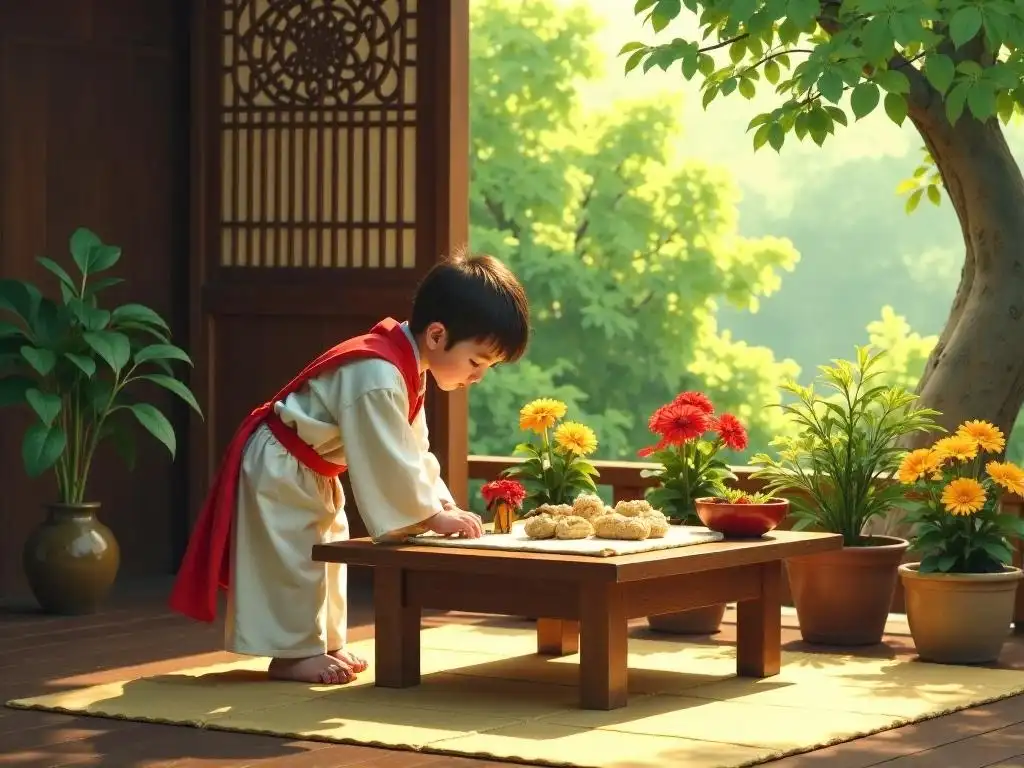
Welcome to Feudal Japan History, where we invite you to embark on a captivating journey through the rich tapestry of Japan's feudal era. Here, we delve into the intricate layers of history, culture, and society that defined this remarkable period. In our featured article, “Shinto in Everyday Life: Integrating Spirituality into Daily Activities,” we unravel the profound influence of Shinto practices on the daily lives of the people.
What rituals and beliefs shaped their interactions with nature and community? Join us as we explore how these spiritual traditions seamlessly wove into the fabric of everyday existence, sparking a deeper understanding of Japan's enchanting past. Dive in and discover the hidden connections that continue to resonate today!
- Introduction to Shinto Practices in Daily Life
- Historical Context of Shinto in Daily Life
- Core Shinto Practices Integrated into Daily Life
- Personalizing Shinto Practices in Daily Activities
- Community and Shinto: Collective Practices
- Challenges and Adaptations of Shinto in Contemporary Society
- Conclusion: Embracing Shinto in Everyday Life
- Frequently Asked Questions
- Final Reflection: Embracing Shinto Practices in Daily Life
- Embrace Your Spiritual Journey Today!
Introduction to Shinto Practices in Daily Life
Shinto, one of the oldest religions in Japan, is deeply intertwined with the culture and everyday life of its people. This indigenous belief system emphasizes the veneration of kami (spirits or gods) and the importance of rituals that foster a connection between the spiritual and physical realms. In the context of Shinto practices in daily life, this article aims to explore how individuals integrate spirituality into their routines, influencing their actions, decisions, and relationships.
From daily rituals to seasonal festivals, Shinto offers a framework that enriches the mundane with meaning and reverence. Understanding these practices not only enhances our appreciation of Shinto but also reveals the profound ways spirituality can shape daily existence.
Understanding Shinto: A Brief Overview
Shinto, or "the way of the gods," is characterized by its diverse beliefs, traditions, and rituals that have evolved over centuries. Unlike many organized religions, Shinto does not have a single founder or a central religious text. Instead, it is a collection of practices and beliefs that vary regionally and by community. Key elements of Shinto include:
- Kami: The spirits or deities that inhabit natural elements, ancestors, and even man-made objects.
- Rituals: Practices such as purification, offerings, and prayers that honor the kami and seek their blessings.
- Festivals (Matsuri): Seasonal celebrations that involve the community and reinforce cultural identity.
The essence of Shinto is deeply rooted in nature, and its practices often reflect a profound respect for the environment. Understanding these foundational elements is crucial for recognizing how Shinto permeates daily life in Japan.
The Importance of Spirituality in Everyday Activities
Incorporating Shinto practices into daily life is not only about ritual adherence; it's about fostering a mindset that prioritizes spirituality in mundane activities. Here are several ways Shinto influences everyday life:
- Morning Purification Rituals: Many individuals begin their day with simple acts of purification, such as washing hands and rinsing mouths, embodying the principle of cleanliness that is central to Shinto.
- Offerings and Altars: Household shrines, or kamidana, serve as focal points for daily offerings of rice, salt, and water, connecting families to their ancestral kami.
- Seasonal Celebrations: Engaging in seasonal festivals allows individuals to participate in communal rituals that honor the kami, reinforcing social bonds and cultural heritage.
- Mindfulness in Nature: Shinto encourages a deep appreciation for nature, prompting individuals to engage with their surroundings mindfully, whether through gardening, walking, or simply observing the changing seasons.
These practices highlight the seamless integration of spirituality into daily routines, demonstrating how Shinto enriches life by fostering a sense of connection, gratitude, and respect for both the natural world and the spiritual realm.
Historical Context of Shinto in Daily Life
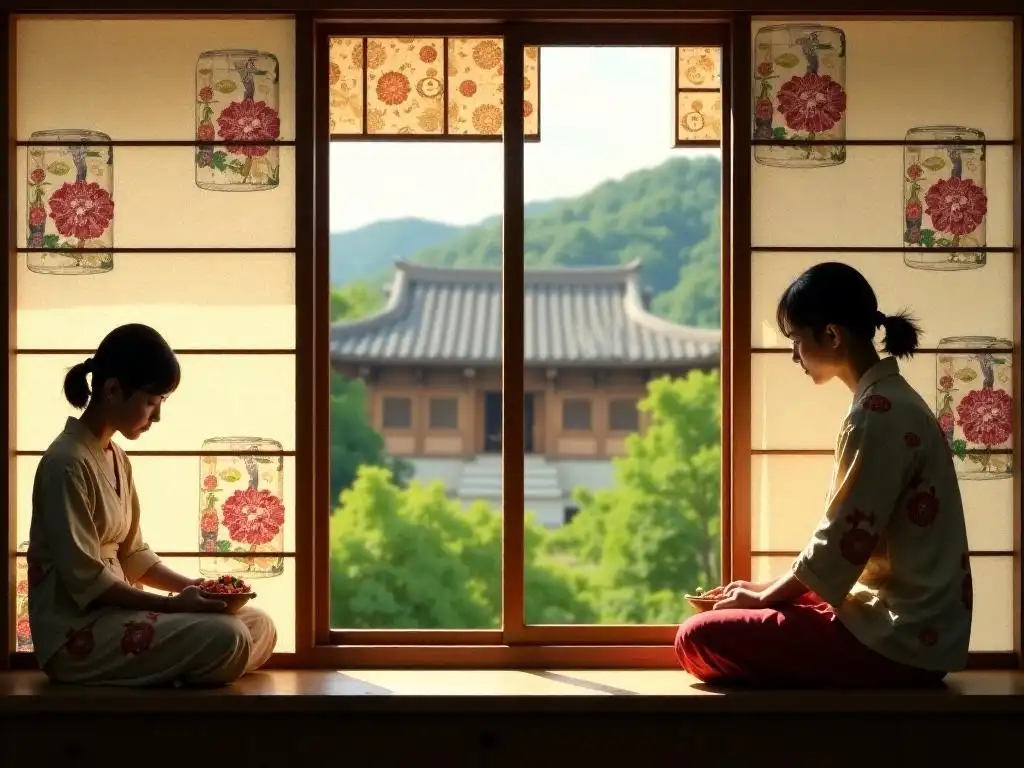
Shinto, as the indigenous spirituality of Japan, has its roots deeply embedded in the everyday lives of the Japanese people. Historically, Shinto practices were not confined to temples or formal rituals; instead, they permeated various aspects of daily life, influencing everything from agriculture to family customs.
Shinto Practices in Feudal Japan
During the feudal era, which spanned from the 12th to the 19th centuries, Japan was characterized by a rigid social structure and a strong warrior class. Despite the political turmoil, Shinto practices remained integral to the lives of both the samurai and the common folk. The following are key aspects of how Shinto was practiced during this time:
- Rituals and Festivals: Seasonal festivals, known as "matsuri," were held to honor deities and ensure bountiful harvests. These festivals often included offerings of rice, sake, and other food items to kami (spirits) and were attended by both samurai and peasants.
- Shrine Visits: It was customary for families to visit local shrines, especially during important life events such as births, weddings, and funerals. These visits often included purification rituals, prayers, and offerings, highlighting the significance of spirituality in daily routines.
- Patronage of Kami: Feudal lords often adopted specific kami as their protectors, which led to the construction of shrines dedicated to these deities on their lands. This not only served to legitimize their authority but also reinforced the interconnectedness of governance and spirituality.
- Agricultural Practices: Shinto beliefs were closely tied to agriculture, with rituals performed to ensure favorable weather and good harvests. Farmers would often conduct ceremonies to appease the kami of rice, which was a staple of the Japanese diet.
The integration of Shinto practices into daily life during the feudal era reflects a society that viewed spirituality as an essential aspect of existence, influencing both personal and communal activities.
The Influence of Shinto on Japanese Culture and Society
Shinto's impact on Japanese culture and society is profound and multifaceted, shaping various aspects of life that continue to resonate today. The following points illustrate the enduring influence of Shinto:
- Cultural Identity: Shinto plays a crucial role in the formation of Japanese cultural identity. It is a source of national pride and has fostered a sense of unity among the Japanese people, promoting shared values and traditions.
- Art and Literature: Shinto themes are prevalent in traditional Japanese art and literature. Many works reflect the reverence for nature and the kami, emphasizing harmony with the environment. This connection is evident in classical poetry, painting, and performing arts.
- Ceremonial Practices: Many Japanese ceremonies, both formal and informal, incorporate Shinto elements. For instance, the custom of "Shichi-Go-San," a celebration for children aged seven, five, and three, involves visiting shrines to receive blessings, showcasing the integration of spirituality into family life.
- Architecture and Aesthetics: Shinto shrines are characterized by their unique architectural styles, which often emphasize natural materials and harmony with the surrounding environment. This aesthetic has influenced various aspects of Japanese architecture, interior design, and garden layouts.
- Modern Integration: Even in contemporary Japan, Shinto practices remain relevant. Many people continue to observe rituals such as "Hatsumode," the first shrine visit of the year, blending traditional beliefs with modern life.
Shinto's influence on Japanese culture and society is profound and enduring, shaping the way individuals and communities interact with spirituality and the world around them. Shinto practices in daily life are not merely remnants of the past but are actively woven into the fabric of modern Japanese existence, affirming their significance in both historical and contemporary contexts.
Core Shinto Practices Integrated into Daily Life

Rituals and Offerings at Home Shrines
In the context of Shinto practices in daily life, home shrines, or kamidana, serve as a central focus for spiritual activity. These small altars are typically adorned with various sacred objects, including gohei (ritual wands), sakaki (a sacred tree), and offerings of rice, salt, and water. Families engage in daily rituals, which often include:
- Morning and Evening Prayers: Devotees recite prayers to express gratitude and seek blessings for the household. These prayers can be a simple acknowledgment of the kami (gods or spirits) residing in the kamidana.
- Offerings: Regular offerings of food and drink are made, signifying respect and appreciation for the kami. It is customary to change offerings daily or at least weekly, as freshness is essential in Shinto belief.
- Seasonal Decorations: Home shrines may be adorned with seasonal decorations that align with Shinto beliefs and the changing seasons, reflecting the deep connection between nature and spirituality in everyday life.
These daily practices not only reinforce familial bonds but also cultivate a sense of harmony and spirituality within the household.
Seasonal Festivals and Their Significance
Shinto festivals, known as matsuri, are integral to understanding the role of Shinto practices in daily life. These festivals, which occur throughout the year, celebrate the kami and the natural cycles of life. Key aspects include:
- Rituals and Activities: Matsuri often feature processions, music, dance, and theatrical performances. Each festival may focus on different kami, celebrating themes of fertility, harvest, or community well-being.
- Community Involvement: Participation in these festivals fosters community spirit and encourages collective reverence for the kami. It is typical for neighborhoods to come together to prepare for the events, reinforcing social ties.
- Cultural Transmission: Seasonal festivals serve as a means of passing down traditions and cultural practices. Children learn about their heritage and the significance of the kami through active involvement in these communal celebrations.
Through these festivals, Shinto practices become a vibrant part of community life, providing opportunities for reflection, gratitude, and connection to one's cultural roots.
Daily Purification Practices in Shinto
Purification, or harae, is a fundamental aspect of Shinto practices in daily life. It emphasizes the importance of cleanliness, both physical and spiritual. Daily purification practices may include:
- Misogi: A ritual purification involving water, where individuals cleanse their bodies in rivers, lakes, or under waterfalls. This practice symbolizes the removal of impurities and the restoration of spiritual clarity.
- Salt Purification: Salt is considered a purifying agent in Shinto. Households may sprinkle salt at entrances to ward off evil spirits and maintain a peaceful environment. It is also used during ceremonies to purify offerings.
- Incense and Smoke Rituals: Burning incense or specific herbs is another method of purification. The smoke is believed to drive away negative energies and invite positive kami into the space.
Daily purification practices reinforce the idea that maintaining spiritual cleanliness is as vital as physical cleanliness, creating an environment conducive to harmony and spirituality in everyday life.
Personalizing Shinto Practices in Daily Activities

Incorporating Shinto Rituals into Modern Life
Shinto practices in daily life can be seamlessly integrated into the modern lifestyle, allowing individuals to personalize their spiritual journey while maintaining a connection to their cultural heritage. This incorporation can manifest in various forms, adapting ancient rituals to contemporary settings.
- Daily Offerings:
- Household Altars (Kamidana): Many families create a small Shinto altar in their homes, where they can place offerings such as rice, salt, and water. This practice not only honors the kami (deities) but also serves as a reminder of the divine presence in everyday life.
- Seasonal Celebrations: Embracing seasonal festivals (Matsuri) can enrich one's connection to nature and the community. Celebrating events like the New Year (Shōgatsu) or the rice planting festival (Taue) can involve family and friends, fostering a sense of unity and gratitude.
- Nature Walks:
- Connecting with the Kami: In Shinto, nature is revered as sacred. Taking time for nature walks can be a form of meditation, where one can appreciate the beauty of the environment and acknowledge the kami residing in trees, rivers, and mountains. This practice encourages mindfulness and a deeper appreciation for the world around us.
- Purification Rituals:
- Misogi: Engaging in purification rituals, such as misogi, can be adapted to modern life. This might involve simple acts like washing hands before meals or cleansing oneself with a shower before entering a sacred space. These practices serve as physical and symbolic acts of purification that promote mental clarity and spiritual readiness.
Mindfulness and Gratitude: Key Elements of Shinto
Mindfulness and gratitude are not only central tenets of Shinto but also essential practices for enhancing daily life. By cultivating these qualities, individuals can foster a deeper connection to their spiritual selves and the world around them.
- Mindfulness Practices:
- Meditation: Incorporating short periods of meditation into the day can help center thoughts and promote tranquility. Techniques such as focusing on breath or visualizing sacred spaces can deepen the spiritual experience.
- Mindful Eating: Practicing mindfulness during meals by appreciating each bite and reflecting on the sources of food can transform eating into a sacred act of gratitude. This aligns with Shinto’s respect for nature and the cycles of life.
- Expressions of Gratitude:
- Thankfulness Rituals: Starting each day with a moment of gratitude can be powerful. This can involve verbally acknowledging what one is thankful for or writing it down in a journal, similar to the Shinto practice of expressing thanks to the kami for their blessings.
- Gratitude in Relationships: Expressing appreciation to family and friends strengthens bonds and reflects the interconnectedness emphasized in Shinto. Simple acts of kindness or verbal affirmations can enhance relationships and promote a sense of community.
By personalizing Shinto practices and integrating mindfulness and gratitude into daily activities, individuals can create a fulfilling spiritual life that honors tradition while adapting to modern realities. This approach not only enriches personal growth but also fosters a deeper connection to the broader community and the natural world.
Community and Shinto: Collective Practices
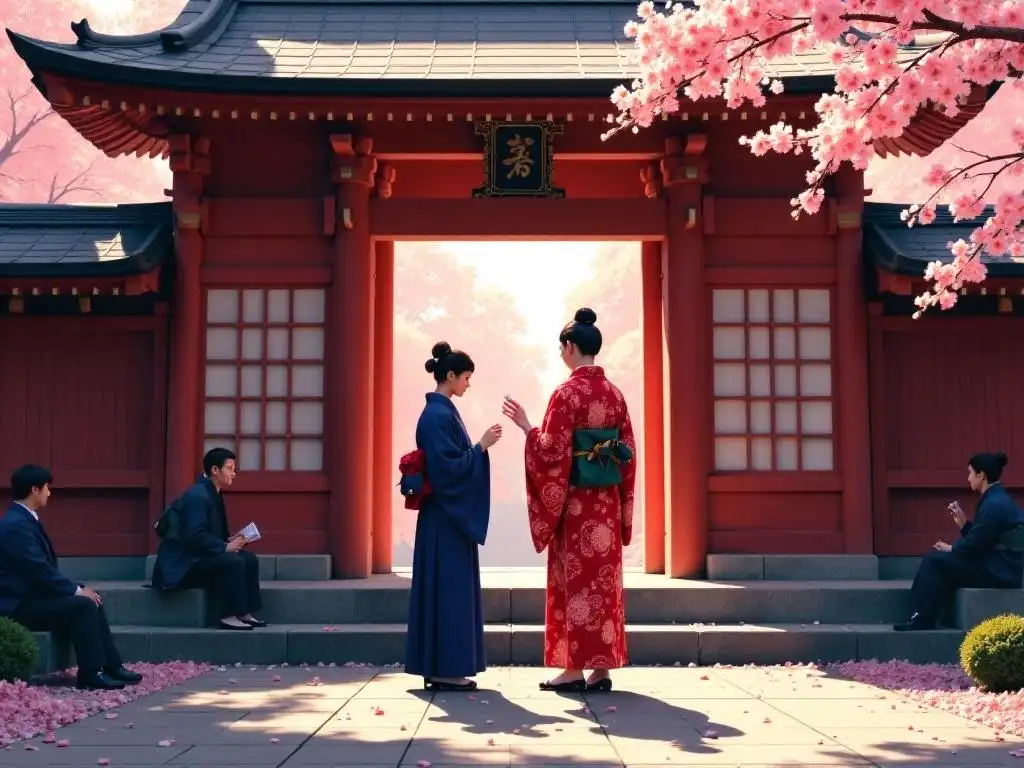
Shinto practices in daily life are deeply intertwined with community dynamics, embodying a collective spirit that transcends individual rituals. The essence of Shinto is not only found in personal devotion but also in the shared experiences that bring people together. This communal aspect manifests in various forms, including participation in local shrines and festivals, which play a crucial role in reinforcing social bonds and cultural identity.
Participating in Local Shrines and Festivals
Local shrines serve as the heart of the community, acting as spaces where individuals gather to engage in spiritual practices collectively. Each shrine has its own set of rituals and festivals, often aligned with the agricultural calendar or significant seasonal events. For example, the Aoi Matsuri in Kyoto, celebrated in May, showcases the connection between Shinto and the natural world, featuring traditional processions and offerings to the deities.
Participation in these events fosters a sense of belonging among community members. Often, locals volunteer to prepare for festivals, contributing to the shrine's upkeep and the organization of festivities. This involvement can take many forms, such as:
- Cleaning and decorating the shrine
- Preparing food offerings
- Performing traditional dances and music
Such activities not only honor the kami (deities) but also strengthen interpersonal relationships, as individuals work together towards a common goal. The communal aspect of these practices is essential; it reinforces cultural heritage and instills values of cooperation and respect within the community.
The Role of Community in Shinto Practices
The role of community in Shinto practices extends beyond festivals and shrine activities. Community rituals often emphasize collective well-being, reflecting the Shinto belief that harmony among people and nature is paramount. For instance, rituals for purification and seasonal celebrations engage the community in acts of gratitude and reflection, promoting a sense of unity and shared purpose.
In rural areas, community members may gather for harvest rituals, which express appreciation for the land and its bounty. These gatherings often include the practice of Omairi, where participants visit shrines to offer thanks and pray for future prosperity. This not only reinforces agricultural ties but also cultivates a network of support among residents.
Moreover, local shrines often serve as educational centers, where community members, especially the youth, learn about Shinto traditions and values. Activities such as:
- Workshops on traditional crafts
- Storytelling sessions about local legends
- Guided tours of shrine architecture
These initiatives ensure that Shinto practices remain vibrant and relevant in daily life, fostering a sense of identity and continuity within the community.
The integration of Shinto practices in daily life is significantly influenced by community participation. Through collective rituals, local festivals, and educational initiatives, individuals not only deepen their spiritual connection but also contribute to the social fabric that binds them together. As such, Shinto embodies a harmonious blend of spirituality and community, illustrating its importance in maintaining cultural identity and social cohesion in feudal Japan and beyond.
Challenges and Adaptations of Shinto in Contemporary Society
Balancing Tradition and Modernity
In the context of Shinto practices in daily life, the challenge of balancing tradition and modernity is paramount. As Japan has rapidly modernized, particularly since the Meiji Restoration, traditional Shinto beliefs and rituals have had to adapt to new societal norms and lifestyles.
One of the most notable aspects of this balance is the integration of Shinto rituals into contemporary life, often reinterpreted to fit modern schedules and urban living. For example, traditional ceremonies, such as shichi-go-san (a rite of passage for children), are still celebrated, but many families opt for simplified versions due to time constraints. These adaptations can dilute the original significance of the rituals, leading some practitioners to worry about the authenticity of their spiritual practices.
Moreover, younger generations may find it challenging to connect with the ritualistic aspects of Shinto in a fast-paced world dominated by technology. This has led to innovative approaches, such as digital platforms that offer virtual shrine visits or online prayers, reflecting a blend of ancient traditions with modern technology. However, this raises questions about the spiritual efficacy of such practices.
Maintaining the essence of Shinto amidst the complexities of modern life requires both reverence for traditional practices and an openness to reinterpret them in ways that resonate with contemporary values and lifestyles.
Preserving Shinto Practices in Urban Environments
Urbanization poses unique challenges to the preservation of Shinto practices in daily life. As cities expand and populations grow, the physical spaces associated with Shinto—such as shrines and sacred natural sites—are often threatened by development and pollution. This encroachment can diminish the accessibility of these spiritual places for urban dwellers, making it harder for them to engage with Shinto practices regularly.
To combat this, many urban areas have implemented community efforts to preserve local shrines, often by organizing cleanup days, festivals, and educational programs aimed at fostering a sense of connection with these sacred spaces. For instance, local communities may hold seasonal festivals ( matsuri) at nearby shrines, which not only celebrate Shinto traditions but also reinforce community ties and shared values.
Additionally, urban Shinto practitioners have begun to adapt rituals to fit their metropolitan lifestyles. For example, families may create small home altars ( kamidana) to honor kami (spirits) and conduct daily offerings, which allows them to maintain their spiritual practices amidst their busy lives.
Moreover, the rise of urban spirituality has led to a renewed interest in Shinto practices that emphasize environmental stewardship and harmony with nature. Initiatives focusing on sustainable living and eco-friendly practices are increasingly intertwined with Shinto beliefs, encouraging individuals to find spiritual meaning in their everyday actions.
While urbanization presents significant challenges to the preservation of Shinto practices in daily life, it also offers opportunities for innovation and adaptation. By embracing both tradition and modernity, practitioners can foster a living spirituality that resonates with contemporary society while honoring the rich heritage of Shinto.
Conclusion: Embracing Shinto in Everyday Life
The integration of Shinto practices in daily life offers a unique approach to spirituality that emphasizes harmony with nature, community, and personal well-being. By incorporating rituals and traditions into everyday activities, individuals can foster a deeper connection to their surroundings and cultivate a mindful lifestyle. This engagement not only enriches personal experiences but also contributes to the broader cultural fabric of society.
The Lasting Impact of Shinto on Personal and Collective Well-being
The influence of Shinto practices in daily life can be observed in various aspects of personal and collective well-being. For instance, the practice of morning purification rituals serves as an excellent example. By starting the day with a moment of reflection and cleansing, individuals can set a positive tone for their activities. Such rituals often involve the use of water, symbolizing purity and renewal, which can enhance mental clarity and emotional balance.
Additionally, communal Shinto events, such as matsuri (festivals), play a vital role in strengthening social bonds. These gatherings not only celebrate seasonal changes but also provide an opportunity for people to engage in collective worship and cultural traditions. The joy and unity experienced during these events contribute to a sense of belonging and community spirit, which are essential for mental health and social cohesion.
Moreover, the emphasis on nature worship within Shinto encourages individuals to appreciate the environment surrounding them. Regular visits to shrines and natural spaces help cultivate a sense of gratitude and mindfulness, promoting overall well-being. Research has shown that spending time in nature can reduce stress and improve mood, highlighting the importance of integrating Shinto practices into everyday life as a means to enhance personal health.
Encouraging Continued Exploration of Shinto Practices
As interest in Shinto practices in daily life continues to grow, it is essential to encourage further exploration and understanding of this rich tradition. Individuals can start by engaging in simple practices, such as creating a small kamidana (household shrine), where offerings can be made to kami (spirits). This personal space serves as a daily reminder of spiritual connection and gratitude.
Additionally, participating in local Shinto ceremonies or visiting shrines can deepen one's appreciation of the rituals and their meanings. Many shrines offer seasonal events and educational programs that welcome newcomers and provide insights into the historical and cultural significance of Shinto practices.
Lastly, incorporating Shinto principles such as respect for nature, community service, and mindfulness into everyday routines can profoundly impact one’s life. By embracing these values, individuals not only enhance their own well-being but also contribute to a more harmonious society.
Shinto practices in daily life serve as a vital bridge between spirituality and everyday activities, fostering a deeper connection to oneself, the community, and the environment. By embracing these practices, individuals can enrich their lives and contribute positively to the collective well-being of society.
Frequently Asked Questions
What are Shinto practices in daily life?
Shinto practices in daily life involve rituals and customs that incorporate spirituality into everyday activities, such as offerings, purification rituals, and celebrating seasonal festivals.
How can one incorporate Shinto beliefs into daily routines?
Individuals can incorporate Shinto beliefs by creating a home altar (kamidana), performing daily offerings, and participating in local Shinto festivals to enhance their spiritual connection.
What role do shrines play in Shinto practices?
Shrines serve as sacred spaces where individuals can engage in worship, perform rituals, and seek guidance from kami (spirits), integrating Shinto spirituality into their lives.
Are there specific rituals associated with Shinto practices?
Yes, common rituals include purification before entering a shrine, making offerings of rice or salt, and participating in seasonal celebrations that honor the kami and nature.
How does Shinto influence Japanese culture today?
Shinto influences Japanese culture through traditions such as weddings, new year celebrations, and various festivals, reflecting its deep-rooted presence in daily life and community values.
Final Reflection: Embracing Shinto Practices in Daily Life
The integration of Shinto practices into our daily lives is more relevant today than ever, as we seek balance and spirituality in an increasingly chaotic world. In a society where the pace of life often overshadows our connection to nature and community, the principles of Shinto offer a refreshing reminder of the beauty in simplicity and the sacredness of everyday moments. By embracing these practices, we can cultivate a deeper sense of presence and gratitude, enriching our lives in profound ways.
Cultural and social landscapes are continuously shaped by the values we choose to uphold, and Shinto practices serve as a bridge between tradition and modernity. The rituals and customs rooted in Shinto not only enhance our personal spirituality but also foster a sense of community and interconnectedness. As we navigate our daily routines, we can draw inspiration from the words of the Japanese poet Matsuo Bashō: Every day is a journey, and the journey itself is home.
This perspective encourages us to find meaning and purpose in our daily activities, reminding us that spirituality can be woven seamlessly into the fabric of our lives.
As we conclude this exploration of Shinto in everyday life, I invite you to reflect on how you can incorporate these practices into your own routines. Consider the small rituals that can transform mundane tasks into moments of mindfulness and reverence.
Whether it's offering a simple prayer before meals, taking a moment to appreciate nature during your daily walk, or creating a small altar in your home, these actions can cultivate a deeper connection to yourself and the world around you. Let us embrace the wisdom of Shinto and allow its teachings to guide us toward a more harmonious and fulfilling existence.
Embrace Your Spiritual Journey Today!
Thank you for diving into the world of Shinto and its influence on everyday life. You've uncovered valuable insights on how to weave spirituality into your daily activities with intention and purpose. Now, let's take that inspiration and turn it into meaningful action!
Here are a few steps you can take to integrate Shinto principles into your life:
- Start Your Day with Gratitude: Each morning, take a moment to express thanks, reflecting on what you appreciate in your life. This simple practice can set a positive tone for the day ahead.
- Create a Sacred Space: Designate a small area in your home as a space for reflection or meditation. Incorporate natural elements like plants or stones to connect with the essence of Shinto spirituality.
- Join a Community Practice: Seek out local events or online groups that celebrate Shinto traditions. Engaging with like-minded individuals can deepen your understanding and enrich your experience.
How will you incorporate Shinto practices into your daily routine to enhance your sense of harmony and connection? Share your thoughts below!