
The Technology Behind Samurai Armor Replicas: Blending Tradition and Innovation

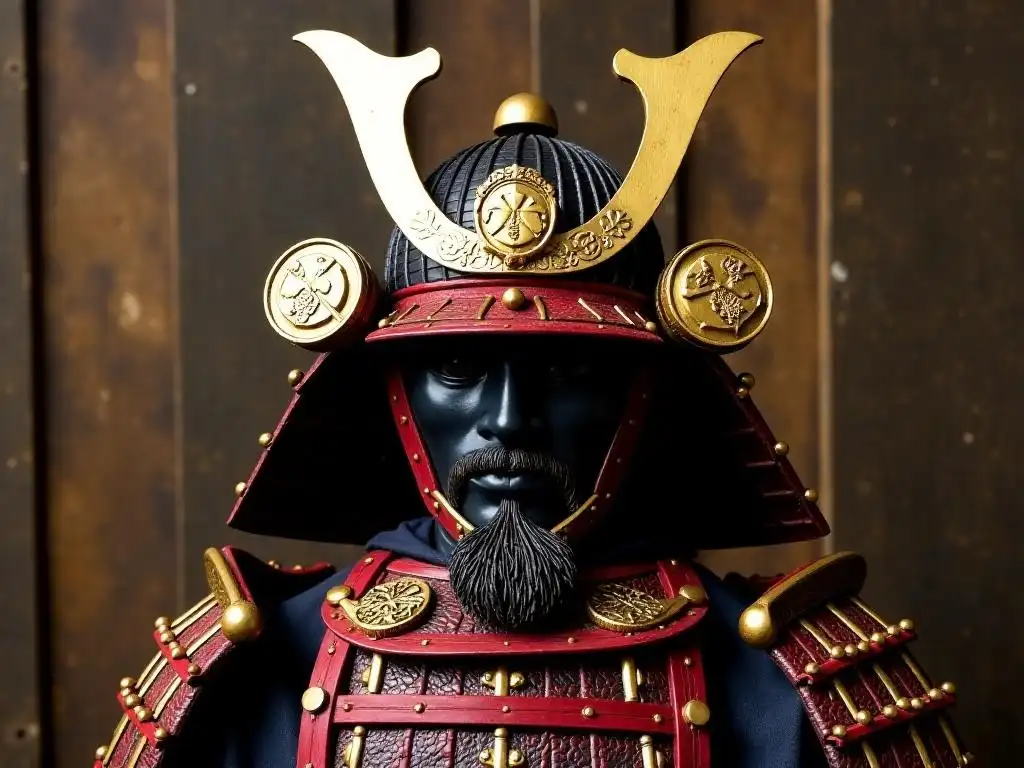
Welcome to Feudal Japan History, where the past intertwines with the present in a captivating tapestry of cultural exploration. Delve into our featured article, "The Technology Behind Samurai Armor Replicas: Blending Tradition and Innovation," and discover how modern craftsmanship pays homage to the legendary warriors of yore. Uncover the intricate artistry and cutting-edge techniques that bring these magnificent replicas to life, and let your curiosity lead you deeper into the fascinating world of Japan’s feudal era. Join us on this journey as we bridge history and innovation—your adventure awaits!
Introduction to Samurai Armor Replica Technology
The intricate world of samurai armor replicas represents a fascinating intersection of history, artistry, and technological innovation. In recent years, the demand for high-quality replicas has surged, driven by both collectors and enthusiasts eager to capture the essence of feudal Japan. This article delves into the technology behind these remarkable creations, exploring how traditional craftsmanship melds with modern techniques to produce stunning displays that honor the legacy of the samurai.
Samurai armor is not merely a relic of the past; it is a symbol of a rich cultural heritage that reflects the values and aesthetics of a bygone era. As we explore the samurai armor replica technology, we will uncover the layers of historical significance and the contemporary methods that enable artisans to recreate these iconic pieces with remarkable fidelity. From materials to manufacturing processes, understanding this technology gives us a deeper appreciation for the art of replication and the cultural narratives it preserves.
Historical Context of Samurai Armor
To fully appreciate the technology behind samurai armor replicas, it is essential to grasp the historical context of the original armor. Developed during Japan's feudal period, samurai armor was designed for both functionality and artistry, allowing warriors to excel in battle while showcasing their status and lineage.
- Material Composition:
- Early samurai armor was often constructed from layers of leather and metal, providing both mobility and protection.
- Over time, materials evolved, incorporating iron, silk, and lacquered wood, which not only enhanced durability but also aesthetic appeal.
- Design Elements:
- Armor was intricately designed, reflecting the individual warrior's identity.
- Features such as crests, colors, and patterns were used to signify clan affiliation and rank.
Understanding these aspects allows us to see why replicating samurai armor is not just about physical accuracy; it requires a thoughtful engagement with the cultural significance embedded in each piece.
Understanding Samurai Armor Replica Technology
The technology employed in creating samurai armor replicas today combines traditional craftsmanship with cutting-edge methods. This synergy results in pieces that are not only visually striking but also authentic in their representation.
- Materials Used:
- Modern replicas often utilize advanced materials like high-strength polymers and metals that mimic the appearance and texture of historical components while ensuring durability and ease of maintenance.
- Techniques such as 3D printing allow for precise replication of intricate designs that may have been labor-intensive to create by hand.
- Manufacturing Techniques:
- Artisans may employ CAD (Computer-Aided Design) software for designing armor components, ensuring high accuracy in dimensions and details.
- Laser cutting is often used to create clean edges and intricate patterns that maintain the integrity of the original designs.
- Artistic Finishing:
- Finishing techniques, such as hand-painting and lacquering, preserve the traditional aesthetic, allowing each replica to resonate with the artistry of historical pieces.
- The incorporation of historically accurate motifs and colors ensures that each replica tells a story rooted in its past.
This blend of tradition and innovation not only results in visually stunning samurai armor replicas but also ensures that the spirit of the samurai is preserved and celebrated in contemporary culture. Through this exploration, we can appreciate how technology enables us to connect with history in meaningful ways, making samurai armor replicas significant cultural products for display.
Innovations in Samurai Armor Replicas
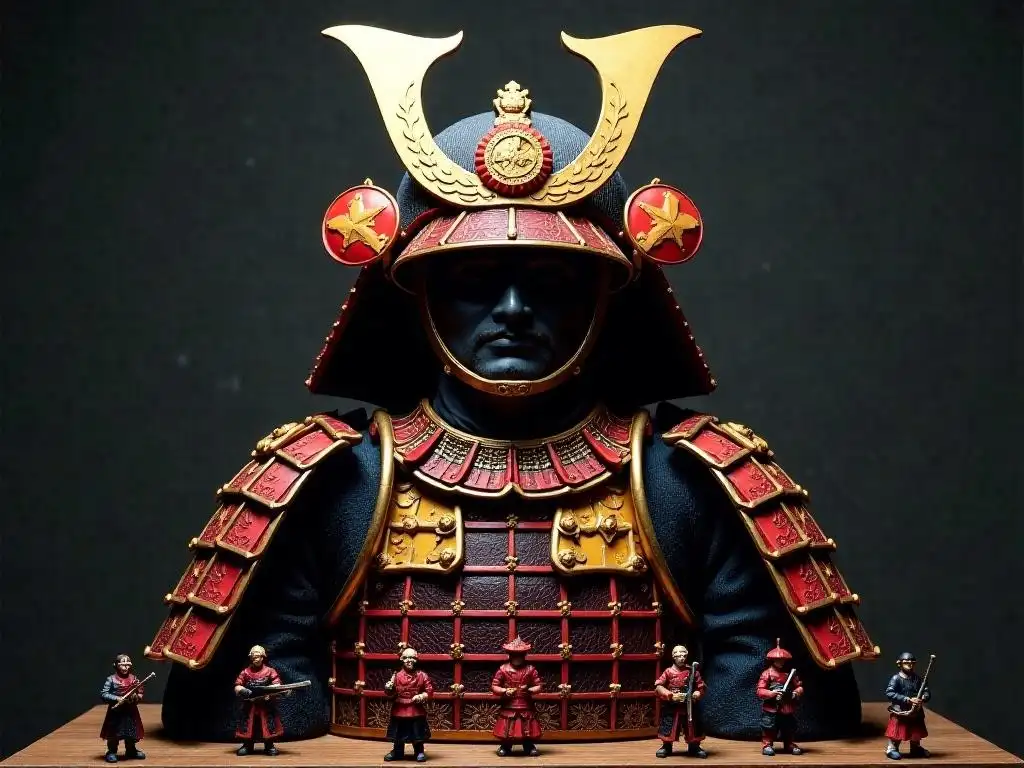
The evolution of samurai armor replicas has seen a fascinating blend of traditional craftsmanship and modern technological advancements. Artisans today employ cutting-edge materials such as high-strength polymers and lightweight alloys, which enhance durability and reduce weight compared to historical armors. These modern materials allow for the creation of more comfortable and practical replicas, enabling enthusiasts to display them with ease.
Additionally, advancements in 3D printing technology have revolutionized the production of samurai armor replicas. This innovative technique allows for precise replication of intricate designs, ensuring that even the most delicate features of the armor are accurately reproduced. The use of 3D modeling software enables artisans to design and modify components rapidly, leading to a more efficient manufacturing process without sacrificing historical accuracy.
Moreover, modern finishing techniques such as digital painting and advanced weatherproofing provide replicas with a polished appearance while protecting them from environmental damage. These innovations not only enhance the visual appeal but also ensure that collectors and museums can preserve their displays for years to come, maintaining the integrity of the craftsmanship.
Comparing Traditional vs. Modern Samurai Armor Replicas
When comparing traditional samurai armor replicas with their modern counterparts, there are several factors to consider, including materials, aesthetics, and functionality. Traditional replicas often utilize authentic materials such as iron, leather, and silk, reflecting the historical methods used in armor production. This approach not only captures the essence of feudal Japan but also appeals to collectors who value authenticity and the artistry of historical craftsmanship.
In contrast, modern replicas prioritize practicality and accessibility. The use of synthetic materials and lightweight alloys makes them more suitable for display purposes and transportation. While they may lack some of the authenticity of traditional replicas, modern armor can still maintain a high level of detail and artistry, often enhanced by technological processes like 3D printing.
From an aesthetic standpoint, traditional replicas may showcase more intricate hand-painted designs, while modern replicas can incorporate vibrant colors and textures that are difficult to achieve with historical methods. However, the debate between traditional and modern replicas often comes down to personal preference: some collectors prefer the nostalgic feel of handcrafted armor, while others are drawn to the innovative aspects of contemporary designs.
Selecting the Right Samurai Armor Replica
Choosing the right samurai armor replica involves several considerations to ensure it meets the collector's needs and expectations. First, define the purpose of the replica: is it for display, educational purposes, or as part of a themed collection? Understanding its intended use will guide the selection process.
Next, consider the level of authenticity desired. For collectors who prioritize historical accuracy, traditional replicas made from authentic materials are ideal. These pieces often come with detailed provenance and can be a valuable addition to a collection. Conversely, those looking for visually striking pieces that are easier to maintain may prefer modern replicas, which also offer excellent craftsmanship and detail.
Budget is another critical factor. Traditional samurai armor replicas can be more expensive due to the labor-intensive craftsmanship and authentic materials involved. In contrast, modern replicas may be more budget-friendly while still providing a quality aesthetic.
Lastly, research the reputation of the artisans or manufacturers. Look for reviews or testimonials to ensure that the armor replica's quality and craftsmanship meet expectations. Engaging with communities of collectors can also provide insights and recommendations that aid in the selection process, ensuring that the chosen piece is not only a stunning display but also a worthy investment in the rich history of samurai armor.
The Future of Samurai Armor Replicas
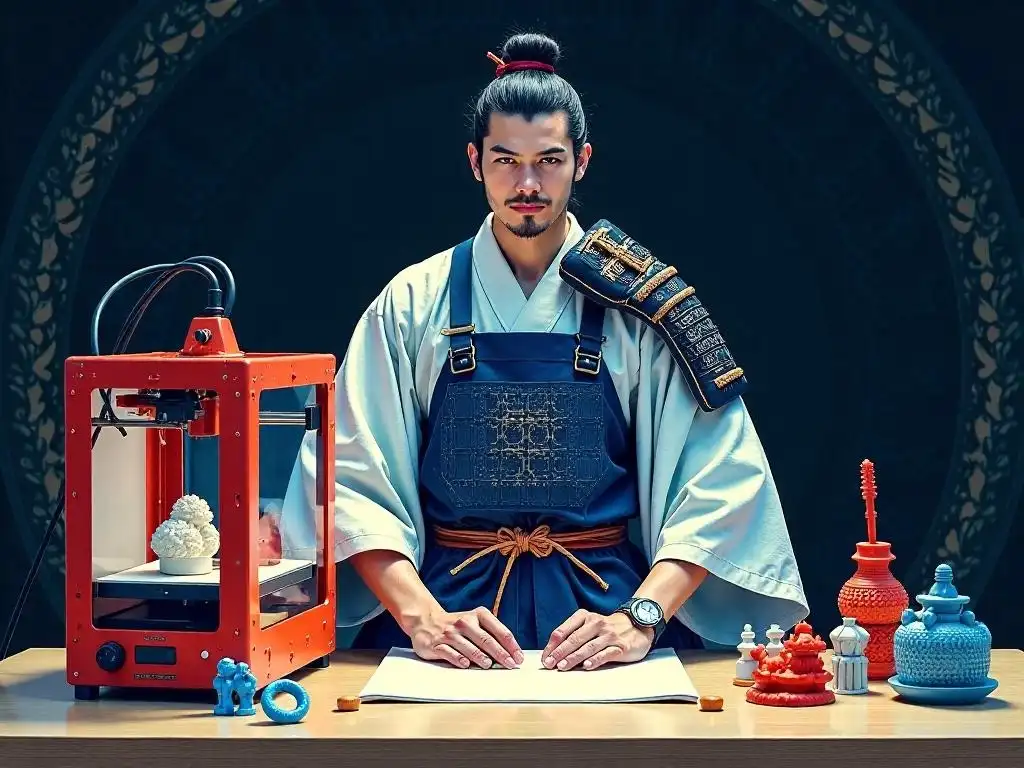
As the world continues to embrace technological advancements, the future of samurai armor replicas looks promising and vibrant. Innovations in materials and production techniques are not only enhancing the quality of these replicas but also making them more accessible to enthusiasts and collectors. Emerging technologies such as 3D printing and laser cutting are revolutionizing the way artisans create armor, allowing for intricate designs that were once labor-intensive and time-consuming.
- Sustainable Materials: The push for sustainability is influencing the creation of samurai armor replicas. Artisans are increasingly experimenting with eco-friendly materials that mimic traditional substances while reducing environmental impact. For instance, biodegradable polymers can be utilized to produce lightweight yet durable components that honor the aesthetics of historical armor.
- Customization and Personalization: With advancements in digital modeling software, collectors can expect a rise in customizable armor replicas. This technology allows for the incorporation of personal designs and specifications, enabling enthusiasts to create pieces that reflect their unique tastes while still respecting traditional styles.
- Augmented Reality (AR): Future samurai armor replicas may come equipped with AR features that enhance the display experience. Imagine viewing a replica through an AR app that showcases the armor’s historical context, battle strategies, and even animated reconstructions of samurai in action. This interaction could cultivate a deeper appreciation for the cultural significance of the armor.
- Smart Technology Integration: There is potential for integrating smart technology into armor replicas. For example, sensors could be embedded to detect environmental conditions, providing insights about preservation needs or enhancing educational experiences during exhibitions.
The amalgamation of these advancements indicates a bright future for samurai armor replicas, ensuring that they remain relevant and appreciated in both historical scholarship and popular culture.
Conclusion: Embracing Tradition through Innovation
The technology behind samurai armor replicas represents a harmonious blend of tradition and innovation. While the craftsmanship and historical accuracy of these replicas pay homage to the rich legacy of the samurai, the incorporation of modern techniques ensures that these pieces resonate with contemporary audiences. This fusion not only enhances the aesthetic appeal of the armor but also preserves the cultural significance of the samurai ethos.
By embracing new materials, production methods, and interactive technologies, artisans and collectors are ensuring that the legacy of samurai armor continues to flourish. The future holds exciting possibilities for the evolution of these replicas, fostering a deeper understanding and appreciation of Japan's feudal history among new generations. As we look ahead, it is clear that innovation will play a vital role in keeping the spirit of the samurai alive, bridging the past with the future.
Additional Resources
For those interested in further exploring the fascinating world of samurai armor replicas and their technological advancements, consider the following resources:
- Books:
- "Samurai Armor: The History and Craft of the Samurai's Protective Gear" - A comprehensive guide on the history, significance, and crafting techniques of samurai armor.
- "The Art of War: Samurai Armor and Weaponry" - An exploration of the tactical aspects of armor in historical battles.
- Documentaries:
- "The Samurai: Behind the Armor" - A documentary that delves into the life of samurai warriors and the significance of their armor.
- "Crafting Tradition: The Making of Samurai Armor" - A look at artisans who create replicas using traditional methods.
- Online Courses:
- Courses on Japanese history and culture, focusing on the samurai era and the evolution of armor design.
- Workshops on traditional Japanese craftsmanship, including armor making and restoration techniques.
These resources can offer deeper insights and further knowledge on the intricate relationship between samurai armor and the technological advancements shaping its replicas today.
- Introduction to Samurai Armor Replica Technology
- Historical Context of Samurai Armor
- Understanding Samurai Armor Replica Technology
- Innovations in Samurai Armor Replicas
- Comparing Traditional vs. Modern Samurai Armor Replicas
- Selecting the Right Samurai Armor Replica
- The Future of Samurai Armor Replicas
- Conclusion: Embracing Tradition through Innovation
- Additional Resources
- What materials are typically used in samurai armor replicas?
- How does replica technology enhance the authenticity of samurai armor?
- Are there modern innovations in the production of samurai armor replicas?
- What is the significance of samurai armor in Japanese culture?
- Can anyone purchase samurai armor replicas?
Frequently Asked Questions
What materials are typically used in samurai armor replicas?
Most samurai armor replicas are crafted from materials like steel, leather, and fabric. These materials mimic the traditional designs while ensuring durability and aesthetic appeal.
How does replica technology enhance the authenticity of samurai armor?
Replica technology employs advanced techniques such as 3D printing and metal casting, which allows for precise details and accurate representations of traditional samurai armor designs.
Are there modern innovations in the production of samurai armor replicas?
Yes, modern production techniques have introduced methods like laser cutting and computer-aided design (CAD), enhancing both the quality and efficiency of creating samurai armor replicas.
What is the significance of samurai armor in Japanese culture?
Samurai armor symbolizes the warrior spirit and noble heritage of Japan, representing not only protection in battle but also the aesthetic values and craftsmanship of the time.
Can anyone purchase samurai armor replicas?
Yes, samurai armor replicas are available for purchase by the public, often through specialized retailers or online platforms, catering to collectors, enthusiasts, and those interested in Japanese history.
Final Reflection: Embracing the Harmony of Tradition and Innovation
The exploration of samurai armor replica technology reveals a profound connection between the past and the present. In an era where rapid technological advancements often overshadow traditional craftsmanship, the meticulous art of creating samurai armor replicas stands as a testament to the enduring value of heritage. This blend of ancient techniques with modern innovations not only preserves history but also enriches our understanding of cultural identity in today's fast-paced world.
The impact of samurai armor replica technology extends beyond mere aesthetics; it serves as a bridge between generations, fostering appreciation for the artistry and skill of our ancestors. As we witness the resurgence of interest in traditional crafts, we are reminded of the importance of honoring our roots while embracing the future. Tradition is not the worship of ashes, but the preservation of fire.
This quote encapsulates the essence of our journey through the intricate world of samurai armor, highlighting how innovation can breathe new life into age-old practices.
As you reflect on the themes presented in this article, consider how you can incorporate the lessons of blending tradition with innovation into your own life. Challenge yourself to seek harmony between the old and the new, whether in your personal endeavors or professional pursuits. By doing so, you not only honor the legacy of those who came before you but also pave the way for a future that celebrates both heritage and progress. Embrace the journey of discovery, and let the spirit of the samurai guide you in your quest for balance and creativity.
Unveil the Legacy: Take Action Today!
Thank you for diving deep into the fascinating world of samurai armor replicas! Your interest in this unique blend of tradition and innovation enriches your understanding of feudal Japan's rich history. Now, let's transform that knowledge into action!
Here are a few steps you can take to further explore and engage with this captivating topic:
- Join a local workshop on creating samurai armor replicas, where you can experience firsthand the artistry and craftsmanship involved.
- Share this article with friends who love history—let's spread the word about this extraordinary fusion of culture and technology!
- Explore online communities or forums dedicated to Japanese history; connect with others who share your passion and exchange insights on samurai armor.
Considering all this, what aspect of samurai armor intrigues you the most, and how do you envision bringing a piece of this legacy into your own life?