
The Intersection of Myth and Reality in Feudal Japan Figurine Collections

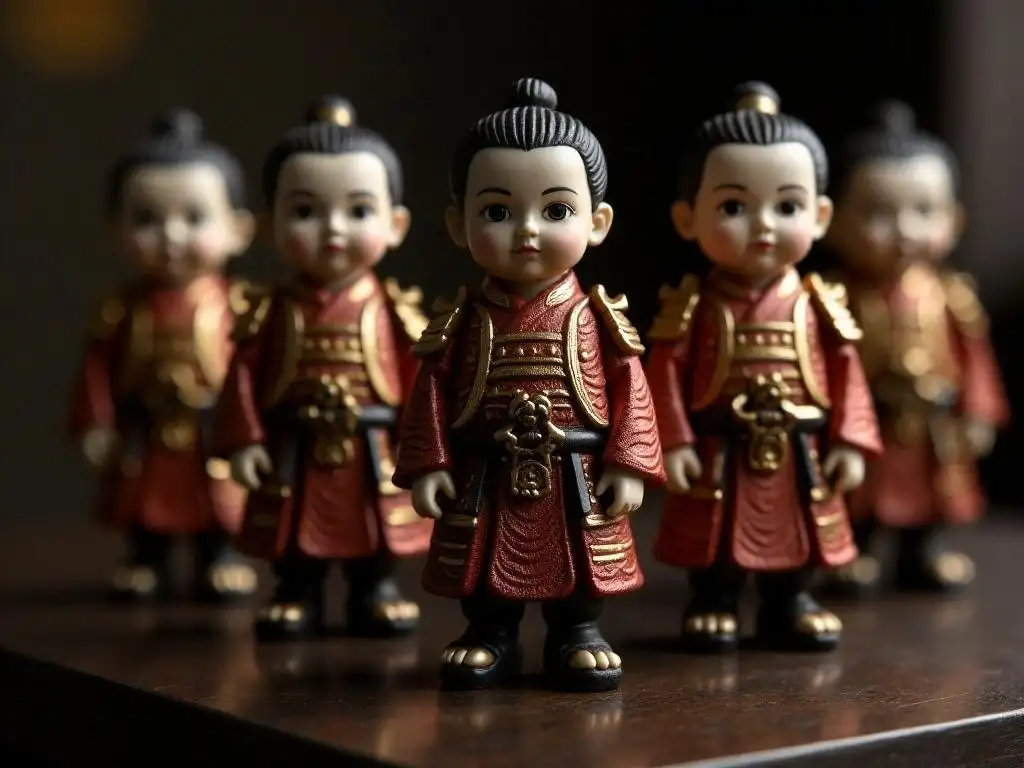
Welcome to Feudal Japan History! Dive into the rich tapestry of Japan’s feudal era, where history intertwines with culture and society in fascinating ways. In our featured article, “The Intersection of Myth and Reality in Feudal Japan Figurine Collections,” we unravel the stories behind these intricate artifacts that serve as a bridge between legend and life.
Each figurine is not just a piece of art; it’s a portal to understanding the beliefs and traditions of a bygone era. Curious about how these collections reflect the complexities of feudal Japan? Join us on this journey and discover the captivating narratives that await!
Feudal Japan, a period steeped in rich history and cultural narratives, has left an indelible mark on the world of collectibles, particularly in the realm of figurines. These intricately crafted representations not only capture the essence of various societal roles but also serve as a bridge between myth and reality. In exploring Feudal Japan figurine collections, one discovers a tapestry woven from historical facts, artistic expressions, and the folklore that permeated daily life.
This article delves into the multifaceted significance of these figurines, examining their cultural roots, the variety of forms they take, and the evolution of crafting techniques. Furthermore, we will address common myths surrounding these collectibles, providing clarity to collectors and enthusiasts alike. Join us as we navigate this fascinating intersection, revealing the stories that each figurine holds within its delicate contours.
Understanding Feudal Japan Figurine Collections
The figurine collections of Feudal Japan represent more than mere decorative objects; they embody a complex confluence of art, history, and societal values. Crafted with meticulous attention to detail, these figurines reflect the diverse aspects of life during this era—from the valor of samurai warriors to the grace of geisha performers. Collectors today often seek them not just for their aesthetic appeal but also for the profound stories they tell about the cultural heritage of Japan.
The Cultural Significance of Figurines in Feudal Japan
Figurines served various purposes in Feudal Japan, including:
- Religious Offerings: Many figurines were created for spiritual purposes, acting as talismans or offerings to deities.
- Celebration of Status: Figurines often depicted figures of high social standing, symbolizing power and prestige within the community.
- Artistic Expression: The craftsmanship involved in creating these figurines showcased the skills and creativity of artisans, reflecting the cultural values of the time.
These elements underline the multifaceted role that figurines played in the daily lives of people, merging functionality with artistic expression.
Types of Feudal Japan Figurines: Samurai, Geisha, and More
The diversity of figurines from Feudal Japan is remarkable, with several key categories:
- Samurai Figurines: Often depicted in full armor, these figurines symbolize the warrior class's values of honor and loyalty.
- Geisha Figurines: Representing grace and beauty, geisha figurines highlight the cultural importance of entertainment and artistry.
- Mythical Creatures: Figurines of dragons, fox spirits, and other mythical beings reflect the folklore and mythology that influenced the era.
Each type of figurine carries its own significance and reflects the societal values of the time, providing collectors with a glimpse into the diverse cultural landscape of Feudal Japan.
The Evolution of Figurine Crafting Techniques in Japan
The crafting techniques of figurines have evolved over centuries, influenced by various dynasties and artistic movements. Key developments include:
- Materials Used: Traditional materials such as clay, wood, and metal have been employed, each contributing to the figurine's distinct character.
- Techniques: Techniques like kintsugi (repairing with gold) showcase the Japanese philosophy of embracing imperfection, adding depth to the storytelling of each piece.
These advancements not only enhanced the aesthetic quality of the figurines but also reflected broader changes in Japanese art and culture.
Myths Surrounding Feudal Japan Figurine Collections
Despite the rich history behind Feudal Japan figurine collections, several myths persist that can mislead collectors and enthusiasts.
Myth 1: All Figurines Represent Historical Figures
Contrary to popular belief, not all figurines are direct representations of historical figures. Many are stylized or symbolic, drawing from folklore and artistic interpretation rather than strict historical accuracy.
Myth 2: Figurines Were Exclusively Made for Nobility
While some figurines were indeed crafted for the elite, many were accessible to the broader public. Artisans created figurines for various social classes, allowing a wider audience to appreciate these cultural artifacts.
Myth 3: Collecting Figurines is a Modern Hobby
The practice of collecting figurines dates back to Feudal Japan itself, with collectors emerging among various social strata. This hobby has deep historical roots, intertwining with the cultural practices of the time.
Understanding the myths and realities of Feudal Japan figurine collections enriches the appreciation of these artifacts, fostering a deeper connection to the historical and cultural contexts from which they emerged. As we continue to explore this captivating topic, we invite readers to take a closer look at the stories that each figurine has to tell.
Realities of Collecting Feudal Japan Figurines
Collecting Feudal Japan figurines offers a fascinating glimpse into the country's rich history and culture. However, it is essential to understand the realities that come with this hobby. From the origins of various designs to their accessibility and significance in spiritual practices, collectors must navigate a complex landscape filled with both historical richness and modern implications.
Reality 1: Diverse Origins of Figurine Designs
The designs of figurines from Feudal Japan are influenced by a variety of cultural, historical, and artistic movements. Many figurines are rooted in traditional Japanese art forms, such as Noh theater, which depicts characters from folklore and history. Others draw inspiration from Buddhism and Shintoism, reflecting the spiritual beliefs of the time.
- Materials Used: Figurines are often crafted from materials such as wood, clay, and porcelain. The choice of material can indicate the figurine's origin and purpose. For instance, Hina dolls, made of cloth and paper, are used in the Hinamatsuri festival to pray for the health and happiness of girls.
- Regional Variations: Different regions of Japan have unique styles and motifs. For example, Awaji dolls from Awaji Island are distinctive in their expression and craftsmanship, often portraying historical figures or traditional scenes.
Understanding these diverse origins allows collectors to appreciate the craftsmanship and significance behind each piece, making their collections more meaningful.
Reality 2: Accessibility of Figurines for Collectors
While the market for Feudal Japan figurines has expanded, accessibility can vary significantly based on several factors:
- Market Trends: The popularity of certain figurines can fluctuate with trends in collector interests. Some pieces may become highly sought after, driving up prices and making them less accessible to casual collectors.
- Authenticity Concerns: With the rise of counterfeit products, collectors must be diligent in verifying the authenticity of figurines. This involves researching provenance and certifications, which can be a daunting task for beginners.
- Online vs. Offline Collections: Online platforms have made it easier to find and purchase figurines, yet they can also lead to overwhelming choices. Local antique shops and flea markets often provide unique finds that may not be available online, but they require more effort and knowledge of the market.
Understanding these accessibility issues is crucial for collectors to build a meaningful collection without overspending or acquiring inauthentic pieces.
Reality 3: The Role of Figurines in Japanese Spiritual Practices
In Feudal Japan, figurines were not merely decorative items; they played significant roles in various spiritual practices. Many collectors might not realize the depth of meaning behind these objects.
- Talismans and Offerings: Certain figurines were created as talismans to ward off evil spirits or bring good fortune. For example, Jizo figurines, representing a bodhisattva, are often placed at crossroads to protect travelers and children.
- Ritualistic Use: Figurines were sometimes used in rituals and ceremonies, embodying the connection between the physical and spiritual worlds. Collectors interested in historical practices can find figurines that reflect these ancient rituals, enriching their understanding of Japanese spirituality.
Collecting these figurines offers an opportunity to connect with the spiritual heritage of Japan, elevating the act of collecting beyond mere aesthetics.
Popular Feudal Japan Figurine Collections to Consider
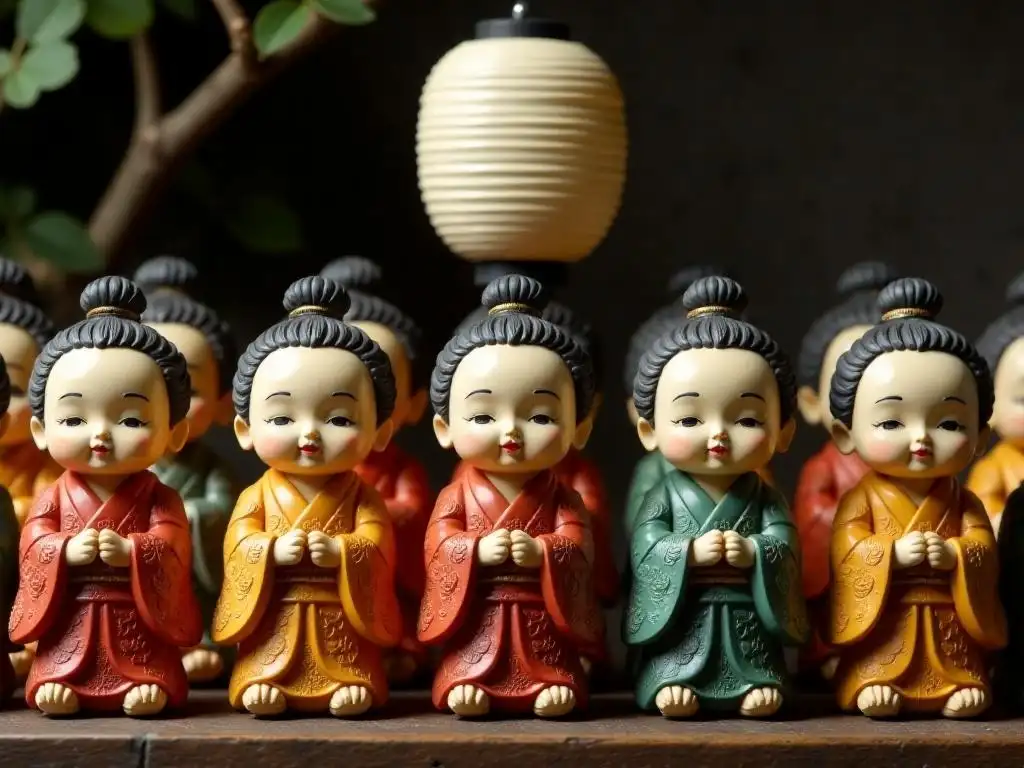
For those interested in diving deeper into the world of Feudal Japan figurines, several collections stand out. These collections not only offer a variety of styles but also represent significant aspects of Japan's cultural history.
Top 5 Feudal Japan Figurine Collections for Enthusiasts
- The Samurai Collection: Featuring detailed representations of samurai warriors, this collection highlights the armor, weaponry, and cultural significance of these iconic figures in Japanese history. Each piece often includes intricate details that reflect the craftsmanship of the era.
- The Noh Theater Collection: Showcasing figurines inspired by Noh theater characters, this collection emphasizes the dramatic expressions and elaborate costumes that are integral to this traditional performance art. They serve as both artistic pieces and representations of cultural storytelling.
- The Hina Doll Collection: A seasonal favorite, this collection celebrates the Hinamatsuri festival with beautifully crafted dolls that symbolize health and happiness for girls. Each doll is meticulously made, often with historical accuracy in mind.
- The Kokeshi Doll Collection: Originating from Northern Japan, these simple yet charming wooden dolls are hand-painted and represent various regional styles. Collectors cherish them for their unique designs and the stories behind each style.
- The Buddhist Figurine Collection: This collection features various deities and bodhisattvas, reflecting the spiritual beliefs that permeated Feudal Japan. Each figurine is designed to inspire meditation and reverence, making them perfect for both collectors and those interested in spirituality.
By exploring these collections, enthusiasts can gain insight into the artistic and historical significance of Feudal Japan figurines, enhancing their appreciation for this captivating aspect of Japanese culture.
Best Practices for Collecting Feudal Japan Figurines
Collecting Feudal Japan figurines can be a rewarding and enriching experience that connects enthusiasts with the rich history and culture of Japan's feudal era. Here are some best practices to consider for cultivating a meaningful collection:
- Research Thoroughly: Before starting your collection, invest time in understanding the different types of figurines available. Familiarize yourself with key historical periods, notable artisans, and popular motifs in Feudal Japan. Books, documentaries, and museum exhibitions can provide valuable insights.
- Set a Focus: Determine what aspect of Feudal Japan you are most passionate about. Whether it’s samurai figures, mythological creatures, or representations of historical events, having a focus will help streamline your collection and enhance your enjoyment.
- Establish a Budget: Collecting can become expensive, especially with rare pieces. Set a budget to help prioritize your purchases and avoid overspending. Consider factors like rarity, condition, and historical significance when evaluating potential acquisitions.
Tips for Authenticity Verification
Authenticity is paramount in the world of collectible figurines. Here are several tips to ensure the pieces you acquire are genuine:
- Examine Provenance: Whenever possible, inquire about the figurine's history. Provenance, or the record of ownership, can offer insights into its authenticity. Documentation, such as original receipts or certificates of authenticity, adds value and trust.
- Inspect Craftsmanship: Authentic Feudal Japan figurines often exhibit intricate craftsmanship. Look for details like hand-painted features, quality of materials, and consistency with known examples from the same period or artist.
- Consult Experts: Don’t hesitate to reach out to appraisers or historians specializing in Japanese artifacts. Their expertise can be invaluable in verifying authenticity and providing context regarding the piece’s significance.
How to Care for Your Figurine Collection
Caring for your figurine collection is essential to preserve its value and integrity. Here are some effective care tips:
- Proper Display: Display figurines away from direct sunlight to prevent fading and discoloration. Use glass cases or cabinets to protect them from dust and accidental damage while allowing for visibility.
- Regular Cleaning: Dust your figurines gently with a soft, dry cloth. Avoid using harsh chemicals or abrasive materials that could damage the finish. For stubborn dirt, slightly dampen the cloth with water and wipe carefully.
- Climate Control: Maintain a stable environment for your collection. Excessive humidity or temperature fluctuations can cause materials to warp or degrade. Consider using a dehumidifier or air conditioner if necessary.
Joining Collectible Communities and Forums
Connecting with fellow collectors can enhance your collecting experience and provide valuable resources. Here’s how to join collectible communities effectively:
- Online Forums: Participate in online forums and social media groups dedicated to Feudal Japan figurines. These platforms often have active discussions, trading opportunities, and tips from seasoned collectors.
- Local Clubs: Seek out local collector clubs or societies focused on Japanese antiques or collectibles. Engaging with a community in person can deepen your understanding and passion for the subject.
- Attending Shows and Conventions: Participate in toy and collectible shows that feature Feudal Japan themes. These events offer opportunities to network, share knowledge, and discover unique pieces.
Conclusion: Embracing the Myths and Realities of Feudal Japan Figurine Collections
The world of Feudal Japan figurine collections is a fascinating tapestry woven with history, culture, and artistry. Collecting these figurines not only allows enthusiasts to own a piece of Japan's rich heritage but also serves as a portal to explore the myths and realities that shaped this remarkable era.
Final Thoughts on Collecting and Cultural Appreciation
As you delve into the realm of Feudal Japan figurines, remember that collecting is as much about appreciation as it is about acquisition. Each piece tells a story, reflecting the values, beliefs, and artistry of its time. Embrace the cultural significance of your collection, fostering a deeper understanding of Japan's historical context.
Encouragement to Explore and Invest in Authentic Pieces
For those passionate about history and culture, investing in authentic Feudal Japan figurines can be a fulfilling endeavor. Not only do these pieces offer aesthetic enjoyment, but they also serve as educational tools, bridging the past and present. Explore, learn, and enrich your collection with genuine artifacts that celebrate the myths and realities of Feudal Japan. Happy collecting! 🎌
- Understanding Feudal Japan Figurine Collections
- Myths Surrounding Feudal Japan Figurine Collections
- Realities of Collecting Feudal Japan Figurines
- Popular Feudal Japan Figurine Collections to Consider
- Best Practices for Collecting Feudal Japan Figurines
- Conclusion: Embracing the Myths and Realities of Feudal Japan Figurine Collections
Frequently Asked Questions
What are Feudal Japan figurine collections?
Feudal Japan figurine collections are assemblages of miniature figures that represent historical, cultural, and mythical themes from the Japanese feudal era. These collections often feature samurai, deities, and legendary creatures.
Why are these figurines significant in Japanese culture?
These figurines hold cultural significance as they reflect the artistic expressions and beliefs of the time. They serve as a way to preserve and appreciate the mythological and historical narratives of Feudal Japan.
How can one start a Feudal Japan figurine collection?
To start a collection, one should research authentic figurines, focusing on quality and historical relevance. Joining online forums or communities can provide insights and connections to other collectors and experts in Feudal Japan history.
What materials are commonly used in Feudal Japan figurines?
Feudal Japan figurines are typically made from ceramic, wood, or resin. Each material contributes to the durability and aesthetic appeal, with ceramic often being favored for its intricate detailing.
Where can I find Feudal Japan figurine collections for purchase?
Feudal Japan figurines can be found at specialized online stores, antique shops, or during art fairs and exhibitions. It's essential to verify the authenticity and provenance before purchasing to ensure a valuable addition to your collection.
Final Reflection: The Enduring Legacy of Feudal Japan Figurine Collections
The exploration of Feudal Japan figurine collections reveals a profound connection between myth and reality that resonates deeply in today's cultural landscape. In an era where the lines between history and storytelling often blur, these figurines serve as tangible links to a rich past, inviting us to reflect on how art can encapsulate the complexities of human experience. The intricate designs and narratives behind these collections not only celebrate the artistry of the time but also challenge us to consider the stories we tell and the histories we preserve.
Cultural artifacts like these figurines continue to shape our understanding of identity and heritage. They remind us that history is not merely a record of events but a tapestry woven from the threads of myth, belief, and reality. As we engage with these collections, we are prompted to ask ourselves how our own narratives are constructed and what legacies we choose to uphold. Art is the most beautiful of all lies.
This quote encapsulates the duality of art as both a reflection of truth and a creation of imagination, highlighting the ongoing dialogue between our past and present.
As we conclude our journey through the fascinating world of Feudal Japan figurine collections, I invite you to reflect on your own relationship with history and art. Consider how the stories you encounter shape your understanding of the world and your place within it. Let the lessons of the past inspire you to create your own narrative, one that honors the complexities of your experiences while embracing the myths that enrich our shared human story.
Unveil the Fascinating World of Feudal Japan!
Thank you for diving into the captivating intersection of myth and reality in feudal Japan figurine collections! We hope you’ve discovered the intriguing stories behind these artifacts and gained a new appreciation for their cultural significance. Now, it's time to immerse yourself further and take action!
- Explore or expand your collection: Visit local museums or browse online galleries to find authentic feudal Japan figurines that resonate with you.
- Share your passion: Connect with fellow enthusiasts on our forum or social media—showcase your collection and discuss what these figurines mean to you.
- Join a workshop: Look for local or virtual workshops that focus on the history and artistry behind these collectibles.
As you embark on your journey through the rich tapestry of feudal Japan, what aspect of this culture are you most eager to explore further? We invite you to share your thoughts below!