
Craftsmanship in Miniature: Exploring the Techniques Behind Feudal Japan Figurines

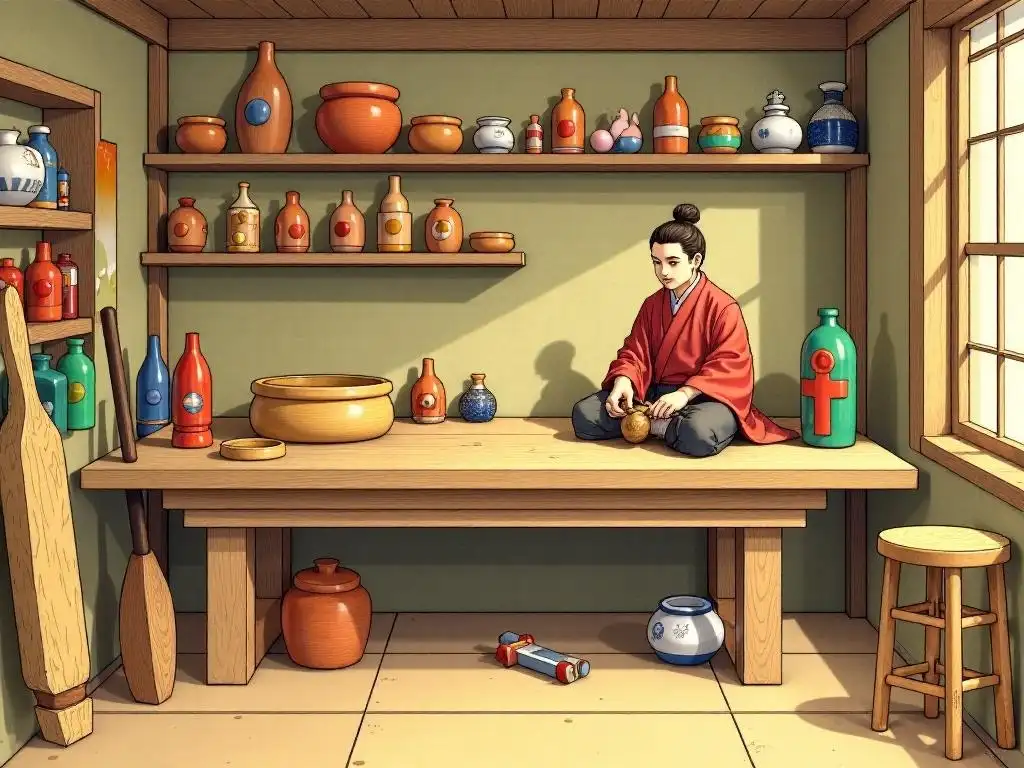
Welcome to Feudal Japan History, where we invite you to embark on an intriguing journey through the rich tapestry of Japan’s feudal era. Our latest article, " Craftsmanship in Miniature: Exploring the Techniques Behind Feudal Japan Figurines," delves into the artistic mastery that defined this remarkable period. Discover the intricate techniques and cultural significance behind these exquisite figurines, crafted with precision and passion.
As you navigate through our expert-driven insights, you'll unlock the stories and traditions that shaped these captivating cultural products. Are you ready to explore the artistry that continues to inspire generations? Dive in and let the craftsmanship unfold!
Introduction to Feudal Japan Figurine Craftsmanship
The world of Feudal Japan figurine craftsmanship is a captivating intersection of art, culture, and history that reflects the rich tapestry of Japan's feudal era. This period, spanning from the late 12th century to the early 19th century, was characterized by a unique socio-political structure and a flourishing of artistic expression. Figurines from this time are not merely collectibles; they are miniature embodiments of the cultural narratives, traditions, and craftsmanship that defined Japanese society.
As we delve deeper into this fascinating subject, we will explore the intricate techniques employed by artisans who dedicated their lives to perfecting the art of miniature sculpture. These craftsmen meticulously carved, painted, and assembled figurines that were often inspired by the samurai, religious deities, and everyday life in feudal Japan. The craftsmanship involved in creating these figurines showcases not only the skill of the artisans but also the significance of symbolism and storytelling in Japanese culture.
In this article, we will uncover the various techniques behind Feudal Japan figurines, highlighting the key characteristics that make them unique and sought after by collectors today. Through expert analysis and historical context, we aim to provide a comprehensive understanding of this intricate art form that continues to enchant enthusiasts around the globe.
The Art of Miniature Craftsmanship in Feudal Japan
The art of miniature craftsmanship in Feudal Japan is a testament to the ingenuity and dedication of Japanese artisans. This craft was not just about creating aesthetically pleasing objects; it was a reflection of the values, beliefs, and societal structures of the time. Miniature figurines served various purposes, from religious offerings to decorative items, and each piece was imbued with cultural significance.
Overview of Miniature Craftsmanship Techniques
Artisans employed a variety of techniques to create Feudal Japan figurines, including:
- Carving: Skilled craftsmen used tools made from iron and wood to meticulously carve intricate details into wood or stone.
- Molding and Casting: Some figurines were produced using molds, allowing for the replication of complex designs.
- Painting and Finishing: Once shaped, the figurines were often hand-painted with natural pigments, highlighting their features and adding depth to the artwork.
- Assembly: Many figurines were composed of multiple parts, requiring precise assembly to ensure stability and authenticity.
These techniques not only demonstrate the artisans' skills but also reflect the cultural practices and technological advancements of the time.
Key Characteristics of Feudal Japan Figurines
Feudal Japan figurines are distinguished by several key characteristics that enhance their appeal:
- Cultural Symbolism: Each figurine often represents significant cultural elements, such as samurai valor, religious devotion, or seasonal festivities.
- Attention to Detail: The meticulous craftsmanship is evident in the fine details, from facial expressions to clothing textures, showcasing the artisan's dedication.
- Material Variety: Figurines were crafted from diverse materials, including wood, clay, and metal, each contributing to the overall aesthetic and cultural significance.
- Historical Context: Many figurines depict historical figures or events, serving as a tangible link to Japan's rich past.
The craftsmanship behind Feudal Japan figurines is a multifaceted art form that not only captivates collectors but also preserves the legacy of an era marked by artistic innovation and cultural richness. Through this exploration, we aim to honor the artisans who dedicated their lives to this craft and to inspire a deeper appreciation for the art of miniature craftsmanship.
Historical Evolution of Feudal Japan Figurine Craftsmanship
The craftsmanship of figurines in Feudal Japan has a rich and varied history that reflects the broader cultural and societal changes within the country. From the early Heian period through to the Edo period, the evolution of figurine craftsmanship showcases not only artistic skill but also the influence of political, economic, and social factors. As Japan transitioned through various eras, the techniques and styles of figurines adapted, mirroring the shifting values and aesthetics of the time.
The craftsmanship of these figurines was not merely an artistic endeavor; it served as a means of storytelling, preserving the traditions and beliefs of the Japanese people. With each period, the themes and materials used in figurine creation evolved, illustrating the dynamic interplay between artistry and the cultural context in which these objects were produced.
Ancient Roots: From the Heian to the Edo Period
The origins of figurine craftsmanship in Japan can be traced back to the Heian period (794-1185), where the art of creating miniature figures became increasingly popular among the aristocracy. During this time, figurines often depicted court life and were made from materials such as wood and clay. The aesthetic focus was on capturing the elegance and grace of the Heian court, leading to the creation of intricately detailed figures that represented various aspects of daily life and mythology.
As Japan moved into the Kamakura (1185-1333) and Muromachi (1336-1573) periods, figurine craftsmanship began to reflect the changing social landscape, influenced by the rise of the samurai class. This era saw the introduction of more robust and martial-themed figures, often representing warriors and deities. The materials used evolved as well, with artisans exploring different types of wood, metals, and ceramics to enhance the durability and detail of their creations.
The Edo period (1603-1868) marked a significant turning point in figurine craftsmanship. This era was characterized by a flourishing of arts and culture, leading to the development of unique styles such as Kawaii (cute) aesthetics. Artisans began producing a wider variety of figurines, including those designed for theatrical performances and religious ceremonies. The introduction of new techniques, such as woodblock printing, further advanced the quality and intricacy of these figures, solidifying their place in Japanese cultural heritage.
The Impact of Trade and Cultural Exchange
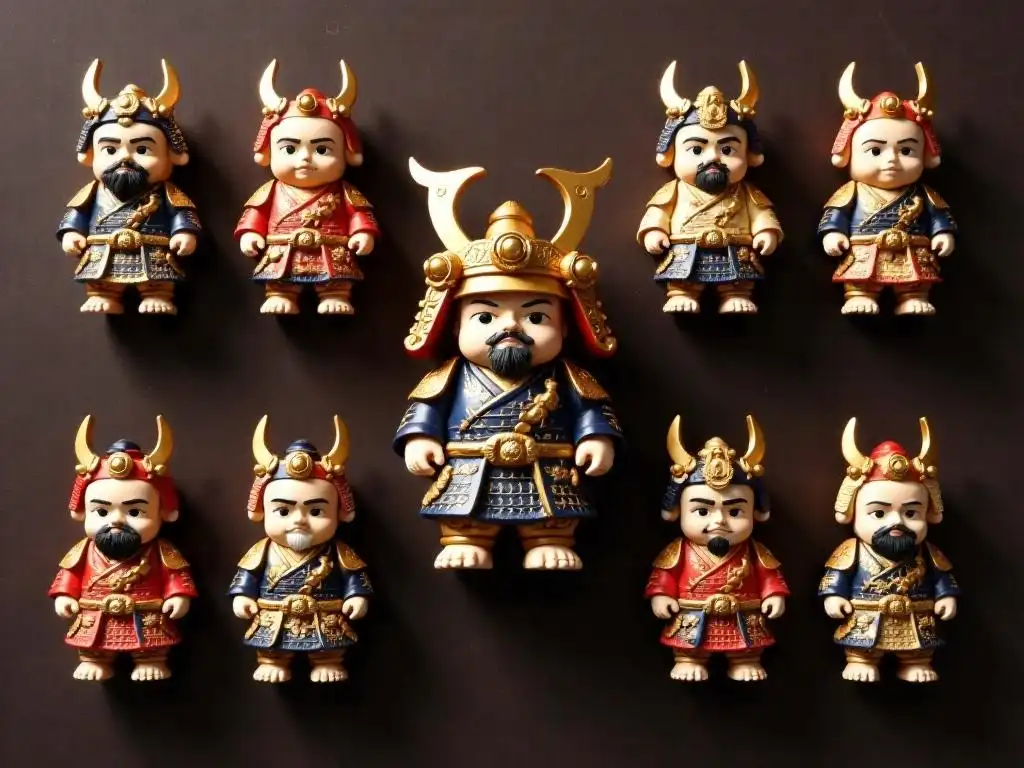
The craftsmanship of Feudal Japan figurines was profoundly impacted by trade and cultural exchange, particularly during the Edo period when Japan entered a phase of relative peace and stability. The country’s isolationist policies, known as Sakoku, limited foreign influence; however, the interactions with the Dutch and Chinese traders brought new ideas and materials into Japan.
These exchanges enhanced the aesthetic and technical aspects of figurine craftsmanship. For example, Chinese porcelain techniques influenced Japanese ceramists, leading to the creation of exquisite porcelain figurines that showcased intricate designs and vibrant glazes. Additionally, the introduction of Western artistic concepts, such as perspective and shading, began to subtly influence the decoration and representation in Japanese figurines.
As Japanese artisans traveled abroad and foreign artisans visited Japan, a mutual exchange of ideas flourished. This cross-cultural dialogue not only enriched the craftsmanship of figurines but also helped establish new markets for these collectibles, allowing Japanese artistry to gain recognition and appreciation on an international scale.
Techniques Behind Crafting Feudal Japan Figurines
The techniques employed in crafting Feudal Japan figurines are a testament to the skill and creativity of Japanese artisans. Each stage of the figurine-making process is carefully executed, reflecting deep cultural significance and artistic integrity.
From the initial design to the final touches, artisans use a combination of traditional methods and innovative techniques, ensuring that each piece tells a story and embodies the spirit of its era. Understanding these techniques provides insight into the craftsmanship that defines Feudal Japan figurines.
Sculpting Methods in Feudal Japan
Sculpting techniques in Feudal Japan were diverse and deeply rooted in tradition. Artisans typically began with a solid block of material, such as wood, clay, or stone, which they meticulously shaped using hand tools. The choice of material often dictated the method of sculpting employed.
- Woodcarving: This ancient method involved chiseling and carving wood into desired shapes. Artisans would select high-quality woods, such as cherry or cedar, known for their durability and beauty. The intricate detailing achieved through woodcarving showcased the artisan's skill and understanding of the material.
- Clay Modeling: Clay was another popular medium, especially for creating figurines that could be fired and glazed. Artisans used techniques such as coiling and pinching to build up forms before refining details. The malleability of clay allowed for more expressive and dynamic poses in figurines.
- Stone Carving: For larger or more permanent pieces, stone carving was employed. This method required advanced skill and tools to create detailed figures from marble or granite. The resulting figurines were often used in temples and shrines, reflecting the spiritual significance behind their creation.
Painting and Finishing Techniques
The finishing touches on Feudal Japan figurines were as crucial as the sculpting process itself. After the initial shaping, artisans applied various painting and finishing techniques to enhance the visual appeal and longevity of the figurines.
- Natural Pigments: Artisans often used natural pigments derived from minerals and plants to create vibrant colors. Techniques such as layering and glazing allowed for depth and richness in the colors, bringing the figurines to life.
- Gold Leaf Application: A distinctive feature of many Edo period figurines was the use of gold leaf. Artisans would meticulously apply thin sheets of gold to highlight certain areas, adding a touch of opulence and elegance to the final piece.
- Surface Treatments: Finishing techniques included polishing and applying protective coatings, such as lacquer, which not only enhanced the aesthetic quality but also provided durability against the elements. This attention to detail ensured that figurines could be cherished for generations.
Overall, the craftsmanship behind Feudal Japan figurines is a reflection of the nation's rich artistic heritage, showcasing the skills, techniques, and cultural narratives that have shaped these miniature masterpieces throughout history.
Collecting Feudal Japan Figurines
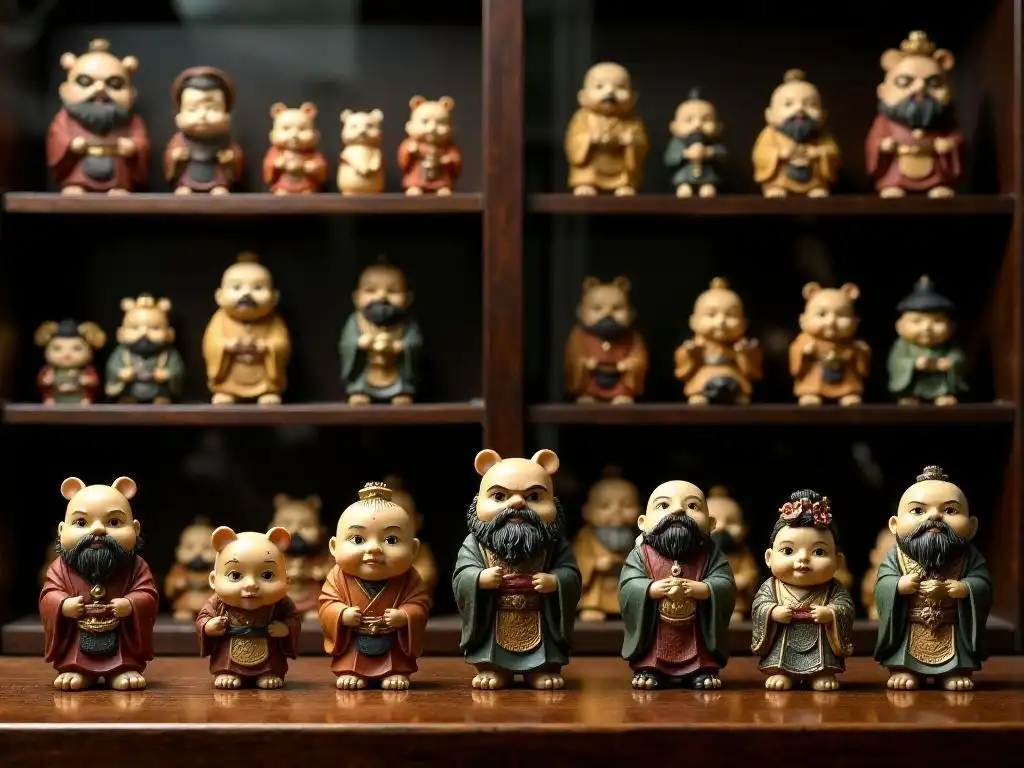
Collecting Feudal Japan figurines is a rewarding hobby that allows enthusiasts to explore the rich cultural heritage of Japan’s feudal era. These figurines often represent historical figures, samurai warriors, mythical creatures, and everyday life during the Edo period, serving as tangible links to a fascinating past. The intricate craftsmanship and attention to detail in these pieces not only make them visually appealing but also valuable artifacts that tell stories of tradition, artistry, and history.
Collectors are drawn to the unique styles and techniques that vary by region and period, allowing for a diverse collection that can encapsulate different aspects of feudal life. From the delicate porcelain figures of the Meiji period to the robust wooden carvings of earlier times, the variety available offers something for every collector’s taste. Collecting figurines also opens up avenues for research and learning, as enthusiasts delve into the historical context behind each piece, enhancing their appreciation for the artistry and craftsmanship involved.
Why Collect Feudal Japan Figurines?
There are several compelling reasons to collect Feudal Japan figurines:
- Cultural Appreciation: Collecting these figurines fosters a deeper understanding of Japanese culture, history, and traditions. Each piece reflects the artistry and social norms of its time.
- Artistic Value: The craftsmanship involved in creating Feudal Japan figurines is exceptional. Collectors often appreciate the skill required to produce such detailed and intricate works, which can serve as inspiration for their own artistic endeavors.
- Investment Potential: Many collectible figurines can appreciate in value over time. As awareness of Japanese culture grows globally, so does the demand for well-crafted figurines, making them potentially profitable investments.
- Community Engagement: Collecting connects individuals with like-minded enthusiasts. This shared passion can lead to friendships, networking opportunities, and participation in events or exhibitions.
- Historical Scholarship: For those interested in history, collecting figurines provides a hands-on way to study the past. Each figurine can serve as a conversation starter or a focal point for discussions about Japan’s feudal era.
Best Practices for Collecting and Caring for Figurines
To ensure that your collection remains in excellent condition and retains its value, consider the following best practices:
- Proper Storage: Keep figurines in a cool, dry place away from direct sunlight to prevent fading and deterioration. Use display cases or cabinets to protect them from dust and accidental damage.
- Cleaning Techniques: Dust figurines regularly using a soft, dry cloth. For more thorough cleaning, use a slightly damp cloth—avoid harsh chemicals that could damage the finish.
- Handling with Care: Always handle figurines gently and wash your hands before touching them to avoid transferring oils or dirt. Use gloves if necessary, especially for more delicate pieces.
- Documenting Your Collection: Keep an inventory of your figurines, including details such as age, maker, and any historical significance. This documentation can be invaluable for insurance purposes and future reference.
- Networking with Other Collectors: Join clubs or online communities to share experiences, learn from others, and stay informed about market trends and new acquisitions.
Recommended Resources for Enthusiasts
Books and Literature on Feudal Japan Figurine Craftsmanship
For collectors seeking to deepen their knowledge of Feudal Japan figurine craftsmanship, several books and literature can provide valuable insights:
- “Japanese Figurines: The Art of Kokeshi Dolls”: - This book explores the history and craftsmanship of Kokeshi dolls, offering a comprehensive overview of their significance in Japanese culture.
- “The Art of Japanese Figurines” - A detailed examination of various styles of figurines throughout Japan’s history, this book includes photographs and descriptions of notable pieces.
- “Edo Period Art: Understanding Japanese Figurine Craftsmanship”: - This resource delves into the artistic techniques and materials used during the Edo period, highlighting the evolution of figurine design.
- “Collecting Japanese Antiques: A Practical Guide”: - Aimed at collectors, this guide provides tips on identifying authentic pieces and understanding market values.
Online Platforms and Communities for Collectors
Engaging with online platforms and communities can enhance the collecting experience:
- Social Media Groups: Platforms like Facebook and Instagram host numerous groups dedicated to Feudal Japan figurines. Here, collectors share photos, tips, and advice while connecting with others who share their passion.
- Discussion Forums: Websites such as Reddit have specific threads and communities where collectors can discuss their finds, seek advice, and share resources.
- Auction Sites: Online auction platforms often feature rare Feudal Japan figurines, providing collectors with opportunities to acquire unique pieces while also engaging with a community of buyers and sellers.
- Collector’s Websites: Websites dedicated to Japanese antiques and collectibles often have forums, articles, and resources that can help collectors stay informed about trends, events, and exhibitions.
By leveraging these resources, collectors can enhance their understanding, connect with fellow enthusiasts, and cultivate a more comprehensive and valuable collection of Feudal Japan figurines.
Conclusion: The Lasting Legacy of Feudal Japan Figurine Craftsmanship
The artistry involved in Feudal Japan figurine craftsmanship embodies a rich tapestry of cultural heritage and historical significance. These miniature representations are not merely collectibles; they encapsulate the values, beliefs, and aesthetics of a bygone era. The meticulous techniques employed by artisans reflect a deep respect for tradition and an understanding of materials that has been passed down through generations.
The legacy of these figurines can be seen today in modern interpretations, as contemporary artists draw inspiration from the classic forms and themes established during the feudal period. The fusion of historical techniques with modern sensibilities creates a unique dialogue between past and present, ensuring that the craftsmanship of Feudal Japan continues to thrive. Collectors and enthusiasts, too, play a vital role by preserving these artifacts, thus contributing to the ongoing narrative of Japanese culture.
As we reflect on the intricate techniques and the passion that define Feudal Japan figurine craftsmanship, it becomes clear that these figurines are more than mere objects; they are vessels of history, art, and identity. The enduring appeal of these collectibles highlights their importance, inviting future generations to explore and appreciate the artistry that shaped them.
Call to Action
If you are captivated by the exquisite craftsmanship of Feudal Japan figurines, we encourage you to delve deeper into this fascinating world. Consider starting your own collection or enhancing your existing one by discovering reputable sources and skilled artisans who specialize in these unique pieces.
Engage with fellow collectors and enthusiasts through forums, social media groups, or local clubs dedicated to Japanese art and collectibles. By sharing your passion and knowledge, you contribute to the preservation of this exquisite craftsmanship.
Explore the art of Feudal Japan figurine craftsmanship today, and become a part of the legacy that continues to inspire and connect people across cultures and generations! 🌸
- Introduction to Feudal Japan Figurine Craftsmanship
- The Art of Miniature Craftsmanship in Feudal Japan
- Historical Evolution of Feudal Japan Figurine Craftsmanship
- Ancient Roots: From the Heian to the Edo Period
- The Impact of Trade and Cultural Exchange
- Techniques Behind Crafting Feudal Japan Figurines
- Sculpting Methods in Feudal Japan
- Painting and Finishing Techniques
- Collecting Feudal Japan Figurines
- Recommended Resources for Enthusiasts
- Conclusion: The Lasting Legacy of Feudal Japan Figurine Craftsmanship
- Call to Action
- What were Feudal Japan figurines primarily made from?
- What techniques were used in Feudal Japan figurine craftsmanship?
- How do Feudal Japan figurines reflect societal values?
- What is the cultural significance of Feudal Japan figurines today?
- How can one learn more about Feudal Japan figurine craftsmanship?
Frequently Asked Questions
What were Feudal Japan figurines primarily made from?
Feudal Japan figurines were primarily crafted from clay, wood, and metal. Each material offered unique properties that artisans used to enhance the aesthetic and cultural significance of the figurines.
What techniques were used in Feudal Japan figurine craftsmanship?
Artisans employed a variety of techniques, including carving, painting, and glazing. These methods allowed for intricate designs and vibrant colors, making the figurines not only decorative but also culturally meaningful.
How do Feudal Japan figurines reflect societal values?
Figurines often depicted mythological figures, samurai, and everyday life, showcasing the values and beliefs of the time. They served as a medium to express cultural narratives and social hierarchies prevalent during the feudal era.
What is the cultural significance of Feudal Japan figurines today?
Today, these figurines are considered collectibles and artistic representations of Japan’s rich history. They provide insights into historical craftsmanship and are valued for their artistic merit and cultural heritage.
How can one learn more about Feudal Japan figurine craftsmanship?
To learn more, explore specialized articles, museums, and workshops focused on Japanese art. Engaging with experts or reading in-depth resources about Feudal Japan can also enhance your understanding of this fascinating craftsmanship.
Final Reflection: The Enduring Legacy of Feudal Japan Figurine Craftsmanship
The intricate artistry of feudal Japan figurine craftsmanship remains profoundly relevant today, as it not only showcases the remarkable skills of artisans from centuries past but also serves as a bridge connecting us to a rich cultural heritage. In a world increasingly dominated by mass production, the meticulous attention to detail and the deep-rooted traditions embodied in these figurines remind us of the value of craftsmanship and the stories that each piece holds. The legacy of these artisans is not merely a relic of history; it is a living testament to the beauty and significance of human creativity.
Craftsmanship in miniature has shaped our understanding of cultural identity and artistic expression, influencing contemporary artists and collectors alike. The techniques and philosophies behind these figurines continue to inspire a new generation, fostering a renewed appreciation for handmade art in an age of automation. Art is not what you see, but what you make others see.
– Edgar Degas. This quote encapsulates the essence of feudal Japan figurine craftsmanship, as each piece invites viewers to explore the depths of history, culture, and emotion that it represents.
As we reflect on the lessons of feudal Japan figurine craftsmanship, let us embrace the spirit of dedication and artistry in our own lives. Consider how you can incorporate the values of patience, precision, and passion into your daily pursuits. Whether through a hobby, a profession, or simply in the way you engage with the world around you, strive to create with intention and mindfulness. In doing so, you not only honor the legacy of those artisans but also contribute to a culture that values the beauty of craftsmanship in all its forms.
Discover the Art of Miniature Masterpieces!
Thank you for taking the time to delve into the fascinating world of feudal Japanese craftsmanship! We hope you’ve gained a deeper appreciation for the intricate techniques behind these stunning figurines. Now it’s time to channel your inspiration into action!
- Start a hands-on project: Try your hand at creating your own miniature figurine inspired by the beauty of feudal Japan. Gather your materials and let your creativity flow!
- Join a community: Connect with fellow enthusiasts by sharing your journey on social media or participating in a craft group that focuses on traditional Japanese art.
- Explore further: Deepen your understanding of the history by reading additional articles on our site or visiting local museums that showcase exquisite Japanese crafts.
How will you express your newfound appreciation for Japanese craftsmanship in your own creative endeavors?