
Authenticity Matters: How to Spot Fake Feudal Japan Figurines

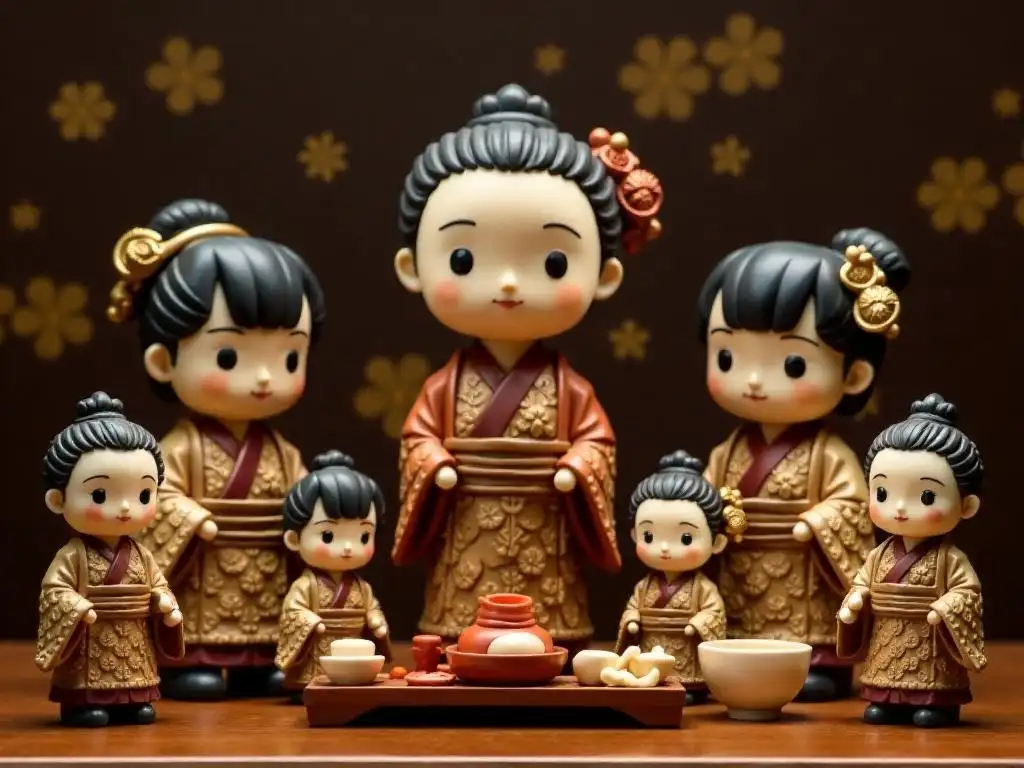
Welcome to Feudal Japan History, where we invite you to embark on an extraordinary journey through Japan's rich feudal era. Our mission is to unveil the intricate tapestry of historical, cultural, and societal aspects that define this fascinating period. In our featured article, "Authenticity Matters: How to Spot Fake Feudal Japan Figurines," you'll discover the art of identifying authentic treasures that reflect the true essence of this captivating age.
Are you ready to delve into the world of craftsmanship and deception? Join us as we explore the nuances of feudal Japan figurines and learn how to discern the real from the replica. Your adventure begins now!
Understanding the authenticity of feudal Japan figurines is crucial for collectors and enthusiasts alike. These figurines are not merely decorative pieces; they are tangible links to Japan's rich historical and cultural tapestry. As the market for collectibles grows, the prevalence of counterfeit items has surged, making it increasingly difficult to differentiate between genuine artifacts and replicas.
This article aims to equip collectors with the knowledge necessary to identify authentic feudal Japan figurines, ensuring that their collections are not only valuable but also historically significant. By exploring the key characteristics and common types of these figurines, readers will gain a comprehensive understanding of what to look for when assessing authenticity.
Understanding the Importance of Authenticity in Feudal Japan Figurines
The significance of authenticity in feudal Japan figurines extends beyond mere monetary value; it encompasses cultural heritage and historical integrity. Collectors often seek these pieces not only for their aesthetic appeal but also for the stories and traditions they represent. Here are a few reasons why authenticity matters:
- Cultural Significance: Authentic figurines embody the artistic styles and cultural narratives of their time, offering insights into the beliefs and practices of feudal Japan.
- Value Preservation: Genuine pieces tend to appreciate in value over time, while fakes can lead to financial loss for collectors.
- Historical Accuracy: Authentic items contribute to a more accurate understanding of Japan's history, allowing collectors to appreciate the context in which these figurines were created.
In the world of collectibles, understanding authenticity helps preserve the legacy of feudal Japan, ensuring that future generations can appreciate these remarkable artifacts.
Key Characteristics of Authentic Feudal Japan Figurines
When it comes to identifying authentic feudal Japan figurines, several key characteristics can help collectors distinguish genuine items from replicas. Here are some critical aspects to consider:
- Material Composition:
- Traditional materials such as wood, clay, and lacquer are common in authentic figurines.
- Look for signs of natural aging or weathering, which can indicate authenticity.
- Craftsmanship:
- Examine the level of detail in the figurine. Authentic pieces typically exhibit meticulous craftsmanship, with intricate designs and careful attention to features.
- Check for imperfections that signify handcrafting, as mass-produced items often lack such unique qualities.
- Provenance:
- Provenance refers to the history of ownership of the figurine. Authentic items may come with documentation or a known history that validates their authenticity.
- Researching the item's background can provide insights into its authenticity.
- Stylistic Features:
- Familiarize yourself with the specific styles of different periods in feudal Japan, as these can influence the design and features of figurines.
- Certain motifs or themes may be indicative of particular eras, helping to date the figurine accurately.
Common Types of Feudal Japan Figurines and Their Features
Feudal Japan produced a diverse range of figurines, each with unique characteristics and historical significance. Understanding these common types can aid collectors in their quest for authenticity:
- Samurai Figurines:
- Often depicted in full armor, these figurines represent the warrior class of feudal Japan.
- Look for detailed armor designs and expressions that convey the samurai's valor.
- Geisha Figurines:
- These figurines typically feature women in traditional attire, showcasing the elegance and artistry of the geisha culture.
- Authentic geisha figurines often display fine kimono patterns and intricate hairstyles.
- Buddhist Deities:
- Many figurines depict various deities from Buddhism, reflecting the spiritual beliefs of the time.
- Examine the facial expressions and symbolic elements present, as these can signify authenticity.
- Animals and Mythical Creatures:
- Figurines of animals such as dragons or foxes often carry cultural meanings and folklore significance.
- Authentic pieces will display characteristic features and craftsmanship that are true to their mythological representations.
By recognizing these types and their features, collectors can sharpen their skills in identifying authentic feudal Japan figurines. Whether for personal enjoyment or investment purposes, understanding authenticity is essential in preserving the cultural heritage that these figurines represent.
How to Identify Fake Feudal Japan Figurines
Identifying fake feudal Japan figurines requires a keen eye and a solid understanding of the characteristics that define authentic pieces. Here are some essential factors to consider:
- Material Composition: Authentic feudal Japan figurines are often made from high-quality materials such as wood, porcelain, or bronze. If a figurine feels unusually light or has a plastic-like texture, it may be a reproduction. Check for the presence of patina or natural aging signs that indicate authenticity.
- Detail and Craftsmanship: Genuine figurines exhibit intricate details that reflect the craftsmanship of the era. Look for finely painted features, careful attention to clothing patterns, and realistic facial expressions. In contrast, fake figurines may have poorly done paint jobs or less attention to detail.
- Markings and Signatures: Many authentic pieces will have markings or signatures from the artist or manufacturer. Research common marks from reputable makers of the feudal era, and compare them to the figurine in question. If the markings look too modern or do not match known examples, the piece may be a fake.
- Historical Context: Understanding the historical context of the figurine can help in identifying its authenticity. Familiarize yourself with the different styles and cultural themes prevalent during the feudal period. A figurine that depicts anachronistic themes or clothing styles may not be genuine.
- Provenance: The history of ownership can provide insights into a figurine's authenticity. If the seller can provide a documented history or verification of the figurine’s origin, it adds credibility to its authenticity. Be wary of pieces with no known background.
Tools and Resources for Identifying Authentic Feudal Japan Figurines

To effectively identify authentic feudal Japan figurines, collectors can utilize a variety of tools and resources:
- Reference Books: Invest in books that specialize in Japanese art and collectibles. Titles such as "Japanese Art: A Cultural History" and "The Handbook of Japanese Ceramics" can provide valuable insights into identifying authentic pieces through photographs and descriptions.
- Online Databases: Utilize online databases dedicated to Japanese art and collectibles. Websites managed by museums or art institutions often include galleries of authentic pieces and their characteristics.
- Appraisal Services: Consider hiring professional appraisers who specialize in Japanese antiques. They possess the expertise to evaluate figurines based on their historical significance, craftsmanship, and authenticity.
- Collector Forums: Join online collector communities and forums that focus on Japanese antiques. Engaging with experienced collectors can offer practical advice and firsthand experiences, which can be invaluable for identifying authentic figurines.
- Authentication Services: Some companies specialize in authenticating collectibles. They provide certificates of authenticity that can help reassure buyers about the legitimacy of their purchases.
Buying Tips: Where to Find Authentic Feudal Japan Figurines
Finding authentic feudal Japan figurines requires strategic searching and careful consideration. Here are some tips on where to look:
- Antique Shops: Visit reputable antique shops that specialize in Asian art and collectibles. Knowledgeable owners can often provide background on the items they sell, including their authenticity.
- Auctions and Estate Sales: Attend auctions and estate sales, particularly those that focus on Asian antiques. Such events can yield hidden gems and offer opportunities to purchase authentic pieces at competitive prices.
- Art Galleries and Exhibitions: Explore art galleries that showcase Japanese art. Exhibitions may feature authentic pieces for sale, along with professional guidance on their provenance and significance.
- Specialized Collectible Shows: Participate in collectible shows dedicated to Japanese art. These events often attract expert dealers and collectors, providing a chance to network and discover unique figurines.
- Online Marketplaces: While online marketplaces can be a source for finding figurines, exercise caution. Always check seller ratings, read reviews, and ask for detailed photographs and provenance before making a purchase.
- Cultural Festivals: Attend cultural festivals that celebrate Japanese heritage. Vendors often sell authentic crafts and collectibles, and you may find unique figurines that are both authentic and rich in cultural significance.
Conclusion: Ensuring Authenticity in Your Feudal Japan Figurine Collection
Collecting feudal Japan figurines can be a rewarding and enriching experience, offering not only aesthetic pleasure but also a glimpse into the rich history and culture of the era. However, the market is rife with replicas and fakes, making it essential for collectors to develop a keen eye for authenticity.
To ensure the integrity of your collection, consider the following strategies:
- Research and Education: Familiarize yourself with the characteristics of authentic figurines from various periods and styles within the feudal era. Understanding the nuances in craftsmanship, materials, and design will empower you to identify genuine pieces.
- Provenance and Documentation: Whenever possible, seek out the provenance of a figurine. Documentation, such as receipts or certificates of authenticity, can provide valuable insights into a piece's history and legitimacy.
- Trusted Sources: Establish relationships with reputable dealers and auction houses. These professionals often have extensive knowledge and can provide assurance regarding the authenticity of their offerings.
- Community Engagement: Join collector groups or online forums dedicated to feudal Japan figurines. Engaging with a community of enthusiasts can provide you with tips, shared experiences, and insights that may help you spot fakes more effectively.
- Physical Inspection: If possible, inspect figurines in person. Pay attention to details like paint applications, weight, and wear patterns that can indicate age and authenticity.
By integrating these practices into your collecting habits, you can foster a collection that is both authentic and reflective of the rich heritage of feudal Japan. Remember, the journey of collecting is as important as the pieces themselves, and ensuring authenticity will enhance not only the value of your collection but also your appreciation for the artistry and history behind each figurine.
- Understanding the Importance of Authenticity in Feudal Japan Figurines
- Key Characteristics of Authentic Feudal Japan Figurines
- Common Types of Feudal Japan Figurines and Their Features
- How to Identify Fake Feudal Japan Figurines
- Tools and Resources for Identifying Authentic Feudal Japan Figurines
- Buying Tips: Where to Find Authentic Feudal Japan Figurines
- Conclusion: Ensuring Authenticity in Your Feudal Japan Figurine Collection
- What are the key features to identify authentic feudal Japan figurines?
- Why is authenticity important when collecting feudal Japan figurines?
- How can I differentiate between antique and reproduction figurines?
- Are there any specific markings to look for on feudal Japan figurines?
- Where can I learn more about authenticating feudal Japan figurines?
Frequently Asked Questions
What are the key features to identify authentic feudal Japan figurines?
To spot authentic feudal Japan figurines, look for handcrafted details, age-related wear, and traditional materials like wood or ceramics, which signify genuine craftsmanship.
Why is authenticity important when collecting feudal Japan figurines?
Authenticity ensures the historical value and cultural significance of the figurines, making them not only worthwhile investments but also meaningful representations of Japanese heritage.
How can I differentiate between antique and reproduction figurines?
Check for patina and craftsmanship; authentic pieces often show signs of aging and imperfections, whereas reproductions typically lack these unique characteristics.
Are there any specific markings to look for on feudal Japan figurines?
Many authentic figurines may bear artist signatures, provincial marks, or specific symbols that indicate their origin, which can help confirm their authenticity.
Where can I learn more about authenticating feudal Japan figurines?
Consider consulting expert appraisers, visiting specialized galleries, or exploring reputable online resources that focus on Japanese art and collectibles for in-depth knowledge on authentication techniques.
Final Reflection: The Importance of Authenticity in Collecting
In a world increasingly filled with replicas and imitations, the quest for authenticity has never been more crucial. The ability to identify authentic feudal Japan figurines not only enriches our understanding of history but also preserves the cultural heritage that these artifacts represent. As collectors and enthusiasts, we must recognize that each genuine piece tells a story, connecting us to the past in ways that replicas simply cannot.
The impact of authenticity extends beyond individual collectors; it shapes our cultural landscape and influences how we appreciate art and history. The ongoing dialogue about authenticity encourages us to value craftsmanship and the narratives behind each piece. As the renowned art historian, John Berger, once said, The relation between what we see and what we know is never settled.
This reminds us that our understanding of art is a dynamic interplay, and recognizing authenticity allows us to engage more deeply with the cultural significance of our collections.
As you reflect on your own collecting journey, consider the lessons learned from this exploration of authenticity. Take the time to educate yourself, ask questions, and seek out genuine pieces that resonate with you. By doing so, you not only enhance your collection but also contribute to the preservation of history and culture. Embrace the challenge of identifying authentic feudal Japan figurines, and let your passion for collecting become a meaningful connection to the past.
Unveil the True Craftsmanship of Feudal Japan!
Thank you for taking the time to explore the fascinating world of Feudal Japan artifacts with us! By understanding how to spot fake figurines, you've gained valuable insights that can enhance your collecting experience. Now, let’s put that knowledge into action and elevate your appreciation for authentic craftsmanship!
Here are some practical steps you can take right now:
- Start Your Authenticity Checklist: Review any figurines you currently own and apply the tips you learned today to determine their authenticity.
- Join a Collectors' Community: Connect with fellow enthusiasts online. Engaging with others can deepen your understanding and refine your eye for genuine craftsmanship.
- Visit Local Markets or Museums: Explore local art markets or exhibits featuring artifacts from Feudal Japan. Observing authentic items in person can significantly enhance your appreciation and knowledge.
What steps will you take today to ensure your collection truly reflects the rich culture of Feudal Japan?