
Exploring the Diversity of Feudal Japan Figurine Styles and Materials

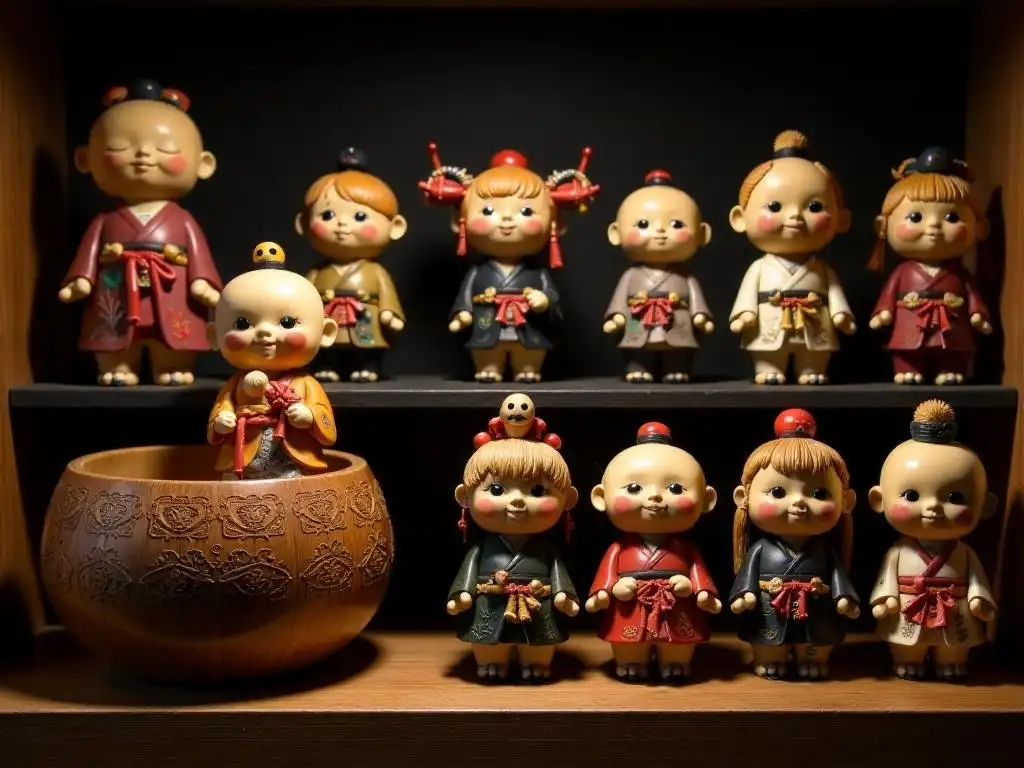
Welcome to Feudal Japan History, where we invite you to embark on a fascinating journey through the intricate tapestry of Japan’s feudal era. In this exploration, we delve into the diverse figurine styles that emerged during this captivating period, shedding light on the craftsmanship and cultural significance behind each piece. Discover how these exquisite artifacts reflect the societal norms and artistic expressions of their time. Are you ready to uncover the stories woven into the materials and styles of Feudal Japan figurines? Join us as we navigate this rich landscape, and let your curiosity lead the way!
The rich tapestry of Japan's feudal era is not only evident in its architecture, literature, and warfare but also in the diverse styles and materials used to create figurines. These collectibles reflect the artistic sensibilities, cultural significance, and societal norms of the time, offering a window into the past.
From intricate representations of samurai warriors to delicate depictions of mythical creatures, the figurines crafted during this era serve as essential artifacts for understanding the historical and cultural landscape of feudal Japan. In this exploration, we will delve into the various styles and materials that characterize feudal Japan figurines, uncovering how they evolved over time and their importance in both historical context and modern collecting.
Introduction to Feudal Japan Figurine Styles
Feudal Japan figurine styles encompass a wide array of artistic forms that reflect the cultural diversity and craftsmanship prevalent during the feudal period (1185-1868). These figurines were often made for decorative purposes, spiritual significance, or as representations of social status. The materials used varied greatly, including wood, porcelain, and metal, each contributing to the aesthetic and tactile experience of the figurine.
- Key Elements of Figurine Styles:
- Materials: Common materials include:
- Wood: Often carved from local trees, these figurines showcase exceptional craftsmanship.
- Porcelain: Known for its delicate features and vibrant glazes.
- Metal: Used in the creation of armor-clad warriors and ceremonial pieces.
- Themes: Common themes reflected in these figurines include:
- Mythology: Figures from Shinto and Buddhist traditions.
- Samurai Culture: Representations of historical warriors and their armor.
- Everyday Life: Depictions of common folk and their activities.
- Materials: Common materials include:
This variety not only illustrates the diverse artistic traditions of the time but also offers insight into the values and beliefs of feudal Japanese society.
The Evolution of Feudal Japan Figurine Styles
Historical Context of Figurine Crafting
The crafting of figurines in feudal Japan has a rich history that mirrors the rise and fall of different ruling clans and periods. During the Heian period (794-1185), figurines began to take on more complex forms, often reflecting the elaborate lifestyles of the aristocracy. As Japan transitioned into the Kamakura (1185-1333) and Muromachi (1336-1573) periods, the emergence of the samurai class influenced figurine styles. This period saw an increase in the production of warrior figurines, which symbolized the values of honor, loyalty, and bravery.
- Influential Periods:
- Heian Period: Focus on elegance and beauty.
- Kamakura Period: Emergence of warrior figures, emphasizing strength and valor.
- Edo Period (1603-1868): Rise of commercial art, leading to mass production of figurines for the growing merchant class.
Key Features of Feudal Japan Figurine Styles
The key features of feudal Japan figurine styles can be categorized by their artistic elements, techniques, and cultural significance.
- Artistic Elements:
- Proportions and Postures: Many figurines reflect a strong sense of balance and harmony, often conveying motion or tranquility.
- Detailing: Intricate patterns and textures are common, showcasing the artisan's skill.
- Techniques:
- Hand-carving: Primarily used for wooden figurines, emphasizing individuality.
- Molding and Glazing: Common in porcelain, allowing for uniformity and vibrant colors.
The study of feudal Japan figurine styles provides a fascinating glimpse into the cultural and societal dynamics of the time. Understanding these styles not only enriches our appreciation of the craftsmanship involved but also enhances our knowledge of Japan's historical narrative.
Materials Used in Feudal Japan Figurine Production
The creation of figurines in feudal Japan was deeply influenced by the materials available and the techniques developed over centuries. Both traditional and modern materials have played significant roles in the production of these exquisite collectibles. Understanding these materials provides insight into the craftsmanship and artistic expressions of the era.
Traditional Materials in Figurine Making
Historically, the primary materials used in feudal Japan figurine production included wood, clay, and metal.
- Wood: Wood was the most prevalent material due to its availability and ease of manipulation. Artisans often used cypress, pine, and cherry wood to carve intricate designs. The natural grain of the wood added a unique character to each piece, enhancing its aesthetic value.
- Clay: Clay figurines, particularly those crafted using the Haniwa technique, were common. These cylindrical clay figures adorned burial mounds and were believed to serve as guardians in the afterlife. The clay was often painted with vibrant colors or left unglazed to showcase its raw beauty.
- Metal: Metal figurines, typically made from bronze or iron, were less common but indicative of status and wealth. The casting techniques used allowed for detailed embellishments, showcasing the skill of the metalworkers.
The choice of material not only influenced the appearance of the figurines but also their cultural significance, with each material carrying its own symbolism and meaning.
Modern Materials and Techniques
In contemporary times, the production of feudal Japan figurines has evolved with advancements in technology and materials.
- Resin and Plastics: Modern artisans frequently utilize resin and various plastics for their durability and versatility. These materials allow for intricate designs that can be mass-produced while still maintaining high levels of detail.
- 3D Printing: The advent of 3D printing technology has revolutionized the figurine-making process. Artists can now create complex models with precision, which can be replicated easily. This technique opens new avenues for creativity, enabling the incorporation of elaborate patterns and features that were challenging to achieve with traditional methods.
- Mixed Media: Contemporary figurines often combine various materials, such as wood and metal, or incorporate textiles and paint to enhance their visual appeal. This mixed-media approach allows for a broader expression of artistic styles and cultural narratives.
The shift from traditional to modern materials reflects a blend of historical significance with contemporary aesthetics, catering to both collectors and art enthusiasts.
Notable Feudal Japan Figurine Styles
The figurine styles of feudal Japan are diverse, each embodying unique cultural narratives and artistic expressions. Among these, samurai and geisha figurines stand out for their distinct symbolism and craftsmanship.
Samurai Figurines: Symbolism and Craftsmanship
Samurai figurines are emblematic of the warrior class that dominated feudal Japan. These figurines often depict samurai in full armor, showcasing the intricate details of their attire and weaponry.
- Symbolism: The samurai represented honor, bravery, and loyalty. Figurines often embody these ideals, serving as reminders of the samurai's role in society and the bushido code. The poses and expressions of these figures are carefully crafted to convey strength and dignity.
- Craftsmanship: The craftsmanship involved in creating samurai figurines is meticulous. Artisans pay close attention to the details of armor, swords, and accessories, often using traditional techniques passed down through generations. Some figurines are even adorned with real textile materials to mimic the authentic look of samurai clothing.
These figurines not only serve as collectibles but also as cultural artifacts that narrate the history and values of the samurai class.
Geisha Figurines: Elegance in Detail
Geisha figurines capture the grace and beauty of these iconic figures, who played a significant role in Japanese culture as entertainers and artists.
- Elegance and Detail: Geisha figurines are often characterized by their delicate features, elaborate kimonos, and meticulous hairstyles. The attention to detail in the clothing patterns and colors reflects the artistry that geishas embody. Each figurine tells a story of elegance, tradition, and cultural refinement.
- Cultural Significance: These figurines symbolize not only the art of entertainment but also the broader cultural practices of Japan, including tea ceremonies, traditional music, and dance. They serve as a celebration of Japanese femininity and artistry.
The enduring popularity of geisha figurines among collectors speaks to their aesthetic appeal and the cultural narratives they represent, further enriching the tapestry of feudal Japan's artistic heritage.
Collecting Feudal Japan Figurines: Tips and Guidelines
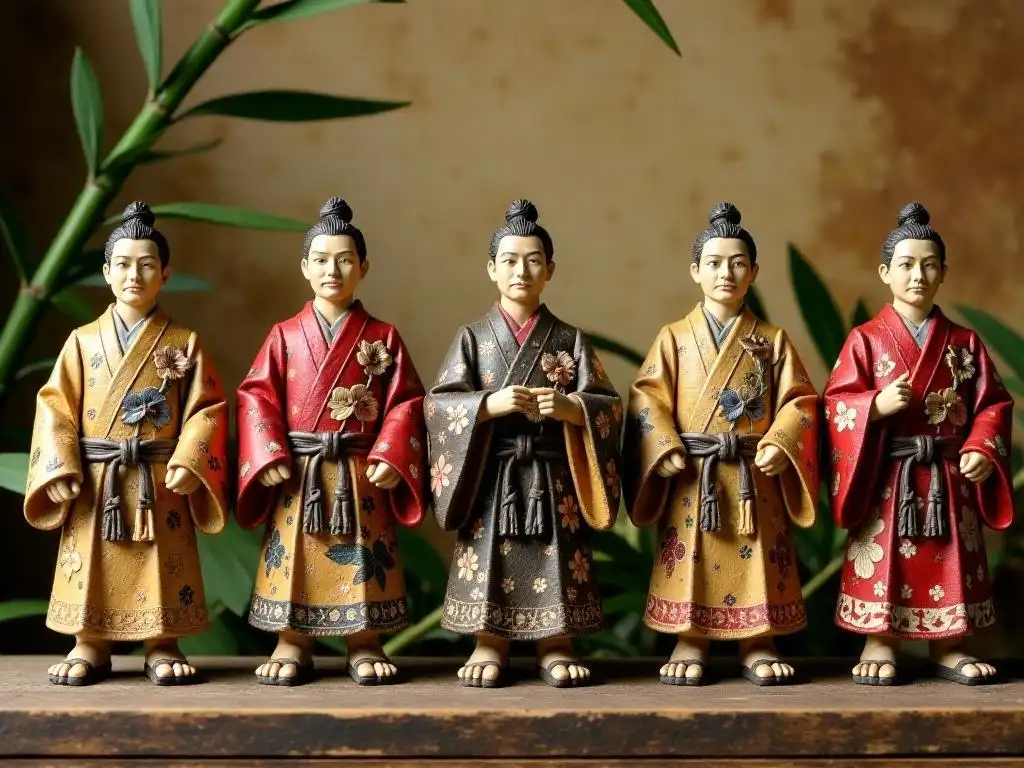
Collecting figurines from Feudal Japan can be a rewarding and enriching experience. These collectibles are not only beautiful but also carry significant historical and cultural value. Here are some tips and guidelines to enhance your collecting journey:
- Research Before You Buy: Familiarizing yourself with different styles, materials, and historical contexts is crucial. Knowledge about various figurine types—such as the intricate Haniwa clay figures or the delicate Kokeshi dolls—will help you make informed choices.
- Condition Matters: The condition of a figurine greatly influences its value. Check for cracks, chips, or repairs. A well-preserved piece will typically command a higher price and be more desirable among collectors.
- Seek Expert Opinions: When in doubt, consult with experts or join collector groups. Many online forums and local clubs provide valuable insights into authenticity and pricing, making your collection journey smoother.
- Keep Documentation: Maintain records of your purchases, including receipts, appraisals, and provenance information. This documentation can enhance the value of your collection and assist in future sales or insurance matters.
- Diversify Your Collection: Don’t limit yourself to one type of figurine. Explore various styles, periods, and materials to create a well-rounded collection. This diversity can also provide a richer understanding of Japan’s cultural evolution.
Understanding Authenticity and Value
When collecting Feudal Japan figurines, understanding authenticity is paramount. Authentic pieces often come with distinct characteristics that reflect their historical context. Here are some key factors to consider:
- Materials Used: Traditional figurines were often made from clay, wood, or lacquer. Knowing the primary materials associated with specific styles can help you identify genuine pieces.
- Maker’s Marks and Signatures: Many artists and manufacturers left behind unique marks or signatures. Research these identifiers as they can confirm authenticity and enhance a figurine's value.
- Provenance: The history of a figurine’s ownership can impact its value significantly. A piece with a well-documented provenance, such as being part of a notable collection or having historical significance, is often more sought after.
- Market Trends: The market for collectibles fluctuates. Stay informed about current trends, as the demand for certain styles or periods can rise and fall, affecting overall value.
Where to Buy Feudal Japan Figurines
Finding Feudal Japan figurines requires exploring various platforms and venues. Here are some recommended places to start your search:
- Antique Shops and Galleries: Local antique stores often carry unique pieces. Establish a rapport with shop owners, as they may inform you about new arrivals or exclusive items.
- Online Marketplaces: Websites such as eBay, Etsy, and specialized auction sites allow collectors to browse a wide array of figurines. Always check seller ratings and reviews for a trustworthy transaction.
- Collector Shows and Expos: Attending local and international collector shows can provide direct access to dealers and fellow enthusiasts. These events often feature rare finds and opportunities for networking.
- Museums and Cultural Exhibitions: Some museums may have gift shops that sell replicas or even original pieces. Additionally, cultural exhibitions sometimes showcase items for sale or auction.
Conclusion: The Legacy of Feudal Japan Figurine Styles
The legacy of Feudal Japan figurine styles is a testament to the rich cultural tapestry of the era. Each figurine tells a story, reflecting the artistic values, societal norms, and spiritual beliefs of the time. As collectors delve into this world, they not only acquire beautiful artifacts but also become stewards of history.
Understanding the diversity in styles such as Noh masks, Samurai figures, or Buddhist statuettes offers a glimpse into the lives and traditions of past generations. Collecting these figurines fosters a deeper appreciation for Japan's cultural heritage and serves as a bridge connecting the past with the present.
By embracing this journey, collectors contribute to the preservation of Feudal Japan’s artistic legacy, ensuring that future generations can appreciate and learn from these remarkable pieces of history.
Additional Resources
When diving deeper into the fascinating world of Feudal Japan figurine styles, numerous resources can enhance your understanding and appreciation of this rich cultural heritage. Below is a curated list of valuable materials, including books, online databases, and museums, that offer extensive insights into the intricacies of these collectible items.
Books and Publications
-
"Japanese Figurines: A Collector's Guide" by Susan Johnson
This book provides a comprehensive overview of various figurine styles, offering tips on identification, valuation, and care for collectors.
-
"The Art of Japanese Figurine Making" by Hiroshi Tanaka
A detailed exploration of the techniques and materials used in creating traditional Japanese figurines, including historical context and craftsmanship.
-
"Collecting Japanese Ceramics and Figurines" by Kenji Yamamoto
This publication focuses specifically on ceramic figurines, highlighting different styles and their significance in Japanese culture.
Online Resources
-
The Japan National Museum
Their online collection features a variety of figurines from different periods, complete with descriptions and historical context.
-
The Tokyo National Museum
Offers virtual exhibitions and detailed articles on the evolution of Japanese art, including figurines.
-
The Japan Arts Council
A dedicated platform that provides resources on traditional Japanese arts, including figurine styles and notable artists.
Museums and Exhibitions
-
The Kyoto National Museum
Hosts regular exhibitions showcasing traditional Japanese arts, including figurines. Visiting this museum can provide firsthand experience with these artifacts.
-
The Adachi Institute of Woodcut Prints
While primarily focused on woodblock prints, this institute also features related figurines, providing context on their artistic significance.
-
The National Museum of Modern Art, Tokyo
Offers exhibitions that may include contemporary interpretations of traditional figurine styles, reflecting the evolution of this art form.
These resources serve as excellent starting points for collectors, historians, and enthusiasts interested in the diverse figurine styles from Feudal Japan. Whether through scholarly publications or museum exhibitions, there is a wealth of knowledge to explore in this captivating aspect of Japanese culture.
- Introduction to Feudal Japan Figurine Styles
- The Evolution of Feudal Japan Figurine Styles
- Materials Used in Feudal Japan Figurine Production
- Notable Feudal Japan Figurine Styles
- Collecting Feudal Japan Figurines: Tips and Guidelines
- Conclusion: The Legacy of Feudal Japan Figurine Styles
- Additional Resources
- What are the main figurine styles from Feudal Japan?
- What materials were commonly used for figurines in Feudal Japan?
- How did figurine styles evolve during the Feudal period?
- Are there any specific cultural significance associated with these figurines?
- Where can I learn more about Feudal Japan figurine styles and their history?
Frequently Asked Questions
What are the main figurine styles from Feudal Japan?
Feudal Japan saw diverse figurine styles such as Kokeshi dolls, Noh theatre masks, and Hina dolls, each representing unique cultural aspects and traditions of the era.
What materials were commonly used for figurines in Feudal Japan?
Artists predominantly used materials like wood, clay, and ceramics to create figurines, with each material offering distinct textures and aesthetic qualities.
How did figurine styles evolve during the Feudal period?
Figurine styles evolved significantly, reflecting changes in social hierarchy, religious beliefs, and artistic influences, showcasing the dynamic nature of Japanese culture.
Are there any specific cultural significance associated with these figurines?
Yes, many figurines held deep cultural significance, often used in rituals, as offerings, or simply to represent mythological figures and historical narratives.
Where can I learn more about Feudal Japan figurine styles and their history?
For a comprehensive understanding, visit expert-driven articles on sites like "Feudal Japan History," which delve into the historical, cultural, and societal aspects of this fascinating era.
Final Reflection: Embracing the Rich Tapestry of Feudal Japan Figurine Styles
The exploration of Feudal Japan figurine styles reveals a profound connection between artistry and cultural identity that remains relevant today. As we delve into the intricate designs and diverse materials of these figurines, we uncover not just historical artifacts but also a reflection of the societal values and beliefs of the time. The artistry of these figurines serves as a reminder of the enduring human spirit, showcasing how creativity can transcend time and continue to inspire generations.
Cultural heritage is a living entity, continuously shaping our understanding of the past and influencing our present. The figurines of Feudal Japan are more than mere decorations; they are vessels of history, encapsulating stories of honor, spirituality, and the everyday lives of people. As we appreciate these artistic expressions, we recognize their role in fostering a deeper appreciation for cultural diversity. Art is the most beautiful of all lies.
- Claude Debussy. This quote resonates with the idea that while these figurines may be representations, they also embody the truths of their time, inviting us to reflect on our own narratives.
As we conclude this exploration, I invite you to reflect on how the themes of diversity and creativity in Feudal Japan can inspire your own life. Consider how you can embrace the richness of different cultures in your daily experiences, whether through art, literature, or personal connections. Let the stories behind these figurines remind you of the beauty in diversity and the importance of preserving cultural heritage. In doing so, we not only honor the past but also enrich our present and future, fostering a world that celebrates the unique contributions of every culture.
Unveil the Beauty of Feudal Japan's Artistry!
Thank you for delving into the fascinating world of Feudal Japan's figurine styles and materials! We hope you gained a deeper appreciation for the intricate craftsmanship and vibrant diversity of this remarkable art form. Now, let’s take your exploration further with these inspiring activities:
- Visit local museums or galleries to discover artifacts and immerse yourself in their rich history.
- Share your favorite figurine style with friends or on social media to spark meaningful conversations about the culture of Feudal Japan.
- Consider creating your own figurine inspired by these artistic styles – let your creativity shine with various materials and techniques!
What aspect of Feudal Japan's artistry inspires you the most, and how do you plan to incorporate it into your life?