
Beyond Aesthetics: The Historical Significance of Feudal Japan Collectible Figurines

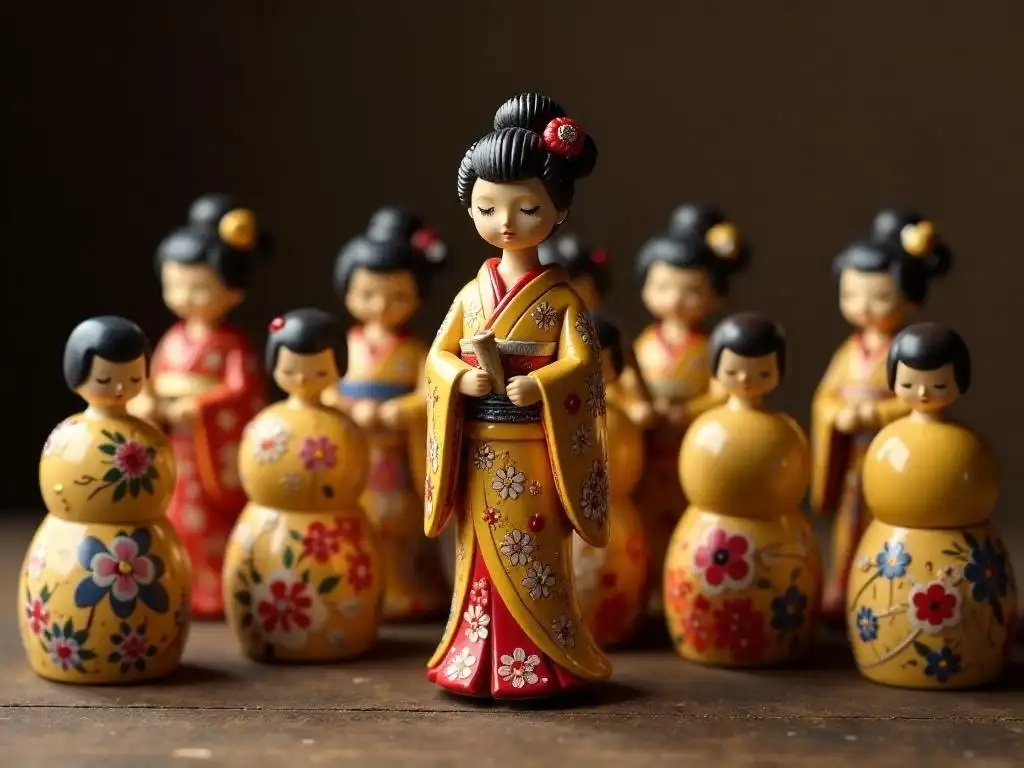
Welcome to Feudal Japan History, where we invite you to embark on a captivating journey through the intricacies of Japan's feudal era. As you delve into our latest article, "Beyond Aesthetics: The Historical Significance of Feudal Japan Collectible Figurines," you'll uncover the fascinating stories behind these artistic treasures that have transcended time. What do these collectible figurines reveal about the culture, society, and values of feudal Japan? Join us as we explore the rich tapestry of history, enticing you to discover more about the cultural products that shaped an era. Your adventure into the past starts here!
Introduction to Feudal Japan Collectible Figurines History
The rich tapestry of Feudal Japan is not only woven with tales of samurai and shoguns but also includes a captivating array of cultural artifacts, among which collectible figurines hold a significant place. These figurines, often intricately crafted and steeped in symbolism, provide a fascinating glimpse into the historical, cultural, and societal values of Japan during its feudal era.
Understanding the history of Feudal Japan collectible figurines requires a nuanced exploration that transcends mere aesthetics; it involves delving into the craftsmanship, the cultural narratives they embody, and their evolution over time. This article aims to uncover the layers of meaning behind these collectibles, exploring their origins, evolution, and the insights they offer into the complex world of feudal Japan.
The Origins of Collectible Figurines in Feudal Japan
The inception of collectible figurines in Feudal Japan can be traced back to the early days of the Kamakura period (1185-1333). Initially, these figurines served practical purposes, often created as talismans or religious icons to invoke protection and good fortune.
-
Religious Significance:
Many of the earliest figurines were crafted to represent deities and were used in Shinto and Buddhist rituals. These figures were not merely decorative; they played a crucial role in spiritual practices, reflecting the deep-seated belief systems of the time.
-
Artistic Techniques:
The craftsmanship involved in creating these figurines was influenced by various artistic movements, including the development of ceramics and textiles. Artisans employed techniques such as:
- Kintsugi: The art of repairing pottery with gold, symbolizing beauty in imperfection.
- Mizuhiki: Decorative knotting techniques that added intricate details to figurines.
The combination of spiritual significance and artistic innovation laid the foundation for what would become a cherished tradition of collectible figurines in Japan.
The Evolution of Feudal Japan Collectible Figurines
As Japan transitioned through various historical periods, including the Muromachi (1336-1573) and Edo (1603-1868) periods, the role and design of collectible figurines evolved significantly.
-
Cultural Reflection:
During the Edo period, a burgeoning merchant class sought to express their wealth and status through the collection of decorative art. Figurines began to represent not only religious figures but also everyday life, including:
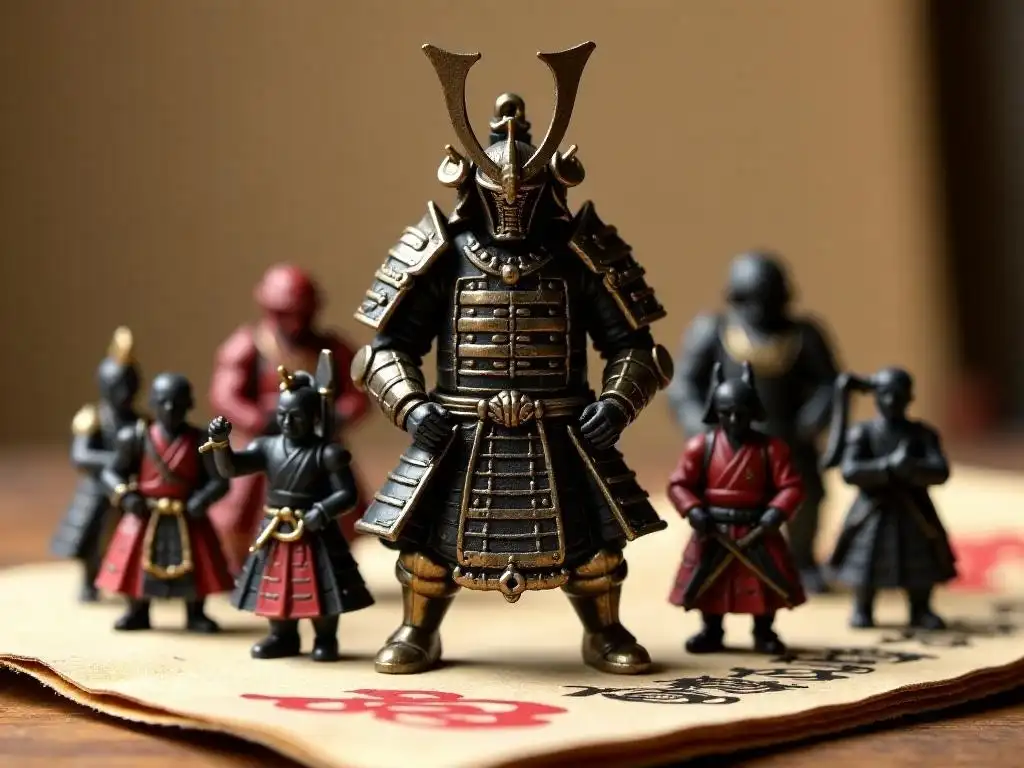
- Samurai warriors
- Geishas
- Mythological creatures
-
Innovations in Craftsmanship:
The introduction of new materials and techniques, such as porcelain, allowed artisans to create more detailed and colorful figurines. This period also saw the rise of ukiyo-e, a genre of woodblock prints that often depicted scenes of the pleasure quarters, which influenced the design of figurines.
-
Collective Culture:
The concept of collecting became increasingly popular, with figurines being displayed as symbols of wealth and taste. This practice laid the groundwork for modern-day collectors to appreciate not only the aesthetic appeal of these figurines but also their historical context and significance.
Through this evolution, collectible figurines transformed from simple religious icons to complex representations of feudal society, encapsulating the essence of a pivotal era in Japanese history.
Key Features of Feudal Japan Collectible Figurines
Feudal Japan collectible figurines are not merely decorative items; they encapsulate a rich tapestry of history, culture, and artistry. Here are some key features that define these unique artifacts:
- Artistic Craftsmanship: Many figurines are crafted using traditional techniques that date back centuries. Artisans often employ methods such as woodblock printing and ceramics, showcasing the intricate artistry characteristic of the Edo period. Each piece reflects the aesthetics of its time, from the vibrant colors of kimono patterns to the delicate expressions of the figurines.
- Symbolic Representation: Each figurine often represents significant elements of the feudal era, such as samurai, geishas, or historical figures. For instance, samurai figurines typically embody values like honor and bravery, often depicted in traditional armor. This symbolism allows collectors to connect with the historical narratives of Japan's past.
- Material Diversity: Figurines can be made from various materials, including porcelain, wood, bronze, and resin. Each material brings its own texture and finish, influencing not only the aesthetic appeal but also the historical context. For example, Hakata dolls, made from clay and painted with vibrant colors, are a specific type of figurine that showcases the regional craftsmanship of Japan.
- Attention to Detail: The level of detail in these collectibles is often extraordinary. From the intricate patterns on clothing to the realistic facial expressions, artisans strive to capture the essence of the subjects. Such precision not only enhances the visual appeal but also contributes to the item's historical value.
Collecting Feudal Japan Figurines: A Cultural Perspective
Collecting figurines from Feudal Japan is more than a hobby; it is a means of preserving and celebrating cultural heritage. Here are some perspectives on this fascinating practice:
- Cultural Preservation: Collectors play a crucial role in maintaining the legacy of Feudal Japan. By acquiring and preserving these figurines, they ensure that future generations can appreciate the artistry and historical significance of these artifacts. This act of preservation is akin to safeguarding a piece of cultural memory.
- Educational Value: Collectors often find themselves immersed in research about the figures they collect. Understanding the historical contexts, the stories behind the characters, and the evolution of the figurine-making techniques enriches the collector's experience. This educational aspect fosters a deeper appreciation for Japan's feudal history.
- Community and Connection: The community of collectors often shares a passion for Japanese culture, leading to the formation of clubs, forums, and exhibitions. These gatherings can enhance the sense of belonging among collectors and provide opportunities to share knowledge and insights about their collections.
- Emotional Resonance: Many collectors are drawn to the emotional stories encapsulated in each figurine. Whether it's the valor of a samurai or the grace of a geisha, these figures often evoke a sense of nostalgia and connection to the rich narratives of Japan's past.
The Market for Feudal Japan Collectible Figurines
The market for Feudal Japan collectible figurines has evolved significantly, reflecting both historical appreciation and modern consumer trends. Here are key insights into this vibrant market:
- Growing Interest: In recent years, there has been a surge in interest surrounding Japanese culture and history, leading to an increase in demand for collectible figurines. This trend is evident at conventions, where collectors and enthusiasts gather to buy, sell, and trade these unique artifacts.
- Diverse Price Range: The pricing of these figurines can vary widely based on factors such as age, rarity, and craftsmanship. While some pieces can be relatively affordable, rare or antique figurines can fetch thousands of dollars. Collectors often find themselves navigating a complex market where provenance plays a crucial role in valuation.
- Online Platforms: The rise of e-commerce has transformed how collectors acquire figurines. Platforms such as auction sites and specialized online stores have made it easier for enthusiasts to find and purchase items from around the world. However, this convenience also necessitates caution, as the risk of counterfeit items has increased.
- Investment Potential: Many collectors view figurines not only as decorative pieces but also as investment opportunities. The appreciation in value of certain collectibles can be significant, especially for limited edition or artist-signed pieces. This financial aspect adds another layer to the collecting experience, blending passion with potential profit.
Preserving the History of Feudal Japan Through Collectibles
Collectible figurines from the feudal era of Japan serve as more than mere decorative items; they are vital artifacts that encapsulate the rich history and cultural nuances of the period. These figurines often depict samurai, geisha, and various mythological figures, each telling a story of the societal norms, beliefs, and artistic expressions prevalent at the time.
One of the primary ways these collectibles preserve history is through their craftsmanship. Artisans meticulously created each piece using traditional methods, often passed down through generations. The materials used—such as clay, wood, and metal—also reflect the resources available during the feudal era and provide insight into the economic conditions of the time. For example, porcelain figurines from the Edo period showcase intricate designs that were influenced by trade interactions with other cultures, highlighting Japan's growing global connections.
Moreover, these collectibles often symbolize the hierarchical structure of feudal Japan. Samurai figurines, adorned in elaborate armor, represent the warrior class's values of honor and loyalty. In contrast, geisha figures reflect the beauty and artistry of the time, emphasizing the cultural importance of entertainment and social gatherings. Thus, each figurine can serve as a tangible reference to the values and social dynamics that defined the era.
The popularity of these collectibles in the modern era also contributes to historical preservation. Collectors not only seek to own a piece of history but also to educate themselves and others about the feudal period. This active engagement with the past fosters a deeper appreciation and understanding of Japan’s cultural heritage, ensuring that the stories behind these figurines continue to be shared and celebrated.
Conclusion: The Lasting Legacy of Feudal Japan Collectible Figurines
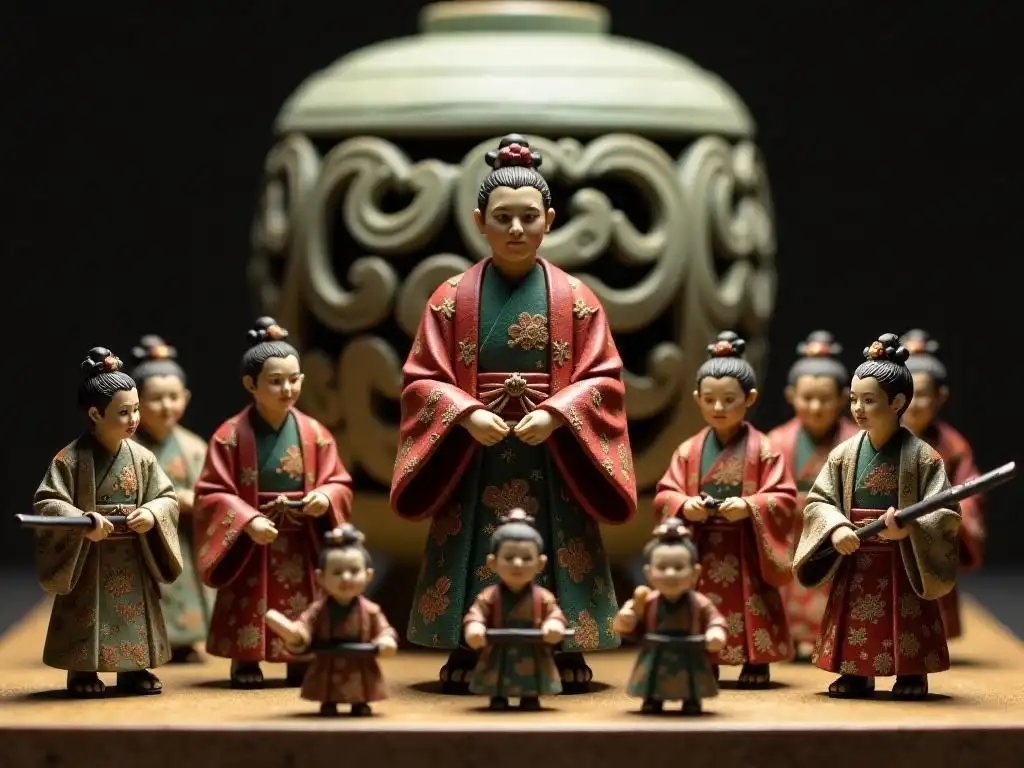
Feudal Japan collectible figurines represent a significant intersection between art and history. They are not simply relics of the past; they embody the enduring legacy of a culture that values craftsmanship, storytelling, and the preservation of tradition. As collectors and historians delve into the meanings behind these figurines, they uncover layers of context that enrich our understanding of Japan’s feudal era.
The aesthetic appeal of these collectibles is undeniable, yet their historical significance cannot be overstated. They provide insight into the social structures, artistic practices, and everyday life of a time long gone. By preserving the craftsmanship and narratives embedded in these pieces, collectors play a crucial role in keeping the history of feudal Japan alive for future generations.
As we reflect on the lasting legacy of these artifacts, it becomes clear that they are more than mere objects; they are vessels of cultural memory, reminding us of the complex tapestry of Japan’s past. Their stories continue to resonate, inviting new generations to explore and appreciate the depth of feudal Japanese history.
Call to Action: Explore More About Feudal Japan History
Delve deeper into the fascinating world of feudal Japan and discover the stories behind its collectible figurines. By exploring the history, culture, and craftsmanship of these artifacts, you can gain a richer perspective on this enchanting era.
Join us in uncovering the layers of history that these figurines represent and learn how they contribute to our understanding of Japanese heritage. Whether you are a passionate collector, a history enthusiast, or simply curious about feudal Japan, there is a wealth of knowledge waiting for you. Explore more about feudal Japan's captivating history today!
Recommended Resources and Further Reading
For those interested in delving deeper into the fascinating world of Feudal Japan collectible figurines, a myriad of resources is available that cover various aspects, including history, artistry, and cultural significance. Here’s a curated list of recommended resources that can enhance your understanding:
- Books
- The Art of Japanese Figurines by Hiroshi Tanaka: This book explores the artistic techniques and cultural contexts behind traditional Japanese figurines, providing insights into their aesthetic values as well as their historical significance.
- Collecting Japanese Figurines: A Guide to Historical Context by Yuki Matsumoto: An essential read for collectors, this guide offers historical overviews, collecting tips, and a comprehensive look at the evolution of figurine-making through the ages.
- Academic Journals
- Journal of Asian Studies: Articles in this journal often focus on the cultural and historical significance of various artifacts, including collectible figurines from the feudal era, providing scholarly perspectives and research findings.
- Museum Anthropology: This journal frequently features case studies and articles about the display and interpretation of cultural artifacts, including figurines, within museum settings.
- Online Resources
- The Japan Foundation: This organization offers a wealth of information regarding Japanese culture, including articles and papers on the significance of figurines in historical contexts.
- National Museum of Japanese History: Their website features a digital collection of figurines and related artifacts, along with detailed descriptions that highlight their historical roles in society.
- Documentaries and Videos
- Journey Through Feudal Japan: This documentary provides a visual exploration of daily life during the feudal era, featuring segments on the figurines that represented various societal roles and beliefs.
- YouTube channels dedicated to Japanese art history often publish videos discussing collectible figurines, showcasing both their artistic attributes and cultural relevance.
- Collectors’ Communities and Forums
- Engaging with online communities on platforms like Reddit or specialized collector forums can offer firsthand insights from enthusiasts and experts. These platforms often have threads dedicated to the history and significance of collectible figurines, making them a valuable resource for ongoing discussions.
By exploring these recommended resources, enthusiasts and collectors can gain a deeper appreciation for the intricate history and cultural significance of Feudal Japan collectible figurines. Whether you are a novice collector or a seasoned historian, these materials will enrich your understanding of the art and heritage that these figurines represent.
- Introduction to Feudal Japan Collectible Figurines History
- The Origins of Collectible Figurines in Feudal Japan
- The Evolution of Feudal Japan Collectible Figurines
- Key Features of Feudal Japan Collectible Figurines
- Collecting Feudal Japan Figurines: A Cultural Perspective
- The Market for Feudal Japan Collectible Figurines
- Preserving the History of Feudal Japan Through Collectibles
- Conclusion: The Lasting Legacy of Feudal Japan Collectible Figurines
- Call to Action: Explore More About Feudal Japan History
- Recommended Resources and Further Reading
- What are Feudal Japan collectible figurines?
- How do these figurines reflect the culture of Feudal Japan?
- What materials were used to create Feudal Japan collectible figurines?
- Why are Feudal Japan collectible figurines historically significant?
- How can one start collecting Feudal Japan collectible figurines?
Frequently Asked Questions
What are Feudal Japan collectible figurines?
Feudal Japan collectible figurines are miniature representations of figures from the historical era of feudal Japan, often depicting samurai, geisha, or mythical creatures that hold cultural significance.
How do these figurines reflect the culture of Feudal Japan?
These figurines serve as a representation of the artistic styles, social hierarchies, and religious beliefs of the time, capturing the essence of daily life and mythology prevalent in feudal society.
What materials were used to create Feudal Japan collectible figurines?
Typically, these figurines were crafted from materials such as wood, ceramics, and metal, each chosen for their availability and suitability for the intricate craftsmanship involved.
Why are Feudal Japan collectible figurines historically significant?
They are significant because they provide insight into the aesthetic values, traditions, and social structures of feudal Japan, allowing collectors and historians to better understand the era's cultural landscape.
How can one start collecting Feudal Japan collectible figurines?
To start collecting, research reputable sources, attend antique fairs, and connect with collectors or dealers specializing in Japanese antiques to find authentic pieces that reflect the historical significance of the era.
Final Reflection: The Enduring Legacy of Feudal Japan Collectible Figurines
The historical significance of Feudal Japan collectible figurines transcends mere aesthetics; they serve as a tangible connection to a rich cultural heritage that continues to resonate today. As we navigate a world increasingly driven by digital experiences, these figurines remind us of the importance of preserving and honoring our past. They encapsulate stories, traditions, and artistry that have shaped societies, making them not just collectibles but vital artifacts of human history.
The influence of Feudal Japan collectible figurines extends far beyond their physical form; they have become symbols of cultural identity and artistic expression. Collectors and enthusiasts alike find themselves drawn to the intricate craftsmanship and the narratives embedded within each piece. As noted by art historian Dr. Yuki Tanaka, These figurines are not only representations of historical figures but also reflections of the values and beliefs of the time.
This ongoing fascination highlights how these artifacts continue to inspire contemporary artists and collectors, fostering a deeper appreciation for the cultural narratives they embody.
As we reflect on the lessons from Feudal Japan's collectible figurines, I invite you to consider how you can incorporate this appreciation for history into your own life. Take a moment to explore the stories behind the objects you cherish, whether they are collectibles or everyday items. By doing so, you not only honor the past but also enrich your present, creating a bridge between generations. Let us celebrate the beauty of history and the connections it fosters, ensuring that the legacy of Feudal Japan continues to inspire future generations.
Unveil the Legacy of Feudal Japan!
Thank you for exploring the intricate world of feudal Japan collectible figurines with us! We hope you’ve gained valuable insights into their rich historical significance and cultural impact. Now, it’s time to deepen your appreciation further. Here are some actionable steps you can take:
- Start your own collection: Immerse yourself in history by visiting local antique shops or browsing online marketplaces to discover unique figurines that resonate with you.
- Join a community group or forum: Connect with fellow enthusiasts to share insights, trade tips, and exchange stories about your collections.
- Share your newfound knowledge: Write a blog post or update your social media about what you've learned. Inspire others to appreciate the beauty and significance of these remarkable pieces.
What story will your collectible figurines reveal about the culture and history of feudal Japan?