
How to Start Your Collection: A Beginner's Guide to Feudal Japan Figurines

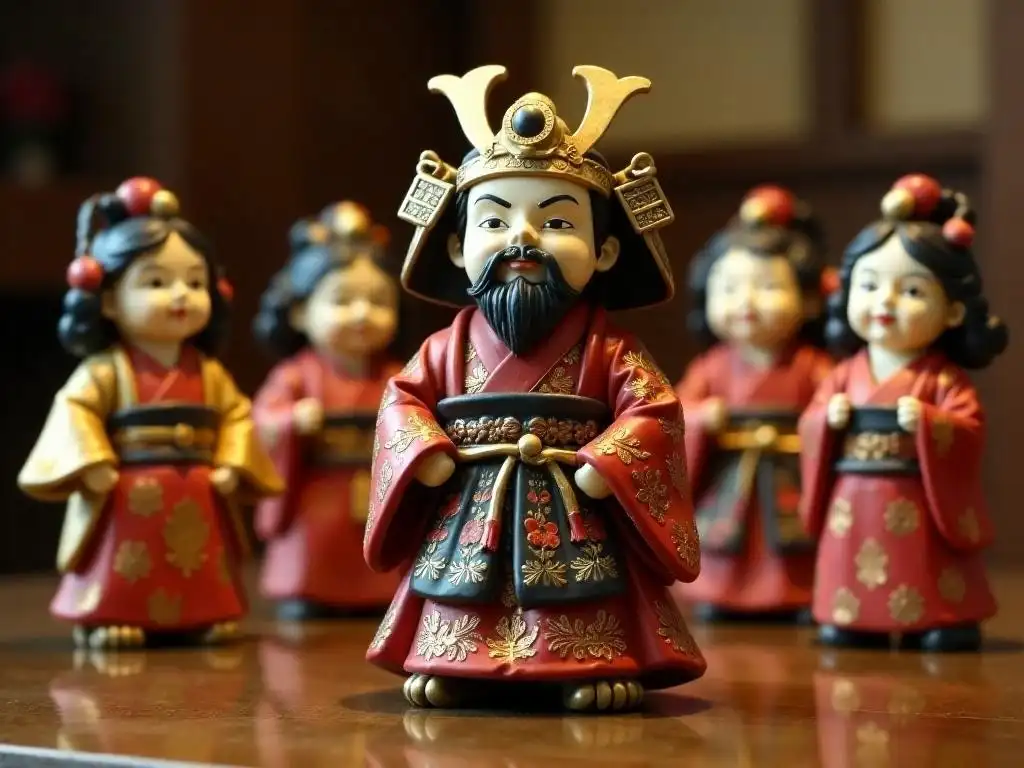
Welcome to Feudal Japan History, where we embark on a captivating journey through the intricate tapestry of Japan’s feudal era. Here, you’ll uncover not only the rich historical narratives but also the vibrant cultural artifacts that define this remarkable period. Are you ready to dive into the fascinating world of collecting feudal Japan figurines?
Our featured article, "How to Start Your Collection: A Beginner's Guide to Feudal Japan Figurines," invites you to explore the artistry and significance behind these enchanting pieces. Join us as we unravel the stories that breathe life into each figurine, and discover how to start your own collection today!
- Introduction to Collecting Feudal Japan Figurines
- Why Collect Feudal Japan Figurines?
- Getting Started with Collecting Feudal Japan Figurines
- Types of Feudal Japan Figurines to Collect
- Where to Find Feudal Japan Figurines
- Assessing the Quality of Figurines
- Caring for Your Collection of Feudal Japan Figurines
- Expanding Your Collection: Networking and Resources
- Conclusion: Embracing the Journey of Collecting Feudal Japan Figurines
- Frequently Asked Questions
- Final Reflection: Embracing the Art of Collecting Feudal Japan Figurines
- Embark on Your Collecting Adventure Today!
Introduction to Collecting Feudal Japan Figurines
Collecting feudal Japan figurines is a fascinating journey through history, culture, and artistry. This era, marked by samurai warriors, elegant geishas, and intricate craftsmanship, offers a rich tapestry that collectors can explore. As enthusiasts delve into this realm, they not only acquire beautiful pieces of art but also gain insights into the customs, traditions, and societal structures of feudal Japan.
In this beginner's guide, we will provide essential knowledge for starting your collection, discussing the allure of these figurines and their importance in preserving cultural heritage. Whether you are a novice collector or simply curious about the subject, this article will equip you with the foundational understanding needed to embark on your collection journey.
Understanding the Allure of Feudal Japan Figurines
Feudal Japan figurines captivate collectors for various reasons, blending history, artistry, and nostalgia. The intricate details and craftsmanship of these pieces often reflect the skill of artisans who dedicated their lives to creating beautiful works of art. Here are some aspects that contribute to their allure:
- Historical Representation: Each figurine tells a story, often representing significant historical figures or events from feudal Japan. Collectors appreciate the narratives behind the pieces, which can evoke a sense of connection to the past.
- Artistic Value: The craftsmanship of feudal Japan figurines showcases traditional techniques that have been passed down through generations. From the subtle expressions on a samurai's face to the flowing robes of a geisha, the artistry involved is a key attraction.
- Cultural Significance: These figurines often embody the values, beliefs, and aesthetics of feudal Japan. Collectors find joy in exploring how these elements are expressed through art, enhancing their understanding of Japanese culture.
Significance of Collectible Figurines in Cultural Heritage
Collecting feudal Japan figurines is not merely about acquiring decorative items; it plays a vital role in preserving and promoting cultural heritage. Here are some significant aspects of this practice:
- Cultural Preservation: By collecting these figurines, enthusiasts help to preserve the artistic traditions and historical narratives of feudal Japan. This contributes to a broader understanding of Japanese history and its influence on modern culture.
- Educational Value: Figurines serve as tangible artifacts that can educate both collectors and the public about the social structures, customs, and daily life during the feudal era. They can spark interest in further research and exploration of Japan's rich history.
- Community Building: Collectors often come together through clubs, online forums, or exhibitions, fostering a sense of community. This shared passion encourages discussions, knowledge exchange, and camaraderie among individuals who appreciate feudal Japan's cultural significance.
Collecting feudal Japan figurines is an enriching endeavor that goes beyond mere aesthetics. It invites enthusiasts to explore a pivotal period in Japanese history, appreciate the artistry involved, and contribute to the preservation of cultural heritage. Whether you're looking to start your collection or deepen your existing knowledge, understanding these aspects will enhance your appreciation for these remarkable figurines.
Why Collect Feudal Japan Figurines?
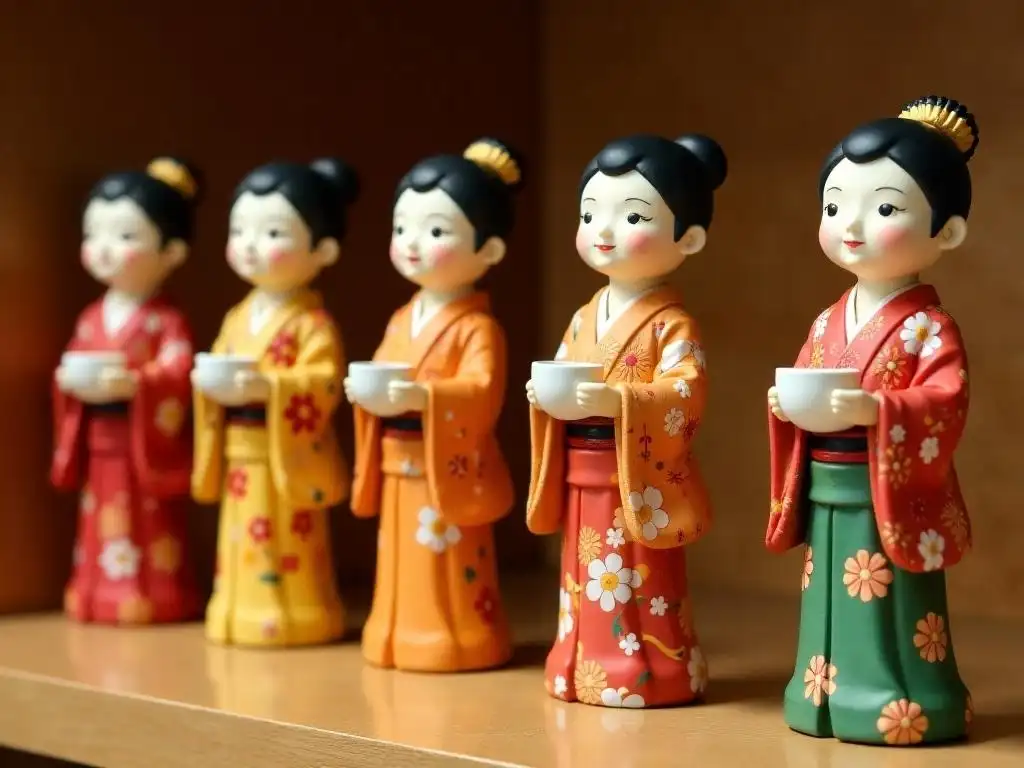
Collecting feudal Japan figurines offers enthusiasts a unique opportunity to engage deeply with a rich historical and cultural narrative. These figurines are not merely decorative items; they encapsulate the essence of a bygone era, allowing collectors to connect with the stories and traditions that shaped Japan during its feudal period. Here are several compelling reasons to consider starting a collection:
- Historical Appreciation: Each figurine serves as a gateway to understanding the complex history of feudal Japan, from the samurai class to the intricacies of everyday life.
- Artistic Value: The craftsmanship involved in creating these figurines reflects the artistic styles and techniques of the time, making them significant not just as collectibles but also as pieces of art.
- Cultural Preservation: By collecting these figurines, individuals contribute to the preservation and appreciation of Japanese culture and history, ensuring that these stories are passed on to future generations.
The Historical Context of Figurine Collecting
The practice of figurine collecting in Japan has deep roots, often tied to various societal roles and historical events. During the feudal era, which spanned from the 12th to the 19th century, figurines often depicted prominent figures such as samurai, geishas, and mythical creatures. Collectors today can find a myriad of styles that reflect the historical context of their creation.
- Samurai Figurines: These represent the warrior class, showcasing their armor, weapons, and distinct postures. Collecting samurai figurines offers insights into their codes of honor and societal roles.
- Geisha Figurines: Representing the cultural and artistic heritage of Japan, geisha figurines capture the elegance and grace of these entertainers, reflecting the aesthetics of their time.
- Mythical Creatures: Many figurines depict creatures from Japanese folklore, such as dragons and kitsune (fox spirits), which reveal the spiritual beliefs and narratives that permeated society.
The evolution of these figurines over time mirrors changes in Japanese society, making them a fascinating subject for collectors and historians alike.
Cultural Significance of Feudal Japan Figurines
Feudal Japan figurines hold significant cultural value that extends beyond their physical appearance. They are symbolic representations of the ideals, beliefs, and daily life of the time. Understanding their cultural significance can enhance the collecting experience:
- Symbolism: Each figurine carries a wealth of symbolism. For example, a figurine of a samurai might symbolize honor and loyalty, while a geisha figurine could represent beauty and grace. Collectors often seek these symbols to resonate with their personal values or aspirations.
- Connection to Festivals and Traditions: Many figurines are associated with traditional festivals, celebrations, or rituals. Collecting them can provide insights into the various cultural practices that characterized feudal Japan.
- Regional Variations: Different regions of Japan produced unique styles of figurines, reflecting local customs and artistic preferences. Collecting these variations allows for a broader understanding of the diverse cultural landscape of Japan.
Emotional Connection and Storytelling Through Collectibles
Collecting feudal Japan figurines is not just a hobby; it can be a deeply emotional experience. Each piece tells a story and invites collectors to create their own narratives.
- Personal Narratives: Collectors often find themselves drawn to specific figurines that resonate with their personal experiences or interests. This connection fosters a deeper appreciation and investment in their collection.
- Historical Storytelling: Figurines can serve as conversation starters, allowing collectors to share the stories behind each piece with friends, family, or fellow enthusiasts. This exchange of knowledge enriches the collector's journey.
- Community and Connection: Engaging with fellow collectors can cultivate a sense of community. Whether through online forums or local meetups, sharing insights and experiences can enhance the emotional connection to the collection.
Collecting feudal Japan figurines is a multifaceted journey that combines historical appreciation, cultural significance, and personal storytelling. As collectors embark on this path, they not only gather physical items but also weave together the threads of history, culture, and personal connection that define the rich tapestry of feudal Japan.
Getting Started with Collecting Feudal Japan Figurines
Setting Your Goals for Collecting
When embarking on the journey of collecting feudal Japan figurines, it's essential to set clear goals that will guide your acquisition process. These goals can range from aesthetic preferences to historical significance, and having a defined focus will help streamline your collection efforts.
Defining Your Collecting Focus (e.g., Samurai, Geisha, Mythical Creatures)
Your first step is to determine the specific themes or categories that resonate with you. Here are some popular focuses within feudal Japan figurine collections:
- Samurai: These warriors symbolize honor and bravery. Collecting samurai figurines often involves a deep appreciation for their armor, weapons, and the historical context of their stories.
- Geisha: Representing grace and beauty, geisha figurines capture the elegance of Japanese culture. Collectors may focus on specific geisha styles, traditional attire, or the artistry behind their craftsmanship.
- Mythical Creatures: Japanese folklore is rich with mythical beings such as dragons, kitsune (fox spirits), and tengu (bird-like creatures). These figurines can be particularly captivating due to their intricate designs and the stories they embody.
- Historical Figures: Consider collecting representations of influential historical figures from the feudal era, such as famous shoguns or daimyo. This focus allows for a deeper understanding of Japan's history.
- Artistic Styles: You might choose to collect figurines based on particular artistic styles, such as Kintsugi (the art of repairing pottery) or Edo period aesthetics. This approach can lead to a diverse collection that showcases various artistic expressions.
By defining your collecting focus, you can create a coherent collection that not only reflects your interests but also enhances your appreciation of feudal Japan's rich cultural heritage.
Budgeting for Your Collection
Budgeting is a critical aspect of collecting feudal Japan figurines. Understanding how much you can afford and what to expect in terms of pricing will help you make informed decisions and avoid overspending.
Understanding Price Ranges for Collectible Figurines
The price of collectible feudal Japan figurines can vary significantly based on several factors, including:
| Factor | Price Range |
|---|---|
| Material | |
| - Plastic | $10 - $50 |
| - Resin | $20 - $200 |
| - Porcelain | $50 - $500 |
| - Bronze | $100 - $1000+ |
| Size | |
| - Small (under 6") | $10 - $100 |
| - Medium (6"-12") | $50 - $300 |
| - Large (over 12") | $100 - $2000+ |
| Condition | |
| - New | Higher price, typically |
| - Used (mint) | Moderate price |
| - Vintage | Varies greatly, often high |
Tips for Budgeting:
- Research: Before making a purchase, research the figurines you are interested in to understand their market value. Online marketplaces, collector forums, and auction sites can provide valuable insights.
- Prioritize: If you have a limited budget, prioritize your purchases based on your collecting goals. It might be wise to start with a few key pieces before expanding your collection.
- Network: Join collector groups or attend conventions to learn from experienced collectors. They can offer valuable advice on pricing and where to find good deals.
- Consider Quality Over Quantity: Focus on acquiring high-quality pieces rather than a large number of lower-quality items. This approach often leads to a more rewarding collection that appreciates in value.
By understanding the price ranges and budgeting effectively, you'll set yourself up for a successful and enjoyable collecting experience in the fascinating world of feudal Japan figurines.
Types of Feudal Japan Figurines to Collect

When embarking on the journey of collecting feudal Japan figurines, it’s essential to understand the different types available. These figurines can be broadly categorized into traditional handcrafted pieces and modern reproductions. Each type carries its own charm, history, and significance, making them unique additions to any collection.
Traditional Handcrafted Figurines
Traditional handcrafted figurines are often steeped in history and cultural significance. These pieces are meticulously created by artisans using techniques passed down through generations, reflecting the craftsmanship and artistry of feudal Japan.
Notable Examples: Kokeshi Dolls, Netsuke
- Kokeshi Dolls:
- Originating from the Tohoku region, Kokeshi dolls are simple wooden dolls characterized by their cylindrical bodies and large heads. Traditionally, they were crafted as toys for children or as souvenirs for visitors.
- Collecting Tip: Look for variations in design and painting styles, as these can indicate the doll’s region of origin and the artisan’s technique.
- Netsuke:
- Netsuke are miniature sculptures that were originally used as toggles to secure pouches to the obi (sash) of kimonos. They often depict animals, mythical creatures, and scenes from Japanese folklore.
- Collecting Tip: Focus on the material and intricacy of the carvings; ivory and wood netsuke are particularly prized. Authenticity can often be determined by examining the craftsmanship and the presence of wear.
Modern Reproductions
In recent years, modern reproductions of feudal Japan figurines have gained popularity among collectors. These pieces often blend traditional aesthetics with contemporary manufacturing methods, making them accessible and appealing to a broader audience.
Recommended Brands: Bandai, Good Smile Company
- Bandai:
- Known for its high-quality figurines and toys, Bandai frequently releases collectible figures inspired by historical themes, including feudal Japan. Their attention to detail and articulation make them a favorite among collectors.
- Collecting Tip: Keep an eye out for limited edition releases, which can significantly increase in value over time.
- Good Smile Company:
- This brand specializes in figures from anime and video games but has also produced a range of stylized feudal Japan figures. Their products often feature vibrant colors and dynamic poses, appealing to both collectors and fans of Japanese culture.
- Collecting Tip: Look for collaboration pieces with well-known artists or franchises, as these tend to be more sought after.
Whether you gravitate toward traditional handcrafted pieces or modern reproductions, collecting feudal Japan figurines offers a fascinating glimpse into the rich cultural heritage of Japan. Both types provide unique opportunities for collectors to explore the artistic expressions of different eras and styles.
Limited Edition and Rare Finds
Collecting feudal Japan figurines can become a captivating hobby, especially when it comes to seeking out limited edition and rare pieces. These figurines often represent significant historical events, cultural icons, or famed samurai, making them not only valuable but also rich in storytelling potential. Limited edition figurines are typically produced in small quantities, which enhances their desirability among collectors.
One notable aspect of limited edition figurines is their often intricate craftsmanship. These pieces are frequently made by renowned artisans or companies that specialize in traditional Japanese art forms. As a result, they may feature unique materials, such as hand-painted details or high-quality porcelain, setting them apart from mass-produced items. Collectors often seek these items not only for their aesthetic value but also for their investment potential, as rare finds can significantly appreciate over time.
Additionally, the market for feudal Japan figurines can be quite dynamic. Trends may shift based on popular culture, historical anniversaries, or even the release of films and shows that spotlight the feudal era. This makes the hunt for limited edition and rare finds an exciting adventure, as collectors must stay informed about new releases and market fluctuations.
Tips for Finding Rare Feudal Japan Figurines
Finding rare feudal Japan figurines can be a challenging yet rewarding endeavor. Here are some practical tips to enhance your search:
- Research Online Auctions and Marketplaces: Websites like eBay, Etsy, and specialized auction sites often feature rare collectibles. Set alerts for specific keywords like "feudal Japan figurines" or "limited edition samurai" to stay updated on new listings.
- Join Collectors' Forums and Groups: Engaging with fellow collectors can provide valuable insights and leads on rare finds. Online communities or social media groups dedicated to Japanese collectibles often share tips on where to find unique pieces.
- Visit Antique Shops and Flea Markets: Local antique shops and flea markets can be treasure troves for collectors. Many vendors may carry unique items that are not available online. Be sure to visit frequently, as inventory can change rapidly.
- Attend Collectible Shows and Conventions: Participating in collectible shows or conventions focused on Japanese culture can provide access to exclusive figurines from various vendors. Networking at these events can also help you discover private collectors willing to sell rare items.
- Connect with Artisans and Manufacturers: Following the work of specific artisans or manufacturers who specialize in feudal Japan figurines can lead you to limited edition releases. Many creators announce exclusive drops on their websites or through social media.
- Keep Documentation: When you do find a rare piece, ensure you keep documentation of its authenticity and provenance. This information can increase its value and desirability in the future.
By implementing these strategies, collectors can enhance their chances of uncovering rare and limited edition feudal Japan figurines, enriching their collections and deepening their appreciation for this fascinating era in history.
Where to Find Feudal Japan Figurines
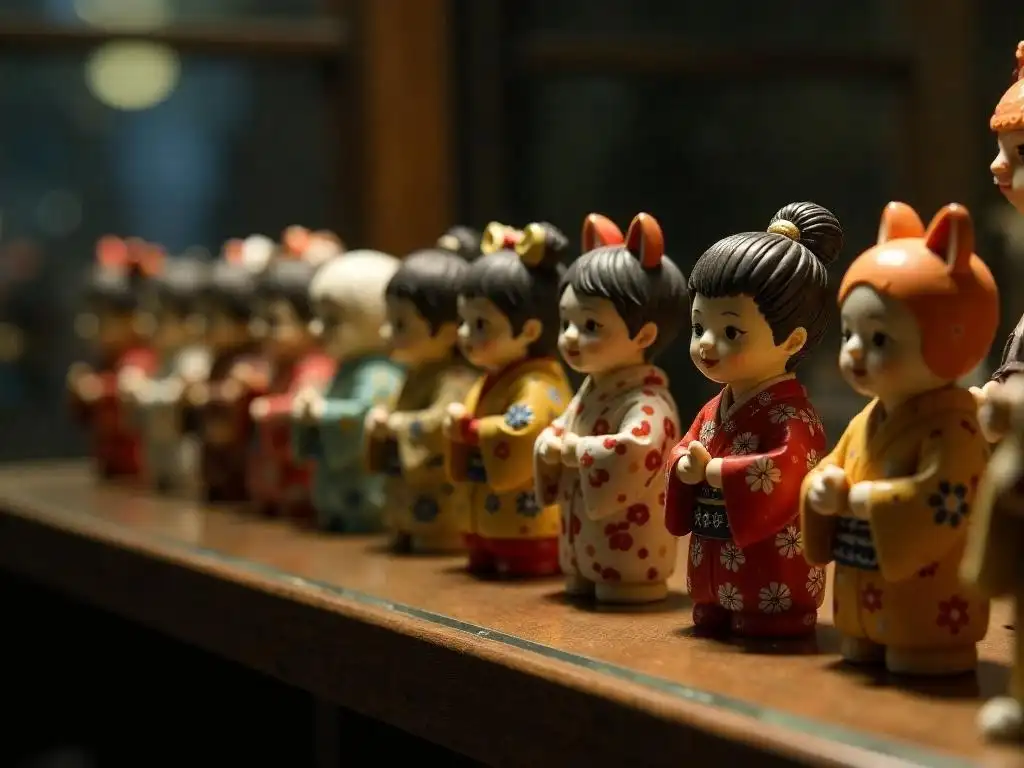
Collecting feudal Japan figurines is an exciting journey that connects enthusiasts with Japan's rich history and culture. To kick-start your collection, knowing where to find these unique items is crucial. Below are some of the best avenues to explore.
Online Marketplaces
Online platforms offer a wealth of options for collectors, making it easier to find rare and unique figurines from the comfort of your own home. Here are some of the most popular online marketplaces for collecting feudal Japan figurines:
Best Platforms: eBay, Etsy, Amazon
-
eBay:
eBay is a treasure trove for collectors. With a vast array of sellers, you can find everything from vintage figurines to contemporary interpretations of feudal Japan figures. Use the search filters to narrow down your options by category, price range, and condition.
- Tips for eBay:
- Look for sellers with high ratings and positive feedback.
- Check for return policies to ensure satisfaction with your purchase.
- Tips for eBay:
-
Etsy:
Etsy is the go-to platform for handmade and vintage items. You'll find artisans and collectors offering unique feudal Japan figurines that may not be available elsewhere. This platform is particularly good for one-of-a-kind pieces and custom orders.
- Tips for Etsy:
- Use specific keywords in your search, such as "samurai figurine" or "Noh theater dolls."
- Review seller profiles and customer ratings before making a purchase.
- Tips for Etsy:
-
Amazon:
While Amazon may not be the first choice for collectible items, it does have a growing selection of feudal Japan figurines. With reliable shipping and customer service, it's a convenient option for collectors.
- Tips for Amazon:
- Check the "Used & New" section for better deals.
- Read product descriptions carefully to ensure authenticity.
- Tips for Amazon:
Local Collectible Shops and Fairs
For those who prefer a hands-on approach, local collectible shops and fairs are excellent places to discover feudal Japan figurines. These venues provide opportunities to see items up close and interact with knowledgeable vendors.
How to Identify Quality Vendors
When visiting local shops or fairs, it's essential to identify quality vendors to ensure you're purchasing authentic and well-crafted pieces. Here are some tips to help you assess vendors effectively:
- Research and Reviews:
- Before visiting, look up the shop or fair online. Read reviews to gauge customer experiences.
- Expertise and Passion:
- Engage with the vendor. A knowledgeable vendor will be passionate about feudal Japan and should be able to provide context about the figurines' historical significance and craftsmanship.
- Authenticity Checks:
- Look for signs of authenticity, such as maker's marks, certificates of authenticity, or provenance documentation. High-quality pieces often come with these details.
- Condition Assessment:
- Examine the figurines for any damage, repairs, or signs of wear. Quality vendors will provide accurate descriptions of their items' condition.
- Networking:
- Build relationships with local collectors and vendors. They can provide valuable tips and may inform you of upcoming sales or fairs featuring feudal Japan figurines.
By exploring both online and local avenues, you can build a diverse and meaningful collection of feudal Japan figurines that reflects your interests and passion for this fascinating era in history.
Auctions and Estate Sales
Auctions and estate sales are treasure troves for collectors seeking unique and authentic feudal Japan figurines. These events often showcase rare pieces that may not be readily available in standard retail outlets. Participating in auctions can be an exhilarating experience, allowing collectors to engage with both the history and artistry of these collectibles. The figurines that emerge from feudal Japan often reflect the rich cultural heritage and craftsmanship of the era, making them not only valuable in terms of monetary worth but also in historical significance.
Estate sales, often held when a homeowner relocates or downsizes, can provide a more intimate setting for discovering figurines. These sales may feature a variety of items collected over decades, including historically significant pieces. By attending these events, collectors can sometimes negotiate prices directly with sellers, enhancing the thrill of the hunt.
For those new to collecting, it’s essential to familiarize oneself with the types of figurines that were produced during the feudal era, such as samurai, geisha, and mythical creatures. Understanding the characteristics of these pieces, such as materials, craftsmanship, and provenance, will help collectors make informed decisions when bidding or purchasing at these events.
Tips for Bidding on Collectible Figurines
Bidding on collectible figurines at auctions can be both exciting and intimidating for beginners. Here are several tips to help you navigate the process effectively:
- Do Your Research: Before the auction, familiarize yourself with the figurines you are interested in. Research their historical significance, typical market values, and how to identify authentic pieces. Websites, collector forums, and books on feudal Japan collectibles can provide valuable insights.
- Set a Budget: Determine a budget for how much you are willing to spend on figurines before the auction starts. This helps prevent impulsive purchases and keeps your collection financially manageable.
- Attend Previews: Many auctions allow potential buyers to preview items before bidding. Take this opportunity to inspect the figurines closely, assessing their condition, authenticity, and overall appeal.
- Understand the Auction Process: Familiarize yourself with how bidding works. Auctions can be live, online, or silent, each with its own set of rules. Knowing how to place bids and what increments to follow can enhance your confidence.
- Start Small: If you're new to auctions, consider starting with lower-value items to gain experience. As you become more comfortable with the process, you can gradually increase your bids on more valuable pieces.
- Be Patient: The excitement of auctions can lead to hasty decisions. If you find yourself in a bidding war, take a moment to assess whether the price aligns with your budget and the item's value.
- Network with Other Collectors: Building relationships with other collectors can provide insights into the auction landscape. They can share their experiences, recommend upcoming auctions, and even alert you to potential figurine finds.
By following these tips, beginners can enhance their auction experience and increase the chances of building a diverse and valuable collection of feudal Japan figurines. Happy collecting!
Assessing the Quality of Figurines
When embarking on the journey of collecting feudal Japan figurines, understanding how to assess the quality of these collectibles is crucial. Quality not only affects the aesthetic value of the figurines but also their long-term investment potential. Here are some key features that collectors should focus on when evaluating feudal Japan figurines.
Key Features to Look For in Feudal Japan Figurines
Material Types: Wood, Porcelain, Resin
- Wood:
- Traditional figurines often feature intricate carvings from high-quality wood, such as cherry or cedar.
- Look for signs of natural grain and smooth finishes; these indicate skilled craftsmanship.
- Pros: Authenticity and historical significance.
- Cons: Susceptible to moisture and warping over time.
- Porcelain:
- Known for its fine detail and vibrant colors, porcelain figurines are often used for ceremonial purposes.
- Check for a translucent quality when held against light; this indicates high-quality porcelain.
- Pros: Durable and retains color well.
- Cons: More fragile than wood or resin.
- Resin:
- A modern alternative that allows for detailed designs and is often more affordable.
- While resin can mimic the appearance of wood or porcelain, check for quality by looking at the finish; high-quality resin should have a smooth, even surface without bubbles or imperfections.
- Pros: Cost-effective and lightweight.
- Cons: Less valued among purists.
Signs of Authenticity and Craftsmanship
Authenticity is paramount when collecting figurines, as the market is rife with reproductions. Knowing how to spot genuine artifacts will enhance your collection's value and integrity.
Identifying Genuine Artifacts vs. Reproductions
- Craftsmanship Details:
- Genuine figurines often display meticulous attention to detail, such as hand-painted features and intricate designs.
- Look for uneven paint strokes and minor imperfections; these are signs of handmade artistry.
- Maker's Mark:
- Authentic pieces often bear a maker's mark or signature. Research common marks associated with traditional Japanese figurine makers.
- Check for the placement of the mark; it should be discreet yet visible, typically found on the base of the figurine.
- Age Indicators:
- Examine the wear patterns; older figurines might show signs of aging, such as slight fading or discoloration.
- Compare the patina or sheen; authentic pieces develop a unique character over time that reproductions lack.
- Documentation:
- If possible, obtain provenance or certificates of authenticity. These documents can significantly bolster the value and legitimacy of the figurine.
- Price Comparison:
- Be wary of prices that seem too good to be true. Authentic feudal Japan figurines, especially those of high quality, tend to hold significant value.
By focusing on these key features and signs of authenticity, collectors will be better equipped to build a meaningful collection of feudal Japan figurines that reflect the rich cultural heritage of this fascinating era. Happy collecting!
Caring for Your Collection of Feudal Japan Figurines
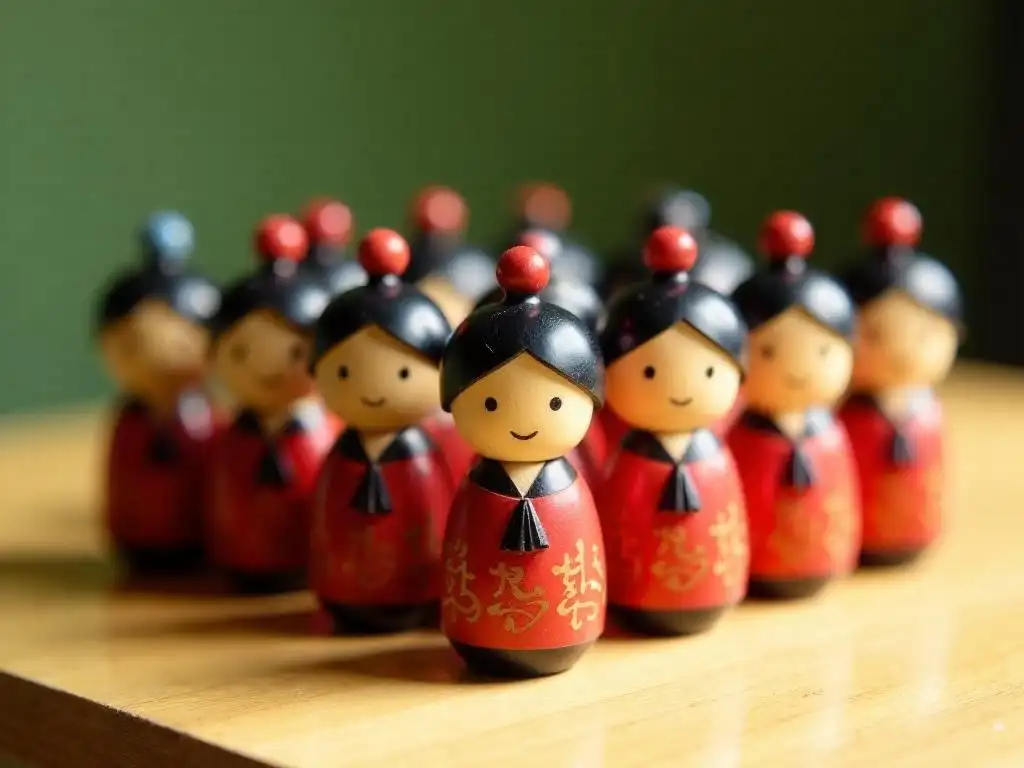
Caring for your collection of Feudal Japan figurines is essential to preserve their beauty and value. Each piece often embodies intricate craftsmanship and historical significance, making it vital to implement proper care techniques. Understanding how to display, maintain, and clean your figurines will ensure they remain in pristine condition for years to come.
Proper Display Techniques
When displaying your Feudal Japan figurines, the goal is to showcase their artistic details while protecting them from potential damage. Here are some effective display techniques:
- Choose the Right Location:
- Avoid Direct Sunlight: Prolonged exposure to sunlight can cause fading and discoloration.
- Stable Environment: Ensure the display area has consistent temperature and humidity levels to prevent warping or cracking.
- Use Appropriate Shelving:
- Glass Cabinets: These provide protection from dust while allowing visibility.
- Floating Shelves: They can create a modern look and are great for smaller spaces.
- Arrange Thoughtfully:
- Group figurines by theme, era, or color to create a visually appealing display.
- Leave enough space between pieces to avoid accidental contact or tipping.
- Limit Handling:
- Minimize the frequency of moving or touching the figurines to reduce wear and tear.
Recommended Display Cases and Stands
To enhance the presentation and protection of your collection, consider the following display cases and stands:
| Type | Description | Benefits |
|---|---|---|
| Glass Display Cases | Enclosed cabinets made of glass and wood | Protects from dust, provides visibility |
| Acrylic Stands | Clear acrylic stands specifically designed for figurines | Lightweight, durable, and unobtrusive |
| Rotating Display Stands | Allows for 360-degree viewing of figurines | Showcases intricate details from all angles |
| Shadow Boxes | Deep frames that can hold figurines with a backdrop | Adds depth and artistic flair to displays |
Maintenance and Cleaning Tips
Regular maintenance is crucial for your Feudal Japan figurines to keep them looking their best. Here are some practical tips for maintaining your collection:
- Inspect Regularly:
- Check for dust accumulation, cracks, or any signs of damage.
- Handle with Care:
- Always handle figurines with clean hands or gloves to avoid oils and dirt transferring onto the surface.
Best Products for Cleaning Figurines
Cleaning your figurines correctly is vital to preventing damage. Here are some of the best products and techniques:
- Soft Brushes:
- Use a soft-bristled brush to gently remove dust without scratching the surface.
- Microfiber Cloths:
- Ideal for wiping down surfaces; these cloths trap dust without leaving fibers behind.
- Mild Soap Solutions:
- A mixture of water with a few drops of gentle soap can be used for deeper cleaning. Always test on a small area first.
- Specialized Cleaning Solutions:
- Look for products specifically designed for collectibles that do not contain harsh chemicals.
By implementing these display techniques and maintenance tips, you can ensure that your collection of Feudal Japan figurines remains a treasured part of your cultural heritage for years to come.
Expanding Your Collection: Networking and Resources

Joining Collectors' Communities
Connecting with fellow collectors is essential when starting your journey into collecting feudal Japan figurines. Engaging with others who share your passion can provide invaluable insights, tips, and support. Here are some ways to effectively network within the collecting community:
- Online Forums: Participating in forums dedicated to collectible figurines can help you exchange knowledge and resources. These platforms often have sections specifically for feudal Japan collectibles where collectors share their experiences and advice.
- Social Media Groups: Platforms like Facebook and Reddit host various groups focused on collecting. Joining these groups allows you to interact directly with other collectors, post questions, and share your collection.
- Local Collectors Clubs: Look for clubs in your area that focus on collectibles or specifically on Japanese culture. These clubs often organize meetings, exhibitions, and swaps, which can enhance your collecting experience.
- Conventions and Fairs: Attending conventions related to Japanese culture or collectibles is a fantastic way to meet other enthusiasts, discover new figurines, and learn about upcoming trends in the market.
Tip: Don’t hesitate to ask questions! Most collectors are happy to share their knowledge and experiences with newcomers.
Recommended Forums and Social Media Groups
To help you get started, here are some recommended online communities:
- Facebook Groups:
- "Feudal Japan Collectors Unite" – A vibrant community for collectors at all levels.
- "Japanese Figurines and Artifacts" – A place to showcase your collection and ask for advice.
- Reddit Communities:
- r/Collectibles – A general forum where you can find threads related to feudal Japan figurines.
- r/JapaneseCulture – While broader in scope, this subreddit often discusses collectibles and related themes.
- Online Forums:
- MyFigureCollection.net – A comprehensive website dedicated to figure collecting, with a specific section for Japanese figurines.
- Figure.fm – A forum that also includes discussions on collecting and displaying figurines.
Resources for Learning More
To deepen your understanding of feudal Japan and enhance your collecting experience, numerous resources are available. These materials can provide historical context, cultural significance, and tips for identifying authentic figurines.
- Books: Delve into literature that covers both feudal Japan and collectible figurines. Notable titles include:
- "The Art of Japanese Figurines" by [Author Name] – A detailed exploration of traditional and contemporary figurines.
- "Collecting Japanese Art" by [Author Name] – This book provides insights into various collectible forms, including figurines.
- Documentaries: Visual storytelling can provide a richer context for the historical and cultural significance of feudal Japan:
- "The Samurai: Warriors of Japan" – A documentary that delves into the life of samurai, which often inspires many figurine designs.
- "Japan: Memoirs of a Secret Empire" – This series covers the history of Japan during the feudal era, enhancing your appreciation for the figures you collect.
- Online Courses: Platforms like Coursera and Udemy offer courses on Japanese art and culture that can enhance your knowledge:
- "Introduction to Japanese Art" – A course that provides a broad overview, helping collectors appreciate the artistic heritage behind their figurines.
- "The History of the Samurai" – This course offers insights into the samurai culture, which is often reflected in collectible figurines.
Remember: Knowledge is power. The more you learn about the history and artistry behind your figurines, the more rewarding your collecting experience will be!
Conclusion: Embracing the Journey of Collecting Feudal Japan Figurines
Reflecting on Your Collection's Growth and Impact
As you embark on the journey of collecting feudal Japan figurines, it’s essential to take a moment to reflect on the growth and impact of your collection. Each piece you acquire not only enhances your collection but also serves as a tangible connection to the rich history and culture of feudal Japan.
- Personal Growth: Collecting can be a deeply personal endeavor, allowing you to develop an appreciation for the artistry and craftsmanship of each figurine. Over time, you may find that your understanding of feudal Japan’s historical narratives—such as the samurai’s code of honor or the daily lives of the nobility—grows alongside your collection.
- Community Engagement: Your collection can also serve as a bridge to connect with fellow enthusiasts. Joining online forums, attending conventions, or participating in local meetups can enhance your experience as you share stories and insights about your figurines. Engaging with others who share your passion can lead to deeper knowledge and a sense of belonging within the collector community.
- Historical Preservation: Each figurine you collect contributes to the preservation of cultural heritage. By showcasing these items, you help keep the stories of feudal Japan alive, ensuring that future generations can appreciate the intricate details and historical significance of these artifacts.
Encouragement to Dive Deeper into Feudal Japan History
As you continue your journey into collecting feudal Japan figurines, we encourage you to dive deeper into the history that surrounds these remarkable artifacts.
- Research and Learning: Consider dedicating time to research the various aspects of feudal Japan, from the political systems to societal norms. Understanding the context behind each figurine can deepen your appreciation for what you collect. Look for books, documentaries, and online resources that focus on specific periods or events within feudal Japan.
- Explore Related Collectibles: While figurines are a fantastic entry point, you might find joy in exploring related collectibles such as traditional textiles, pottery, or even samurai armor replicas. This broader exploration can enhance your understanding of the cultural landscape of feudal Japan and enrich your collection.
- Join Local Exhibits and Museums: Engaging with local museums or cultural exhibits can provide first-hand experiences of art and artifacts from feudal Japan. Many museums offer guided tours or special events that can further your knowledge and appreciation of the era.
Collecting feudal Japan figurines is not just about acquiring items; it’s about embracing a journey that connects you to a fascinating historical period. Enjoy the process, continue learning, and let your collection reflect your growing passion for the captivating world of feudal Japan.
Frequently Asked Questions
What are feudal Japan figurines?
Feudal Japan figurines are miniature representations of figures from Japan's feudal era, often depicting samurai, geisha, or historical warriors. These collectibles reflect the cultural and historical significance of the time.
How can I start collecting feudal Japan figurines?
To start collecting, focus on researching reputable dealers and shops that specialize in historical collectibles. Begin with a few pieces that resonate with you, and gradually expand your collection based on your interests and budget.
What should I consider when buying feudal Japan figurines?
When buying, consider the authenticity, craftsmanship, and condition of the figurines. Additionally, check for documentation or provenance to ensure that you are acquiring genuine pieces.
Where can I find feudal Japan figurines for sale?
You can find feudal Japan figurines at various places, including antique shops, online marketplaces, and specialized collectible fairs. Always verify the seller’s reputation before making a purchase.
How do I care for my feudal Japan figurines?
To care for your figurines, keep them in a dust-free environment, away from direct sunlight to prevent fading. Regularly clean them with a soft, dry cloth to maintain their appearance and integrity.
Final Reflection: Embracing the Art of Collecting Feudal Japan Figurines
Collecting feudal Japan figurines is not merely a hobby; it is a bridge connecting us to a rich tapestry of history, culture, and artistry. In today's fast-paced world, where digital distractions abound, the act of collecting serves as a grounding experience, allowing us to appreciate the craftsmanship and stories behind each piece. The resurgence of interest in historical artifacts highlights a collective yearning for authenticity and connection to our past. This journey into the world of feudal Japan figurines invites us to explore not only the aesthetic beauty of these items but also the profound narratives they embody.
The influence of feudal Japan figurines extends beyond mere aesthetics; they serve as cultural ambassadors that foster appreciation for a time and place often romanticized yet misunderstood. As collectors, we become custodians of this heritage, sharing its significance with others and enriching our communities. Art is the most beautiful of all lies.
This quote resonates deeply within the realm of collecting, reminding us that while these figurines may represent a bygone era, they also inspire us to reflect on our own identities and the stories we wish to tell through our collections.
As you embark on your journey of collecting feudal Japan figurines, I encourage you to embrace the stories behind each piece and the connections they foster. Take a moment to reflect on what draws you to this art form and how it enriches your life. Whether you are a seasoned collector or just starting, remember that each figurine is a portal to a world filled with history, artistry, and personal meaning. Let your collection be a testament to your passion and a source of inspiration for others to explore the beauty of feudal Japan.
Embark on Your Collecting Adventure Today!
Thank you for diving into the world of Feudal Japan figurines! You've gained valuable insights into starting your collection, and now it's time to put that knowledge into action. Whether you’re captivated by art, history, or cultural significance, your journey doesn’t have to stop here.
Here’s how you can take the next steps:
- Begin your collection by selecting your first figurine—choose one that resonates with you personally! Visit online marketplaces or local shops specializing in Japanese antiques.
- Explore community forums or local clubs where fellow collectors share tips, insights, and possibly even trade items. Connecting with others can enrich your journey.
- Share your newfound passion on social media! Post about your collection journey using the hashtag #FeudalJapanFigures to inspire others and join a broader conversation.
What inspires you most about the art and culture of Feudal Japan? Let us know in the comments below!