
Cultural Symbols in Collectible Feudal Japan Figurines: What They Represent

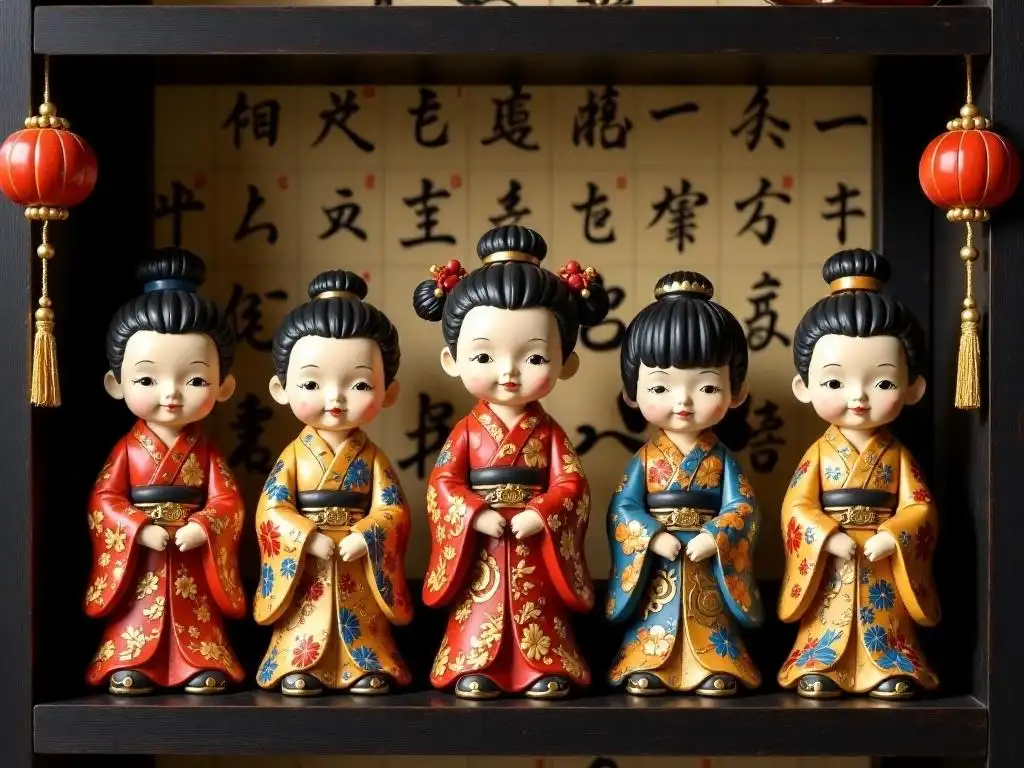
Welcome to Feudal Japan History, where we invite you to embark on a captivating journey through the intricate tapestry of Japan's feudal era. As you delve into our latest article, “Cultural Symbols in Collectible Feudal Japan Figurines: What They Represent,” you'll uncover the meaning of feudal Japan figurines—artifacts that tell stories of power, tradition, and artistry.
What secrets do these delicate figures hold, and how do they reflect the rich cultural heritage of a bygone era? Join us as we explore the significance behind these collectibles, igniting your curiosity and deepening your appreciation for the fascinating world of feudal Japan.
- Introduction to Feudal Japan Figurines
- Historical Context of Feudal Japan
- Common Cultural Symbols in Feudal Japan Figurines
- Artistic Techniques in Feudal Japan Figurines
- The Collectible Market for Feudal Japan Figurines
- Significance of Cultural Symbols in Modern Collecting
- Conclusion: Understanding the Meaning of Feudal Japan Figurines
- Recommendations for Collectors
- Frequently Asked Questions
- Final Reflection: The Enduring Significance of Feudal Japan Figurines
- Unveil the Stories Behind Your Collectibles!
Introduction to Feudal Japan Figurines
The world of feudal Japan is rich with history, culture, and artistry, and collectible figurines from this era serve as tangible representations of its multifaceted legacy. These figurines, often crafted with intricate detail, encapsulate not only the aesthetic values of their time but also the profound cultural symbols that define Japanese heritage.
As we delve into the meaning of feudal Japan figurines, we uncover the stories they tell about the social structures, beliefs, and artistic expressions of a bygone era. This exploration will illuminate the significance of these collectibles and highlight their role in preserving the historical narrative of feudal Japan.
Understanding the Meaning of Feudal Japan Figurines
Feudal Japan figurines are more than mere decorative objects; they are imbued with symbolism and meaning that reflect the societal values and beliefs of their time. Each figurine often depicts various aspects of samurai culture, religious practices, and folklore, providing insight into the lives of people during the feudal period.
- Samurai Representations
- Honor and Loyalty: Many figurines portray samurai, who were emblematic of honor, loyalty, and the bushido code. These representations often focus on their armor, weapons, and stances, highlighting their role as protectors of the realm.
- Cultural Icons: Samurai figurines can also symbolize cultural icons, like famous warriors from Japan's rich history, reminding collectors of their legendary tales.
- Mythological Figures
- Spiritual Significance: Some figurines depict mythological beings, such as dragons or foxes, representing spiritual beliefs and the relationship between the natural and supernatural worlds.
- Protection and Good Fortune: In many cases, these figures were believed to offer protection or bring good fortune to their owners.
- Everyday Life
- Social Classes: Figurines representing common folk, artisans, or merchants provide insight into the daily lives and social hierarchies prevalent during feudal Japan.
- Festivals and Traditions: Collectibles that portray traditional celebrations or rituals highlight the cultural practices that shaped community life.
Importance of Cultural Symbols in Collectibles
The significance of cultural symbols in collectible feudal Japan figurines cannot be overstated. These symbols serve as a bridge between the past and present, allowing collectors and enthusiasts to connect with the rich history and traditions of Japan.
- Cultural Preservation: By collecting and studying these figurines, individuals contribute to the preservation of Japan's cultural heritage. Each piece acts as a historical artifact, providing context and understanding for future generations.
- Educational Value: Collectibles often serve as educational tools, fostering interest in Japanese history and culture. They can be valuable resources for scholars, educators, and students seeking to understand the complexities of feudal Japan.
- Artistic Appreciation: The craftsmanship involved in creating these figurines is a testament to the artistic talent of their makers. Collectors often value the aesthetic aspects of the figurines, recognizing the skill and creativity required to produce such detailed works.
Collectible feudal Japan figurines are not just items of nostalgia; they are profound cultural symbols that reflect the rich tapestry of Japan's feudal era. Their meanings resonate through time, offering insights into societal values and artistic expression, thereby enriching the understanding of Japan's historical narrative.
Historical Context of Feudal Japan
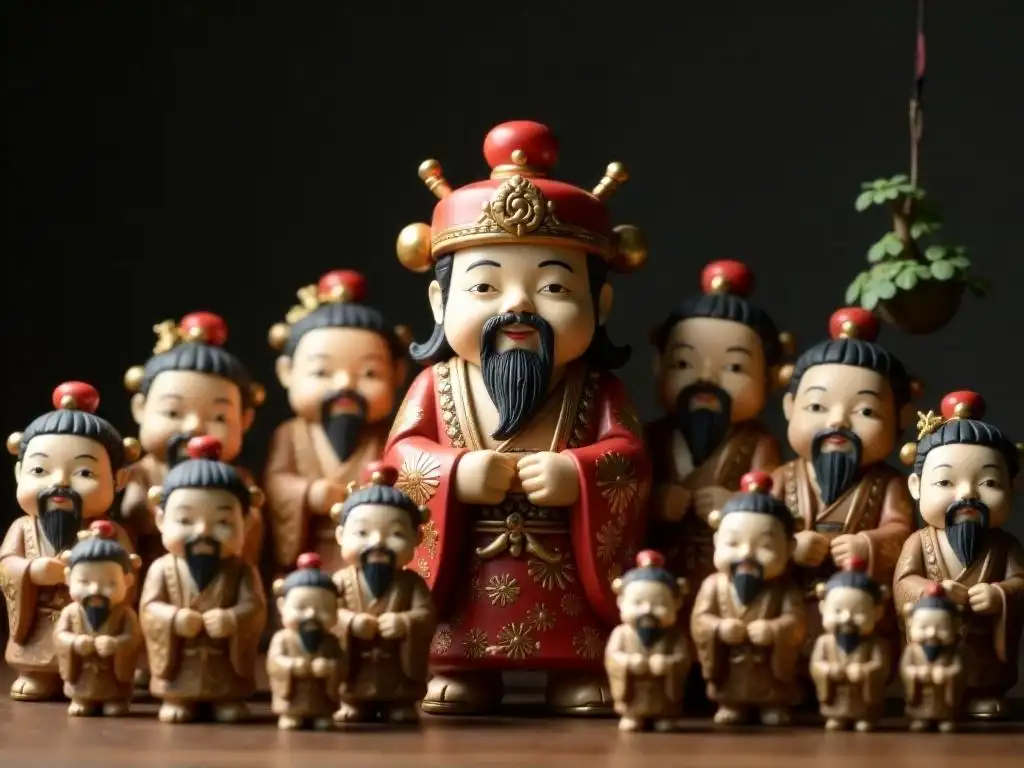
Overview of Japan's Feudal Era
Feudal Japan, spanning from the late 12th century to the mid-19th century, was marked by a complex social structure dominated by the samurai class. This period was characterized by a decentralized political system where power was vested in local lords (daimyōs) who governed their own domains with military might. The samurai, as the warrior elite, played a crucial role in maintaining order and enforcing the daimyō's will.
During this era, the Kamura (1185-1333) and Muromachi (1336-1573) periods laid the foundation for cultural and artistic developments that would flourish in the later Edo period (1603-1868). The Edo period, in particular, was a time of relative peace and stability, which allowed the arts, including the production of collectible figurines, to thrive. These figurines often depicted various aspects of Japanese culture, including historical figures, folklore, and spiritual symbols.
The social hierarchy of feudal Japan was rigid, with distinct classes including the emperor, shōgun, samurai, farmers, artisans, and merchants. Each class had its own specific codes of conduct and cultural practices, affecting the themes represented in figurines. The Bushido code, the way of the warrior, emphasized virtues such as loyalty, honor, and bravery, which were often embodied in the figurines crafted during this period.
Key Historical Events Influencing Figurine Production
Several significant events throughout Japan's feudal history directly influenced the themes and styles of figurines produced during the era:
- The Genpei War (1180-1185): This civil war between the Taira and Minamoto clans not only changed the power dynamics in Japan but also inspired numerous artistic representations. Figurines from this period often depicted legendary battles and heroic figures, encapsulating the valor of the samurai.
- The Mongol Invasions (1274 and 1281): The unsuccessful invasions by Kublai Khan's forces galvanized national pride and unity among the samurai. Collectible figurines from this time frequently celebrated the divine wind, or kamikaze, which was believed to have thwarted the invasions, symbolizing protection and resilience.
- The Onin War (1467-1477): This conflict led to the Sengoku period, a time of social upheaval and civil strife. As various clans vied for power, figurines began to reflect the chaotic landscape, portraying not only warriors but also the common people affected by the wars.
- The Edo Period’s Cultural Flourishing (1603-1868): The establishment of the Tokugawa shogunate brought about a long-lasting peace. During this time, the production of figurines became more refined and diverse. Themes evolved to include folklore, religion, and the arts, with figures such as Hotei, the deity of happiness, and Daruma, symbolizing perseverance, becoming popular motifs.
These historical events not only shaped the sociopolitical landscape of feudal Japan but also influenced the artistic expressions captured in collectible figurines. The meaning of feudal Japan figurines can be traced back to these significant moments, providing insight into the values, beliefs, and societal norms of the time. Understanding this context enriches the appreciation of these collectibles, transforming them into more than mere decorative items; they are tangible representations of Japan’s rich cultural heritage.
Common Cultural Symbols in Feudal Japan Figurines
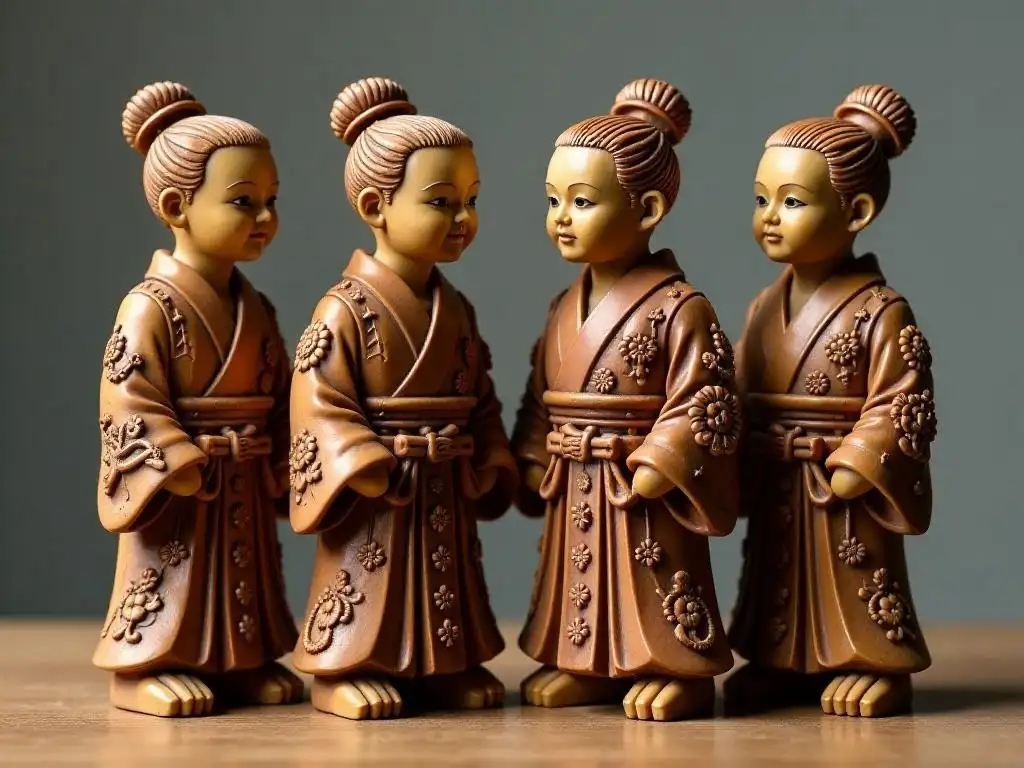
Feudal Japan is rich in cultural symbolism, and these elements are often beautifully encapsulated in collectible figurines. Understanding the meaning of feudal Japan figurines requires an exploration of the cultural icons they represent. From samurai warriors to graceful geishas, each figurine tells a unique story that reflects the values, beliefs, and artistry of the era. Below, we explore two of the most prominent cultural symbols found in these figurines: samurai and geishas.
Samurai and Their Symbolism
Samurai figurines are among the most sought-after collectibles, serving as a powerful representation of the warrior class that dominated Japan during the feudal era. These figures symbolize not just martial prowess, but also the deep-rooted values of honor, loyalty, and discipline that the samurai embodied.
The Meaning Behind Samurai Figurines
Samurai figurines often feature intricate details that convey their significance in Japanese culture. The armor, sword, and stance of each figurine are carefully designed to reflect the samurai's status, readiness for battle, and adherence to Bushido, the way of the warrior.
- Armor: The distinct armor types, such as the kabuto (helmet) or do (chest armor), symbolize the samurai’s readiness to defend their honor and their lord.
- Katana: The katana, a symbol of the samurai's soul, represents their commitment to justice and the art of warfare.
- Posture: The stance of the figurine can symbolize various aspects of samurai life, from poised readiness for battle to a contemplative state reflecting on honor and duty.
Notable Samurai Figurines to Collect: Edo Period Samurai Warrior
One of the most notable samurai figurines is the Edo Period Samurai Warrior. This figurine often depicts a samurai in elaborate armor, showcasing the artistry and craftsmanship of the Edo period (1603-1868).
- Features: Look for intricate details in the armor and weapons, as well as the expression on the samurai's face, which often conveys a sense of calm determination.
- Cultural Context: This period was marked by relative peace, allowing for the flourishing of arts and culture, which is beautifully represented in these collectibles.
- Collectibility: Edo Period samurai figurines are highly prized due to their historical significance and artistic value. Collectors often seek them for their aesthetic appeal and the stories they encapsulate.
Geisha Representations
Geisha figurines capture the elegance and artistry of these iconic figures in Japanese culture. Representing beauty, grace, and the traditional arts, geisha figurines are not just decorative items but also cultural symbols that embody the rich history of Japan.
Cultural Significance of Geisha Figurines
Geisha figurines symbolize various aspects of Japanese culture, including art, performance, and femininity.
- Artistry: Geishas are trained in various traditional Japanese arts, including music, dance, and tea ceremonies, making them embodiments of cultural refinement.
- Fashion: The kimonos worn by geishas in figurines often reflect seasonal colors and floral motifs, symbolizing the connection to nature and the changing seasons.
- Role in Society: Geishas served as entertainers and cultural ambassadors, representing the sophisticated side of Japanese society during the feudal era.
Top Geisha Figurines: Geisha with Cherry Blossoms
One of the most popular geisha figurines is the Geisha with Cherry Blossoms.
- Design: This figurine typically features a geisha adorned in a vibrant kimono, surrounded by delicate cherry blossoms, which symbolize the transient beauty of life.
- Symbolism: The cherry blossoms, or sakura, represent renewal, beauty, and the ephemeral nature of existence, reflecting the geisha's role in celebrating life's fleeting moments.
- Collectability: Geisha with Cherry Blossoms figurines are highly sought after for their exquisite craftsmanship and the cultural narratives they convey, making them a valuable addition to any collection.
Understanding the meaning of feudal Japan figurines deepens appreciation for the artistry and cultural significance behind each collectible. The samurai and geisha serve as powerful symbols of their time, reflecting the values and aesthetics of feudal Japan. Collectors and enthusiasts alike can find joy in the stories these figurines tell, connecting them to a rich historical tapestry.
Mythical Creatures in Figurines
Mythical creatures play a significant role in the rich tapestry of feudal Japan's cultural symbolism, often depicted in collectibles such as figurines. These representations not only serve as decorative items but also encapsulate the beliefs, values, and stories prevalent during the feudal era. Mythical beings like tengu and kitsune are particularly prominent in these figurines, symbolizing various human traits and moral lessons. The artistry of these collectibles often reflects the intricate craftsmanship and storytelling traditions of the time, allowing collectors and enthusiasts to connect with a deep historical narrative.
These mythical figurines are often characterized by their unique designs, vibrant colors, and specific attributes that convey their meanings. Understanding these creatures is essential for appreciating the cultural significance they hold within the context of feudal Japan. Collectors often seek these figurines not just for their aesthetic appeal but also for their ability to tell a story or convey a particular moral lesson, making them valuable both as art and cultural artifacts.
The Role of Tengu and Kitsune in Collectibles
Tengu and kitsune are two of the most revered mythical creatures in Japanese folklore, each carrying profound symbolism and cultural significance.
- Tengu: Often depicted as bird-like creatures or warriors, tengu are associated with the mountains and forests. They are considered protectors of nature and are often portrayed as both benevolent and mischievous. In the context of collectibles, tengu figurines can represent the balance between nature and humanity, embodying the idea of guardianship over the natural world. The intricate details in their representations, such as the use of vibrant colors and elaborate clothing, reflect their esteemed status within Japanese culture.
- Kitsune: The kitsune, or fox spirit, is another iconic figure in Japanese mythology. Known for its intelligence and magical abilities, the kitsune is often viewed as a protector and a bringer of good fortune. In many stories, they are depicted as shape-shifters, capable of transforming into beautiful women. Collectible kitsune figurines often symbolize loyalty, love, and the connection to the spiritual realm. The portrayal of kitsune in figurines frequently emphasizes their mystical attributes, incorporating elements like multiple tails to signify their power and wisdom.
Both tengu and kitsune figurines are celebrated not only for their artistic representations but also for the deeper meanings they convey, making them highly sought after by collectors who appreciate their historical and cultural narratives.
Popular Mythical Creature Figurines: Kitsune Fox Spirit
Among the various mythical creature figurines, the kitsune fox spirit stands out as one of the most popular and beloved. Kitsune figurines are often crafted with exquisite detail, showcasing their elegant forms and mystical features. They are frequently adorned with multiple tails, which signify the creature's age and power; a kitsune with nine tails is especially revered and symbolizes ultimate wisdom and strength.
Kitsune figurines can be found in various styles, from traditional representations influenced by ancient art to contemporary interpretations that reflect modern design sensibilities. Collectors often look for specific attributes in kitsune figurines, such as:
- Pose: The way a kitsune is posed can indicate its temperament—playful, protective, or wise.
- Color: Traditionally, white kitsune are associated with purity and benevolence, while red kitsune may embody mischief and cunning.
- Accessories: Items like rice or a lantern can enhance the figurine's storytelling aspect and relate to its role as a guardian spirit.
The significance of kitsune in feudal Japan extends beyond mere decoration; they serve as reminders of the cultural narratives that shaped the society. Owning a kitsune figurine often connects collectors to the rich folklore of Japan, allowing them to appreciate the layered meanings behind these captivating mythical creatures.
Artistic Techniques in Feudal Japan Figurines
The artistry of feudal Japan figurines is not just a testament to aesthetic beauty but also a reflection of the culture and values of the time. These figurines often depict historical figures, folklore, and significant cultural symbols, and their creation involved intricate techniques that have been passed down through generations. Understanding these artistic techniques enhances our appreciation of the meaning of feudal Japan figurines and the craftsmanship behind them.
Traditional Craftsmanship and Materials
Feudal Japan figurines were predominantly crafted using traditional materials such as wood, clay, and porcelain. Each material brought its own unique qualities and challenges to the crafting process.
- Wood: Often used in creating larger figurines, wood was favored for its availability and workability. Artisans would select specific types of wood, like cedar or cypress, for their durability and beautiful grain patterns. The process involved intricate carving, where tools like chisels and knives were used to bring detailed expressions and forms to life.
- Clay: This material was commonly used for smaller, more intricate pieces. Earthenware figurines were often glazed to enhance their appearance and protect them from the elements. Clay allowed for fine detailing, making it ideal for representing delicate features and intricate clothing patterns.
- Porcelain: Developed during the later periods, porcelain figurines became a symbol of status and refinement. The delicate and translucent nature of porcelain made it a desired medium for creating elaborate and colorful pieces, showcasing the skill of the artist.
The combination of these materials with traditional craftsmanship techniques created figurines that not only served as decorative items but also as cultural artifacts reflecting the values and stories of feudal Japan.
Unique Techniques Used in Crafting Figurines
Artisans employed various unique techniques that defined the production of feudal Japan figurines. Some of these techniques include:
- Kintsugi: The art of repairing broken pottery with lacquer dusted or mixed with powdered gold, silver, or platinum, kintsugi emphasizes the beauty of imperfection, making each piece unique. This technique has also influenced the philosophy surrounding the appreciation of art in Japan.
- Mizuki: A technique used in wood carving, mizuki involves the application of multiple layers of lacquer to create a deep, rich finish. This not only protects the wood but adds to the overall aesthetic appeal of the figurine.
- Yaki Imo: This technique refers to the unique firing methods used for clay figurines, where varying temperatures and atmospheres in the kiln can produce different colors and textures, thus enhancing the figurine's visual impact.
These techniques, combined with an artisan's skill and vision, result in figurines that carry deep cultural significance and artistic value.
Comparing Different Styles of Figurine Art
The evolution of figurine art during feudal Japan can be observed through various styles that emerged across different periods. Notably, the Edo and Meiji periods showcased distinct approaches to figurine crafting.
Edo vs. Meiji Period Figurines
The Edo period (1603-1868) and the Meiji period (1868-1912) marked significant transformations in Japanese society and art, which is reflected in the figurines produced during these times.
- Edo Period Figurines: Characterized by a focus on realism and everyday life, Edo period figurines often depicted actors from kabuki theatre, warriors, and geisha. The craftsmanship emphasized intricate detailing and vibrant colors, often using traditional techniques like woodblock printing for embellishment. These figurines were not only decorative but served as a reflection of the social dynamics and popular culture of the time.
- Meiji Period Figurines: With the Meiji Restoration came a fusion of Western influences alongside traditional Japanese art forms. Figurines from this period often displayed a shift towards more stylized and ornate designs, integrating Western elements in terms of proportion and perspective. The use of porcelain became more prevalent, with a greater emphasis on decorative qualities and mass production, making these pieces accessible to a broader audience.
The comparative study of Edo and Meiji figurines illustrates the broader societal changes and artistic evolution in Japan, revealing how these collectibles serve as historical markers of their respective eras. Each figurine encapsulates not only artistic techniques but also the cultural narratives that are integral to understanding the meaning of feudal Japan figurines.
The Collectible Market for Feudal Japan Figurines
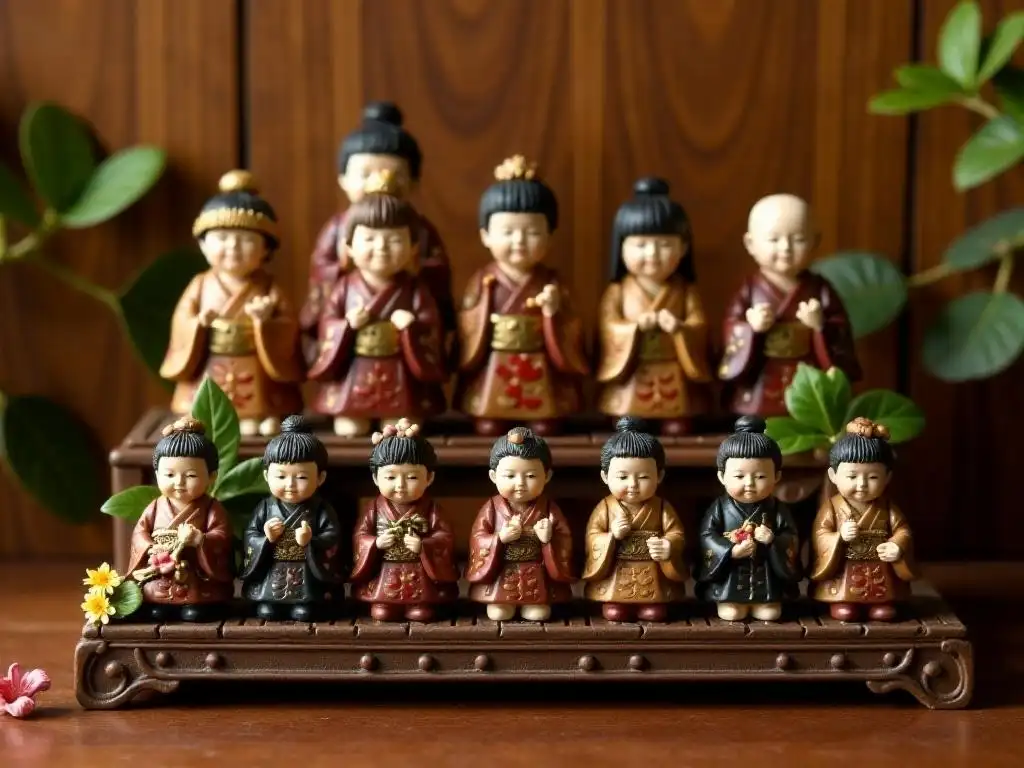
The market for collectible Feudal Japan figurines has seen a resurgence in recent years, driven by an increasing interest in the historical and cultural significance of these artifacts. Collectors and enthusiasts are drawn not only to the aesthetic beauty of these figurines but also to the rich narratives they embody from Japan’s feudal era. This section explores current trends in the market, high-value figurines, and how to identify authentic collectibles.
Current Trends in Collectible Figurines
The collectible figurine market is evolving, influenced by various factors including cultural appreciation, nostalgia, and the influence of media. Here are some notable trends:
- Increased Interest in Historical Context: Collectors are more informed and interested in the historical significance behind each figurine. This includes understanding the role of samurai, geisha, and other figures in feudal Japan society.
- Diversity of Materials and Styles: From ceramic and porcelain to wood and metal, the diversity in materials has expanded. Each material carries its own meaning and craftsmanship, adding to the figurine's value.
- Limited Editions and Collaborations: Many contemporary artists and brands are creating limited edition figurines that blend traditional designs with modern aesthetics, appealing to both collectors and new audiences.
- Online Marketplaces: The rise of e-commerce platforms has made it easier for collectors to buy and sell figurines, creating a global market where rare items can reach enthusiasts worldwide.
High-Value Figurines and What They Represent
Some figurines have achieved high market value, often due to their historical significance, craftsmanship, or rarity. Here are a few examples:
| Figurine | Description | Estimated Value |
|---|---|---|
| Samurai Warrior | A detailed representation, often adorned with intricate armor. Symbolizes honor and loyalty. | $1,500 - $10,000+ |
| Geisha Figurine | Captures the elegance of traditional Japanese culture, representing beauty and grace. | $500 - $5,000 |
| Kappa Figurine | Mythical creature from folklore, reflects the rich tapestry of Japanese mythology. | $250 - $2,500 |
| Buddhist Deities | Often intricately crafted, these figurines represent spiritual beliefs and practices. | $300 - $3,000 |
These figurines not only serve as collectibles but also as cultural symbols that convey various aspects of Japanese history and values. Collectors often seek these pieces not only for their monetary value but also for their storytelling potential.
How to Identify Authentic Collectibles
Identifying authentic Feudal Japan figurines can be challenging, especially with the prevalence of reproductions and fakes in the market. Here are some guidelines to help collectors discern genuine items from replicas:
- Research Provenance: Understanding the history of a figurine can provide insights into its authenticity. Provenance documents, previous ownership records, and auction house catalogs can help establish legitimacy.
- Examine Craftsmanship: Authentic figurines typically exhibit intricate craftsmanship. Look for fine details, quality of materials, and the overall finish. Handmade items often have unique characteristics that distinguish them from mass-produced replicas.
Tips for Spotting Fake Figurines
Spotting fake figurines requires a keen eye and awareness of common counterfeiting methods. Here are essential tips:
- Check for Markings: Many authentic figurines have specific markings, signatures, or stamps that indicate their maker or origin. Research these markings as they can be crucial in verifying authenticity.
- Assess Weight and Feel: Genuine collectibles often have a certain weight and texture that fakes may lack. If a figurine feels too light or has an unnatural texture, it may be a reproduction.
- Consult Experts: When in doubt, consulting with appraisers or experts in Japanese collectibles can provide clarity and assist in making informed purchasing decisions.
By understanding current trends, recognizing valuable figurines, and being vigilant about authenticity, collectors can navigate the fascinating world of Feudal Japan figurines with greater confidence and appreciation for their cultural significance.
Significance of Cultural Symbols in Modern Collecting
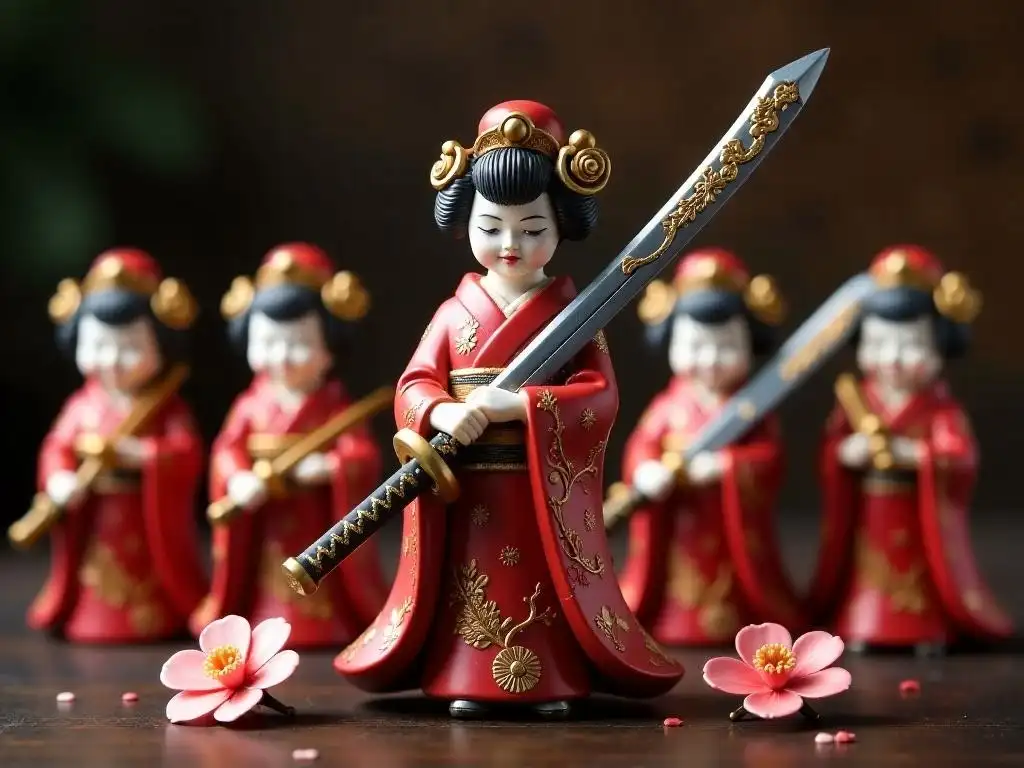
Cultural symbols play a pivotal role in the realm of collectible feudal Japan figurines. These intricate representations not only reflect the artistry of their creators but also encapsulate the rich history and cultural narratives of Japan's feudal era. As collectors seek to acquire these figurines, understanding the significance of the symbols embedded in each piece becomes essential. The meanings associated with these symbols can enhance the collector's appreciation and connection to the artifacts, elevating them beyond mere decorative items to cherished representations of history and culture.
How Cultural Symbols Influence Collectors
Cultural symbols have a profound impact on collectors of feudal Japan figurines, guiding their choices and shaping their collections. Here are several ways in which these symbols influence collectors:
- Cultural Connection: Many collectors are drawn to figurines that resonate with their personal understanding or fascination with Japanese culture. Symbols such as the Koi fish, representing perseverance and strength, or the Chrysanthemum, symbolizing nobility, can evoke a sense of connection to the values and stories of feudal Japan.
- Investment Value: Understanding the meanings behind certain symbols can also inform collectors about the potential investment value of their figurines. For example, pieces depicting samurai warriors may carry a higher value due to their historical significance and the cultural reverence for samurai as protectors of the realm.
- Narrative Building: Collectors often seek to create narratives within their collections. By selecting figurines with specific cultural symbols, they can weave a story that reflects their interests or the themes they wish to explore, such as honor, loyalty, or the beauty of nature.
- Community Engagement: Collectors frequently engage in discussions and share insights about the cultural symbols within their collections. This exchange of knowledge enriches the collecting experience, fostering a sense of community among enthusiasts who appreciate the deeper meanings behind each figurine.
The Emotional and Cultural Value of Collectible Figurines
Collectible figurines from feudal Japan are more than just physical objects; they encapsulate emotional and cultural values that resonate with both collectors and the broader public. The following points illustrate the significance of these values:
- Historical Preservation: Each figurine serves as a tangible link to Japan's feudal past, preserving its stories, traditions, and artistic expressions. Collectors often feel a sense of responsibility to safeguard these pieces, ensuring that the legacy of feudal Japan continues to be appreciated by future generations.
- Artistic Appreciation: The craftsmanship involved in creating these figurines showcases the skills of artisans who drew inspiration from their cultural heritage. Collectors often find joy in appreciating the artistry and techniques used in their figurines, which can include intricate details, vibrant colors, and traditional materials.
- Personal Stories: Many collectors have personal stories tied to their figurines, such as family connections to Japan or experiences that sparked their interest in Japanese culture. These emotional ties enhance the value of the figurines, making them cherished possessions rather than simple collectibles.
- Cultural Education: Collectible figurines can serve as educational tools, providing insights into the symbolism, mythology, and social structures of feudal Japan. Collectors often use their figurines to share knowledge about Japanese culture, enriching the understanding of both themselves and their audiences.
The meaning of feudal Japan figurines extends far beyond their physical appearances. They embody the intricate tapestry of Japan's rich history, cultural narratives, and emotional connections, making them highly valued in the world of collecting. By recognizing and appreciating the cultural symbols within these collectibles, enthusiasts can foster a deeper connection to the artifacts and the stories they tell.
Conclusion: Understanding the Meaning of Feudal Japan Figurines
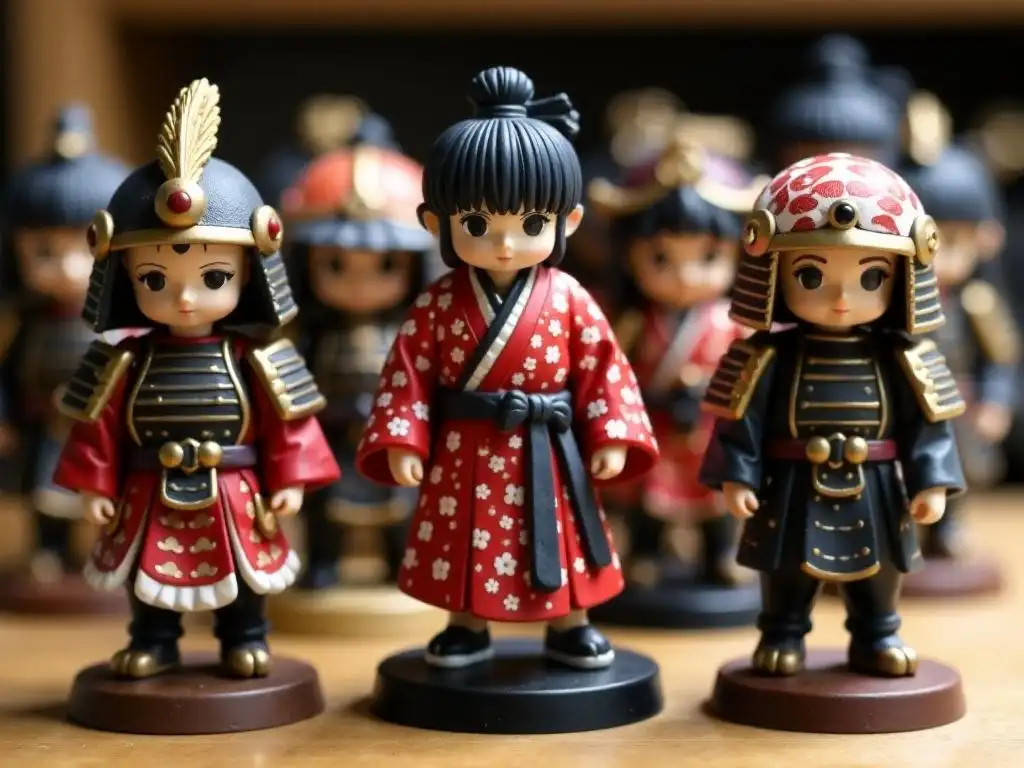
Recap of Key Cultural Symbols
In the realm of collectible feudal Japan figurines, each piece serves not merely as a decorative object but as a vessel of rich cultural significance. Throughout history, these figurines have encapsulated various key cultural symbols that reflect the societal values, beliefs, and traditions of the feudal era. Here are some of the most notable symbols commonly represented in these collectibles:
- Samurai: Often depicted in armor, samurai figurines symbolize honor, loyalty, and the martial prowess that defined the warrior class. Their representation often includes intricate details such as the katana, which embodies the samurai's spirit and commitment to bushido, the way of the warrior.
- Geisha: Representing grace and beauty, geisha figurines often highlight the artistic and cultural sophistication of feudal Japan. Their elaborate kimonos and serene expressions signify the importance of arts, music, and hospitality in Japanese culture.
- Dragons: In contrast to Western portrayals, Japanese dragons are typically seen as benevolent creatures symbolizing power, strength, and good fortune. Their representation in figurines can range from majestic to playful, embodying the duality of their nature as protectors and harbingers of prosperity.
- Cherry Blossoms (Sakura): Frequently illustrated in various forms, cherry blossoms symbolize the transient nature of life and beauty. Their presence in figurines connects collectors to the seasonal changes and the cultural appreciation of nature’s fleeting moments.
- Koi Fish: These symbolize perseverance and strength, particularly in overcoming adversity. Koi fish figurines often reflect themes of determination and success, making them popular among collectors seeking inspiration from feudal values.
Final Thoughts on Collecting Feudal Japan Figurines
Collecting feudal Japan figurines is not merely an aesthetic pursuit; it is an exploration of history, culture, and identity. Each figurine tells a story, offering insights into the values and traditions of a time long past. The meaning of feudal Japan figurines lies in their ability to connect us with the profound narratives of honor, beauty, and resilience that shaped the Japanese experience.
When engaging with these collectibles, collectors should consider the following aspects:
- Research: Understanding the historical context and symbolism behind each figurine enhances appreciation and knowledge, allowing collectors to make informed choices.
- Condition and Authenticity: The value of a figurine can significantly increase based on its condition and provenance. Collectors should prioritize authenticity and care to maintain the integrity of their collections.
- Cultural Preservation: By collecting these figurines, enthusiasts contribute to the preservation of Japanese heritage, ensuring that future generations can appreciate the art and culture of feudal Japan.
Collectible feudal Japan figurines serve as both artistic expressions and cultural artifacts. They invite collectors to delve into the rich tapestry of Japan's historical narrative, celebrating the enduring legacy of an era defined by its intricate symbolism and profound significance. Whether displayed in homes or cherished as part of a larger collection, these figurines continue to inspire awe and admiration for the culture they represent.
Recommendations for Collectors
Collecting figurines from feudal Japan offers a unique opportunity to explore the rich cultural heritage and artistic expression of this historical period. As a collector, understanding the nuances of these figurines can enhance both the enjoyment and value of your collection. Here are some recommendations to guide your journey in collecting feudal Japan figurines.
Best Resources for Feudal Japan Figurines
To build a comprehensive collection, it's essential to utilize a variety of resources that provide insights into the history, artistry, and cultural significance of feudal Japan figurines. Here are some invaluable resources:
- Books and Publications
- "The Art of Japanese Figurines" - This book provides an in-depth look at various types of figurines, their historical context, and techniques used in their creation.
- "Japanese Folk Toys: The Hidden Stories": - A fascinating read that explores the symbolism behind traditional Japanese toys and figurines, highlighting their cultural importance.
- Art catalogs from museums - Institutions like The Tokyo National Museum often publish catalogs that showcase their collections of Japanese art, including figurines.
- Documentaries and Lectures
- Platforms like YouTube and Vimeo host documentaries and lectures about Japanese history and art that can deepen your understanding of the cultural significance of these figurines.
- Online Databases and Articles
- Websites dedicated to Japanese art history often feature articles on feudal Japan figurines, their symbolism, and the craftsmanship behind them. Look for databases that specialize in Asian art.
Where to Buy: Recommended Stores and Websites
Finding authentic feudal Japan figurines can be a thrilling aspect of your collecting journey. Here are some trusted sources to consider:
| Store/Website | Description |
|---|---|
| eBay | A vast marketplace with a variety of figurines from different sellers. Always check reviews and seller ratings. |
| Etsy | Features handmade and vintage items, including unique feudal Japan figurines created by artisans. |
| Specialty Collectible Stores | Many cities have stores dedicated to collectibles where you can find feudal Japan figurines, often with knowledgeable staff. |
| Asian Art Galleries | Galleries that focus on Asian art often have a selection of authentic figurines, and staff can provide historical context. |
| Antique Shops | Look for antique shops that specialize in Asian antiques; these may offer genuine feudal Japan pieces. |
Joining Collectors’ Communities
Connecting with fellow collectors can enrich your experience and provide valuable insights into collecting feudal Japan figurines. Engaging in these communities allows collectors to share knowledge, trade figurines, and learn from one another.
Online Forums and Groups for Feudal Japan Figurine Enthusiasts
Participating in online forums and groups can help you stay updated on trends, find rare pieces, and enhance your understanding of the meaning behind feudal Japan figurines. Here are some recommended platforms:
- Facebook Groups
- Groups like "Japanese Art & Collectibles" and "Feudal Japan Collectors" create a space for discussions, sharing collections, and buying/selling opportunities.
- Reddit Subreddits
- r/AsianAntiques - A community where collectors discuss various aspects of Asian antiques, including feudal figurines.
- r/collectibles - General collectible discussions that often feature threads on Japanese art and figurines.
- Specialized Forums
- Websites like MyFigureCollection.net offer dedicated forums for collectors, providing a platform to discuss specific figurines, their meanings, and value.
- Discord Channels
- Many collectors have migrated to Discord, where you can find channels specifically focused on Japanese collectibles and art discussions.
By leveraging these resources and communities, collectors can deepen their appreciation of the meaning of feudal Japan figurines, ensuring that their collections not only represent artistic beauty but also the rich cultural narratives behind each piece.
Frequently Asked Questions
What are feudal Japan figurines?
Feudal Japan figurines are artistic representations that depict various aspects of Japanese culture and history from the feudal era. They often illustrate samurai, geisha, and other significant figures.
How do feudal Japan figurines reflect Japanese culture?
These figurines serve as cultural symbols that represent the values, traditions, and social hierarchies of feudal Japan. They embody the aesthetics and craftsmanship of the time.
What is the meaning of feudal Japan figurines?
The meaning often lies in their depiction of social roles and historical narratives. Each figurine tells a story and conveys aspects of Japanese heritage and identity.
Are there specific collectible feudal Japan figurines that are more valuable?
Yes, certain figurines, especially those that are antique or made by renowned artisans, can be highly valuable. Their worth is determined by factors like rarity, condition, and historical significance.
How can I start a collection of feudal Japan figurines?
Begin by researching authentic sources and reputable dealers. It’s important to understand the history and cultural significance of the pieces you are interested in to build a meaningful collection.
Final Reflection: The Enduring Significance of Feudal Japan Figurines
The intricate world of feudal Japan figurines not only captivates collectors but also serves as a profound reminder of our shared cultural heritage. As we navigate a globalized society, the meanings embedded in these figurines resonate more than ever, bridging the past with the present. The stories they tell about honor, loyalty, and the complexities of human experience are timeless, reminding us that the artifacts of history are not mere objects but vessels of meaning that continue to shape our understanding of identity and culture.
The influence of feudal Japan figurines extends beyond the realm of collectibles; they are a testament to the rich tapestry of cultural narratives that inform our contemporary lives. These figurines invite us to explore themes of resilience and artistry, enriching our appreciation for the diverse expressions of human creativity. As the renowned historian Edward Said once said, "> The past is never dead. It's not even past." This quote encapsulates the idea that the cultural symbols we encounter today are deeply rooted in historical contexts, urging us to reflect on how these symbols influence our current social landscape.
As you ponder the significance of feudal Japan figurines, I invite you to consider how the lessons they embody can inspire your own journey. Reflect on the values of honor, artistry, and resilience that these figures represent, and think about how you can incorporate these principles into your life. Whether through collecting, storytelling, or simply appreciating the artistry, let the meanings of these figurines guide you in forging a deeper connection with your own cultural identity and the world around you.
Unveil the Stories Behind Your Collectibles!
Thank you for diving into the fascinating world of cultural symbols in collectible figurines from feudal Japan. You’ve uncovered significant insights into how these artifacts reflect rich traditions and values. Now, let's transform this knowledge into action!
Here’s how you can deepen your understanding and appreciation of these unique collectibles:
- Explore your collection: Take a closer look at each figurine you own. Research the cultural symbols present and their meanings. This will enhance your connection with these pieces.
- Join the conversation: Share your thoughts and discoveries with fellow enthusiasts in our community forums or on social media. Your experiences can inspire others!
- Visit a museum or exhibition: Seek out local exhibits or online collections featuring art from feudal Japan. This firsthand experience will enrich your perspective and possibly uncover new treasures for your own collection.
What symbol resonates most with you in your collection, and what story does it tell? Let's discuss in the comments!