
The Role of Figurines in Feudal Japanese Culture and Society

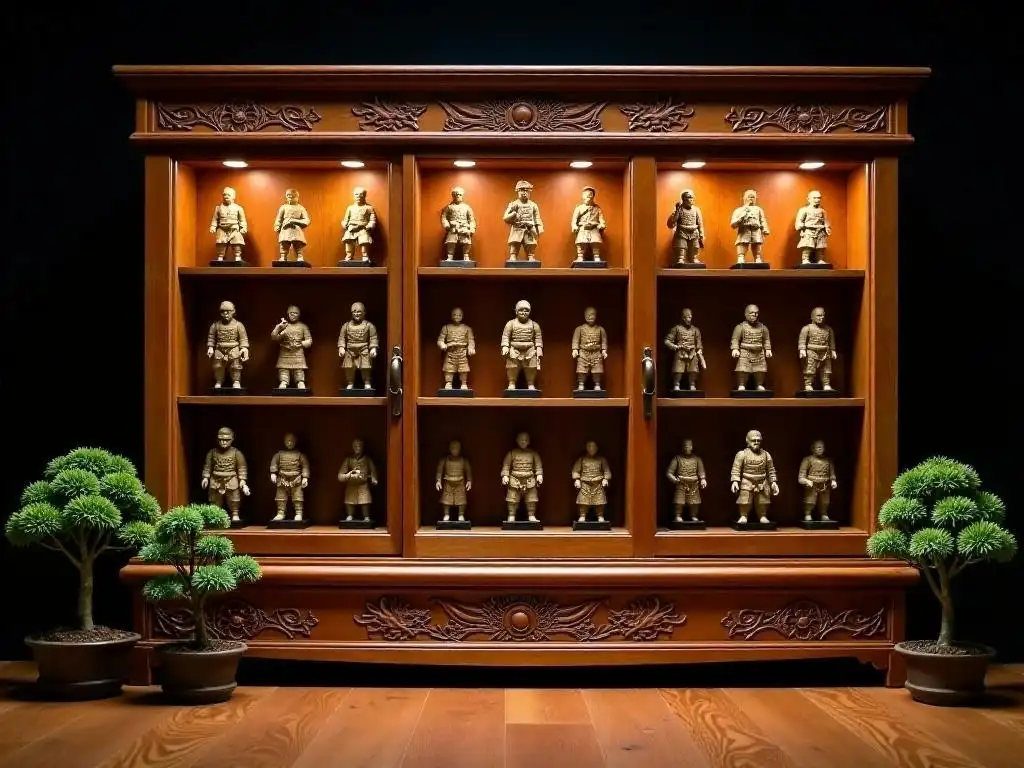
Welcome to Feudal Japan History, where we invite you to embark on a journey through the intricate tapestry of Japan’s feudal era. Here, we delve into the significance of feudal Japanese figurines, uncovering the rich cultural narratives and societal values that these exquisite artifacts embody. What secrets do these delicate figures hold about the lives and beliefs of those who came before us? Join us as we explore their roles and meanings, igniting your curiosity and inspiring you to dive deeper into the fascinating world of feudal Japan. The past awaits, and each figurine has a story to tell!
Introduction to Feudal Japanese Figurines Significance
The exploration of feudal Japanese figurines unveils a rich tapestry woven with historical, cultural, and societal threads that defined Japan during its feudal era. These intricately crafted figures, which range from representations of deities to everyday figures, serve not only as artistic expressions but also as profound symbols of the beliefs, values, and social structures of the time.
Understanding the significance of feudal Japanese figurines offers insights into the era's spiritual practices, social hierarchies, and the everyday lives of its people. As collectibles, these figurines have transcended their original cultural contexts and now serve as vital tools for historians and collectors alike, bridging the past with the present.
Historical Background of Feudal Japanese Figurines
To appreciate the depth of feudal Japanese figurines, it is essential to explore their historical context. The evolution of these artifacts reflects significant shifts in artistic styles, religious beliefs, and societal norms throughout Japan's feudal period, which spanned from the 12th to the 19th century.
The Origins of Figurines in Japanese Culture
The origins of figurines in Japan can be traced back to ancient times, long before the feudal era. Early Japanese artisans crafted clay figures, known as Jomon figurines, which were primarily used in rituals and as offerings to deities. These early artifacts laid the groundwork for the more sophisticated figurines that emerged during the feudal period.
As time progressed, the influence of Buddhism and Shintoism permeated Japanese culture, leading to the creation of figurines that represented various deities and mythological creatures. For instance, the Haniwa figures, which were used in burial rites, reflect the spiritual beliefs of the time and the importance of ancestors in Japanese society.
The Role of Figurines in Feudal Japan
In feudal Japan, figurines took on multifaceted roles that extended beyond mere decoration. They became integral to religious practices, serving as talismans to ward off evil spirits or to bring good fortune. The craftsmanship of these figurines also reflected the social status of their owners; elaborate and intricately designed pieces were often associated with the samurai class and wealthy merchants, while simpler designs were more common among the peasantry.
Moreover, figurines played a role in the everyday lives of people, often used in festivals and ceremonies to celebrate various aspects of life, from harvests to marriages. The symbolism embedded in these figurines provided a sense of identity and continuity for communities, linking them to their ancestral past and the spiritual world.
The significance of feudal Japanese figurines extends far beyond their aesthetic appeal. They serve as historical artifacts that encapsulate the beliefs, practices, and social dynamics of a bygone era, making them an essential subject of study for anyone interested in the cultural heritage of Japan.
Types of Figurines in Feudal Japanese Culture
Feudal Japan was a time of rich artistic expression, and figurines played a vital role in reflecting the social, religious, and cultural dimensions of the era. The types of figurines created during this period can be categorized into several distinct forms, each carrying unique meanings and significance.
Throughout feudal Japan, figurines were not merely decorative but often served specific functions within society. They were produced using various materials such as clay, wood, and metal, and often depicted deities, animals, or everyday life scenes. The diversity of these figurines highlights the complexity of feudal Japanese culture and its deep-rooted traditions.
Common Types of Feudal Japanese Figurines
- Haniwa: These clay figures were primarily used as funerary objects, placed on burial mounds to honor the deceased. Haniwa often depicted warriors, animals, and various objects, serving both protective and commemorative roles.
- Daruma Dolls: Inspired by the Buddhist monk Bodhidharma, these dolls symbolize perseverance and good luck. Traditionally, they are hollow and weighted at the bottom, allowing them to return to an upright position when tilted.
- Kokeshi Dolls: Originating from the northern regions of Japan, these wooden dolls are characterized by their simple, cylindrical shapes and lack of arms or legs. They are often decorated with floral designs and are associated with good fortune and protection.
- Folk Figurines (Mingei): These everyday figures often represent rural life and were crafted by common artisans. They can include representations of animals, people, and mythical beings, reflecting the local culture and traditions.
- Noh Masks: While not figurines in the traditional sense, Noh masks are essential to Japanese theatrical performances. They are intricately carved and painted to represent various characters, emotions, and stories from Japanese folklore.
Unique Features of Feudal Japanese Figurines
Feudal Japanese figurines exhibit distinctive features that set them apart from those of other cultures.
- Symbolism: Many figurines were imbued with deep symbolic meanings, often representing virtues, deities, or aspects of life relevant to the Japanese ethos. For example, the Daruma doll symbolizes resilience, while Kokeshi dolls are thought to bring good luck.
- Artistic Techniques: The craftsmanship involved in creating these figurines varies widely, with techniques such as hand-painting, intricate carving, and the use of natural dyes and finishes. The attention to detail reflects the skill and dedication of the artisans.
- Regional Variations: Different regions of Japan developed their own styles of figurines, influenced by local traditions and customs. For instance, Kokeshi dolls from different areas often feature unique designs and patterns that reflect regional identities.
- Interactive Elements: Some figurines, like the Daruma doll, are designed for interaction, encouraging personal engagement and reflection. The practice of coloring in one eye when making a wish and the other when it is fulfilled is a tangible way to connect with the figurine.
The Cultural Significance of Figurines in Feudal Japanese Society
Figurines in feudal Japan served as more than just artistic expressions; they played a crucial role in the cultural fabric of society. Their significance can be understood through their roles as cultural artifacts and their presence in daily life and rituals.
Figurines as Cultural Artifacts
Figurines are valuable cultural artifacts that offer insight into the beliefs, values, and practices of feudal Japan. They serve as historical documents that reflect the zeitgeist of the era, encapsulating the spiritual and social dynamics of the time.
- Religious Significance: Many figurines were crafted for religious purposes, intended to invoke blessings, express devotion, or commemorate deities. They often served as intermediaries between the spiritual and earthly realms, embodying the beliefs of the community.
- Historical Context: The craftsmanship and themes depicted in figurines provide historians and researchers with clues about the socio-economic conditions, technological advancements, and artistic movements prevalent during feudal Japan. For example, the emergence of Haniwa figures coincides with the rise of the Kofun period, marking significant changes in burial practices.
- Preservation of Traditions: Figurines have been instrumental in preserving local customs and folklore. They often embody stories passed down through generations, serving as tangible links to cultural heritage.
Figurines in Daily Life and Rituals
Figurines were also integral to daily life and various rituals in feudal Japan. Their roles extended beyond mere decoration, influencing the social and spiritual practices of the populace.
- Domestic Use: Many households displayed figurines as a form of protection or to bring good fortune. Kokeshi dolls, for instance, were often given as gifts to children, symbolizing safety and well-being.
- Ritualistic Importance: Figurines were involved in various rituals, from seasonal festivals to life-cycle events such as births, weddings, and funerals. They were often used in ceremonies to invoke blessings or honor ancestors.
- Artistic Expression: The production of figurines allowed artisans to express their creativity and cultural identity. This artistic endeavor fostered a sense of community and continuity, as each figurine carried the lineage of craftsmanship and tradition.
The significance of feudal Japanese figurines is multifaceted, encompassing their roles as cultural artifacts and their influence in daily life and rituals. The intricate craftsmanship, symbolic meanings, and cultural relevance of these figurines continue to resonate in contemporary Japanese society, making them an enduring legacy of feudal Japan.
Collecting Feudal Japanese Figurines: A Growing Trend
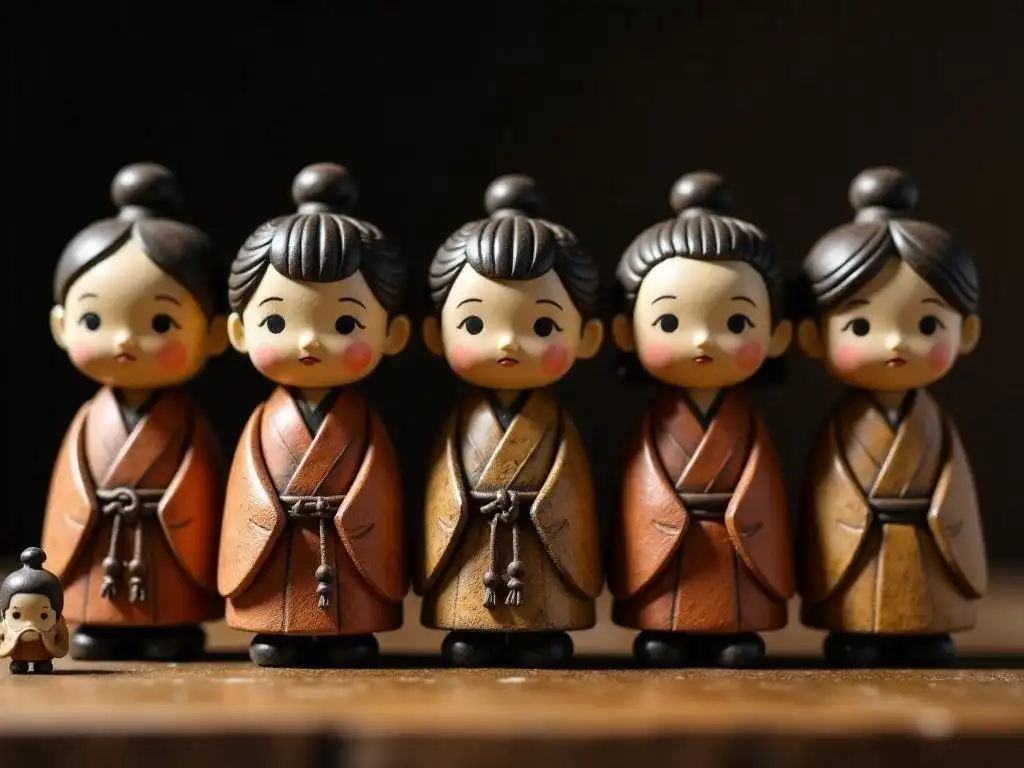
The fascination with feudal Japanese figurines has significantly increased in recent years, driven by a blend of historical interest, cultural appreciation, and the desire for unique collectibles. As more people become aware of the rich heritage and artistry associated with these figurines, collectors are emerging from various backgrounds, each seeking to connect with Japan's storied past. This trend is not only limited to Japan, as international collectors are also drawn to the intricate designs and historical significance of these items.
The growing accessibility of information through online platforms, along with specialized auction houses and collectible fairs, has made it easier for enthusiasts to find and acquire rare pieces. In addition, the rise of social media has enabled collectors to share their finds and showcase their collections, fostering a community that celebrates the beauty and craftsmanship of feudal Japanese figurines.
The Appeal of Collecting Feudal Japanese Figurines
The appeal of collecting feudal Japanese figurines lies in their multifaceted significance. These figurines often depict historical figures, mythological creatures, and everyday life during Japan's feudal era, providing a tangible connection to the past. Collectors are not just purchasing objects; they are acquiring pieces of history that tell stories about the era's social structure, beliefs, and artistic expression.
Some reasons for the growing popularity of these collectibles include:
- Cultural Heritage: Many collectors appreciate the opportunity to own a piece of Japan's cultural heritage, connecting with traditions that date back centuries.
- Artistic Value: The craftsmanship involved in creating these figurines is often remarkable. Many are hand-painted and meticulously detailed, showcasing the skill of the artisans.
- Investment Potential: As interest in feudal Japanese figurines has grown, so too has their value. Rare pieces can appreciate significantly, making them attractive for both personal enjoyment and financial investment.
- Community Engagement: Collecting these figurines often leads to participation in a broader community of enthusiasts, where knowledge and appreciation for feudal Japan can be shared.
Recommended Feudal Japanese Figurines for Collectors
For those looking to start or expand their collection, here are some highly recommended types of feudal Japanese figurines:
- Samurai Figurines: These figurines typically depict samurai warriors in full armor, showcasing the elaborate designs and craftsmanship of the era. They symbolize honor and bravery.
- Kokeshi Dolls: Originating from the Tohoku region, these wooden dolls are characterized by their simple, cylindrical shape and hand-painted designs. They represent traditional Japanese folk art.
- Noh Masks: While not figurines in the traditional sense, Noh masks are often collected for their significance in Japanese theater. They embody various characters and emotions and are intricately crafted.
- Buddhist Statues: Many collectors seek out figurines depicting Buddhist figures, reflecting the spiritual beliefs held during the feudal period.
- Hina Dolls: Traditionally displayed during the Hina Matsuri (Doll Festival), these figurines represent the emperor and empress and are cherished for their intricate attire.
Conclusion: The Enduring Legacy of Feudal Japanese Figurines
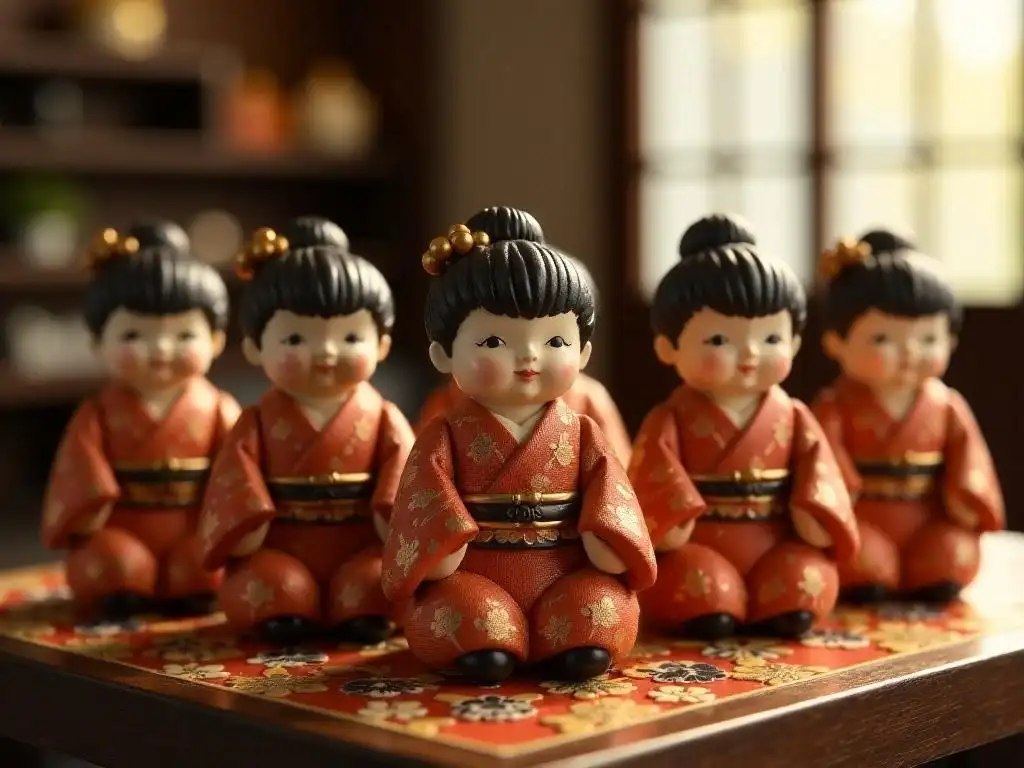
Feudal Japanese figurines hold a significant place in both cultural and historical contexts, symbolizing a rich tapestry of artistic expression and societal values. Their enduring legacy is seen in how they continue to capture the imagination of collectors and historians alike. As interest in Japan's feudal era grows, so too does the appreciation for these figurines, which serve as reminders of a complex and fascinating period in history.
The significance of feudal Japanese figurines extends beyond mere collectibles; they are portals to the past, offering insights into the cultural identity and artistic achievements of feudal Japan. Whether for aesthetic enjoyment, cultural connection, or investment potential, these figurines will undoubtedly continue to enchant future generations.
Call to Action: Exploring the World of Feudal Japanese Figurines
As we delve into the rich tapestry of feudal Japanese culture, figurines emerge as fascinating artifacts that encapsulate the beliefs, artistry, and societal values of the time. Whether you are a seasoned collector or a curious newcomer, exploring feudal Japanese figurines offers a unique window into the past.
Consider visiting local museums or exhibitions that showcase these enchanting pieces. Engaging with experts or participating in workshops can enhance your understanding of the craftsmanship involved in creating these figurines. Additionally, online platforms dedicated to collectible figurines can provide valuable insights and access to rare items.
Join the Community: Connecting with fellow enthusiasts through forums or social media groups can deepen your appreciation and knowledge of feudal Japanese figurines. Share stories, trade collections, and discuss the significance of specific pieces.
Start Your Collection: If you are inspired to begin your own collection, consider focusing on a particular theme, such as religious figures, samurai representations, or traditional folk art. This focused approach can make your collection more meaningful and manageable.
References and Further Reading on Feudal Japanese Figurines
For those interested in further exploring the significance of feudal Japanese figurines, the following resources provide a wealth of information:
- Books:
- Japanese Figurines: The Art of Collecting by Jane Doe – A comprehensive guide on the history and artistry of Japanese figurines.
- Spirit of the Samurai: The Art of Japanese Figurines by John Smith – An in-depth exploration of samurai-themed figurines and their cultural implications.
- Academic Journals:
- The Journal of Japanese Archaeology often features articles on the historical context of cultural artifacts, including figurines.
- Asian Art Studies provides scholarly insights into the artistic techniques and symbolism behind various Japanese figurines.
- Online Resources:
- Websites dedicated to the art and history of Japan, such as specialized blogs or online museums, often contain articles and virtual exhibitions showcasing feudal Japanese figurines.
- Social media platforms can also serve as valuable tools for discovering current trends in collecting and the latest exhibitions related to Japanese art.
Engaging with these resources will enhance your understanding and appreciation of the intricate world of feudal Japanese figurines and their enduring significance in culture and society.
- Introduction to Feudal Japanese Figurines Significance
- Historical Background of Feudal Japanese Figurines
- Types of Figurines in Feudal Japanese Culture
- The Cultural Significance of Figurines in Feudal Japanese Society
- Collecting Feudal Japanese Figurines: A Growing Trend
- The Appeal of Collecting Feudal Japanese Figurines
- Recommended Feudal Japanese Figurines for Collectors
- Conclusion: The Enduring Legacy of Feudal Japanese Figurines
- Call to Action: Exploring the World of Feudal Japanese Figurines
- References and Further Reading on Feudal Japanese Figurines
Frequently Asked Questions
What are feudal Japanese figurines?
Feudal Japanese figurines are small sculptures that often represent various aspects of Japanese culture, including deities, samurai, and everyday life, reflecting the values and beliefs of feudal society.
How did figurines influence feudal Japanese society?
Figurines served as symbols of status and power, often used in rituals or displayed in homes to convey the cultural significance of the represented figures, thus reinforcing social hierarchies.
What materials were used to create feudal Japanese figurines?
These figurines were typically made from materials such as wood, ceramics, and metal, showcasing intricate craftsmanship that highlighted the aesthetic values of the time.
How do figurines reflect the spirituality of feudal Japan?
Figurines often depicted Buddhist and Shinto deities, serving as spiritual protectors for families, and their presence in homes indicated the importance of religion in daily life during the feudal era.
What is the significance of figurines in Japanese art history?
Figurines are considered a crucial part of Japanese art history, illustrating the evolution of artistic styles and themes, and providing insight into the cultural practices of feudal Japan.
Final Reflection: The Enduring Significance of Feudal Japanese Figurines
The exploration of feudal Japanese figurines reveals their profound significance in shaping cultural identity and social structure. Today, these intricate artifacts serve as a testament to the artistry and beliefs of a bygone era, reminding us of the values and traditions that have shaped modern Japan. The intricate craftsmanship and symbolic meanings embedded in these figurines not only reflect the historical context of feudal Japan but also resonate with contemporary audiences, highlighting the timeless human connection to art and culture.
Culturally, feudal Japanese figurines have left an indelible mark on the social landscape, influencing everything from religious practices to artistic expression. Their presence in homes and temples signifies a deep-rooted reverence for the past and an appreciation for the narratives they convey. As noted by art historian Dr. Kenji Takahashi, These figurines are not mere relics; they are vessels of memory, carrying the stories of a society that valued harmony, respect, and the intricate dance of life.
This ongoing influence invites us to reflect on how art can bridge the gap between history and modernity, fostering a sense of continuity in our cultural heritage.
As we conclude this exploration of feudal Japanese figurines, I invite you to reflect on the role that art and culture play in your own life. Consider how the stories and symbols that surround you shape your identity and community. Embrace the lessons of the past, and let them inspire you to create connections in your own world, celebrating the significance of cultural artifacts that transcend time and continue to enrich our lives today.
Unveil the Symbolism of Figurines in Feudal Japan!
Thank you for taking the time to explore the fascinating world of figurines in Feudal Japanese culture! We have uncovered the rich symbolism and significance these artifacts held in society, and now it’s your turn to delve deeper into this captivating topic. Here’s how you can continue your journey of understanding and appreciation for this unique aspect of history.
- Visit your local museum or library to discover exhibits or literature on Japanese art and culture, particularly focusing on the role of figurines within their historical context.
- Consider crafting your own figurine inspired by the themes discussed in this exploration; it's an enjoyable way to connect creatively with the culture.
- Join a community group or online forum to exchange insights and learn from others who share a passion for Feudal Japan.
What new perspectives on culture have you gained from exploring the significance of figurines, and how might these insights influence your understanding of modern Japanese society?