
The Connection Between Feudal Japan Figurines and Traditional Japanese Arts

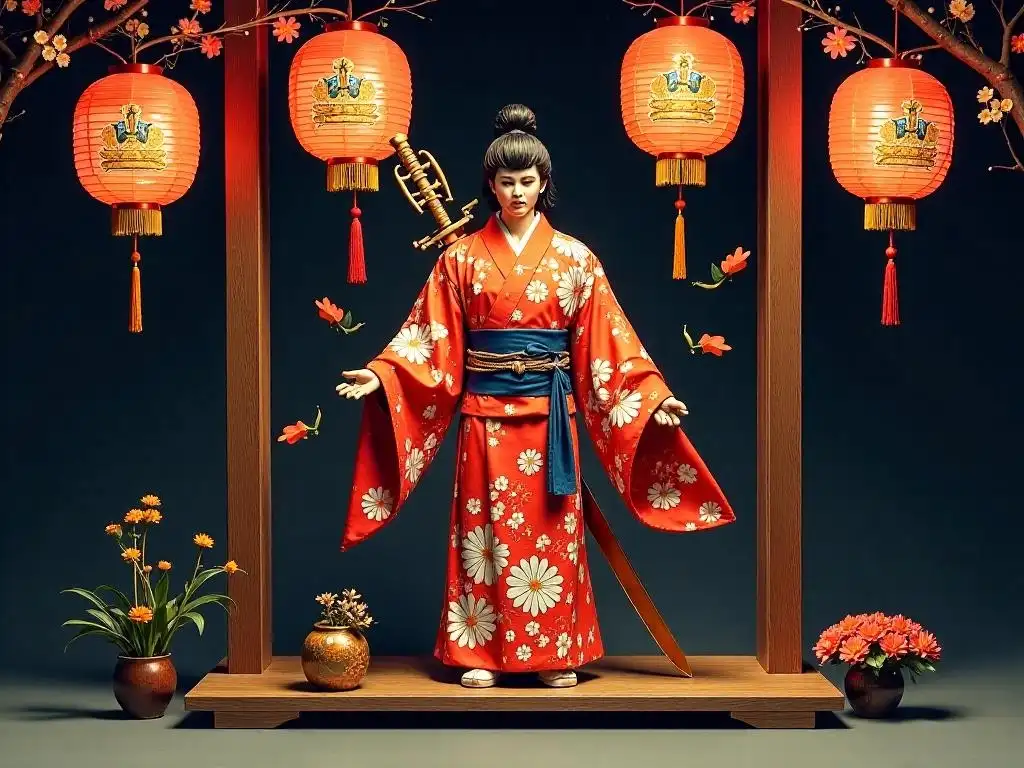
Welcome to Feudal Japan History—your gateway to the captivating world of Japan’s feudal era! Here, we delve deep into the intricacies of historical, cultural, and societal elements that shaped this fascinating period. In our featured article, we explore the significance of Feudal Japan figurines and their profound connection to traditional Japanese arts. What stories do these intricate figurines tell? How do they reflect the values and aesthetics of their time? Join us on this enlightening journey, and unlock the mysteries that lie within the artistry of Feudal Japan. Your adventure in discovery starts now!
Feudal Japan, a period marked by the samurai's rise and the intricate tapestry of social hierarchies, has left behind a rich legacy that continues to resonate in various aspects of Japanese culture. Among the most compelling artifacts of this era are the figurines that encapsulate both the artistry and the societal values of the time.
This article delves into the significance of these Feudal Japan figurines, exploring their historical context, cultural importance, and the artistic techniques that define them. By examining how these figurines connect with traditional Japanese arts, we aim to uncover the layers of meaning they hold, not only as collectible items but also as reflections of a unique cultural heritage.
Understanding Feudal Japan Figurines Significance
What Are Feudal Japan Figurines?
Feudal Japan figurines are intricately crafted representations that embody themes from Japanese mythology, folklore, and everyday life during the feudal period. These figurines serve multiple purposes—from decorative art pieces to symbolic representations of societal roles and beliefs. Often made from materials such as wood, clay, and porcelain, these figurines vary in size and style, showcasing the artistic diversity of the era. Collectors and enthusiasts appreciate them not only for their aesthetic appeal but also for the stories they tell about the people and customs of feudal Japan.
Historical Context of Feudal Japan Figurines
The creation of figurines in Japan can be traced back to the Heian period (794-1185) and flourished during the Kamakura (1185-1333) and Muromachi periods (1336-1573). The evolution of these figurines mirrors the shifts in political power, social structure, and cultural practices throughout the feudal era. During times of peace, such as the Edo period (1603-1868), figurines became more prevalent as a means of artistic expression, often reflecting the daily lives of the samurai class and the common folk. They were also employed in rituals and ceremonies, enhancing their significance beyond mere decoration.
Cultural Importance of Figurines in Japanese Society
In Japanese society, figurines often represent more than just artistic endeavors; they embody cultural beliefs, values, and narratives. For instance, many figurines depict deities or legendary heroes, serving as talismans of protection and prosperity. Moreover, the craftsmanship associated with these figurines is a testament to the dedication and skill of artisans, who often passed down traditional techniques through generations. As such, these figurines play a vital role in preserving and promoting the cultural identity of Japan, making them significant not only as collectibles but also as cultural artifacts.
The Artistic Techniques Behind Feudal Japan Figurines
Traditional Craftsmanship in Japanese Figurines
The craftsmanship of Feudal Japan figurines showcases a blend of artistic techniques that have been refined over centuries. Artisans employed methods such as hand-painting, carving, and glazing to create detailed and expressive figures. Techniques like Mizuhiki, a form of decorative knotting, and Kintsugi, the art of repairing pottery with gold, also influenced the aesthetic of figurine creation. This meticulous craftsmanship demonstrates a deep respect for tradition and the natural world, often incorporating elements of Shinto and Buddhist beliefs into the design process.
Materials Used in Creating Feudal Japan Figurines
The materials used in crafting Feudal Japan figurines vary widely, each contributing to the overall aesthetic and durability of the pieces. Common materials include:
- Wood: Often used for larger figurines, wood allows for intricate carvings and natural finishes.
- Clay: Clay figurines are typically hand-molded and fired, offering a more rustic and varied appearance.
- Porcelain: Popularized during the Edo period, porcelain figurines often feature vibrant glazes and fine details.
These materials not only enhance the figurines' beauty but also reflect the resources available in different regions, further enriching their historical context.
Influence of Traditional Arts on Figurine Design
The design of Feudal Japan figurines is heavily influenced by traditional arts such as Ikebana (flower arranging), Origami (paper folding), and Calligraphy. Each of these art forms emphasizes beauty, balance, and harmony, principles that are mirrored in the aesthetics of figurine design. The integration of these artistic elements ensures that figurines are not only visually appealing but also imbued with deeper meanings and cultural significance, linking them to the broader spectrum of Japanese art and tradition.
By understanding the significance of Feudal Japan figurines within their historical and cultural contexts, we can appreciate the intricate artistry that has shaped them and their lasting impact on Japanese culture today.
Exploring Different Types of Feudal Japan Figurines
Feudal Japan figurines encompass a rich tapestry of cultural representations that reflect the historical, social, and artistic nuances of the era. These figurines serve not only as decorative items but also as significant cultural artifacts that encapsulate the values, beliefs, and aesthetics of their time. As collectors and enthusiasts delve into the world of these figurines, they encounter various types that highlight different facets of Japanese tradition and artistry.
The major categories of feudal Japan figurines include samurai, geisha, and theatrical representations from Noh and Kabuki. Each category carries its own unique symbolism and aesthetic, making them valuable both as collectibles and as educational tools for understanding Japan's feudal past.
Samurai Figurines: Representations of Honor and Valor
Samurai figurines are perhaps the most iconic representations of feudal Japan, symbolizing the ideals of honor, loyalty, and martial prowess. Often depicted in full armor, wielding weapons such as katana or naginata, these figurines capture the essence of the samurai spirit.
The craftsmanship involved in creating these figurines often reflects the intricate designs found in actual samurai armor, emphasizing the attention to detail that artisans applied during the production process. Many samurai figurines are designed to illustrate specific historical figures or legendary warriors, serving as a connection to Japan’s rich martial heritage.
Moreover, these figurines often embody the Bushido code, which emphasizes virtues such as courage and righteousness. Collectors value samurai figurines not only for their aesthetic appeal but also for the historical narratives they represent, making them significant in understanding Japan's feudal era.
Geisha Figurines: Symbols of Beauty and Artistry
Geisha figurines offer a glimpse into the refined art of the geisha and the cultural practices surrounding them. These figures often illustrate the elegance and grace associated with geisha culture, showcasing traditional attire such as kimono, elaborate hairstyles, and delicate accessories.
The artistry involved in crafting geisha figurines is remarkable, with attention paid to facial expressions, posture, and the intricacies of clothing patterns. Many figurines capture moments of performance, such as playing musical instruments or engaging in traditional tea ceremonies, highlighting the artistic skills of geisha that were highly revered in society.
As symbols of beauty and cultural refinement, geisha figurines serve as reminders of the social roles women played in feudal Japan, often acting as entertainers and educators in the arts. Collectors appreciate these figurines not only for their visual appeal but also for their representation of cultural practices that have shaped Japanese identity.
Noh and Kabuki Figurines: Theatrical Traditions Captured in Art
Noh and Kabuki figurines represent the vibrant theatrical traditions that flourished during feudal Japan. These figurines often depict characters from famous plays, showcasing the elaborate costumes, makeup, and masks that are characteristic of these performance arts.
Noh theater, known for its subtlety and use of masks, emphasizes the spiritual and emotional depth of its characters. Figurines from this tradition often highlight the elegance of movement and the symbolism embedded in the masks themselves. In contrast, Kabuki is known for its flamboyance and dynamic storytelling, with figurines capturing the dramatic poses and intricate details of Kabuki actors’ attire.
Collecting Noh and Kabuki figurines allows enthusiasts to appreciate not only the artistry involved but also the cultural significance of these theatrical forms in conveying moral lessons and historical narratives. These figurines are a testament to the enduring legacy of performance art in Japanese culture.
Feudal Japan Figurines and Their Role in Collectibles
The world of feudal Japan figurines has evolved into a significant collectible market, attracting enthusiasts and historians alike. This section explores the rise of collecting these unique artifacts, how to identify authentic pieces, and current market trends within this niche.
The Rise of Collecting Feudal Japan Figurines
Collecting feudal Japan figurines has seen a notable increase in popularity over the past few decades. As interest in Japanese culture and history grows globally, collectors seek out these figurines not just for their aesthetic value but also for their historical significance.
The rise of online marketplaces and dedicated auction houses has made it easier for collectors to find rare and authentic pieces. Events dedicated to Japanese art and culture also foster community among collectors, providing opportunities to share knowledge and expand their collections. This growing interest has led to a vibrant market where both novice and experienced collectors can engage.
How to Identify Authentic Feudal Japan Figurines
Identifying authentic feudal Japan figurines requires a keen eye and knowledge of the historical context and craftsmanship techniques used during the period. Here are some key factors to consider:
- Material: Traditional figurines were often made from materials such as wood, porcelain, or clay. Understanding the material can help determine authenticity.
- Craftsmanship: Examine the detail in the figurine's design. Authentic pieces typically display intricate craftsmanship, with attention to features such as facial expressions, clothing patterns, and overall finish.
- Provenance: Documentation of the figurine's history can add to its authenticity. Collectors should seek items with a detailed provenance or background story.
By being informed and discerning, collectors can make educated decisions and avoid replicas or fakes that may diminish their collection's value.
Market Trends in Feudal Japan Figurines Collectibles
The market for feudal Japan figurines is influenced by various trends, including shifts in collector demographics and evolving tastes. Currently, there is a growing demand for figurines that depict lesser-known historical figures and everyday life during the feudal era, reflecting a broader interest in the nuanced aspects of Japanese history.
Additionally, the rise of interest in sustainable and ethically sourced collectibles has prompted collectors to seek out pieces that emphasize traditional craftsmanship. This trend has led to a resurgence in the production of high-quality replicas and artisan-made figurines that respect historical accuracy while appealing to modern collectors.
Understanding these market trends can provide valuable insights for both new and seasoned collectors, enabling them to make informed decisions about their acquisitions and investments in feudal Japan figurines.
Connecting Feudal Japan Figurines to Broader Japanese Arts
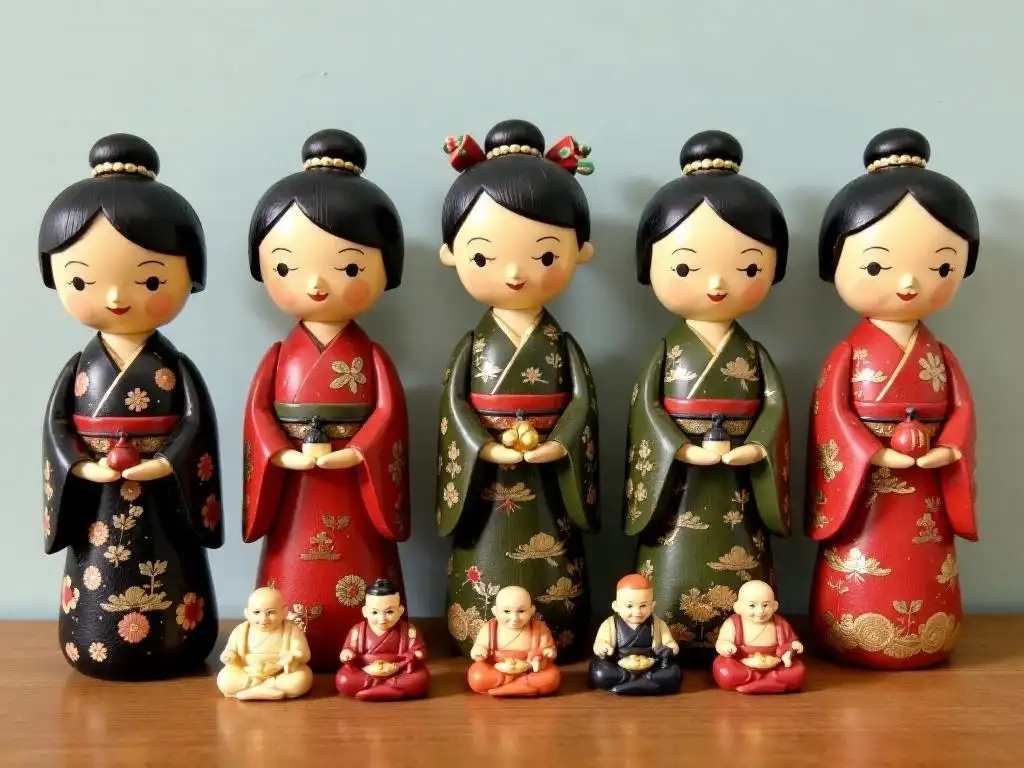
Feudal Japan figurines are more than mere collectibles; they are a vibrant expression of the rich tapestry of traditional Japanese arts. These figurines often embody elements from various art forms, reflecting the cultural nuances and aesthetic principles that characterized the era. By examining the connections between these figurines and broader Japanese arts, one can appreciate their significance not only as historical artifacts but also as representations of artistic traditions.
The Influence of Sumi-e Painting on Figurine Aesthetics
Sumi-e, or ink wash painting, significantly influenced the aesthetic qualities of Feudal Japan figurines. This painting style emphasizes the use of black ink and fluid brush strokes to create depth and emotion. Many figurines incorporate these principles through their design, focusing on graceful lines and harmonious proportions.
The techniques of Sumi-e can be seen in the way figurines are painted or finished, often featuring delicate details that mimic the softness of brush strokes. For example, the flowing robes of samurai or the intricate patterns on a geisha's attire may echo the fluidity found in Sumi-e artworks. This connection reinforces the idea that figurines are not just standalone pieces but part of a broader artistic dialogue that includes painting and other traditional arts.
Ceramics and Pottery: Shared Techniques with Figurine Production
Ceramics and pottery have long been integral to Japanese culture, and their techniques intersect with those used in creating Feudal Japan figurines. The crafting of figurines often employs methods similar to those used in pottery, such as hand-building, glazing, and firing.
Many figurines are made from clay and subjected to similar firing processes as traditional ceramics, allowing for a rich variety of textures and finishes. The glazes used can reflect the vibrant colors found in Japanese pottery, enhancing the visual appeal of the figurines. Notably, certain regional styles, such as Imari or Kutani, influence the color palettes and patterns seen in both pottery and figurines, showcasing a harmonious relationship between these two forms.
The Role of Calligraphy in Figurine Decoration
Calligraphy, a revered art form in Japan, plays a significant role in the decoration of Feudal Japan figurines. The elegant brush strokes and expressive characters of kanji can often be found adorning the bases or the clothing of figurines. This practice not only beautifies the pieces but also imbues them with meaning and context.
Incorporating calligraphic elements into figurine design connects them to literary traditions and historical narratives. For example, figurines depicting famous historical figures might feature inscriptions that tell their story or record their achievements. This blend of visual and textual art enhances the storytelling aspect of the figurines, making them multifaceted representations of Japan's cultural heritage.
Preserving and Displaying Feudal Japan Figurines
Preservation and display are crucial for maintaining the integrity and value of Feudal Japan figurines. Proper care not only protects these collectibles from damage but also enhances their aesthetic presentation. Understanding best practices for preservation and creative display methods can ensure that these artifacts remain cherished parts of cultural history.
Best Practices for Caring for Feudal Japan Figurines
Caring for Feudal Japan figurines requires attention to their material composition and construction techniques. Here are some best practices to consider:
- Avoid Direct Sunlight: Prolonged exposure can cause colors to fade and materials to deteriorate.
- Control Humidity and Temperature: Store figurines in a stable environment to prevent cracking or warping.
- Gentle Cleaning: Use a soft brush or cloth to remove dust; avoid water and harsh chemicals that may damage finishes.
- Handling with Care: Always handle figurines by their bases and avoid touching painted areas to prevent smudging.
By following these guidelines, collectors can preserve their figurines for generations to come.
Creative Ways to Display Your Collection
Displaying Feudal Japan figurines creatively can enhance their visibility and appreciation. Here are some innovative ideas for showcasing your collection:
- Shadow Boxes: Use shadow boxes to create themed displays that highlight specific figurines alongside relevant artifacts or memorabilia.
- Floating Shelves: Install floating shelves to create a minimalist display that allows the figurines to stand out without clutter.
- Dioramas: Construct small scenes using figurines to tell a story or depict historical events, providing context and engaging viewers.
These methods not only beautify a space but also invite curiosity and conversation about the cultural significance of the figurines.
Recommended Products for Figurine Preservation
To ensure the longevity of Feudal Japan figurines, consider investing in specialized preservation products. Recommended items include:
| Product Type | Description |
|---|---|
| Display Cases | Acrylic or glass cases to protect from dust and sunlight. |
| Silica Gel Packs | To maintain optimal humidity levels in storage areas. |
| Soft Cloths | Microfiber cloths for gentle cleaning without scratching. |
| Mounting Putty | For securing figurines in place during display. |
Utilizing these products can enhance the care and presentation of your figurine collection, allowing you to enjoy the beauty of these historic pieces while ensuring their preservation.
Conclusion: The Enduring Legacy of Feudal Japan Figurines in Arts
The significance of feudal Japan figurines extends far beyond mere collectibles; they serve as vital links to Japan's rich cultural and artistic heritage. These intricately crafted pieces reflect the aesthetics and values of their time, bridging the past with contemporary artistic expressions. As embodiments of historical narratives, they not only capture the essence of feudal society but also inspire modern artists and collectors alike. The enduring legacy of these figurines is a testament to their role in preserving and celebrating traditional Japanese arts.
The craftsmanship involved in creating feudal Japan figurines showcases the dedication and skill of artisans. Each piece tells a story, often depicting samurai, mythical creatures, or everyday life during the feudal era. Their continued popularity highlights the appreciation for traditional techniques and materials, emphasizing the importance of maintaining cultural practices in a rapidly changing world.
Why Feudal Japan Figurines Remain Relevant Today
Feudal Japan figurines maintain their relevance today for several reasons. First, they serve as educational artifacts, providing insights into the historical and cultural contexts of Japan's feudal period. Collectors, historians, and enthusiasts find value in these pieces, as they can enhance understanding of societal structures, fashion, and the daily lives of people from that era.
Second, the aesthetic appeal of these figurines continues to captivate modern audiences. The intricate designs, vibrant colors, and attention to detail resonate with art lovers and collectors, making them desirable items for display in homes, galleries, and museums. Additionally, as global interest in Japanese culture grows, so does the demand for authentic representations of its history.
Lastly, the emotional connection that collectors develop with feudal Japan figurines adds to their significance. Each piece can evoke nostalgia or admiration, often becoming cherished heirlooms that carry personal stories and connections to the past.
The Future of Collectible Feudal Japan Figurines in the Art World
As we look to the future, the market for collectible feudal Japan figurines appears promising. The increasing globalization of art and culture presents opportunities for these figurines to reach wider audiences. Online platforms and social media have made it easier for collectors to showcase their collections and share knowledge, fostering a vibrant community of enthusiasts.
Moreover, contemporary artists are increasingly drawing inspiration from traditional Japanese arts, leading to innovative interpretations of classic figurines. This fusion of old and new not only revitalizes interest in feudal Japan figurines but also ensures their relevance in modern art discourse.
The rise of sustainable and ethical collecting practices is another trend that could shape the future of this niche. Collectors are becoming more conscious of provenance and the impact of their purchases, leading to a demand for authentic, ethically sourced pieces. This shift may encourage artisans to uphold traditional methods while ensuring that their work supports local communities.
Call to Action: Start Your Collection Today!
If you are intrigued by the captivating history and artistry of feudal Japan figurines, there’s no better time to start your collection. These pieces not only serve as beautiful decorative items but also as meaningful links to a rich cultural heritage. By collecting these figurines, you contribute to the preservation of traditional Japanese arts and share their significance with future generations.
Where to Buy Authentic Feudal Japan Figurines
To begin your collection, it’s essential to know where to find authentic feudal Japan figurines. Some reputable sources include:
- Antique Shops: Look for shops specializing in Asian antiques, where you can find genuine pieces with historical value.
- Online Marketplaces: Websites like auction platforms or dedicated collectible sites often feature a range of figurines from various eras.
- Art Galleries: Many galleries showcase traditional Japanese art, and you may find unique figurines for sale.
- Cultural Festivals: Attending festivals focused on Japanese culture can provide opportunities to purchase directly from artisans.
Each of these avenues can lead you to find pieces that resonate with your personal aesthetic and historical interests.
Joining Collector Communities and Resources
Engaging with collector communities can enhance your experience as you start your collection. These communities offer valuable resources, such as:
- Online Forums: Platforms where collectors discuss their finds, share tips, and provide insights into the market.
- Social Media Groups: Join groups dedicated to Japanese art and collectibles to connect with like-minded individuals.
- Local Clubs: Many regions have clubs focused on Asian antiques, offering meetings, events, and opportunities for networking.
- Educational Workshops: Participate in workshops or lectures to deepen your understanding of feudal Japan figurines and their significance.
By joining these communities, you not only gain knowledge but also create connections that can enrich your collecting journey. Start your collection today and become part of the legacy of feudal Japan!
- Understanding Feudal Japan Figurines Significance
- The Artistic Techniques Behind Feudal Japan Figurines
- Exploring Different Types of Feudal Japan Figurines
- Feudal Japan Figurines and Their Role in Collectibles
- Connecting Feudal Japan Figurines to Broader Japanese Arts
- Preserving and Displaying Feudal Japan Figurines
- Conclusion: The Enduring Legacy of Feudal Japan Figurines in Arts
- Call to Action: Start Your Collection Today!
Frequently Asked Questions
What are Feudal Japan figurines?
Feudal Japan figurines are artistic representations created during Japan's feudal era, often depicting samurai, geisha, or mythical creatures. They reflect the cultural values and aesthetic principles of the time.
How do Feudal Japan figurines relate to traditional Japanese arts?
These figurines are integral to traditional Japanese arts, showcasing craftsmanship and symbolism prevalent in art forms like ceramics and woodblock printing. They serve as a bridge between history and artistic expression.
What materials were commonly used in making Feudal Japan figurines?
Common materials include wood, ceramic, and metal, each chosen for its durability and aesthetic quality. The choice of material often reflects the status and functionality of the figurine in society.
Why are Feudal Japan figurines significant today?
Today, Feudal Japan figurines hold cultural significance as they provide insight into historical and social contexts, allowing us to appreciate Japan's artistic heritage and traditions.
How can I collect or display Feudal Japan figurines?
Collectors often seek authentic pieces, preferably from reputable sources. When displaying, consider using light and spacing to highlight their intricate details and cultural importance.
Final Reflection: The Enduring Significance of Feudal Japan Figurines
The intricate relationship between Feudal Japan figurines and traditional Japanese arts highlights a profound cultural legacy that continues to resonate today. As we explore the significance of these figurines, we uncover not only their artistic value but also their role as historical artifacts that encapsulate the essence of a society defined by its customs, beliefs, and artistry. The legacy of Feudal Japan lives on, reminding us of the importance of preserving cultural heritage in an increasingly globalized world.
The influence of Feudal Japan figurines extends beyond mere aesthetics; they serve as a bridge connecting the past to the present. These figurines embody the craftsmanship and spiritual depth of a bygone era, influencing contemporary artists and collectors alike. As we reflect on their significance, we can appreciate how they inspire a renewed interest in traditional arts and crafts. Art is the most beautiful of all lies; it is a reflection of the truth we seek.
This quote encapsulates the essence of how these figurines not only represent historical truths but also inspire modern interpretations and expressions of culture.
As we conclude our exploration of Feudal Japan figurines, I invite you to reflect on the importance of cultural heritage in your own life. Consider how the lessons from the past can inform your present and future. Engage with traditional arts, support local artisans, and seek to understand the stories behind the objects that surround you. By doing so, you contribute to the preservation of cultural legacies and ensure that the significance of Feudal Japan figurines continues to inspire generations to come.
Unveil the Richness of Feudal Japan’s Artistic Legacy!
Thank you for exploring the fascinating connection between figurines and traditional Japanese arts during feudal Japan. Your journey through this unique cultural landscape is just the beginning! Now, it’s time to take action and deepen your appreciation for this remarkable heritage.
Here are a few ways you can continue your exploration:
- Dive into hands-on creativity: Try your hand at crafting your own figurine inspired by traditional Japanese art forms. Gather some clay or paint and let your imagination flow!
- Share your insights: Connect with fellow enthusiasts by sharing this article on your social media platforms or starting a conversation in online forums. Let’s spread the knowledge!
- Join a local workshop: Seek out workshops focused on traditional Japanese arts in your community. It’s a wonderful opportunity to learn new skills and connect with like-minded individuals.
What aspect of feudal Japanese arts intrigues you the most, and how do you plan to explore it further?