
The Evolution of Feudal Japan Figurines Through the Ages

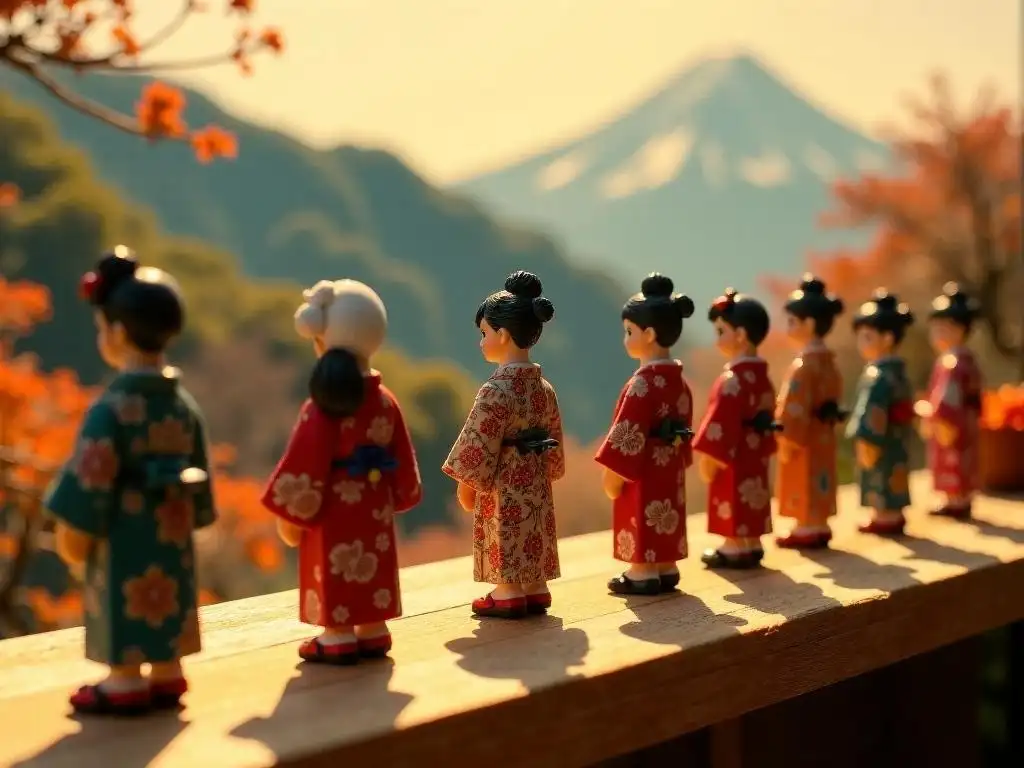
Welcome to Feudal Japan History, where we invite you to embark on a fascinating journey through the intricate tapestry of Japan's feudal era. Dive into our featured article, “The Evolution of Feudal Japan Figurines Through the Ages,” and uncover the rich stories behind these captivating cultural products. What secrets do these figurines hold about the society and artistry of their time? Prepare to be intrigued as we unravel the layers of history, culture, and craft that shaped these remarkable artifacts. Your exploration of this enchanting world begins now!
- Introduction to Feudal Japan Figurine History
- The Origins of Feudal Japan Figurines
- The Kamakura Period: The Rise of Samurai Figurines
- The Muromachi Period: Artistic Flourishing and Diversity
- The Edo Period: Mass Production and Popularization
- Modern Interpretations of Feudal Japan Figurines
- Collecting Feudal Japan Figurines: A Guide for Enthusiasts
- Conclusion: The Lasting Legacy of Feudal Japan Figurines
- Frequently Asked Questions
- Final Reflection: The Enduring Legacy of Feudal Japan Figurines
- Unveil the Legacy of Feudal Japan Figurines!
Introduction to Feudal Japan Figurine History
The history of figurines in Feudal Japan is a fascinating journey that intertwines art, culture, and societal values throughout the ages. These small but significant artifacts not only represent the craftsmanship and artistic expression of their time but also serve as a window into the beliefs, traditions, and daily lives of the Japanese people during the feudal era.
From the intricate designs of samurai warriors to the delicate portrayals of mythical creatures, Feudal Japan figurines encapsulate a rich narrative that echoes the complexities of its historical context. This article aims to delve into the evolution of these figurines, shedding light on their significance and the cultural implications they hold in the broader tapestry of Japanese history.
Overview of Feudal Japan and Its Cultural Significance
Feudal Japan, spanning from the late 12th century to the mid-19th century, was a time marked by the rise of the samurai class and a rigid social hierarchy. This period was characterized by:
- Political Structure: The shogunate system, where military leaders held power over the emperor, creating a unique governance model.
- Social Classes: A well-defined class system that included the emperor, shogun, daimyos (feudal lords), samurai, farmers, artisans, and merchants.
- Cultural Flourishing: The era witnessed significant developments in arts, literature, and philosophy, leading to the emergence of distinct cultural practices.
The cultural significance of this period is reflected in various forms of art, including literature, theater, and, notably, figurines. These collectibles often depicted prominent figures, deities, and scenes from folklore, thus affirming their role as not just decorative objects but also as vessels of storytelling and cultural heritage.
The Importance of Figurines in Japanese History
Figurines in Feudal Japan serve multiple purposes, each rooted in historical and cultural contexts. Their importance can be summarized as follows:
- Cultural Representation: Figurines often symbolized various aspects of Japanese culture, including:
- Religious Beliefs: Many figurines were crafted to represent Buddhist deities, Shinto gods, or legendary heroes, serving as objects of devotion.
- Folklore and Mythology: They depicted tales from Japanese mythology, preserving stories that shaped the national identity.
- Artistic Expression: The craftsmanship involved in creating figurines showcases the artistic prowess of different periods. Techniques evolved over time, reflecting changes in aesthetics and materials.
- Societal Reflection: Figurines captured the essence of societal norms and values during the feudal era. For instance, samurai figurines often emphasized virtues such as loyalty and honor, mirroring the samurai code of conduct known as Bushido.
- Collectibility and Legacy: Today, these figurines are highly sought after by collectors for their historical value and artistic merit. They represent a tangible connection to Japan’s rich feudal past, making them significant in both cultural and economic terms.
The history of Feudal Japan figurines is a profound reflection of the country's cultural evolution. Understanding their significance provides insight into the intricate relationship between art, history, and society in Feudal Japan.
The Origins of Feudal Japan Figurines
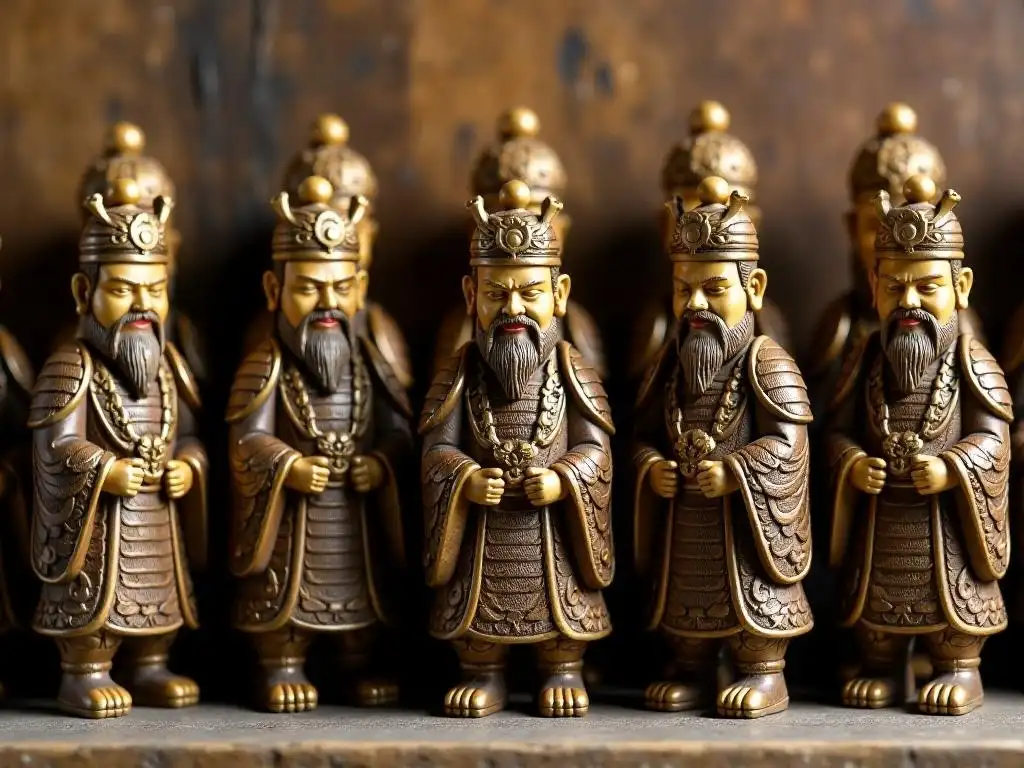
Early Depictions: From Jomon to Heian Period
The history of Feudal Japan figurines can be traced back to ancient times, with early representations emerging during the Jomon period (circa 14,000 – 300 BCE). The Jomon people were known for their intricate pottery, which often featured figurative forms, including small clay figures called dogū. These dogū were typically characterized by exaggerated features and were believed to have had spiritual or ritual significance. Researchers theorize that they may have been used in fertility rites or as protective talismans.
As Japan transitioned into the Yayoi period (300 BCE – 300 CE), figurines became less prominent, but the introduction of rice cultivation led to an increase in societal complexity and the emergence of regional styles. During the Kofun period (300 – 710 CE), the focus shifted to haniwa, clay figures placed on burial mounds. These haniwa included human figures, animals, and objects, serving as grave markers and believed to accompany the deceased into the afterlife.
The Heian period (794 – 1185 CE) marked a significant evolution in Feudal Japan figurine history. The aesthetic focus shifted toward more refined and delicate representations. Figurines began to embody the elegance and sophistication of the Heian court, often portraying court nobles and deities. Materials such as wood, lacquer, and ivory started to be used alongside clay, reflecting the era's artistic advancements and the growing influence of Buddhism.
Symbolism in Early Figurines: Religious and Cultural Context
The symbolism embedded in early Feudal Japan figurines provides critical insights into the religious and cultural fabric of the time. Many of these figurines were not mere decorative objects; they were imbued with spiritual meanings and served various societal functions.
- Religious Significance:
- Shinto Influence: Early figurines, especially from the Jomon and Yayoi periods, often reflected Shinto beliefs. They were designed as offerings to kami (spirits) and were thought to possess protective qualities. The use of clay in crafting these figures symbolizes the earth and its connection to the divine.
- Buddhist Iconography: As Buddhism spread during the Asuka (538 – 710 CE) and Nara (710 – 794 CE) periods, figurines began to depict Buddhist deities and bodhisattvas. These representations served as focal points for worship and meditation, reinforcing the religious significance of the figures.
- Cultural Representation:
- Social Status: Figurines often depicted different social classes, particularly during the Heian period. The portrayal of court nobles in elegant attire reflected the hierarchical structure of feudal society and the importance placed on status and appearance.
- Ceremonial Use: Many figurines were associated with rituals and ceremonies, marking significant life events such as births, marriages, and deaths. They acted as conduits between the physical and spiritual realms, reinforcing cultural traditions and practices.
- Artistic Expression:
- The evolution of styles from the crude forms of the Jomon period to the refined elegance of the Heian period illustrates the artistic growth in Japanese culture. The attention to detail and the incorporation of symbolic elements in figurines highlight the creativity and craftsmanship of artisans throughout history.
Understanding the origins and symbolism of Feudal Japan figurines offers a deeper appreciation for their role in Japanese culture and society. These figurines not only serve as collectibles today but also as historical artifacts that encapsulate the spiritual and social dynamics of their time.
The Kamakura Period: The Rise of Samurai Figurines
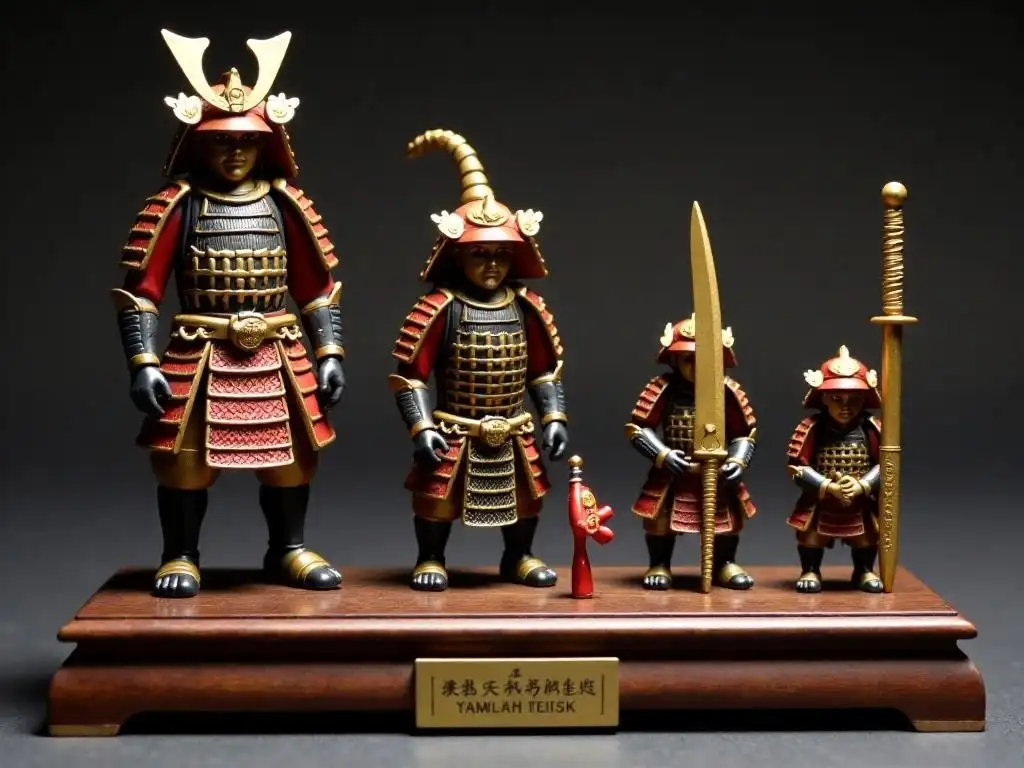
The Kamakura Period (1185-1333) marks a pivotal era in Japanese history, characterized by the emergence of samurai culture and the establishment of a military government. This period saw the rise of the samurai class, which profoundly influenced the arts, including the creation of figurines that depicted these warriors. The samurai figurines of the Kamakura Period were not merely decorative; they served as symbols of power, loyalty, and the martial ethos that defined the time.
Characteristics of Samurai Figurines in the Kamakura Era
Samurai figurines from the Kamakura Period exhibit distinct characteristics that reflect the societal values and artistic sensibilities of the time.
- Material and Craftsmanship: Typically crafted from clay, wood, or metal, these figurines were often adorned with intricate details that highlighted the samurai's armor and weaponry. Artisans utilized techniques such as lacquerware and gilding to enhance the visual appeal of the figurines, making them prized possessions among the elite.
- Realism and Proportions: Unlike earlier decorative arts, Kamakura samurai figurines showed a shift towards realism. The proportions of the figures became more accurate, portraying the samurai in a manner that emphasized their physical attributes, attire, and weaponry. The attention to detail in facial expressions and poses conveyed the warrior's spirit and readiness for battle.
- Symbolism: The figurines were often imbued with symbolic meanings. For instance, the depiction of a samurai in a dynamic pose might represent bravery and valor, while the inclusion of specific motifs, such as family crests (mon), indicated loyalty to a particular clan.
- Cultural Reflection: These figurines served as reflections of the prevailing ideals of bushido, the way of the warrior. They encapsulated the ethos of loyalty, honor, and courage that defined the samurai's role in society during the Kamakura Period.
Notable Examples of Kamakura Period Samurai Figurines
Several notable samurai figurines from the Kamakura Period have garnered attention from collectors and historians alike, showcasing the artistic prowess of the time.
- Hachiman Figurines: Hachiman, the god of war, was a popular subject for samurai figurines. These representations often depicted Hachiman in armor, symbolizing divine protection over warriors. The craftsmanship of these figurines included detailed armor and weaponry, capturing the essence of samurai valor.
- Noh Theatre Characters: Some figurines represented characters from Noh theatre, which became popular during the Kamakura Period. These figures often portrayed legendary samurai in dynamic poses, reflecting the theatricality of their stories and the cultural milieu of the time.
- Individual Samurai Portraits: Artisans also created figurines that represented specific historical samurai figures, capturing their likeness and personality. For example, figurines of Minamoto no Yoritomo, the first shogun of the Kamakura shogunate, depicted him in full armor, emphasizing his status and legendary military achievements.
- Ritualistic Figurines: Some figurines were crafted for religious or ritualistic purposes, serving as offerings to deities for protection in battle. These pieces often featured intricate designs and were used in ceremonies to ensure victory and safety for warriors.
The samurai figurines from the Kamakura Period not only serve as aesthetic collectibles but also provide invaluable insights into the culture, values, and artistic practices of feudal Japan. Their enduring legacy continues to captivate collectors and historians, making them a significant aspect of Feudal Japan figurine history.
The Muromachi Period: Artistic Flourishing and Diversity
During the Muromachi period (1336–1573), Japan witnessed a significant transformation in its artistic landscape, which was deeply influenced by both political changes and cultural developments. This era marked the rise of the Ashikaga shogunate, which provided a more stable environment for artistic expression. The fusion of various cultural influences, particularly from Zen Buddhism, played a pivotal role in the creation of figurines during this time.
The artistic flourishing of the Muromachi period was characterized by a blend of traditional Japanese aesthetics and new ideas brought about by contact with the Chinese Ming dynasty. This period saw the emergence of various art forms, including painting, ceramics, and, importantly, figurines that reflected the diverse societal and cultural changes taking place.
The Role of Zen Buddhism in Figurine Creation
Zen Buddhism significantly influenced the creation of figurines in the Muromachi period. As Zen philosophy emphasized simplicity, meditation, and the beauty of nature, these principles translated into the artistry of figurines. Artisans began to create pieces that embodied these ideals, focusing on minimalist designs and natural materials.
- Simplicity and Naturalism: Zen-inspired figurines often featured understated designs that captured the essence of the subject rather than a detailed representation. This approach emphasized the beauty of imperfection, a concept known as wabi-sabi.
- Ceremonial Usage: Many figurines were used in religious and ceremonial contexts. For example, small statues of Buddha or bodhisattvas were crafted to serve as objects of devotion and meditation, enhancing the spiritual atmosphere of Zen gardens and temples.
- Cultural Exchange: The presence of Zen monks, who frequently traveled between Japan and China, facilitated the exchange of artistic ideas. This cross-pollination led to the incorporation of Chinese motifs and techniques into Japanese figurine craftsmanship.
Overall, Zen Buddhism not only shaped the aesthetic direction of Muromachi figurines but also instilled a deeper purpose in their creation, making them integral to both artistic and spiritual life.
Types of Figurines: Noh, Kabuki, and Other Cultural Representations
The Muromachi period also heralded the rise of theatrical forms such as Noh and Kabuki, which greatly influenced the types of figurines produced. These art forms not only provided entertainment but also served as a means to express cultural narratives through visual representation.
- Noh Figurines: Noh theater, known for its slow, stylized movements and the use of masks, inspired the creation of figurines that depicted characters from folklore and mythology.
- Characteristics: Noh figurines typically showcased intricate detailing, with a focus on expressive facial features that conveyed specific emotions.
- Cultural Significance: These figurines often represented themes of love, loss, and the supernatural, reflecting the deeper human experiences portrayed in Noh performances.
- Kabuki Figurines: Kabuki, with its vibrant costumes and exaggerated movements, led to the creation of more colorful and dynamic figurines.
- Characteristics: Kabuki figurines were often adorned with elaborate attire and dramatic poses, emphasizing the theatricality of the performances.
- Cultural Significance: These figurines celebrated popular characters and stories, allowing collectors to engage with the cultural narratives that resonated with the public.
- Other Cultural Representations: Beyond theater, artisans also crafted figurines representing various aspects of daily life, nature, and folklore.
- Examples: Figurines of samurai, farmers, and mythological creatures served to document and preserve the cultural heritage of the time.
The Muromachi period was a pivotal time for the evolution of Feudal Japan figurines, with influences from Zen Buddhism and theatrical forms enriching the artistic landscape. These figurines not only provide insight into the aesthetics of the era but also serve as valuable collectibles that encapsulate the cultural narratives of feudal Japan.
The Edo Period: Mass Production and Popularization
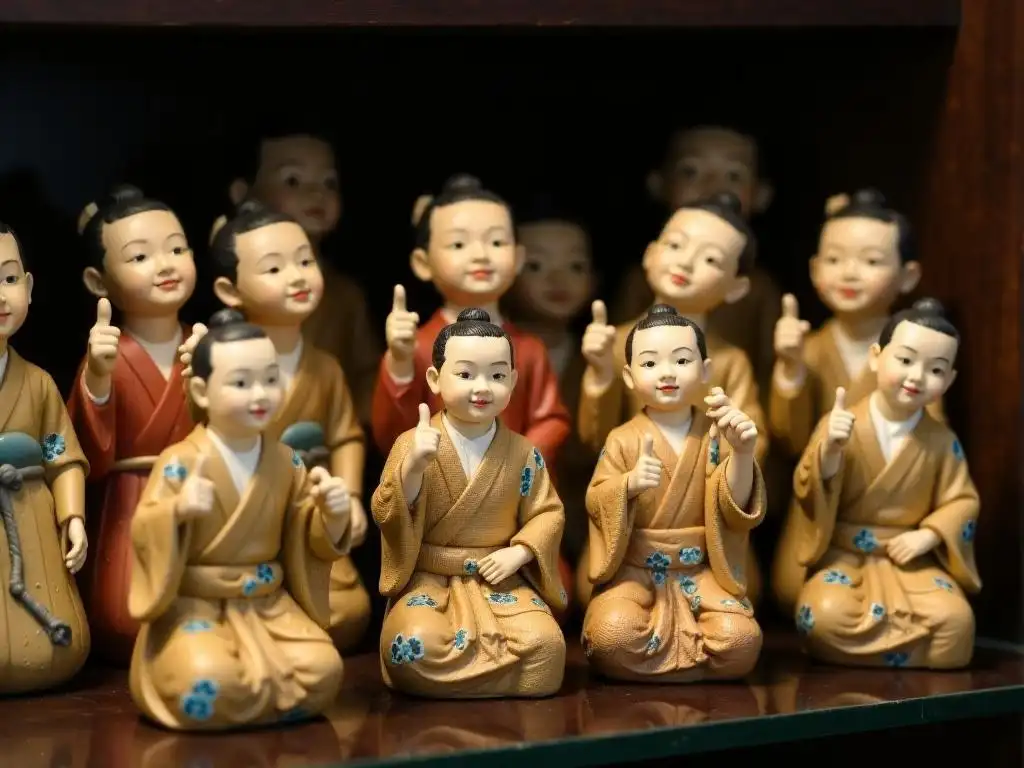
The Edo Period (1603-1868) marked a significant transformation in the production and popularity of figurines in Japan, driven by social stability and economic growth. This era witnessed the emergence of a merchant class that not only influenced the economy but also the cultural landscape, leading to an increased demand for decorative items, including figurines. The establishment of a vibrant art scene and the proliferation of printmaking techniques facilitated the production of figurines that were accessible to a broader audience.
The Growth of Ukiyo-e and Its Influence on Figurines
Ukiyo-e, meaning "pictures of the floating world," was a popular art form during the Edo Period that depicted scenes from everyday life, landscapes, and kabuki actors. This art form significantly influenced the design and production of figurines. Artists such as Katsushika Hokusai and Utagawa Hiroshige created prints that featured iconic characters and scenes, which directly inspired the creation of figurines.
- Techniques and Materials: Ukiyo-e artists employed woodblock printing techniques that allowed mass production. The intricate details captured in these prints inspired sculptors and artisans to replicate characters in three-dimensional forms. Common materials for figurines included wood, clay, and porcelain, which were readily available and suited for detailed craftsmanship.
- Cultural Significance: The themes portrayed in Ukiyo-e often included folklore, historical figures, and kabuki theatre, which resonated with the population. Figurines began to embody these characters, allowing individuals to own a piece of the floating world in their homes. This connection to popular culture made figurines not just decorative items but also cultural artifacts.
The influence of Ukiyo-e extended beyond mere aesthetics; it played a crucial role in shaping the identity of collectible feudal Japan figurines, laying the groundwork for future artistic endeavors.
Collectible Feudal Japan Figurines from the Edo Period
The Edo Period saw a diversification in the types of figurines produced, with many reflecting the era's social dynamics, folklore, and artistic trends. Collectible figurines from this period are characterized by their exquisite craftsmanship and detail, often representing samurai, mythical creatures, and historical figures.
- Samurai Figurines: The samurai class, revered in Edo society, inspired a plethora of figurines. These figurines often depicted samurai in armor, showcasing their status and valor. Many were produced as talismans, believed to offer protection and good fortune.
- Folklore and Mythical Beings: Creatures from Japanese folklore, such as the kitsune (fox spirit) and tengu (bird-man), became popular subjects for figurines. These figurines served not only as decorative pieces but also as representations of cultural beliefs and stories passed down through generations.
- Porcelain and Pottery: The rise of porcelain production during the Edo Period led to the creation of delicate and detailed figurines. Notable porcelain figurines were often painted in vivid colors, showcasing the artistry of Japanese craftsmen.
Collectible figurines from this period remain highly sought after today, with collectors valuing them for their historical significance and artistic merit.
Highlighting Notable Examples: Kintaro, Hōjō Masako Figurines
Among the myriad of figurines produced during the Edo Period, two notable examples stand out: Kintaro and Hōjō Masako.
- Kintaro Figurines: Kintaro, a legendary child hero known for his strength and connection to nature, is frequently depicted in various forms of art, including figurines. These figurines typically portray Kintaro with his iconic axe and accompanied by animals, symbolizing his bond with the natural world. The popularity of Kintaro figurines can be attributed to his representation of bravery and youthful vigor, making them popular among families seeking to inspire strength in their children.
- Hōjō Masako Figurines: Hōjō Masako, a historical figure and a prominent female leader during the Kamakura period, is often celebrated in figurine form. These figurines capture her elegance and strength, often adorned in traditional clothing and with symbolic items like a fan or a sword. Hōjō Masako's figurines serve as a reminder of the influential role women played in feudal Japan, contributing to a broader understanding of gender dynamics during the era.
Both Kintaro and Hōjō Masako figurines exemplify the rich narrative and cultural significance embedded in collectible feudal Japan figurines, reflecting the values and stories cherished by society during the Edo Period.
Modern Interpretations of Feudal Japan Figurines
Contemporary Artists and Their Approaches to Tradition
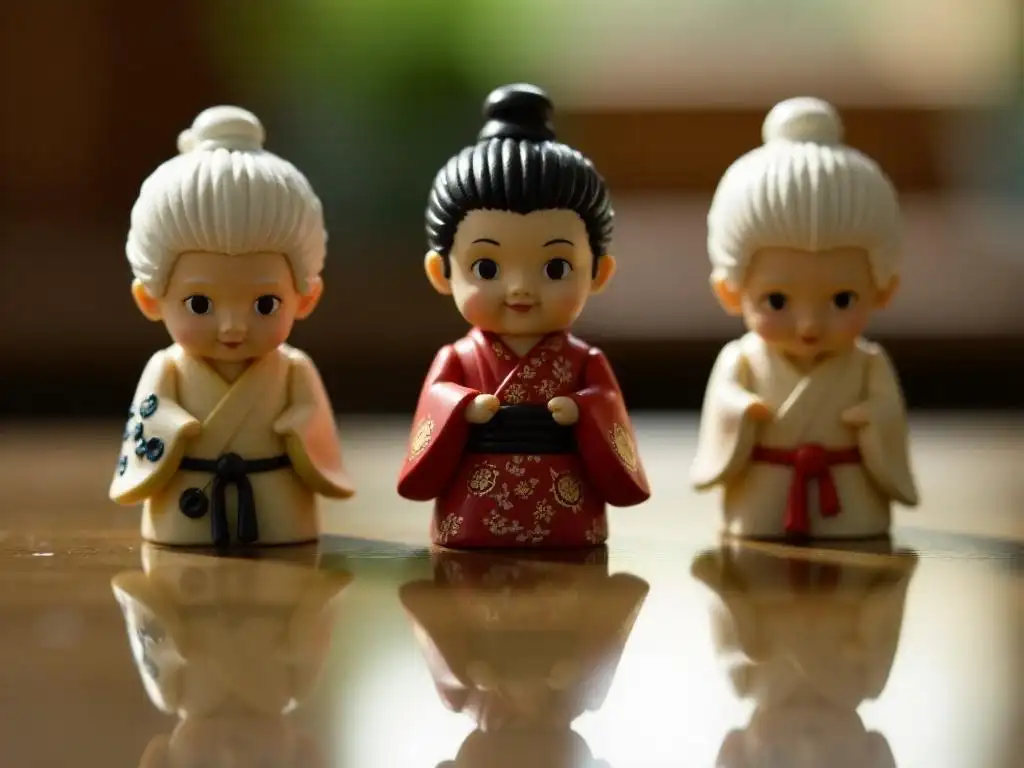
In recent years, contemporary artists have begun to reinterpret Feudal Japan figurines, blending traditional craftsmanship with modern aesthetics. These artists often draw inspiration from historical themes, motifs, and techniques, creating pieces that resonate with both collectors and art enthusiasts.
- Fusion of Old and New:
- Many contemporary artists utilize traditional materials such as wood and ceramic, but they incorporate modern techniques like digital printing to enhance their work. For example, a figurine might depict a samurai using a mix of traditional carving methods with contemporary design elements, resulting in a piece that honors its historical roots while appealing to modern tastes.
- Cultural Commentary:
- Artists today often use Feudal Japan themes to comment on contemporary issues. For instance, some figurines may explore the idea of honor and duty, reflecting on how these concepts are perceived in today's society. This layering of meaning adds depth to the collectible, making it not just a decorative item but a conversation starter.
- Personal Narratives:
- Many modern figurine creators incorporate their personal stories or cultural backgrounds into their works. By doing so, they infuse traditional themes with fresh perspectives. A figurine that represents a historical figure might be paired with a narrative that connects the artist's own lineage or experiences, creating a unique blend of history and personal identity.
The Intersection of Tradition and Modern Collectibles
The realm of Feudal Japan figurine history has expanded significantly as collectors seek items that bridge the gap between traditional craftsmanship and contemporary design. This intersection has given rise to a vibrant market for figurines that are not only historical artifacts but also modern collectibles.
- Market Trends:
- Collectors are increasingly interested in figurines that tell a story or represent a fusion of styles. This trend has led to a rise in limited edition releases that incorporate traditional symbols, such as cherry blossoms or family crests, reimagined in striking colors or innovative forms.
- Crossover Genres:
- The popularity of anime and manga has also influenced the design of figurines. Artists are creating pieces that reflect Feudal Japan aesthetics but are styled in ways that appeal to fans of contemporary pop culture. This crossover has expanded the audience for Feudal Japan figurines and introduced younger collectors to the rich history behind them.
- Sustainability and Ethical Production:
- As awareness of sustainability grows, many artists and manufacturers are focusing on ethical production practices. Using sustainably sourced materials and environmentally friendly processes, contemporary figurine creators are ensuring that their works honor the past while being mindful of the future. Collectors are increasingly drawn to these ethically produced pieces, adding another layer of value to their collections.
Modern interpretations of Feudal Japan figurines showcase a dynamic interplay between tradition and contemporary influences. As artists continue to innovate and collectors embrace these new forms, the history of Feudal Japan figurines evolves, ensuring their relevance in today's cultural landscape.
Collecting Feudal Japan Figurines: A Guide for Enthusiasts
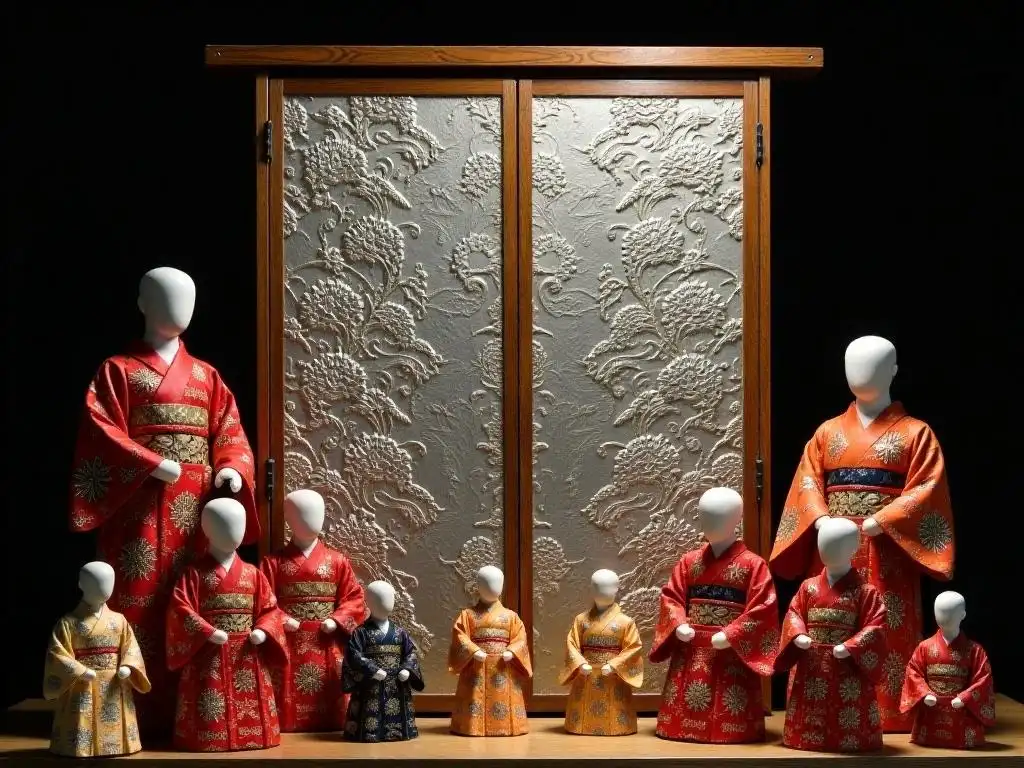
Collecting Feudal Japan figurines is not only a hobby but also an engaging way to connect with Japan's rich cultural and historical tapestry. These figurines, often crafted with intricate details, encapsulate significant elements of the feudal era, making them highly sought after by collectors and enthusiasts alike. Here’s a detailed guide to help you navigate the fascinating world of Feudal Japan figurines.
Key Factors to Consider When Collecting
When embarking on your journey of collecting Feudal Japan figurines, there are several essential factors to consider to ensure that your collection is meaningful and valuable.
Authenticity and Historical Value
One of the foremost aspects to consider is the authenticity of the figurines. The market is flooded with replicas, and distinguishing between a genuine piece and a reproduction can be challenging. Here are some tips to help you assess authenticity:
- Provenance Documentation: Look for pieces with documented histories. Reliable sources or auction houses often provide provenance, which enhances the figurine's value.
- Craftsmanship Inspection: Authentic figurines typically display superior craftsmanship. Examine the details, such as the painting techniques, material quality, and overall finish.
- Material Analysis: Traditional figurines were often made from materials like wood, porcelain, or metal. Understanding the material can provide insights into the figurine's age and authenticity.
The historical value of a figurine can often be tied to its age and the significance of the depicted subject matter. For instance, figurines representing samurai, geisha, or historical events from the feudal period can hold greater historical importance and value.
Market Trends and Pricing Insights
Understanding current market trends is crucial for both new and seasoned collectors. The pricing of Feudal Japan figurines can fluctuate based on various factors:
- Rarity: Limited edition or rare pieces tend to command higher prices. Research what makes certain figurines rare, such as specific artisans or unique characteristics.
- Condition: The state of preservation plays a critical role in pricing. Figurines in pristine condition will typically sell for significantly more than those with damage or wear.
- Historical Significance: Items associated with notable figures or events from the feudal era might be more valuable. For example, figurines depicting famous battles or legendary samurai can attract higher bids at auctions.
To gain a comprehensive understanding of market trends, consider following these steps:
- Join Collectors' Forums: Engage with other collectors to gain insights into current trends and pricing.
- Attend Auctions: Observing auction results can provide valuable information on what collectors are willing to pay for specific pieces.
- Consult Price Guides: Use established price guides specific to Feudal Japan figurines to benchmark the value of your collection.
By keeping these factors in mind, you can enhance your collecting experience and make informed decisions, ultimately enriching your collection of Feudal Japan figurines.
Conclusion: The Lasting Legacy of Feudal Japan Figurines
The evolution of Feudal Japan figurines is a testament to the rich cultural tapestry of Japan during its feudal era. These figurines, often crafted with meticulous attention to detail, reflect not only the artistic styles of their times but also the societal values, beliefs, and historical events that shaped Japan's identity. As collectibles, they serve as tangible links to Japan's past, allowing modern enthusiasts to appreciate and celebrate the artistry and craftsmanship that have been passed down through generations.
The legacy of these figurines is profound. They have transcended their original purpose—often used in religious ceremonies or as decorative pieces in samurai households—to become sought-after items for collectors around the world. This transformation illustrates a broader trend in the collectibles market, where historical artifacts are increasingly valued for their artistic merit and cultural significance.
The Cultural Impact and Future Trends in Collectibles
The cultural impact of Feudal Japan figurines extends beyond mere aesthetics; they embody the historical narratives and societal changes of their time. From samurai warriors to geisha representations, each figurine tells a story, offering insights into the roles and perceptions of different classes within feudal society.
Emerging Trends in Collectibles
- Sustainability: As environmental consciousness grows, collectors and manufacturers are focusing on sustainable practices. New figurines are being produced using eco-friendly materials, appealing to environmentally-aware collectors.
- Modern Interpretations: Contemporary artists are reimagining traditional figurines, blending ancient techniques with modern aesthetics. This trend not only revives interest in historical styles but also creates a dialogue between the past and present.
- Digital Collectibles: The rise of technology has introduced the concept of digital collectibles. Virtual representations of Feudal Japan figurines are being developed, allowing collectors to own and trade these items in digital formats, thus expanding the market.
- Global Market Expansion: The interest in Feudal Japan figurines is not limited to Japan. Global collectors are increasingly drawn to these artifacts, leading to a surge in international exhibitions and sales.
Encouraging Collectors: Where to Find Authentic Feudal Japan Figurines
For collectors eager to acquire authentic Feudal Japan figurines, several avenues can be explored:
- Antique Shops: Local antique shops often carry unique pieces with historical significance. It's crucial to verify the provenance of items to ensure authenticity.
- Auctions: Renowned auction houses frequently feature collections of historical figurines. Attending these auctions provides opportunities to acquire rare and valuable pieces.
- Online Marketplaces: Websites dedicated to collectibles may offer a wide range of Feudal Japan figurines. However, buyers should exercise caution and seek out reputable sellers with verified reviews.
- Cultural Exhibitions and Conventions: Events focusing on Japanese culture often include vendors specializing in traditional artifacts. These gatherings provide an excellent platform to connect with knowledgeable sellers and fellow enthusiasts.
- Museums: While primarily for viewing, many museums have gift shops that sell replicas or limited editions of historical figurines, providing a chance to own a piece of history without the hefty price tag of originals.
Collecting Feudal Japan figurines is not just about ownership; it’s about preserving and celebrating a vital part of Japan's cultural heritage. As collectors navigate this fascinating world, the stories behind each piece continue to enrich their understanding and appreciation of Japan's feudal history.
Frequently Asked Questions
What are Feudal Japan figurines?
Feudal Japan figurines are small sculptures that represent various aspects of Japanese culture, history, and society during the feudal era. They often depict samurai, geisha, and other significant figures from that period.
How did figurines evolve throughout Feudal Japan?
The evolution of figurines in Feudal Japan reflects changes in societal values, artistic styles, and cultural influences. Over time, these pieces transitioned from simple representations to more intricate works of art.
What materials were commonly used for Feudal Japan figurines?
Feudal Japan figurines were typically made from materials like wood, ceramics, and later, bronze. Each material contributed to the figurine's durability and aesthetic appeal, showcasing the craftsmanship of the era.
What role did figurines play in Japanese society?
Figurines served various purposes, including religious offerings, decorative items, and symbols of status. They were often used in rituals or as talisman for protection and prosperity.
Where can I learn more about the history of Feudal Japan figurines?
To delve deeper into the history of Feudal Japan figurines, explore expert-driven articles and resources on websites dedicated to Japanese history. These resources provide in-depth insights into their significance and evolution.
Final Reflection: The Enduring Legacy of Feudal Japan Figurines
The evolution of Feudal Japan figurines is not just a historical narrative; it is a testament to the intricate interplay between art, culture, and identity. As we explore the rich tapestry of figurine history, we uncover how these artifacts serve as a mirror reflecting the values, beliefs, and societal changes of their time. The craftsmanship and symbolism embedded in each piece continue to resonate today, reminding us of the profound connections we share with our past.
Cultural artifacts like Feudal Japan figurines have an enduring influence on our understanding of history and identity. They allow us to engage with the stories of those who came before us, fostering a sense of continuity and belonging. As the renowned historian Edward Said once said, “History is not just what happened; it is also what we remember and how we remember it.” This underscores the importance of figurines as vessels of memory, preserving the essence of a bygone era while inspiring contemporary interpretations and expressions.
As we reflect on the significance of Feudal Japan figurines, let us embrace the lessons they impart about resilience, creativity, and cultural heritage. I invite you to explore your own connection to history—whether through art, storytelling, or personal reflection. Consider how the narratives of the past shape your identity and how you can contribute to the ongoing dialogue of cultural evolution. By engaging with these historical artifacts, we not only honor their legacy but also enrich our understanding of ourselves and the world around us.
Unveil the Legacy of Feudal Japan Figurines!
Thank you for diving into the rich history of feudal Japan figurines with us! We hope you’ve discovered the remarkable artistry and cultural stories these pieces represent. Now, it’s time to take action and deepen your connection to this fascinating period.
Here are some steps you can take to further explore and engage with the legacy of feudal Japan:
- Join a local history group or online forum to share your thoughts and discoveries about feudal Japan and its art.
- Visit a museum or exhibit featuring Japanese artifacts to experience the craftsmanship firsthand. You might even find a figurine that resonates with you!
- Create a social media post highlighting your favorite insight from our article—don’t forget to tag us and spark a conversation!
What aspect of feudal Japan figurines intrigues you the most, and how will you celebrate this extraordinary heritage today?