
Zen Buddhism's Role in the Development of Japanese Martial Arts


Welcome to Feudal Japan History, where we invite you to embark on a captivating journey through the intricate tapestry of Japan's feudal era. Here, you'll uncover the profound connections between Zen Buddhism and Japanese martial arts, two pillars that shaped the ethos of this remarkable period. What role did Zen philosophy play in honing the skills and mindset of warriors?
Join us as we delve into this fascinating intersection of spirituality and combat, revealing insights that will not only deepen your understanding but also spark your curiosity about the cultural forces at play. Prepare to explore the unseen threads that bind these disciplines together, and discover how they continue to influence the world today.
- Introduction to Zen Buddhism and Japanese Martial Arts
- The Philosophy of Zen Buddhism
- Historical Development of Japanese Martial Arts
- Zen Buddhism's Influence on Martial Arts Techniques
- Prominent Martial Arts Schools and Zen Buddhism
- The Role of Zen in the Training of Martial Artists
- Case Studies of Zen Practitioners in Martial Arts
- Conclusion: The Lasting Legacy of Zen Buddhism in Japanese Martial Arts
-
Frequently Asked Questions
- What is the relationship between Zen Buddhism and Japanese martial arts?
- How did Zen Buddhism shape the philosophy behind martial arts?
- Can you name some martial arts that were influenced by Zen Buddhism?
- What are the key practices in Zen that benefit martial artists?
- How does Zen Buddhism influence the training routine of martial artists today?
- Final Reflection: The Harmonious Dance of Zen Buddhism and Japanese Martial Arts
- Unlock the Power of Zen in Your Journey!
Introduction to Zen Buddhism and Japanese Martial Arts
The intricate relationship between Zen Buddhism and Japanese martial arts is a fascinating subject that reveals how spiritual practices can influence physical discipline. Zen Buddhism, with its roots in meditation and mindfulness, has profoundly shaped various aspects of Japanese culture, including the evolution of martial arts. This article aims to provide a comprehensive exploration of how Zen philosophies have permeated the practices and teachings of Japanese martial arts, creating a unique blend of discipline, focus, and spirituality.
By examining the historical context, cultural significance, and the philosophical underpinnings of Zen Buddhism, we will uncover the essential role it has played in shaping the martial traditions of Japan. Through this exploration, readers will gain a deeper understanding of the synergy between these two distinct yet intertwined facets of Japanese heritage.
Overview of Zen Buddhism
Zen Buddhism, a branch of Mahayana Buddhism, emphasizes direct experience and meditation as the paths to enlightenment. Originating in China as Chan Buddhism and later flourishing in Japan, Zen focuses on the practice of zazen (seated meditation) to cultivate mindfulness and clarity. This meditative practice is not only a spiritual exercise but also a way of life that permeates various aspects of Japanese culture, including art, tea ceremonies, and, crucially, martial arts.
Key characteristics of Zen Buddhism include:
- Simplicity: The aesthetics of Zen promote minimalism and clarity, influencing various art forms and martial disciplines.
- Mindfulness: Practitioners are encouraged to remain present in the moment, a principle that is essential in martial arts training.
- Direct Experience: Zen teachings prioritize personal experience over theoretical knowledge, fostering an intuitive approach to both meditation and martial practice.
Historical Context of Martial Arts in Japan
Japan's martial arts have a rich history that dates back centuries, evolving through various socio-political contexts. The feudal era, marked by samurai rule, was crucial in the development of martial disciplines such as Kendo, Judo, and Aikido. During this period, martial arts were not only means of combat but also paths to personal development and spiritual growth.
Key Historical Developments:
- Feudal System: The samurai class developed formalized combat techniques as a means of demonstrating honor and loyalty.
- Influence of Zen: As Zen Buddhism gained prominence, many samurai adopted Zen practices to enhance focus and mental clarity in battle.
- Martial Arts Schools: The establishment of various martial arts schools (ryu) integrated Zen principles, emphasizing mental discipline alongside physical training.
Importance of Zen Buddhism in Japanese Culture
Zen Buddhism has indelibly influenced Japanese culture, shaping not only the arts but also the way martial artists approach their training and philosophy. The principles of Zen, such as discipline, respect, and the pursuit of inner peace, resonate deeply within martial arts practices.
Cultural Significance:
- Spiritual Discipline: Many martial artists view their practice as a form of meditation, fostering a connection between body and mind.
- Philosophical Framework: Zen teachings provide a philosophical backdrop that encourages practitioners to transcend ego and cultivate humility.
- Artistic Expression: The aesthetic principles of Zen are reflected in the movements and forms of martial arts, creating a harmonious balance between beauty and functionality.
The interplay between Zen Buddhism and Japanese martial arts is a testament to how spiritual philosophies can enrich physical disciplines, making them not just forms of combat but also pathways to personal and spiritual development.
The Philosophy of Zen Buddhism

Zen Buddhism, a school of Mahayana Buddhism, emphasizes direct experience and meditation over theoretical knowledge. Its philosophical foundation is deeply rooted in the teachings of the historical Buddha, but it has evolved uniquely in Japan, particularly during the Kamakura period (1185–1333). The essence of Zen is to realize one’s true nature through practice, leading to enlightenment (satori). This philosophy underscores simplicity, spontaneity, and the importance of living in the present moment, which profoundly influences various aspects of Japanese culture, including martial arts.
Key Principles of Zen Buddhism
Zen Buddhism is characterized by several key principles that shape its practice and philosophy:
- Zazen (Seated Meditation): The cornerstone of Zen practice, zazen involves sitting in a specific posture and focusing the mind. This practice cultivates awareness and clarity, essential for martial artists who must maintain mental composure during combat.
- Simplicity: Zen urges practitioners to strip away the unnecessary, both in thought and action. This principle is reflected in the minimalist aesthetics of Japanese martial arts, where every movement is purposeful and efficient.
- Impermanence (Anitya): Understanding the transient nature of life encourages practitioners to embrace each moment fully. In martial arts, this translates into adapting to changing circumstances in combat, fostering resilience and flexibility.
- Non-attachment: Zen teaches the importance of letting go of desires and attachments. For martial artists, this principle helps reduce fear and anxiety, allowing them to act instinctively and without hesitation.
These principles not only shape the mindset of Zen practitioners but also provide a philosophical framework that enhances the practice of Japanese martial arts, encouraging a deeper connection between the mind and body.
The Concept of Mindfulness in Zen
Mindfulness, or "sati," is a fundamental aspect of Zen Buddhism, emphasizing being fully present in each moment. This concept is pivotal for martial artists who require acute awareness during training and combat situations. Here’s how mindfulness manifests in Zen practices and its relevance to martial arts:
- Present-Moment Awareness: Zen encourages practitioners to focus entirely on their current experience, whether it be during meditation or a martial arts kata (form). This helps to cultivate a heightened sense of awareness, allowing martial artists to react swiftly and accurately to their opponents.
- Breath Control: Mindful breathing is a technique often integrated into Zen practice. By focusing on the breath, martial artists learn to regulate their physiological responses, reducing tension and enhancing performance during high-stress situations.
- Non-judgmental Observation: Zen teaches practitioners to observe their thoughts and feelings without judgment. In martial arts, this ability enables students to assess their strengths and weaknesses objectively, fostering continuous improvement.
Through these practices, mindfulness bridges the gap between Zen Buddhism and Japanese martial arts, providing a mental toolkit that promotes clarity, focus, and effective decision-making.
Zen’s Influence on Personal Discipline and Focus
The principles of Zen Buddhism significantly contribute to the development of personal discipline and focus, essential qualities for any martial artist. The following elements illustrate this influence:
- Regular Practice: Zen emphasizes the importance of consistent practice. This discipline translates directly to martial arts training, where regular practice is crucial for mastering techniques and developing muscle memory.
- Mental Fortitude: Zen training cultivates resilience and mental strength, allowing martial artists to face challenges with a composed mind. This fortitude is vital in the dojo and during actual combat situations, where emotional stability can determine the outcome.
- Goal Setting and Achievement: Zen encourages practitioners to set clear intentions and work towards them with dedication. In martial arts, this goal-oriented mindset helps students progress through ranks and achieve personal milestones.
- Focus on the Process: Zen teaches the value of being engaged in the process rather than fixating on the outcome. This perspective helps martial artists enjoy their training journey, fostering a love for practice that enhances their skill development.
The interplay between Zen Buddhism and Japanese martial arts creates a rich tapestry of philosophy and practice. The principles of Zen not only shape the mental and spiritual aspects of martial arts but also contribute significantly to the development of discipline and focus, essential for any practitioner aiming for mastery.
Historical Development of Japanese Martial Arts

The Origins of Martial Arts in Feudal Japan
The origins of martial arts in Feudal Japan can be traced back to the samurai class, which emerged during the late 12th century. This period marked the beginning of the Kamakura Shogunate, where the need for effective combat techniques became paramount as the samurai took on roles as both warriors and feudal lords. The early martial arts were primarily influenced by Chinese martial traditions, but they evolved distinctly within the Japanese context.
- Early Techniques: The initial focus was on battlefield skills, including armed combat with swords (kenjutsu), spears (sojutsu), and other weapons.
- Military Training: Samurai were trained rigorously in various techniques, which were not only practical for combat but also served as a means of discipline and moral education.
- Cultural Influence: The feudal system and the ongoing conflicts among clans fostered a culture of martial prowess that was intertwined with the samurai code of honor, known as Bushido.
The martial arts of this era were not merely about physical prowess; they were also deeply connected to the spiritual and philosophical beliefs of the time, laying the groundwork for the eventual integration of Zen Buddhism.
The Evolution of Martial Arts Schools
As Japan transitioned through different historical periods, the martial arts began to formalize into distinct schools, each with its own techniques, philosophies, and training methodologies.
- Koryu Bujutsu: These are the classical martial arts schools that emerged during the Muromachi period (14th to 16th centuries). They emphasized a comprehensive approach to combat, integrating various weapons and techniques. Notable schools include:
- Tenshin Shoden Katori Shinto-ryu: Founded in the 15th century, it is one of the oldest martial arts schools in Japan.
- Yagyu Shinkage-ryu: Known for its strategic approach to swordsmanship, established in the late 16th century.
- Modernization: The Meiji Restoration in the late 19th century brought about significant changes. Traditional schools began to adapt to modern times, leading to the establishment of more standardized forms of training and competition, such as:
- Kendo: The way of the sword, emphasizing discipline, and character development through practice.
- Judo: Developed by Jigoro Kano, focusing on throws and grappling techniques, which later gained international recognition.
This evolution of martial arts schools reflects not only the changes in combat techniques but also the influences of Zen Buddhism, which encouraged the development of mental discipline and focus in martial training.
The Integration of Zen Practices in Martial Arts Training
Zen Buddhism played a crucial role in shaping the philosophies and training methods of Japanese martial arts. The principles of Zen, focusing on mindfulness, meditation, and the cultivation of the inner self, became intertwined with martial practices.
- Meditative Techniques: Many martial arts schools integrated Zen meditation (zazen) into their training regimens. This practice helps practitioners develop mental clarity, focus, and a sense of calmness, essential for effective combat.
- Mind-Body Connection: The emphasis on achieving a harmonious balance between mind and body is a core tenet of both Zen and martial arts. This alignment allows martial artists to perform techniques with precision and fluidity.
- Philosophical Framework: Zen teachings, such as the notion of living in the moment and the acceptance of impermanence, have profoundly influenced the mindset of martial artists. This philosophical grounding fosters resilience and adaptability, both on and off the martial arts mat.
The integration of Zen Buddhism into Japanese martial arts not only enhanced the technical aspects of training but also enriched the spiritual dimensions, creating a holistic approach to combat that continues to resonate in contemporary practices. The legacy of this integration is evident in the way martial arts are practiced today, emphasizing not just physical skill but also mental discipline and personal growth.
Zen Buddhism's Influence on Martial Arts Techniques
Zen Buddhism has profoundly influenced the development of Japanese martial arts, shaping not only the techniques but also the underlying philosophies that guide practitioners. The integration of Zen principles into martial arts has fostered a unique approach to training that emphasizes mindfulness, discipline, and a deep connection between the mind and body. This section delves into key aspects of how Zen Buddhism has shaped martial arts techniques in Japan.
Meditation Practices in Martial Arts
Meditation is a cornerstone of Zen Buddhism, providing practitioners with tools to cultivate focus, clarity, and inner peace. In the context of martial arts, meditation practices serve several important functions:
- Mindfulness: Practitioners learn to be present in the moment, enhancing their awareness of both their own movements and the actions of their opponents. This heightened state of awareness can lead to quicker reflexes and more effective responses in combat situations.
- Mental Conditioning: Regular meditation helps martial artists develop mental resilience, reducing anxiety and fear during sparring or competitions. This mental strength allows them to perform at their best under pressure.
- Visualization Techniques: Many martial artists incorporate visualization into their meditation routines, imagining successful techniques and outcomes. This mental rehearsal can improve muscle memory and technique execution during actual practice.
For example, the practice of zazen (sitting meditation) is often integrated into martial arts training schedules, allowing students to center themselves before engaging in physical activities.
The Role of Breath Control in Martial Arts
Breath control, or kokyu, is another crucial aspect of both Zen Buddhism and martial arts. Proper breathing techniques enhance physical performance and promote a calm mind, which is essential in high-stress situations. Key elements include:
- Energy Management: Controlled breathing helps regulate energy levels, allowing practitioners to perform techniques more efficiently. This is particularly important in disciplines such as Aikido and Kendo, where timing and stamina are vital.
- Stress Reduction: Focusing on breath during training helps to alleviate tension and anxiety, allowing for a more fluid and relaxed movement. The practice of inhaling and exhaling deeply can create a rhythm that aligns with physical actions, improving overall coordination.
- Meditative Movement: In martial arts forms like Tai Chi, breath control is intricately linked to movement, creating a meditative experience that enhances both physical and spiritual development.
Martial arts practitioners often engage in specific breathing exercises to integrate these principles into their training, ensuring that their practice aligns with the Zen approach to harmony and balance.
The Impact of Zen on Combat Philosophy
Zen Buddhism has not only influenced physical techniques but also the philosophical underpinnings of martial arts. This impact can be observed in several key areas:
- Emphasis on Non-Attachment: Zen teaches the importance of non-attachment to outcomes, which translates into martial arts as a focus on the process rather than victory or defeat. This mindset encourages practitioners to engage fully in their training without the burden of expectation.
- The Concept of "No-Mind" (Mushin): A central tenet of Zen is the idea of mushin, or “no-mind,” which refers to a mental state free from distraction and ego. In martial arts, achieving this state allows practitioners to respond instinctively to threats, enhancing their effectiveness in combat.
- Harmony and Balance: Zen principles promote harmony within oneself and with the environment. This philosophy encourages martial artists to seek balance in their techniques, movements, and mindset, fostering a holistic approach to both training and life.
The interplay between Zen Buddhism and Japanese martial arts creates a rich tapestry of techniques and philosophies that enhance the martial experience. The integration of meditation, breath control, and Zen-inspired combat philosophy not only improves physical abilities but also nurtures the spirit and mind of the practitioner, embodying the true essence of martial arts.
Prominent Martial Arts Schools and Zen Buddhism

Zen Buddhism has significantly influenced various martial arts schools in Japan, creating a unique blend of physical discipline and spiritual enlightenment. The connection between Zen principles and martial arts practices is evident in the way these disciplines emphasize mindfulness, focus, and the pursuit of harmony. Below, we will explore how Zen Buddhism has shaped three prominent martial arts schools: Kendo, Aikido, and Judo.
Kendo: The Way of the Sword and Zen Principles
Kendo, often referred to as "the way of the sword," embodies the essence of Zen philosophy through its emphasis on discipline, respect, and mental clarity. Practitioners, known as kendoka, engage in sparring with bamboo swords (shinai) while donning protective armor (bogu). The practice of Kendo is not merely about physical prowess; it involves a deep mental focus and presence.
- Mindfulness in Practice: Kendo training incorporates Zen meditation techniques, encouraging practitioners to cultivate a state of mindfulness. This heightened awareness is crucial during matches, where split-second decisions can determine victory or defeat.
- Zen and the Spirit of the Sword: The relationship between the kendoka and their shinai reflects a Zen understanding of non-attachment. Practitioners learn to see the sword not as a weapon, but as an extension of themselves, fostering a sense of unity between body and mind.
- Rituals and Zen Influence: The rituals surrounding Kendo, such as bowing before entering the dojo and performing the kata (forms), are deeply rooted in Zen traditions. These acts reinforce respect for the art and the practitioners, creating a sacred space for training.
Aikido: Harmonizing Energy through Zen
Aikido, founded by Morihei Ueshiba in the early 20th century, is a martial art that emphasizes harmony and the redirection of an opponent's energy. Central to Aikido's philosophy is the Zen principle of achieving balance both in combat and in life.
- The Principle of Non-Resistance: Aikido techniques often involve blending with an opponent's movements rather than opposing them directly. This reflects the Zen concept of going with the flow, allowing practitioners to redirect force with minimal effort.
- Meditative Practices: Aikido training includes meditative practices that enhance the practitioner's awareness and presence. This meditative state is crucial for effective technique execution, allowing students to remain calm under pressure.
- The Role of Ki: In Aikido, the concept of "ki" (life energy) is fundamental. Practitioners learn to harness and control their ki through breath and movement, aligning with Zen teachings on the interconnectedness of body and spirit.
Judo: The Balance of Mind and Body in Zen Practice
Judo, founded by Jigoro Kano, is another martial art deeply influenced by Zen principles. The philosophy of "maximum efficiency with minimum effort" encapsulates the Zen approach to martial arts, promoting balance and harmony.
- The Concept of Seiryoku Zen'yō: Seiryoku Zen'yō, or "maximum efficiency, minimum effort," is a core tenet of Judo. This principle encourages practitioners to utilize their mental focus and physical techniques to achieve optimal results, reflecting Zen teachings on the importance of balance.
- Training and Meditation: Judo training often incorporates elements of Zen meditation, which aids in developing concentration and mental clarity. Judokas learn to calm their minds, allowing them to remain focused during competition.
- Philosophical Underpinnings: Judo emphasizes mutual respect and personal growth, aligning with Zen principles of compassion and self-improvement. The dojo serves as a space for practitioners to cultivate both their physical and spiritual selves.
Through their integration of Zen Buddhism, Kendo, Aikido, and Judo have evolved into not just martial arts, but holistic practices that foster mental and spiritual development. These schools exemplify how the principles of Zen can enhance martial proficiency while promoting a deeper understanding of oneself and the world.
The Role of Zen in the Training of Martial Artists
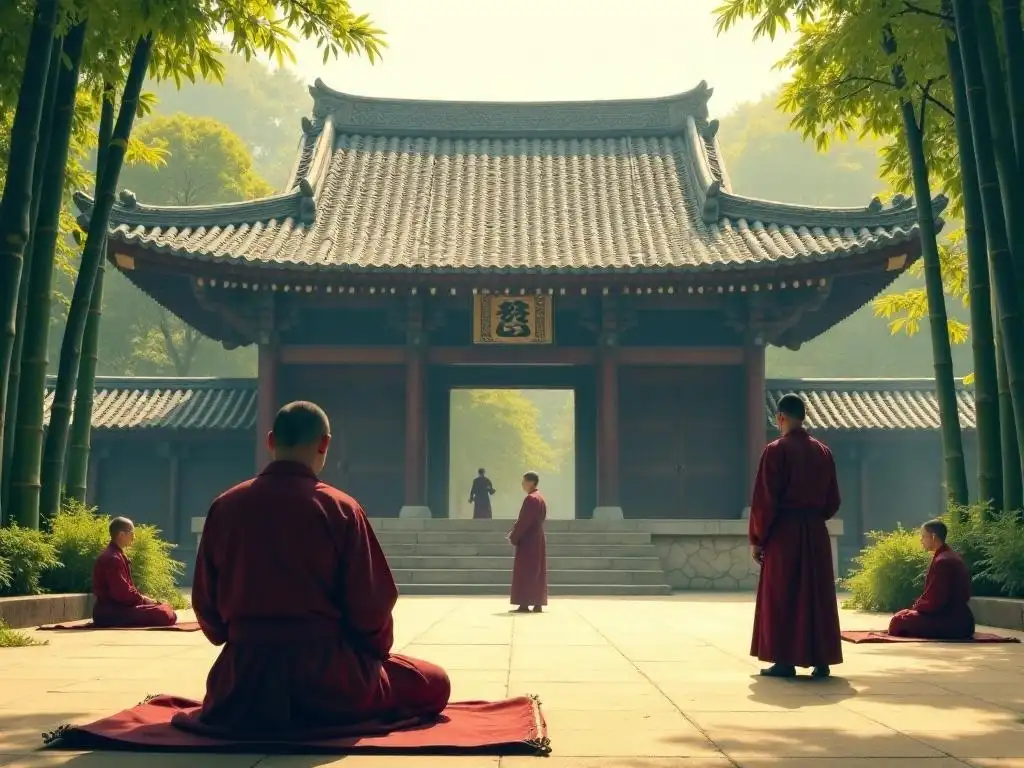
Zen Buddhism has played a pivotal role in shaping the philosophy and practice of Japanese martial arts. Its principles deeply influence the way martial artists approach their training, instilling a mindset that transcends mere physical prowess. The integration of Zen practice in martial arts fosters not only technical skill but also mental clarity, emotional stability, and a profound understanding of oneself and the world.
Mental Preparation and Zen Meditation Techniques
Mental preparation is crucial in martial arts, and Zen meditation techniques are foundational in cultivating the necessary focus and awareness. Zazen, or seated meditation, is a primary practice that helps martial artists develop concentration and presence. Through regular meditation, practitioners learn to quiet their minds, allowing them to respond to challenges with clarity and calmness.
- Breath Control: One of the key components of Zen meditation is breath control. By focusing on the breath, martial artists can regulate their heart rate, reduce anxiety, and enhance their overall performance in combat situations.
- Mindfulness: Zen emphasizes the importance of being fully present. This mindfulness translates seamlessly into martial arts, where awareness of one’s body, surroundings, and opponent is paramount. Practitioners learn to observe their thoughts and feelings without attachment, which aids in maintaining composure during stressful encounters.
- Visualization: Many martial artists incorporate visualization techniques, inspired by Zen practices, to mentally rehearse movements and strategies. This not only enhances muscle memory but also strengthens the connection between mind and body.
By integrating these meditation techniques into their training regimen, martial artists cultivate a mental environment conducive to peak performance.
Achieving Enlightenment through Martial Arts Practice
The pursuit of enlightenment is a central tenet of Zen Buddhism, and martial arts provide a unique path to this goal. Through rigorous practice and self-discipline, martial artists embark on a journey that mirrors the spiritual quest of Zen practitioners.
- Self-Discovery: As martial artists engage in repetitive drills and sparring, they confront their limitations, fears, and ego. This self-discovery process is akin to the introspective journey undertaken in Zen, where one seeks to understand the true nature of the self.
- Transcending Duality: Zen teaches the concept of non-duality, the idea that distinctions we commonly make (e.g., self vs. other, victory vs. defeat) are ultimately illusions. This philosophy can be applied in martial arts, where practitioners learn to embrace both success and failure as part of their growth, thereby cultivating a more holistic approach to training and competition.
- Flow State: Many martial artists experience a state of flow, characterized by complete immersion and effortless action. This state is akin to the Zen experience of being fully present, where the practitioner becomes one with their movements, leading to enhanced performance and a deeper connection to their art.
Thus, martial arts practice serves as a vehicle for achieving enlightenment, allowing practitioners to transcend the physical and access deeper spiritual truths.
The Connection between Zen Mindset and Martial Arts Mastery
The Zen mindset is integral to the mastery of martial arts. It emphasizes qualities that are essential for achieving high levels of skill and understanding in combat disciplines.
- Discipline and Patience: Zen teaches the value of patience, encouraging practitioners to embrace the long path of mastery. This aligns perfectly with martial arts training, which requires years of dedicated practice to develop proficiency and artistry.
- Emotional Control: The ability to manage emotions is critical in martial arts. Zen training fosters emotional resilience, enabling practitioners to maintain composure in the face of adversity. This emotional control can be the difference between victory and defeat in combat situations.
- Adaptability: Zen philosophy encourages adaptability, as practitioners learn to flow with circumstances rather than resist them. In martial arts, this adaptability manifests in the ability to respond effectively to an opponent’s movements, making one a more versatile and skilled fighter.
The connection between Zen Buddhism and Japanese martial arts is profound and multifaceted. Through mental preparation, the pursuit of enlightenment, and the cultivation of a Zen mindset, martial artists not only enhance their physical capabilities but also embark on a transformative journey of self-discovery and spiritual growth. The integration of Zen principles continues to influence the practice of martial arts in Japan and beyond, shaping not only skilled warriors but also individuals with a deeper understanding of life.
Case Studies of Zen Practitioners in Martial Arts
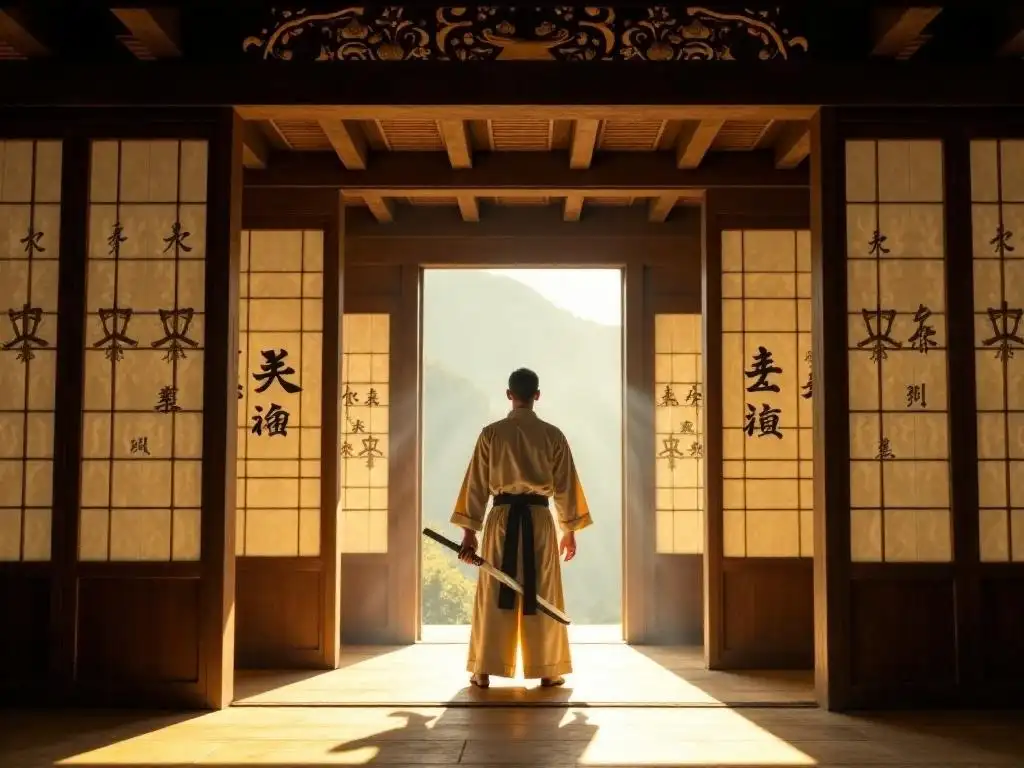
Morihei Ueshiba: Founder of Aikido and Zen Philosophy
Morihei Ueshiba, born in 1883, is widely recognized as the founder of Aikido, a martial art that emphasizes harmony and the redirection of an opponent's energy. Ueshiba's journey into martial arts was deeply interwoven with his practice of Zen Buddhism, which profoundly shaped his philosophy and techniques.
Ueshiba's early exposure to various martial arts, including Daito-ryu Aiki-jujutsu, laid the foundation for his creation of Aikido. However, it was his spiritual quest that truly defined his martial practice. After encountering the teachings of Zen, particularly through the influence of the Omoto-kyo religion, Ueshiba began to focus on the concept of ki, or life force, which is central to both Zen and Aikido.
His philosophy can be encapsulated in the following principles:
- Harmony: Ueshiba believed that true martial skill is not about defeating an opponent but about achieving harmony and balance.
- Non-violence: Reflecting Zen principles, he taught that Aikido should be practiced as a way to cultivate peace rather than aggression.
- Mindfulness: The practice of mindfulness, a cornerstone of Zen, is essential in Aikido, emphasizing awareness of oneself and one’s surroundings during practice.
Ueshiba often stated, "The true purpose of Aikido is to reconcile the world," highlighting the transformative potential of martial arts through Zen teachings. His legacy continues to inspire practitioners who seek not just physical mastery but spiritual enlightenment through their practice.
The Influence of Zen in the Life of Jigoro Kano, Founder of Judo
Jigoro Kano, born in 1860, is celebrated as the founder of Judo, a martial art that emphasizes technique and the efficient use of energy. Kano's engagement with Zen Buddhism significantly influenced the development of Judo, both in its technique and its underlying philosophy.
Kano was deeply interested in education and personal development, which he believed were essential to the practice of Judo. His experiences with Zen teachings led him to incorporate several key concepts into Judo:
- Seiryoku Zen'yō (Maximum Efficiency, Minimum Effort): This principle underlines the importance of using one’s energy wisely, a notion that resonates with Zen's idea of simplicity and effectiveness.
- Mutual Welfare and Benefit: Kano emphasized that Judo should promote mutual respect and cooperation among practitioners, reflecting the interconnectedness cherished in Zen philosophy.
- Jita Kyoei (Mutual Prosperity): Kano believed that through Judo, individuals could grow and support each other, embodying the Zen concept of collective enlightenment.
Kano often engaged in meditation and reflection, integrating Zen practices into his daily life. His teachings not only established Judo as a martial art but also positioned it as a means of personal and spiritual growth. As he famously said, "Judo is not just a sport; it is a way of life," indicating the profound impact of Zen on his vision.
Contemporary Zen Practitioners in Karate and Their Philosophies
In contemporary times, several Karate practitioners have embraced Zen Buddhism, integrating its teachings into their martial arts practice. This fusion has resulted in a unique approach that emphasizes mental discipline, focus, and spiritual growth alongside physical training.
Key Practitioners and Their Philosophies:
- Masaaki Hatsumi: Known as a master of Bujinkan, Hatsumi incorporates Zen principles into his teachings, emphasizing the importance of calmness and mental clarity in combat situations. He believes that "the mind must be as clear as water" to effectively respond to challenges.
- Kenshiro Abbe: A prominent figure in Shotokan Karate, Abbe stressed the necessity of meditation and mindfulness in training. His approach advocated for a balance between physical prowess and spiritual development, stating, "True strength lies in a serene mind."
- Tetsuzan Kuroda: As a modern Karate master, Kuroda integrates Zen meditation into his practice, teaching that the focus on breath and presence enhances both technique and self-awareness.
These contemporary Zen practitioners illustrate the ongoing relationship between Zen Buddhism and Japanese martial arts, showcasing how ancient philosophies continue to shape the training and mindset of martial artists today. Their teachings highlight that the journey of martial arts is as much about internal growth and spiritual enlightenment as it is about physical skill.
This exploration of case studies demonstrates the profound impact of Zen Buddhism on the development and practice of Japanese martial arts, highlighting how the teachings of Zen have shaped the philosophies of renowned martial artists throughout history.
Conclusion: The Lasting Legacy of Zen Buddhism in Japanese Martial Arts
Zen Buddhism has profoundly influenced the development of Japanese martial arts, creating a synthesis of spiritual and physical disciplines. This legacy is evident in the way Zen principles have been integrated into training regimens, philosophies, and the very essence of martial arts practices. The emphasis on mindfulness, discipline, and the pursuit of inner peace has shaped not only the techniques but also the mindset of practitioners, fostering a unique culture that values both martial prowess and spiritual growth.
Reflection on the Interconnection of Zen and Martial Arts
The interconnection between Zen Buddhism and Japanese martial arts is rooted in shared principles such as focus, presence, and the importance of the moment.
- Meditative Practices: Many martial arts incorporate meditative practices that echo Zen meditation (zazen). This fosters an awareness of the body and mind, allowing practitioners to react instinctively rather than through mere thought.
- Mindfulness in Movement: The concept of mindfulness is paramount in both Zen and martial arts. Practitioners train to be fully present, honing their ability to respond fluidly to their environment, whether in combat or daily life.
- The Concept of "No-Mind" (Mushin): A core tenet in both disciplines is the idea of mushin, or "no-mind," which refers to a state where the mind is free from distraction and fear, allowing for effortless action. This state is cultivated through rigorous training and meditation, leading to heightened performance.
This blend of Zen philosophy and martial discipline has produced a generation of practitioners who not only excel in their martial arts but also carry the teachings of Zen into their lives, promoting a holistic approach to self-improvement.
Future of Zen Practices in Contemporary Martial Arts
As the world evolves, so too does the practice of martial arts. The future of Zen practices within contemporary martial arts appears promising, with several trends emerging:
- Incorporation of Mindfulness Training: Many modern dojos are beginning to incorporate mindfulness training into their curricula, recognizing its benefits for mental clarity and emotional balance.
- Cross-Disciplinary Approaches: There is a growing trend of integrating Zen principles into various forms of physical training, including fitness programs and self-defense classes, broadening the reach of Zen’s influence.
- Increased Interest in Holistic Practices: As society becomes more aware of mental health and well-being, the demand for holistic approaches that combine physical activity with mental discipline is on the rise. This creates an opportunity for martial arts rooted in Zen to attract new practitioners seeking both physical and spiritual development.
With these developments, it is likely that Zen Buddhism will continue to shape the practice of martial arts, creating a dynamic interplay that addresses both contemporary challenges and traditional values.
Final Thoughts on Zen Buddhism and Japanese Martial Arts
The legacy of Zen Buddhism in Japanese martial arts is not only historical but also a living tradition that continues to evolve. The principles of Zen have provided martial artists with a framework for personal growth, emphasizing the importance of balance between body and mind.
As martial arts continue to adapt to modern contexts, the teachings of Zen will likely remain integral, guiding practitioners toward deeper understanding and mastery. This enduring relationship serves as a testament to the profound impact of Zen Buddhism on Japanese martial arts, shaping not only the techniques but also the very philosophy of practice, ensuring its relevance for generations to come.
The confluence of Zen Buddhism and Japanese martial arts exemplifies a rich tradition that honors both the physical and the spiritual, encouraging practitioners to embark on a lifelong journey of learning and self-discovery.
Frequently Asked Questions
What is the relationship between Zen Buddhism and Japanese martial arts?
Zen Buddhism has significantly influenced Japanese martial arts by promoting mindfulness, focus, and the concept of 'no-mind' (mushin), which enhances a practitioner's mental state during training and combat.
How did Zen Buddhism shape the philosophy behind martial arts?
The philosophy of Zen Buddhism emphasizes self-discipline, inner peace, and spiritual growth, which are integral to the training and mastery of various martial arts in Japan.
Can you name some martial arts that were influenced by Zen Buddhism?
Practices such as Kendo, Aikido, and Judo exhibit principles derived from Zen Buddhism, reflecting its impact on the training methodologies and mindset of practitioners.
What are the key practices in Zen that benefit martial artists?
Key practices include meditation, which fosters concentration and awareness, and breathing techniques, which help in managing stress and enhancing performance during martial arts training.
How does Zen Buddhism influence the training routine of martial artists today?
Many martial artists incorporate Zen principles into their routines by practicing meditation and mindfulness, thereby cultivating a deeper connection between their physical movement and mental clarity.
Final Reflection: The Harmonious Dance of Zen Buddhism and Japanese Martial Arts
The profound connection between Zen Buddhism and Japanese martial arts is more relevant today than ever, as practitioners seek not only physical mastery but also mental clarity and spiritual growth. In a world filled with distractions and chaos, the principles of Zen offer a pathway to mindfulness and focus, encouraging individuals to cultivate inner peace through disciplined practice. This synergy between the two disciplines highlights a striking truth: the journey toward mastery is as much about the mind as it is about the body.
The influence of Zen Buddhism on Japanese martial arts has shaped not only the techniques and philosophies of these practices but also the broader cultural landscape. As martial artists embrace Zen principles, they find themselves part of a lineage that transcends mere combat skills, fostering a deep sense of respect, humility, and self-awareness. The ultimate aim of martial arts is not to defeat others, but to conquer oneself.
This ongoing dialogue between Zen and martial arts continues to inspire practitioners to explore their own limits and discover the transformative power of discipline and meditation.
As you reflect on the teachings of Zen Buddhism and their integration into martial arts, consider how these principles can enrich your own life. Whether you are a martial artist or simply someone seeking balance and clarity, the lessons of mindfulness, presence, and self-discipline can guide you toward a more harmonious existence. Embrace the challenge of self-discovery and let the wisdom of Zen illuminate your path, reminding you that the journey is just as important as the destination.
Unlock the Power of Zen in Your Journey!
Thank you for exploring the fascinating connection between Zen Buddhism and Japanese martial arts! You’ve discovered how **mindfulness** and **discipline** enhance not only martial techniques but also your everyday life. Now, let's take what you've learned and put it into action!
- Embrace Zen Practices: Start incorporating simple **Zen meditation** into your daily routine. Even 10 minutes of mindfulness can significantly enhance your mental clarity and focus.
- Join a Martial Arts Class: Seek out a local dojo that emphasizes both martial skills and Zen philosophy. Experience firsthand how these practices intertwine to deepen your understanding.
- Share Your Insights: Connect with friends and fellow enthusiasts by discussing how insights from Zen can foster personal growth and enhance your martial arts training. Consider starting a book club focused on Zen philosophy!
What step will you take today to integrate Zen teachings into your life? Feel free to share your thoughts or experiences in the comments!