
Zen and the Warrior: How Samurai Embraced Zen Principles in Battle


Welcome to Feudal Japan History, where we invite you to embark on a fascinating journey through the intricate tapestry of Japan’s feudal era. In our featured article, “Zen and the Warrior: How Samurai Embraced Zen Principles in Battle,” we delve into the profound relationship between the samurai and Zen philosophy.
Discover how these noble warriors not only mastered the physical aspects of combat but also embraced the serenity and discipline of Zen principles, transforming their battles into profound expressions of mindfulness and purpose. Prepare to unlock the secrets of the samurai spirit, and let your curiosity guide you deeper into this captivating exploration of history, culture, and philosophy.
- Introduction to Samurai Zen Principles in Battle
- Historical Context of Samurai and Zen Buddhism
- Core Zen Principles Embraced by Samurai
- Zen Practices Adopted by Samurai Warriors
- Case Studies: Famous Samurai and Their Zen Practices
- Comparison of Samurai Zen Principles with Other Warrior Cultures
- The Impact of Samurai Zen Principles on Modern Martial Arts
- Conclusion: The Enduring Legacy of Samurai Zen Principles in Battle
- Frequently Asked Questions
- Final Reflection: Embracing the Harmony of Zen and the Warrior Spirit
- Embrace Your Inner Warrior: Apply Zen Principles Today!
Introduction to Samurai Zen Principles in Battle
In the heart of feudal Japan, where the clash of swords and the pursuit of honor defined society, the samurai emerged not just as warriors, but as seekers of a deeper understanding of life and death. Zen Buddhism, with its emphasis on mindfulness, discipline, and a profound connection to the present moment, played a pivotal role in shaping the mindset and tactics of these noble fighters.
This article delves into the Samurai Zen principles in battle, exploring how the teachings of Zen permeated the samurai ethos, influencing their conduct on and off the battlefield. By examining the intersection of Zen philosophy and warrior culture, we gain insight into how these principles informed not only their martial strategies but also their broader approach to life, honor, and spirituality.
Overview of Zen Buddhism in Feudal Japan
Zen Buddhism, a school of Mahayana Buddhism, found a fertile ground in Japan during the Kamakura period (1185-1333), deeply influencing various aspects of Japanese culture, including art, tea ceremonies, and, notably, the samurai class. At its core, Zen emphasizes direct experience and the importance of living in the moment, often through practices such as meditation (zazen) and mindfulness.
- Key Characteristics of Zen Buddhism:
- Meditation: A practice that cultivates awareness and tranquility.
- Simplicity: An aesthetic that values minimalism and natural beauty.
- Mindfulness: The ability to be fully present, which is crucial for both meditation and martial arts.
The samurai, who were not only warriors but also custodians of cultural and spiritual values, embraced these principles. Through Zen, they sought to cultivate a calm mind, allowing them to make split-second decisions in the heat of battle without being overwhelmed by fear or distraction.
The Role of the Samurai in Japanese Society
The samurai held a unique position in Japanese society, serving as both military leaders and cultural icons. They were bound by a strict code of conduct known as bushido, which emphasized virtues such as loyalty, honor, and courage. Zen principles complemented these values, providing a philosophical framework that guided the samurai not only in warfare but also in their daily lives.
- Key Functions of the Samurai:
- Military Leadership: Samurai were responsible for protecting their lords and territories.
- Cultural Patrons: They promoted arts such as poetry, calligraphy, and tea ceremonies.
- Moral Exemplars: Their adherence to bushido influenced the moral fabric of society.
Through the integration of Zen principles, samurai developed a unique approach to battle that transcended mere physical prowess. They engaged in combat with a sense of purpose and clarity, embodying the ideals of mindfulness and focus that Zen espoused. This exploration of the samurai's relationship with Zen Buddhism reveals a complex interplay between spirituality and martial skill, illustrating how these warriors sought not only victory in battle but also enlightenment and inner peace.
Historical Context of Samurai and Zen Buddhism

Origins of Samurai Culture
The samurai, Japan's warrior class, emerged during the late Heian period (794-1185) as a response to political instability and the need for localized power to protect land and resources. Initially, the samurai were employed by the aristocracy as armed retainers, but over time, they developed a distinct identity characterized by a code of ethics known as Bushido. This code emphasized loyalty, honor, and martial skill, laying the groundwork for the samurai's role in feudal society.
The samurai's warrior ethos was deeply intertwined with the socio-political landscape of Japan. During the Kamakura period (1185-1333), the samurai gained increased power as the shogunate system established military governments. This era saw the samurai not only as warriors but also as landowners and administrators, leading to a unique blend of martial prowess and governance. The social hierarchy of feudal Japan further solidified their status, creating a class that was both revered and feared.
Moreover, samurai culture was heavily influenced by Confucian and Shinto beliefs, which stressed loyalty to one's lord and respect for ancestors. These cultural elements provided a foundation for the samurai's moral and ethical guidelines, which would later intersect with Zen Buddhism.
Introduction of Zen Buddhism to Japan
Zen Buddhism was introduced to Japan from China during the late 12th century, primarily through the efforts of monks and scholars who traveled along trade routes. The teachings of Zen emphasized direct experience and meditation, focusing on attaining enlightenment through zazen (sitting meditation) rather than relying solely on scripture or rituals. This approach resonated with the samurai, who sought mental discipline and clarity in the chaotic world of battle.
The first significant temple established for Zen practice in Japan was Daitoku-ji in Kyoto, founded in the 14th century. As Zen began to flourish, it attracted many samurai, who sought to cultivate a sense of calmness and focus in their lives. The meditative practices of Zen complemented the samurai's need for mental sharpness and emotional control, allowing them to face the uncertainties of warfare with greater equanimity.
Zen's influence on the samurai extended beyond personal practice; it also permeated their art and aesthetics. The principles of simplicity and naturalness found in Zen philosophy began to shape the samurai's approach to calligraphy, tea ceremonies, and even the design of their armor and weapons. This cultural exchange enhanced the samurai's identity, intertwining their martial life with spiritual and artistic pursuits.
Key Figures in the Integration of Zen and Samurai
Several key figures played a pivotal role in integrating Zen principles into samurai culture, shaping their approach to battle and life. One of the most notable was Miyamoto Musashi, a legendary samurai and swordsman of the early Edo period (1603-1868). Musashi not only excelled in combat but also embraced Zen philosophy, which he documented in his famous work, "The Book of Five Rings." In this text, he emphasized the importance of mental clarity, adaptability, and the spiritual aspect of martial arts, all of which reflect Zen principles.
Another significant figure was Takuan Soho, a Zen monk and philosopher who became an influential advisor to several samurai leaders. Takuan's writings, particularly "The Unfettered Mind," provided guidance on how to maintain a calm and focused mind in the midst of battle. He argued that true mastery in combat required a state of mental liberation, a concept deeply rooted in Zen teachings.
Additionally, the Ashikaga shogunate (1336-1573) played a crucial role in promoting Zen Buddhism among the samurai. Zen temples flourished during this period, and many samurai were encouraged to engage in Zen practices as a means of enhancing their martial discipline. This patronage of Zen not only solidified its place in samurai culture but also contributed to the rich tapestry of Japanese spirituality and aesthetics.
The integration of Zen principles into samurai culture created a unique synthesis that influenced their approach to battle. This relationship between Zen and the samurai exemplified how spiritual practices could enhance martial effectiveness, leading to a profound legacy that continues to resonate in modern interpretations of samurai philosophy.
Core Zen Principles Embraced by Samurai
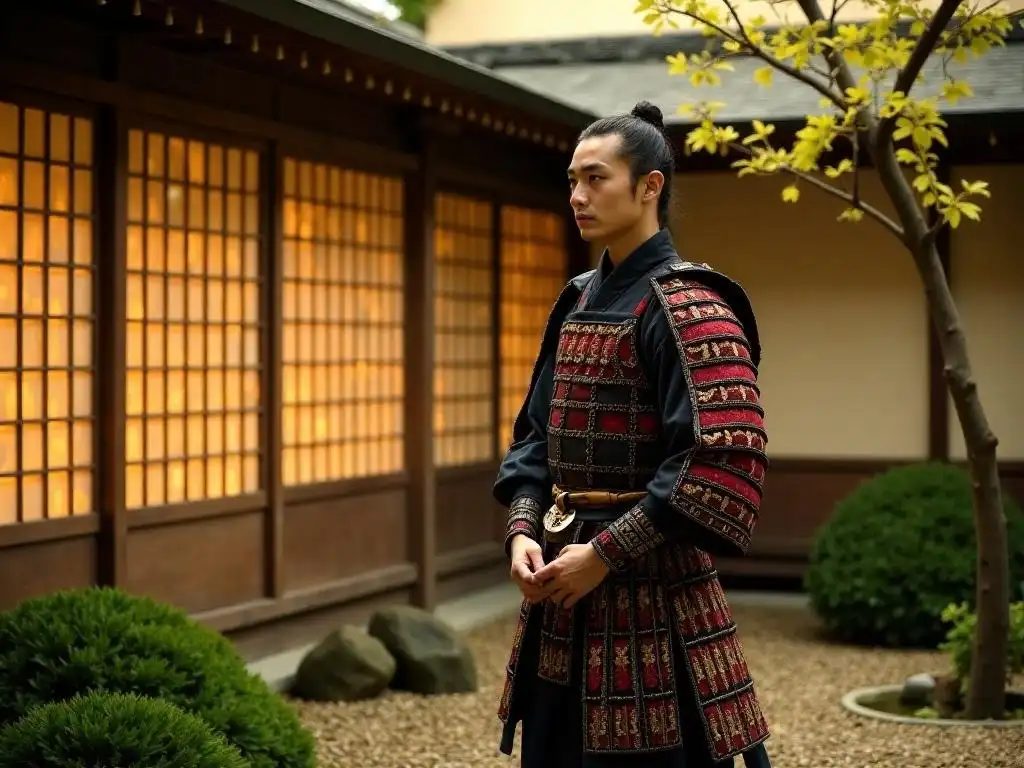
The samurai, the warrior class of feudal Japan, were not only skilled fighters but also deeply influenced by Zen Buddhism. The integration of Zen principles into their way of life significantly shaped their approach to combat and personal conduct. Below, we explore the core Zen principles that samurai embraced, focusing on their application in battle.
Mindfulness and Presence in Combat
Mindfulness, a fundamental aspect of Zen practice, involves maintaining a heightened awareness of the present moment. For samurai, this meant being fully engaged in the act of fighting, allowing them to respond swiftly and effectively to their opponents.
- Focused Awareness: Samurai trained to eliminate distractions, honing their ability to concentrate solely on the task at hand. This focus enabled them to anticipate their enemy's moves and react with precision.
- Breath Control: The practice of controlled breathing was essential. Samurai utilized breath to calm their minds, reducing anxiety and fostering a state of alertness. This technique is often referred to as Kinhin, or walking meditation, which can be performed even in the heat of battle.
- Emotional Regulation: By cultivating mindfulness, samurai learned to manage their emotions, preventing fear or anger from clouding their judgment. This mental clarity was crucial for making strategic decisions during combat.
The samurai's adherence to mindfulness allowed them to become formidable opponents, as they could remain calm and composed amidst chaos.
The Concept of Mushin (No Mind) in Battle
Mushin, or "no mind," is a state where the mind is free from thoughts of distraction and emotional turmoil. This principle is pivotal for samurai, as it emphasizes instinctual action rather than conscious thought.
- Spontaneity in Action: In battle, samurai who achieved mushin acted with fluidity and spontaneity. Their movements became automatic, relying on years of training and muscle memory rather than intellectual deliberation.
- Detachment from Outcome: Practicing mushin allowed samurai to detach from the fear of defeat or the desire for victory. This absence of attachment enabled them to fight without hesitation or fear, focusing solely on the act of combat itself.
- Enhanced Decision-Making: With a clear mind, samurai could make rapid decisions in the midst of conflict, often leading to a decisive advantage over opponents who were bogged down by doubt or fear.
Mushin exemplifies the ideal state of being for a samurai, where the mind and body operate in perfect harmony, resulting in heightened effectiveness in battle.
Embracing Impermanence and Acceptance of Death
One of the most profound teachings of Zen Buddhism is the acceptance of impermanence and the inevitability of death. For samurai, this acceptance shaped their worldview and approach to life and combat.
- The Reality of Mortality: Samurai understood that death could come at any moment, especially in battle. This awareness fostered a deep appreciation for life and a sense of urgency in their actions.
- Fearlessness in Combat: By accepting the transient nature of existence, samurai were able to confront their fears head-on. This fearlessness often translated into a fierce and unyielding fighting spirit, making them formidable warriors.
- Living in the Present: The acceptance of impermanence encouraged samurai to live fully in the present moment. This mindset not only enhanced their combat effectiveness but also enriched their everyday lives, allowing them to forge deeper connections with others and appreciate the beauty of the world around them.
The principles of embracing impermanence and acceptance of death empowered samurai to approach battle with a unique blend of courage and reverence, reinforcing their legendary status in Japanese history.
Zen Practices Adopted by Samurai Warriors
Meditation Techniques for Focus and Clarity
Meditation was a cornerstone of Zen practice, providing samurai with the mental fortitude required for the chaos of battle. Techniques such as Zazen, or seated meditation, were particularly prevalent. This practice encouraged warriors to sit in a cross-legged position, focusing on their breath and clearing their minds of distractions.
- Benefits of Zazen:
- Enhanced Concentration: Regular practice improved the samurai's ability to concentrate, allowing them to remain focused during combat.
- Emotional Regulation: Through meditation, samurai learned to manage fear and anxiety, which were crucial in high-stress situations.
Moreover, samurai often utilized walking meditation (known as kinhin), where the act of walking became a meditative practice, further grounding them in the present moment. This technique not only sharpened their awareness of their surroundings but also reinforced their connection to the natural world, an essential aspect of Zen philosophy.
Rituals and Ceremonies to Cultivate Zen Mindset
Rituals played a significant role in the daily lives of samurai, serving to reinforce their commitment to Zen principles. One prominent ceremony was the tea ceremony ( chanoyu), which transcended mere consumption of tea to become a meditative practice promoting simplicity and mindfulness.
- Key Elements of the Tea Ceremony:
- Mindfulness: Each movement in preparing and serving tea was performed with intention, instilling a sense of calm.
- Aesthetic Appreciation: Samurai learned to appreciate beauty in simplicity, reinforcing the Zen concept of finding harmony in imperfection, known as wabi-sabi.
Additionally, rituals surrounding swordsmanship and training were imbued with Zen philosophy. The practice of Iaido, the art of drawing the sword, involved a meditative focus on each movement. This not only cultivated technical skill but also a profound mental clarity that was essential in battle.
The Influence of Zen Gardens on Samurai Philosophy
Zen gardens, or Karesansui, served as a physical manifestation of Zen principles and significantly influenced the samurai's worldview. These gardens, characterized by their minimalist design and careful arrangement of rocks, gravel, and moss, were not merely aesthetic—they were designed to promote reflection and meditation.
- Symbolism in Zen Gardens:
- Simplicity and Balance: The layouts of these gardens emphasized harmony and balance, mirroring the samurai's pursuit of inner peace amidst the chaos of combat.
- Nature's Impermanence: The transient nature of the gardens reminded samurai of the impermanence of life, a core tenet of Zen Buddhism that encouraged acceptance of mortality.
Samurai often spent time in these gardens as a form of meditation, allowing the peaceful environment to calm their minds and prepare them for the challenges ahead. This connection to nature not only reinforced their Zen practice but also inspired a deeper understanding of their role as warriors within the larger tapestry of life.
The integration of Zen practices into the lives of samurai warriors was profound. Through meditation, rituals, and the influence of Zen gardens, they cultivated a mindset that allowed them to face the trials of battle with clarity, focus, and a deep sense of purpose.
Case Studies: Famous Samurai and Their Zen Practices
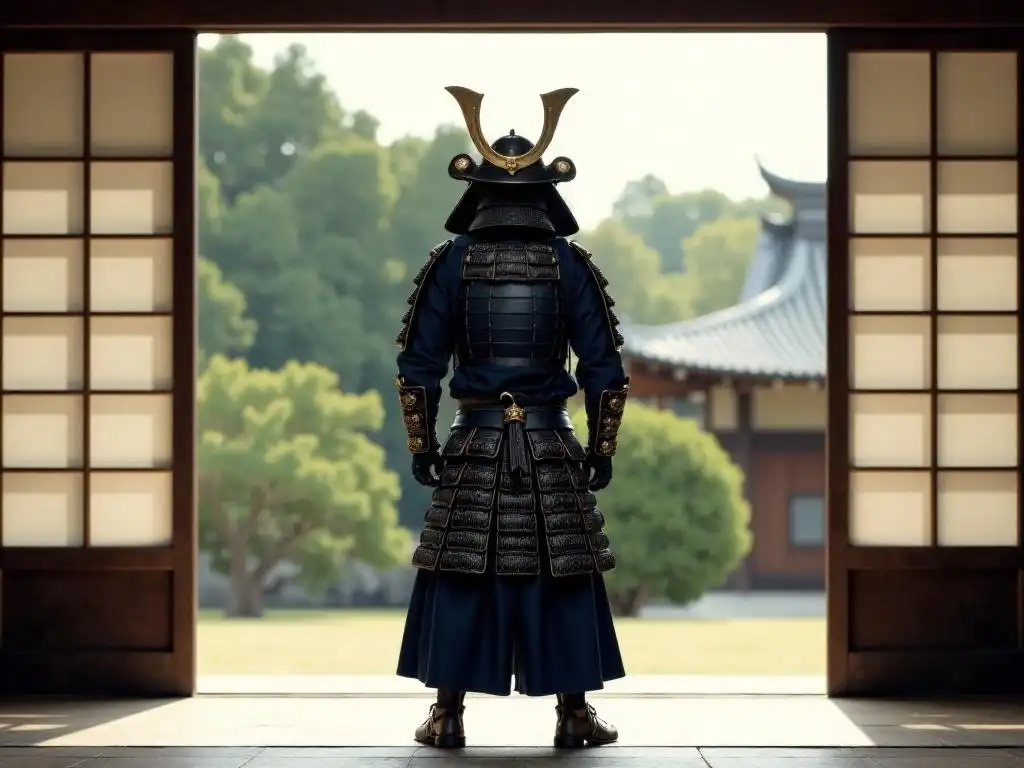
Miyamoto Musashi: The Duality of Warrior and Monk
Miyamoto Musashi (1584–1645) is perhaps one of the most iconic figures in Japanese history, renowned not only for his unparalleled swordsmanship but also for his philosophical insights. Musashi's approach to combat was deeply intertwined with Zen principles, demonstrating a profound understanding of the mind-body connection essential in battle.
Musashi authored "The Book of Five Rings," a treatise on strategy, tactics, and philosophy, where he emphasized the importance of a calm and centered mind. Here are some key aspects of his Zen practices:
- Meditation: Musashi practiced meditation to cultivate focus and clarity. This state of mind allowed him to remain calm under pressure, an essential quality for a warrior facing life-or-death situations.
- Non-Attachment: Musashi endorsed the concept of non-attachment, which is a fundamental teaching in Zen Buddhism. He believed that by letting go of desires and fears, a warrior could act with greater freedom and decisiveness in battle.
- Adaptability: His duality as both warrior and monk allowed Musashi to adapt his strategies fluidly. He understood that rigidity could lead to defeat, thus he emphasized remaining open to change and responding to circumstances with a clear mind.
Through these practices, Musashi not only excelled as a swordsman but also as a philosopher, embodying the essence of "Samurai Zen principles in battle."
Takeda Shingen: Strategic Mindfulness in Warfare
Takeda Shingen (1521–1573), one of the most formidable daimyōs of the Sengoku period, is another exemplary figure who integrated Zen principles into his military strategy. Known for his tactical genius and disciplined army, Shingen's mindfulness is evident in both his approach to warfare and his leadership style.
Key Zen Practices in Shingen's Strategy:
- Calmness in Command: Shingen advocated for a calm demeanor among his troops. He understood that a composed army could respond effectively to the chaos of battle.
- Visualization Techniques: Shingen employed visualization techniques, a practice rooted in Zen, to foresee potential battle scenarios. By mentally preparing for various outcomes, he could devise flexible strategies that adapted to the unfolding situation.
- Team Cohesion: Shingen believed that mindfulness extended to the collective. He fostered a strong sense of unity among his warriors, emphasizing that a mindful, cohesive team would outperform a disorganized force, even if the latter were larger.
Through his strategic mindfulness, Takeda Shingen exemplified how Zen principles could enhance a warrior's effectiveness and cohesion in battle.
Hōjō Ujiyasu: Leadership Through Zen Principles
Hōjō Ujiyasu (1515–1571) served as a prominent leader during Japan's tumultuous Sengoku period. Renowned for his wisdom and military prowess, Ujiyasu's leadership was significantly influenced by Zen Buddhism, which shaped his approach to governance and combat.
Highlights of Ujiyasu's Zen Leadership:
- Emphasis on Ethics: Ujiyasu believed that a leader must embody ethical principles rooted in Zen. His commitment to justice and fairness not only earned him the loyalty of his vassals but also instilled a sense of purpose among his troops.
- Mindful Decision-Making: Ujiyasu practiced mindful decision-making, often taking time to reflect before acting. This approach enabled him to weigh the consequences of his actions, fostering a sense of responsibility in leadership.
- Cultivation of Peace: While a warrior at heart, Ujiyasu valued peace and stability over prolonged conflict. His Zen-influenced view led him to seek diplomatic solutions, understanding that true strength lies not just in battle but in the ability to maintain harmony.
Hōjō Ujiyasu's integration of Zen principles into his leadership style illustrates how the samurai could wield not only their swords but also wisdom, promoting a more balanced approach to warfare.
By examining these case studies, it becomes evident that the "Samurai Zen principles in battle" were not merely about combat techniques but encompassed a holistic approach to life, leadership, and decision-making. These legendary figures illustrate the profound impact of Zen on their effectiveness as warriors and leaders in feudal Japan.
Comparison of Samurai Zen Principles with Other Warrior Cultures

Samurai vs. European Knights: Approaches to Combat
The samurai of feudal Japan and the European knights of the Middle Ages represent two distinct warrior classes shaped by their unique cultural and philosophical backgrounds. While both groups were renowned for their martial prowess, their approaches to combat were influenced significantly by the underlying principles of their respective philosophies.
Samurai Philosophy and Zen Principles
The samurai integrated Zen principles deeply into their combat practices. This connection to Zen Buddhism emphasized mindfulness, discipline, and the acceptance of impermanence. The concept of "mushin" or "no mind" was crucial; it allowed samurai to act without hesitation, focusing entirely on the moment without being burdened by fear or doubt. This mental clarity was essential in battle, where split-second decisions could determine life or death.
Key Elements of Samurai Zen Principles in Battle:
- Mindfulness: Staying present and aware during combat.
- Discipline: Rigorous training to achieve mastery of skills.
- Acceptance: Understanding the transient nature of life and death.
European Knights and Chivalric Codes
In contrast, European knights operated under a chivalric code that emphasized honor, loyalty, and duty. Their approach to combat was often formalized, with a focus on courtly behavior and the knightly virtues. While they trained extensively, their combat was often characterized by a more rigid structure, with an emphasis on tournaments and noble conduct.
Key Components of Chivalric Combat:
- Honor: Upholding one's reputation and the ideals of knighthood.
- Loyalty: Devotion to one's lord and fellow knights.
- Ritual: The significance of formalized duels and tournaments.
Comparative Analysis
While both samurai and knights were dedicated warriors, their differing philosophies influenced their combat styles. Samurai embraced a fluid, adaptable approach rooted in Zen principles, allowing for a spontaneous and instinctual response to threats. European knights, on the other hand, were often bound by the rigid structures of chivalric codes, which could limit their adaptability in chaotic battlefield situations.
| Aspect | Samurai | European Knights |
|---|---|---|
| Philosophical Influence | Zen Buddhism | Chivalric Codes |
| Combat Mindset | Mushin (no mind) | Honor and loyalty |
| Training Focus | Fluidity and adaptability | Formal techniques and rituals |
| Battlefield Behavior | Spontaneous and instinctual | Structured and noble |
Zen Influence on Other Asian Martial Traditions
Zen Buddhism's influence extended beyond the samurai, permeating various martial traditions across Asia. The principles of Zen have shaped the mental and philosophical frameworks of several martial arts, fostering a culture of mindfulness, discipline, and self-awareness.
Chinese Martial Arts
In China, Zen principles have influenced martial arts like Tai Chi and Kung Fu. Practitioners often emphasize the importance of breath control and mental clarity, paralleling the samurai's embrace of mindfulness. The philosophy encourages fighters to remain calm and centered, allowing them to respond effectively to any situation, similar to the samurai's approach to combat.
Key Aspects of Zen in Chinese Martial Arts:
- Breath Control: Essential for maintaining focus and energy.
- Fluid Movement: Emphasis on adaptability and awareness.
- Philosophical Reflection: Regular contemplation to enhance mental clarity.
Korean Martial Arts
Korean martial arts, such as Taekwondo and Hapkido, have also been influenced by Zen principles. The concepts of balance, harmony, and respect for oneself and others are central to these arts. Practitioners are taught to cultivate a calm mind, reflecting the Zen focus on mental discipline.
Core Elements of Zen in Korean Martial Arts:
- Balance: Harmony between body and mind.
- Respect: Honoring teachers and opponents alike.
- Self-Control: Maintaining composure under pressure.
Southeast Asian Martial Arts
In Southeast Asia, various forms of martial arts, like Silat, have incorporated elements of Zen philosophy. Practitioners often meditate to enhance their focus and clarity, mirroring the samurai's mental preparation before battle. The emphasis on spiritual development through physical training resonates with the teachings of Zen.
Zen Influences in Southeast Asian Martial Arts:
- Meditation: Used for mental preparation and focus.
- Spiritual Growth: Emphasizing personal development alongside martial skills.
- Intuitive Movement: Encouraging flexibility and responsiveness.
The impact of Zen principles is evident across various martial traditions, promoting a holistic approach that values mental clarity and discipline. The samurai, as exemplified, embody these principles in their combat philosophy, showcasing the profound connection between Zen Buddhism and martial arts throughout Asia.
The Impact of Samurai Zen Principles on Modern Martial Arts

The influence of Samurai Zen principles extends far beyond the battlefield, permeating the fabric of modern martial arts across the globe. The integration of Zen philosophies into martial arts training has shaped not only the techniques but also the mindset of practitioners. This section explores how these ancient principles continue to resonate within contemporary martial arts.
Legacy of Samurai Zen in Contemporary Practices
The legacy of Samurai Zen can be observed in various martial arts disciplines that emphasize mental clarity, discipline, and a harmonious connection between mind and body. Key aspects of this legacy include:
- Mindfulness in Training:
- Modern martial arts practitioners often incorporate mindfulness meditation, a practice rooted in Zen, to enhance their focus and presence during training. By learning to quiet the mind, martial artists can better respond to challenges in both training and competition.
- Emphasis on Personal Growth:
- Many martial arts schools today promote the idea that training is not just about physical prowess but also about personal development. This reflects the Samurai's commitment to self-improvement and the pursuit of a higher purpose through their martial practice.
- Integration of Zen Practices:
- Techniques such as zazen (seated meditation) and koan study (paradoxical anecdotes or riddles) have found their way into modern dojo settings, teaching students to confront and transcend their limitations.
Zen Philosophy in Modern Japanese Culture
Zen philosophy's impact on Japanese culture is profound, influencing various aspects of daily life, art, and social interaction. The principles embraced by Samurai have helped shape contemporary Japanese society in several ways:
- Artistic Expression:
- Zen principles are evident in traditional Japanese arts such as ikebana (flower arranging), tea ceremony, and calligraphy. These arts emphasize simplicity, mindfulness, and the beauty of imperfection, reflecting the Samurai's aesthetic values.
- Cultural Practices:
- The concept of wabi-sabi, which appreciates the beauty in imperfection and transience, is deeply rooted in Zen and resonates in contemporary Japanese culture. This philosophy encourages an acceptance of change and a deeper appreciation for the moment, aligning with the Samurai's understanding of life and death.
- Social Harmony:
- Zen principles promote values such as humility and respect, which are integral to Japanese social interactions. The Samurai’s influence is seen in modern practices that prioritize community harmony and collective well-being, mirroring the Samurai code of conduct.
The Samurai Zen principles in battle have left an indelible mark on both modern martial arts and broader Japanese cultural practices. By embracing these teachings, contemporary practitioners find not only techniques for combat but also pathways for personal enlightenment and societal cohesion.
Conclusion: The Enduring Legacy of Samurai Zen Principles in Battle
Reflection on the Integration of Zen and Warfare
The integration of Zen principles into the lives of samurai represents a profound transformation that shaped not only their approach to warfare but also their overall philosophy of life. Zen Buddhism, with its emphasis on mindfulness, presence, and direct experience, provided samurai with a framework through which they could reconcile the chaotic nature of battle with inner tranquility.
Key aspects of this integration include:
- Mindfulness in Combat: Samurai practiced techniques that cultivated a state of heightened awareness, enabling them to respond instinctively to threats. This mindfulness allowed warriors to maintain focus amidst the chaos of battle, reducing hesitation and improving decision-making.
- Meditative Practices: Regular meditation sessions were integral to a samurai's training. These practices fostered a calm mind and emotional stability, essential for enduring the psychological stress of combat.
- Impermanence and Acceptance: Zen teaches the acceptance of impermanence, which resonated deeply with samurai warriors facing the inevitability of death. This acceptance transformed fear into courage, empowering them to fight fiercely without attachment to outcomes.
The relationship between Zen and warfare thus illustrates a dynamic interplay where spirituality and martial prowess coalesce, allowing samurai to embody the principles of Zen even in the most dire circumstances.
Final Thoughts on the Influence of Samurai on Modern Understanding of Zen
The legacy of the samurai and their embrace of Zen principles continues to influence contemporary understanding of Zen Buddhism and its applications. In modern contexts, the samurai's approach to Zen can be seen in various fields, including martial arts, leadership, and personal development.
Notable influences include:
- Martial Arts: Many modern martial arts draw from samurai traditions, incorporating Zen principles of discipline and mental focus. Practitioners often cite the samurai's way of life as foundational to their training philosophy.
- Leadership and Management: The samurai's commitment to discipline, loyalty, and ethical conduct serves as a model for leadership today. The principles of Zen, such as clarity and presence, are increasingly recognized in business and organizational contexts.
- Personal Development: Individuals seeking to cultivate mindfulness and resilience often look to the samurai's teachings. The integration of Zen into daily life promotes a balanced approach to challenges, emphasizing the importance of mental clarity and emotional strength.
The enduring legacy of samurai Zen principles in battle underscores the profound relationship between spirituality and the warrior ethos. This relationship offers valuable insights not only into historical practices but also into modern applications, ensuring that the wisdom of the samurai continues to resonate across time and culture.
Frequently Asked Questions
What are Zen principles that Samurai followed in battle?
Zen principles emphasize mindfulness, focus, and inner peace. Samurai practiced these concepts to maintain clarity and composure during combat, allowing them to react swiftly and effectively.
How did Zen Buddhism influence Samurai culture?
Zen Buddhism promoted values such as discipline, self-control, and detachment from desires. This spiritual framework helped shape the Samurai's approach to both life and warfare, leading to a more profound understanding of their duty.
What role did meditation play for Samurai warriors?
Meditation was crucial for Samurai, providing a way to cultivate mental clarity and emotional balance. Regular practice helped them prepare for battle by fostering the ability to remain calm under pressure.
Can you explain the connection between Zen and combat strategy?
Zen teachings influenced Samurai combat strategy by encouraging them to be present and responsive in the moment. This allowed them to adapt their techniques based on the unfolding dynamics of battle.
How do Samurai Zen principles apply today?
Today, Samurai Zen principles can be applied to various fields, including leadership, sports, and personal development. The emphasis on mindfulness and discipline can enhance performance and decision-making in modern contexts.
Final Reflection: Embracing the Harmony of Zen and the Warrior Spirit
In today's fast-paced world, the integration of Zen principles into our daily lives resonates more than ever. As we navigate through challenges, the wisdom of the samurai reminds us that the essence of battle is not merely physical confrontation but a profound journey of self-discovery and mental clarity. The samurai's ability to remain centered amidst chaos serves as a powerful lesson for us all: true strength lies not in brute force, but in the mastery of one's mind and spirit.
The influence of samurai Zen principles extends far beyond the battlefield; it permeates our cultural and social landscapes, encouraging a deeper connection to mindfulness and presence. In a society often driven by distraction and stress, the teachings of the samurai offer a pathway to inner peace and resilience. As the renowned Zen master Thich Nhat Hanh once said, The present moment is filled with joy and happiness. If you are attentive, you will see it.
This perspective invites us to cultivate awareness and embrace the beauty of each moment, much like the samurai who found tranquility in the eye of the storm.
As we reflect on the lessons of the samurai, let us take a moment to consider how we can incorporate these Zen principles into our own lives. Challenge yourself to find moments of stillness amidst the chaos and embrace the warrior spirit that resides within you. Whether through meditation, mindful breathing, or simply pausing to appreciate the present, each small step can lead to profound transformation. Remember, the journey of a thousand miles begins with a single step—let that step be one of mindfulness and courage.
Embrace Your Inner Warrior: Apply Zen Principles Today!
Thank you for exploring the fascinating intersection of Zen philosophy and the samurai way of life. You’ve discovered how these timeless principles not only shaped warriors but can also enhance our modern lives. Now, it’s time to draw inspiration from their wisdom and apply it in meaningful ways.
- Start your day with mindfulness: Dedicate just 5 minutes each morning to meditation or deep breathing exercises to cultivate focus and tranquility.
- Seek balance in your challenges: Reflect on recent obstacles and consider how you can approach them with a Zen mindset—embracing patience and clarity.
- Share your journey: Connect with others who share an interest in Zen or martial arts by joining a local group or online community to exchange insights and experiences.
As you move forward, which specific Zen principle will you adopt as your guiding light in daily challenges? We’d love to hear your thoughts!