
Zen Meditation Techniques: Unlocking Inner Peace in a Chaotic World


Welcome to Feudal Japan History, where we invite you to embark on a fascinating journey through the intricate tapestry of Japan’s feudal era. Here, we delve deep into the historical, cultural, and societal nuances that shaped this remarkable period. In our featured article, “Zen Meditation Techniques: Unlocking Inner Peace in a Chaotic World,” we explore transformative practices that not only reflect the spirit of feudal Japan but also offer you a pathway to tranquility amidst modern chaos. Are you ready to uncover the secrets of Zen meditation? Let’s begin your exploration into serenity and self-discovery!
-
Zen Meditation Techniques for Beginners: Unlocking Inner Peace
- Introduction to Zen Meditation
- The Foundations of Zen Meditation Techniques
- Step-by-Step Zen Meditation Techniques for Beginners
- Advanced Zen Meditation Techniques
- Overcoming Challenges in Zen Meditation
- The Benefits of Practicing Zen Meditation
- Integrating Zen Meditation into Daily Life
- Conclusion: Embracing Zen Meditation Techniques
- Additional Resources for Zen Meditation
- Frequently Asked Questions
- Final Reflection: Embracing Inner Peace Through Zen Meditation
- Embrace Calmness: Start Your Journey to Inner Peace Today!
Zen Meditation Techniques for Beginners: Unlocking Inner Peace
Introduction to Zen Meditation
In a world that often feels chaotic and overwhelming, the pursuit of inner peace has become more essential than ever. Zen meditation techniques offer a pathway to tranquility, helping individuals cultivate mindfulness and a deeper connection with themselves. This article serves as a comprehensive guide for beginners interested in exploring Zen meditation, delving into its historical roots, foundational principles, and practical applications in modern life. By understanding these techniques, you can unlock the potential for profound relaxation and clarity, allowing you to navigate life’s challenges with greater ease.
What is Zen Meditation?
Zen meditation, known as Zazen in Japanese, is a practice rooted in the teachings of Zen Buddhism. It emphasizes direct experience and personal insight, allowing practitioners to observe their thoughts and feelings without attachment. Unlike other forms of meditation that may focus on guided imagery or affirmation, Zen meditation encourages a state of mindful awareness—where one simply exists in the present moment.
The practice typically involves sitting in a specific posture, focusing on the breath, and observing thoughts as they arise. This approach helps in cultivating a non-judgmental awareness of one’s internal landscape, fostering a sense of calm and clarity. For beginners, the key lies in simplicity: the goal is not to achieve a particular state but to experience the act of sitting and being present.
The Historical Context of Zen in Japan
The origins of Zen meditation can be traced back to the 6th century when it was introduced to Japan from China, where it was known as Chan Buddhism. Over the centuries, Zen evolved into a distinct school of thought, deeply influencing Japanese culture, art, and philosophy. Key figures such as Dogen Zenji, the founder of the Soto school of Zen, emphasized the importance of Zazen as a means to attain enlightenment.
Zen's historical context is rich and complex, reflecting Japan's turbulent feudal era. Samurai warriors often turned to Zen practices as a way to cultivate discipline, focus, and inner strength amid the chaos of battle. This intertwining of Zen and the samurai ethos created a unique cultural legacy that continues to influence modern practices.
Importance of Zen Meditation in Modern Life
In today's fast-paced society, the benefits of Zen meditation are more relevant than ever. Many individuals are seeking ways to cope with stress, anxiety, and the relentless pressures of daily life. Zen meditation provides practical tools for enhancing focus and emotional resilience. Research has shown that regular practice can lead to improved mental health, increased creativity, and enhanced well-being.
By integrating Zen meditation techniques into your daily routine, you can cultivate a sense of calm and balance, ultimately leading to a more fulfilling life. Whether you are a busy professional, a student, or someone navigating life’s challenges, the principles of Zen can serve as a beacon of hope and stability.
The Foundations of Zen Meditation Techniques
To fully embrace Zen meditation, it’s essential to understand its foundational principles. This section explores key aspects that form the basis of effective Zen practice, including mindfulness, posture, and the concept of Zazen.
Key Principles of Zen Meditation
The practice of Zen meditation is built upon several core principles:
- Mindfulness: Being fully present in the moment, without judgment.
- Simplicity: Embracing a straightforward approach to meditation, focusing on breath and awareness.
- Non-attachment: Observing thoughts and feelings without clinging to them or pushing them away.
These principles guide practitioners in cultivating a deeper understanding of themselves and their surroundings, promoting emotional balance and inner peace.
The Role of Mindfulness in Zen Practices
Mindfulness lies at the heart of Zen meditation. It involves paying attention to the present moment with openness and curiosity. In Zen practices, this means observing your thoughts, sensations, and emotions as they arise, without becoming entangled in them.
By cultivating mindfulness, practitioners can develop a heightened awareness of their habitual thought patterns, leading to greater self-understanding. This awareness allows individuals to respond to life’s challenges with clarity and compassion rather than reacting impulsively.
Understanding the Concept of Zazen
Zazen, or seated meditation, is the cornerstone of Zen practice. It involves a specific posture—typically sitting cross-legged with a straight back—and focusing on the breath. During Zazen, practitioners cultivate a deep sense of stillness and presence.
The practice encourages individuals to observe their thoughts and sensations without attachment, facilitating a profound inner dialogue. Many beginners find that regular Zazen sessions not only enhance their meditation practice but also positively impact their overall well-being.
Zen meditation techniques provide powerful tools for unlocking inner peace, making them invaluable for beginners seeking balance in a chaotic world. By understanding and applying these principles, you can embark on a transformative journey towards mindfulness and serenity.
Step-by-Step Zen Meditation Techniques for Beginners
Embarking on a journey into Zen meditation can be a transformative experience, especially for beginners seeking tranquility in a tumultuous world. Understanding the foundational techniques is the key to unlocking inner peace. Here, we outline a step-by-step guide designed to ease you into practice.
-
Find a Quiet Space
Look for a serene environment free from distractions. This could be a quiet room in your home, a garden, or any peaceful setting where you feel comfortable.
-
Choose a Comfortable Position
You can sit on a cushion, chair, or even lie down if that's more comfortable. The goal is to maintain a posture that is both relaxed and alert. Common positions include:
- Cross-legged (Sukhasana)
- Seated on a chair with feet flat on the ground
- Kneeling if that feels more natural
-
Set a Timer
As a beginner, start with short sessions, around 5 to 10 minutes. Gradually increase the duration as you become more comfortable with the practice.
-
Focus on Your Breath
Close your eyes gently and bring your attention to your breathing. Notice the natural rhythm of your breath without trying to control it.
-
Be Present
If your mind wanders, acknowledge the thoughts without judgment, and gently guide your focus back to your breath. This practice of redirection is essential in Zen meditation.
-
Conclude Gently
When your timer goes off, take a moment to notice how you feel before slowly opening your eyes. Allow yourself to transition back to your day with a sense of calm.
Preparing for Zen Meditation
Preparation is crucial for establishing a conducive environment for Zen meditation. Here are some steps to ensure you are ready to engage fully in your practice:
-
Create a Dedicated Space:
Designate an area specifically for meditation. This could be as simple as a corner with a cushion and a small altar. Surround yourself with calming elements such as candles, incense, or images that inspire peace.
-
Dress Comfortably:
Wear loose, comfortable clothing that allows freedom of movement and does not restrict your breathing. This will help you relax and focus more on your meditation.
-
Set an Intention:
Before you begin, take a moment to set an intention for your practice. This could be as simple as seeking peace, clarity, or acceptance. Having a purpose can enhance your focus during meditation.
-
Practice Mindfulness:
Engage in a brief mindfulness exercise prior to starting your session. This can be as simple as observing your surroundings or practicing gratitude for a few moments. It helps center your mind.
Basic Zen Meditation Techniques
Basic Zen meditation techniques lay the foundation for deeper practices. Here are some essential techniques to get you started:
-
Zazen (Seated Meditation):
This is the core practice of Zen meditation. Sit comfortably with your back straight, hands resting on your lap, and focus on your breath. Allow thoughts to pass without engagement.
-
Shikantaza (Just Sitting):
This technique emphasizes being present and aware without focusing on objects or thoughts. Simply sit and experience the moment as it unfolds, allowing sensations and thoughts to arise and fade.
-
Walking Meditation (Kinhin):
This practice involves slow, deliberate walking, often done between sitting sessions. Focus on the movement of your feet and the sensations in your body. This can help ground you and enhance mindfulness.
Advanced Zen Meditation Techniques
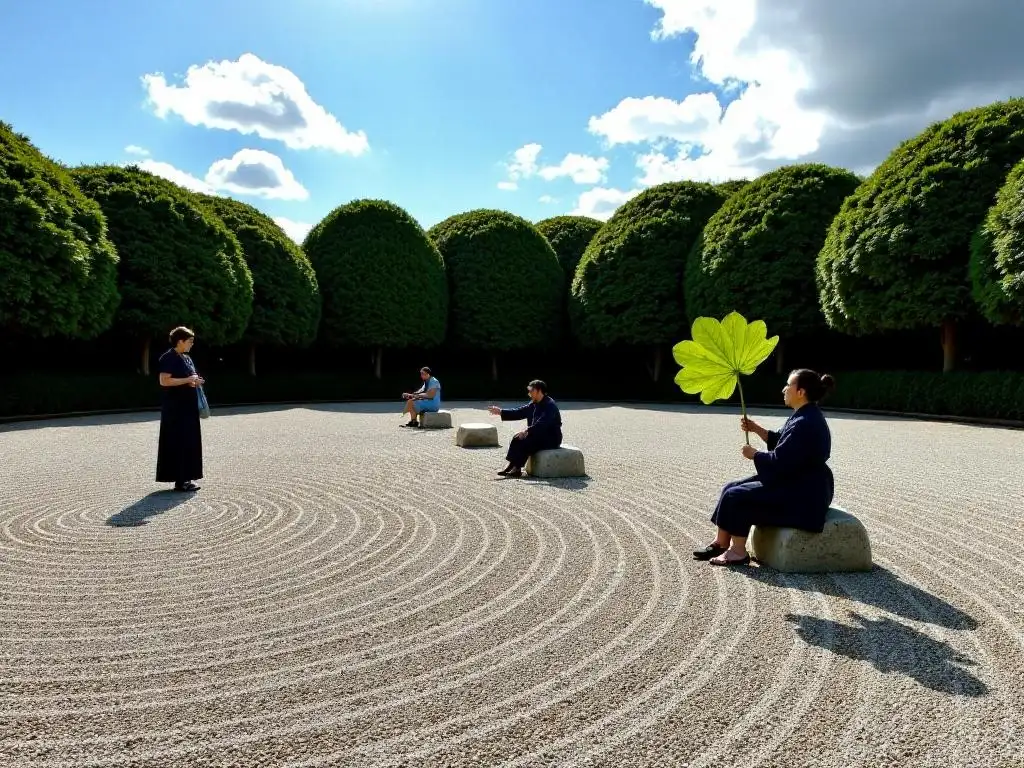
As you gain confidence in basic practices, you can explore advanced Zen meditation techniques that deepen your experience and enhance your understanding.
Breath Awareness Techniques
Breath awareness is a fundamental aspect of Zen meditation. Here are some advanced techniques to refine this practice:
-
Counting Breaths:
Begin by counting each inhale and exhale up to ten, then start again. This method helps maintain focus and can be particularly useful when your mind begins to wander.
-
Body Scan with Breath:
As you breathe, visualize your breath traveling through your body. Start from your head and move down to your toes, noticing any areas of tension or relaxation with each breath.
-
Silent Mantra with Breath:
Silently repeat a calming phrase or word in sync with your breath. For example, on the inhale, think "peace," and on the exhale, think "release." This technique can enhance focus and calm the mind.
Visualization Techniques in Zen Meditation
Visualization can be a powerful tool in Zen meditation, helping to create mental images that promote peace and clarity. Here are some techniques to try:
-
Guided Imagery:
Envision a serene landscape, such as a quiet forest or a tranquil beach. Picture the details—the sound of the waves, the scent of the trees—as you breathe deeply. This can transport you to a place of calm.
-
Chakra Visualization:
Focus on the seven chakras of your body, visualizing each one as a vibrant color. Imagine the energy flowing through each chakra, promoting balance and harmony within.
-
Light Visualization:
Picture a warm light surrounding you, filling you with peace and tranquility. As you exhale, imagine the light expanding, pushing away negativity and stress. This technique can enhance feelings of safety and comfort during meditation.
By integrating these techniques into your practice, you can cultivate a deeper sense of inner peace and clarity, essential for navigating the challenges of modern life.
Overcoming Challenges in Zen Meditation
Engaging in Zen meditation can be a transformative journey, but it is not without its challenges. Many beginners often find themselves facing various obstacles that can hinder their practice. Understanding these challenges and learning how to overcome them is essential for cultivating a consistent meditation habit and reaping the full benefits of Zen techniques.
Common Obstacles for Beginners
- Restlessness and Distraction: One of the most common issues faced by beginners is a wandering mind. Thoughts about daily tasks, worries, and distractions can make it difficult to maintain focus during meditation. This restlessness can lead to frustration, making practitioners feel as though they are not progressing.
- Physical Discomfort: Sitting for extended periods can cause discomfort or pain, particularly in the back, knees, or hips. Beginners may struggle to find a comfortable position, leading to an inability to relax and fully engage with the meditation.
- Impatience: Many new practitioners expect immediate results, such as a profound sense of calm or enlightenment. This impatience can lead to disappointment and a lack of motivation to continue practicing.
- Skepticism: Some individuals may approach Zen meditation with skepticism, questioning its effectiveness or relevance to their lives. This mindset can create mental barriers that impede the ability to fully engage with the practice.
Tips for Maintaining Consistency in Practice
- Set a Regular Schedule: Establishing a consistent time for meditation can help create a routine. Whether it's morning or evening, finding a time that suits your lifestyle can enhance commitment.
- Start Small: Beginners should begin with shorter sessions, such as five to ten minutes, gradually increasing duration as comfort and focus improve. This approach can alleviate the pressure of lengthy sessions.
- Create a Dedicated Space: Designating a specific area for meditation can foster a conducive environment. This space should be quiet, free from distractions, and filled with items that promote relaxation, such as cushions or candles.
- Be Gentle with Yourself: Accept that challenges are a part of the process. When distractions arise, gently acknowledge them without judgment and return your focus to your breath or the meditation technique.
- Join a Group or Class: Participating in group meditation or classes can provide motivation and support. Learning from experienced practitioners can also deepen understanding and enhance practice.
The Benefits of Practicing Zen Meditation
Engaging in Zen meditation offers a multitude of benefits that extend beyond the meditation cushion. From mental health improvements to emotional and spiritual growth, the impact of these practices can be profound.
Mental Health Benefits of Zen Techniques
Zen meditation has been linked to numerous mental health benefits, making it a valuable tool for individuals seeking greater psychological well-being. Research indicates that regular practice can lead to:
- Reduced Anxiety and Stress: Mindfulness techniques inherent in Zen meditation promote relaxation and reduce the body's stress response, helping to alleviate symptoms of anxiety.
- Improved Mood: Many practitioners report enhanced mood and overall emotional stability. The practice encourages a greater awareness of thoughts and feelings, allowing individuals to respond to challenges with a calmer mindset.
- Increased Resilience: Regular meditation fosters a greater sense of resilience, empowering individuals to cope more effectively with life's challenges and maintain a positive outlook.
Emotional and Spiritual Growth through Zen Meditation
Zen meditation not only aids in mental health but also plays a significant role in emotional and spiritual development:
- Enhanced Self-Awareness: Through meditation, practitioners gain insights into their thoughts, emotions, and behaviors, facilitating personal growth and a deeper understanding of oneself.
- Cultivation of Compassion: Zen practices often incorporate elements of compassion and loving-kindness, helping individuals develop a more empathetic and connected approach to themselves and others.
- Spiritual Awakening: For many, Zen meditation serves as a gateway to spiritual exploration, fostering a sense of connection to something greater and providing a framework for understanding life's deeper meanings.
Enhancing Focus and Concentration via Zen Practices
One of the most significant benefits of Zen meditation is its ability to enhance focus and concentration. This improvement can be attributed to:
- Mindfulness Training: Zen meditation encourages practitioners to be present in the moment, honing their ability to concentrate on tasks without succumbing to distractions.
- Increased Mental Clarity: Regular practice helps to clear mental clutter, leading to improved cognitive function and sharper thinking. This clarity can enhance decision-making and problem-solving abilities.
- Better Emotional Regulation: With improved focus comes better emotional regulation. Practitioners learn to observe their emotions without becoming overwhelmed, leading to more thoughtful responses in various situations.
By embracing Zen meditation techniques, beginners can unlock a path to inner peace, resilience, and personal growth, ultimately contributing to a more harmonious and fulfilling life.
Integrating Zen Meditation into Daily Life
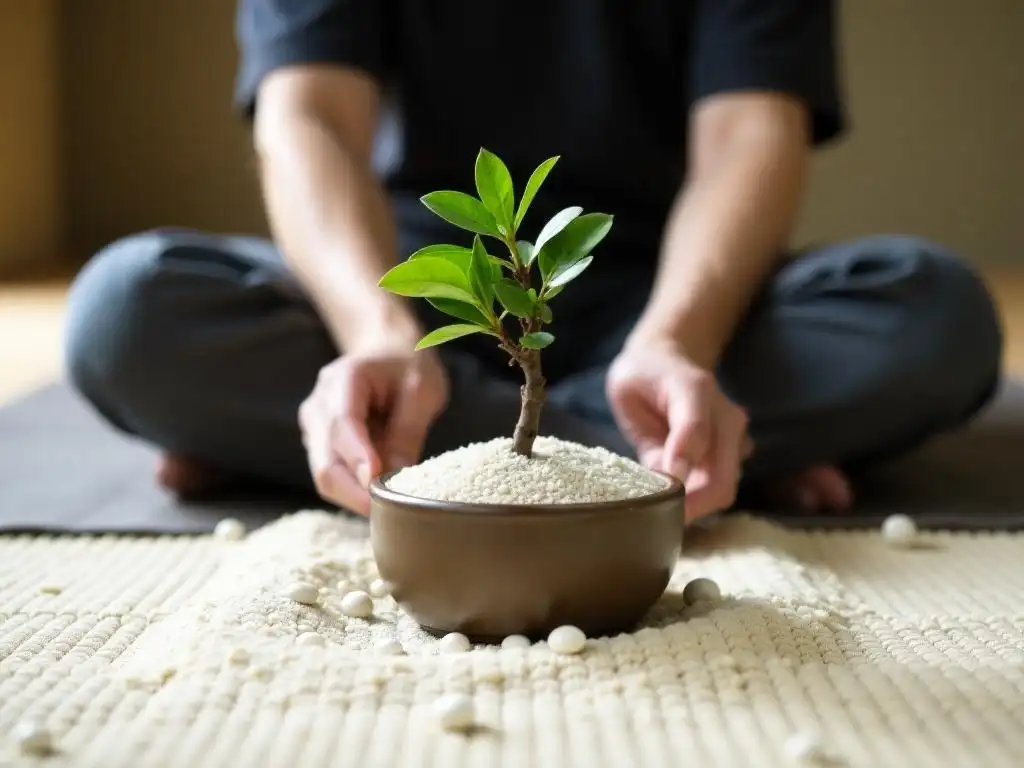
Integrating Zen meditation into daily life can be a transformative experience, helping individuals cultivate a sense of calm and presence amidst the chaos of modern living. By adopting Zen practices as part of a daily routine, practitioners can better manage stress, enhance their focus, and foster a deeper connection to themselves and their surroundings. The following sections will explore how to create a daily Zen routine, incorporate Zen principles into everyday activities, and find community support for practitioners.
Creating a Daily Zen Routine
Establishing a daily Zen routine is essential for beginners seeking to unlock the benefits of meditation. Here are some tips to help you develop a consistent practice:
- Set a Regular Time: Choose a specific time each day to meditate. Early mornings or late evenings are popular choices, as they offer a quieter environment.
- Create a Dedicated Space: Designate a tranquil spot in your home where you can meditate without distractions. This space should be clean, comfortable, and free from interruptions.
- Start Small: If you are new to meditation, begin with just 5-10 minutes a day. Gradually increase the duration as you become more comfortable with the practice.
- Use Guided Meditations: For beginners, guided meditations can be helpful. There are many resources available—such as apps and online videos—that provide structured sessions.
- Be Consistent: Consistency is key to developing a habit. Try to meditate at the same time every day to reinforce your commitment.
By following these steps, you can create a sustainable daily Zen routine that fosters mindfulness and inner peace.
Incorporating Zen Principles into Everyday Activities
Zen principles can be seamlessly integrated into daily activities, enriching your life beyond the meditation cushion. Here are several ways to apply these principles:
- Mindful Eating: Practice mindful eating by savoring each bite, paying attention to the flavors, textures, and aromas of your food. This not only enhances your dining experience but also encourages gratitude for nourishment.
- Walking Meditation: Turn a simple walk into a meditative experience by focusing on the sensation of your feet touching the ground, the rhythm of your breath, and the sounds of nature around you.
- Mindful Breathing: Throughout your day, take moments to pause and practice mindful breathing. Inhale deeply through your nose, hold for a moment, and exhale slowly through your mouth. This can help ground you during stressful situations.
- Cleaning and Organizing: Transform mundane chores into mindful practices. As you clean or organize, concentrate on the motions and the space around you, cultivating a sense of presence and clarity.
Incorporating these Zen principles into everyday activities not only enhances your meditation practice but also cultivates a mindset of mindfulness in all aspects of life.
Community and Support for Zen Practitioners
Finding a supportive community can greatly enhance your Zen meditation journey. Here are some ways to connect with like-minded individuals:
- Join a Zen Center: Many cities have Zen centers or meditation groups that offer regular sessions, workshops, and retreats. Participating in these gatherings can deepen your practice and provide valuable insights.
- Online Forums and Groups: Numerous online platforms, such as social media or dedicated forums, allow you to connect with fellow practitioners. These communities often share resources, experiences, and encouragement.
- Attend Workshops and Retreats: Look for local or online workshops and retreats focused on Zen meditation. These events provide opportunities to learn from experienced teachers and immerse yourself in the practice.
- Find a Mentor: If possible, seek guidance from a more experienced Zen practitioner or teacher. A mentor can provide personalized advice and support as you navigate your meditation journey.
Building a supportive network can significantly enhance your understanding and practice of Zen meditation, making the journey more fulfilling.
Conclusion: Embracing Zen Meditation Techniques
Embracing Zen meditation techniques can lead to profound changes in your life. By cultivating mindfulness and inner peace, beginners can navigate the complexities of modern life with greater ease and clarity.
Recap of Key Zen Meditation Techniques for Beginners
To summarize, the key Zen meditation techniques for beginners include:
- Establishing a daily meditation routine.
- Practicing mindfulness in everyday activities.
- Utilizing guided meditations to ease into the practice.
- Connecting with a supportive community of practitioners.
These techniques serve as a foundation for a fulfilling Zen meditation practice, promoting mental clarity and emotional balance.
Encouragement to Explore Zen Further
As you embark on your Zen meditation journey, remember that the path is unique for each individual. Embrace the process, be patient with yourself, and remain open to exploring the rich teachings of Zen Buddhism. The inner peace you seek is not only attainable but can flourish through consistent practice and a commitment to mindfulness. Take the next step and continue to explore the depths of Zen meditation—it may lead you to profound insights and a more harmonious life.
Additional Resources for Zen Meditation
Exploring Zen meditation techniques can significantly enhance your journey toward inner peace. To support beginners in their practice, a variety of resources are available that cater to different learning preferences, whether through reading, online courses, or immersive experiences. Below, we delve into some of the most valuable resources for those looking to deepen their understanding and practice of Zen meditation.
Recommended Books on Zen Meditation
Books provide a profound way to gain insights into Zen meditation. Here are a few highly regarded titles that can help beginners:
-
"Zen Mind, Beginner's Mind" by Shunryu Suzuki
This classic work offers a clear perspective on Zen practice and emphasizes maintaining a beginner's mindset. Suzuki's teachings are both accessible and profound, making them perfect for newcomers.
-
"The Miracle of Mindfulness" by Thich Nhat Hanh
In this book, the renowned Zen master offers practical exercises and reflections to cultivate mindfulness, making it an excellent entry point for beginners interested in Zen meditation.
-
"The Heart of the Buddha's Teaching" by Thich Nhat Hanh
This comprehensive guide introduces fundamental Buddhist concepts and meditation techniques, providing a holistic understanding of Zen practices.
-
"The Zen Teaching of Bodhidharma" translated by Red Pine
This text presents the teachings of the legendary founder of Zen Buddhism, focusing on the essence of meditation and direct experience.
These books not only cover meditation techniques but also delve into the philosophical underpinnings of Zen, enriching the reader's practice and understanding.
Online Courses and Workshops for Beginners
For those who prefer structured guidance, numerous online courses and workshops offer valuable insights into Zen meditation. Here are some popular options:
-
Zen Meditation Online Course by the Zen Center
This course is designed for beginners, offering a series of guided meditations, instructional videos, and interactive sessions with experienced Zen teachers.
-
Mindfulness and Zen Meditation Course on Udemy
A highly-rated course that provides foundational knowledge and practical meditation techniques. It includes video lectures and downloadable resources to support self-paced learning.
-
Zen Meditation Workshops on Insight Timer
Insight Timer is a popular meditation app that hosts various live workshops and courses focused on Zen practices. Beginners can benefit from guided sessions led by experienced facilitators.
-
Virtual Retreats and Sanghas
Many Zen centers now offer virtual retreats and community gatherings online, providing opportunities to meditate in a group setting and connect with like-minded individuals.
These resources can help beginners establish a consistent meditation practice while benefiting from expert guidance.
Zen Meditation Retreats in Japan and Beyond
Participating in a Zen meditation retreat can be a transformative experience for beginners. Here are some notable retreats in Japan and other locations:
-
Daitoku-ji Zen Temple in Kyoto, Japan
This historic temple offers Zen meditation retreats where participants can immerse themselves in traditional practices, including zazen (seated meditation) and mindful walking.
-
Eihei-ji Temple in Fukui, Japan
Founded by Dogen Zenji, Eihei-ji is one of the most revered Zen temples in Japan, offering intensive meditation retreats that focus on deepening one's practice in a serene environment.
-
Shambhala Mountain Center in Colorado, USA
This center provides a variety of meditation retreats, including those specifically focused on Zen practices. It is an excellent choice for beginners looking for a supportive community.
-
The Zen Center of New York City
Offering weekend retreats and day-long workshops, this center provides opportunities for urban dwellers to engage in Zen meditation without traveling far.
These retreats offer immersive experiences that not only teach meditation techniques but also foster a deeper connection to Zen philosophy.
Frequently Asked Questions
What are Zen meditation techniques?
Zen meditation techniques involve practices that focus on mindfulness and breath control to help practitioners achieve a state of inner peace and clarity. These techniques are simple yet effective for calming the mind.
How can beginners start with Zen meditation?
Beginners can start by finding a quiet space, sitting comfortably, and focusing on their breath. It's recommended to practice for just a few minutes daily and gradually increase the duration.
What are the benefits of Zen meditation?
Practicing Zen meditation can lead to reduced stress, improved concentration, and a greater sense of emotional stability. Regular practice helps in achieving a more peaceful mindset.
Are there specific Zen meditation techniques for stress relief?
Yes, techniques such as shikantaza (just sitting) and zazen (seated meditation) can significantly help in stress relief. These techniques emphasize being present and observing thoughts without judgment.
How often should one practice Zen meditation?
It's beneficial to practice Zen meditation daily, even if for a short duration. Consistency is key in developing mindfulness and experiencing the full benefits of the practice.
Final Reflection: Embracing Inner Peace Through Zen Meditation
In a world that often feels overwhelming and chaotic, the practice of Zen meditation techniques for beginners offers a vital pathway to reclaiming our inner tranquility. As we navigate the complexities of modern life, the importance of cultivating a calm and centered mind cannot be overstated. The insights shared in this article serve as a reminder that, amidst the noise, we possess the power to create our own sanctuary of peace.
The influence of Zen meditation extends far beyond individual practice; it has the potential to reshape our cultural and social landscapes. As we embrace these techniques, we not only foster personal well-being but also contribute to a collective shift towards mindfulness and compassion. This ripple effect can transform our interactions with others and enhance our communities. As Thich Nhat Hanh wisely stated, "> Peace is present right here and now, in ourselves and in everything we do and see." This profound truth underscores the ongoing relevance of Zen meditation in our lives today.
As you reflect on the lessons of Zen meditation, I invite you to take a moment to consider how you can incorporate these practices into your daily routine. Whether it's through mindful breathing, sitting in silence, or simply observing your thoughts, each small step can lead to profound changes. Let this be a call to action: embrace the stillness, nurture your inner peace, and allow the transformative power of Zen meditation to guide you toward a more harmonious existence. Your journey to tranquility begins now.
Embrace Calmness: Start Your Journey to Inner Peace Today!
Thank you for joining us on this exploration of Zen meditation techniques! We hope you found valuable insights that inspire you toward a more peaceful and centered life. Now, it’s time to take action and integrate that sense of tranquility into your daily routine.
- Start practicing a simple Zen meditation for just 10 minutes a day. Find a quiet space, set a timer, and focus on your breath—allow the chaos of the outside world to fade away.
- Explore further! Join a local meditation group or an online community where you can connect with others on their journey toward inner peace.
- Share your experiences with friends or on social media. Initiate a conversation about the benefits of Zen meditation and encourage others to join you in this enriching practice.
What’s the first step you’ll take today to cultivate inner peace in your life?