
The Intersection of Zen Buddhism and Shinto: Understanding Japan’s Dual Faith


Welcome to Feudal Japan History, where we embark on a captivating journey through the intricate tapestry of Japan's feudal era. Here, we delve into the rich historical, cultural, and societal aspects that shaped this fascinating period. Our featured article, "The Intersection of Zen Buddhism and Shinto: Understanding Japan’s Dual Faith," invites you to explore the profound connections and contrasts between these two influential belief systems.
What secrets lie within their teachings, and how did they coexist and shape the very fabric of Japanese society? Join us as we uncover the depths of Zen Buddhism and Shinto beliefs—your adventure into the heart of Japan’s spiritual landscape begins now!
- Introduction to Zen Buddhism and Shinto Beliefs
- Historical Context of Zen Buddhism and Shinto
- Core Principles of Zen Buddhism and Shinto Beliefs
- The Influence of Zen Buddhism on Shinto Practices
- The Role of Zen Buddhism and Shinto in Japanese Society
- Challenges and Harmonies: The Relationship Between Zen Buddhism and Shinto
- Conclusion: The Enduring Legacy of Zen Buddhism and Shinto in Japan
- Frequently Asked Questions
- Final Reflection: Embracing the Harmony of Zen Buddhism and Shinto Beliefs
- Embrace the Harmony of Zen and Shinto!
Introduction to Zen Buddhism and Shinto Beliefs
The interplay between Zen Buddhism and Shinto beliefs encapsulates a unique aspect of Japan's cultural and spiritual heritage. This dual faith system has shaped not only religious practices but also the broader societal norms and artistic expressions throughout Japan’s history.
Understanding how these two belief systems coexist provides profound insights into the Japanese worldview, which seamlessly blends the metaphysical with the natural, the divine with the mundane. In this article, we will delve into the fundamental principles of both Zen Buddhism and Shinto beliefs, exploring their origins, core tenets, and the intricate relationship that has developed between them over centuries.
Overview of Zen Buddhism
Zen Buddhism, a school of Mahayana Buddhism, emphasizes meditation, self-reflection, and the attainment of enlightenment through direct experience. Originating from China as Chan Buddhism in the 6th century, Zen was brought to Japan in the 12th century, where it quickly gained prominence among the samurai class and intellectuals.
Key characteristics of Zen Buddhism include:
- Zazen (Meditation): The practice of seated meditation is central to Zen, aiming to quiet the mind and develop insight into one’s true nature.
- Koans: These paradoxical anecdotes or riddles serve as tools for meditation, pushing practitioners to transcend logical reasoning and achieve deeper understanding.
- Simplicity and Aesthetics: Zen influences various Japanese art forms, promoting simplicity and natural beauty, evident in tea ceremonies, garden designs, and ink painting.
Through these practices, Zen Buddhism encourages individuals to live in the present moment, fostering a sense of peace and clarity.
Overview of Shinto Beliefs
Shinto, often considered Japan's indigenous religion, is rooted in the worship of kami, which are spirits associated with natural elements, ancestors, and sacred places. Unlike organized religions, Shinto is characterized by its lack of a formal doctrine or sacred texts, focusing instead on rituals and practices that honor these kami.
Core aspects of Shinto beliefs include:
- Kami: These spirits are believed to inhabit all aspects of life and nature, from mountains and rivers to household objects.
- Rituals and Offerings: Shinto practices involve various rituals (matsuri) to appease kami, including offerings of food, sake, and prayers at shrines.
- Purification: Ritual purification (harae) is essential in Shinto, reflecting the belief that cleanliness is vital for spiritual health.
Shinto’s deep connection to the land and nature highlights the importance of harmony between humans and the environment, fostering a sense of community through shared rituals.
The Significance of Dual Faith in Japan
The coexistence of Zen Buddhism and Shinto beliefs is a testament to Japan's unique spiritual landscape. Rather than viewing these practices as conflicting, many Japanese people embrace both, allowing for a fluid spiritual identity.
Some significant aspects of this dual faith include:
- Cultural Integration: Festivals, rituals, and practices often blend elements from both religions, reflecting a harmonious coexistence in everyday life.
- Philosophical Synergy: Zen Buddhism’s focus on inner tranquility complements Shinto’s reverence for nature, creating a holistic approach to spirituality.
- Influence on Arts and Literature: The fusion of these beliefs has profoundly influenced Japanese art, literature, and aesthetics, contributing to the richness of Japanese culture.
This dual faith not only enriches individual spiritual experiences but also nurtures a broader cultural identity that continues to evolve in modern Japan, showcasing the resilience and adaptability of these beliefs over time.
Historical Context of Zen Buddhism and Shinto
The Emergence of Zen Buddhism in Japan
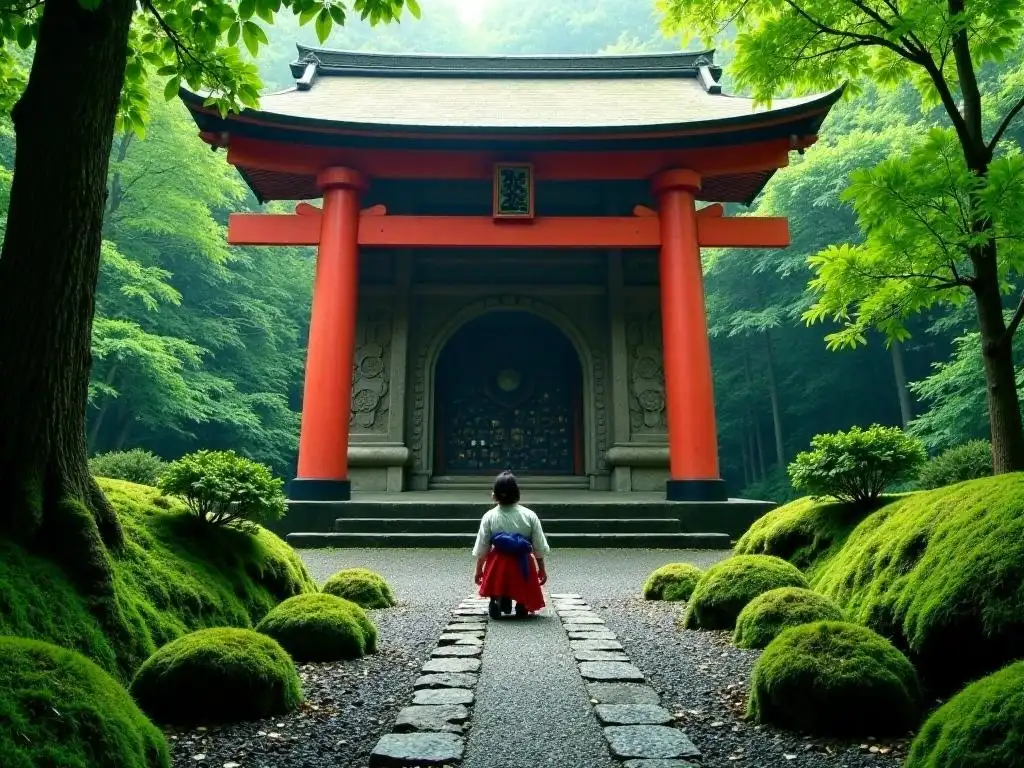
Zen Buddhism, a school of Mahayana Buddhism, found its way to Japan in the late 12th century, becoming a significant aspect of Japanese spirituality and culture. Its introduction is often attributed to the influence of Chinese Chan Buddhism, which emphasized direct experience and meditation over textual study. The first prominent figure to bring Zen teachings to Japan was the monk Eisai, who traveled to China, studied under various masters, and returned to Japan with the teachings of Rinzai Zen in 1191.
Eisai's advocacy for Zen meditation as a means to attain enlightenment resonated well with the samurai class, who were seeking a disciplined and effective approach to mental focus and self-control. His teachings were soon followed by the establishment of Zen monasteries, which became centers for meditation practice, arts, and philosophy.
The subsequent introduction of the Soto school by Dogen, another influential monk who had also traveled to China, further enriched the Zen landscape in Japan. Dogen’s emphasis on “shikantaza” (just sitting) encouraged practitioners to engage in meditation as an everyday activity, embedding Zen deeply into the fabric of Japanese culture.
The Origins and Development of Shinto
Shinto, often described as Japan's indigenous spirituality, has roots that trace back to the early Jomon period (circa 14,000-300 BCE). Unlike organized religions with a clear founder or sacred texts, Shinto is characterized by a collection of beliefs and practices centered around kami, or spirits, which embody elements of nature, ancestors, and various forces.
The development of Shinto was influenced by Japan’s historical and cultural evolution, particularly during the Yayoi period (300 BCE - 300 CE), when agricultural practices emerged. This period saw the worship of rice and fertility kami, which formed the foundation for many Shinto rituals. Over time, Shinto practices became formalized, particularly during the Nara period (710-794 CE), when shrines were established and kami were systematically classified and revered.
As Japan entered the Heian period (794-1185 CE), the fusion of Shinto with Buddhist elements began to occur, leading to the establishment of syncretic practices. This blending allowed Shinto to maintain its distinct identity while adapting to the influences of Buddhism, which became a dominant faith in Japan.
Historical Interactions Between Zen Buddhism and Shinto
The historical interactions between Zen Buddhism and Shinto are marked by a complex relationship of coexistence and mutual influence. As Zen Buddhism gained traction among the samurai and elite classes, it began to intertwine with Shinto beliefs, resulting in a unique cultural synthesis.
One of the key aspects of this interaction is the shared emphasis on nature. Both Zen and Shinto regard nature as a source of spiritual insight, leading to a mutual appreciation that is reflected in Japanese aesthetics. Zen gardens, for example, often incorporate Shinto elements, serving as spaces for meditation that honor the kami of the land.
Moreover, rituals and practices from both traditions often overlapped. Zen monks participated in Shinto ceremonies, and Shinto shrines began to adopt Zen aesthetic principles. This fusion is evident in practices such as the tea ceremony, which embodies Zen principles of mindfulness while also reflecting Shinto respect for nature and simplicity.
In the Edo period (1603-1868), the relationship further evolved as the Tokugawa shogunate promoted both traditions as part of a broader cultural identity. This period saw the development of "Shinbutsu shūgō," a phenomenon where Shinto and Buddhist practices coalesced, allowing followers to embrace both Zen Buddhism and Shinto beliefs without conflict.
The historical interactions between Zen Buddhism and Shinto have carved a unique spiritual landscape in Japan, characterized by shared beliefs, practices, and a profound respect for nature, thereby enriching the spiritual lives of the Japanese people throughout history.
Core Principles of Zen Buddhism and Shinto Beliefs
Fundamental Teachings of Zen Buddhism
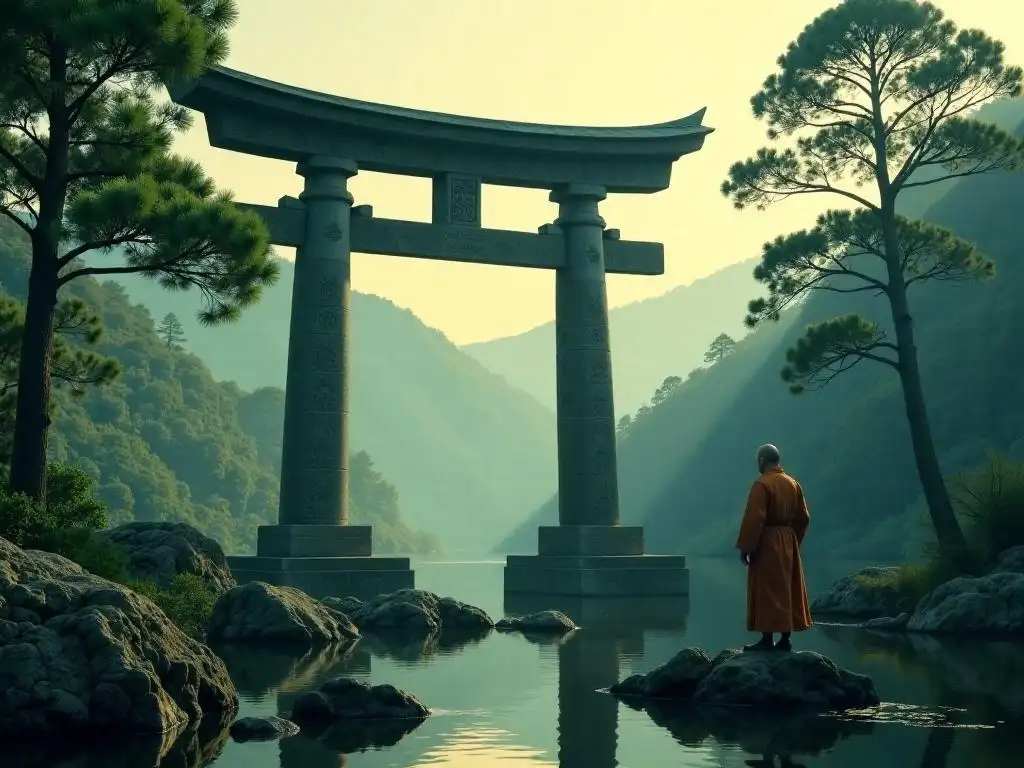
Zen Buddhism, a prominent school of Mahayana Buddhism, emphasizes direct experience and meditation (zazen) as pathways to enlightenment. Unlike other forms of Buddhism that might focus on scripture or rituals, Zen places the essence of teaching in the here and now. Key teachings include:
- Satori (Enlightenment): The ultimate goal of Zen practice, representing a sudden awakening to one’s true nature. Satori is not merely an intellectual understanding but an experiential realization.
- Zazen (Meditation): Central to Zen practice, zazen is the practice of seated meditation. It fosters mindfulness and a deep inner silence, allowing practitioners to observe thoughts and feelings without attachment.
- Koan Practice: A unique feature of Zen, koans are paradoxical anecdotes or riddles meant to challenge logical thinking and provoke deeper insight. They serve as tools for meditation, often leading to breakthroughs in understanding.
Zen Buddhism’s teachings encourage practitioners to transcend dualistic thinking, promoting a holistic view of existence that aligns with the natural world. This approach fosters a deep connection with the present moment, which is essential for achieving inner peace and clarity.
Key Concepts of Shinto Faith
Shinto, Japan's indigenous spirituality, is characterized by its reverence for kami (spirits or gods), rituals, and a profound connection to nature. The core concepts of Shinto include:
- Kami: These are the divine spirits that inhabit natural elements, ancestors, and even abstract concepts. Shinto beliefs emphasize the importance of harmony between humans and kami.
- Ritual Purity: Purification rituals (harae) are essential in Shinto practice. They involve cleansing oneself to maintain spiritual purity before engaging with kami, reflecting a deep respect for the sacred.
- Festivals (Matsuri): Shinto festivals are community events that honor kami, celebrate seasonal changes, and foster social bonds. These festivals often include offerings, dances, and prayers, reinforcing the connection between the community and the spiritual world.
Shinto does not have a single founder or central scripture, which allows for a fluid and adaptable belief system that emphasizes the importance of tradition, community, and environmental harmony.
Comparative Analysis of Zen Buddhism and Shinto Principles
The interplay between Zen Buddhism and Shinto beliefs creates a rich tapestry of spiritual practice in Japan. While they originate from different philosophical foundations, both share common threads that enhance their teachings.
| Principle | Zen Buddhism | Shinto |
|---|---|---|
| Nature of the Divine | Emphasizes an impersonal, transcendent reality | Focuses on kami as personal spirits in nature |
| Path to Enlightenment | Achieved through meditation and self-awareness | Emphasized through rituals and community practices |
| Role of Ritual | Minimal, focusing on personal experience | Central to practice, fostering community ties |
| View of Nature | Seen as interconnected and a source of insight | Revered and inhabited by kami, requiring respect |
| Mindset | Non-attachment and present-moment awareness | Harmony with kami and nature, community-focused |
Both Zen Buddhism and Shinto encourage a deep appreciation of nature and the universe, albeit through different lenses. Zen’s emphasis on meditation complements Shinto’s rituals, creating a unique spiritual environment in Japan. This dual faith system allows individuals to engage with their spirituality in multifaceted ways, fostering personal growth and community connection.
Understanding Zen Buddhism and Shinto beliefs reveals not only their individual significance but also their intertwined nature in shaping the spiritual landscape of Japan. This synergy provides a profound framework for exploring existence, fostering both personal enlightenment and communal harmony.
The Influence of Zen Buddhism on Shinto Practices

Zen Buddhism and Shinto have coexisted and influenced one another throughout Japan's history, forging a unique spiritual landscape. This dual faith system has given rise to a variety of practices and rituals that embody elements from both traditions. Understanding how Zen Buddhism has shaped Shinto practices requires examining specific integrations, the role of meditation, and notable festivals that showcase this intersection.
Zen Practices Integrated into Shinto Rituals
Zen Buddhism emphasizes simplicity, mindfulness, and an appreciation for nature, all of which resonate deeply with Shinto beliefs. Many Shinto rituals have adopted Zen practices, leading to a harmonious blend of the two faiths.
- Purification Rites: Shinto rituals often involve purification, such as misogi (ritual washing). Zen's focus on cleansing the mind parallels these practices, making purification a shared value.
- Offerings and Altars: The act of making offerings at Shinto shrines has been influenced by Zen, where the intention behind the offering is emphasized. The simplicity of offerings—flowers, rice, or water—reflects Zen aesthetics, prioritizing minimalism and natural beauty.
- Seasonal Festivals: Many Shinto festivals now incorporate Zen elements, especially in their focus on mindfulness and community reflection. The ritualistic aspect of these festivals often echoes Zen teachings, promoting a deeper connection with the surrounding environment and the spiritual realm.
The Role of Meditation in Shinto Shrines
Meditation plays a crucial role in both Zen Buddhism and Shinto, creating a powerful synergy at Shinto shrines.
- Meditative Spaces: Shinto shrines often feature tranquil gardens designed to facilitate meditation. The serene environment encourages visitors to engage in zazen (seated meditation), allowing them to reflect and connect with the divine.
- Ritualized Meditation: Some Shinto rituals have incorporated Zen meditation techniques, emphasizing the importance of being present and mindful during worship. This practice can enhance the spiritual experience, allowing practitioners to achieve a deeper state of awareness and connection to the kami (gods or spirits).
- Personal Reflection: Visitors to Shinto shrines are encouraged to take time for personal reflection, often through meditation. This practice aligns closely with Zen's teachings on self-awareness and enlightenment, fostering a shared spiritual journey.
Case Studies of Zen-influenced Shinto Festivals
Certain Shinto festivals are prime examples of how Zen Buddhism has influenced Shinto practices, blending religious rituals and communal experiences.
- Hanami (Cherry Blossom Viewing): This festival celebrates the beauty of cherry blossoms and incorporates Zen mindfulness. Participants often engage in quiet contemplation while appreciating the transient beauty of the blossoms, mirroring Zen’s teachings on impermanence.
- Jinjitsu Matsuri (Purification Festival): This festival, dedicated to purification, has seen the incorporation of Zen practices such as meditation and mindful breathing. Participants reflect on their intentions for the coming year, promoting inner peace and clarity.
- Setsubun (Bean-Throwing Festival): During Setsubun, the act of throwing beans to ward off evil spirits aligns with Zen principles of dispelling negativity. The accompanying rituals often include moments of silence and meditation, allowing participants to center themselves and foster a positive mindset.
The interplay between Zen Buddhism and Shinto beliefs manifests through various practices, rituals, and festivals. This intricate relationship not only enriches the spiritual landscape of Japan but also offers a profound understanding of the values and philosophies shared between these two traditions.
The Role of Zen Buddhism and Shinto in Japanese Society

Zen Buddhism and Shinto beliefs have played a pivotal role in shaping Japanese society throughout history. These two spiritual traditions, while distinct, often intersect and influence each other, creating a unique cultural tapestry that defines Japan. Understanding their roles requires an exploration of their historical contexts, practices, and how they have affected various aspects of life in Japan.
Cultural Impact of Zen Buddhism and Shinto
The cultural impact of Zen Buddhism and Shinto beliefs in Japan is profound and multifaceted. Zen Buddhism, which emphasizes meditation and mindfulness, has significantly influenced various cultural practices, including:
- Tea Ceremony (Chadō): This ritual reflects Zen principles of simplicity, tranquility, and respect. The tea ceremony embodies the meditative aspects of Zen, inviting participants to appreciate the moment fully.
- Gardening and Landscape Design: Zen gardens, characterized by their minimalistic design, promote contemplation and mindfulness. These gardens often feature gravel, rocks, and minimal vegetation, creating a serene environment conducive to meditation.
- Martial Arts: Many traditional Japanese martial arts, such as Kendo and Aikido, incorporate Zen principles. The focus on mental discipline and inner peace aligns with Zen teachings, emphasizing the harmony between body and mind.
On the other hand, Shinto beliefs contribute to Japan’s unique cultural identity through:
- Festivals (Matsuri): Shinto festivals celebrate the kami (spirits) and seasonal changes, fostering community spirit and cultural continuity. These festivals often involve traditional music, dance, and rituals that strengthen communal bonds.
- Architecture and Shrines: Shinto shrines, with their distinct architectural styles, symbolize Japan’s connection to nature and the divine. The use of natural materials and the integration of shrines into landscapes reflect Shinto’s reverence for the natural world.
The interplay between Zen Buddhism and Shinto beliefs has led to a rich cultural landscape that celebrates both spirituality and community.
The Dual Faith in Japanese Arts and Literature
The intersection of Zen Buddhism and Shinto beliefs is vividly reflected in Japanese arts and literature. This dual faith has inspired countless artists, poets, and writers throughout history. Notable contributions include:
- Literature: The works of classical Japanese poets, such as Matsuo Bashō, often blend Zen concepts with Shinto themes. Bashō’s haikus encapsulate the beauty of nature, reflecting the Shinto appreciation for kami while embracing Zen’s simplicity and mindfulness.
- Visual Arts: Zen aesthetics, characterized by simplicity and naturalness, have influenced traditional Japanese painting and calligraphy. Artists often incorporate Shinto motifs, creating works that resonate with the spiritual essence of both traditions.
- Theater: Noh and Kabuki theater, rooted in Shinto rituals, have also integrated Zen elements. Themes of impermanence and the search for enlightenment resonate throughout performances, embodying the dual faith’s philosophical underpinnings.
Through these artistic expressions, Zen Buddhism and Shinto beliefs have not only shaped Japan’s cultural heritage but have also provided a lens through which to understand the human experience.
Zen Buddhism and Shinto in Everyday Life
In everyday life, Zen Buddhism and Shinto beliefs coexist harmoniously, influencing rituals, customs, and social practices. This dual faith manifests in various ways:
- Ritual Practices: Many Japanese people engage in both Zen meditation and Shinto rituals, such as visiting shrines for blessings. This practice reflects a desire for spiritual balance and harmony.
- Ceremonial Life Events: Major life events, such as weddings and funerals, often blend Zen and Shinto elements. For example, weddings may incorporate Shinto rituals while also reflecting Zen principles of mindfulness and presence.
- Community and Family: The dual faith fosters a sense of community and family unity. Families often celebrate Shinto festivals while also participating in Zen meditation or mindfulness practices, creating a holistic approach to spirituality.
The coexistence of Zen Buddhism and Shinto beliefs in daily life illustrates the adaptability and resilience of these traditions, allowing individuals to navigate their spiritual journeys while honoring their cultural heritage.
The intersection of Zen Buddhism and Shinto beliefs has deeply influenced Japanese society across cultural, artistic, and everyday dimensions. Their harmonious coexistence not only enriches individual lives but also shapes the collective identity of Japan, reflecting a unique spiritual landscape that continues to evolve.
Challenges and Harmonies: The Relationship Between Zen Buddhism and Shinto

Conflicts Between Zen Buddhism and Shinto Practices
The relationship between Zen Buddhism and Shinto beliefs has been marked by both conflict and cooperation throughout Japan's history. One of the primary sources of conflict lies in their differing worldviews and practices. Zen Buddhism, which emphasizes meditation, mindfulness, and a personal experience of enlightenment, often contrasts with Shinto's more ritualistic and communal practices.
- Philosophical Differences:
- Zen Buddhism focuses on the individual's path toward enlightenment, often through rigorous meditation and self-discipline.
- Shinto, on the other hand, revolves around the worship of kami (spirits or gods) and emphasizes rituals aimed at maintaining harmony with nature and ancestral spirits.
- Ritual Practices:
- Zen monks typically engage in practices like zazen (seated meditation) that may be seen as solitary and introspective.
- Shinto rituals involve community engagement, such as festivals and ceremonies that honor kami, which can lead to tensions in settings where collective worship is prioritized over personal spiritual development.
- Cultural Representation:
- In the arts, Zen Buddhism encourages simplicity, minimalism, and a focus on the impermanent nature of life, which may conflict with the more elaborate and colorful expressions found in Shinto shrines and festivals.
These conflicts, while significant, often coexist within the broader cultural framework of Japan, leading to a unique fusion rather than outright opposition.
Harmonious Coexistence of Zen and Shinto Beliefs
Despite their differences, Zen Buddhism and Shinto beliefs have found pathways to coexist harmoniously within Japanese culture. This synthesis is evident in various aspects of life and spirituality throughout Japan.
- Syncretism in Worship:
- Many Japanese individuals practice both Zen Buddhism and Shinto rituals, engaging with the teachings of Zen while also participating in Shinto festivals. This dual practice reflects a broader cultural acceptance of multiple spiritual paths.
- Shared Values:
- Both traditions emphasize respect for nature and the interconnectedness of all things. Zen's appreciation for the natural world resonates with Shinto's reverence for kami residing in natural objects, leading to a shared ethos of environmental harmony.
- Artistic Interplay:
- The aesthetics of Zen Buddhism have influenced Shinto shrine design, where simplicity and natural materials reflect Zen principles. Conversely, the vibrant and ritualistic aspects of Shinto have enriched Zen practices, leading to unique ceremonies that blend both traditions.
- Community and Solitude:
- Zen practices often find their expression in community settings, such as during zazen sessions at temples, where the communal aspect of meditation allows for shared experiences of mindfulness, thereby fostering a sense of belonging within the Zen community.
The Modern Adaptation of Zen Buddhism and Shinto
In contemporary Japan, Zen Buddhism and Shinto beliefs continue to evolve, adapting to modern societal changes while retaining their core principles. This adaptation is characterized by several noteworthy trends:
- Incorporation into Daily Life:
- Many Japanese people integrate Zen and Shinto practices into their daily routines, such as starting the day with meditation or visiting a shrine for blessings. This integration reflects a practical approach to spirituality that resonates with modern life.
- Global Influence:
- Zen Buddhism has gained international recognition, leading to a broader interest in its practices and philosophies, which sometimes invites a re-examination of its relationship with Shinto among practitioners and scholars alike.
- Environmental Awareness:
- The growing global emphasis on environmental sustainability has reinforced the Shinto belief in kami residing in nature, aligning with Zen Buddhism's respect for the natural world. This shared concern fosters collaborations on ecological initiatives within Japan.
- Cultural Events and Festivals:
- Modern festivals increasingly showcase the intermingling of Zen and Shinto, with events that celebrate both traditions, highlighting their shared heritage and promoting cultural understanding.
Through these adaptations, Zen Buddhism and Shinto beliefs not only maintain their relevance in contemporary society but also continue to enrich each other, demonstrating the resilience and dynamism of Japan’s spiritual landscape.
Conclusion: The Enduring Legacy of Zen Buddhism and Shinto in Japan
Summary of Key Insights on Zen Buddhism and Shinto
The intricate relationship between Zen Buddhism and Shinto beliefs has shaped the spiritual landscape of Japan for centuries. Zen Buddhism, with its roots in Chinese Chan Buddhism, emphasizes direct experience and meditation as a path to enlightenment. In contrast, Shinto, as the indigenous religion of Japan, revolves around the veneration of kami (spirits) and the importance of rituals and traditions tied to nature and ancestors. Here are some key insights into their intersection:
- Complementary Practices: Zen practices often incorporate Shinto rituals, such as purification rites, demonstrating a seamless blending of beliefs. Temples frequently coexist with Shinto shrines, allowing practitioners to engage with both traditions.
- Art and Aesthetics: The aesthetics of Zen Buddhism, particularly in garden design and tea ceremonies, are deeply influenced by Shinto principles. The simplicity and natural beauty found in Zen art reflect Shinto's reverence for nature.
- Philosophical Synergy: Both traditions emphasize the importance of harmony, balance, and the interconnectedness of life. This philosophical overlap fosters a unique spiritual environment where followers find meaning and solace.
The Future of Dual Faith in Contemporary Japan
As Japan moves further into the 21st century, the relationship between Zen Buddhism and Shinto beliefs continues to evolve. Several factors influence this dual faith landscape:
- Modernization and Globalization: The influx of Western thought and lifestyles has led to a reevaluation of traditional beliefs. However, many Japanese people still turn to Zen and Shinto practices during significant life events, such as births, weddings, and funerals, indicating the enduring relevance of these beliefs.
- Cultural Preservation: Efforts to preserve cultural heritage have seen a resurgence in interest in traditional practices, with both Zen and Shinto festivals experiencing revitalization. This trend highlights a collective desire to connect with Japan's spiritual roots.
- Interfaith Dialogue: Increased dialogue between different religious communities is fostering a greater understanding of Zen Buddhism and Shinto. This openness may encourage a more integrated approach to spirituality, allowing individuals to draw from both traditions.
Final Thoughts on Zen Buddhism and Shinto Beliefs
The intersection of Zen Buddhism and Shinto beliefs represents a rich tapestry of spiritual practices that continues to resonate in Japanese society. The ability of these two traditions to coexist and complement each other speaks to the dynamic nature of faith in Japan. As contemporary challenges arise, the teachings of Zen and the rituals of Shinto provide a foundation for resilience, reflection, and renewal.
The enduring legacy of Zen Buddhism and Shinto is not merely a historical curiosity but a living tradition that continues to inspire and guide individuals in their quest for meaning and connection in an ever-changing world. The synthesis of these beliefs underscores the importance of adaptability and harmony, principles that remain vital in navigating the complexities of modern life.
Frequently Asked Questions
What are the main beliefs of Zen Buddhism and Shinto?
Zen Buddhism emphasizes meditation and mindfulness, focusing on achieving enlightenment through direct experience. In contrast, Shinto is rooted in nature worship, honoring kami (spirits) and the importance of rituals.
How did Zen Buddhism influence Shinto practices?
Zen Buddhism introduced concepts such as meditative practices and aesthetic appreciation into Shinto rituals, enhancing the spiritual experience and deepening the connection between the two faiths.
Can Zen Buddhists and Shinto practitioners coexist?
Yes, many Japanese individuals practice both Zen Buddhism and Shinto simultaneously, as these faiths are seen as complementary rather than contradictory, allowing for a rich spiritual life.
What role do temples and shrines play in these beliefs?
Temples are central to Zen Buddhism, serving as places for meditation and teachings, while shrines are key in Shinto, acting as sites for rituals and offerings to kami.
How has the intersection of Zen Buddhism and Shinto shaped Japanese culture?
The blending of these traditions has profoundly influenced Japanese art, literature, and philosophy, creating a unique cultural landscape that reflects the values of both faiths.
Final Reflection: Embracing the Harmony of Zen Buddhism and Shinto Beliefs
In exploring the intersection of Zen Buddhism and Shinto, we uncover a profound tapestry of spiritual understanding that remains deeply relevant today. As Japan navigates the complexities of modern life, the dual faith of Zen Buddhism and Shinto offers a unique lens through which to view the world, emphasizing harmony, balance, and a connection to nature. This synthesis of beliefs not only enriches the cultural landscape of Japan but also serves as a reminder of the importance of integrating diverse perspectives in our own lives.
The influence of Zen Buddhism and Shinto extends far beyond religious practices; it shapes the very essence of Japanese identity and cultural expression. As we witness the ongoing dialogue between these two traditions, we are reminded of the beauty that arises from coexistence. The essence of Zen is not to be found in the words of the masters, but in the silence between them.
This quote encapsulates the importance of understanding the subtleties and nuances that arise when different beliefs intersect, encouraging us to appreciate the richness of our own spiritual journeys.
As we reflect on the lessons drawn from the harmonious relationship between Zen Buddhism and Shinto, I invite you to consider how you can incorporate these principles into your own life. Embrace the idea of coexistence, seek balance in your daily routines, and cultivate a deeper connection with nature and the world around you.
Let the wisdom of these traditions inspire you to create a more harmonious existence, both within yourself and in your interactions with others. The journey towards understanding and embracing dual beliefs is not just a path for the Japanese; it is a universal call to explore the depths of our own spiritual identities.
Embrace the Harmony of Zen and Shinto!
Thank you for diving into the intricacies of Japan's dual faith! By exploring the connection between Zen Buddhism and Shinto, you've taken a significant step towards appreciating the rich tapestry of spiritual life in Japan. Now, it's time to elevate your understanding and experience to the next level.
Here are a few ways you can deepen your engagement with these fascinating traditions:
- Dive Deeper: Explore literature or documentaries on Zen Buddhism and Shinto to uncover more about their philosophies and practices.
- Join a Community: Seek out a local meditation group or participate in cultural events related to Japanese spirituality to connect with like-minded individuals and immerse yourself further.
- Experience Zen: Create a Zen garden or practice mindfulness in nature, reflecting on how these activities can enhance your daily life.
What aspects of Zen and Shinto resonate most with your personal beliefs or experiences, and how do you plan to explore them further?