
The Aftermath of Religious Wars: Cultural Transformation in Feudal Japan


Welcome to Feudal Japan History, where we invite you to step into the captivating world of Japan's feudal era. Dive deep into the heart of the cultural transformation in feudal Japan, a period marked by profound shifts that forever altered the nation's landscape. In our featured article, "The Aftermath of Religious Wars: Cultural Transformation in Feudal Japan," you'll uncover the intricate interplay between religion and culture, revealing how these elements shaped society during turbulent times.
Prepare to embark on a journey that not only enlightens but also sparks your curiosity about a fascinating chapter in history. Explore further and discover the rich tapestry of Japan’s past!
Introduction to Cultural Transformation in Feudal Japan
The cultural transformation in feudal Japan serves as a captivating lens through which we can explore the profound effects of religious conflicts on society, art, and philosophy during this tumultuous period. The feudal era, spanning from the late 12th century to the 19th century, was marked by significant social hierarchies and power struggles, heavily influenced by various religious ideologies. As wars erupted between different factions, the ensuing chaos not only forged new political landscapes but also catalyzed dramatic shifts in cultural norms, artistic expression, and spiritual beliefs.
This article delves into the aftermath of these religious wars, examining how they reshaped the cultural fabric of feudal Japan. By analyzing the impact of significant conflicts and the transformation of societal values, we can uncover the intricate tapestry of Japan's history that emerged from the ashes of conflict.
Overview of Feudal Japan's Historical Context
Feudal Japan was characterized by a decentralized political structure where local lords, known as daimyōs, held power over their territories, while the emperor remained a symbolic figure. The rise of samurai warriors as a dominant social class during the Kamakura period (1185–1333) established a framework that ultimately led to significant conflicts fueled by religious ideologies.
The interplay between Shinto, Buddhism, and later, Christianity, created a rich yet contentious religious landscape. The introduction of foreign beliefs and the competition for followers often ignited tensions, resulting in clashes that would not only affect the individuals involved but would also leave a lasting mark on cultural practices, artistic endeavors, and societal norms.
Importance of Religious Conflicts in Shaping Culture
Religious conflicts in feudal Japan were not merely battles for supremacy over spiritual doctrine; they were pivotal events that influenced the cultural transformation of the nation. The interactions among different faiths led to a blending of ideas, giving rise to unique traditions, art forms, and philosophies.
For instance, the Nihonjinron discourse, which emphasizes the uniqueness of Japanese culture, was partly shaped by these conflicts as various beliefs interacted and evolved. The resilience and adaptability of Japanese culture during this time attest to the profound effects of these wars on everyday life, art, and governance.
The Nature of Religious Wars in Japan
Religious wars in Japan were marked by a complex interplay of faith, politics, and power, encapsulating the struggles of various factions vying for dominance. These conflicts often involved not only samurai but also common citizens, as the lines between religion and daily life became increasingly blurred.
Key Religious Conflicts: An Overview
Among the most notable religious wars in Japan were the Daiei Rebellion and the Kirishitan Revolts. These conflicts, driven by the ambitions of both local powers and the influence of foreign religions, illustrate how deeply intertwined faith and politics became during the feudal era.
| Conflict | Time Period | Key Players |
|---|---|---|
| Daiei Rebellion | 1521-1525 | Ashikaga Shogunate, local daimyōs |
| Kirishitan Revolts | 1587-1639 | Christian missionaries, Tokugawa shogunate |
Each conflict brought about a wave of cultural shifts, causing communities to adapt and respond in ways that would forever alter the landscape of Japanese society.
Major Players in the Religious Wars
The religious wars of feudal Japan were shaped by various key players, including:
- Daimyōs: Local lords who wielded significant military and political power, often using religion to justify their ambitions.
- Samurai: The warrior class that not only fought in these conflicts but also became pivotal in supporting various religious ideologies.
- Religious Leaders: Figures like Nikkō Shōnin and Francis Xavier, whose teachings influenced large swaths of the population and led to significant conversions and conflicts.
The dynamics among these groups highlight the multifaceted nature of religious wars in Japan, illustrating how deeply embedded religious beliefs influenced the actions of individuals and factions alike.
In the following sections, we will explore these conflicts in greater detail, revealing the intricate connections between warfare, religion, and cultural transformation that defined feudal Japan.
Immediate Effects of Religious Wars on Society
The religious wars that swept through feudal Japan had profound and immediate effects on society, altering the fabric of everyday life and challenging established norms. As warriors clashed in the name of their faiths, the consequences rippled through the populace, resulting in significant upheaval. The fallout of these conflicts often manifested in a breakdown of traditional social hierarchies and a shift in the balance of power among feudal lords.
At the heart of this societal disruption was the loss of life and property, which not only decimated local populations but also dismantled longstanding community structures. Villages were abandoned, and many families found themselves displaced, leading to an increase in itinerant populations and a decline in agricultural productivity. This instability fostered a sense of uncertainty and fear among the people, prompting changes in their daily lives, including altered trade patterns and shifts in labor dynamics.
Disruption of Social Structures
The disruption of social structures was one of the most visible and immediate effects of the religious wars. Traditional roles within communities were upended as the conflicts drew men into battle and left women to assume roles typically held by their male counterparts. This shift not only empowered women but also led to a reevaluation of gender roles within the society.
Moreover, the incessant warfare resulted in the dissolution of some clans and the rise of others. As certain warlords emerged victorious, they often redistributed land and resources to reward loyalty, which further fragmented existing social hierarchies. The samurai class, in particular, saw a transformation in its identity and function; many samurai became mercenaries, while others shifted their allegiance to new lords, creating a complex web of loyalty and obligation that characterized the era.
Changes in Power Dynamics among Feudal Lords
The power dynamics among feudal lords were fundamentally altered as a result of the religious wars. Before the conflicts, the hierarchy among lords was relatively stable, with established families maintaining their influence over vast territories. However, the wars introduced a new level of volatility.
As some lords were defeated, their lands were often seized by more powerful neighbors, leading to the rise of new feudal houses. This shift not only changed the map of feudal Japan but also influenced alliances and rivalries. The need for military support and resources meant that former enemies sometimes had to collaborate, resulting in strategic marriages and pacts that would shape the political landscape for generations.
The outcome of these conflicts ultimately set the stage for the unification of Japan under powerful figures like Oda Nobunaga and Toyotomi Hideyoshi, who capitalized on the chaos to consolidate power and influence across the country.
Long-term Cultural Transformation in Feudal Japan
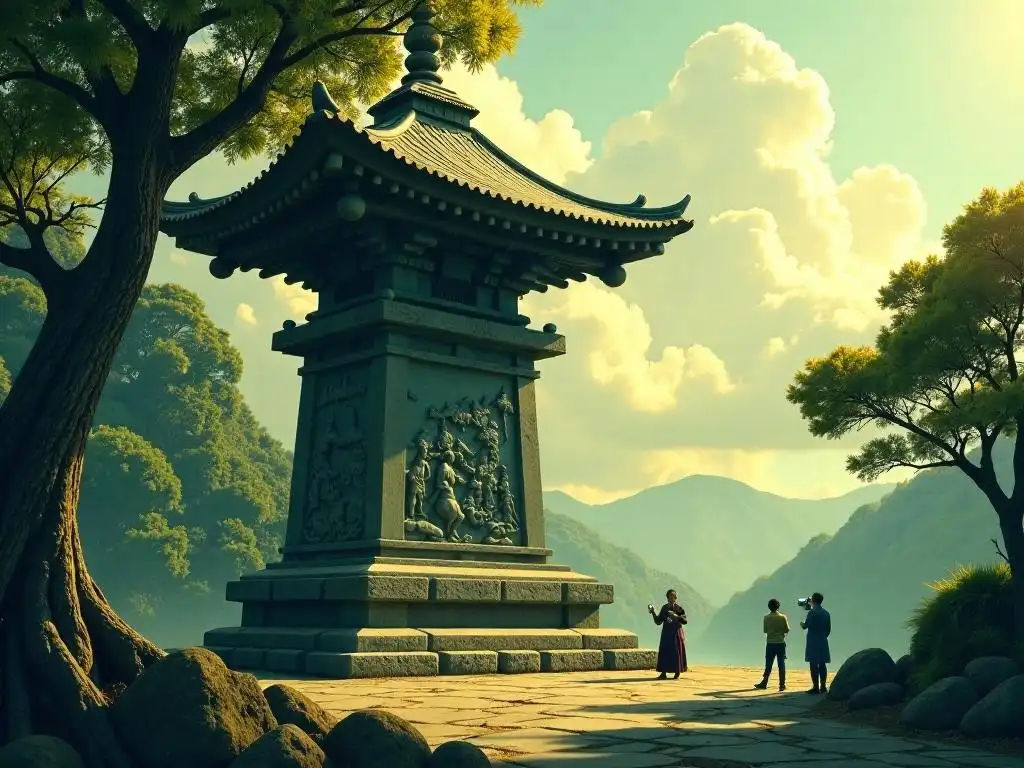
The long-term cultural transformation in feudal Japan was deeply intertwined with the aftermath of the religious wars. As societies rebuilt from the ruins of conflict, they experienced a renaissance of cultural and artistic expression. The blending of traditions, ideas, and beliefs from various factions led to a rich tapestry of cultural identity that would define the era.
Religious Syncretism: Blending of Beliefs
One of the most significant outcomes of these wars was the emergence of religious syncretism, where different belief systems began to merge. The conflicts fostered a climate of tolerance as combatants often found common ground amidst their shared reverence for spiritual matters.
Shinto, Buddhism, and later, Christianity began to influence one another, resulting in unique practices and rituals that reflected this blending. For instance, Buddhist temples often adopted Shinto elements in their architecture and ceremonies, while some Shinto shrines incorporated Buddhist imagery. This fusion not only allowed for a more inclusive spiritual environment but also contributed to a shared cultural identity that transcended individual sects.
Artistic and Literary Developments Post-Conflict
Following the resolution of the religious wars, Japan witnessed a flourishing of artistic and literary developments. The need for cultural expression became more pronounced as artists, poets, and craftsmen sought to reflect the complex emotions and experiences of their time.
The era saw the rise of new forms of art, including the ukiyo-e woodblock prints, which depicted scenes of everyday life, landscapes, and theater. These works not only captured the aesthetics of the period but also served as a commentary on the social changes occurring in the aftermath of conflict.
Literature, too, experienced a renaissance, with the creation of notable works that explored themes of loyalty, honor, and the human condition. The writings of Matsuo Bashō and others reflected the deep-seated philosophical inquiries that arose from the turbulent experiences of the time, resulting in a rich literary landscape that would influence generations to come.
The aftermath of the religious wars in feudal Japan catalyzed a profound cultural transformation, reshaping society in ways that would resonate throughout history. The interplay of conflict and creativity led to a unique synthesis of beliefs and artistic expression that defined the era.
Political Implications of Cultural Transformation
The aftermath of religious wars in feudal Japan had profound political implications that reshaped governance and leadership structures. The conflicts, primarily between Buddhist sects and emerging new religious movements, led to a reevaluation of the relationships between religious institutions and the state. As the ruling samurai class sought to consolidate power, they recognized the need to align with popular religious movements to maintain social order and loyalty among the populace.
One significant political shift was the move towards centralized governance. As powerful daimyos emerged victorious from religious conflicts, they began to establish stronger feudal domains. This centralization allowed for the integration of religious authorities into the political framework, where they served not only as spiritual leaders but also as political allies. The Tokugawa shogunate, in particular, exemplified this trend by promoting Neo-Confucianism, which emphasized hierarchy and loyalty, thereby solidifying its authority over regional clans and fostering a unifying cultural narrative.
Moreover, the cultural transformations brought about by these wars altered the political landscape. The acceptance and incorporation of various religious beliefs into governance created a more pluralistic society. This pluralism was crucial for the stability of the shogunate, as it helped mitigate tensions between different factions, allowing for a degree of coexistence that was essential for maintaining peace in a previously tumultuous era.
Shifts in Governance and Leadership
The shifts in governance and leadership that emerged in the aftermath of religious wars were marked by the increasing influence of religious leaders in political matters. As the samurai class sought to legitimize their rule, they often turned to religious figures as a source of moral authority. This alliance between the military and religious spheres facilitated a new governance model that blended secular and religious leadership.
One notable example of this shift was the elevation of certain Buddhist sects, such as the Pure Land and Nichiren sects, which gained prominence during and after the conflicts. These sects not only attracted followers but also aligned themselves with specific daimyos, providing them with religious legitimacy. In return, the daimyos offered protection and resources to these sects, creating a symbiotic relationship that reinforced their power.
Furthermore, the aftermath of the religious wars prompted the development of new administrative systems that reflected the intertwining of governance and religion. Local governance often saw the establishment of religious councils, wherein lay leaders and monks collaborated to make decisions affecting their communities. This integration of religious guidance into political decision-making processes marked a significant transformation in the way power was exercised in feudal Japan.
The cultural transformation in feudal Japan also extended to the social fabric of society, particularly among the common people. The aftermath of religious wars led to significant shifts in religious practices and beliefs, which impacted daily life and community structures. As the war-torn landscape gave way to a more stable environment, various religious movements began to proliferate, offering new spiritual pathways for the populace.
One of the most notable changes was the democratization of religious practice. Previously, access to spiritual teachings and practices had been largely restricted to the elite and monastic classes. However, in the wake of the conflicts, new sects emerged that emphasized direct access to the divine for all individuals, regardless of their social standing. This shift allowed the common people to engage more actively in their spiritual lives, fostering a sense of community and shared belief that was vital for rebuilding society.
The Impact on Daily Life and Spiritual Practices
The impact of cultural transformation on daily life and spiritual practices among the common people was profound. With the rise of new religious movements, such as the Jodo Shinshu (True Pure Land) Buddhism, many individuals found solace in more accessible forms of worship. These movements emphasized personal faith and devotion over institutionalized rituals, allowing people to cultivate their spirituality in ways that resonated with their experiences of suffering and loss from the wars.
As a result, everyday spiritual practices began to evolve. Community gatherings, such as rituals and festivals, became more prevalent, fostering a sense of unity and resilience among the common folk. These events not only served as expressions of faith but also as opportunities for social interaction and support, reinforcing communal bonds that had been strained during the conflicts.
Additionally, the merging of local customs with religious practices led to the creation of unique cultural expressions. Folk beliefs and traditions were integrated into religious festivals, enriching the spiritual landscape of feudal Japan. This blending of the sacred and the secular not only revitalized local cultures but also contributed to a broader cultural renaissance that characterized the post-war period.
Evolving Roles of Women in Religious Contexts
The aftermath of religious wars also brought significant changes to the roles of women within religious contexts. Traditionally, women in feudal Japan faced limitations in their spiritual and social roles, often relegated to the domestic sphere. However, the cultural transformations following the conflicts opened new avenues for female participation in religious life.
As new religious movements emerged, many began to recognize the importance of women's contributions to spiritual practices. For instance, in certain sects of Buddhism, women were encouraged to take on active roles as lay leaders and practitioners. This shift allowed women to engage more fully in community religious activities, thereby enhancing their social standing and influence within their communities.
Moreover, the rise of popular devotional practices often included the participation of women as key figures in rituals and ceremonies. Their involvement in these practices not only empowered them but also helped redefine their societal roles. Women became instrumental in the transmission of religious teachings, nurturing the next generation of practitioners and shaping the cultural landscape of feudal Japan.
The cultural transformation in feudal Japan following the religious wars was marked by significant political, social, and spiritual changes. These shifts not only influenced governance and leadership structures but also redefined the roles of the common people and women within religious contexts, paving the way for a more inclusive and diverse cultural landscape.
Conclusion: The Legacy of Religious Wars in Shaping Modern Japan

The aftermath of the religious wars in feudal Japan significantly influenced the cultural landscape of the nation, leaving a legacy that resonates to this day. The conflicts, fueled by religious zeal and political ambition, catalyzed profound changes in social structures, artistic expression, and philosophical thought. The resolution of these conflicts not only brought about a shift in power dynamics but also fostered a cultural renaissance that integrated diverse influences and ideologies.
As Japan emerged from the turmoil of the religious wars, a new societal order began to take shape, characterized by a blend of traditional values and newly adopted concepts. This fusion laid the groundwork for the modern Japanese identity, where historical narratives intertwine with contemporary practices. The emphasis on unity and national identity, borne out of a need for stability post-conflict, contributed to the formation of a cohesive cultural framework that continues to evolve.
Summary of Cultural Transformations in Feudal Japan
The cultural transformations during the feudal era of Japan were profound and multi-faceted, resulting from the intricate interplay of various factors, including religion, politics, and social dynamics. Key aspects of these transformations include:
- Religious Syncretism: The blending of Shinto, Buddhism, and Confucian ideals led to a unique spiritual framework that influenced daily life and governance. This syncretism fostered a culture that valued harmony and spiritual inquiry.
- Artistic Flourishing: The upheaval of the religious wars prompted artistic innovation. The introduction of new techniques and themes in painting, ceramics, and literature reflected the complex emotions and narratives of the time. Notable works, such as those by the tea masters and poets, emerged, highlighting the intersection of art and spirituality.
- Social Structure Changes: The collapse of the rigid hierarchies established during the earlier periods allowed for greater mobility and the rise of the merchant class. This shift not only altered economic relationships but also democratized cultural participation, leading to a flourishing of popular culture.
- Philosophical Developments: The period saw the rise of new philosophical schools of thought that emphasized individualism and ethical governance, influenced by both indigenous traditions and foreign ideas. This intellectual evolution contributed to the foundations of modern Japanese philosophy and ethics.
Reflection on the Lasting Impact of Religious Conflicts on Japanese Society
The religious conflicts of feudal Japan left an indelible mark on the societal framework of the nation, shaping attitudes, values, and collective memory. These impacts can be observed in various dimensions of Japanese life:
- Cultural Identity Formation: The legacy of the religious wars played a crucial role in the development of a distinct Japanese cultural identity. The narratives surrounding these conflicts have been woven into the national consciousness, influencing literature, theater, and even modern media.
- Interfaith Relations: The experience of conflict and eventual reconciliation among different religious communities fostered a culture of dialogue and interfaith understanding. This legacy continues to influence contemporary discussions about religious tolerance and coexistence in Japan.
- Political Ideologies: The resolution of religious wars helped establish a centralized authority that valued stability and order. This political evolution laid the groundwork for the modern state, where governance is often seen as a means to preserve harmony among diverse groups.
- Educational and Cultural Institutions: The need for a cohesive society after the wars led to the establishment of educational institutions that promoted ethical teachings and cultural literacy. These institutions have continued to evolve, shaping the educational landscape in Japan.
The cultural transformation in feudal Japan as a result of the religious wars is a testament to the resilience and adaptability of Japanese society. The lessons learned from this tumultuous period continue to inform contemporary Japan, illustrating the enduring power of history in shaping cultural narratives and societal values.
- Introduction to Cultural Transformation in Feudal Japan
- The Nature of Religious Wars in Japan
- Immediate Effects of Religious Wars on Society
- Long-term Cultural Transformation in Feudal Japan
- Political Implications of Cultural Transformation
- Social Changes: The Common People and Religion
- Conclusion: The Legacy of Religious Wars in Shaping Modern Japan
- Summary of Cultural Transformations in Feudal Japan
- Reflection on the Lasting Impact of Religious Conflicts on Japanese Society
- What were the main causes of the cultural transformation in feudal Japan?
- How did religious wars influence Japanese society?
- What role did Buddhism play in the cultural transformation?
- How did the art and literature evolve during this period?
- What were the long-term effects of the cultural changes in feudal Japan?
Frequently Asked Questions
What were the main causes of the cultural transformation in feudal Japan?
The cultural transformation in feudal Japan was primarily driven by religious wars, political changes, and increased interactions with foreign cultures, particularly through trade and diplomacy.
How did religious wars influence Japanese society?
Religious wars led to significant shifts in social structures, as power became concentrated in the hands of warlords and samurai, fostering a new warrior culture that impacted art, literature, and philosophy.
What role did Buddhism play in the cultural transformation?
Buddhism had a profound influence on Japanese culture, as it provided new philosophical frameworks and artistic inspiration, leading to the development of unique Japanese Zen practices and aesthetics during the feudal era.
How did the art and literature evolve during this period?
The cultural transformation brought about new art forms and literature, with an emphasis on narrative storytelling and visual arts that reflected the values and experiences of the samurai class, leading to distinct styles like Ukiyo-e.
What were the long-term effects of the cultural changes in feudal Japan?
The cultural changes during the feudal era laid the groundwork for Japan's modern identity, influencing everything from social hierarchies to artistic traditions, which can still be seen in contemporary Japanese culture.
Final Reflection: The Enduring Legacy of Cultural Transformation in Feudal Japan
The aftermath of religious wars in feudal Japan serves as a powerful reminder of how conflict can catalyze profound cultural transformation. Today, we witness similar dynamics in various parts of the world, where strife often leads to shifts in societal values, artistic expression, and communal identity. The historical narrative of feudal Japan illustrates that even in the darkest times, there lies the potential for renewal and growth, echoing the resilience of the human spirit.
Cultural transformation in feudal Japan was not merely a consequence of war; it was a complex interplay of ideologies that shaped the very fabric of society. The influence of Buddhism, Shinto, and Confucianism during this period created a rich tapestry of beliefs and practices that continue to resonate today. As we reflect on this legacy, we are reminded of the words of the historian John W. Hall: The past is never dead. It's not even past.
This sentiment underscores the idea that the cultural shifts initiated by historical conflicts continue to inform our contemporary worldview, urging us to examine how our own beliefs and practices have been shaped by the tumultuous events of our history.
As we contemplate the lessons of cultural transformation in feudal Japan, I invite you to reflect on your own experiences and the ways in which conflict—whether personal or societal—has influenced your identity and values. Consider how you can harness the lessons of the past to foster understanding and growth in your own life and community. By embracing the complexities of our histories, we can pave the way for a more harmonious future, one that honors the transformative power of culture in the face of adversity.
Unveil the Legacy of Feudal Japan's Cultural Transformation
Thank you for exploring the intricate aftermath of religious wars in Feudal Japan with us! We hope you gained valuable insights into how these turbulent times shaped the rich cultural landscape we study today. Now, it's time to take those insights and bring them to life through action!
Here are some ways you can delve deeper and engage with this fascinating subject:
- Join a local discussion group or online community to share your thoughts about the cultural shifts in Feudal Japan. Engaging with others can deepen your understanding and expand your perspective.
- Explore historical fiction or documentaries related to this era, immersing yourself in the experiences and narratives that transformed society.
- Consider writing your own reflections or a blog post about how the events of the past continue to influence modern Japan.
What aspect of Feudal Japan's cultural transformation captivates you the most, and how can you apply these historical insights to today's world?