
Ancestor Worship in Shinto: Honoring the Past in Modern Japan

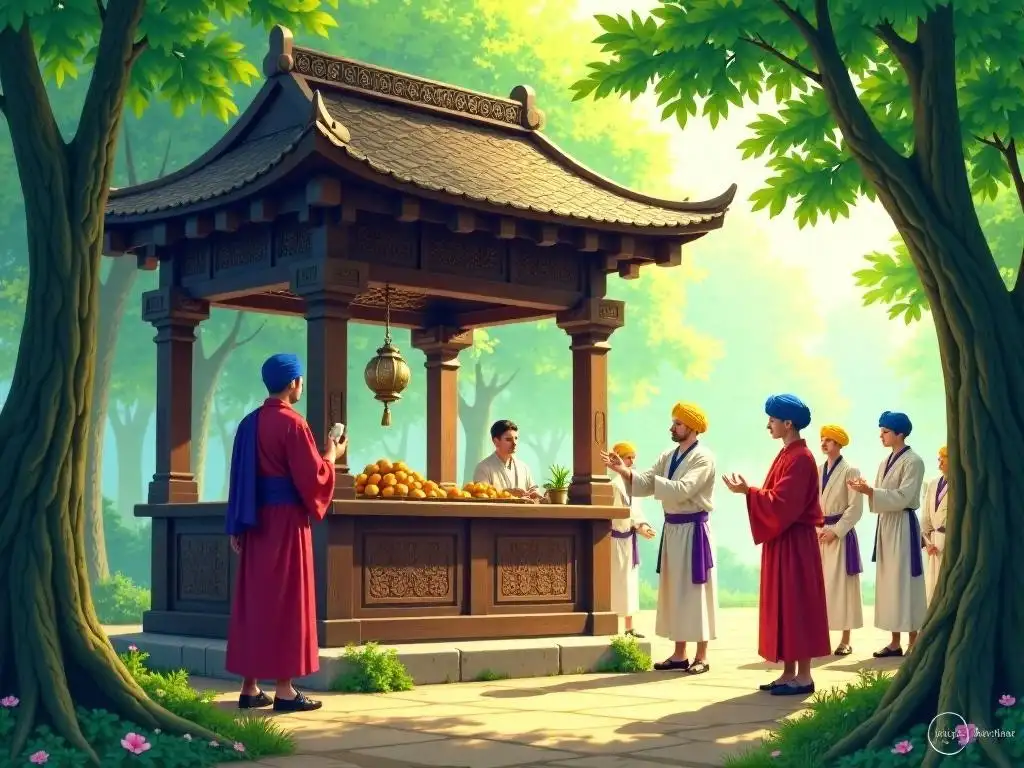
Welcome to Feudal Japan History, where we embark on a captivating journey through the intricate tapestry of Japan’s feudal era. Delve into the profound practices that shaped a society, including the compelling theme of ancestor worship in Shinto Japan. This age-old tradition not only honors the past but also weaves its influence into the fabric of modern Japanese culture. Join us as we uncover the rich layers of history, culture, and spirituality that define this remarkable period. Prepare to be inspired and curious—your exploration begins now!
- Understanding Ancestor Worship in Shinto Japan
- The Role of Ancestors in Shinto Beliefs
- Practices of Ancestor Worship in Shinto
- The Influence of Ancestor Worship on Modern Japanese Society
- Challenges to Ancestor Worship in Shinto Today
- Conclusion: The Enduring Legacy of Ancestor Worship in Shinto Japan
- Frequently Asked Questions
- Final Reflection: Embracing the Wisdom of Ancestors in Modern Japan
- Unveil the Richness of Ancestor Worship Today!
Understanding Ancestor Worship in Shinto Japan
Ancestor worship is a central aspect of Shinto, the indigenous spirituality of Japan, deeply rooted in the country's cultural and historical fabric. This practice emphasizes the veneration of ancestors, connecting the living with their forebears and fostering a sense of continuity and identity. In modern Japan, where rapid societal changes often challenge traditional practices, ancestor worship remains a vital expression of familial respect and cultural heritage. This article delves into the significance of ancestor worship in Shinto, exploring its definitions, historical evolution, and the ways it continues to shape Japanese society today.
Definition of Ancestor Worship in Shinto
Ancestor worship, known in Japanese as 先祖崇拝 (senzō suuhai), refers to the rituals and practices dedicated to honoring and remembering one's ancestors. This form of worship is not merely a religious obligation; it embodies a deep respect and gratitude for those who came before. In Shinto, it is believed that the spirits of ancestors continue to influence the lives of their descendants, providing guidance, protection, and blessings.
Key components of ancestor worship include:
- Ritual Offerings: Families often present offerings, such as food and flowers, at altars (butsudan) dedicated to their ancestors.
- Ceremonies: Important occasions, like New Year's and Obon, feature special rituals to welcome and honor the spirits of ancestors.
- Family Connections: The practice reinforces family ties and instills a sense of shared identity across generations.
The spiritual essence of ancestor worship reflects Shinto's broader themes of harmony with nature, community, and the reverence for life cycles.
Historical Context of Ancestor Worship in Japan
The roots of ancestor worship in Japan can be traced back to ancient times, with influences from both Shinto and Buddhism. Over the centuries, these religious traditions merged and evolved, shaping the practice as it is known today.
- Early Practices: In prehistoric Japan, animistic beliefs held sway, where natural elements were revered as deities. Ancestors were seen as guardians who watched over their descendants.
- Buddhist Influence: With the introduction of Buddhism in the 6th century, rituals surrounding death and the afterlife became more complex. This led to a blending of Shinto and Buddhist practices, particularly in the context of ancestor worship.
- Edo Period Developments: During the Edo period (1603-1868), the practice of ancestor worship became more formalized, with the establishment of family altars and increased emphasis on commemorating the deceased during festivals.
Today, ancestor worship in Shinto reflects a unique synthesis of historical influences, cultural values, and contemporary expressions of spirituality, ensuring its relevance in the lives of modern Japanese families.
The Role of Ancestors in Shinto Beliefs
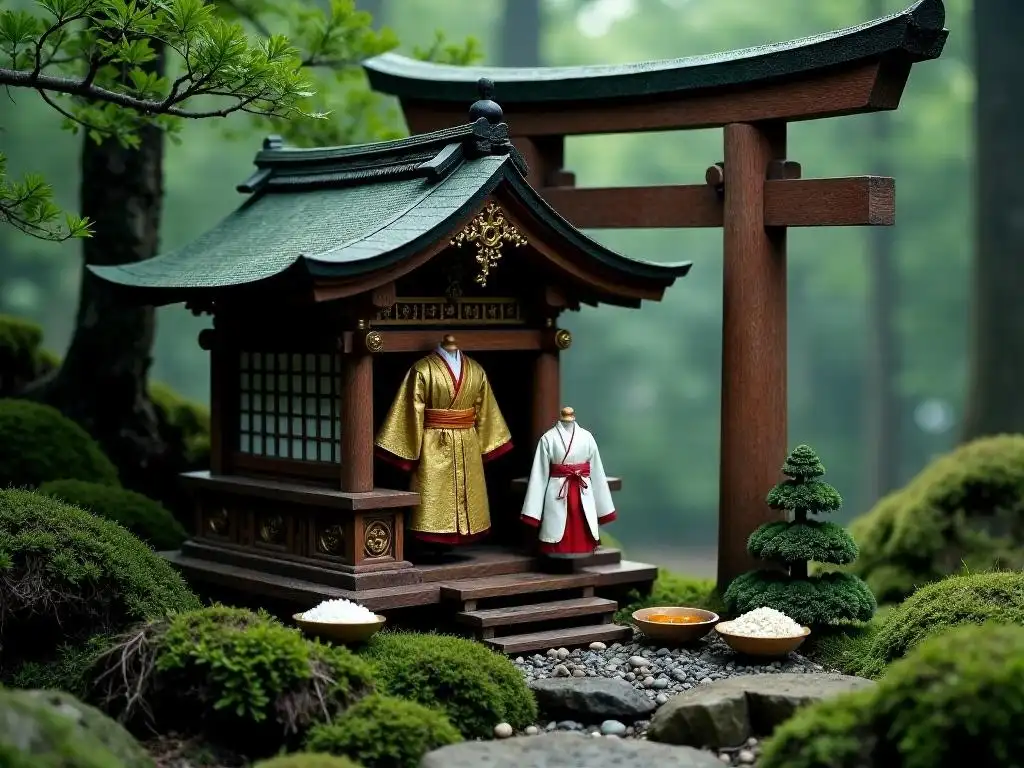
Ancestor worship holds a significant place in Shinto beliefs, intertwining the past with the present and shaping the spiritual landscape of modern Japan. This practice recognizes the deep connection between the living and their forebears, emphasizing that ancestors continue to play a vital role in the lives of their descendants. In Shinto, ancestors are revered not merely as historical figures but as active participants in the spiritual realm, influencing the well-being and fortune of their families.
The reverence for ancestors in Shinto is rooted in the understanding that the spirits of the deceased—known as reikon—maintain a presence in the world of the living. This connection is nurtured through rituals, offerings, and festivals that honor these spirits, creating a bridge between generations. Ancestor worship serves to strengthen family ties and cultural identity, reinforcing the notion that individuals are part of a larger lineage that extends beyond their lifetime.
Spiritual Significance of Ancestors in Shinto
The spiritual significance of ancestors in Shinto is multifaceted, encompassing aspects of gratitude, respect, and continuity. Ancestors are viewed as protectors and guides who bestow blessings upon their descendants. This relationship is often articulated through the concept of kami, which refers to divine spirits or gods in Shinto.
- Connection to the Divine: Ancestors are often believed to become kami after their death, transcending their earthly existence to attain a higher spiritual status. This transformation underscores the importance of honoring their memory, as it is through these rituals that families maintain a vital connection with the divine.
- Cultural Identity and Heritage: The practice of ancestor worship reinforces cultural identity among Japanese people. By honoring their ancestors, individuals acknowledge the sacrifices and contributions of those who came before them, fostering a sense of belonging and continuity within the broader tapestry of Japanese history.
- Ritual Practices: Various rituals are performed to honor ancestors, such as obon, a festival during which families welcome the spirits of their ancestors back to the home. Offerings of food, incense, and prayers are made at household altars, known as butsudan, to express gratitude and seek protection.
Ancestor Spirits: Kami and Their Influence
In Shinto, the relationship between the living and the ancestor spirits is not merely one of remembrance but involves active engagement with these kami. Ancestor spirits are believed to influence daily life, guiding their descendants in both mundane and significant matters.
- Spiritual Guidance: It is believed that ancestor spirits provide wisdom and guidance to their living relatives. Decisions regarding family matters, business endeavors, and personal challenges are often made with the consideration of how ancestors might influence the outcome. This belief instills a sense of responsibility among descendants to honor their ancestors through ethical living and fulfilling familial duties.
- Protection and Blessings: Ancestors are thought to protect their families from misfortune and provide blessings in times of need. This protective aspect is particularly emphasized during significant life events, such as marriages, births, and ceremonies, where invoking the presence of ancestor spirits is seen as essential for ensuring favorable outcomes.
- Community and Memory: Ancestor worship in Shinto also fosters a sense of community among families and localities. Festivals and rituals often involve collective participation, strengthening communal bonds and ensuring that the memories of ancestors are shared and celebrated across generations.
Ancestor worship in Shinto Japan represents a profound acknowledgment of the past, emphasizing the interconnectedness of life and death. Through rituals and beliefs surrounding ancestor spirits, individuals not only honor their lineage but also cultivate a rich spiritual life that resonates deeply within Japanese culture.
Practices of Ancestor Worship in Shinto
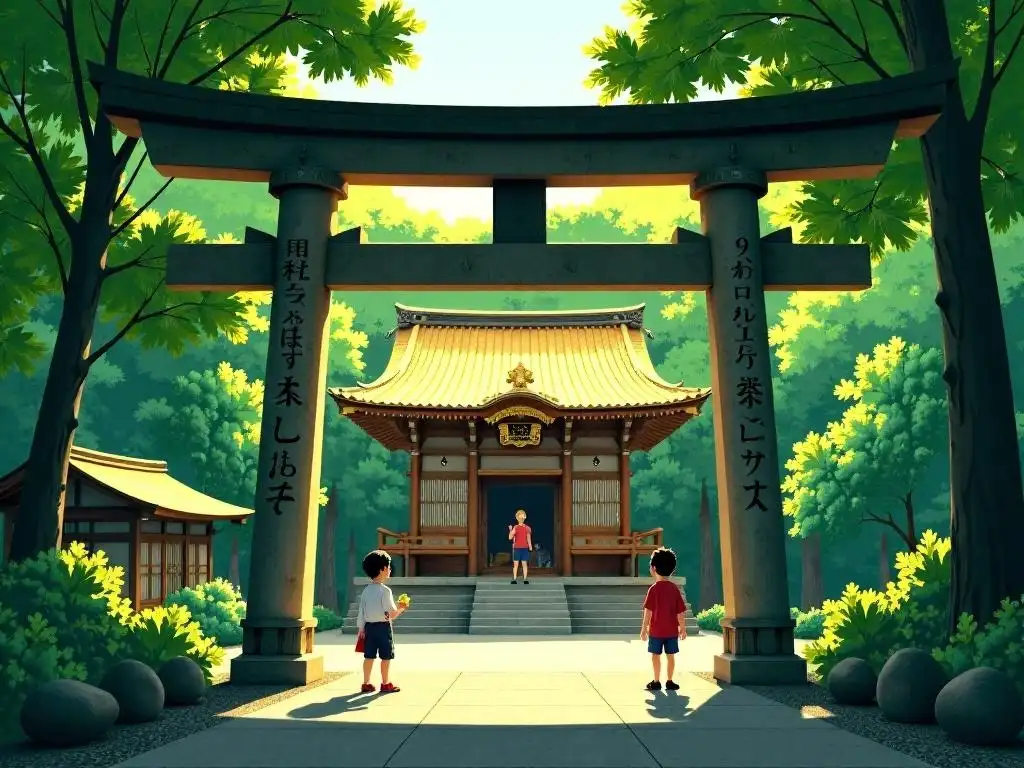
Rituals and Ceremonies for Honoring Ancestors
Ancestor worship in Shinto Japan is deeply rooted in the cultural fabric of Japanese society, reflecting a profound respect for lineage and heritage. Central to this practice are various rituals and ceremonies that serve to connect the living with their ancestors, reinforcing familial bonds and honoring those who have passed.
One of the most significant ceremonies is Obon, an annual festival where families reunite to honor their ancestors. Traditionally held in mid-August, this event involves the return of ancestral spirits to their homes. Families prepare for Obon by cleaning their household altars, known as butsudan, and decorating them with flowers and offerings. The festival includes rituals such as:
- Lantern Lighting: Lanterns are lit to guide the spirits back to their resting places.
- Bon Odori: A traditional dance performed to welcome the spirits.
- Visiting Graves: Families often visit ancestral graves to clean them and offer prayers.
Additionally, Shinto shrines often hold ceremonies to honor ancestors during significant times of the year, such as the New Year or during harvest festivals. These gatherings emphasize community participation and collective remembrance, showcasing how ancestor worship transcends individual families to include the broader community.
Furthermore, the Hōnen Matsuri, celebrated in various regions, signifies a prayer for fertility and abundance, linking the importance of ancestors to the prosperity of future generations. These rituals highlight the cyclical nature of life and death, emphasizing the belief that the spirits of ancestors continue to influence the living.
Offerings and Altars: How to Create a Family Shrine
Creating a family shrine, or butsudan, is an essential aspect of practicing ancestor worship in Shinto. These altars serve as a dedicated space for honoring ancestors, allowing families to engage in daily rituals and offerings. Here’s a straightforward guide on how to set up a family shrine:
- Choose a Location:
- Select a quiet, clean area in your home, ideally facing east.
- Ensure the space is free from clutter and distractions.
- Select the Shrine:
- Purchase a butsudan or create a simple altar using natural materials.
- The design can be traditional or modern, reflecting your family's aesthetic.
- Personalize the Altar:
- Place photographs of ancestors, along with their names and dates of birth and death.
- Include mementos or items that belonged to your ancestors, creating a personal connection.
- Offerings:
- Common offerings include rice, salt, sake, and seasonal fruits or vegetables.
- Change the offerings regularly to maintain freshness and show respect.
- Daily Rituals:
- Light incense or candles as a symbol of purification and offering.
- Bow twice, clap twice, and offer silent prayers or gratitude.
- Seasonal Celebrations:
- Incorporate seasonal festivals like Obon into your shrine practices.
- Decorate the shrine according to the season to keep the connection with ancestors alive.
By establishing a family shrine, individuals can create a sacred space that fosters a continuous dialogue with their ancestors. This practice not only honors those who have come before but also instills a sense of identity and belonging within the family unit.
The practices of ancestor worship in Shinto Japan are multifaceted, encompassing rituals, ceremonies, and the establishment of family shrines. These traditions serve as a vital link between past and present, illustrating the enduring impact of ancestry on contemporary Japanese society.
The Influence of Ancestor Worship on Modern Japanese Society
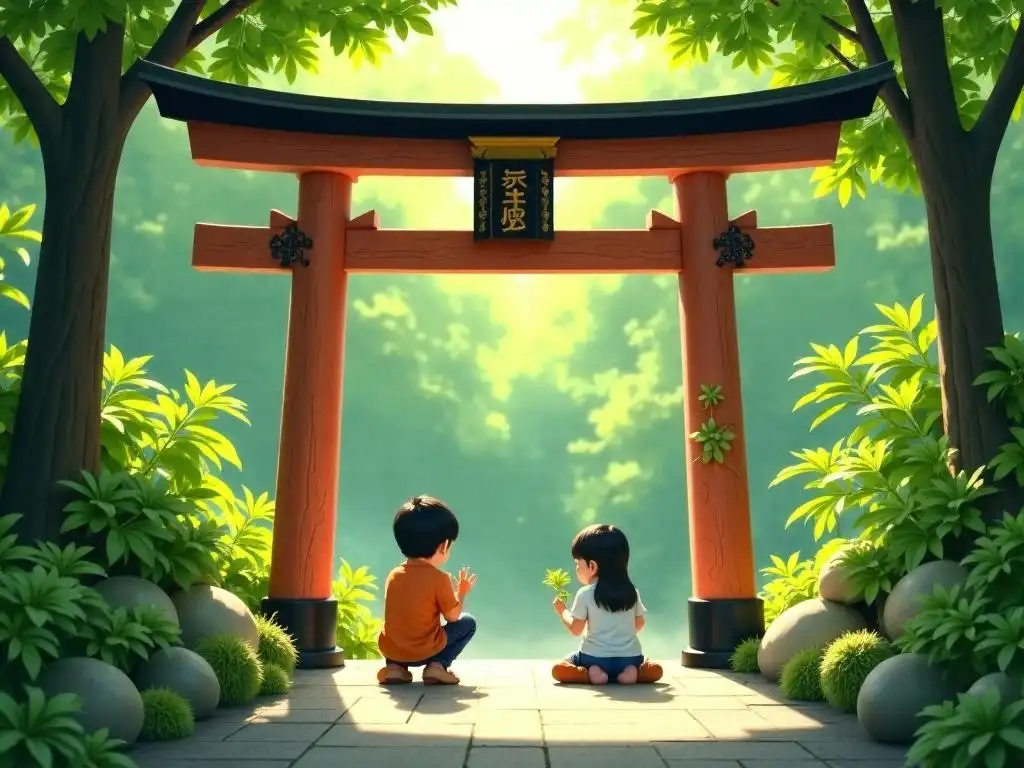
The practice of ancestor worship, deeply rooted in Shinto beliefs, continues to play a significant role in shaping modern Japanese society. This devotion to ancestors influences various aspects of daily life, social structures, and cultural practices, making it a vital component of contemporary Japanese identity. The reverence for ancestors fosters familial bonds, promotes moral values, and supports the continuity of cultural traditions.
Ancestor Worship in Family Dynamics
In Japan, family dynamics are profoundly influenced by the practice of ancestor worship. This reverence manifests in several ways:
- Intergenerational Relationships: Ancestor worship strengthens ties between generations. Elders pass down stories, values, and customs related to their ancestors, fostering a sense of identity and belonging among younger family members.
- Family Shrines (Butsudan): Many Japanese households maintain a butsudan, a family altar where offerings are made to deceased relatives. This practice encourages regular family gatherings, reinforcing unity and collective memory.
- Decision-Making: In many families, the advice of ancestors is sought during critical life decisions. This practice not only honors their memory but also instills a sense of guidance and support from the past.
- Moral Framework: Ancestor worship serves as a moral compass within families, emphasizing virtues such as respect, loyalty, and gratitude. By honoring their ancestors, individuals reinforce these values in their daily lives.
The emphasis on ancestor worship within family dynamics also reflects a broader societal structure where familial obligations and respect for elders are paramount. This interconnectedness between the past and present fosters a communal identity that is essential in modern Japan.
Ancestor worship is celebrated through numerous festivals and observances that highlight its importance in Japanese culture. Key celebrations include:
- Obon Festival: One of the most significant events, Obon is a time when families honor the spirits of their ancestors. Traditionally held in mid-August, it includes rituals such as:
- Bon Odori: A folk dance performed to welcome the spirits home.
- Lantern Lighting: Lanterns are lit to guide ancestral spirits back to their resting places.
- Higan: This Buddhist event occurs during the spring and autumn equinoxes. Families visit graves to pay respects, reflecting the intertwined nature of Buddhist and Shinto practices in ancestor worship.
- Shichi-Go-San: Celebrated on November 15, this festival honors children aged three, five, and seven. While it focuses on the blessing of children, it also serves as a reminder of familial lineage and ancestral reverence.
- New Year's Celebrations: During the New Year, families often visit shrines to pray for the guidance and protection of their ancestors for the coming year.
These celebrations not only reinforce the connection to ancestors but also serve as a reminder of the enduring nature of Shinto practices in modern Japan. The blending of tradition with contemporary life illustrates how ancestor worship remains a cornerstone of Japanese cultural identity, providing continuity and meaning in an ever-changing society.
Challenges to Ancestor Worship in Shinto Today
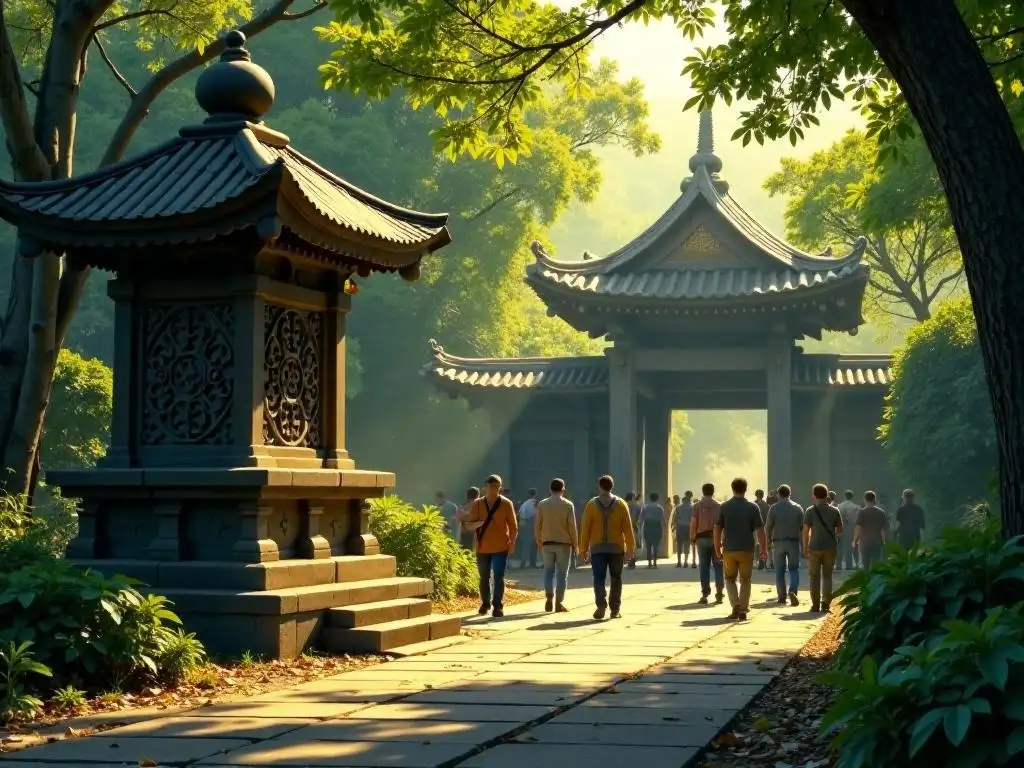
Modernization and Its Impact on Traditional Practices
The practice of ancestor worship in Shinto Japan has faced significant challenges due to the rapid modernization of Japanese society. As urbanization increases and traditional lifestyles give way to contemporary living, many of the rituals associated with honoring ancestors are at risk of being lost or altered.
- Shifts in Family Structure
- The traditional Japanese family structure, which emphasized extended families living together, has declined. This change often results in reduced participation in ancestral rites, as younger generations move away from their hometowns and live independently.
- Example: In many urban settings, families may not have the space or desire to maintain household altars (butsudan) where ancestral tablets are displayed.
- Changing Values
- Modern values prioritize individualism and personal success over collective familial honor. This shift can lead to a diminished emphasis on ancestral reverence among younger generations.
- The increasing influence of Western philosophies also contributes to a reevaluation of traditional beliefs, often placing less importance on practices like ancestor worship.
- Economic Pressures
- Economic challenges can limit the time and resources families are willing to dedicate to ancestral rituals. The costs associated with memorial services, offerings, and maintaining family graves can be prohibitive for some.
- This situation leads to the phenomenon of “setsubun,” where many families may opt for simplified or even omitted rituals due to financial constraints.
- Cultural Disconnection
- As Japan increasingly adopts globalized practices, there is a growing cultural disconnection from traditional rituals. Many young people are less familiar with Shinto customs, including the significance of ancestor worship.
- Educational systems may not emphasize the importance of these traditions, resulting in a generational gap in knowledge and practice.
The Role of Technology in Ancestor Worship
Technology plays a dual role in the practice of ancestor worship in Shinto Japan. While it presents challenges, it also offers innovative solutions to preserve and adapt the practice for modern society.
- Digital Altars and Virtual Memorials
- With the rise of technology, some families are turning to digital alternatives such as virtual altars or online memorial services. These platforms allow individuals to honor their ancestors through digital offerings and ceremonies, especially for those who live far from their ancestral homes.
- Example: Websites and applications that offer virtual space to create family trees and memorial pages have become popular, allowing users to connect with their heritage in a modern context.
- Social Media and Online Communities
- Social media platforms provide spaces for individuals to share their experiences and practices related to ancestor worship. This can foster a sense of community among those who may feel disconnected from traditional practices.
- Online forums and discussion groups can serve as resources for younger generations seeking to learn about their heritage and the significance of ancestor worship.
- Educational Apps and Resources
- Various educational apps aim to teach Shinto practices, including rituals associated with ancestor worship. These resources can help bridge the knowledge gap for those unfamiliar with traditional customs.
- Through interactive learning, users can gain insights into the rituals, their meanings, and how to incorporate them into modern life.
- Streaming Services for Ceremonies
- The COVID-19 pandemic accelerated the adoption of virtual ceremonies, with many families opting to stream memorial services. This adaptation allows those unable to attend in person to participate in honoring their ancestors.
- Such innovations demonstrate how technology can support the continuity of ancestor worship, even amidst changing societal dynamics.
While ancestor worship in Shinto Japan faces challenges from modernization and evolving societal norms, technology offers pathways to adapt and maintain these important practices. By embracing both tradition and innovation, families can continue to honor their ancestors in meaningful ways.
Conclusion: The Enduring Legacy of Ancestor Worship in Shinto Japan
The practice of ancestor worship in Shinto Japan serves as a profound testament to the cultural and spiritual heritage that has shaped Japanese society for centuries. This deeply rooted tradition emphasizes the importance of honoring and remembering one's ancestors, reflecting a unique blend of spirituality, familial ties, and respect for the past.
Ancestor worship is not merely a ritualistic practice; it encapsulates the values of loyalty, gratitude, and continuity that are central to Shinto beliefs. The concept of kami (deities or spirits) extends beyond divine figures to include the spirits of deceased ancestors, highlighting a crucial aspect of Shinto philosophy. By maintaining a connection with their ancestors, individuals cultivate a sense of identity, belonging, and purpose that transcends generations.
As Japan continues to modernize, the influence of ancestor worship remains evident in various aspects of everyday life. Traditional rituals, such as Obon and Higan, illustrate the enduring significance of these practices, allowing people to reconnect with their heritage and honor their forebears. The respect for ancestors fosters a communal spirit, reinforcing family bonds and cultural continuity, essential in an age where globalization threatens to dilute local customs.
Future Trends in Ancestor Worship Practices
Looking ahead, ancestor worship in Shinto Japan is poised to evolve while retaining its core values. Several key trends are likely to shape the future of these practices:
-
Integration of Technology:
The incorporation of technology into traditional practices is an emerging trend. Virtual memorial services and online platforms for honoring ancestors may become increasingly popular, especially among younger generations who are more digitally inclined. This adaptation can help maintain the relevance of ancestor worship in a fast-paced, modern society.
-
Personalization of Rituals:
As individualism grows, there may be a shift towards more personalized rituals that reflect personal beliefs and family histories. This trend will likely lead to a divergence from standardized practices, allowing families to create unique ceremonies that resonate more deeply with their experiences and values.
-
Increased Awareness of Global Influences:
With the world becoming more interconnected, the exchange of cultural practices may influence Japanese ancestor worship. Elements from other belief systems could be integrated into Shinto practices, leading to a richer and more diverse approach to honoring ancestors.
-
Focus on Environmental Spirituality:
The environmental movement is gaining momentum, and this may inspire new ways to honor ancestors that emphasize harmony with nature. Families might incorporate eco-friendly practices into their rituals, reflecting a growing awareness of sustainability and the need to respect the earth as a shared legacy.
-
Revival of Traditional Practices:
While modernization brings changes, there is also a strong movement toward reviving traditional practices among those seeking a deeper spiritual connection. This resurgence can help preserve the essence of ancestor worship, ensuring that the wisdom and teachings of ancestors continue to inform future generations.
The enduring legacy of ancestor worship in Shinto Japan highlights a dynamic interplay between tradition and modernity. As society evolves, these practices will likely adapt, ensuring that the reverence for ancestors remains a vital part of Japanese cultural identity. The future of ancestor worship in Shinto will not only honor the past but also pave the way for a richer understanding of heritage in contemporary life.
Frequently Asked Questions
What is ancestor worship in Shinto Japan?
Ancestor worship in Shinto Japan involves honoring deceased family members through rituals and practices, reflecting the belief that ancestors have a continued presence and influence in the lives of the living.
How has ancestor worship evolved in modern Japan?
In modern Japan, ancestor worship has adapted to contemporary lifestyles, incorporating both traditional practices, like Obon, and new elements that resonate with younger generations, ensuring the continuation of this cultural practice.
What role do rituals play in ancestor worship?
Rituals are essential in ancestor worship as they serve to connect the living with their ancestors, utilizing offerings, prayers, and ceremonies to express gratitude and maintain familial bonds.
Yes, Obon is one of the most significant festivals related to ancestor worship in Japan, where families honor the spirits of their ancestors through ceremonies, dances, and the lighting of lanterns to guide them back home.
How does ancestor worship reflect Japanese culture?
Ancestor worship is a fundamental aspect of Japanese culture, emphasizing respect for the past, the importance of family ties, and the belief in the interconnectedness of life and death, which shapes many social norms and practices today.
Final Reflection: Embracing the Wisdom of Ancestors in Modern Japan
In exploring the theme of ancestor worship in Shinto Japan, we uncover a profound connection between the past and present that resonates deeply in today's society. As we navigate a fast-paced world increasingly driven by technology and individualism, the practice of honoring our ancestors serves as a reminder of our roots and the values that shape our identities. This enduring tradition not only enriches the cultural fabric of Japan but also offers a timeless lesson: the importance of remembering where we come from as we forge our paths forward.
The influence of ancestor worship extends beyond mere ritual; it permeates the cultural and social landscape of Japan, fostering a sense of community and continuity. In a world that often feels disconnected, the act of honoring those who came before us can create a bridge between generations. This practice encourages reflection on our shared histories and the lessons they impart. As the renowned Japanese philosopher Daisaku Ikeda once said, The past is not something to be forgotten; it is a treasure that can guide us in our lives.
This sentiment underscores the significance of ancestor worship as a means of cultivating respect for our heritage while navigating contemporary challenges.
As we conclude this exploration, I invite you to reflect on the role of your own ancestors in shaping who you are today. Consider how the values and lessons passed down through generations can inform your decisions and actions in the present. Let the practice of honoring the past inspire you to cultivate a deeper connection with your heritage, fostering a sense of belonging and purpose in an ever-changing world. Embrace the wisdom of your ancestors, and allow it to guide you as you contribute to the tapestry of your own community and beyond.
Unveil the Richness of Ancestor Worship Today!
Thank you for taking the time to explore the fascinating world of ancestor worship in Shinto. Your interest in this deeply rooted tradition highlights the importance of honoring our past and adds meaning to your understanding of Japanese culture. Now, let’s take the next step together!
Here are some actionable ways you can connect with this enriching practice:
- Start your own ancestral shrine at home to honor your loved ones. Your personal space can become a tribute to your family heritage.
- Learn and share insights about Shinto practices with friends or community members. Consider hosting a discussion or book club to explore themes of respect and memory.
- Dive deeper into the history of Shinto by visiting local temples or participating in guided cultural tours to experience these rituals firsthand.
As you reflect on ancestor worship, consider this: How can embracing your own heritage shape your identity and strengthen your connections with others? We invite you to share your thoughts below!