
The Symbolism of Torii Gates: Gateways to the Sacred


Welcome to Feudal Japan History, where we embark on a captivating journey through the rich tapestry of Japan’s feudal era. Here, history, culture, and society intertwine to unveil the profound significance of ancient symbols. In our featured article, “ The Symbolism of Torii Gates: Gateways to the Sacred,” we delve into the enchanting world of torii gates, exploring their deep spiritual meaning and the role they play as thresholds between the mundane and the divine.
What secrets do these iconic structures hold? Join us as we unravel the mysteries of these sacred gateways and discover how they shaped the spiritual landscape of Japan. Prepare to be inspired and intrigued!
Introduction to Torii Gates
Torii gates are iconic structures that serve as significant markers in Japanese culture, particularly within the realm of Shinto practices. More than mere architectural elements, these gates symbolize the transition from the mundane to the sacred, acting as gateways that invite individuals into a space of spiritual significance.
In the context of Japan’s feudal era, when Shinto beliefs were intricately woven into the societal fabric, understanding the symbolism of torii gates provides insight into the relationship between the physical and spiritual worlds. This exploration delves into the historical context, cultural importance, and deeper meanings associated with torii gates, shedding light on their enduring legacy in Japanese spirituality.
Definition and Historical Context of Torii Gates
Torii gates, characterized by their distinctive two vertical posts and a horizontal beam, mark the entrance to Shinto shrines and sacred spaces. Traditionally believed to have originated around the 7th century, torii gates have evolved in style and significance over the centuries. Initially, these gates were simple wooden structures, but as Japan's architectural styles developed, so did the designs of torii gates, with variations seen across different regions. Their primary role has always been to demarcate sacred spaces, symbolizing the boundary between the earthly realm and the divine.
Importance of Torii Gates in Japanese Culture
In Japanese culture, torii gates are more than just architectural features; they are powerful symbols of faith and spirituality. Often found at the entrances of Shinto shrines, they signify the presence of kami (spirits) and act as a reminder of the connection between nature and the divine. The presence of a torii gate can evoke feelings of reverence and peace, inviting people to reflect on their spiritual beliefs. Additionally, torii gates have become emblematic of Japan itself, representing the country's rich cultural heritage and the enduring influence of Shinto practices.
The Symbolism of Torii Gates in Japan
The symbolism of torii gates extends beyond their physical appearance; they embody deep spiritual meanings and cultural narratives. These gates serve as a bridge between the human and the divine, encapsulating the essence of Shinto beliefs and their role in everyday life.
Spiritual Significance of Torii Gates
Torii gates symbolize the transition to a sacred space, inviting worshippers and visitors to leave behind the impurities of the mundane world. They are often seen as portals that facilitate communication with the kami, making them essential to Shinto rituals and practices. The act of passing through a torii gate is often accompanied by a sense of purification, reflecting the belief that one enters a realm where the divine presence resides.
Torii Gates as Thresholds Between Worlds
Functioning as thresholds, torii gates mark the boundary between the physical and spiritual realms. This duality is a fundamental aspect of Shinto philosophy, emphasizing the interconnectedness of nature, humanity, and the divine. By crossing through a torii gate, individuals symbolically distance themselves from the earthly concerns, preparing themselves to engage with the sacred. This concept of thresholds is not only central to Shinto practices but also resonates with broader themes found in various religious traditions worldwide.
Colors and Materials: What They Represent
The colors and materials of torii gates carry their own symbolic meanings. Typically painted in vibrant hues of red or orange, these colors are believed to ward off evil spirits and attract positive energy. The use of wood in traditional torii gates serves to reinforce the connection to nature, emphasizing the transient beauty of the natural world. Some torii gates are even adorned with inscriptions or decorative elements that reflect the specific kami they honor, further enriching the cultural significance of these structures.
The symbolism of torii gates in Japan encompasses a rich tapestry of historical, spiritual, and cultural dimensions, making them integral to the understanding of Shinto practices and Japanese identity.
The Role of Torii Gates in Shinto Practices
Torii gates serve as a profound symbol within Shinto practices, representing the transition from the mundane to the sacred. They act as markers that delineate the spiritual realm, signaling the approach to a Shinto shrine or sacred site. The presence of a torii gate invites individuals to leave behind worldly concerns and enter a space imbued with spiritual significance. This metaphysical barrier emphasizes the belief that the area beyond the gate is inhabited by kami, the spirits or deities revered in Shinto.
The act of passing through a torii gate is seen as a purifying ritual, where the individual sheds impurities and prepares for communion with the divine. This symbolic act is intertwined with the Shinto belief in cleanliness and purity, which is paramount in their religious practices. Thus, torii gates not only mark sacred spaces but also play an active role in the spiritual journey of worshippers.
Connection to Shinto Shrines
The connection between torii gates and Shinto shrines is deeply rooted in the history and philosophy of Shintoism. Typically, a torii gate stands at the entrance of a shrine, indicating that one is entering a sacred space where kami are present. These structures are often elaborately designed, reflecting the aesthetic values of the culture and the specific kami's characteristics they represent.
Each torii gate is unique, with variations in color, material, and design, which can denote different meanings and significance. For instance, the vibrant vermilion color of many torii gates symbolizes protection against evil spirits and misfortune. Moreover, the positioning of a torii gate, whether within natural surroundings or near urban settings, can alter its spiritual interpretation, emphasizing the harmony between nature and the divine.
Rituals and Ceremonies Involving Torii Gates
Rituals and ceremonies associated with torii gates often revolve around purification, offerings, and prayers. One common practice is the ceremonial purification known as "temizu," where worshippers cleanse their hands and mouths at a water basin typically found near a torii gate before entering a shrine. This act reinforces the concept of approaching the sacred with a purified body and mind.
During festivals and special ceremonies, torii gates can serve as focal points for offerings and prayers. Participants might gather at the gates to make their wishes known to the kami, with some festivals involving the decoration of the gates with sacred symbols or cloth. These practices highlight the torii gate's role in facilitating communication between humans and the divine, establishing it as a vital element in the Shinto religious landscape.
Pilgrimages and Torii Gates: A Journey to the Sacred
The significance of torii gates extends to the practice of pilgrimage in Japan, where they mark the routes to various sacred destinations. Pilgrims often find themselves traversing paths lined with multiple torii gates, creating a powerful visual and spiritual experience. One of the most famous examples is the Fushimi Inari Taisha in Kyoto, renowned for its thousands of vibrant torii gates that wind through the mountain.
As pilgrims walk through these gates, they engage in a journey that is both physical and spiritual. Each gate represents a step toward enlightenment and connection with the kami. This journey is often accompanied by prayers and reflections, reinforcing the torii gate's role as a gateway not just to a location, but to a deeper understanding of one's faith and existence.
Types of Torii Gates and Their Unique Symbolism
Torii gates come in various forms, each with its own unique symbolism and significance. Understanding these variations enriches the appreciation of their role in Shinto practices and Japanese culture as a whole.
Traditional Wooden Torii Gates
Traditional wooden torii gates, commonly found throughout Japan, are typically made from natural materials like cedar or cypress. These gates often embody the idea of returning to nature, as wood is a material that symbolizes life, growth, and the transient nature of existence. The simplicity and organic look of these gates reflect the Shinto belief in living harmoniously with nature.
In many instances, wooden torii gates are left untreated, allowing them to weather naturally, which further emphasizes the connection to the cycle of life and death—an important theme in Shinto beliefs. Additionally, the practice of replacing these gates over time reinforces the concept of renewal and respect for the kami that dwell within the sacred spaces.
Concrete and Modern Torii Gates
With the modern era, torii gates have evolved to include concrete and metal versions, which often serve practical purposes in urban settings. These modern interpretations can be larger and more durable, allowing for greater visibility and accessibility to sacred sites.
While they may lack the traditional charm of wooden gates, concrete and metal torii still carry significant meaning. Their sturdiness can symbolize permanence and resilience in a rapidly changing world. Moreover, they often incorporate traditional designs, blending contemporary aesthetics with historical significance, thereby bridging the past and present.
Unique Regional Variations of Torii Gates
Across Japan, various regions exhibit unique styles and features in their torii gates, often reflecting local customs and beliefs. For example, the iconic "Katori" torii, found in Katori Shrine, features a design that includes a horizontal beam resting on vertical pillars, giving it a distinct appearance.
Additionally, some regions may color their torii gates differently based on local traditions. While vermilion is the most common color, other hues such as black, white, or even gold can be found, each carrying its own symbolic meanings. These regional variations highlight the diversity within Shinto practices and the adaptation of the torii gate as a cultural symbol, showcasing how local beliefs and customs influence its representation.
Iconic Torii Gates and Their Cultural Impact
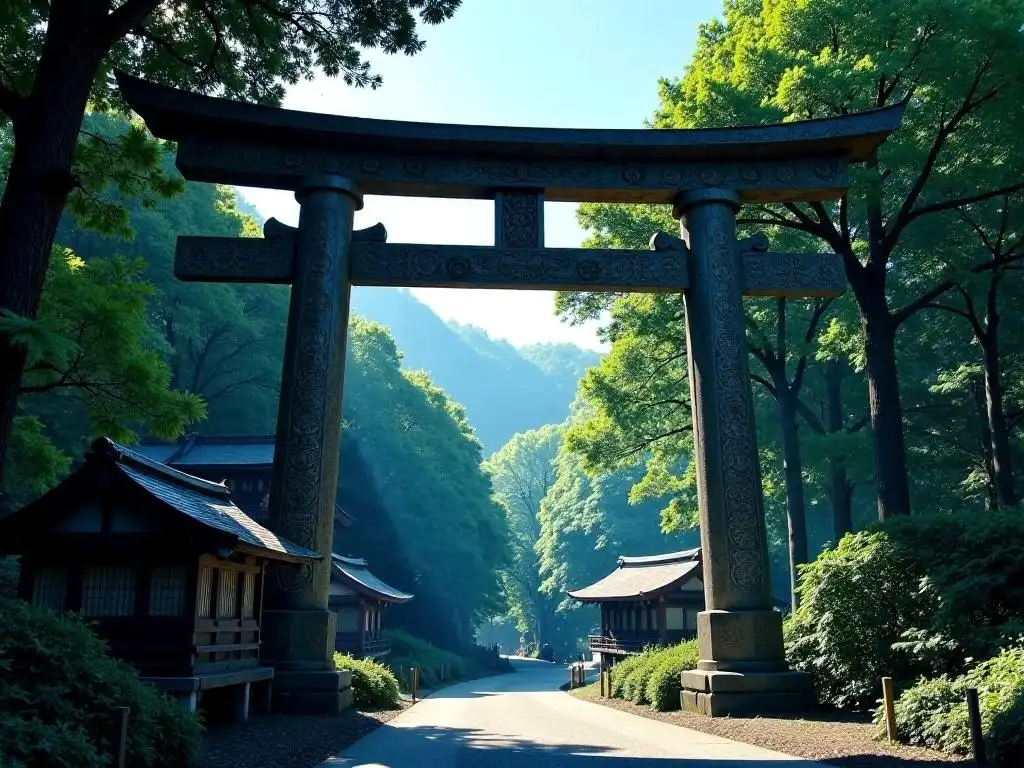
Torii gates are not merely architectural structures in Japan; they are profound symbols of the transition between the mundane and the sacred. These gateways serve as a visual representation of Shinto beliefs, marking the entrance to sacred spaces and embodying the connection between the physical and spiritual realms. The cultural impact of torii gates is immense, as they are often featured in art, literature, and festivals, representing a deep-rooted aspect of Japanese identity and heritage. Their iconic status is reflected in various famous locations throughout Japan, each holding unique significance and cultural narratives.
The Famous Floating Torii Gate of Itsukushima
One of the most recognized torii gates is the floating torii gate of Itsukushima, located on Miyajima Island near Hiroshima. This gate, which appears to float on the water during high tide, is a stunning example of traditional Japanese architecture and the harmonious relationship between manmade structures and nature. Constructed in the 12th century, the gate is part of a larger shrine dedicated to the goddess of sea and storms, Benzaiten.
The floating torii gate symbolizes the boundary between the earthly realm and the sacred, inviting visitors to enter the divine space of the shrine. Itsukushima Shrine, along with the torii gate, is designated as a UNESCO World Heritage site, drawing thousands of tourists and pilgrims each year. The sight of the torii gate against the backdrop of the Seto Inland Sea, especially during sunset, has become an iconic image of Japan, representing the spiritual essence of the country.
The Fushimi Inari Taisha Torii Pathway
Another significant site featuring torii gates is the Fushimi Inari Taisha, located in Kyoto. This shrine is famed for its thousands of vermilion torii gates that create a breathtaking pathway up the sacred Mount Inari. Each gate is donated by individuals or businesses, with the inscriptions of the donors’ names and dates on the gates serving as a testament to their devotion and hopes for prosperity.
The pathway is over two kilometers long and winds through lush forests, creating a serene and spiritual atmosphere. The continuous presence of torii gates along the trail symbolizes the deep connection between the worshippers and the kami (spirits) of Inari, the deity of rice and agriculture. This site not only showcases the beauty of torii gates but also reflects the communal aspect of Shinto practices, where individual faith contributes to a collective spiritual landscape.
Other Notable Torii Gates Across Japan
In addition to Itsukushima and Fushimi Inari Taisha, several other notable torii gates across Japan hold cultural significance. For instance, the torii gate at the entrance of Meiji Shrine in Tokyo stands as a monumental structure, symbolizing the reverence for Emperor Meiji and Empress Shoken, who played crucial roles in modernizing Japan during the Meiji Restoration.
Another prominent example is the torii gate located at the entrance of Tsurugaoka Hachimangu Shrine in Kamakura, which embodies the historical importance of the samurai culture and its connection to Shinto practices. Each of these gates not only provides access to sacred spaces but also narrates the stories of the communities and historical figures associated with them, reinforcing the rich tapestry of Japan's religious and cultural heritage.
The Influence of Torii Gates Beyond Japan
The symbolism of torii gates extends beyond Japan, influencing various cultures and artistic expressions globally. As symbols of transition and sacredness, they have inspired interpretations that resonate with universal themes of spirituality, connection, and boundaries.
Global Interpretation of Torii Gates Symbolism
Around the world, torii gates have been embraced as symbols of peace, reflection, and cultural appreciation. In Western art and architecture, they are often referenced as representations of the beauty of nature and the importance of spirituality in human existence. Various artists have incorporated the torii gate motif into their works, emphasizing its role as a gateway to introspection and tranquility.
The symbolism is also interpreted in broader contexts, where torii gates are seen as markers of cultural identity and heritage. They serve as reminders of the interconnectedness of different cultures, inviting individuals to explore their own spiritual paths while respecting the traditions of others. This cross-cultural appreciation highlights the universal significance of sacred spaces and the human desire to seek meaning beyond the material world.
Torii Gates in Contemporary Art and Architecture
In contemporary art and architecture, torii gates continue to inspire creativity and innovation. Artists are reimagining the form and function of torii gates, incorporating them into modern installations that explore themes of spirituality, identity, and cultural exchange. For example, some contemporary artists have created oversized torii gates in urban settings, challenging the boundaries between sacred and secular spaces and encouraging dialogue about the role of spirituality in modern life.
Moreover, architects are drawing from the aesthetic and symbolic qualities of torii gates in designing public spaces and buildings. By integrating elements reminiscent of torii gates, they create environments that foster contemplation and connection to nature. This fusion of traditional symbolism with modern design reflects a growing recognition of the importance of spiritual and cultural heritage in contemporary society, ensuring that the legacy of torii gates remains vibrant and relevant in today's world.
Conclusion
The symbolism of Torii gates in Japan transcends mere architectural significance. These striking structures serve as powerful emblems of the sacred, marking the transition from the mundane to the divine. By understanding the rich symbolism behind Torii gates, we gain insight into the spiritual beliefs and cultural practices that have shaped Japanese society for centuries. They represent not only the entrance to Shinto shrines but also the broader concepts of purification, protection, and the connection between the physical world and the spiritual realm.
The Enduring Symbolism of Torii Gates in Japanese Society
The enduring symbolism of Torii gates in Japanese society reflects the deep-rooted values and beliefs that characterize Shintoism and its integration into daily life. These gates are not only prevalent in religious contexts but also resonate within secular spaces, signifying a universal appreciation for the sacred. For example, many public parks and gardens feature Torii gates, which serve to remind visitors of the natural world as a sacred space.
Moreover, Torii gates have evolved into symbols of national identity, encapsulating the essence of Japanese culture. During festivals and communal gatherings, the presence of Torii gates often enhances the atmosphere, providing a sense of shared heritage and collective spirituality. This connection fosters a greater appreciation for tradition and continuity within Japanese society, making Torii gates a vital aspect of cultural identity.
Reflection on the Cultural Legacy of Torii Gates
The cultural legacy of Torii gates extends far beyond their physical presence. They embody a rich tapestry of stories, rituals, and artistic expressions that have emerged throughout Japan's history. Artists and poets have drawn inspiration from Torii gates, often depicting them in literature and visual arts, thereby enriching the cultural narrative associated with these structures.
Furthermore, Torii gates symbolize resilience and continuity in the face of modernization. As Japan navigates the challenges of contemporary life, these gates serve as a reminder of the importance of tradition and the need to honor one's roots. Their presence in urban environments signifies a harmonious blend of the old and the new, allowing for a cultural dialogue that respects heritage while embracing innovation.
Torii gates stand as potent symbols of Japan's spiritual and cultural landscape, inviting reflection on the values that continue to shape society today. Their enduring presence not only highlights the significance of Shinto practices but also reinforces the importance of cultural heritage in understanding Japan's identity.
- Introduction to Torii Gates
- The Symbolism of Torii Gates in Japan
- The Role of Torii Gates in Shinto Practices
- Types of Torii Gates and Their Unique Symbolism
- Iconic Torii Gates and Their Cultural Impact
- The Influence of Torii Gates Beyond Japan
- Conclusion
Frequently Asked Questions
What is the significance of Torii gates in Japanese culture?
Torii gates serve as gateways to sacred spaces, marking the transition from the mundane to the spiritual. They symbolize the entrance to Shinto shrines and are deeply rooted in Japan’s cultural heritage.
How do Torii gates reflect Japan's spiritual beliefs?
The Symbolism of Torii Gates is closely tied to Shinto beliefs, representing purity and the presence of deities. They are often seen as a way to honor and invite the spiritual world into the earthly realm.
Are there different styles of Torii gates?
Yes, there are various styles of Torii gates, including Shinto, Buddhist, and even modern interpretations. Each style varies in design, color, and material, reflecting the unique beliefs and traditions of different regions.
What do the colors of Torii gates symbolize?
The most common color for Torii gates is red, which symbolizes protection and wards off evil spirits. Other colors, like black or white, can also have specific meanings, often related to purity and spirituality.
Can anyone visit a Torii gate?
Yes, Torii gates are accessible to the public and often found near Shinto shrines. Visitors are encouraged to observe proper etiquette and respect the sacredness of these sites while exploring Japan’s rich cultural landscape.
Final Reflection: The Enduring Symbolism of Torii Gates in Japan
The symbolism of Torii gates transcends mere architectural beauty; it serves as a profound reminder of the connection between the physical and spiritual realms. In today's fast-paced world, where the sacred often feels overshadowed by the mundane, these iconic structures invite us to pause and reflect on our own journeys. They stand as gateways to the sacred, urging us to explore the deeper meanings of our existence and the spaces we inhabit.
Culturally, the Torii gate represents more than just a threshold; it embodies a rich tapestry of beliefs, traditions, and communal identity. The presence of these gates in our lives encourages us to recognize the sacred in the everyday. As we navigate through life's complexities, we are reminded of the words of the philosopher Martin Heidegger: The essence of being is to be in a world that is sacred.
This ongoing influence of the Torii gates invites us to cultivate a sense of reverence and mindfulness in our daily lives, fostering a deeper understanding of our place within the universe.
As you reflect on the symbolism of Torii gates, consider how you can incorporate their lessons into your own life. Embrace the idea of thresholds as opportunities for transformation and growth. Whether you encounter a physical Torii gate or a metaphorical one, let it inspire you to step into new experiences with an open heart and a curious mind. Take a moment to honor the sacred spaces around you, and allow the symbolism of these gates to guide you on your journey toward a more profound connection with yourself and the world.
Unveil the Spiritual Pathways of Torii Gates!
Thank you for exploring the fascinating world of Torii gates and their profound symbolism with us. We hope you’ve uncovered insights into how these sacred structures connect the physical and spiritual realms. Now, it’s time to take your interest further!
Here are some steps you can take to deepen your understanding and appreciation of Torii gates:
- Visit a Torii Gate: Seek out a local shrine or Japanese garden that features a Torii gate, and take a moment to reflect on its significance.
- Share Your Insights: Discuss the symbolism of Torii gates with your friends or on social media. Spark conversations that inspire others to explore Japan's rich cultural heritage.
- Explore More Traditions: Research other aspects of Japanese spirituality or architecture, such as Shinto shrines or Zen gardens, to understand how they relate to the symbolism of Torii gates.
What does the presence of a Torii gate evoke for you personally? We invite you to share your thoughts and reflections below!