
The Role of Ritual in Mitigating Religious Conflicts during Feudal Japan

Welcome to Feudal Japan History, where we delve deep into the intricate tapestry of Japan's feudal era. Prepare to embark on a journey that unravels the fascinating rituals that played a crucial role in mitigating religious conflicts during this tumultuous period. Our latest article, The Role of Ritual in Mitigating Religious Conflicts during Feudal Japan, promises to illuminate how these sacred practices shaped societal dynamics and fostered peace amidst chaos. Are you ready to uncover the hidden stories that lie within the rituals of the past? Dive in, and let your curiosity lead the way!
Introduction to Rituals in Feudal Japan Conflicts
Rituals played a pivotal role in navigating the complex tapestry of religious conflicts during Feudal Japan. This era, marked by a feudal system that emphasized loyalty and hierarchy, also witnessed a rich interplay of various religious beliefs, including Shinto, Buddhism, and Confucianism. As tensions rose among these belief systems, rituals emerged as vital tools for fostering understanding, promoting peace, and mitigating conflicts. By examining how rituals were utilized to address religious disputes, we can gain a deeper appreciation for their significance in maintaining social harmony during a time of strife.
Understanding Rituals in the Context of Feudal Japan
Rituals in Feudal Japan were not merely ceremonial acts; they were profound expressions of faith and cultural identity. They served multiple purposes:
- Facilitating Communication: Rituals often acted as a bridge between conflicting parties, allowing for dialogue and negotiation.
- Strengthening Community Bonds: Participating in shared rituals fostered a sense of belonging and unity among individuals of the same faith, which was crucial in times of conflict.
- Establishing Order: Through structured practices, rituals provided a framework for resolving disputes and maintaining societal norms.
In this context, rituals became instrumental in managing the delicate balance between differing religious ideologies.
Importance of Religion in Feudal Japanese Society
Religion permeated every aspect of life in Feudal Japan, influencing politics, culture, and daily practices. The intertwining of religion and governance was particularly evident:
- Political Legitimacy: Religious institutions often supported the ruling class, lending divine approval to their authority. This relationship shaped the political landscape and created power dynamics influenced by religious beliefs.
- Cultural Identity: Religion was a key component of Japanese identity, with festivals, ceremonies, and practices reflecting the values and traditions of various communities.
- Conflict Resolution: Temples and shrines often served as neutral grounds for conflict resolution, where rituals could be performed to appease differing parties and foster reconciliation.
Understanding the importance of religion in this society is crucial for comprehending the role of rituals in mitigating conflicts.
Historical Background of Religious Conflicts in Feudal Japan
Religious conflicts in Feudal Japan were often rooted in the clash between different belief systems and the desire for power among various factions. The following sections will delve into the key religious groups and the major conflicts that arose during this period.
Key Religious Groups and Their Beliefs
Several religious groups played significant roles in shaping the spiritual landscape of Feudal Japan:
- Shinto: The indigenous spirituality of Japan, emphasizing kami (spirits) and rituals that honor the natural world.
- Buddhism: Introduced from China and Korea, Buddhism brought diverse schools of thought, including Zen and Pure Land, each with distinct beliefs and practices.
- Confucianism: Although more a philosophy than a religion, Confucianism influenced social hierarchies and ethics, impacting how individuals interacted within society.
Each of these groups held differing views on morality, the afterlife, and the nature of existence, leading to tensions that would occasionally escalate into conflict.
Overview of Major Conflicts Driven by Religious Differences
Throughout Feudal Japan, several notable conflicts were driven by religious differences, including:
- The Genpei War (1180-1185): A conflict that, while primarily political, saw the involvement of religious factions that aligned with either the Taira or Minamoto clans, reflecting deeper cultural divides.
- The Onin War (1467-1477): This civil war involved various factions that sought to assert their religious and political ideologies, with temples and shrines becoming battlegrounds for competing beliefs.
These conflicts illustrate how religious differences could not only influence individual lives but also shape the course of Japanese history. The responses to these tensions, particularly through rituals, were crucial in maintaining a semblance of peace amidst the chaos.
The Function of Rituals in Mitigating Conflicts
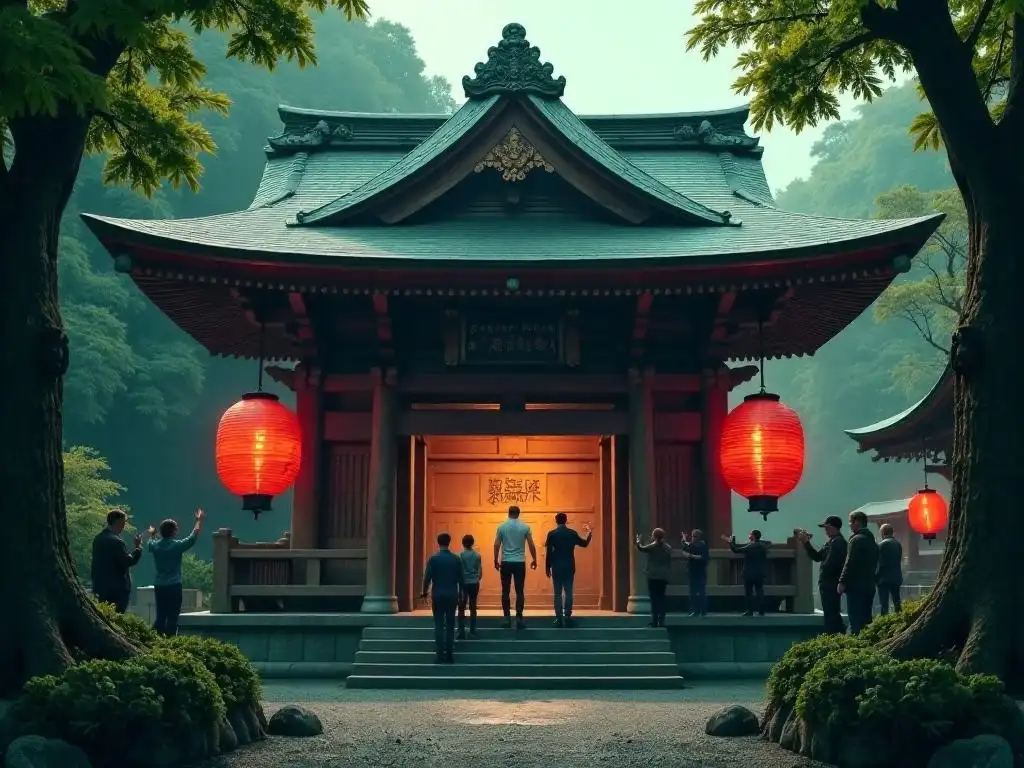
Rituals played a crucial role in the fabric of society during Feudal Japan, serving as a means to foster peace and understanding among various religious and cultural groups. Given the diverse religious landscape characterized by Shinto, Buddhism, and Confucianism, rituals emerged as a unifying force that helped to mitigate potential conflicts stemming from differing beliefs and practices. These rituals not only reinforced social cohesion but also established a framework for dialogue and mutual respect, allowing communities to navigate their differences more peacefully.
Defining Rituals and Their Purpose in Feudal Japan
In Feudal Japan, rituals were formalized actions that held significant symbolic meanings and were deeply embedded in the cultural and spiritual life of the people. These could range from simple daily practices to elaborate ceremonies, each designed to express devotion, commemorate events, or foster community spirit.
The primary purpose of these rituals was to create a shared space where diverse groups could come together, reflect on their common values, and address their differences. This was particularly important during the feudal period when territorial disputes and varying religious interpretations could easily lead to conflicts. Rituals served as a stabilizing force, providing a structured approach to conflict resolution and promoting a sense of belonging among participants.
How Rituals Fostered Understanding Among Different Religions
Rituals acted as bridges between different religious traditions in Feudal Japan. They facilitated dialogue and interaction among followers of Shinto, Buddhism, and other belief systems. For instance, rituals often included elements from multiple religions, creating a syncretic atmosphere that encouraged understanding and acceptance.
Through shared rituals—such as festivals that celebrated seasonal changes or harvests—communities could observe and appreciate the beliefs of others. These interactions often led to the blending of practices and a deeper understanding of differing worldviews. By participating in one another's rituals, individuals could find common ground and develop relationships based on mutual respect, helping to diminish religious tensions and foster a more harmonious coexistence.
Types of Rituals Used in Conflict Mitigation
The variety of rituals employed in Feudal Japan showcased the flexibility and adaptability of cultural practices in addressing conflicts. These rituals can be broadly categorized into ceremonial practices and communal gatherings, each serving unique purposes in promoting peace.
Ceremonial Practices and Their Significance
Ceremonial practices in Feudal Japan often involved specific rites that commemorated significant events, such as the changing of seasons, agricultural cycles, or important religious holidays. These ceremonies were not only significant for their religious implications but also served to reinforce social order and communal bonds.
For example, the practice of Shinto purification rituals, which involved cleansing oneself before participating in communal activities, demonstrated a commitment to harmony and respect among all participants. These rituals emphasized the importance of spiritual cleanliness and moral integrity, reinforcing the idea that conflicts could be alleviated through personal and collective renewal.
Festivals and Community Gatherings as Tools for Peace
Festivals were among the most vibrant expressions of communal life in Feudal Japan. They brought together individuals from diverse backgrounds and beliefs, promoting unity through shared celebrations. Events like the Gion Matsuri or Tanabata allowed communities to engage in joyful activities that transcended individual differences.
During these festivals, participants engaged in various rituals, including processions, offerings, and performances, which helped to reinforce community ties and cultivate a spirit of cooperation. By celebrating together, people could set aside their differences, fostering an atmosphere of peace and understanding. Festivals thus functioned as powerful tools for mitigating conflicts, highlighting the importance of collective identity and the shared values that transcended religious divides.
Case Studies of Rituals in Action
Rituals in Feudal Japan played a significant role in mitigating conflicts between different religious factions. Through various practices, communities were able to foster understanding and tolerance, thereby reducing tensions that could otherwise escalate into violence. The examination of specific case studies can illuminate how these rituals were employed effectively to navigate the complex religious landscape of the time.
The Shinto-Buddhist Syncretism and Its Impact on Religious Tensions
One of the most notable examples of ritual mitigating religious conflict is the syncretism between Shinto and Buddhism, often referred to as Shinbutsu-shūgō. This fusion emerged during the Heian period, gaining momentum in the Kamakura period, as both religions began to coexist and influence each other.
- Shared Ritual Practices: Many rituals initially associated with Shinto, such as purification rites, were adopted into Buddhist practices. Conversely, Buddhist ceremonies often incorporated Shinto elements, creating a unique blend that appealed to followers of both religions.
- Cultural Festivals: Annual festivals, such as the Obon, served as communal gatherings where both Shinto and Buddhist traditions were celebrated. This not only provided a platform for shared rituals but also fostered a collective identity among participants, minimizing sectarian divides.
The impact of this syncretism was profound, as it allowed communities to bridge gaps between different belief systems, thus contributing to a more harmonious coexistence. By recognizing the validity of both traditions, rituals became a tool for peace rather than a source of conflict.
The Role of the Gion Matsuri in Promoting Community Harmony
The Gion Matsuri, held annually in Kyoto, is another prominent example of how rituals can promote community cohesion and harmony amidst religious conflicts. Originating in the 9th century as a purification ritual to ward off plague, it evolved into a vibrant festival embodying cultural and spiritual significance.
- Community Involvement: The festival involves extensive participation from local residents, fostering a sense of unity and collective identity. Various neighborhoods contribute floats, known as yama and hoko, showcasing their craftsmanship and dedication to the event.
- Religious Significance: While it has Shinto roots, the Gion Matsuri incorporates Buddhist elements, reflecting the syncretic nature of Japanese spirituality. The rituals performed during the festival emphasize purification and protection, allowing both Shinto and Buddhist communities to come together in a shared purpose.
By serving as a focal point for collaboration and cultural expression, the Gion Matsuri effectively mitigates potential conflicts, reinforcing social bonds and promoting a spirit of cooperation among diverse religious groups.
The Influence of Political Power on Rituals
The political landscape of feudal Japan significantly influenced the development and practice of rituals. Political leaders recognized the importance of rituals in consolidating power, controlling religious factions, and maintaining social order.
The Role of Samurai and Nobility in Promoting Rituals
The samurai class and the nobility played a pivotal role in promoting rituals as a means of asserting their status and legitimacy.
- Patronage of Religious Institutions: Samurai lords often sponsored temples and shrines, integrating religious rituals into their governance. By supporting these institutions, they not only gained favor with the religious elite but also reinforced their authority among the populace.
- Rituals as Political Tools: Elaborate ceremonies, such as the Gosechi, were employed during significant events like the enthronement of a new shogun or the celebration of military victories. These rituals served to legitimize the power of the samurai while simultaneously reinforcing loyalty among their followers.
Through these actions, the samurai and nobility ensured that rituals were not merely spiritual practices but also strategic tools in the political arena, effectively minimizing conflicts by promoting a unified front under their leadership.
How Shogunate Policies Shaped Religious Practices and Rituals
The policies of the shogunate significantly shaped the religious landscape and the rituals practiced throughout feudal Japan.
- Regulation of Religious Practices: The shogunate often implemented regulations that dictated the relationship between different religious groups. By promoting certain rituals while restricting others, they were able to mitigate potential conflicts and maintain stability.
- State-Sponsored Festivals and Ceremonies: The shogunate also organized state-sponsored ceremonies that highlighted the authority of the ruling class while incorporating elements from various religious traditions. These events not only reinforced the power of the shogunate but also fostered a sense of national identity that transcended individual religious affiliations.
The influence of shogunate policies on religious practices illustrates the complex interplay between politics and spirituality in feudal Japan. By shaping the rituals that communities engaged in, the shogunate effectively contributed to a more harmonious society, reducing the potential for religious conflict.
The Legacy of Rituals in Modern Japanese Society

The impact of rituals from the feudal era of Japan continues to resonate in contemporary culture. Many rituals that originated during this tumultuous period have been preserved and adapted, serving as a testament to Japan’s rich historical tapestry. From Shinto practices to Buddhist ceremonies, these rituals have not only maintained their significance but have also evolved to meet the needs of modern society. They play a crucial role in community bonding, personal reflection, and cultural identity, demonstrating the enduring legacy of feudal practices in Japan today.
Rituals are often seen as a bridge connecting individuals to their heritage. Festivals that celebrate crops, seasons, and historical events are commonplace, showcasing rituals that integrate agricultural practices with spiritual beliefs. This fusion underscores the continuity of cultural practices originating in feudal Japan, where the land and spirituality were deeply intertwined.
Continuing Traditions: How Historical Rituals Influence Today’s Practices
Many modern Japanese rituals can be traced back to their feudal antecedents, illustrating a remarkable continuity of tradition. For instance, New Year celebrations (Shōgatsu) incorporate various rituals such as the offering of food to ancestors, a practice rooted in the feudal reverence for familial and ancestral ties. Additionally, the purification rituals (harai) performed before participation in any significant event or festival echo the Shinto beliefs that were prominent during the feudal era.
Moreover, traditional arts such as tea ceremonies (chanoyu) and flower arranging (ikebana) carry the essence of rituals from feudal Japan. These practices emphasize harmony, respect, and purity, values that were central to the samurai ethos and religious traditions of the time. Such preservation showcases how historical rituals have seamlessly adapted into modern practices, maintaining their relevance and enriching contemporary cultural identity.
The Role of Rituals in Contemporary Interfaith Dialogues
In a diverse society like modern Japan, where various religious beliefs coexist, rituals play a pivotal role in fostering interfaith dialogues. They serve as a means of cultural exchange and mutual understanding among different religious communities. By participating in each other's rituals, individuals from various faiths can cultivate respect and appreciation for one another’s traditions.
For example, rituals such as the Obon Festival, which honors deceased ancestors, have been embraced by different religious groups, promoting cross-cultural participation. This has allowed for a shared space where discussions about beliefs and practices can occur, thereby reducing tensions that may arise from misunderstandings or preconceived notions about different religions.
Conclusion
Summary of the Importance of Rituals in Religious Conflicts
Rituals have historically played a significant role in mitigating religious conflicts during feudal Japan. By providing a structured framework for communal interaction and establishing common ground, these practices helped to ease tensions between conflicting factions. The observance of rituals often encouraged collaboration and respect among diverse groups, reinforcing social cohesion in a fragmented society.
Final Thoughts on the Influence of Historical Rituals on Modern Religious Harmony
The legacy of historical rituals extends beyond mere tradition; they are vital in shaping the landscape of modern religious harmony in Japan. As society continues to evolve, the adaptability of these rituals ensures their relevance, promoting a culture of peace and understanding. By reflecting on the past and embracing these practices, contemporary Japan can navigate its complex religious landscape, fostering a spirit of unity amidst diversity.
- Introduction to Rituals in Feudal Japan Conflicts
- Understanding Rituals in the Context of Feudal Japan
- Importance of Religion in Feudal Japanese Society
- Historical Background of Religious Conflicts in Feudal Japan
- The Function of Rituals in Mitigating Conflicts
- Types of Rituals Used in Conflict Mitigation
- Case Studies of Rituals in Action
- The Influence of Political Power on Rituals
- The Legacy of Rituals in Modern Japanese Society
- Continuing Traditions: How Historical Rituals Influence Today’s Practices
- The Role of Rituals in Contemporary Interfaith Dialogues
- Conclusion
- What were the main rituals practiced in Feudal Japan during conflicts?
- How did rituals help in mitigating conflicts in Feudal Japan?
- What was the significance of religious leaders in conflict resolution?
- Were there specific festivals associated with conflicts in Feudal Japan?
- How did cultural aspects influence the rituals during conflicts?
Frequently Asked Questions
What were the main rituals practiced in Feudal Japan during conflicts?
Rituals such as Shinto ceremonies and Buddhist prayers were commonly conducted to seek divine favor and ensure victory or peace, reflecting the deep interconnection between religion and warfare.
How did rituals help in mitigating conflicts in Feudal Japan?
Rituals played a significant role in fostering a sense of unity among warriors and communities, promoting spiritual harmony and reducing tensions during periods of strife.
What was the significance of religious leaders in conflict resolution?
Religious leaders served as mediators and interpreters of divine will, using their influence to promote peace and understanding between conflicting parties, thus aiding in conflict resolution.
Were there specific festivals associated with conflicts in Feudal Japan?
Yes, festivals such as Mikoshi processions were held to honor deities, seeking their protection and guidance during wars, reinforcing community bonds and the collective spirit.
How did cultural aspects influence the rituals during conflicts?
Cultural traditions and art forms shaped the rituals, embedding historical narratives and values into conflict practices, thereby enhancing their significance and impact on society.
Final Reflection: The Enduring Power of Rituals in Bridging Divides
Rituals in Feudal Japan were not merely ceremonial acts; they served as vital mechanisms for conflict resolution and social cohesion. In a time marked by strife and division, these rituals provided a framework for dialogue and understanding, reminding us of the profound role that shared practices can play in mitigating tensions. Today, as we navigate our own complex social landscapes, the lessons from feudal Japan resonate deeply, illustrating that the power of ritual can transcend time and culture.
The influence of rituals extends far beyond their historical context; they continue to shape our cultural and social interactions today. In a world where divisions often seem insurmountable, the practices that once brought feuding factions together in feudal Japan serve as a poignant reminder of our shared humanity. As the philosopher Joseph Campbell once said, "> Rituals are the formula by which harmony is restored." This observation underscores the ongoing relevance of rituals in fostering understanding and reconciliation, urging us to seek common ground in our own communities.
As we reflect on the significance of rituals in our lives, let us consider how we can incorporate these practices into our daily interactions. I invite you to explore the rituals that resonate with you, whether they are cultural, familial, or personal, and to recognize their potential to heal and unite. By embracing the lessons of the past, we can cultivate a future where understanding triumphs over conflict, and where the spirit of community is nurtured through shared experiences.
Unveil the Power of Rituals in Harmony
Thank you for diving into the fascinating world of feudal Japan and exploring the vital role of rituals in mitigating religious conflicts. You’ve gained insights into how these practices shaped communities and fostered peace – now it's time to take these lessons into your own life!
Here are a few powerful actions you can take right now:
- Embrace a personal ritual that fosters peace in your daily life, such as meditation, journaling, or expressing gratitude.
- Share your insights with friends or family by discussing how rituals can create harmony; invite them to join you in your personal practice.
- Explore local cultural events that showcase traditional rituals or ceremonies, providing a rich, firsthand experience of peaceful coexistence.
Which ritual will you integrate into your life today to promote better understanding and harmony around you?