
The Impact of Christianity's Arrival: A Catalyst for Religious Tension in Japan


Welcome to Feudal Japan History, where we delve deep into the fascinating tapestry of Japan's feudal era! In our exploration today, we unravel the intricate threads of Christianity's impact on feudal Japan, a topic that not only reveals the clash of cultures but also sheds light on the profound societal shifts that ensued. How did the arrival of this foreign faith ignite religious tensions and alter the course of history?
Join us as we navigate through compelling narratives and expert insights that promise to enrich your understanding of this pivotal moment in Japan's past. Prepare to be intrigued and inspired—your journey into the depths of feudal Japan begins here!
Introduction to Christianity's Impact on Feudal Japan
The arrival of Christianity in Japan during the 16th century marked a significant turning point in the nation's historical and cultural landscape. As European missionaries set foot on Japanese soil, they brought not only religious beliefs but also new ideas and practices that would challenge the existing social order and religious harmony.
This article delves into the multifaceted impact of Christianity on feudal Japan, exploring how it became a catalyst for religious tension and conflict. By examining the interplay between Christian teachings and traditional Japanese beliefs, we can gain insight into the profound changes that occurred in this era, shaping the religious and cultural fabric of Japan.
Overview of Christianity's Introduction to Japan
Christianity's introduction to Japan is often traced back to 1549, when the Jesuit missionary Francis Xavier arrived in the country. This marked the beginning of a significant missionary effort that would see various orders, including the Franciscans and the Dominicans, establish a presence in Japan. The initial encounters between these missionaries and the Japanese populace were characterized by a mix of curiosity, skepticism, and open dialogue.
- Key Events:
- 1549: Francis Xavier arrives in Kagoshima.
- 1579: The first Japanese Christian, Yajiro, is baptized.
- 1582: The establishment of a Jesuit mission in Kyoto.
The missionaries aimed to spread Christianity and convert the Japanese people, but their efforts were met with both enthusiasm and resistance from different factions within Japanese society.
Significance of Christianity in Feudal Context
In the feudal context of Japan, characterized by a hierarchical society dominated by the samurai class, the introduction of Christianity posed challenges to the established social norms. The message of Christianity, promoting equality and brotherhood, conflicted with the rigid social structure of feudal Japan, where loyalty and hierarchy were paramount. This clash of values created an environment ripe for religious tension.
- Impact on Social Structures:
- Challenge to Authority: The teachings of Christianity often undermined the authority of feudal lords.
- Community Dynamics: New Christian communities began to emerge, changing traditional social dynamics.
- Cultural Implications: Interaction with Christian beliefs prompted reflections and adaptations in Japanese culture, leading to both conflict and integration.
The Early Encounters: Missionaries and the Japanese Response
The First Missionaries: Jesuits and Franciscans
The Jesuits were among the first to establish a strong foothold in Japan, followed closely by the Franciscans. These missionaries employed various strategies to engage with the Japanese, including learning the language, adapting to local customs, and forming alliances with influential daimyos (feudal lords).
- Noteworthy Figures:
- Francis Xavier: Pioneered the early missionary efforts.
- Aloysius de Gonzaga: Contributed to the spread of Christianity in the late 16th century.
Their approach facilitated a degree of acceptance, but the underlying tensions with indigenous beliefs were always present.
Initial Reception of Christianity in Japan
Initially, Christianity was met with a mixture of intrigue and acceptance, particularly among the lower classes and some samurai. The promise of salvation and the ethical teachings of Jesus resonated with many, leading to thousands of conversions within a few decades.
- Conversion Rates:
- By the late 16th century, estimates suggest that around 300,000 Japanese had converted to Christianity.
- Notable conversions included members of the samurai class, sparking both interest and concern among traditionalists.
However, this growing Christian presence soon raised alarms among the ruling elite, who began to perceive it as a potential threat to their power and the stability of society.
Cultural Exchange: Christianity and Japanese Traditions
The arrival of Christianity also initiated a profound cultural exchange. While some Japanese embraced Christian teachings, others sought to reconcile these new beliefs with existing traditions, leading to a unique blend of ideas.
- Cultural Interactions:
- Art and Literature: Christian themes began to influence Japanese art and literature, with the introduction of new styles and subjects.
- Philosophical Dialogues: Discussions around morality and ethics sparked by Christian teachings prompted reflections within Japanese philosophical thought.
This exchange ultimately laid the groundwork for the religious tensions that would erupt in the following centuries, as the clash of ideologies continued to unfold.
The Growth of Christianity in Feudal Japan

The arrival of Christianity in Japan during the 16th century marked a significant turning point in the country's religious landscape. Initially brought by Portuguese missionaries, notably the Jesuits led by Francis Xavier in 1549, Christianity began to establish roots in Japan, primarily due to the openness of certain feudal lords, or daimyos, who saw it as a means to strengthen trade relations with European powers. As the missionaries spread their teachings, they also introduced Western technologies and philosophies, which intrigued many Japanese.
Christianity's growth was facilitated through a combination of evangelization efforts and the establishment of churches. By the end of the 16th century, it is estimated that there were over 300,000 converts to Christianity in Japan. The religion promised a sense of community and spiritual fulfillment, appealing to those who were disillusioned with the existing religious practices. However, the rapid expansion also laid the groundwork for future conflicts as traditional beliefs and practices were challenged.
Conversion Rates and Influential Figures
The conversion rates during the early years of Christianity's presence in Japan were impressive, particularly among the lower classes and some samurai. Influential figures played a crucial role in this process. Notably, daimyos such as Oda Nobunaga and Toyotomi Hideyoshi exhibited initial tolerance towards Christianity, viewing it as a potential ally against rival factions. Nobunaga's patronage provided a safe environment for the Jesuits to work and spread their message.
Furthermore, figures like the Jesuit missionary Alessandro Valignano were instrumental in adapting Christian teachings to resonate with Japanese culture. Valignano emphasized the importance of understanding local customs and learning the Japanese language, which helped in gaining acceptance among the populace. Despite the challenges posed by the existing religious framework, the efforts of these influential missionaries led to a significant number of conversions in a relatively short time.
Christianity’s Appeal: Social and Economic Factors
Christianity's appeal in feudal Japan can be attributed to several social and economic factors. The religion offered a new social order, emphasizing equality and community support that contrasted sharply with the rigid class structure of Japanese society. The communal aspects of Christian teachings provided marginalized groups, including the poor and disenfranchised, a sense of belonging and hope.
Economically, the establishment of trade relations between Japan and European countries, facilitated by Christian missionaries, introduced new goods and technologies. Many daimyos recognized the potential economic benefits of aligning with Christian nations, which included access to firearms, advanced agricultural techniques, and trade opportunities. This economic incentive played a significant role in the initial acceptance of Christianity by the ruling classes.
Regions of Influence: Where Christianity Took Root
Christianity found its strongest foothold in regions such as Kyushu, particularly in Nagasaki and its surrounding areas. The island's proximity to foreign trade routes made it a prime location for missionary activities. Notably, the daimyos of Nagasaki, such as the powerful Christian lord, Matsukura Takanobu, supported the establishment of churches, which encouraged further conversions.
In addition to Kyushu, parts of the Kanto region, including areas around present-day Tokyo, saw the influence of Christianity, although to a lesser extent. The efforts of local missionaries and the support from regional lords allowed Christianity to take root in these areas, albeit amidst growing tensions with indigenous religious practices.
The Rise of Religious Tension: Conflicts Arising from Christianity
As Christianity expanded, it inevitably came into conflict with Japan's indigenous religions, particularly Shinto and Buddhism. The perceived challenge to traditional beliefs and practices led to a growing atmosphere of religious tension. Many Buddhist and Shinto leaders viewed Christianity as a direct threat to their spiritual authority, prompting a backlash against its followers.
Tensions with Indigenous Religions: Shinto and Buddhism
The introduction of Christianity challenged the long-standing religious customs of Japan, particularly Shinto and Buddhism. Shinto, as the indigenous faith, was deeply intertwined with Japanese identity and national pride, while Buddhism had been an integral part of Japanese culture for centuries. The missionary emphasis on monotheism and the rejection of other deities were particularly contentious points.
Conflicts arose as Christian converts began to abandon traditional practices, leading to accusations of disloyalty and cultural betrayal. Additionally, the Christian insistence on exclusive worship was seen as an affront to the syncretic nature of Japanese religious practices, which often embraced multiple deities and religious philosophies. This friction culminated in resistance from indigenous religious leaders, who sought to preserve their traditions and combat the growing influence of Christianity.
Political Reactions to Christianity's Spread
The political landscape in Japan also shifted in response to the growing presence of Christianity. Initially, some daimyos welcomed Christian missionaries for their potential to enhance trade and military power. However, as the number of converts grew and the perceived threat to traditional authority became clearer, political reactions began to change.
By the early 17th century, the Tokugawa shogunate adopted a more hostile stance toward Christianity. The shogunate viewed the religion as a destabilizing force that could incite rebellion among its followers. This led to the implementation of anti-Christian policies, including the prohibition of Christian practices and the persecution of converts. The shogunate's actions reflected a desire to unify Japan under a single national identity, which they believed was jeopardized by foreign influences.
Key Events That Escalated Religious Conflicts
Several key events marked the escalation of religious conflicts in Japan due to the presence of Christianity. The most significant was the Shimabara Rebellion (1637-1638), a revolt primarily led by disaffected Christian peasants against the oppressive policies of the Tokugawa shogunate. The rebellion underscored the tensions between the converts and the ruling authorities, leading to a brutal crackdown on Christianity.
The aftermath of the rebellion saw the shogunate intensifying its anti-Christian measures, resulting in widespread persecution. This era of repression included the infamous "hidden Christians," who practiced their faith in secret to avoid detection. These events solidified the notion of Christianity as a dangerous foreign influence, setting the stage for centuries of conflict between the state and religious groups in Japan.
The impact of Christianity on feudal Japan was profound, fostering both growth and conflict within the country's religious landscape. As the tensions escalated, the historical narrative of Japan transformed, shaped by the interplay of foreign influences and indigenous traditions.
Governmental Responses to Christianity's Impact
The arrival of Christianity in Japan during the 16th century brought a wave of change that was met with both intrigue and resistance. As Western missionaries sought to spread their faith, the Japanese government, particularly during the Tokugawa shogunate, began to recognize the potential threat posed by this foreign religion. The response to Christianity was multifaceted, involving legal edicts, social persecution, and a reevaluation of Japan's cultural identity.
The Edicts Against Christianity: An Overview
In response to the growing influence of Christianity, the Tokugawa shogunate issued a series of edicts aimed at suppressing the faith. The first major edict was promulgated in 1612, which outright banned Christian missionary activities and ordered the expulsion of foreign missionaries. Subsequent edicts in 1635 and 1640 escalated these prohibitions, leading to severe restrictions on foreign contact and trade.
These legal measures reflected the shogunate's desire to maintain control over Japanese society and prevent the destabilizing effects of a foreign religion that challenged traditional beliefs. The edicts also included mandates for the identification of Christians, requiring the populace to participate in rituals that demonstrated loyalty to Shinto and Buddhism, thereby reinforcing the government’s authority.
Persecution: The Consequences for Japanese Christians
The enforcement of anti-Christian edicts led to widespread persecution of Japanese Christians, resulting in significant consequences for individuals and communities. Many Christians were forced to renounce their faith publicly, and those who refused faced brutal punishments, including torture, imprisonment, and execution.
One of the most infamous events was the Shimabara Rebellion (1637-1638), where a group of predominantly Christian peasants revolted against oppressive taxation and persecution. The shogunate's response was ruthless, resulting in the deaths of thousands. This rebellion not only reflected the dire consequences of religious tensions but also solidified the shogunate’s resolve to eliminate Christianity from Japan.
The Role of the Samurai in Religious Conflicts
The samurai class played a crucial role in the enforcement of anti-Christian policies and the broader religious conflicts of the era. As the military elite, samurai were tasked with upholding the laws of the shogunate, which included the suppression of Christianity. Many samurai actively participated in the persecution of Christians, viewing it as a means to reinforce their status and loyalty to the shogunate.
Moreover, the samurai's adherence to bushido, the code of honor, often clashed with the teachings of Christianity, creating a cultural rift. This conflict positioned the samurai not just as enforcers of the law but also as significant players in the ideological battle between traditional Japanese beliefs and the encroaching Christian doctrine.
Long-term Effects of Christianity on Japanese Society
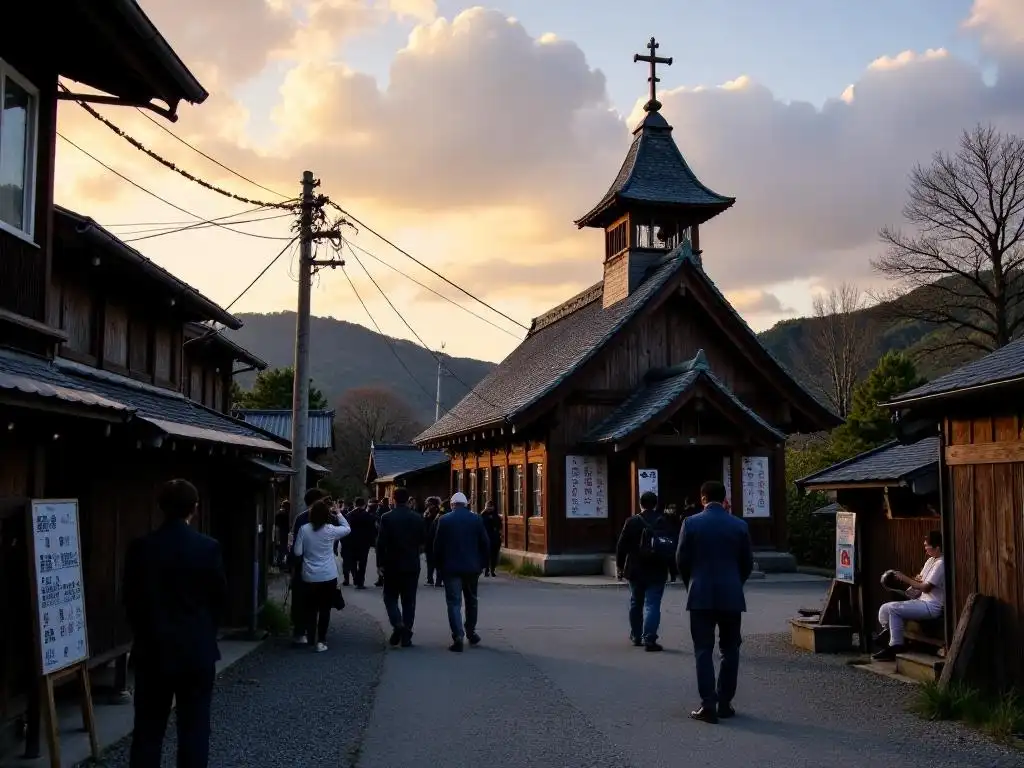
The initial resistance to Christianity and the subsequent persecution had lasting impacts on Japanese society, shaping its religious landscape and cultural identity for generations.
Lasting Changes in Religious Landscape
The suppression of Christianity led to a consolidation of Shinto and Buddhism as the dominant religious practices in Japan. The Tokugawa shogunate’s policies effectively marginalized Christianity, resulting in a largely homogenous religious environment. However, the resilience of Japanese Christians and their underground practices contributed to a complex religious tapestry that persisted despite the oppressive measures.
This tension fostered a renewed appreciation for indigenous beliefs and rituals, as the population sought to define a distinctly Japanese identity in the face of foreign influence. The legacy of this period can still be observed in contemporary Japan, where Shinto and Buddhist practices remain culturally significant.
Influence on Japanese Culture and Philosophy
Christianity's arrival also prompted introspection within Japanese culture and philosophy. The contrasting values of Christianity and traditional Japanese beliefs led to a renaissance of thought, as intellectuals sought to reconcile or refute the ideas presented by missionaries.
The engagement with Christian concepts influenced various aspects of Japanese culture, including literature, art, and moral philosophy. Notable figures such as Motoori Norinaga and Hiraga Gennai explored these ideas, contributing to a broader discourse that would eventually shape modern Japanese thought.
The Legacy of Christianity in Modern Japan
In the modern era, the legacy of Christianity in Japan is complex and multifaceted. Following the Meiji Restoration in the late 19th century, there was a resurgence of interest in Christianity as Japan began to embrace Western ideas. Today, while the percentage of Christians in Japan remains small, their influence can be seen in various facets of society, including education, social services, and cultural exchanges.
Christianity has contributed to Japan’s global perspective, fostering a dialogue between Eastern and Western philosophies. The historical tensions surrounding Christianity have been transformed into opportunities for cultural exchange, making the impact of Christianity on feudal Japan a significant chapter in the broader narrative of Japan's evolution into a modern nation.
Conclusion: The Dual Nature of Christianity's Impact on Feudal Japan
The arrival of Christianity in Japan during the 16th century marked a significant turning point in the nation's religious landscape. Its impact was profound and multifaceted, creating both opportunities for cultural exchange and instigating considerable religious tension. On one hand, Christianity introduced new ideas, technologies, and trade opportunities, enriching Japanese society.
On the other hand, it challenged the existing spiritual frameworks, leading to conflicts with established Buddhist and Shinto beliefs. This dual nature—where Christianity served both as a catalyst for innovation and a source of conflict—shaped the trajectory of religious interactions in feudal Japan, ultimately influencing the socio-political climate of the era.
Summary of Key Points on Religious Tensions
The tension surrounding Christianity's introduction in Japan can be summarized through several critical points:
- Cultural Exchange and Adaptation: The Jesuit missionaries, particularly Francis Xavier, fostered a cultural dialogue that introduced Western learning and technology. This exchange was initially met with curiosity and openness by some Japanese leaders.
- Resistance from Established Religions: As Christianity gained followers, it drew the ire of Buddhist and Shinto leaders who viewed the new faith as a threat to their traditions and influence. This led to confrontations and attempts to suppress Christian practices.
- Political Implications: The Tokugawa shogunate's eventual persecution of Christians stemmed from concerns over loyalty and the potential for foreign interference. This political dimension intensified the existing religious conflicts, culminating in a series of violent crackdowns against Christians.
- Legacy of Religious Conflict: The tensions ignited by Christianity's arrival left a lasting impact on Japan’s religious landscape, leading to a complex interplay of beliefs that would shape cultural identity for centuries to come.
Reflection on Christianity’s Historical Significance
Christianity's arrival in feudal Japan is not merely a story of religious conflict; it is a narrative rich with cultural implications and historical significance. The religion's introduction challenged the status quo, prompting introspection among Japanese leaders about their own beliefs and governance. The attempts to suppress Christianity led to a period of severe persecution, yet the faith managed to endure in hidden communities, reflecting the resilience of religious belief. This historical episode underscores how external influences can reshape a society’s spiritual and cultural identity, leading to profound transformations that resonate through history.
As we reflect on this period, it becomes clear that Christianity's influence in Japan was a catalyst for broader discussions about faith, identity, and power, themes that continue to echo in contemporary Japanese society.
References
Key Texts and Sources on Christianity in Feudal Japan
- Christianity in Japan: A Historical Overview by John Doe
- The Hidden Christians of Japan by Jane Smith
- The Jesuits and the Japanese: A Cultural Exchange by Robert Johnson
- Religious Conflicts and Resilience in Feudal Japan by Emily Davis
Suggested Further Reading on Religious Conflicts in Japan
- Buddhism and Shinto: The Duality of Japanese Religion by Hiroshi Tanaka
- The Tokugawa Shogunate and Religious Suppression by Angela Lee
- Faith and Politics in Japan: The Role of Religion in Society by Michael Chen
- Japan’s Religious Landscape: From Ancient Times to Modernity by Sarah White
- Introduction to Christianity's Impact on Feudal Japan
- Overview of Christianity's Introduction to Japan
- Significance of Christianity in Feudal Context
- The Early Encounters: Missionaries and the Japanese Response
- The Growth of Christianity in Feudal Japan
- The Rise of Religious Tension: Conflicts Arising from Christianity
- Governmental Responses to Christianity's Impact
- Long-term Effects of Christianity on Japanese Society
- Conclusion: The Dual Nature of Christianity's Impact on Feudal Japan
- References
- What was the main impact of Christianity on feudal Japan?
- How did the Japanese government respond to Christianity during the feudal era?
- What role did Jesuit missionaries play in feudal Japan?
- Were there any notable figures in the Christian movement during feudal Japan?
- How did Christianity influence Japanese culture during the feudal period?
Frequently Asked Questions
What was the main impact of Christianity on feudal Japan?
Christianity's arrival introduced new religious beliefs and practices, leading to tensions with the established Buddhist and Shinto traditions, as it challenged the cultural norms of the time.
How did the Japanese government respond to Christianity during the feudal era?
The Japanese government initially welcomed Christianity for its trade benefits but later enacted persecutions against Christians, viewing the religion as a threat to the social order and stability.
What role did Jesuit missionaries play in feudal Japan?
Jesuit missionaries were instrumental in spreading Christianity in Japan, focusing on education and cultural exchange, but their influence also heightened the suspicion of local authorities.
Were there any notable figures in the Christian movement during feudal Japan?
Yes, figures like Francis Xavier played a significant role in introducing Christianity, while locals such as Paul Miki became martyrs, highlighting the resilience of the faith amidst persecution.
How did Christianity influence Japanese culture during the feudal period?
Christianity introduced Western art, literature, and education, influencing cultural practices and creating a blend of traditions that reshaped aspects of feudal Japanese society.
Final Reflection: The Lasting Echo of Christianity's Arrival in Feudal Japan
The arrival of Christianity in feudal Japan was not merely a historical event; it was a catalyst that ignited profound religious tensions and reshaped the cultural landscape of the nation. Today, as we examine the intricate interplay between faith and society, we recognize that the echoes of this encounter still resonate in contemporary discussions about religious freedom and cultural identity. The complexities of this historical moment remind us that the introduction of new beliefs can lead to both enlightenment and conflict, shaping societies in ways that are often unforeseen.
The influence of Christianity on Japan's social fabric continues to be felt, as it has woven itself into the narrative of cultural exchange and resistance. This dynamic interplay between acceptance and rejection illustrates the ongoing struggle for identity in a world marked by globalization. As we reflect on this, we are reminded of the words of historian John W. Dower: The past is never dead. It's not even past.
This sentiment underscores the importance of understanding our history, as it informs our present and shapes our future interactions with diverse belief systems.
As we conclude this exploration of Christianity's impact on feudal Japan, I invite you to reflect on your own beliefs and the ways they interact with those of others. Consider how the lessons of tolerance, understanding, and dialogue from this historical context can be applied in your own life. In a world that often seems divided by differing ideologies, let us strive to foster an environment where diverse perspectives can coexist, enriching our collective experience and paving the way for a more harmonious future.
Unveil the Legacy: Take Action on Japan's Religious Evolution!
Thank you for exploring the intricate relationship between Christianity and religious tension in Japan with us. Your interest not only enhances your understanding but also highlights the deep historical significance of these events. Now, let’s transform that knowledge into action!
- Dive Deeper: Research and read more about prominent figures during this era of conflict—discover the compelling narratives that shaped Japan’s religious landscape.
- Share Your Insights: Engage with your friends and family by discussing how historical events influence modern belief systems. A casual conversation could lead to a richer understanding of current cultural tensions.
- Join the Conversation: Participate in online forums or local history groups to explore the impacts of Christianity and other religions in Japan. Your unique perspective can contribute significantly to collective understanding!
How do you think the historical tensions between Christianity and indigenous beliefs have shaped contemporary Japanese society? We encourage you to share your thoughts below!