
The Spiritual Warfare of the Sengoku Period: A Study of Conflicts

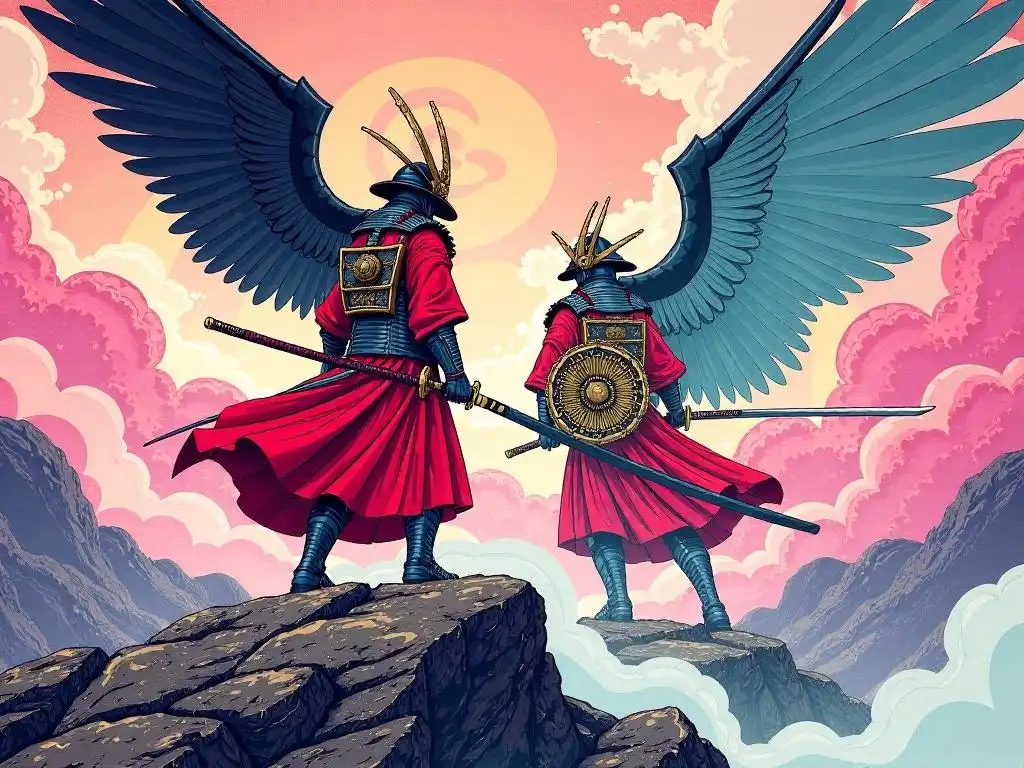
Welcome to Feudal Japan History, where we invite you to embark on a fascinating journey through the intricate tapestry of Japan's feudal era. Here, we delve deep into the Sengoku period, a time marked not only by fierce political strife but also by a unique interplay of spiritual warfare that shaped the very fabric of society. In our featured article, “The Spiritual Warfare of the Sengoku Period: A Study of Conflicts,” you will uncover the profound connections between belief systems and the tumultuous battles that defined this era.
Prepare to explore how the unseen forces of faith influenced the warriors and the course of history itself. Your adventure into the depths of religion and philosophy awaits—read on to unearth the mysteries that lie within!
Introduction to the Sengoku Period Spiritual Warfare Analysis
The Sengoku Period, often referred to as the "Warring States" period, was a tumultuous era in Japanese history that lasted from the mid-15th century to the early 17th century. This period was characterized by intense military conflict, political intrigue, and a dramatic transformation of societal structures. However, beyond the battlefield, spiritual warfare played a pivotal role in shaping the conflicts of the time. Understanding the dynamics of spiritual warfare during the Sengoku Period is essential for grasping the intricacies of feudal Japanese society and the motivations behind various clans and their leaders.
This article aims to provide a comprehensive analysis of spiritual warfare during the Sengoku Period, delving into the interplay between religion, culture, and conflict. We will explore how spiritual beliefs influenced military strategies, decisions, and the overall societal fabric of feudal Japan. By examining the key elements of this era, readers will gain insight into how spirituality and warfare were intertwined, shaping not only the outcomes of battles but also the very essence of Japanese identity during this critical period.
Overview of the Sengoku Period
The Sengoku Period, spanning approximately from 1467 to 1615, was a time marked by disunity and strife among various regional daimyo (feudal lords) vying for control over Japan. The power vacuum left by the Ashikaga shogunate's decline led to numerous conflicts, alliances, and betrayals, resulting in a fragmented political landscape.
Key characteristics of this period include:
- Fragmentation of Power: The weakening of centralized authority allowed local lords to assert dominance, leading to a patchwork of fiefdoms.
- Rise of Samurai Culture: As warfare intensified, the samurai class gained prominence, not only as warriors but also as influential political figures.
- Cultural Flourishing: Amidst the chaos, cultural developments such as tea ceremonies, Noh theatre, and the tea ceremony emerged, reflecting the intricate relationship between warfare and spirituality.
Importance of Spiritual Warfare in Feudal Japan
Spiritual warfare in feudal Japan went beyond mere physical confrontations. It encompassed a belief system where the spiritual realm significantly influenced the material world. Here are some key aspects highlighting its importance:
- Divine Favor: Clans often sought blessings from deities and engaged in rituals to secure divine favor, believing that spiritual strength could determine the outcome of battles.
- Warrior Ethics: The samurai code, known as Bushido, integrated spiritual beliefs, emphasizing honor, loyalty, and a connection to the spiritual world in their conduct of warfare.
- Influence of Buddhism and Shinto: These religions played a crucial role in shaping the moral compass of warriors, guiding their actions in both warfare and peace.
Historical Context of the Sengoku Period
To fully understand the spiritual warfare of the Sengoku Period, it is essential to examine the historical context that led to this era of conflict and the influential clans that shaped its spiritual landscape.
Key Events Leading to the Sengoku Period
Several pivotal events set the stage for the Sengoku Period:
- Onin War (1467-1477): This conflict marked the beginning of the Sengoku Period, as it led to the breakdown of the Ashikaga shogunate's authority and the rise of local warlords.
- Rise of the Daimyo: The emergence of powerful regional lords who began to consolidate territories and engage in warfare for supremacy.
- Cultural Shifts: The introduction of new philosophies and religious practices that influenced the spiritual beliefs of the warriors and their motivations in battle.
Major Clans and Their Influence on Spiritual Beliefs
The Sengoku Period saw the rise of several influential clans, each with its own spiritual beliefs and practices that shaped the course of conflicts:
- Oda Clan: Known for their innovative military strategies, the Oda sought divine guidance through Shinto rituals to legitimize their rule.
- Tokugawa Clan: Their eventual unification of Japan came with a strong emphasis on Confucian values intertwined with Buddhist practices, promoting a harmonious society.
- Uesugi Clan: Renowned for their deep connection to Zen Buddhism, the Uesugi believed in the spiritual power of their cause, often painting their conflicts as sacred battles.
In exploring these aspects, we can gain a deeper understanding of the significance of spiritual warfare during the Sengoku Period, revealing a complex interplay between faith, power, and conflict in feudal Japan.
The Role of Religion in Sengoku Spiritual Warfare
Religion played a pivotal role in the conflicts of the Sengoku period (1467-1615), deeply intertwining with the motivations, strategies, and outcomes of warfare. As regional daimyōs vied for power, they often invoked religious authority to legitimize their claims and rally support from their followers. The interplay between Shintoism, Buddhism, and the nascent presence of Christianity not only influenced the spiritual landscape of the time but also shaped the very nature of warfare and conflict resolution. Understanding this relationship is crucial for a comprehensive analysis of Sengoku period spiritual warfare.
Shintoism and Its Influence on Warfare
Shintoism, the indigenous religion of Japan, played a significant role in the spiritual warfare of the Sengoku period. Central to Shinto beliefs is the veneration of kami, or spirits, which were thought to inhabit natural elements and ancestors. Samurai and daimyōs often sought the blessings of these kami before engaging in battle, believing that divine favor would grant them victory.
Shrines, such as the Ise Grand Shrine, became places where warriors prayed for protection and success in combat. The practice of ritual purification, or misogi, was essential before battles, as it was believed to cleanse warriors of impurities that could invoke the wrath of the kami. Moreover, the concept of divine rule, embodied in the belief that the emperor was a descendant of the sun goddess Amaterasu, reinforced the idea that warfare could be a means of fulfilling a divine mandate.
Buddhism's Role in Conflict and Peace
Buddhism offered a contrasting perspective during the Sengoku period, emphasizing peace, compassion, and the impermanence of life. However, its influence on warfare was complex. While many Buddhist teachings encouraged non-violence, certain sects, like the Nichiren and Pure Land schools, became actively involved in conflicts. The warrior monks, or sohei, associated with various temples, often engaged in battles to protect their interests or assert their beliefs.
Buddhism also provided spiritual solace to warriors, with teachings on karma and the cycle of rebirth shaping their understanding of death in battle. Monasteries served as both religious sanctuaries and strategic military outposts, indicating the dual role of Buddhism in the Sengoku period. Notably, the impact of Buddhist rituals, such as funerals and memorial services, was significant in providing peace to the families of fallen warriors and maintaining morale among the living.
The Impact of Christianity During the Sengoku Period
Christianity, introduced by European missionaries in the 1540s, had a transformative yet contentious impact during the Sengoku period. Initially, it gained traction among certain daimyōs, who saw the religion as a means to forge alliances with European powers and access advanced weaponry and trade. The Jesuits, in particular, emphasized the moral teachings of Christianity, which contrasted sharply with the prevailing Shinto and Buddhist practices.
However, Christianity also became a source of conflict. The rise of Christian daimyōs, such as Ōmura Sumitada and Matsukura Takanobu, led to tensions with traditional religious authorities and other warlords who viewed the new faith as a threat to their power and cultural identity. The eventual persecution of Christians in the late Sengoku period marked a significant shift, as the unification of Japan under Tokugawa Ieyasu sought to suppress foreign influence and restore native traditions.
Analysis of Spiritual Warfare Strategies
The Sengoku period's spiritual warfare strategies were multifaceted, reflecting the era's complex relationship between religion and conflict. From rituals to the use of protective symbols, these strategies played a crucial role in shaping the outcomes of battles and the psychological states of warriors.
Rituals and Ceremonies in Warfare
Rituals and ceremonies formed the backbone of spiritual warfare strategies during the Sengoku period. Before every major conflict, commanders would conduct a series of rituals to invoke the favor of the kami and ancestors. These included offerings, purification rites, and the recitation of prayers.
One notable practice was the “Shinto battle ceremony,” where leaders would present their battle plans to the kami, seeking divine guidance. The belief that victory was contingent upon spiritual readiness meant that these rituals were not merely formalities; they were viewed as essential for ensuring success on the battlefield. Additionally, the performance of these rituals in front of troops served to bolster morale and instill a sense of unity and purpose among warriors.
The Use of Amulets and Talismans for Protection
Amulets and talismans were widely used by samurai and ordinary soldiers as a means of spiritual protection during the Sengoku period. These objects, often inscribed with prayers or the names of deities, were believed to ward off misfortune and enemy attacks.
Warriors would carry these charms into battle, viewing them as a source of confidence and strength. Temples and shrines produced various protective talismans, each tailored to specific needs, such as safeguarding against injury or ensuring victory. The psychological effect of having a tangible symbol of divine protection cannot be underestimated, as it provided warriors with a sense of security amidst the chaos of battle.
Prayer and Meditation as Warfare Techniques
Prayer and meditation emerged as important techniques in the spiritual warfare arsenal during the Sengoku period. Before battles, warriors often engaged in prayer to seek guidance, strength, and calmness. This practice was not limited to Shinto or Buddhist traditions; elements from both religions were often blended, showcasing a unique spiritual syncretism.
Meditation, particularly within Zen Buddhism, was utilized to cultivate focus and mental clarity. This practice enabled samurai to achieve a state of heightened awareness, which was crucial for survival in combat. The ability to remain calm and centered amidst the turmoil of battle was viewed as a tactical advantage, reflecting the deep intertwining of spirituality and martial prowess during this tumultuous era.
The analysis of spiritual warfare strategies during the Sengoku period reveals a rich tapestry of beliefs and practices that significantly influenced the conduct of warfare. Understanding these elements provides invaluable insights into the broader societal and cultural dynamics of feudal Japan.
Case Studies of Notable Conflicts
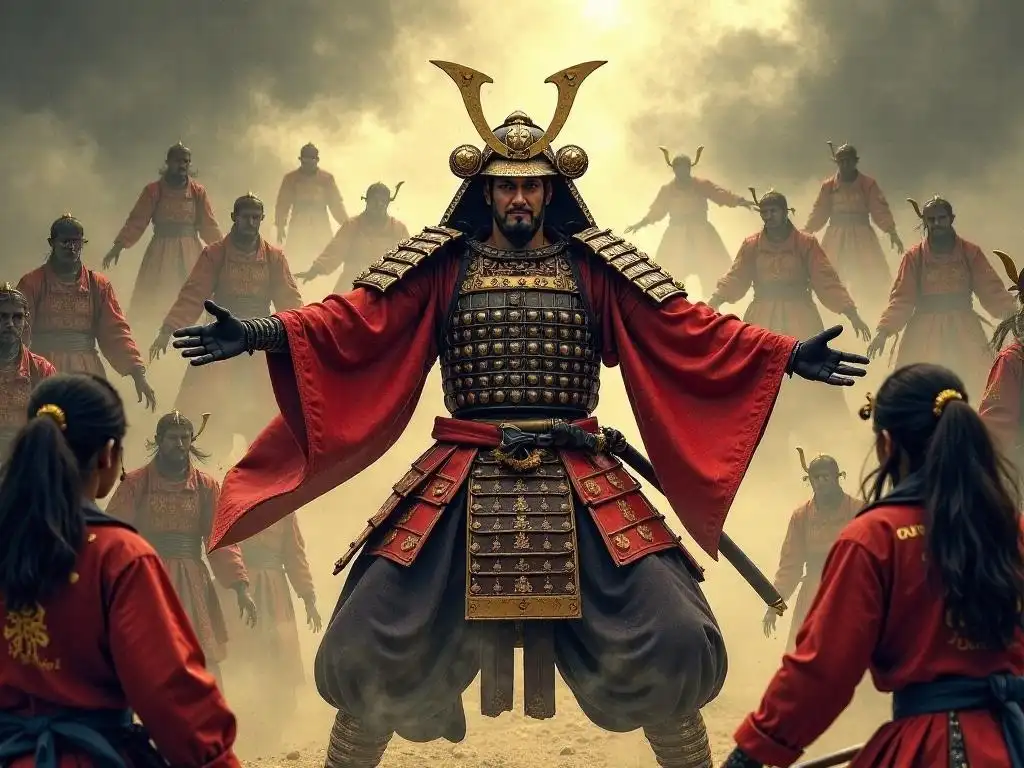
The Sengoku period, often characterized by its political intrigue and military strife, also served as a battleground for spiritual beliefs and practices. Various conflicts during this time not only reflected the ambitions of samurai clans but also highlighted the pervasive influence of religion. This section delves into notable conflicts, exploring how spiritual dimensions shaped their outcomes and societal impacts.
The Battle of Okehazama: A Spiritual Perspective
The Battle of Okehazama, fought in 1560 between Oda Nobunaga and Imagawa Yoshimoto, serves as a prime example of how spiritual beliefs infused military strategies and morale. Nobunaga's forces, significantly outnumbered, relied on the belief that divine favor was on their side. The encounter occurred during a torrential rainstorm, which many interpreted as a sign from the gods.
Nobunaga's victory against the odds was viewed not merely as a tactical triumph but as a manifestation of his spiritual superiority and the favor of the deities. This battle exemplifies how spiritual warfare could be seen as an extension of the martial prowess, where divine intervention was believed to play a critical role in the outcome of conflicts.
The Siege of Osaka: Religious Undertones and Beliefs
The Siege of Osaka (1614-1615) marked a significant turning point in the spiritual landscape of Japan, intertwining the fate of the Toyotomi clan with the emerging Tokugawa shogunate. Central to this conflict was the role of Buddhism, particularly the Nichiren sect, which became a rallying point for Toyotomi loyalists.
The siege was not merely a military engagement; it was a clash of ideologies, with the Tokugawa shogunate representing a new order that sought to suppress the spiritual autonomy of the rival sects. The religious fervor of the defenders, believing they were fighting for the preservation of their faith, intensified the conflict, turning the siege into a spiritual struggle for survival that resonated deeply with the populace.
Analysis of Religious Symbolism in Key Battles
Religious symbolism played a crucial role in shaping the narratives surrounding key battles during the Sengoku period. Symbols such as the Shinto torii gate and Buddhist icons were often employed to invoke divine protection and blessings. For instance, samurai would carry talismans or banners adorned with religious imagery into battle, believing that these emblems would ensure victory and safeguard their souls.
Furthermore, the rituals performed before battles, including prayers and offerings to the deities, were meant to invoke spiritual favor. This analysis reveals the intricate relationship between military endeavors and spiritual beliefs, illustrating how the two realms were inextricably linked during this tumultuous era.
The Influence of Spiritual Warfare on Society
Spiritual warfare during the Sengoku period profoundly influenced Japanese society, shaping not just the outcomes of battles but also the very fabric of social structures and ethics. The intertwining of religious beliefs with martial activities led to significant changes in samurai culture and societal dynamics.
How Spiritual Beliefs Shaped Samurai Ethics
The ethical framework of the samurai was heavily influenced by spiritual beliefs, particularly the tenets of Buddhism and Shinto. Concepts such as honor, loyalty, and self-sacrifice were deeply intertwined with religious doctrines. Samurai were taught that their martial prowess was a reflection of their spiritual state, leading to a code of conduct that emphasized the importance of virtue. This spiritual underpinning fostered a culture where ethical behavior was not merely a societal expectation but a divine imperative, significantly affecting their actions in both warfare and governance.
The Role of Spiritual Leaders in Conflicts
Spiritual leaders played a pivotal role during the Sengoku period, often acting as mediators in conflicts or rallying points for clans. Monks and priests were not only religious figures but also influential political players. Their ability to mobilize followers and invoke spiritual authority made them essential to the dynamics of warfare. For instance, during the Siege of Osaka, the support of influential Buddhist monks enhanced the morale of the Toyotomi forces, showcasing how spiritual leaders could sway the tides of battle through their teachings and influence.
Changes in Social Structures Due to Spiritual Warfare
The incessant conflicts and the intertwining of spirituality with warfare led to notable shifts in social structures throughout the Sengoku period. As spiritual beliefs became increasingly vital to the identity of samurai and their clans, a more stratified society emerged, with spiritual leaders gaining prominence.
The rise of religious sects also gave way to new social dynamics, as followers of different faiths aligned themselves with specific factions. This resulted in a complex tapestry of alliances and rivalries that were as much about religious identity as they were about political power, profoundly impacting the social hierarchy and community relations in feudal Japan.
Conclusion: The Legacy of Sengoku Period Spiritual Warfare
The Sengoku Period, with its intense conflicts and political fragmentation, left an indelible mark on Japanese society and spirituality. This era was characterized not only by physical battles but also by a profound spiritual struggle that intertwined religion and warfare. The legacy of spiritual warfare during this tumultuous time can be observed in various aspects of Japanese culture, philosophy, and religious practices that persist today.
As clans vied for power, they often invoked deities and Buddhist practices to legitimize their claims and bolster the morale of their troops. The concept of spiritual warfare became a crucial tool for leaders seeking divine favor, reflecting a deep-seated belief that the outcomes of earthly conflicts were influenced by the spiritual realm. This intricate relationship between warfare and spirituality laid a foundation for how conflicts are interpreted in modern Japan, as well as influencing the nation’s approach to spirituality and religion in times of crisis.
Moreover, the Sengoku Period's spiritual warfare has implications that extend beyond historical analysis. It prompts reflections on how contemporary society perceives the interplay of religion and conflict, as well as how cultural narratives surrounding this era continue to shape Japan's national identity.
Lasting Impact on Modern Japanese Spirituality
The spiritual dimensions of the Sengoku Period continue to resonate in modern Japanese spirituality. Practices such as Shinto rituals and Buddhist ceremonies that emerged during this time have evolved but remain integral to Japanese cultural identity. Temples and shrines established during the Sengoku Period still serve as spiritual centers, where the historical narratives of conflict and divine intervention are commemorated.
Furthermore, the Sengoku Period's emphasis on seeking divine guidance in decisions reflects a lasting belief in the interplay between the sacred and the mundane. This is evident in modern practices where individuals and communities engage in shrine visits and ritual offerings, seeking blessings for personal and collective endeavors. The spiritual legacy of this era also influences contemporary literature, art, and popular culture, often portraying the romanticized view of samurai seeking spiritual enlightenment amid the chaos of war.
Reflections on Warfare and Religion in Contemporary Society
In today's global landscape, the connection between warfare and religion remains a pertinent issue. The Sengoku Period offers historical insights into how societies navigate the complexities of conflict intertwined with spiritual beliefs. Contemporary conflicts often echo similar themes of religious justification or motivation, reminding us that the spiritual dimensions of warfare are not confined to the past.
As we reflect on the legacy of the Sengoku Period, it becomes essential to examine how spirituality can both mitigate and exacerbate conflict. Modern Japanese society, while largely secular, still grapples with its historical narratives, which can influence public perception and response to contemporary issues involving religion and violence. The lessons from this era encourage a nuanced understanding of how spiritual beliefs can shape not only individual motivations but also collective actions in the face of conflict.
References and Further Reading
Key Texts on Sengoku Period Spiritual Warfare Analysis
-
"The Samurai and the Sacred" by John M. Smith
This book explores the spiritual beliefs and practices of samurai during the Sengoku Period, emphasizing their connection to warfare.
-
"Warfare and Religion in Japan: The Sengoku Period" by Hiroshi Tanaka
Tanaka provides a detailed analysis of how religious beliefs influenced military strategies and decisions during the Sengoku Period.
-
"Shinto and the Samurai: The Spirituality of the Sengoku Era" by Akiko Matsumoto
This text examines the interrelationship between Shinto practices and samurai culture, highlighting the spiritual aspects of warfare.
Recommended Resources for Understanding Feudal Japan's Religion and Philosophy
-
"Feudal Japan: A History" by Michael A. S. Watanabe
A comprehensive overview of Japan's feudal era, touching on religious and philosophical dimensions.
-
"The World of the Shinto Gods" by Yoko Hirai
This resource provides insights into the Shinto beliefs that permeated the Sengoku Period and their influence on samurai culture.
-
"Buddhism and the Japanese Way of War" by Tetsuya Yamada
An exploration of the role of Buddhism during the Sengoku Period, focusing on its impact on warfare and societal norms.
These texts and resources serve as valuable tools for those interested in delving deeper into the complexities of spiritual warfare during Japan's Sengoku Period and understanding the broader implications for the country's religious landscape.
- Introduction to the Sengoku Period Spiritual Warfare Analysis
- Historical Context of the Sengoku Period
- The Role of Religion in Sengoku Spiritual Warfare
- Analysis of Spiritual Warfare Strategies
- Case Studies of Notable Conflicts
- The Influence of Spiritual Warfare on Society
- Conclusion: The Legacy of Sengoku Period Spiritual Warfare
- References and Further Reading
Frequently Asked Questions
What was the Sengoku period?
The Sengoku period (1467-1615) was a time of political fragmentation and military conflict in Japan, characterized by numerous warring states vying for power and territory.
How did spiritual warfare manifest during the Sengoku period?
Spiritual warfare during the Sengoku period involved the use of supernatural beliefs, rituals, and divination to influence the outcome of battles and bolster the morale of troops.
What role did Buddhism and Shinto play in the Sengoku period's spiritual warfare?
Both Buddhism and Shinto were integral in shaping the spiritual landscape of the Sengoku period, as they provided ritualistic practices and protective deities that warriors relied on for guidance and success.
How did warriors use spiritual tactics in battles?
Warriors employed spiritual tactics such as prayers, offerings, and consulting fortune tellers to gain favor from the gods and instill fear in their enemies, believing that these acts could influence the outcome of conflicts.
What impact did the spiritual beliefs of the time have on society?
The spiritual beliefs of the Sengoku period shaped societal norms, influencing everything from morality to leadership, as leaders often used spiritual legitimacy to justify their authority and decisions.
Final Reflection: The Enduring Legacy of Spiritual Warfare in the Sengoku Period
The Sengoku period's intricate tapestry of conflict and spirituality remains profoundly relevant today, as it reveals the complexities of human nature and the battles that rage within us. The struggles faced during this tumultuous era were not merely physical; they were deeply intertwined with the spiritual beliefs and practices that shaped the lives of those involved. Understanding this connection allows us to appreciate how the past informs our present, reminding us that the conflicts we face today—both internal and external—are often rooted in deeper existential questions.
The spiritual warfare of the Sengoku period has left an indelible mark on Japan's cultural and social landscape, influencing everything from literature to modern-day practices. The interplay between faith and conflict during this time serves as a powerful reminder of how belief systems can shape our actions and decisions. As the historian John W. Hall once noted, The past is never dead. It's not even past.
This sentiment rings true as we observe how the spiritual struggles of the Sengoku period continue to resonate in contemporary discussions about identity, morality, and the human condition.
As we reflect on the lessons of the Sengoku period, let us invite ourselves to engage in our own spiritual battles with courage and introspection. Consider how the themes of conflict and belief manifest in your life today. Are there internal struggles that require your attention?
How can understanding the past empower you to navigate your present? Embrace the opportunity to learn from history, allowing it to guide you in fostering peace within yourself and your community. The spiritual warfare of the Sengoku period is not just a relic of the past; it is a call to action for us all.
Embrace the Lessons of the Sengoku Period!
Thank you for diving into the intricate world of spiritual warfare during the Sengoku Period! You've explored the depth of conflicts and the profound beliefs that shaped this fascinating era. Now, it's time to embrace these lessons and apply them to your own journey.
Here are some actionable steps to deepen your understanding and engage with this rich history:
- Explore further: Read additional books or articles about the Sengoku Period to uncover lesser-known conflicts and spiritual practices.
- Join a discussion: Share your thoughts about the Sengoku Period on our forum or connect with others who are interested in feudal Japan.
- Reflect personally: Consider how the themes of resilience and strategy from the Sengoku Period can inspire your daily life and decision-making.
What aspect of the Sengoku Period resonates with you the most, and how can you incorporate its lessons into your own life? We’d love to hear your insights!