
The Intersection of Buddhism and Shinto: A Dual Philosophical Framework


Welcome to Feudal Japan History, where we invite you to embark on a captivating journey through the intricate tapestry of Japan’s feudal era. Here, history comes alive as we delve into the intertwining paths of Buddhism and Shinto, exploring how these two profound belief systems shaped the cultural and spiritual landscape of Japan. Prepare to uncover the fascinating nuances of this dual philosophical framework and its lasting impact on society.
As you navigate through our expert-driven insights, you’ll find yourself questioning and discovering more about the rich heritage that defines Japan. Are you ready to explore the sacred intersections of faith and tradition? Let’s begin!
Introduction to Buddhism and Shinto in Japan
In the rich tapestry of Japan's religious landscape, Buddhism and Shinto stand as two pivotal pillars that have shaped the nation’s culture, philosophy, and societal norms. This dual philosophical framework offers a unique lens through which to explore the intricate dynamics of Japanese spirituality. While Buddhism, introduced from the Asian mainland, brought with it profound philosophical teachings and practices, Shinto, as the indigenous belief system, encapsulates the reverence for nature and ancestral spirits. Understanding the interplay between these two religions is essential for grasping the essence of Japan's historical evolution and cultural identity.
The coexistence of Buddhism and Shinto in Japan is not merely a matter of parallel beliefs; it represents a fascinating dialogue that has influenced art, literature, and societal values throughout the centuries. This article delves into the nuances of both religions, examining their historical contexts, core tenets, and the significant moments that have fostered their interconnection.
Overview of Buddhism in Japan
Buddhism made its way to Japan in the 6th century, arriving primarily through Korea. This introduction brought a wealth of spiritual philosophies, practices, and artistic influences that would gradually weave into the fabric of Japanese life.
- Schools of Thought: Various branches of Buddhism, such as Zen, Pure Land, and Nichiren, became prominent, each contributing unique perspectives on enlightenment, morality, and the nature of existence.
- Cultural Impact: The influence of Buddhism can be seen in Japanese art, architecture, and literature, with temples and shrines becoming centers of community life and learning.
Buddhism's adaptability allowed it to resonate deeply with the Japanese people, leading to a unique interpretation that often blended with indigenous beliefs.
Overview of Shinto in Japan
Shinto, often described as the “way of the gods,” is Japan's ancient spiritual system, deeply rooted in the country's agrarian past and animistic beliefs.
- Core Principles: At its heart lies the veneration of kami (spirits or deities), which can be found in natural elements—trees, rivers, mountains, and even ancestors.
- Rituals and Practices: Shinto rituals are integral to community life, emphasizing purification, offerings, and festivals that celebrate the changing seasons and agricultural cycles.
Shinto's enduring presence highlights the Japanese connection to nature and the importance of harmony within the community.
Importance of Studying Buddhism and Shinto Together
The interplay between Buddhism and Shinto is essential for understanding Japan's spiritual landscape. Studying these two religions together reveals:
- Syncretism: The blending of practices and beliefs has led to a unique spiritual identity that transcends individual doctrines.
- Cultural Continuity: Many Japanese people engage in rituals from both traditions, such as Shinto weddings followed by Buddhist funerals, illustrating a seamless integration of faiths.
- Philosophical Depth: The dual framework provides insights into broader philosophical questions about existence, morality, and the nature of the divine.
Exploring the relationship between Buddhism and Shinto enriches our understanding of Japanese culture and its philosophical underpinnings.
Historical Context of Buddhism and Shinto
To fully appreciate the intersection of Buddhism and Shinto, it is crucial to examine the historical context that shaped their development and mutual influence.
The Arrival of Buddhism in Japan
Buddhism was officially introduced to Japan in the mid-6th century, with the arrival of Buddhist missionaries and artifacts from Korea. This event marked a significant transformation in Japanese spirituality, as:
- Imperial Support: The support from the ruling elite, particularly during the Asuka period, facilitated the establishment of Buddhist temples and institutions.
- Cultural Exchange: The transmission of Buddhist texts and practices led to a profound cultural exchange that incorporated elements of Chinese art, philosophy, and governance.
As Buddhism took root, it began to coexist with existing Shinto practices, leading to a dynamic religious landscape.
The Evolution of Shinto Practices
Throughout history, Shinto has evolved, adapting to societal changes and external influences, including the arrival of Buddhism. Key aspects of this evolution include:
- Formalization: The codification of Shinto rituals and beliefs during the Heian period (794-1185) helped solidify its role as a national faith alongside Buddhism.
- Resilience: Shinto’s adaptability has allowed it to survive and thrive even through periods of persecution and change, reinforcing its significance in Japanese culture.
The evolution of Shinto reflects the ongoing negotiation between indigenous beliefs and foreign influences, particularly Buddhism.
Key Historical Events Influencing Both Religions
Several pivotal events have shaped the relationship between Buddhism and Shinto, including:
- The Nara Period (710-794): The establishment of state-sponsored Buddhism led to the construction of significant temples and the integration of Buddhist practices into Shinto rituals.
- The Meiji Restoration (1868): The government attempted to separate Shinto and Buddhism, promoting Shinto as the state religion, which led to a temporary decline in Buddhist influence.
- Post-War Period: The re-emergence of both religions in contemporary Japan illustrates their resilience and the continued relevance of their philosophical teachings.
Understanding these key historical events provides insight into the complex dynamics that define the relationship between Buddhism and Shinto in Japan.
Core Beliefs and Practices in Buddhism and Shinto
The interplay between Buddhism and Shinto in Japan creates a rich tapestry of beliefs and practices that have evolved over centuries. Both religions coexist, influencing each other while maintaining distinct identities. Understanding their core beliefs and practices is essential to grasp the broader implications of this dual philosophical framework.
Fundamental Principles of Buddhism
Buddhism, which originated in the Indian subcontinent around the 5th century BCE, is centered on the teachings of Siddhartha Gautama, known as the Buddha. Its fundamental principles include:
- The Four Noble Truths:
- Dukkha: The reality of suffering.
- Samudaya: The cause of suffering, which is desire.
- Nirodha: The cessation of suffering.
- Magga: The path leading to the cessation of suffering, known as the Eightfold Path.
- Karma and Rebirth: The belief that actions have consequences, affecting an individual’s future rebirths, encapsulating ethical behavior's importance.
- Nirvana: The ultimate goal of Buddhist practice, signifying liberation from the cycle of birth, death, and rebirth (samsara).
The practices of Buddhism include meditation, ethical conduct, and the cultivation of wisdom and compassion. Rituals such as chanting, offerings, and participating in ceremonies play vital roles in expressing devotion and community.
Fundamental Principles of Shinto
Shinto, the indigenous spirituality of Japan, emphasizes a connection with nature, ancestors, and kami (spiritual beings or gods). Its core principles include:
- Kami: Central to Shinto belief, kami are revered spirits that inhabit natural elements, such as mountains, rivers, and trees, as well as ancestors.
- Ritual Purity: Purification practices (harae) are essential, as cleanliness is believed to attract kami and facilitate communication between the spiritual and physical worlds.
- Festivals (Matsuri): Celebrations and rituals honoring kami ensure harmony and gratitude. These festivals often involve processions, offerings, and communal activities.
- Connection to Nature: Shinto emphasizes the importance of nature and the environment, viewing it as sacred and interconnected with human life.
The practices of Shinto include visiting shrines, making offerings, and engaging in rituals to honor kami and ancestors. This often involves community participation and a strong sense of local identity.
Comparative Analysis of Rituals and Worship
While Buddhism and Shinto have distinct rituals and practices, their overlap is significant in the Japanese cultural context.
- Rituals: Both religions incorporate rituals that emphasize purification and respect for the divine. For example, Buddhist ceremonies often involve offerings and chanting, while Shinto rituals focus on purifying spaces and honoring kami.
- Worship: In Buddhism, worship typically occurs in temples and involves meditation and offerings to the Buddha and bodhisattvas. In contrast, Shinto worship centers around shrines, with rituals performed to appease kami and seek blessings.
- Community Engagement: Both religions foster community through shared rituals and festivals. Events such as Obon, which honors the spirits of ancestors, illustrate how both traditions can come together in a shared cultural framework.
The Relationship Between Buddhism and Shinto
The relationship between Buddhism and Shinto in Japan is complex and characterized by a unique form of syncretism. This intermingling has shaped Japanese spiritual life and cultural practices, leading to a harmonious coexistence.
Syncretism of Buddhism and Shinto
Syncretism refers to the merging of different religious beliefs and practices. In Japan, the fusion of Buddhism and Shinto has occurred since the arrival of Buddhism in the 6th century. Key aspects of this syncretism include:
- Shared Spaces: Many shrines and temples coexist, with sites like the Tōdaiji temple in Nara exemplifying a place where both Buddhist and Shinto practices are honored.
- Cultural Practices: Festivals often reflect elements from both religions, showcasing the seamless integration of Buddhist and Shinto beliefs in everyday life.
- Philosophical Overlap: Concepts such as compassion in Buddhism resonate with the reverence for kami in Shinto, emphasizing a shared ethical framework that promotes harmony and respect.
Influence on Japanese Culture and Society
The intersection of Buddhism and Shinto has profoundly influenced various aspects of Japanese culture and society, including:
- Art and Literature: Artistic expressions often intertwine Buddhist and Shinto themes, seen in traditional paintings, sculptures, and literature that celebrate both spiritual traditions.
- Ceremonial Practices: Life events, such as births, weddings, and funerals, often draw from both religions. For instance, Shinto rituals may be performed for weddings, while Buddhist ceremonies are common for funerals.
- Philosophical Inquiry: The dual philosophical framework encourages a broader exploration of existence, ethics, and spirituality, allowing individuals to draw from both traditions for personal beliefs and practices.
Case Studies of Coexistence in Historical Contexts
Several historical examples illustrate the coexistence of Buddhism and Shinto in Japan:
- Nara Period (710-794): The establishment of Buddhism alongside Shinto during this time marked the beginning of formal recognition of both religions, leading to shared patronage by the imperial court.
- Meiji Restoration (1868): The government’s attempt to separate Shinto as the state religion from Buddhism led to significant conflict. However, many practices continued to integrate both beliefs, highlighting the resilience of syncretic traditions.
- Modern Japan: Today, many Japanese people identify with both religions, participating in Shinto rituals for celebrations and Buddhist practices for funerals, showcasing the enduring nature of this dual framework in contemporary society.
The coexistence of Buddhism and Shinto illustrates a unique cultural and spiritual heritage, emphasizing harmony and respect for diverse beliefs. This relationship continues to shape Japan’s identity, reflecting the country’s rich historical and philosophical landscape.
Philosophical Implications of Buddhism and Shinto
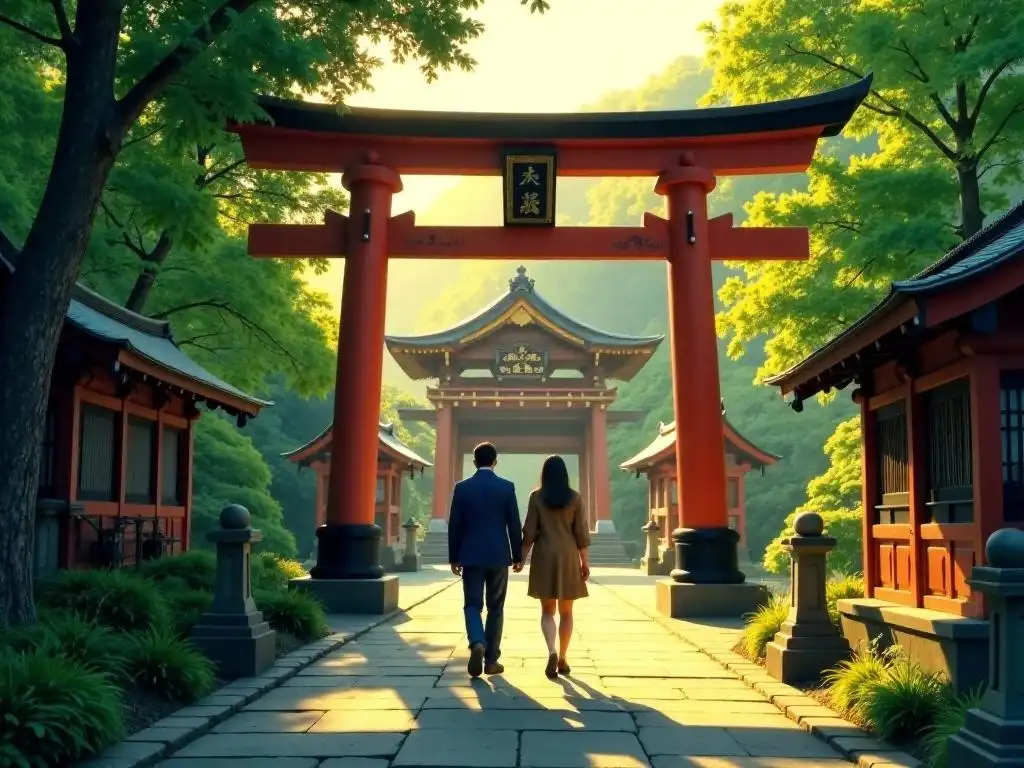
The intersection of Buddhism and Shinto in Japan creates a unique philosophical framework that reflects the complexities of Japanese spirituality. At its core, this duality allows for a synthesis of ideas that enriches both belief systems. Buddhism, with its focus on personal enlightenment and the alleviation of suffering, complements Shinto's emphasis on nature, community, and the veneration of kami (spirits). This interplay fosters a worldview that values both the transient nature of life and the importance of harmony with the natural world.
The philosophical implications extend into ethical considerations as well. Buddhism encourages mindfulness, compassion, and an understanding of the interconnectedness of all beings, while Shinto emphasizes purity, ritual, and the honoring of ancestors. Together, they create a rich tapestry of moral guidance that encourages individuals to live harmoniously within their communities and the environment. This dual framework not only influences personal beliefs but also shapes broader societal values in Japan.
Ethical Teachings in Buddhism
Buddhism teaches a set of ethical guidelines that are encapsulated in the Noble Eightfold Path, which includes right understanding, intention, speech, action, livelihood, effort, mindfulness, and concentration. These teachings emphasize the importance of personal responsibility and ethical conduct as a means to achieve enlightenment. The practice of compassion, known as karuna, is central to Buddhist ethics, urging followers to alleviate the suffering of others and promote well-being.
Additionally, the concept of karma underscores the ethical dimension of actions, suggesting that every deed has consequences that affect not only the individual but also the larger community. This interconnectedness fosters a sense of accountability and encourages individuals to act thoughtfully and compassionately. As Buddhism spread in Japan, these ethical teachings began to influence various social structures, promoting a culture of empathy and respect.
Spiritual Values in Shinto
Shinto, Japan's indigenous spirituality, is rooted in the reverence for kami, the spirits believed to inhabit natural elements. Spiritual values in Shinto emphasize purity, harmony, and the interconnectedness of all life. Rituals, such as purification rites ( misogi) and festivals ( matsuri), play a significant role in expressing gratitude and respect towards the kami. These practices highlight the importance of maintaining a harmonious relationship with nature and the community.
Moreover, Shinto embodies a deep appreciation for the cycles of life and the seasons, reflecting an intrinsic connection to the natural world. The value placed on ancestral spirits encourages individuals to honor their heritage and uphold the traditions that have shaped their identities. Together, these spiritual values create a framework that nurtures a sense of belonging and continuity within Japanese society.
The Dual Philosophical Framework and Its Relevance
The dual philosophical framework of Buddhism and Shinto is relevant not only for understanding historical practices but also for contemporary society. This intersection reflects a broader acceptance of diverse beliefs and practices, allowing for a flexible approach to spirituality that resonates with many Japanese people. The coexistence of these two traditions fosters a pluralistic view of religion, where individuals can draw upon the strengths of both systems to navigate life's complexities.
In practical terms, this duality manifests in daily life through rituals, festivals, and personal practices that blend elements of both traditions. People may visit Shinto shrines for blessings and celebrations, while also engaging in Buddhist practices, such as meditation and memorial services. This fluidity illustrates the adaptability of Japanese spirituality and its capacity to address the needs of individuals in a rapidly changing world.
Modern Interpretations of Buddhism and Shinto
Modern interpretations of Buddhism and Shinto reflect the evolving nature of these traditions in contemporary Japan. As globalization and technological advancements influence society, both religions have adapted to meet the needs of modern practitioners. This evolution has led to the emergence of new practices and interpretations that resonate with younger generations while maintaining core principles.
Contemporary Practices and Beliefs
In contemporary Japan, many people participate in both Buddhist and Shinto rituals, often without strict adherence to one tradition over the other. Common practices include celebrating Shinto festivals, engaging in Buddhist meditation, and participating in life-cycle events such as births, weddings, and funerals that may incorporate elements from both faiths. This blending of practices illustrates a pragmatic approach to spirituality, where individuals seek personal meaning rather than dogmatic adherence.
Additionally, the rise of new religious movements and the influence of Western spirituality have led to innovative interpretations of traditional beliefs. Many contemporary practitioners focus on personal spiritual experiences, often merging practices from Buddhism and Shinto with other philosophies, such as mindfulness and environmentalism. This adaptability reflects the dynamic nature of Japanese spirituality in the modern era.
The Role of Buddhism and Shinto in Japanese Identity
Buddhism and Shinto play a vital role in shaping Japanese identity, serving as key components of cultural heritage and national consciousness. The interplay between these two belief systems fosters a sense of continuity and belonging, connecting individuals to their history and community. Both religions contribute to the rich tapestry of Japanese culture, influencing art, literature, and social customs.
Moreover, the emphasis on harmony and respect for nature inherent in both traditions resonates with contemporary environmental concerns. Many Japanese people find solace and guidance in these teachings as they navigate issues related to sustainability and ecological preservation. Thus, Buddhism and Shinto continue to inspire a collective identity that values community, nature, and spiritual depth.
Challenges and Adaptations in Modern Society
Despite their enduring significance, Buddhism and Shinto face challenges in modern society. The rapid pace of urbanization and the decline in traditional customs pose risks to the transmission of practices and beliefs. Younger generations may feel disconnected from their cultural roots, leading to a potential loss of spiritual heritage.
In response, both traditions are adapting to remain relevant. Many temples and shrines are embracing technology, offering online services, virtual tours, and social media engagement to attract younger followers. Additionally, some practitioners are emphasizing the psychological benefits of Buddhist practices, such as mindfulness, to appeal to a broader audience seeking mental health support. These adaptations signify a willingness to evolve while honoring the core principles of Buddhism and Shinto, ensuring their continued relevance in modern Japan.
Conclusion: The Significance of Buddhism and Shinto in Japan
The interplay between Buddhism and Shinto in Japan has crafted a unique spiritual landscape that reflects the country's cultural heritage and societal values. This dual philosophical framework not only offers insights into Japan’s religious practices but also serves as a lens through which we can understand the intricate relationship between tradition and modernity. The coexistence of these two belief systems illustrates a remarkable adaptability and syncretism that has characterized Japanese spirituality for centuries.
Reflection on Cultural Heritage
Buddhism and Shinto have significantly shaped the cultural identity of Japan. Their integration into daily life is evident in festivals, rituals, and even architecture. Shinto shrines and Buddhist temples often coexist in close proximity, symbolizing the harmonious relationship between these two traditions. This intermingling has fostered a rich tapestry of cultural practices, including the celebration of seasonal festivals and the observance of ancestral rites, which honor both Shinto kami (spirits) and Buddhist figures. The cultural heritage of Japan, therefore, is deeply rooted in this duality, reflecting a society that values both the spiritual and the worldly.
Future of Buddhism and Shinto in Contemporary Japan
In contemporary Japan, Buddhism and Shinto continue to evolve and adapt to changing societal norms. Younger generations may gravitate towards secularism, yet many still participate in traditional rituals, showcasing a blend of modernity and reverence for cultural heritage. The emergence of new religious movements also indicates that while the traditional practices may be waning, the spiritual quest remains alive. Future discourse on Buddhism and Shinto will likely focus on how these traditions can remain relevant in an increasingly globalized world, possibly leading to innovative interpretations and practices that resonate with contemporary values.
Final Thoughts on the Dual Philosophical Framework
The dual philosophical framework of Buddhism and Shinto offers a profound understanding of Japan's spiritual ethos. By examining how these two traditions coexist and influence each other, we gain insights into the broader narrative of Japanese history and culture. This intersection serves not only as a historical phenomenon but also as a living dialogue that continues to shape the identities and beliefs of the Japanese people. Embracing this duality can lead to a more nuanced appreciation of Japan’s philosophical landscape, encouraging a deeper exploration of its rich spiritual heritage.
References
Suggested Reading on Buddhism and Shinto
- Shinto: The Kami Way by Sokyo Ono
- Buddhism in Japan by William Bodiford
- The Essence of Shinto: Japan's Spiritual Heart by Nishida Kitaro
Academic Sources for Further Research
- "The Interaction of Shinto and Buddhism in Japan" – Journal of Asian Studies
- "Buddhism and Shinto: A Comparative Study" – Asian Philosophy
- "The Role of Religion in Japanese Society" – Japan Review of Cultural Studies
- Introduction to Buddhism and Shinto in Japan
- Historical Context of Buddhism and Shinto
- Core Beliefs and Practices in Buddhism and Shinto
- The Relationship Between Buddhism and Shinto
- Philosophical Implications of Buddhism and Shinto
- Modern Interpretations of Buddhism and Shinto
- Conclusion: The Significance of Buddhism and Shinto in Japan
- References
- What is the significance of Buddhism and Shinto in Japan's history?
- How do Buddhism and Shinto coexist in Japanese culture?
- What role did Buddhism play in the development of Shinto?
- Are there specific festivals that celebrate both Buddhism and Shinto?
- How have Buddhism and Shinto influenced Japanese art and literature?
Frequently Asked Questions
What is the significance of Buddhism and Shinto in Japan's history?
Buddhism and Shinto are foundational to Japan's cultural identity, shaping religious practices, art, and social customs throughout the feudal era.
How do Buddhism and Shinto coexist in Japanese culture?
These two belief systems often blend, with Shinto focusing on ancestral worship and nature, while Buddhism emphasizes spiritual enlightenment, leading to a unique religious syncretism.
What role did Buddhism play in the development of Shinto?
Buddhism introduced new philosophical concepts and practices to Shinto, influencing its rituals and expanding its spiritual framework during the feudal period.
Are there specific festivals that celebrate both Buddhism and Shinto?
Yes, many festivals in Japan, such as Obon, incorporate elements of both Buddhism and Shinto, reflecting the harmonious coexistence of these traditions.
How have Buddhism and Shinto influenced Japanese art and literature?
Both traditions have significantly impacted Japanese art and literature, inspiring themes of nature, spirituality, and the human experience throughout history.
Final Reflection: Embracing the Harmony of Buddhism and Shinto in Japan
The intersection of Buddhism and Shinto in Japan is not just a historical curiosity; it is a living testament to the power of coexistence and adaptation in spiritual practices. Today, as the world grapples with increasing polarization, the synthesis of these two philosophies offers a profound lesson in harmony and mutual respect. The way these traditions have intertwined reflects a broader narrative about the importance of embracing diversity in our beliefs and practices.
Culturally, the influence of Buddhism and Shinto continues to shape Japanese society, art, and daily life. The rituals, festivals, and even the architecture of shrines and temples stand as reminders of this unique relationship. As we witness a resurgence of interest in spirituality and mindfulness in contemporary culture, the teachings from both Buddhism and Shinto resonate deeply. The essence of Buddhism is to cultivate compassion, while Shinto teaches us to honor the sacredness of nature.
This duality encourages us to reflect on our own values and the ways we can integrate respect for nature and compassion into our lives.
As we move forward, let us take a moment to reflect on the lessons shared between Buddhism and Shinto. How can we apply the principles of coexistence and respect in our own lives? I invite you to explore your own beliefs and practices, drawing inspiration from these rich traditions to foster a deeper understanding of yourself and the world around you. Embrace the beauty of diversity, and let it guide you toward a more harmonious existence.
Unveil the Wisdom of Dual Philosophies!
Thank you for diving into the rich tapestry of Buddhism and Shinto with us! By exploring these intertwined traditions, you’ve gained insights into how they shape culture and spirituality in Japan. Now, it’s time to take that knowledge and turn it into action!
- Embrace a mindful practice: Start a daily meditation routine inspired by Buddhist teachings to cultivate inner peace and awareness.
- Explore Shinto practices: Visit a local shrine or participate in a community festival to experience these vibrant traditions firsthand.
- Share your insights: Discuss what you've learned with friends or family—open up a conversation about how these philosophies can enrich our modern lives.
How will you integrate the balance of these philosophies into your own journey? We invite you to share your thoughts below!