
The Role of Zen in Japanese Literature: From Haiku to Novels


Welcome to Feudal Japan History, where we invite you to embark on a journey through the captivating landscape of Japan’s feudal era. Here, we delve deep into the intricate tapestry of historical, cultural, and societal elements that shaped this remarkable period. In our featured article, “The Role of Zen in Japanese Literature: From Haiku to Novels,” discover how the profound influence of Zen philosophy has woven itself into the very fabric of Japanese literary tradition.
Prepare to uncover the serene yet powerful connections between spirituality and storytelling that will leave you pondering the depths of creativity. Join us as we explore the nuances of Zen's impact—your adventure into the heart of feudal Japan begins now!
Introduction to Zen Influence in Japanese Literature
Zen Buddhism has profoundly shaped the landscape of Japanese literature, interweaving philosophical concepts and aesthetic ideals into the very fabric of the written word. This article seeks to explore the Zen influence in Japanese literature, tracing its roots from the delicate verses of haiku to the expansive narratives found in novels. By examining how Zen principles permeate various literary forms, we uncover the ways in which this spiritual tradition has not only influenced authors but also enriched the cultural heritage of Japan.
The significance of Zen in literature cannot be overstated; its emphasis on simplicity, nature, and direct experience resonates deeply within Japanese artistic expression. As we journey through the historical context and evolution of Zen thought in Japan, we will also highlight key literary figures and movements that exemplify this intricate relationship.
Understanding Zen Buddhism and Its Principles
Zen Buddhism, a branch of Mahayana Buddhism, emphasizes direct experience and meditation as pathways to enlightenment. Rooted in the teachings of the Buddha, Zen practitioners seek to transcend intellectual understanding, aiming instead for a profound connection with the present moment. Key principles of Zen include:
- Simplicity: Zen aesthetics celebrate minimalism, urging an appreciation for the beauty in everyday life.
- Nature: The natural world serves as a central theme, reflecting the transient nature of existence.
- Mindfulness: Emphasis on being fully present enhances one's perception and understanding of reality.
These principles not only guide the spiritual practices of Zen but also permeate the literary works that emerge from this tradition, offering a unique lens through which to view the world and, subsequently, literature.
Historical Context of Zen in Japan
Zen Buddhism was introduced to Japan in the 12th century, gaining traction during the Kamakura period (1185-1333). It flourished among the warrior class and later the samurai, who found solace and discipline in its teachings. This period of history coincided with significant cultural developments, including the rise of the tea ceremony and ink painting, both of which were influenced by Zen aesthetics.
The Muromachi period (1336-1573) saw Zen becoming a cornerstone of Japanese culture, further intertwining with literature as poets and authors began to embrace its philosophies. Notable figures such as Miyamoto Musashi and Ikkyū Sōjun exemplify the integration of Zen principles into their literary and artistic expressions, paving the way for future generations.
Zen's Impact on Poetry
Zen's influence on poetry is particularly evident in the evolution of haiku, a form that encapsulates the essence of Zen philosophy in its brevity and focus on nature. The simplicity and directness of haiku mirror Zen's emphasis on clarity and presence, making it an ideal medium for expressing profound thoughts and emotions.
The Evolution of Haiku and Zen Philosophy
Originally rooted in the renga (linked-verse poetry), haiku emerged as a distinct form in the 17th century. The transformation of this poetic style was heavily influenced by Zen's focus on spontaneity and the beauty of impermanence. Haiku poets distill complex feelings and observations into just a few lines, capturing moments of clarity and insight. This approach reflects the Zen practice of observing the world without the filters of preconceived notions.
Key Haiku Poets Influenced by Zen
Several haiku masters have embodied the Zen spirit in their works. Prominent figures include:
- Matsuo Bashō: Often regarded as the greatest haiku poet, Bashō's work emphasizes the connection between nature and human experience, showcasing a deep sense of mindfulness.
- Yosa Buson: A painter and poet, Buson’s haiku often reflects Zen aesthetics, melding visual imagery with poetic expression.
- Kobayashi Issa: His haiku reveal a compassionate perspective on life, mirroring Zen's emphasis on empathy and connection.
Through their works, these poets have not only shaped the haiku form but also enriched the broader literary landscape, leaving lasting legacies that continue to inspire writers and readers alike.
Zen Themes in Prose
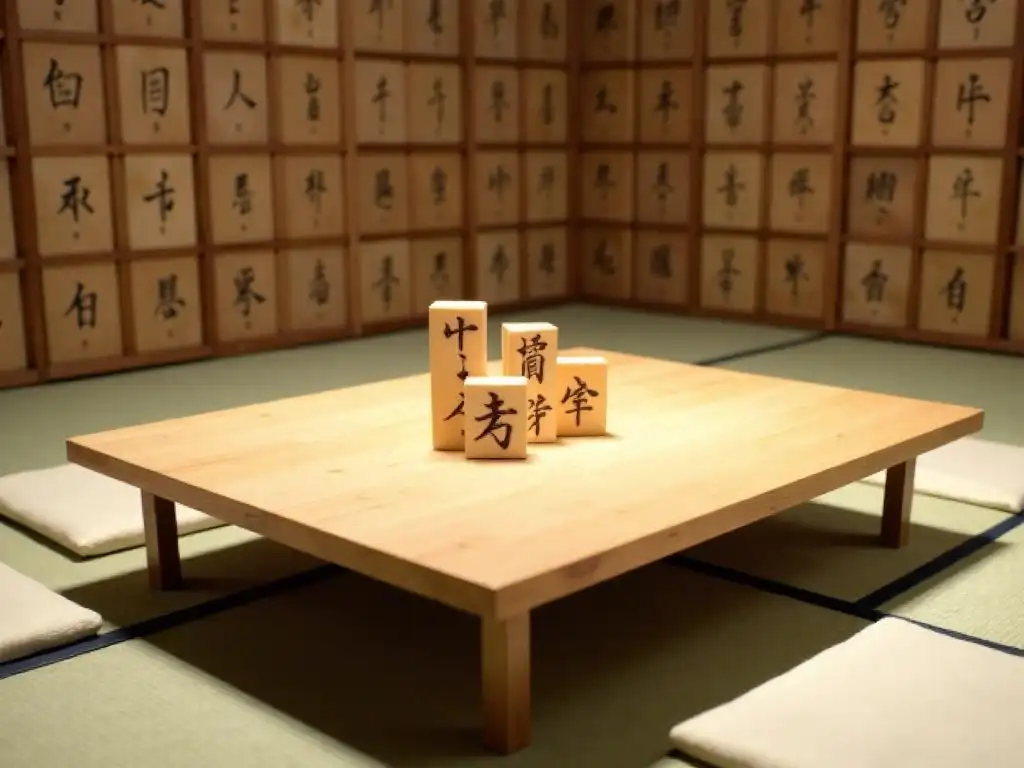
Zen themes permeate Japanese prose, manifesting in various forms and styles throughout the literary timeline. The essence of Zen, characterized by simplicity, directness, and an appreciation for the moment, finds a profound expression in the narratives and characters of Japanese literature. In prose, Zen often emphasizes the impermanence of life, the beauty in transience, and the importance of mindfulness. Such themes resonate not only with the philosophical underpinnings of Zen Buddhism but also with the cultural fabric of Japan, where nature and human emotion intertwine seamlessly.
The exploration of Zen themes in prose can be seen in the works of various authors who utilize these motifs to delve into the human condition. The narratives often present characters embarking on journeys of self-discovery, reflecting the Zen practice of introspection and meditation. The influence of Zen can also be noted in the straightforward language and minimalistic style, which strips away extraneous details to reveal deeper truths. This approach encourages readers to engage with the text on a more profound level, fostering a sense of presence that is central to Zen philosophy.
The Interplay of Zen and Japanese Novels
The interplay between Zen and Japanese novels is particularly noteworthy, as many authors have woven Zen principles into their storytelling. Novels from the Meiji period to contemporary works frequently explore themes of enlightenment, suffering, and the quest for meaning, mirroring the Zen path of awakening. This literary tradition often features protagonists who grapple with existential dilemmas, embodying the Zen teachings of impermanence and the nature of reality.
One prominent example is the work of Natsume Sōseki, whose novel "Kusamakura" (1906) reflects a deep engagement with Zen aesthetics. Through the protagonist's journey, Sōseki captures the essence of Zen mindfulness and the beauty of fleeting moments. Additionally, the writings of contemporary authors like Haruki Murakami showcase Zen's influence through surreal narratives that explore the subconscious, illustrating how Zen concepts can permeate various narrative styles and genres.
Notable Authors and Their Zen Inspirations
Numerous authors have drawn inspiration from Zen philosophy, infusing their works with its principles. Matsuo Bashō, a master of haiku, is perhaps one of the most significant figures, capturing the Zen spirit in his poetry through simplicity and profound insight into nature. His famous haiku, "An old silent pond, / A frog jumps in — / Splash! Silence again," exemplifies the Zen focus on the moment and the beauty of the mundane.
In the realm of novels, Yasunari Kawabata’s "The Sound of the Mountain" reflects Zen themes through its exploration of human emotions and the transience of life. Kawabata's lyrical prose captures the essence of "mono no aware," or the awareness of the impermanence of things, highlighting the beauty found in fleeting moments. Additionally, authors like Jun'ichirō Tanizaki and Banana Yoshimoto have incorporated Zen ideas into their works, further enriching the tapestry of Japanese literature with Zen's enduring influence.
The Aesthetic of Zen in Japanese Literature
The aesthetic of Zen in Japanese literature is characterized by its embrace of simplicity, elegance, and an acute awareness of the natural world. This aesthetic transcends mere visual beauty, influencing the way stories are told and how emotions are conveyed. The Zen aesthetic fosters a deep connection between the reader and the text, encouraging contemplation and reflection.
Zen's influence is evident in the concise and impactful language often found in Japanese literature. The economy of words mirrors Zen practices, where less is often more. This approach creates a space for the reader to engage with the text actively, allowing for personal interpretation and deeper understanding. The aesthetic experience is enhanced by the integration of nature, seasons, and the ephemeral qualities of life, all central to Zen philosophy.
Concepts of Wabi-Sabi and Mono no Aware
Two key concepts that embody the Zen aesthetic in literature are "wabi-sabi" and "mono no aware." Wabi-sabi refers to the beauty found in imperfection and the transient nature of life. This concept encourages an appreciation for the rustic and the simple, often leading to literary expressions that celebrate the mundane aspects of existence. Authors who embrace wabi-sabi in their writing reflect on the fleeting nature of beauty and the richness of experience found in everyday moments.
Mono no aware, on the other hand, evokes a sensitivity to the ephemeral nature of things. This concept is deeply rooted in Japanese culture and literature, prompting authors to explore themes of nostalgia and the bittersweetness of existence. Works that embody mono no aware often evoke a poignant awareness of life's transience, inviting readers to reflect on their own experiences and emotions. Together, these concepts contribute to a uniquely Japanese literary aesthetic that resonates deeply with Zen philosophy.
The Role of Nature and Simplicity in Literary Expression
Nature plays a central role in the expression of Zen aesthetics within Japanese literature, often serving as a backdrop for exploring human emotions and experiences. Many literary works evoke natural imagery to highlight the interconnectedness of life and the environment, reinforcing the Zen principle of unity with nature. This connection is particularly evident in poetry and prose where seasons, landscapes, and natural phenomena become integral to the narrative.
Simplicity is another hallmark of Zen-influenced literature. The use of plain language and straightforward narrative structures allows for clarity and depth, enabling readers to engage with the text without distraction. This minimalist approach encourages a contemplative reading experience, inviting individuals to reflect on the underlying meanings and emotions present within the narrative. In this way, the role of nature and simplicity in literary expression not only enhances the aesthetic but also deepens the reader's engagement with Zen principles, fostering a profound appreciation for both the written word and the world around them.
Zen Practices Reflected in Literary Techniques
Zen Buddhism has profoundly influenced Japanese literature, shaping its techniques and styles in unique ways. Writers have adopted various Zen practices, integrating them into their literary work to explore the depths of human experience and existence. This influence is particularly evident in the use of simplicity, brevity, and a focus on the present moment, all hallmarks of Zen philosophy. The result is a literary tradition that emphasizes clarity, directness, and an appreciation for the subtleties of life.
In poetry, especially in forms like haiku, the influence of Zen is unmistakable. The structure of haiku—three lines with a 5-7-5 syllable pattern—mirrors the Zen principle of minimalism. This brevity allows poets to capture fleeting moments of beauty and insight, encouraging readers to engage in mindfulness and contemplation. Similarly, prose writers often employ Zen principles by stripping away extraneous details, allowing the essence of their narratives to shine through.
Meditation and Mindfulness in Writing
Meditation is foundational to Zen practice, and it significantly informs the writing process for many authors. Writers who engage in meditation cultivate a state of mindfulness that enhances their ability to observe the world around them. This heightened awareness translates into their literary work, where observations are not merely descriptive but imbued with a deeper understanding of existence.
For instance, many haiku poets, such as Matsuo Bashō, utilized meditation to achieve a state of openness, allowing images to emerge organically. The poet’s ability to observe the minutiae of nature—dew on a leaf, the sound of a distant temple bell—reflects a Zen-like mindfulness that encourages readers to pause and reflect on their own experiences. This practice not only enriches the writing but also invites readers into a contemplative space, fostering a connection between the text and the inner self.
The Influence of Zen on Narrative Structures
Zen's influence extends beyond stylistic choices to narrative structures as well. Traditional narrative arcs, characterized by conflict and resolution, often give way to more fluid and open-ended storytelling in Zen-influenced literature. This departure from conventional structures allows for multiple interpretations and emphasizes the ongoing nature of existence.
For example, in Zen literature, stories may lack a definitive conclusion, reflecting the Zen belief in impermanence and the cyclical nature of life. Authors like Natsume Sōseki and Yukio Mishima often incorporated these elements, creating narratives that resonate with the unpredictability of life. This narrative style encourages readers to engage with the text on a deeper level, reflecting on their own experiences and the transient nature of reality.
Conclusion: The Enduring Legacy of Zen in Japanese Literature
The legacy of Zen in Japanese literature is both profound and enduring, influencing countless authors and poetic forms over the centuries. Zen's emphasis on mindfulness, simplicity, and the appreciation of the present moment has left an indelible mark on literary expression. As a result, works from various periods of Japanese literature continue to resonate with readers, offering insights into the human condition through a Zen lens.
The Future of Zen Influence in Contemporary Literature
As we move forward, the influence of Zen in literature is likely to evolve, adapting to contemporary themes and issues while retaining its core principles. Today, many writers across genres are rediscovering Zen philosophies, integrating them into their narratives to address modern existential concerns. This resurgence highlights the adaptability of Zen thought, as it continues to inspire new generations of writers to explore the intersection of spirituality and creativity.
Innovative forms such as graphic novels and digital literature are also beginning to reflect Zen principles, using visual storytelling to convey mindfulness and presence. This evolution suggests that the spirit of Zen will persist in shaping literary landscapes, ensuring its relevance in contemporary discourse.
Final Thoughts on the Relationship Between Zen and Literary Expression
The relationship between Zen and literary expression is one of deep interconnection and mutual enrichment. Zen encourages writers to explore the depths of their consciousness, fostering a creative environment that values authenticity and introspection. In turn, literature becomes a medium through which Zen principles are articulated and shared, bridging the gap between individual experience and collective understanding.
Ultimately, the influence of Zen in Japanese literature serves as a reminder of the beauty found in simplicity and the importance of mindfulness in both writing and reading. As we reflect on this relationship, it becomes clear that Zen will continue to inspire literary expression, inviting readers and writers alike to engage in a journey of discovery and contemplation.
- Introduction to Zen Influence in Japanese Literature
- Understanding Zen Buddhism and Its Principles
- Historical Context of Zen in Japan
- Zen's Impact on Poetry
- Zen Themes in Prose
- The Aesthetic of Zen in Japanese Literature
- Zen Practices Reflected in Literary Techniques
- Conclusion: The Enduring Legacy of Zen in Japanese Literature
Frequently Asked Questions
What is the significance of Zen in Japanese literature?
Zen has had a profound influence on Japanese literature, shaping themes and styles. Its philosophical principles often promote simplicity, mindfulness, and a deep connection with nature.
How did Zen impact the development of Haiku?
Zen inspired Haiku poets to capture fleeting moments of beauty and transience. The focus on brevity and directness in Haiku reflects Zen's emphasis on simplicity and clarity of thought.
Can you explain Zen's influence on Japanese novels?
Zen philosophy introduced elements of introspection and existential inquiry in Japanese novels. Authors often explore inner consciousness and the nature of reality, reflecting Zen's spiritual depth.
Yes, notable authors like Matsuo Bashō in poetry and Yasunari Kawabata in prose are known for their Zen-inspired themes. Their works often illustrate the interplay between nature and human emotion.
How does Zen philosophy manifest in literary techniques?
Zen influences literary techniques through the use of symbolism, imagery, and metaphor. These elements work to evoke a sense of transcendence and enlightenment, aligning with Zen's core teachings.
Final Reflection: The Enduring Influence of Zen in Japanese Literature
The profound connection between Zen philosophy and Japanese literature continues to resonate in today's cultural landscape. As we explore the intricate layers of haiku, novels, and various literary forms, we uncover how Zen's emphasis on simplicity, mindfulness, and the beauty of transience shapes not only the works of past masters but also the voices of contemporary writers. This enduring influence reminds us that literature is not merely a reflection of life but a means to engage deeply with the essence of existence itself.
The impact of Zen on Japanese literature transcends time, weaving a thread of introspection and clarity that influences both writers and readers alike. The minimalist beauty of haiku, for instance, invites us to pause and appreciate the fleeting moments of life, while novels infused with Zen principles encourage us to explore the depths of human experience. As the poet Matsuo Bashō once said, Do not seek to follow in the footsteps of the wise; seek what they sought.
This sentiment captures the essence of Zen's influence, urging us to find our own path through the literary landscape shaped by this ancient philosophy.
As you reflect on the insights shared in this article, consider how the principles of Zen can enrich your own life and creative endeavors. Embrace the simplicity and mindfulness that Zen teaches, allowing it to guide your thoughts and actions. Whether you are a writer, a reader, or simply someone navigating the complexities of life, let the wisdom of Zen inspire you to seek beauty in the ordinary and to find meaning in the ephemeral. In doing so, you not only honor the legacy of Japanese literature but also cultivate a deeper connection with the world around you.
Embrace Zen & Enrich Your Literary Journey
Thank you for exploring the beautiful intersection of Zen philosophy and Japanese literature with us! We hope you've gained a deeper appreciation for how these themes have shaped works ranging from delicate haikus to profound novels. Now, it’s time to take that inspiration and turn it into action!
- Immerse yourself in Zen: Start by reading a classic collection of haikus or a novel inspired by Zen philosophy. Allow the tranquility of the words to inspire your own writing or reflection.
- Share your thoughts: Join our literary community and share your insights on how Zen influences your reading or writing experiences.
- Explore further: Look for workshops or online courses that delve into Zen philosophy and its relationship with literature to expand your understanding.
What aspects of Zen literature resonate most with you, and how do you see it impacting your own creative endeavors?