
The Roots of Shinto: Unraveling Japan's Indigenous Spirituality

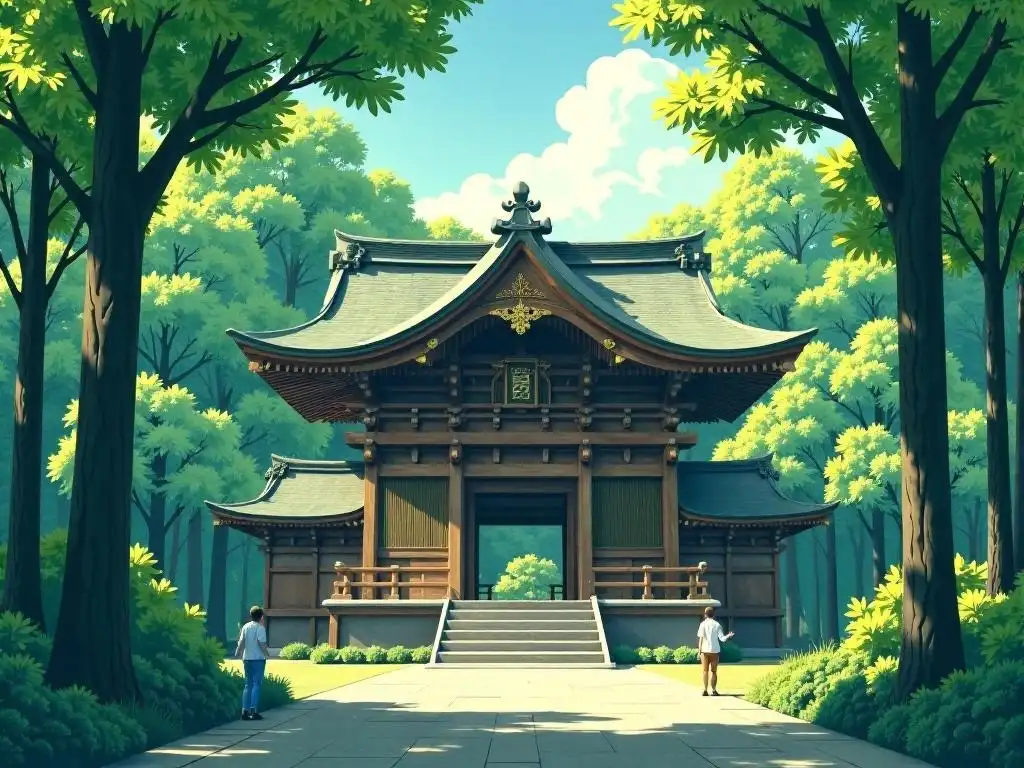
Welcome to Feudal Japan History! Dive deep into the intricate tapestry of Japan's feudal era, where history, culture, and spirituality converge. In our featured article, "The Roots of Shinto: Unraveling Japan's Indigenous Spirituality," we invite you to explore the profound Shinto beliefs that shaped the very essence of feudal society. What secrets lie within these ancient practices? Join us on this captivating journey as we uncover how Shinto not only influenced personal faith but also molded the societal fabric of an entire era. Your adventure into the heart of Japan's past begins here—let's unravel the mysteries together!
The exploration of Shinto beliefs in feudal Japan offers a profound understanding of the spiritual landscape that shaped the lives of the Japanese people throughout centuries. As an indigenous religion, Shinto is intricately woven into the cultural and societal fabric of Japan, influencing everything from governance to daily practices. This article delves into the core tenets of Shinto, tracing its historical development and examining how its beliefs and practices evolved during the feudal era. By uncovering the roots of Shinto, we can better appreciate its enduring legacy and significance in Japanese history.
Understanding Shinto Beliefs in Feudal Japan
Definition of Shinto and Its Core Beliefs
Shinto, which translates to "the way of the gods," is the traditional religion of Japan, characterized by the worship of kami, or spirits, which inhabit natural elements, sacred objects, and ancestors. The core beliefs of Shinto can be summarized as follows:
- Kami: Central to Shinto is the belief in kami, divine spirits that can take the form of natural phenomena, animals, or revered ancestors.
- Rituals and Offerings: Devotees engage in various rituals to honor the kami, including offerings of food, sake, and symbolic objects at shrines.
- Purification: A significant aspect of Shinto practices involves purification rituals (harai) to cleanse oneself before approaching kami.
- Connection to Nature: Shinto emphasizes a deep reverence for nature, believing that the kami reside within natural elements, highlighting the interconnectedness of life.
Historical Context of Shinto Practices in Feudal Japan
During the feudal period, which spanned from the 12th to the 19th century, Japan saw the establishment of a hierarchical social structure dominated by the samurai class. Shinto beliefs played a pivotal role in shaping the political and cultural landscape of the time. Key aspects of this historical context include:
- State Shinto: The establishment of Shinto as a state religion in the Edo period (1603-1868) solidified its influence, intertwining it with national identity and governance.
- Shrine Construction: The period witnessed the construction of numerous shrines, which became focal points for community worship and gatherings.
- Integration with Buddhism: The coexistence and gradual integration of Shinto with Buddhism influenced practices and beliefs, leading to a unique syncretism.
The Origins of Shinto: Historical Development
Prehistoric Roots of Shinto
The origins of Shinto can be traced back to prehistoric Japan, where animistic beliefs dominated. Archaeological findings suggest:
- Jomon Period: Artifacts from the Jomon period (14,000-300 BCE) reveal early spiritual practices, including ritualistic pottery and burial customs.
- Nature Worship: Early Japanese people worshipped natural elements, such as mountains, rivers, and trees, laying the groundwork for future Shinto beliefs.
Influence of Indigenous Animism on Shinto Beliefs
Indigenous animism significantly influenced the development of Shinto. Key aspects include:
- Nature as Sacred: The reverence for nature and belief in spirits residing within it is a cornerstone of both animism and Shinto.
- Ritual Practices: Many Shinto rituals echo ancient animistic traditions, reflecting a continuity of beliefs from prehistoric times to the feudal era.
Evolution of Shinto through Historical Eras
Shinto underwent various transformations throughout different historical periods. Major phases in its evolution include:
- Nara Period (710-794): The compilation of historical texts and the establishment of official shrines marked the beginning of Shinto's formal recognition.
- Heian Period (794-1185): Shinto practices became more integrated with imperial and court rituals, emphasizing its significance in governance.
- Feudal Period: The rise of the samurai class and the establishment of Shinto as a state religion solidified its importance in the socio-political realm.
By understanding these historical developments and core beliefs, we can appreciate the rich tapestry of Shinto and its enduring impact on Japanese culture and spirituality.
Key Shinto Practices during the Feudal Era
Shinto practices during the feudal era were deeply intertwined with the daily lives and societal structures of the Japanese people. These practices not only provided spiritual guidance but also reinforced social hierarchies and cultural values. Key Shinto beliefs emphasized the harmony between humans and nature, the reverence for the kami (spirits), and the importance of rituals to maintain a favorable relationship with these divine beings. The feudal era saw the formalization of these practices, which were often conducted within the context of local and regional governance.
Rituals and Ceremonies in Feudal Japan
Rituals and ceremonies played a crucial role in Shinto worship during the feudal period. Common practices included purification rites, offerings, and prayers, which were designed to honor the kami and seek their blessings. Among these, the misogi or purification rituals were fundamental, requiring participants to cleanse themselves physically and spiritually before engaging in worship. Ceremonies such as shinji (sacred rituals) were conducted by priests to celebrate important events, such as harvests or significant life milestones.
In addition to communal rituals, individual practices were also prevalent, where people would offer food, sake, or symbolic items at household altars known as kamidana. These rituals fostered a personal connection to the kami, providing a sense of security and guidance in everyday life.
Festivals and Celebrations Related to Shinto
Festivals, or matsuri, were vibrant expressions of Shinto beliefs and community spirit during the feudal era. These celebrations often coincided with the agricultural calendar, such as the rice planting season, and served to thank the kami for their blessings and to pray for future prosperity.
Notable festivals included the Aoi Matsuri in Kyoto, dedicated to the kami of the Kamo shrines, and the Gion Matsuri, which honored the spirits believed to protect the city from plague. These events featured colorful parades, traditional music, dance, and elaborate ceremonies, fostering a strong sense of community and shared identity among participants.
Role of Kami in Shinto Worship
The kami are central to Shinto worship, representing elements of nature, ancestors, and deities. During the feudal era, the understanding of kami evolved, as they were seen as protective spirits of clans, villages, and even the imperial family. The belief in the divine ancestry of the emperor further solidified the kami's role in legitimizing political power.
Worship of kami involved rituals that expressed gratitude and sought favor. Offerings were made to appease the kami, and festivals were celebrated to honor them. This relationship was reciprocal; the people believed that by honoring the kami, they would receive protection, blessings, and guidance in their lives.
Shinto Shrines: Spiritual Centers in Feudal Japan
Shinto shrines served as the primary spiritual centers in feudal Japan, embodying the essence of Shinto beliefs and practices. Each shrine was dedicated to specific kami and acted as a focal point for worship, communal gatherings, and cultural activities. The architecture and location of these shrines were often carefully chosen to reflect the sacredness of nature and the spiritual world.
Architectural Features of Shinto Shrines
The architectural style of Shinto shrines is characterized by simplicity and harmony with nature. Common features include torii gates, which mark the entrance to sacred spaces, and honden, the main hall where the kami is enshrined. Structures were built using natural materials such as wood and stone, emphasizing a connection to the environment.
Most shrines are designed to be open and inviting, reflecting the Shinto belief that the kami inhabit the natural world. Ritual spaces within the shrine complex often include purification troughs, where worshippers cleanse themselves before prayers, and altars for offerings.
Important Shinto Shrines in Feudal Japan
Several Shinto shrines gained prominence during the feudal era, serving as key spiritual and cultural landmarks.
- Ise Jingu: Considered the most sacred shrine, dedicated to the sun goddess Amaterasu. It was a pilgrimage site for many, symbolizing the divine lineage of the imperial family.
- Fushimi Inari Taisha: Renowned for its thousands of vermillion torii gates, this shrine was dedicated to Inari, the kami of rice and agriculture, emphasizing its agricultural significance.
- Tsurugaoka Hachimangu: A vital shrine for the samurai class, dedicated to Hachiman, the god of war, reflecting the martial values of the time.
These shrines not only served as worship centers but also played significant roles in political and social life, often influencing local governance and cultural practices.
The Role of Shrines in Community Life
Shrines were integral to community life in feudal Japan, acting as centers for social, religious, and cultural activities. They provided a space for communal worship, fostering a sense of belonging among local populations. Festivals held at these shrines brought together people from various backgrounds, reinforcing community ties and shared values.
Additionally, shrines often provided social services, such as education and health care, further solidifying their role as community hubs. The priests and caretakers of the shrines were respected figures, often serving as mediators between the kami and the people, ensuring that the spiritual needs of the community were met.
The Relationship between Shinto and Other Religions

The relationship between Shinto and other religions in Japan is a fascinating tapestry of cultural exchange and syncretism. As an indigenous faith, Shinto has long coexisted with various religious systems, most notably Buddhism, which was introduced to Japan in the 6th century. This interaction has shaped not only religious practices but also societal norms and political structures throughout Japan's history. Understanding this relationship is essential to grasp the complexities of Shinto beliefs in feudal Japan and their influence on the social landscape.
Shinto and Buddhism: A Complex Interplay
The arrival of Buddhism in Japan marked the beginning of a complex interplay between Shinto and this imported religion. Initially, the two systems were viewed as distinct; however, over time, they began to influence each other significantly. This fusion is evident in the concept of shinbutsu shūgō, where Shinto deities ( kami) were often syncretized with Buddhist figures, leading to the coexistence of Shinto shrines and Buddhist temples in many locations.
One notable example of this interaction is the practice of honoring kami at Buddhist temples, which allowed for a blending of rituals and beliefs. This syncretism was officially endorsed during the Heian period (794-1185), resulting in a rich tapestry of spiritual practices that drew from both traditions. The Amaterasu sun goddess, a central figure in Shinto, was often associated with various Buddhist figures, illustrating the fluidity of religious identity in feudal Japan.
Confucian Influences on Shinto Practices
Confucianism also played a critical role in shaping Shinto practices, particularly during the Edo period (1603-1868). The emphasis on social harmony, filial piety, and hierarchical relationships found in Confucian thought resonated with Shinto beliefs and further entrenched them within the societal framework. This influence led to the incorporation of Confucian values into Shinto rituals and ceremonies, reinforcing the importance of respect for ancestors and the divine.
The Confucian ideal of governance also permeated Shinto concepts, particularly in the way leaders were viewed as representatives of the divine. This connection underscored the notion that rulers had a sacred duty to maintain harmony and order, further intertwining Shinto with the political landscape of feudal Japan.
Syncretism of Shinto with Other Belief Systems
Beyond Buddhism and Confucianism, Shinto has interacted with various belief systems over the centuries. For example, elements of Taoism, particularly in the realms of nature worship and the veneration of spirits, enriched Shinto practices. The blending of these traditions created a unique spiritual atmosphere where various rituals and festivals celebrated the natural world and its divine manifestations.
Shinto's adaptability is evident in its integration with local folk beliefs and practices, leading to a diverse array of rituals that vary from region to region. This syncretic nature of Shinto allowed it to flourish amidst the evolving religious landscape of Japan, ensuring its relevance throughout the feudal era and beyond.
The Impact of Shinto on Feudal Japanese Society
Shinto beliefs had profound implications for the structure and dynamics of feudal Japanese society. The interplay of spirituality, governance, and culture fostered an environment where Shinto was not only a personal faith but also a critical factor in shaping the collective identity of the Japanese people.
Shinto’s Role in Governance and Authority
During the feudal era, Shinto played a pivotal role in legitimizing authority and governance. The divine right of emperors was closely tied to Shinto beliefs, with the emperor considered a direct descendant of the sun goddess Amaterasu. This connection provided a spiritual foundation for the imperial rule, reinforcing the notion that political leaders were divinely appointed.
Shinto rituals were integral to the coronation and governance processes, with ceremonies conducted to appease the kami and ensure the prosperity of the realm. Local shrines often served as centers of political power, where lords would conduct rituals to gain favor from the kami, further intertwining spirituality and authority within feudal Japan.
Influence of Shinto on Japanese Arts and Culture
The impact of Shinto on Japanese arts and culture is evident across various forms of expression, including literature, music, and visual arts. Shinto themes often centered around nature, the divine, and the cyclical nature of life, inspiring countless works throughout the feudal era.
For instance, traditional Japanese poetry, such as haiku, frequently reflects Shinto beliefs by capturing the beauty of nature and its spiritual significance. Similarly, visual arts, including ukiyo-e woodblock prints, often depict kami, mythological narratives, and seasonal festivals, showcasing the deep interconnection between Shinto spirituality and cultural expression.
Social Hierarchies and Shinto Beliefs
The social hierarchies of feudal Japan were significantly influenced by Shinto beliefs. The rigid class system, which defined the roles and responsibilities of individuals within society, was often legitimized through Shinto concepts of purity and pollution. Certain classes, particularly the samurai, were seen as protectors of the kami, which reinforced their elevated status within society.
Rituals and festivals associated with Shinto served to reinforce these hierarchies, as they often required participation from various social classes, each fulfilling their designated roles. This structure not only reflected the spiritual dimensions of Shinto but also solidified the sociopolitical order of feudal Japan, ensuring that Shinto remained a vital component of Japanese identity and societal cohesion.
Modern Interpretations of Shinto Beliefs
Modern interpretations of Shinto beliefs have evolved significantly, reflecting changes in Japanese society and culture. While traditional Shinto is rooted in animism and the veneration of kami (spirits), contemporary understanding often integrates elements from various philosophies, including Buddhism and Western thought. This syncretism has led to a more inclusive approach to spirituality, where individuals may identify with Shinto while also embracing other religious practices.
One notable aspect of modern Shinto is its adaptation to urban lifestyles. Many city dwellers engage with Shinto through community events, festivals, and shrine visits, which serve as a means of reconnecting with their cultural heritage. Additionally, the concept of purity, central to Shinto beliefs, resonates with contemporary values of environmentalism and sustainability, prompting a renewed interest in rituals that honor nature.
Continuity and Change in Shinto Practices
Shinto practices exhibit a fascinating blend of continuity and change. Traditional rituals, such as celebrations of seasonal festivals (matsuri), have remained integral to Japanese life, emphasizing community bonding and cultural identity. However, the ways in which these rituals are performed and understood have adapted to modern contexts. For instance, many shrines now incorporate technology, such as online prayer requests and digital offerings, to better serve a tech-savvy population.
Moreover, the role of women in Shinto has evolved. Historically, women played a significant part in shrine rituals as priestesses (miko), but modern interpretations have started to challenge gender norms within Shinto practices. Today, there is a growing movement to recognize and empower women in spiritual leadership roles, reflecting broader societal changes regarding gender equality.
Shinto’s Relevance in Contemporary Japan
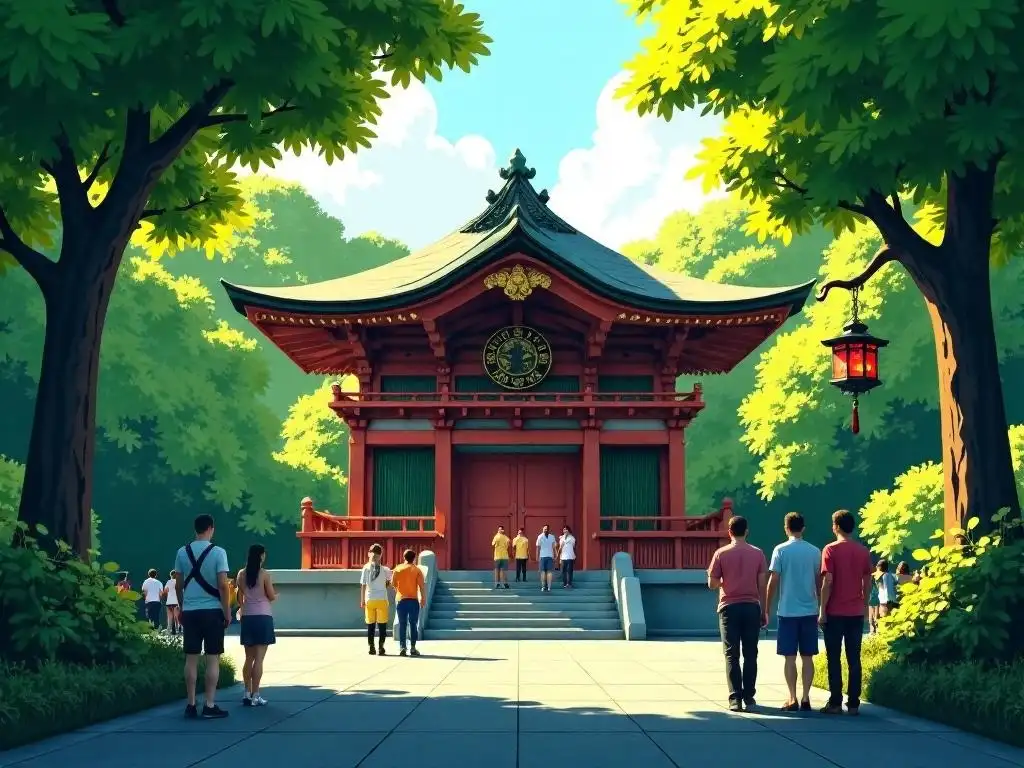
In contemporary Japan, Shinto continues to hold relevance as a cultural and spiritual touchstone. Many Japanese people may not actively practice Shinto daily, but they often engage with it during significant life events, such as births, weddings, and funerals. These rituals provide a sense of continuity and connection to ancestral traditions, reinforcing community ties and cultural identity.
Shinto’s emphasis on harmony with nature resonates with contemporary concerns about environmental sustainability. Many individuals and organizations draw inspiration from Shinto principles to advocate for ecological preservation and responsible stewardship of the land. This connection highlights Shinto's adaptability and its role in addressing modern societal challenges.
The Preservation of Shinto Traditions in Modern Society
The preservation of Shinto traditions in modern society is vital to maintaining Japan's cultural heritage. Various initiatives, such as educational programs and cultural festivals, work to keep Shinto practices alive among younger generations. Shrines often serve as community hubs, offering workshops and events that engage youth in traditional customs, ensuring that these practices are not lost to time.
In addition to grassroots efforts, governmental support plays a crucial role in preserving Shinto traditions. Policies aimed at protecting historical sites and promoting cultural tourism help sustain the relevance of Shinto in contemporary Japan. This collaborative approach between communities and institutions fosters a deep appreciation for Shinto's rich history and its ongoing significance.
Conclusion: The Enduring Legacy of Shinto in Japan
Shinto's enduring legacy in Japan is a testament to its profound influence on Japanese identity, culture, and spirituality. Rooted in ancient practices, Shinto has adapted over centuries, maintaining its core beliefs while evolving with societal changes. This adaptability has allowed Shinto to remain relevant in a rapidly modernizing world, where it continues to provide a framework for understanding the relationship between humanity and nature.
Summary of Shinto's Influence on Japanese Identity
Shinto has significantly shaped Japanese identity, intertwining with cultural expressions, art, and national values. The emphasis on harmony, respect for nature, and community cohesion are reflected in various aspects of Japanese life, from traditional arts to contemporary societal norms. Shinto's role in shaping national identity is particularly evident during festivals and rituals that celebrate historical events and local deities, reinforcing a collective sense of belonging among the Japanese people.
Reflections on the Spiritual Significance of Shinto Today
Today, Shinto's spiritual significance resonates with many as a source of comfort and guidance. The rituals associated with Shinto provide individuals with a way to navigate life's challenges, offering a sense of peace and connection to something greater than themselves. In a world often characterized by rapid change and uncertainty, Shinto practices encourage mindfulness and reflection, inviting practitioners to honor their roots while embracing the present. As such, Shinto remains a vital part of the spiritual landscape in Japan, bridging the past and the present.
- Understanding Shinto Beliefs in Feudal Japan
- The Origins of Shinto: Historical Development
- Key Shinto Practices during the Feudal Era
- Shinto Shrines: Spiritual Centers in Feudal Japan
- The Relationship between Shinto and Other Religions
- The Impact of Shinto on Feudal Japanese Society
- Modern Interpretations of Shinto Beliefs
- Continuity and Change in Shinto Practices
- Shinto’s Relevance in Contemporary Japan
- The Preservation of Shinto Traditions in Modern Society
- Conclusion: The Enduring Legacy of Shinto in Japan
- What are the key characteristics of Shinto beliefs in feudal Japan?
- How did Shinto influence the samurai class in feudal Japan?
- What role did Shinto rituals play in feudal Japanese society?
- How did Shinto beliefs interact with Buddhism during feudal Japan?
- What impact did political changes have on Shinto beliefs in feudal Japan?
Frequently Asked Questions
What are the key characteristics of Shinto beliefs in feudal Japan?
Shinto beliefs are centered around the worship of kami (spirits) and emphasize rituals, purification, and connection to nature. These practices played a significant role in daily life and governance during the feudal era.
How did Shinto influence the samurai class in feudal Japan?
The samurai adhered to Shinto principles, which shaped their values of loyalty, honor, and duty. This connection to Shinto helped legitimize their status and authority within Japanese society.
What role did Shinto rituals play in feudal Japanese society?
Rituals such as purification and offerings were integral to Shinto, fostering community cohesion and a sense of cultural identity. These practices were often linked to agricultural cycles and important life events.
How did Shinto beliefs interact with Buddhism during feudal Japan?
During the feudal era, Shinto and Buddhism coexisted, often blending elements from both traditions. This syncretism led to a rich tapestry of spiritual practices that influenced art, culture, and daily life.
What impact did political changes have on Shinto beliefs in feudal Japan?
Political shifts, such as the rise of the Tokugawa shogunate, reinforced Shinto's role in legitimizing power and establishing national identity. The state often promoted Shinto to unify the populace under a common spiritual framework.
Final Reflection: Embracing the Essence of Shinto in Modern Life
The exploration of Shinto beliefs in feudal Japan reveals a profound connection between spirituality and everyday existence that resonates deeply in our contemporary world. As we navigate the complexities of modern life, the enduring principles of Shinto remind us of the importance of harmony with nature, community, and the sacredness of our surroundings. In a time when many feel disconnected from their roots, understanding these ancient beliefs offers a pathway to rediscovering our place within the world.
Cultural and social landscapes are continuously shaped by the legacies of belief systems, and Shinto is no exception. The reverence for kami, the spirits that inhabit the natural world, fosters a sense of respect and responsibility towards the environment that is increasingly crucial today. As we face global challenges, the wisdom of Shinto encourages us to cultivate a deeper relationship with nature and each other. The essence of Shinto lies in its ability to adapt and thrive, reminding us that spirituality is not confined to rituals but is woven into the very fabric of our lives.
As we reflect on the lessons of Shinto, I invite you to consider how these ancient beliefs can inspire your own journey. Take a moment to appreciate the beauty of nature around you, engage with your community, and honor the sacred in your daily life. By embracing the principles of Shinto, we can create a more harmonious existence, not only for ourselves but for future generations. Let us carry forward the spirit of Shinto, allowing it to guide us in fostering a world that honors both our heritage and the environment we inhabit.
🌱 Embrace and Explore Japan's Spiritual Heritage!
Thank you for diving deep into the intriguing world of Shinto and uncovering the essence of Japan's indigenous spirituality. Your journey today has equipped you with valuable insights into its rich traditions and beliefs. Now, let’s take those insights and turn them into meaningful actions!
- Connect with a local temple: Visit a nearby Shinto shrine or cultural center to immerse yourself further in the traditions you’ve learned about. Participate in a local festival or event to experience the community's spirit!
- Share your newfound knowledge: Engage in discussions about Shinto practices with friends and family, or write a post on social media to spark curiosity in others about Japan's spiritual heritage.
- Dive deeper into the lore: Explore Japanese mythology by reading stories and learning about the various deities associated with Shinto. Recommended readings can greatly enrich your understanding and appreciation of this fascinating tradition.
What aspect of Shinto fascinates you the most, and how do you plan to incorporate its teachings into your daily life?