
The Influence of Zen on Japanese Cuisine: Culinary Practices Rooted in Mindfulness

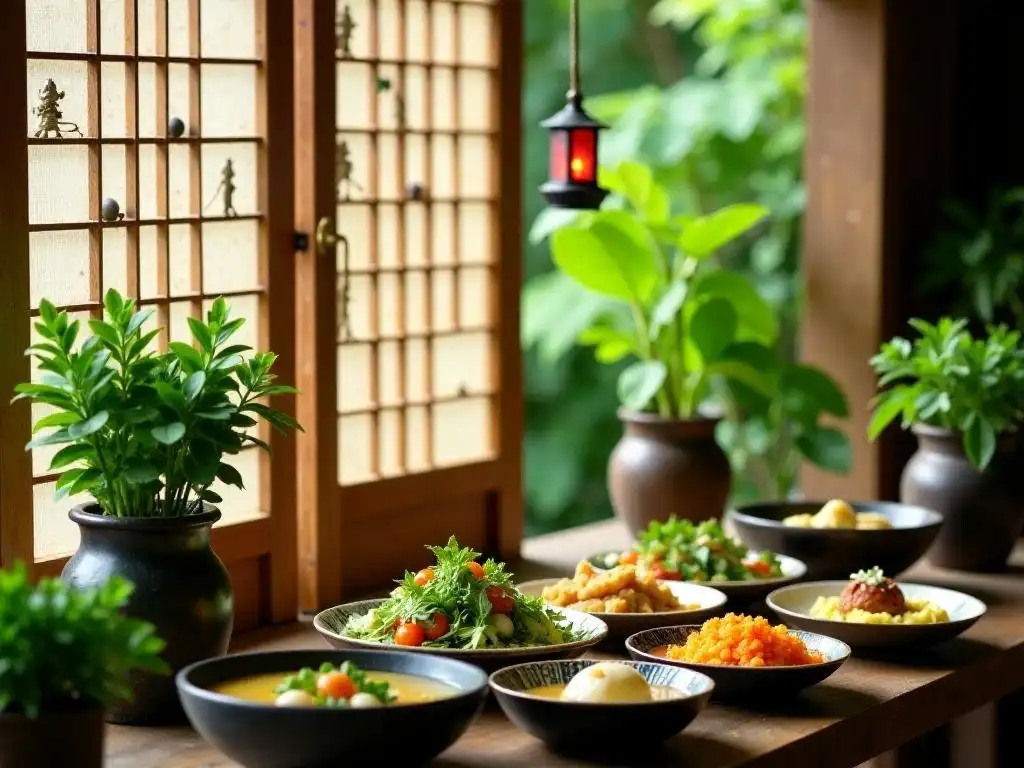
Welcome to Feudal Japan History, where we invite you to embark on a captivating journey through the intricate tapestry of Japan’s feudal era. Here, history, culture, and societal dynamics converge to reveal the profound influences that shaped a nation. In our featured article, “The Influence of Zen on Japanese Cuisine: Culinary Practices Rooted in Mindfulness,” discover how the principles of Zen mindfulness have not only enriched the culinary arts but also transformed the very way food is perceived and prepared in Japan.
Are you ready to explore the harmonious blend of spirituality and gastronomy that defines this remarkable facet of Japanese heritage? Dive in and uncover the secrets behind a cuisine that transcends mere sustenance!
The intricate relationship between Zen Buddhism and Japanese cuisine reveals a profound connection that transcends mere gastronomic practices. Rooted in the principles of mindfulness, simplicity, and harmony with nature, Zen has significantly influenced the culinary traditions of Japan, shaping not only what is eaten but also how food is prepared and consumed. This exploration delves into the historical context and cultural practices that intertwine Zen mindfulness in Japanese cuisine, highlighting the philosophies that inform cooking techniques, presentation, and the overall dining experience.
By understanding the influence of Zen on Japanese culinary practices, one can appreciate the artistry and intentionality that characterize this cuisine. From the meticulous preparation of ingredients to the aesthetic presentation of dishes, the essence of Zen mindfulness permeates every aspect of Japanese food culture. In this article, we will uncover how these principles of mindfulness contribute to a deeper appreciation of food, creating a holistic dining experience that nourishes both the body and the spirit.
Through this comprehensive exploration, we aim to showcase the relevance of Zen mindfulness in Japanese cuisine, providing insights into how these ancient practices continue to resonate in contemporary culinary art. Join us as we embark on a journey through the flavors of Japan, steeped in the serenity and thoughtfulness that Zen brings to the table.
- Introduction to Zen Mindfulness in Japanese Cuisine
- The Principles of Zen Buddhism
- Historical Development of Japanese Cuisine
- Zen Mindfulness in Japanese Culinary Practices
- The Rituals of Zen and Their Impact on Cooking
- Case Studies of Zen Influenced Dishes
- The Modern Influence of Zen Mindfulness in Japanese Cuisine
- Conclusion: The Lasting Legacy of Zen Mindfulness in Japanese Cuisine
-
Frequently Asked Questions
- What is the connection between Zen mindfulness and Japanese cuisine?
- How does Zen philosophy shape cooking techniques in Japan?
- What are some examples of Zen-inspired dishes in Japanese cuisine?
- How has Zen mindfulness influenced dining etiquette in Japan?
- Can Zen mindfulness be applied to modern Japanese cooking?
- Final Reflection: Embracing Zen Mindfulness in Japanese Cuisine
- Embrace the Zen Approach to Your Next Meal!
Introduction to Zen Mindfulness in Japanese Cuisine
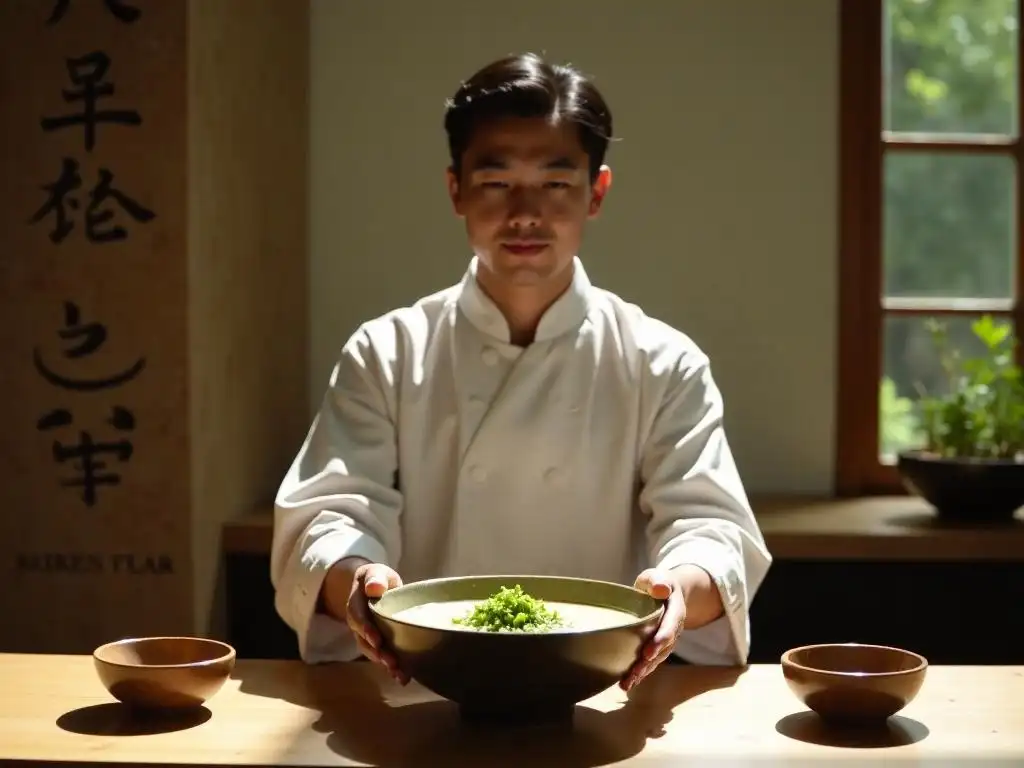
Zen mindfulness has significantly shaped various aspects of Japanese culture, including its culinary practices. Rooted in the principles of Zen Buddhism, this approach emphasizes simplicity, harmony, and a deep connection to the present moment. As a result, Japanese cuisine reflects an intricate balance of flavors, aesthetics, and the overall dining experience, which is deeply infused with mindfulness.
The concept of Zen mindfulness in Japanese cuisine goes beyond mere cooking techniques; it encompasses a holistic perspective on food preparation, presentation, and consumption. This section will delve into the definition of Zen mindfulness, its historical context in Japan, and how these elements have influenced culinary practices throughout the ages.
Definition of Zen Mindfulness
Zen mindfulness refers to a state of being fully present and engaged in each moment, a practice deeply rooted in Zen Buddhism. This philosophy encourages individuals to cultivate awareness and appreciation for their experiences, promoting a sense of tranquility and clarity. In the context of cuisine, this translates to several key principles:
- Simplicity: Emphasizing minimalism in ingredients and presentation, allowing the natural flavors to shine.
- Attention to Detail: Mindful preparation involves focusing on every step of the cooking process, from selecting fresh ingredients to plating the final dish.
- Harmony with Nature: Acknowledging the seasons and local resources, which fosters a sustainable relationship with the environment.
- Mindful Eating: Encouraging diners to savor each bite, appreciating the aroma, texture, and taste of the food.
Through these principles, Zen mindfulness transforms the act of eating into a meditative experience, allowing individuals to connect with their food and the surrounding world.
Historical Context of Zen in Japan
Zen Buddhism was introduced to Japan from China in the late 12th century, gaining significant traction during the Kamakura period (1185-1333). This philosophical movement not only influenced spiritual practices but also permeated various aspects of Japanese culture, including art, tea ceremonies, and, notably, cuisine.
- The Influence of Tea Culture: The tea ceremony, known as chanoyu, embodies Zen principles by promoting simplicity, harmony, and mindfulness. The meticulous preparation and consumption of matcha tea reflect a deep respect for the ingredients and the moment, which greatly influenced Japanese culinary practices.
- Monastic Cuisine: Zen monks developed a unique style of cooking known as shojin ryori, which is vegetarian and focuses on seasonal vegetables, grains, and legumes. This cuisine emphasizes balance and nutrition, aligning with the Zen concept of mindfulness in food preparation.
- Aesthetics and Presentation: The influence of Zen on aesthetics is evident in the presentation of Japanese cuisine. Dishes are often arranged with consideration for color, shape, and texture, creating a visual harmony that enhances the dining experience.
Throughout its history, Zen has profoundly shaped the way food is prepared, presented, and consumed in Japan. This historical context highlights the importance of mindfulness in culinary practices, illustrating how Zen principles continue to influence modern Japanese cuisine today.
The interplay between Zen mindfulness and Japanese cuisine showcases a rich tapestry of cultural and spiritual significance, emphasizing the importance of presence and appreciation in every aspect of the culinary experience.
The Principles of Zen Buddhism
Zen Buddhism, a school of Mahayana Buddhism, emphasizes direct experience and meditation as the path to enlightenment. Originating in China as Chan Buddhism, it later spread to Japan, where it significantly shaped various aspects of Japanese culture, including cuisine. The principles of Zen are deeply embedded in the culinary practices of Japan, promoting simplicity, harmony, and mindfulness.
Core Concepts of Zen Philosophy
Zen philosophy is grounded in several core concepts that influence not only spiritual practices but also daily activities, including cooking and eating. Here are some key principles:
- Simplicity: Zen teaches that simplicity leads to clarity. In culinary practices, this translates to using few ingredients that enhance each other's flavors without overwhelming the senses.
- Impermanence: Understanding that all things are transient encourages an appreciation for seasonal ingredients. This concept is central to the Japanese culinary practice of shun, which celebrates the peak freshness of ingredients.
- Mindfulness: The practice of being fully present in the moment is crucial in Zen. In cooking, this means paying attention to each step, from preparation to presentation, fostering a deeper connection to the food.
- Non-attachment: Zen promotes letting go of desires and expectations. This principle can be seen in the way meals are prepared and consumed, focusing on the experience rather than the outcome.
These concepts contribute to the overarching philosophy of Zen mindfulness in Japanese cuisine, where the act of cooking and dining becomes a meditative practice, fostering a sense of peace and presence.
The Role of Mindfulness in Daily Life
Mindfulness, as taught in Zen Buddhism, plays a vital role in daily life and is especially significant in culinary practices. By incorporating mindfulness into cooking and eating, individuals can enhance their overall experience and appreciation of food. Here’s how mindfulness manifests in Japanese cuisine:
- Preparation:
- Engaging in the preparation of meals with full attention helps cultivate a deeper connection to the ingredients. Chefs often practice meticulous knife skills, embodying mindfulness through precision and care.
- Cooking:
- The act of cooking becomes a form of meditation. Each motion is performed deliberately, encouraging cooks to focus on the textures, colors, and aromas of the ingredients. This mindful approach can lead to a more intuitive understanding of flavor combinations and cooking techniques.
- Presentation:
- In Japanese cuisine, the visual aspect of a dish is paramount. Mindfulness extends to the presentation, where the arrangement of food on the plate reflects balance and aesthetics, embodying the Zen principle of harmony.
- Consumption:
- Eating mindfully involves savoring each bite, acknowledging the flavors and textures, and expressing gratitude for the meal. This practice not only enhances the dining experience but also fosters a deeper appreciation for the labor that went into the food.
- Seasonal Awareness:
- Mindfulness in Japanese cuisine also emphasizes seasonal eating. Chefs and home cooks alike reflect on the natural cycles of produce, creating dishes that honor the rhythms of nature.
The principles of Zen Buddhism profoundly influence Japanese cuisine, weaving mindfulness into every aspect of culinary practice. By embracing these values, individuals can transform their relationship with food, fostering a deeper appreciation for the act of cooking and dining. The integration of Zen mindfulness in Japanese cuisine not only enhances the sensory experience but also promotes a holistic approach to health and well-being.
Historical Development of Japanese Cuisine
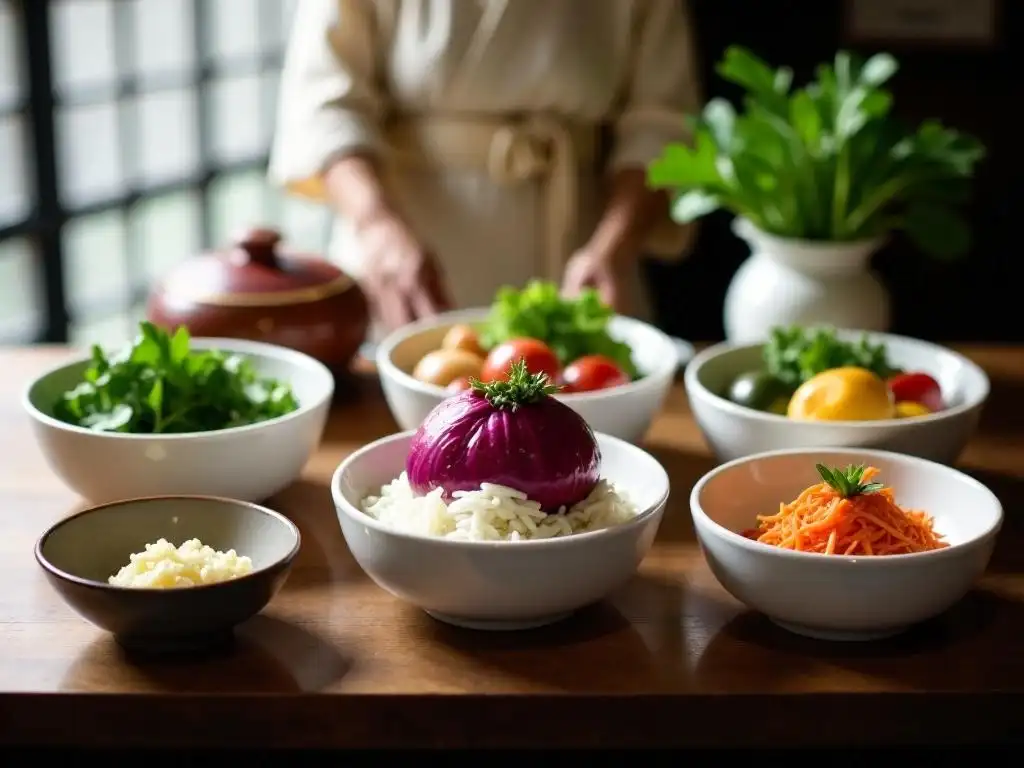
Evolution of Culinary Practices in Japan
Japanese cuisine has undergone significant transformations throughout history, influenced by various cultural interactions, social changes, and philosophical movements. The foundations of Japanese culinary practices can be traced back to the Jomon period (circa 14,000–300 BCE), where early inhabitants relied on foraging, fishing, and hunting for sustenance. As agriculture began to flourish during the Yayoi period (300 BCE–300 CE), rice became a staple food, shaping the dietary habits and culinary techniques that would define Japan's cuisine.
During the subsequent Heian period (794–1185), the aristocracy began to formalize culinary practices, leading to the development of kaiseki, a multi-course meal that emphasizes seasonal ingredients and aesthetic presentation. This era also witnessed the introduction of Chinese culinary techniques, which further diversified Japan's food culture. The Kamakura period (1185–1333) saw the rise of the samurai class, bringing about a shift towards simplicity and minimalism in food preparation, laying the groundwork for later Zen-influenced culinary practices.
As Japan entered the Edo period (1603–1868), urbanization and trade flourished, leading to the popularization of sushi, tempura, and other regional specialties. This period also marked the emergence of food as both a cultural and social activity, with the rise of restaurants and food markets. The influence of Zen Buddhism became more pronounced during this time, as the philosophy of mindfulness began to permeate culinary practices, emphasizing the importance of harmony, balance, and respect for nature in food preparation and consumption.
Influence of Zen Buddhism on Japanese Cooking
Zen Buddhism, which gained prominence in Japan during the Kamakura period, has had a profound impact on Japanese cuisine, particularly in shaping the principles of Zen mindfulness in Japanese cuisine. Central to Zen philosophy is the concept of mindfulness, which encourages practitioners to engage fully with the present moment, fostering a deep appreciation for the sensory experiences of food.
One of the most notable culinary practices influenced by Zen is the art of preparing and serving tea, known as chanoyu or the tea ceremony. This ritual not only highlights the aesthetic aspects of food but also embodies the Zen principles of simplicity and tranquility. The preparation of matcha (powdered green tea) requires meticulous attention to detail, from the selection of tea leaves to the precise temperature of the water. Each movement is deliberate, reflecting a meditative approach that encourages mindfulness.
In Zen-inspired cooking, the emphasis on seasonal and local ingredients aligns with the Buddhist principle of interconnectedness with nature. Dishes are often prepared with minimal seasoning to allow the natural flavors of the ingredients to shine. This philosophy is evident in traditional dishes like shojin ryori, a vegetarian cuisine developed by Buddhist monks, which emphasizes balance and harmony in both flavor and presentation.
Moreover, the visual presentation of food is regarded as an essential aspect of Zen cooking. The use of simple, natural materials for serving dishes complements the food and enhances the overall dining experience. The aesthetic arrangement of food on the plate mirrors the Zen ideals of beauty found in nature, promoting a sense of calm and mindfulness during meals.
The influence of Zen Buddhism on Japanese cooking is profound and multifaceted, emphasizing the principles of mindfulness, simplicity, and respect for nature. By incorporating these elements into culinary practices, Japanese cuisine not only nourishes the body but also fosters a deeper connection to the self and the surrounding environment, making the act of eating a mindful and enriching experience.
Zen Mindfulness in Japanese Culinary Practices

Understanding the Concept of "Kaiseki"
Kaiseki is a traditional multi-course Japanese dinner that embodies the principles of Zen mindfulness in Japanese cuisine. Originating as a simple meal served during the tea ceremony, kaiseki has evolved into a sophisticated culinary art form that emphasizes the harmony between food, nature, and the dining experience.
- Philosophical Roots: The kaiseki meal is deeply rooted in Zen philosophy, reflecting the idea of simplicity and mindfulness. Each dish is carefully prepared to evoke a sense of calm and appreciation for the present moment.
- Course Structure: A typical kaiseki meal consists of several courses, each highlighting a different cooking technique, ingredient, and presentation style. This can include:
- Sakizuke: An appetizer that sets the tone for the meal.
- Mushimono: Steamed dishes that showcase delicate flavors.
- Nakamono: Main courses, often highlighting seasonal proteins.
- Dessert: A sweet finish that is often light and refreshing.
The meticulous attention to detail in kaiseki reflects the Zen practice of mindfulness, where each element is a reminder to savor the moment.
The Importance of Aesthetics and Presentation in Zen Cuisine
In Zen cuisine, aesthetics play a crucial role in enhancing the dining experience. The visual presentation of food is not merely for decoration; it is an integral part of the culinary philosophy that aims to evoke emotions and foster mindfulness.
- Visual Harmony: The arrangement of food on the plate is essential. Chefs strive for balance, color, and texture to create a visually appealing dish. For instance:
- Color Palette: Using seasonal vegetables to create vibrant contrasts.
- Serving Ware: The choice of plates and bowls, often handmade, further enhances the experience by connecting diners to nature and craftsmanship.
- Mindful Eating: Presenting food beautifully encourages diners to engage with their meal mindfully. The act of appreciating the colors, shapes, and textures invites a deeper connection to the food and its origins.
This focus on aesthetics not only elevates the experience but also aligns with the Zen principles of appreciating beauty in simplicity and impermanence.
Seasonal Ingredients and Their Significance in Zen Cooking
Seasonality is a key principle in Zen mindfulness in Japanese cuisine, where the use of fresh, local ingredients is paramount. This practice is not only about flavor but also about honoring nature and its cycles.
- Shun (旬): The concept of "shun" refers to the peak season for certain ingredients, when they are at their most flavorful and nutritious. Seasonal ingredients are celebrated and featured prominently in dishes, such as:
- Spring: Bamboo shoots and cherry blossoms.
- Summer: Fresh fish and vegetables like cucumbers.
- Autumn: Mushrooms and chestnuts.
- Winter: Root vegetables and hearty broths.
- Sustainability and Respect for Nature: By focusing on seasonal ingredients, Zen cuisine emphasizes sustainability and a respectful relationship with nature. It encourages diners to appreciate the transient beauty of each season, mirroring the Zen belief in the importance of living in harmony with the natural world.
Incorporating seasonal ingredients not only enhances the flavor and nutritional value of dishes but also serves as a reminder of the ever-changing cycles of life, reinforcing the core tenets of Zen mindfulness in Japanese cuisine.
The Rituals of Zen and Their Impact on Cooking
Zen Buddhism emphasizes mindfulness and simplicity, which profoundly influences Japanese cuisine. This philosophy permeates every aspect of food preparation and consumption, marking a significant departure from more extravagant culinary practices. The rituals of Zen cultivate a deep connection between the cook, the ingredients, and the act of cooking itself, fostering an environment where food becomes not just sustenance, but an experience steeped in awareness.
One of the core tenets of Zen is the practice of being present in the moment. This is reflected in culinary rituals that prioritize the process over the product. For example, the meticulous care taken in selecting seasonal ingredients aligns with the Zen principle of harmony with nature. Each ingredient is treated with respect, acknowledging its journey from the earth to the table and reflecting the interconnectedness of all living things.
Moreover, these rituals often involve a series of steps that encourage cooks to engage in mindfulness. The act of chopping vegetables, simmering broth, or arranging dishes can be meditative. By focusing solely on the task at hand, cooks can cultivate a state of Zen mindfulness in Japanese cuisine, allowing them to create dishes that are not only flavorful but also imbued with intention and presence.
The Practice of Mindful Eating
Mindful eating is a significant aspect of Zen mindfulness in Japanese cuisine, emphasizing the importance of being fully present during meals. This practice encourages individuals to savor each bite, engage their senses, and appreciate the flavors, textures, and aromas of the food. By doing so, eaters cultivate a deeper awareness of their body's hunger cues and the emotional responses tied to food consumption.
In traditional Japanese settings, meals are often served in a way that promotes mindfulness. For instance, the layout of a kaiseki meal—an elaborate multi-course dining experience—reflects seasonal ingredients presented in an aesthetically pleasing manner. Each dish is meant to be savored slowly, allowing diners to reflect on the culinary artistry and the effort behind each preparation.
Additionally, mindful eating helps to foster gratitude. Before meals, it is common to express appreciation for the food, a practice known as "Itadakimasu," which acknowledges the efforts of everyone involved in the food's journey. This ritual reinforces the connection between the eater and the source of their nourishment, encouraging a profound respect for food and its origins.
Tea Ceremony: A Model of Zen Culinary Art
The Japanese tea ceremony, or "chanoyu," serves as a quintessential example of Zen culinary art, encapsulating the principles of mindfulness, simplicity, and harmony. This ritualistic practice involves the preparation and serving of matcha, a powdered green tea, in a highly structured manner that reflects Zen ideals.
During the tea ceremony, every movement is deliberate and purposeful, transforming the act of serving tea into a form of meditation. The host prepares the tea with a focus on the present moment, encouraging participants to engage fully with the experience. The aesthetic elements, such as the choice of utensils and the arrangement of the tea room, further embody the Zen appreciation for simplicity and beauty.
The tea ceremony also emphasizes the importance of seasonal awareness, as the setting and the tea chosen often reflect the current season. This connection to nature not only enhances the sensory experience but also deepens the participants' understanding of the impermanence of life—an essential concept in Zen philosophy.
Cooking as a Meditation: Techniques and Practices
Incorporating Zen mindfulness into cooking transforms it into a form of meditation, allowing practitioners to cultivate awareness and tranquility. Several techniques can be employed to achieve this state:
- Breath Awareness: Focusing on one’s breath while cooking helps to center the mind, promoting a calm and focused energy that can be transferred into the food.
- Slow and Deliberate Movements: Engaging in slow, intentional actions—like cutting vegetables or stirring a pot—can create a meditative rhythm, encouraging mindfulness throughout the cooking process.
- Nature Immersion: Using fresh, seasonal ingredients connects the cook to the environment, reinforcing the Zen principle of harmony with nature. This presence allows for a deeper appreciation of the food being prepared.
- Mindful Cleanup: The practice doesn’t end with cooking; the act of cleaning up after a meal can also be approached as a meditative ritual, reinforcing the importance of mindfulness in all aspects of the culinary experience.
Through these practices, cooking transcends the mere act of food preparation, evolving into a mindful ritual that fosters a sense of peace and connection to oneself, others, and the world. This approach is a profound illustration of how Zen mindfulness in Japanese cuisine can enrich not only the culinary landscape but also the lives of those who practice it.
Case Studies of Zen Influenced Dishes
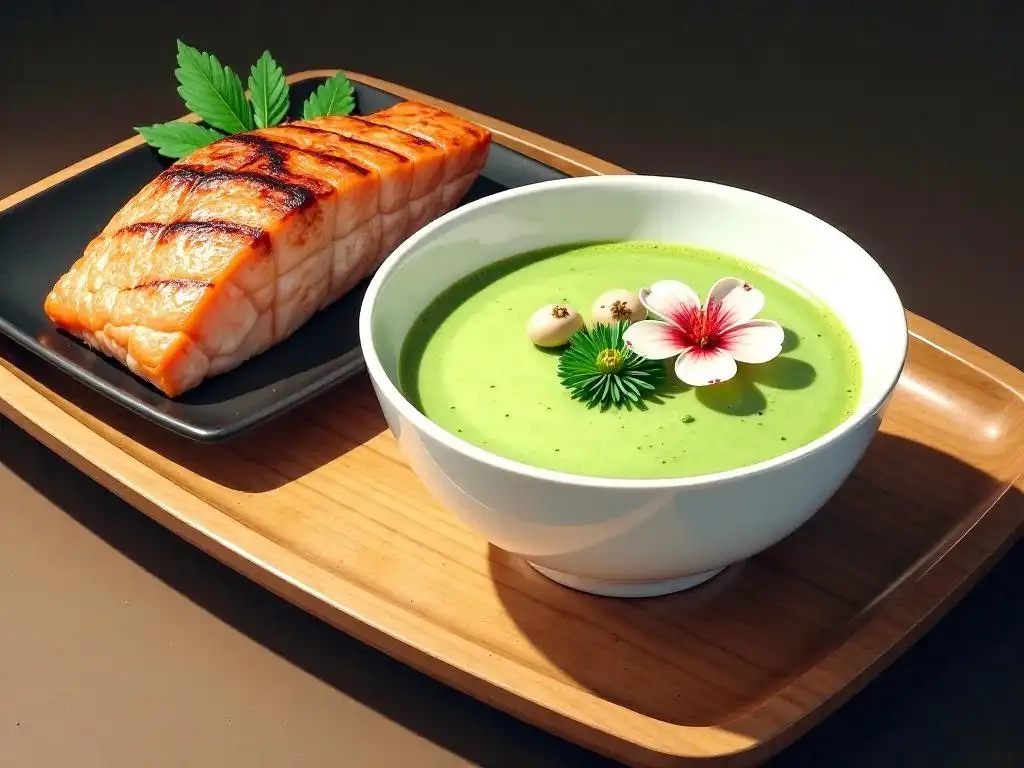
Exploring the profound influence of Zen mindfulness in Japanese cuisine unveils a tapestry of flavors, techniques, and philosophies that reflect a deep connection to nature and the present moment. This section delves into specific dishes that embody the principles of Zen, showcasing how mindfulness transforms culinary practices.
"Miso Soup": A Reflection of Mindfulness
Miso soup stands as a quintessential example of Zen mindfulness in Japanese cuisine. This simple yet profound dish encapsulates the essence of seasonal ingredients and the principles of balance and harmony.
- Ingredients and Preparation: The core of miso soup typically includes miso paste made from fermented soybeans, dashi (a broth often made from kelp and bonito flakes), and a variety of vegetables such as tofu, green onions, and seaweed. The preparation emphasizes mindfulness at every step:
- Selecting Ingredients: The choice of seasonal vegetables reflects a respect for nature, aligning with the Zen principle of living in harmony with one’s surroundings.
- Gentle Cooking: The process of simmering the ingredients is done gently, allowing flavors to meld without overwhelming the delicate balance.
- Serving Ritual: The act of serving miso soup in small bowls encourages a mindful eating experience, inviting diners to savor each sip.
- Mindfulness Connection: Each bowl of miso soup embodies the Zen practice of being present. The warm, nourishing qualities of the soup promote a sense of grounding and tranquility, making it a staple in Zen monasteries and homes alike.
"Sushi": Balancing Simplicity and Complexity
Sushi exemplifies the delicate interplay of simplicity and complexity, a hallmark of Zen mindfulness in culinary traditions. This dish is not merely about raw fish and rice; it reflects a philosophy of precision and artistry.
- Craftsmanship in Sushi Making: The creation of sushi requires acute attention to detail and mastery of technique:
- Rice Preparation: The rice must be cooked to perfection—each grain distinct yet cohesive. The process of washing, soaking, and cooking the rice demands patience and diligence.
- Fish Selection: Quality and freshness are paramount. Sushi chefs often spend years honing their skills to identify the finest cuts of fish, emphasizing the Zen principle of quality over quantity.
- Presentation: The visual aspect of sushi also plays a crucial role in the dining experience. Each piece is crafted with an artistic touch, showcasing colors and shapes that invite contemplation.
- Mindfulness at the Table: The act of eating sushi is a contemplative practice. Diners are encouraged to appreciate the textures, flavors, and the craftsmanship that went into each piece, fostering a deep connection to the food and the moment.
"Matcha": The Essence of Zen in Beverages
Matcha, a finely powdered green tea, is deeply intertwined with Zen Buddhism and exemplifies the essence of mindfulness in Japanese beverages. The preparation and consumption of matcha is steeped in ritual, reflecting a meditative approach to tea drinking.
- The Tea Ceremony: The Japanese tea ceremony (chanoyu) is a highly structured ritual that embodies Zen principles. Each movement is intentional, transforming the simple act of making tea into a profound spiritual practice:
- Preparation: The meticulous steps involved in whisking matcha powder with hot water demand focus and precision. Each whisking motion is a form of meditation.
- Serving: The careful presentation of matcha in a tea bowl encourages appreciation for aesthetics and the moment.
- Health Benefits: Beyond its cultural significance, matcha is celebrated for its health benefits, rich in antioxidants and promoting calmness—attributes that resonate with the Zen philosophy of nurturing both body and spirit.
- Mindfulness in Consumption: Drinking matcha invites a moment of stillness, encouraging individuals to savor the earthy flavors and reflect on the experience, fostering a sense of peace and mindfulness.
These dishes—miso soup, sushi, and matcha—illustrate the profound impact of Zen mindfulness in Japanese cuisine. Each dish reflects a commitment to quality, balance, and intentionality, inviting both chefs and diners to engage in a deeper connection with food and the present moment.
The Modern Influence of Zen Mindfulness in Japanese Cuisine
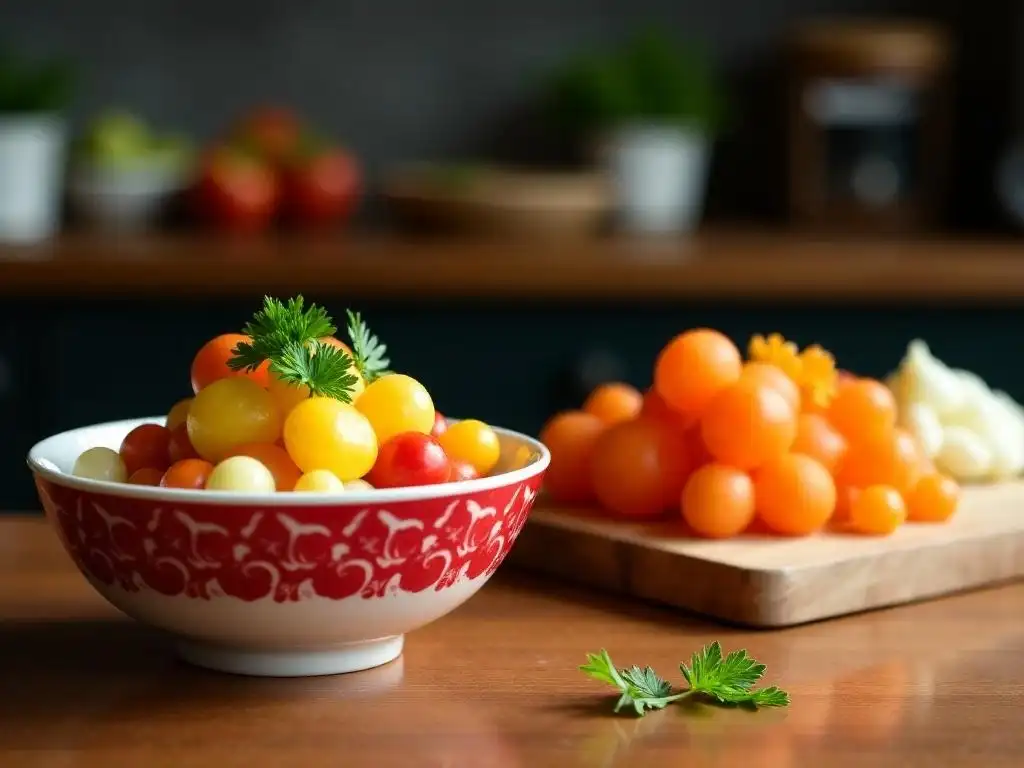
In recent years, the principles of Zen mindfulness have significantly permeated modern Japanese cuisine, influencing not just traditional recipes, but also the philosophy behind food preparation and consumption. This culinary evolution emphasizes simplicity, seasonality, and a deep appreciation for the ingredients, aligning perfectly with the core tenets of Zen Buddhism. As a result, chefs are increasingly incorporating mindfulness practices into their kitchens, which has transformed the dining experience into a more reflective and intentional activity.
Contemporary Chefs Embracing Zen Principles
Many contemporary chefs are now adopting Zen mindfulness in their culinary practices, creating dishes that not only please the palate but also nourish the spirit. These chefs often emphasize:
- Simplicity: Dishes are crafted with minimal ingredients, focusing on the quality and natural flavors of each component. For example, a traditional miso soup may be presented with just a few ingredients, allowing the umami of the miso to shine through.
- Seasonality: Chefs are increasingly aware of the seasons and the importance of using ingredients that are at their peak freshness. This practice not only supports local farmers but also enhances the flavors of the dishes. Think of a summer salad featuring fresh greens and edible flowers, reflecting the vibrancy of the season.
- Mindful Eating: Many chefs encourage diners to slow down and appreciate the food. This can be done through the presentation of the dish, the pacing of the meal, and encouraging diners to savor each bite, connecting them to the food on a deeper level.
For instance, Chef Yoshihiro Narisawa, known for his innovative approach to Japanese cuisine, incorporates Zen principles by focusing on the concept of "Satoyama," which connects the dining experience to the environment. His dishes reflect a deep respect for nature and sustainability, embodying the essence of Zen mindfulness in every bite.
Zen Mindfulness in Japanese Cuisine Outside Japan
The influence of Zen mindfulness in Japanese cuisine is not confined to Japan; it has also found a place in culinary practices around the world. Chefs outside Japan are increasingly drawn to the principles of Zen, interpreting them in ways that resonate with their local contexts. Some key aspects include:
- Fusion Cuisine: Many chefs are blending Zen principles with local ingredients and culinary traditions. For example, a chef in the United States might create a dish that combines traditional Japanese sushi techniques with locally sourced fish and seasonal vegetables, presenting it in a way that emphasizes the beauty and harmony of the ingredients.
- Mindfulness in Cooking Classes: Various culinary schools and workshops across the globe have started incorporating Zen mindfulness into their curricula. These classes often focus on the meditative aspects of cooking, teaching students to approach food preparation with intentionality and focus. Participants learn not only to cook, but also to cultivate mindfulness through the act of preparing and sharing food.
- Farm-to-Table Movement: The farm-to-table movement shares common ground with Zen mindfulness, as it emphasizes fresh, seasonal ingredients and a connection to the land. Restaurants that prioritize this approach often reflect Zen principles by creating dishes that are simple yet profound, allowing the flavors of the ingredients to take center stage.
As the world becomes increasingly aware of the importance of mindfulness in daily life, the influence of Zen on Japanese cuisine continues to grow, transcending cultural boundaries and inspiring chefs and home cooks alike. Through this culinary lens, food becomes not just sustenance, but a path to greater awareness and appreciation of the present moment.
Conclusion: The Lasting Legacy of Zen Mindfulness in Japanese Cuisine
Zen mindfulness has left an indelible mark on Japanese cuisine, intertwining the philosophies of simplicity, balance, and presence with culinary practices that continue to evolve. The principles of Zen have not only shaped traditional dishes but also influenced contemporary cooking, emphasizing the importance of mindfulness in every step of the culinary process. This legacy is evident in the meticulous attention to detail found in the preparation and presentation of food, where each element is intentionally chosen and thoughtfully arranged.
Zen mindfulness encourages an appreciation for the natural world, which is reflected in the seasonal ingredients and the aesthetic appeal of dishes. This connection to nature not only enhances the flavor profile of meals but also fosters a deeper understanding of the environment and the importance of sustainability in food practices. As the world continues to embrace wellness and mindfulness, the teachings of Zen are likely to inspire future culinary innovations, ensuring that these age-old practices remain relevant.
Summary of Key Points
- Mindfulness in Preparation: The practice of being fully present during cooking has led to more intentional and thoughtful culinary creations.
- Seasonal Ingredients: Zen principles advocate for the use of fresh, local produce, creating a strong connection between food and the environment.
- Aesthetic Presentation: The visual aspect of food is just as important as its taste, with an emphasis on harmony and balance in plating.
- Cultural Practices: Traditional Japanese tea ceremonies and kaiseki dining exemplify the integration of Zen mindfulness into communal eating experiences.
- Sustainability: A growing emphasis on environmental consciousness in food sourcing and preparation is aligned with Zen teachings on respect for nature.
The Future of Zen Influences in Global Culinary Practices
As the culinary world becomes increasingly globalized, the principles of Zen mindfulness in Japanese cuisine are poised to inspire chefs and food enthusiasts beyond Japan. With the rising popularity of mindfulness practices, there's a notable shift towards incorporating these philosophies into global culinary practices.
- Mindful Eating: The concept of mindful eating encourages individuals to savor each bite, fostering healthier relationships with food. This practice can lead to a more profound appreciation for the ingredients and the act of eating itself.
- Culinary Education: Cooking schools and culinary programs are beginning to integrate mindfulness training into their curricula, teaching aspiring chefs the importance of presence and intention in their work.
- Fusion Cuisine: Chefs worldwide are experimenting with Zen principles, creating fusion dishes that marry Japanese techniques with flavors from diverse culinary traditions. This trend not only enhances creativity but also promotes a dialogue between cultures.
- Wellness Trends: As more people seek holistic approaches to eating, the incorporation of Zen mindfulness into diet and preparation methods could shape future food trends, aligning culinary practices with mental and physical well-being.
The influence of Zen mindfulness in Japanese cuisine is not only a historical phenomenon but a living practice that resonates with contemporary culinary arts. As we look to the future, the integration of these principles will undoubtedly continue to enrich global culinary practices, promoting a deeper connection with food and fostering a culture of mindfulness.
Frequently Asked Questions
What is the connection between Zen mindfulness and Japanese cuisine?
Zen mindfulness emphasizes awareness and simplicity, which greatly influences Japanese culinary practices. This connection is evident in the presentation and preparation of dishes that focus on the beauty of ingredients.
How does Zen philosophy shape cooking techniques in Japan?
Zen philosophy encourages techniques that promote harmony and balance, leading to cooking methods that respect the natural flavors of ingredients. This results in dishes that are not only delicious but also aesthetically pleasing.
What are some examples of Zen-inspired dishes in Japanese cuisine?
Dishes such as sushi, sashimi, and temaki often reflect Zen principles. These meals highlight freshness and seasonality, showcasing the chef’s mindfulness in selecting and preparing ingredients.
How has Zen mindfulness influenced dining etiquette in Japan?
Zen mindfulness promotes mindful eating, encouraging diners to appreciate each bite. This has led to traditional dining practices that emphasize silence and focus, allowing for a deeper connection with the food.
Can Zen mindfulness be applied to modern Japanese cooking?
Yes, many contemporary chefs incorporate Zen principles into their cooking by focusing on seasonality, simplicity, and aesthetic presentation. This fusion creates a unique dining experience that honors traditional values while embracing innovation.
Final Reflection: Embracing Zen Mindfulness in Japanese Cuisine
The essence of Zen mindfulness in Japanese cuisine transcends mere culinary practices; it embodies a holistic approach to life that is profoundly relevant in today's fast-paced world. As we navigate the complexities of modern living, the principles of simplicity, presence, and intentionality found in Zen can guide us towards a more fulfilling and meaningful existence. The art of mindful eating, as illustrated in this article, serves as a powerful reminder that food is not just sustenance but a pathway to deeper awareness and connection to ourselves and our surroundings.
Culinary practices rooted in Zen mindfulness have not only shaped the way we experience food but also how we engage with one another and our environment. The cultural significance of these practices continues to resonate, encouraging us to slow down and appreciate the beauty in simplicity. As we savor each bite, we cultivate a deeper appreciation for the ingredients and the stories they carry. When we eat mindfully, we nourish not just our bodies, but our souls.
This ongoing influence of Zen mindfulness in Japanese cuisine invites us to reflect on our own eating habits and the broader implications they have on our well-being and relationships.
As you close this chapter on the influence of Zen mindfulness in Japanese cuisine, I invite you to take a moment to reflect on your own culinary experiences. Consider how you can incorporate mindfulness into your meals, transforming everyday eating into a sacred ritual. By embracing the principles of Zen, you can cultivate a deeper connection with your food, enhance your appreciation for the present moment, and ultimately enrich your life. Let this exploration inspire you to create your own mindful culinary journey, one that honors both the food and the experience it brings.
Embrace the Zen Approach to Your Next Meal!
Thank you for exploring the fascinating world of Japanese cuisine and its deep-rooted connection to Zen mindfulness! We hope you’ve gained valuable insights into how these culinary practices can transform your cooking and dining experiences. Now, it’s time to take these lessons beyond the page and into your kitchen.
Here are some simple yet powerful actions you can take:
- Start your own mindful cooking session: Choose a straightforward recipe and dedicate time to focus entirely on the preparation process, embracing each step with awareness and appreciation.
- Share the Zen! Invite friends over for a meal where everyone contributes a dish that reflects mindfulness, sparking meaningful conversations about food and its significance.
- Explore local Zen gardens or participate in workshops that teach mindful eating practices to deepen your understanding of this rich cultural heritage.
As you begin to incorporate mindfulness into your culinary practices, we encourage you to reflect on this: How can adopting a more mindful approach to cooking transform your relationship with food? We invite you to share your thoughts in the comments below!