
Captivating Novels Set in Feudal Japan: A Literary Journey Through Time

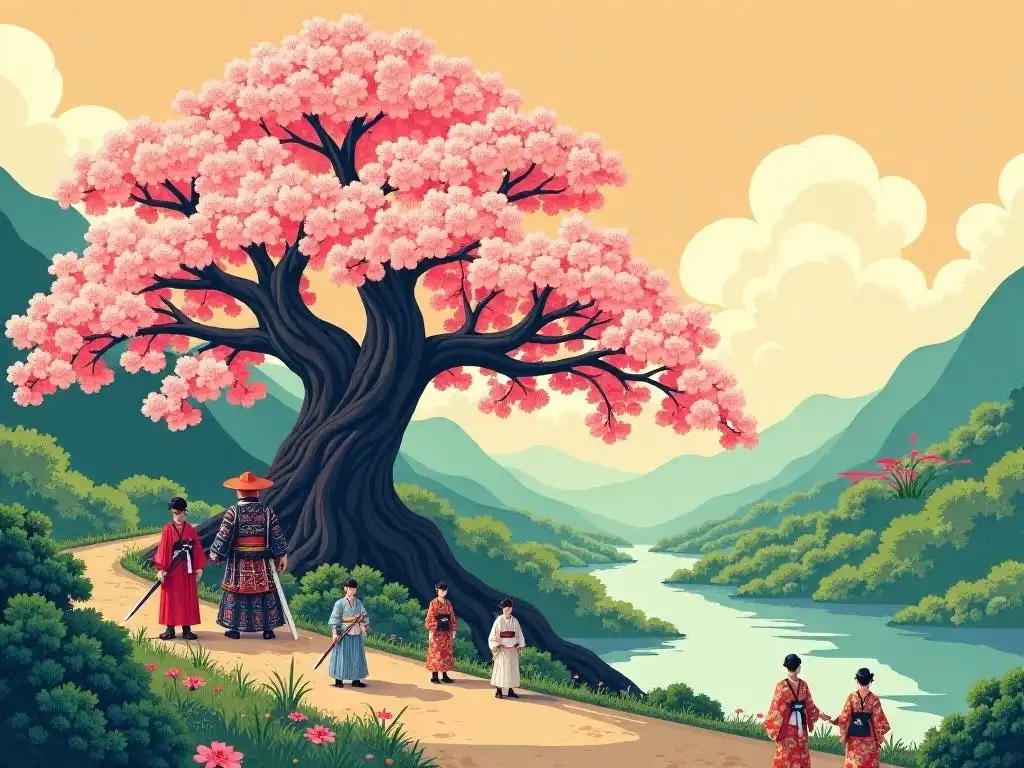
Welcome to Feudal Japan History, where we invite you to embark on a literary journey through time! Immerse yourself in the rich tapestry of Japan's feudal era as we unveil the best novels feudal Japan has to offer. These captivating stories not only transport you to a world of samurai and shoguns but also provide profound insights into the culture and society of this fascinating period.
Get ready to explore our expertly curated articles that promise to ignite your curiosity and deepen your understanding of this remarkable chapter in history. Dive in and discover the narratives that shaped a nation!
Exploring the rich tapestry of feudal Japan is not only a historical journey but also a captivating literary experience. The era, marked by samurai warriors, intricate social hierarchies, and a profound connection to nature and spirituality, has inspired numerous authors to weave stories that transport readers back in time.
From gripping tales of honor and betrayal to poignant narratives that reflect the cultural and societal norms of the period, the best novels set in feudal Japan offer a unique lens through which to understand this fascinating chapter of history. In this article, we will delve into the most impactful novels that capture the essence of feudal Japan, examining their themes, characters, and the historical contexts that enrich their narratives.
Introduction to the Best Novels on Feudal Japan
The literary landscape of feudal Japan is as diverse as it is profound. Novels set in this era not only entertain but also educate readers about the complexities of Japanese culture and history. Here are some key aspects to consider when exploring the best novels in this genre:
- Historical Context: Understanding the time period is essential. Feudal Japan, spanning from the 12th to the 19th century, was characterized by the rise of the samurai class, the establishment of shogunates, and a unique social structure.
- Cultural Reflection: Many novels reflect the cultural practices, beliefs, and societal norms of the time, offering insights into daily life, spirituality, and the arts.
- Themes of Honor and Duty: Honor, loyalty, and the bushido code play central roles in many narratives, highlighting the moral dilemmas faced by characters.
The Historical Significance of Novels Set in Feudal Japan
The novels set in feudal Japan are more than mere storytelling; they serve as vital historical documents that capture the ethos of the time. Through their narratives, readers gain a deeper appreciation for:
- Political Intrigues: Many novels delve into the power struggles between clans and the impact of these conflicts on the lives of ordinary people.
- Social Hierarchies: The rigid caste system of feudal Japan is often central to the plots, exploring how characters navigate their roles within this structure.
- Cultural Heritage: These novels celebrate the rich traditions of Japan, including art, religion, and philosophy, often intertwining historical facts with fictional elements.
As we turn the pages of these captivating works, we embark on a literary journey that not only entertains but also enlightens, bringing to life the complexities and nuances of feudal Japan. Whether you are a history enthusiast or a lover of literature, the best novels set in this era promise to captivate your imagination and broaden your understanding of Japan's storied past.
Key Themes in Feudal Japan Novels
Novels set in Feudal Japan often delve into a rich tapestry of themes that reflect the complexities of the era. Understanding these themes provides insight into the cultural and societal dynamics of the time.
- Honor and Duty: Central to the samurai code, or bushido, the themes of honor and duty permeate many narratives. Characters often face moral dilemmas that test their loyalty to their lord, family, and personal ethics. These conflicts exemplify the weight of social expectations and the repercussions of failing to uphold one's honor.
- War and Conflict: The feudal period was marked by constant strife, whether through civil wars or battles for supremacy among clans. Many novels explore the brutality of war, the strategies employed, and the human cost associated with these conflicts. This theme highlights the fragility of life and the transient nature of power.
- Nature and Spirituality: Nature plays a pivotal role in the depiction of Feudal Japan, often symbolizing deeper spiritual truths. Characters frequently engage with the natural world, reflecting the Shinto and Buddhist beliefs that emphasize harmony with nature. This connection not only enhances the setting but also serves as a backdrop for personal growth and enlightenment.
- Love and Betrayal: Interpersonal relationships in these novels often illustrate the tension between personal desires and societal obligations. Romantic entanglements can lead to betrayal, particularly in a society where allegiance to clan and family supersedes individual feelings. These narratives examine the struggles of love under the constraints of duty.
- The Role of Women: While often marginalized in historical accounts, women in Feudal Japan novels are portrayed with depth and complexity. They navigate a male-dominated society, sometimes wielding power in subtle ways, and their stories often reflect the challenges and resilience of women during this time. Themes of survival, agency, and societal roles are prevalent.
Best Novels Set in Feudal Japan

Exploring the best novels set in Feudal Japan offers readers a captivating glimpse into this historical period through the lens of fiction. Here are some of the most renowned works that transport readers back in time:
1. "Shogun" by James Clavell
"Shogun" is a monumental novel that chronicles the adventures of an English navigator, John Blackthorne, who finds himself washed ashore in Japan during the early 17th century. The narrative intricately weaves historical events with fictional elements, showcasing the clash of cultures as Blackthorne becomes embroiled in Japanese politics. Themes of loyalty, power struggles, and cultural exchange are central to the story, making it a compelling portrayal of Feudal Japan.
2. "Musashi" by Eiji Yoshikawa
"Musashi" is a sweeping epic that follows the life of the legendary swordsman Miyamoto Musashi. The novel explores his journey to become a master of the sword, delving into the philosophy and discipline that define the samurai way of life. Yoshikawa's vivid storytelling captures the nuances of Musashi's character, as well as the historical context of the era, including rivalries and the pursuit of personal enlightenment.
3. "The Tale of the Heike" (translated by Helen McCullough)
This classic work is an essential reading for anyone interested in the samurai culture and the Genpei War. "The Tale of the Heike" is an epic account of the rise and fall of the Taira and Minamoto clans, intertwining historical events with poetic storytelling. Helen McCullough's translation makes this profound narrative accessible, offering insights into the values, struggles, and tragedies of the time.
4. "The Samurai's Garden" by Gail Tsukiyama
Set against the backdrop of World War II, "The Samurai's Garden" tells the story of a young Chinese man, Stephen, who retreats to a seaside village in Japan to recover from tuberculosis. Through his interactions with a local samurai and the villagers, the novel explores themes of healing, friendship, and the haunting effects of war. Tsukiyama's lyrical prose beautifully captures the essence of Japanese culture and the enduring spirit of its people.
5. "Cloud of Sparrows" by Takashi Matsuoka
"Cloud of Sparrows" transports readers to 1861, as it follows the journey of a young lord, a Christian samurai, and a woman from the West. The narrative intertwines elements of adventure, romance, and cultural clash, highlighting the tensions between tradition and modernity. Matsuoka's novel is rich in historical detail, providing a vivid depiction of the changing landscape of Japan during this transformative period.
How to Choose the Best Novels on Feudal Japan
Choosing the best novels set in Feudal Japan can be an enriching experience, but it requires careful consideration of several factors. Here are some key elements to keep in mind:
- Historical Accuracy: Look for novels that are rooted in well-researched historical contexts. Authors who weave factual elements into their narratives can enhance your understanding of the era. Check for historical notes or bibliographies that showcase their research.
- Character Development: The depth of characters can significantly influence your reading experience. Seek novels that feature complex characters who embody the values, struggles, and societal norms of Feudal Japan. This will allow you to engage more deeply with the narrative.
- Cultural Representation: Consider how the novel portrays Japanese culture, traditions, and societal structures. Books that authentically reflect the customs and beliefs of the time will provide a richer reading experience and foster a greater appreciation for the culture.
- Narrative Style: The writing style can greatly impact your enjoyment. Some novels adopt a lyrical prose style, while others may have a more direct approach. Explore different styles to find what resonates with you personally.
- Themes and Motifs: Pay attention to the central themes of the novels. Common themes in Feudal Japan literature include honor, loyalty, and the conflict between personal desires and societal expectations. Identifying these themes can help you select books that align with your interests.
By considering these factors, you can curate a list of novels that not only entertain but also educate you about the complexities of Feudal Japan.
Where to Find the Best Novels on Feudal Japan
Finding the best novels set in Feudal Japan can be an adventure in itself. Here are several avenues to explore:
- Local Libraries: Public libraries often have a dedicated section for historical fiction. Consult with a librarian who may provide recommendations based on your interests. Many libraries also offer interlibrary loans if they don’t have specific titles available.
- Bookstores: Independent bookstores frequently showcase local authors and niche genres. Visit these stores for personalized recommendations and to discover hidden gems. You can also check larger chains for their historical fiction sections.
- Online Retailers: Platforms like Amazon and Goodreads allow you to browse a vast selection of novels. User reviews and ratings can help you gauge the popularity and quality of specific titles. Look for curated lists focusing on historical fiction or Feudal Japan.
- Book Clubs and Online Communities: Joining a book club or engaging with online forums can provide insights into popular novels and upcoming releases. Websites like Reddit or specialized Facebook groups often discuss historical fiction, and members may share their favorites.
- Literary Awards and Recommendations: Keep an eye on literary awards that recognize historical fiction. Books that have won accolades are often well-regarded and worth exploring. Additionally, blogs and websites dedicated to historical literature can provide extensive lists of recommended reads.
By leveraging these resources, you can discover captivating novels that transport you to the fascinating world of Feudal Japan.
Conclusion: The Enduring Allure of Novels about Feudal Japan

The novels set in Feudal Japan possess an enduring allure that captivates readers across generations. These literary works not only provide an escape into a richly textured historical landscape but also invite reflection on universal themes of honor, duty, and the human experience.
Through their intricate plots and well-drawn characters, these novels illuminate the complexities of life during a period marked by social hierarchies and cultural traditions. They serve as a bridge connecting modern readers to the past, fostering a deeper understanding of Japan's rich heritage.
Moreover, the creative storytelling found in these novels highlights the artistic expression of the time, showcasing the artistry of both historical figures and contemporary authors. As you embark on your literary journey through Feudal Japan, you will find that these stories resonate with timeless wisdom and insights that remain relevant today.
Whether you are a history enthusiast or a lover of fiction, the best novels on Feudal Japan offer a unique opportunity to explore a captivating era that continues to inspire and fascinate. Happy reading!
Additional Recommendations for Exploring Feudal Japan
Beyond the captivating novels that vividly depict the rich tapestry of feudal Japan, there are several other avenues to deepen your understanding of this fascinating era. These recommendations encompass various forms of media, including films, documentaries, and historical texts that complement the literary journey.
- Films and Series:
- Seven Samurai (1954): Directed by Akira Kurosawa, this iconic film portrays a group of samurai who band together to protect a village from bandits. It's not only a thrilling narrative but also offers insight into the social structures and values of feudal Japan.
- Shogun (1980): Based on James Clavell's novel, this television mini-series explores the clash of cultures between the English navigator John Blackthorne and the Japanese feudal system, highlighting the intricate dynamics of power and loyalty.
- Documentaries:
- Inside the Samurai Castle: This documentary provides an in-depth look at the architecture and history of samurai castles, exploring their strategic importance during the feudal era.
- The Samurai: Warriors of Japan: A comprehensive documentary that delves into the lives, training, and philosophies of the samurai, offering rich historical context to the novels you may explore.
- Historical Texts:
- Hagakure: The Book of the Samurai by Yamamoto Tsunetomo: A practical and spiritual guide for samurai, this text contains insights into their code of conduct and philosophy.
- The Tale of the Heike: An epic account of the Genpei War, this historical narrative reflects the tumultuous period of samurai warfare and the interplay of noble families.
- Interactive Experiences:
- Museums: Visiting museums that focus on feudal Japan, such as the Tokyo National Museum or the Samurai and Ninja Museum with Experience in Kyoto, can provide tangible connections to the era.
- Cultural Festivals: Participating in local festivals that celebrate Japanese history and culture can offer immersive experiences, often showcasing traditional performances, crafts, and cuisine from the feudal period.
Call to Action
Embark on a literary journey through feudal Japan by diving into the recommended novels and supplementary media. Each work not only entertains but also serves as a portal into the complexities of a bygone era.
As you explore these captivating stories, consider sharing your thoughts and experiences with fellow history enthusiasts. Join online forums or book clubs dedicated to literature on feudal Japan, where you can engage in discussions, exchange recommendations, and deepen your appreciation of this rich historical tapestry.
Don't forget to explore local libraries or bookstores for these titles, and check online platforms for e-books and audiobooks that make accessing these literary gems easier.
Whether you are a history buff, a literature lover, or simply curious about Japan's past, the stories of feudal Japan await your discovery. Happy reading! 📚✨
- Introduction to the Best Novels on Feudal Japan
- The Historical Significance of Novels Set in Feudal Japan
- Key Themes in Feudal Japan Novels
- Best Novels Set in Feudal Japan
- How to Choose the Best Novels on Feudal Japan
- Where to Find the Best Novels on Feudal Japan
- Conclusion: The Enduring Allure of Novels about Feudal Japan
- Additional Recommendations for Exploring Feudal Japan
- Call to Action
- What are some of the best novels set in feudal Japan?
- How does literature portray the societal aspects of feudal Japan?
- Why is it important to study the cultural aspects of feudal Japan through novels?
- Are there any contemporary authors known for writing about feudal Japan?
- How can reading novels about feudal Japan enhance our understanding of its historical context?
Frequently Asked Questions
What are some of the best novels set in feudal Japan?
Some of the best novels include works like "Shogun" by James Clavell and "The Tale of Genji" by Murasaki Shikibu, which offer rich narratives and historical insights into feudal Japan.
How does literature portray the societal aspects of feudal Japan?
Literature often highlights the social hierarchy and cultural practices, reflecting the complexities of life during the feudal era, including the roles of samurai, peasants, and the influence of Buddhism.
Why is it important to study the cultural aspects of feudal Japan through novels?
Studying these cultural aspects through novels provides a deeper understanding of the values, beliefs, and everyday life of people during this period, enriching our overall knowledge of Japanese history.
Yes, contemporary authors like Lian Hearn and David Mitchell have gained recognition for their works that explore themes and narratives set in feudal Japan, blending historical fact with fiction.
How can reading novels about feudal Japan enhance our understanding of its historical context?
Reading these novels can enhance our understanding by presenting historical events and cultural practices in a narrative form, making the historical context more relatable and engaging for readers.
Final Reflection: Embracing the Timeless Allure of Feudal Japan
The captivating narratives set in feudal Japan resonate deeply with our contemporary world, reminding us of the enduring power of storytelling. These novels not only transport us to a time of samurais, honor, and intricate societal structures but also reflect the complexities of human nature that remain relevant today. In an era where we often seek connection and understanding, the themes woven into these tales serve as a bridge to our shared humanity, illustrating that the struggles and triumphs of the past continue to echo in our lives.
The influence of feudal Japan in literature has transcended time, shaping cultural narratives and inspiring countless authors and readers alike. The rich tapestry of this historical period invites us to explore the depths of loyalty, conflict, and personal growth, offering insights that are as applicable now as they were centuries ago. As acclaimed author Haruki Murakami once said, The most important thing we learn at school is the fact that the most important things can't be learned at school.
This sentiment encapsulates the essence of these novels, emphasizing that the lessons of life often come from the stories we immerse ourselves in, rather than formal education.
As you reflect on the enchanting worlds crafted in these novels, I encourage you to consider how their themes resonate with your own experiences. What lessons can you draw from the honor of a samurai or the resilience of a peasant? Let these stories inspire you to embrace the complexities of your own journey, fostering a deeper understanding of yourself and the world around you. In doing so, you not only honor the literary legacy of feudal Japan but also enrich your own life with the wisdom that transcends time.
Unveil Your Next Literary Adventure!
Thank you for joining us in exploring captivating novels set in feudal Japan. We hope you found inspiration and gained insight into the rich tapestry of stories that transport you to a bygone era. Now, it’s time to take the next step in your literary journey!
Here are a few exciting actions you can take:
- Dive into the recommended novels by selecting one that resonates with you today and immerse yourself in the rich culture and history of feudal Japan.
- Share your thoughts by writing a review of your favorite novel from this period on your blog or social media. Encourage others to explore these incredible stories!
- Join a book club that focuses on historical literature, or consider starting your own, to connect with fellow enthusiasts who share your passion for these compelling tales.
As you embark on this journey through literature, we invite you to ponder: Which novel will you choose to begin your adventure in the mesmerizing world of feudal Japan?